5 Best Books for People Who Love Gardening: Top Fiction and Non-Fiction Picks
Gardening brings joy, relaxation, and a sense of accomplishment. Many people love reading about their favorite hobby to learn new techniques, explore plant types, or simply enjoy stories that celebrate gardens and nature.
Books on gardening come in many forms, from practical guides to novels where gardens play a big role in the plot. When choosing a gardening book, you should think about what you want most.
Do you want step-by-step tips and plant advice, or are you looking for a good story set in a garden? It’s also important to check if the book suits your climate or skill level for non-fiction, and to see if the fiction books you pick match your interests.
We spent hours researching and reading both fiction and non-fiction titles to find the best gardening books for all kinds of readers.
Best Books for People Who Love Gardening
Discover top books that inspire and inform gardening lovers. Whether you enjoy stories about gardens or want to learn new tips and techniques, you’ll find something for every reader here.
Explore the best picks for both fiction and non-fiction.
The Garden of Memories
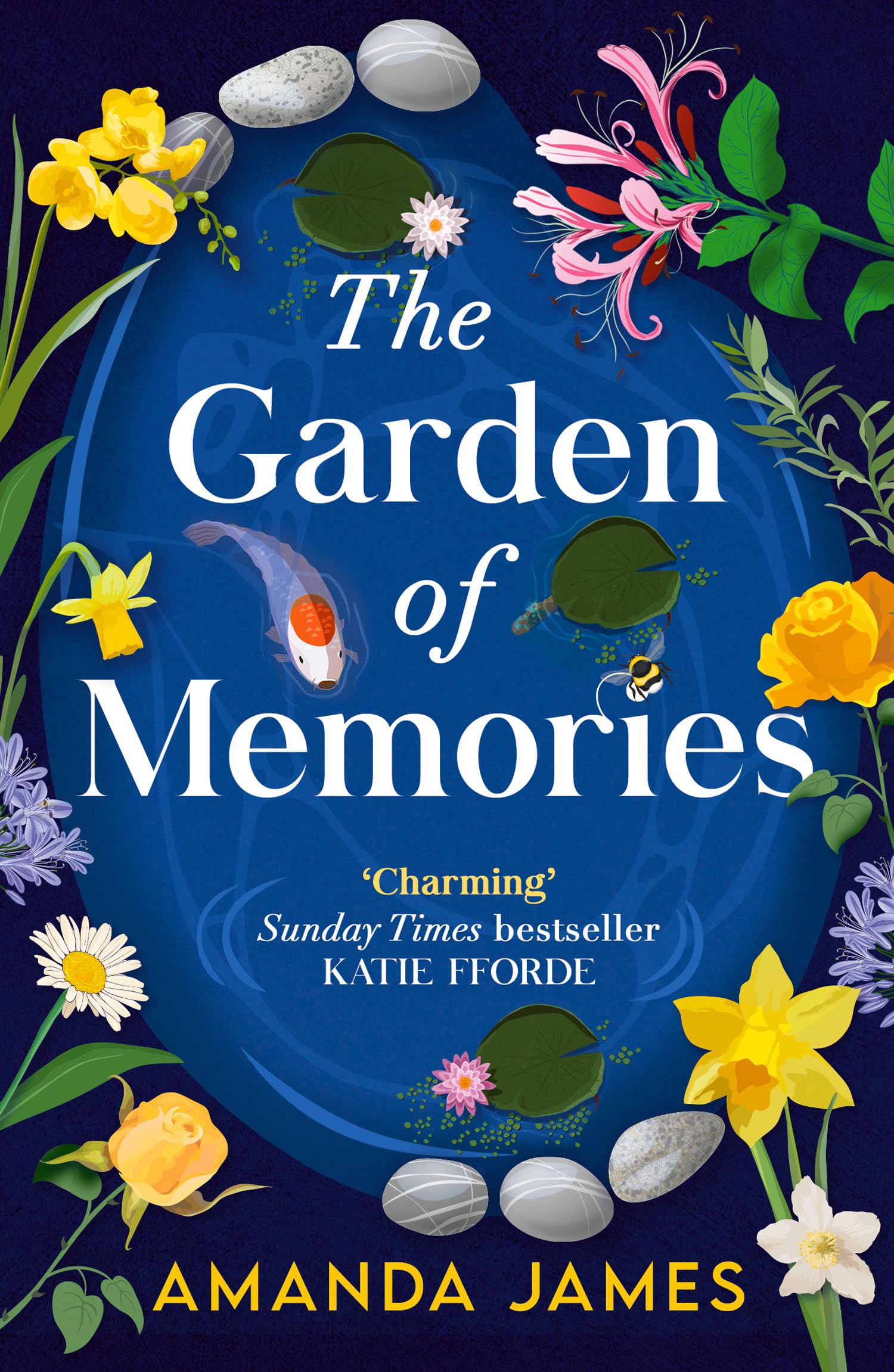
If you want a gentle, heartwarming book that mixes the joys of gardening with stories about friendship and renewal, this is a solid pick.
Pros
- Offers inspiring stories about community and personal growth
- Includes practical gardening wisdom blended into the story
- Creates a soothing and comforting atmosphere
Cons
- Some parts might feel too sentimental
- The story can move slowly at times
- Not for those looking for intense drama
“The Garden of Memories” is less about step-by-step gardening and more focused on how gardens bring people together. The main character, a retired nurse, uses her love of gardening to connect with neighbors and friends, making each chapter feel like spending time in a blooming backyard.
If you enjoy books that explore relationships and the power of nature to heal, you’ll appreciate the honest and relatable moments. Little details about plants and flowers add a nice touch, giving you a few ideas for your own backyard.
The setting in Cornwall is painted with enough detail that you can imagine yourself walking alongside the characters among rows of spring blossoms. On the downside, the plot takes its time to develop, so you might find yourself wishing things would move along faster.
This isn’t a story packed with twists, but instead, it feels like a quiet stroll through the garden—perfect if you want to relax.
5-Minute Gardener

If you want a gardening book that gives fast, doable advice for every season, this is a practical pick but may not go deep enough if you want advanced plans.
Pros
- Offers easy-to-follow tips you can do in short bursts
- Covers year-round gardening, not just summer
- Organized for quick reference when you’re in a hurry
Cons
- Some tips feel too basic if you’re already experienced
- A few sections are repetitive
- Task lists are not always truly “five minutes”
This book is great if your schedule is packed and you still want to keep your garden going all year. The tips are broken down in a way that makes it easy to try something new each day, even if you don’t have much time.
I liked being able to flip straight to the month or season I was interested in and get quick reminders for what to plant. You’ll find practical info, like which seeds to start and what maintenance tasks won’t take long.
If you’ve ever thought gardening was only for the summer, this book shows you how to make things grow no matter what the weather. It’s handy for beginners and for anyone needing some structure.
If you’re expecting detailed plans or in-depth projects, you may feel some sections only touch the surface. Still, I found the simple style helpful for keeping the garden on track without getting overwhelmed by complicated directions.
The Gardener’s Bed-Book
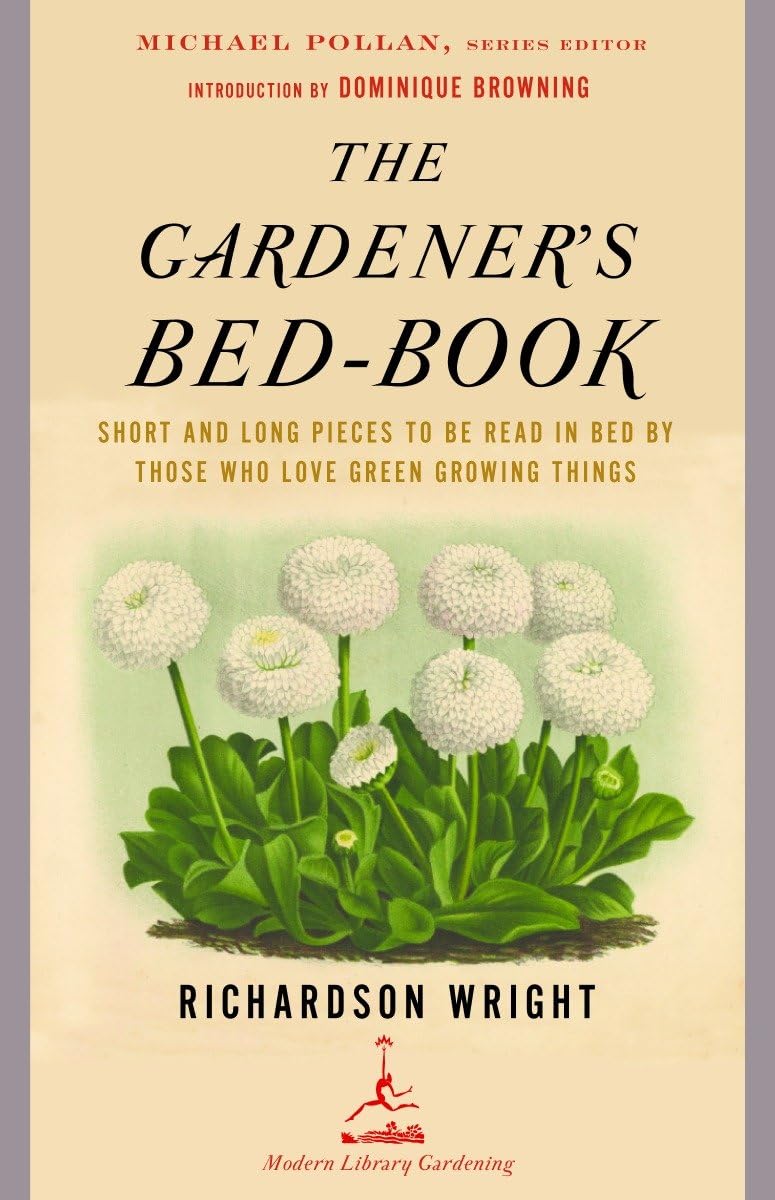
If you love winding down with stories and reflections about gardening, this book will make a cozy addition to your nightstand.
Pros
- Ideal for quick bedtime reading or longer sessions
- Warm and witty writing style adds charm
- Works for both beginner and seasoned gardeners
Cons
- Older language may not appeal to everyone
- Lacks modern gardening tips
- Repetitive if read in large chunks
You’ll get a mix of short and long pieces written in a gentle, easy-going voice that feels perfect for ending the day. The book flows easily, making it simple to start and stop as you please.
Often, you’ll want to read “just one more” entry before turning out the lights. Each page brings a calming mood, whether you’re curled up after spending the day outside or just wish you were.
There’s a lot of humor and wisdom tucked into each essay. Even if you aren’t the most experienced gardener, you’ll find something here to enjoy.
The writing comes from a different era, and that’s part of its charm. If you like books that make you pause and reflect—without needing to reference modern techniques—The Gardener’s Bed-Book will fit nicely into your routine.
The Complete Gardener

If you want a detailed and inspirational guide for your gardening journey, this book offers advice and ideas from nearly every angle.
Pros
- Covers a huge range of practical gardening tips and techniques
- Full of beautiful photos to help spark new projects
- Offers insights and personal stories from an experienced gardener
Cons
- Some parts may not be as helpful for total beginners
- The pages could be higher quality, especially with all the photos
- Quite a large and heavy book, not very portable
Monty Don’s “The Complete Gardener” gives you clear instructions on many gardening topics, from soil health to garden layouts. You will notice a personal touch in his writing that feels both warm and trustworthy.
The photos throughout are especially inspiring—they offer a good sense of what you can accomplish with a bit of patience and effort. Not all sections feel tailored for new gardeners.
If you’re just getting started or grow in smaller urban spaces, you might find parts of this book less useful. Still, many tips work for gardens of all sizes, and the step-by-step ideas make it easy to try something new.
You get honest advice, careful explanations, and practical techniques you can put into use right away. The paper feels a bit plain for a book packed with images, but the quality of the content makes up for it.
Mister Owita’s Guide to Gardening

If you want a moving memoir that brings gardening and friendship together, you’ll probably connect with this book.
Pros
- Easily readable and approachable for all reading levels
- Heartfelt story that brings real life and gardening together
- Encourages you to see gardens—and people—differently
Cons
- Main character can come across as distant at times
- Story may feel predictable in some parts
- Doesn’t focus a lot on gardening techniques
Reading this book feels like sitting down for a heartfelt conversation with a neighbor over their backyard fence. The author’s journey with Mr. Owita, a Kenyan gardener, slowly unfolds and blends honest life lessons with the beauty of growing things in your yard.
Don’t expect to pick up straightforward gardening tips or detailed instructions here. Instead, you’ll follow Carol Wall’s personal struggles and how they intersect with the simple acts of tending a yard.
For someone who enjoys deeper stories connected to gardens, it’s a strong fit. The writing is inviting and easy to follow, even when it touches on serious topics.
It’s not a step-by-step gardening manual, but it will stick with you if you enjoy stories about real people and how plants can help us grow.
Buying Guide
When choosing a gardening book, think about what you want to learn or enjoy. Non-fiction books can help improve your skills, while fiction can inspire or entertain.
Consider these features when shopping:
- Type: Choose between fiction, reference, or how-to guides.
- Skill Level: Beginner, intermediate, or advanced.
- Content: Look for details like plant care tips, garden design, or personal stories.
- Photos & Illustrations: Some books include step-by-step images, which can be helpful.
- Length: Some books are quick reads, while others are more detailed and in-depth.
| Feature | Why It’s Important |
|---|---|
| Clear Instructions | Easier to follow, great for beginners |
| Real-life Examples | Makes learning practical and relatable |
| Indexed Topics | Faster to find needed information |
| Updated Editions | More current advice and techniques |
Ask yourself if you prefer a book with lots of pictures or detailed text. Illustrated books can make instructions easier to understand.
Look for books written by experienced gardeners or authors with expertise. Check the table of contents if you can, so you know the topics covered.
Read reviews or sample pages to see if the writer’s style fits your needs. A clear, simple layout is always helpful for finding information quickly.
Think about how the book can grow with you, if you’re likely to revisit it as your skills improve.
Frequently Asked Questions
You can find books about gardens in many different genres, from novels and short stories to plant care guides and cultural histories. Some books teach you how to grow plants, while others dive into how gardens have changed societies.
What are some must-read fiction books for gardening enthusiasts?
You may enjoy “The Secret Garden” by Frances Hodgson Burnett for its story of healing through nature. “Seedfolks” by Paul Fleischman tells how a community garden brings people together.
“The Signature of All Things” by Elizabeth Gilbert explores a woman’s life as a botanist in the 18th and 19th centuries.
Can you recommend top non-fiction books that explore the world of gardening?
Consider “Braiding Sweetgrass” by Robin Wall Kimmerer for stories and lessons about plants and ecology. “The Garden Primer” by Barbara Damrosch is practical and easy to use for home gardeners.
Another strong choice is “Second Nature” by Michael Pollan, which shares personal gardening experiences and insights into our relationship with nature.
Which books combine storytelling with practical gardening advice?
“Animal, Vegetable, Miracle” by Barbara Kingsolver follows one family’s real journey to grow their own food. It mixes gardening advice with a personal story.
“Onward and Upward in the Garden” by Katherine S. White brings together personal thoughts, plant advice, and reflections on famous gardens.
What are the classic gardening books every plant lover should own?
“The Well-Tempered Garden” by Christopher Lloyd has been a favorite for decades. “All New Square Foot Gardening” by Mel Bartholomew gives clear planting instructions that help both new and experienced gardeners.
“Rosemary Verey’s Garden Plans” provides inspiration and practical layouts for designing beautiful gardens.
Are there any recent gardening book releases that have garnered critical acclaim?
“In the Garden: Essays on Nature and Growing” edited by Elizabeth Baines is a celebrated 2024 release filled with essays about real gardening life. “Grow Now” by Emily Murphy, published in 2022, focuses on eco-friendly gardening techniques and has received strong reviews.
Could you suggest literature that delves into the history and culture of gardening?
“Paradise Lot: Two Plant Geeks, One-Tenth of an Acre, and the Making of an Edible Garden Oasis in the City” by Eric Toensmeier shows the cultural and historical sides of urban gardening.
“A History of Gardening in 50 Objects” by George Drower uses objects to explain gardening’s impact over time.
“The Earth in Her Hands” by Jennifer Jewell highlights women who have shaped gardening culture.