
5 Best Books for People Who Love Astronomy: Top Picks in Fiction & Non-Fiction
Astronomy books open up a world of stars, planets, and galaxies. Whether you’re an aspiring stargazer or a seasoned space enthusiast, there’s something magical about diving into a book that brings the universe closer to home.
Both fiction and non-fiction astronomy books can offer insights and adventures. They can fuel your imagination and satisfy your curiosity about the vast cosmos.
Choosing the right astronomy book depends on what you are looking for. Are you interested in scientific breakthroughs, the history of astronomy, or imaginative tales set in space?
It’s also important to consider the difficulty level, especially if you’re new to the subject. Some books are easy to understand, making them perfect for beginners, while others delve into complex theories.
When picking out an astronomy book, consider the author’s expertise and how well the book is received by readers. A book with engaging visuals or clear diagrams might be more appealing if you’re a visual learner.
Now, let’s explore some of the best books that will transport you to the stars.
Best Books for Astronomy Lovers
Explore the stars and beyond with our selection of the best books for astronomy enthusiasts. Whether you prefer thrilling fiction or informative non-fiction, these books will ignite your curiosity about the universe.
Mysteries of the Universe

An ideal pick for space-loving kids, this book offers stunning visuals and intriguing facts that ignite curiosity about astronomy.
Pros
- Captivating illustrations bring space to life.
- Engages young readers with detailed information.
- High-quality design and artwork.
Cons
- Content may be advanced for younger readers.
- Occasional minor errors in text.
- Smaller dimensions might make some details hard to read.
This book is a treasure trove of space knowledge, perfect for piquing the interest of young astronomers. The vibrant artwork and detailed illustrations capture the wonders of the universe.
You’ll find it filled with fascinating facts about planets, stars, and galaxies. Although some of the content might be a bit advanced for the youngest readers, the book still manages to engage them with its sheer beauty and excitement.
If you’re looking for a thoughtful gift for a young space enthusiast, this book is a fantastic choice. It encourages curiosity and makes learning about the cosmos a fun adventure.
The Last Stargazers
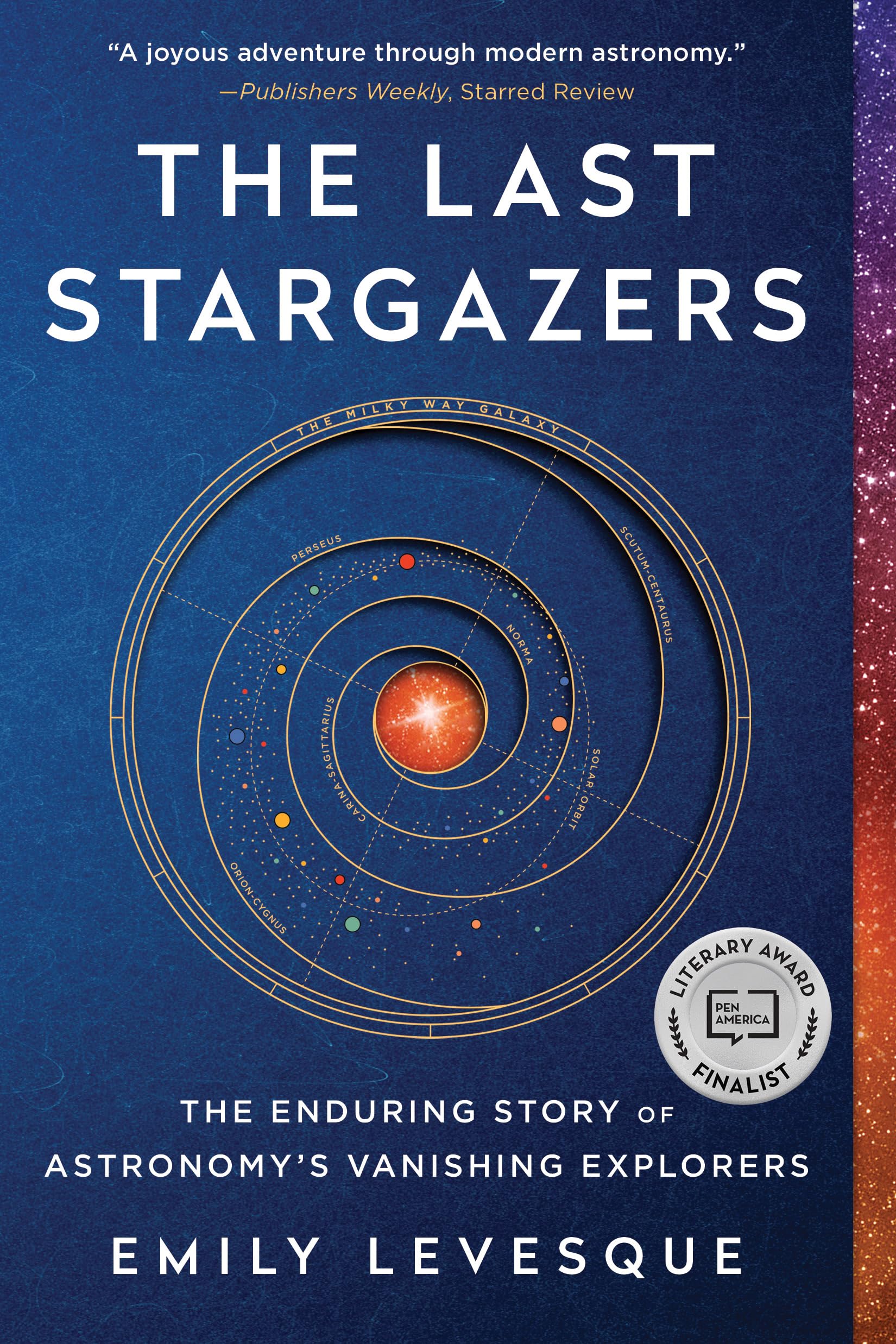
This book offers a fascinating glimpse into the life of astronomers, making it a compelling read for those who cherish astronomical exploration.
Pros
- Engaging storytelling that grips you from the start
- Offers unique insights into the life of professional astronomers
- Well-written with personal anecdotes and historical context
Cons
- May not offer new insights for astronomy experts
- Anecdotal style may not appeal to readers seeking a traditional academic approach
- Some may find the pacing slow at times
Dive into the world of The Last Stargazers where you’ll travel alongside dedicated astronomers who explore the cosmos. This book skillfully combines personal stories with the intriguing history of astronomical discoveries.
Readers will appreciate the way the author brings the challenges faced by astronomers to life, detailing everything from hunting for telescope time to capturing breathtaking images of galaxies. Each page is filled with vivid descriptions that transport you to observatories around the world.
While it may not present new knowledge for seasoned astronomers, its engaging narrative style provides a fresh angle on astronomy. Whether you’re a passionate stargazer or just curious about the lives of these celestial explorers, this book offers an intriguing adventure you shouldn’t miss.
Astrophysics for People in a Hurry

A quick and engaging dive into astrophysics by Neil deGrasse Tyson makes this audiobook a great choice if you’re curious about the universe.
Pros
- Neil deGrasse Tyson makes complex ideas easy to grasp.
- The audiobook is concise and can fit into a busy schedule.
- Engaging narration keeps you interested.
Cons
- Some concepts might still be challenging for beginners.
- Those seeking detailed information might find it too brief.
- It’s more suited for listeners who enjoy audio learning.
Neil deGrasse Tyson’s audiobook offers an exciting journey through the stars and galaxies. In less than four hours, you can explore the cosmos without getting overwhelmed.
His conversational tone and clear explanations make astrophysics accessible. The audiobook is great for beginners, though some sections could be dense.
It’s also perfect if you’re a fan of Tyson’s other works or public appearances. Listening to Tyson bring the universe to life is both enlightening and entertaining.
If you enjoy learning via audiobooks and have a keen interest in space, this concise work is an excellent pick for your library.
Stargazer’s Atlas

Ideal for anyone fascinated with the night sky, this book combines stunning visuals with detailed information.
Pros
- Stunning photographs that capture the beauty of space
- In-depth and informative content about the night sky
- Makes for a wonderful gift or addition to any coffee table
Cons
- Large and heavy, making it less portable
- Potential for cosmetic wear during shipping
- May not be suitable for casual readers due to its size
This book stands out with its breathtaking photos that truly capture the wonders of the universe. If you love astronomy or want to learn more about the night sky, the visuals alone will captivate you.
It’s not just a book; it’s an experience that brings the cosmos right to your doorstep. For those interested in deepening their knowledge of astronomy, this guide won’t disappoint.
It offers detailed insights and facts that will intrigue both new enthusiasts and seasoned stargazers. Whether you’re using it for study or simply appreciating the imagery, there’s something for everyone.
While it’s a beauty to behold, keep in mind its size and weight. It’s best enjoyed in a cozy reading spot rather than on the go, and it’s an impressive piece to have on display.
If you’re buying this as a gift, just ensure it’s packed carefully to maintain its pristine condition.
The Incredible Things in Space
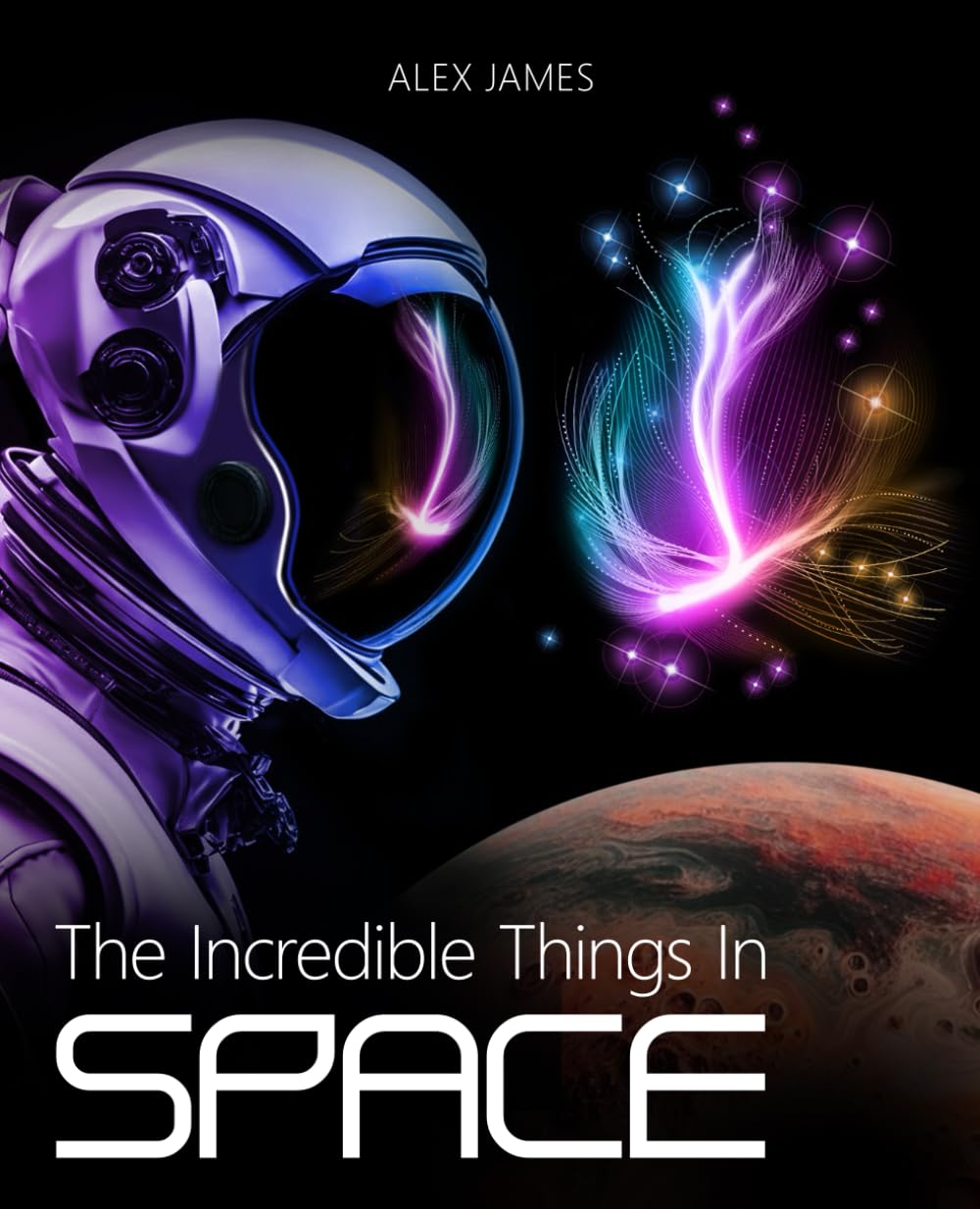
This is a must-have for anyone fascinated by the universe, offering stunning visuals and insightful content suitable for both kids and adults.
Pros
- Captivating images that bring space to life
- Simplifies complex astronomical concepts
- Enjoyable for both kids and adults
Cons
- May have limited depth for advanced readers
- Some younger children might need guidance
- Limited to 94 pages, which could be short for eager learners
Discover the wonders of space through breathtaking imagery and straightforward explanations. Designed for a wide age range, this book makes exploring the universe fun and accessible.
Whether you’re a young child just starting on your astronomy journey or an adult looking to refresh your knowledge, it caters to all. The vibrant pictures capture attention and imagination.
Readers of all ages will find themselves drawn into the pages, eager to learn more about the celestial wonders. It’s engaging and makes learning about space interesting and easy to understand.
While it’s perfect for beginners, those with a deeper interest in astronomy may find themselves yearning for more comprehensive detail. Despite this, its charm is undeniable, and it’s an excellent starting point for sparking a lifelong interest in space.
Buying Guide
When choosing books about astronomy, consider your interest in fiction versus non-fiction. Non-fiction offers real data and insights about the universe.
Fiction can spark your imagination and offer stories with an astronomical backdrop.
Things to Consider:
- Topic Interest: Are you more fascinated by star formation or cosmic adventures?
- Reading Level: Make sure the book matches your reading level, whether beginner, intermediate, or advanced.
Key Features:
- Illustrations: Some readers prefer books with pictures or diagrams. These can help visualize complex ideas.
- Length: Decide if you want a quick read or something more in-depth. Check the number of pages.
Recommendations:
| Feature | Look For |
|---|---|
| Technical Depth | Easy for beginners or detailed for experts |
| Engagement | Is the writing style lively? |
| Reviews | What do other readers say? |
Practical Tips:
- Sample Content: Read a few pages or chapters to see if you enjoy the author’s writing style.
- Mixed Content: Some books offer a blend of fiction and facts for a unique twist.
Always keep your preferences in mind. The best book is one that sparks your curiosity and increases your love for astronomy.
Frequently Asked Questions
If you love space and want to dive deeper, there are amazing books to explore. From non-fiction guides to thrilling fiction tales, there’s something for everyone interested in the cosmos.
What are some top non-fiction books for space enthusiasts?
You might enjoy titles like Cosmos by Carl Sagan or Astrophysics for People in a Hurry by Neil deGrasse Tyson. These books provide fascinating insights into the universe.
Can you recommend introductory astronomy books for beginners?
NightWatch: A Practical Guide to Viewing the Universe by Terence Dickinson and Turn Left at Orion by Guy Consolmagno are great for newbies. They make stargazing accessible and fun.
Which fiction novels about space are considered must-reads?
Consider reading The Martian by Andy Weir and Contact by Carl Sagan. These novels combine science with compelling stories set in space.
What are the best books that explore space through a spiritual lens?
Books like The Tao of Physics by Fritjof Capra explore the connections between space, spirituality, and physics. They offer a unique perspective on the cosmos.
Which adult-oriented books about space should be on my reading list?
For mature audiences, The Three-Body Problem by Liu Cixin offers a gripping science fiction narrative. Also, Pale Blue Dot by Carl Sagan provides profound reflections on humanity’s place in the universe.
Are there any space-themed books suitable for young teenagers?
Young teens may enjoy A Wrinkle in Time by Madeleine L’Engle.
It’s a classic that combines adventure with space and science themes.