
5 Best Books for People Who Love Film-Making Fiction and Non-Fiction Recommendations
Books about film-making offer helpful advice and interesting stories for anyone who loves movies. Some books teach you how movies are made, while others tell stories about the people behind famous films.
Both fiction and non-fiction books can inspire you, whether you want to make films or simply enjoy learning about the craft. When picking a book about film-making, think about what you want to learn.
Non-fiction books can teach you skills or share real stories, while fiction might give you new ways to think about storytelling. Consider the book’s writing style, topic, and whether it covers the parts of film-making you care about most, like directing, screenwriting, or editing.
We spent hours reading and researching to find the five best books for people who love film-making.
Best Books for People Who Love Film-Making (Fiction & Non-Fiction)
If you enjoy learning about film-making or dreaming of making your own movies, these books are great picks. You will find both stories and guides that give you a deeper look into the world of film.
Here are some of the best books for film fans and future filmmakers.
Making Movies

If you want a clear and honest look at what it’s really like to make a movie, this book is a helpful choice.
Pros
- Straightforward step-by-step breakdown of the directing process
- Offers real stories and examples from professional sets
- Shows both the creative and practical side of filmmaking
Cons
- Focuses mostly on directing, not other film roles
- Has some film industry jargon that may need a quick lookup
- Dated examples if you prefer very recent movies
Sidney Lumet’s approach here is direct and practical. He walks you through every step, from the first script read all the way to final edits.
If you’re thinking about making your own film or just want to know what happens behind the scenes, you will find his advice useful. What stood out is the way Lumet shares details you might miss elsewhere, like dealing with actors, working under pressure, and how decisions behind the camera shape the whole story.
His writing is straightforward, which makes some of the more technical parts easier to follow. If you’re not interested in directing, you might notice the book doesn’t spend a lot of time on other film crew jobs.
Still, the story and examples Lumet uses help you see what it takes to bring a film to life. For a strong, honest guide to the world of movie-making, Making Movies is a solid pick.
The Story of Film
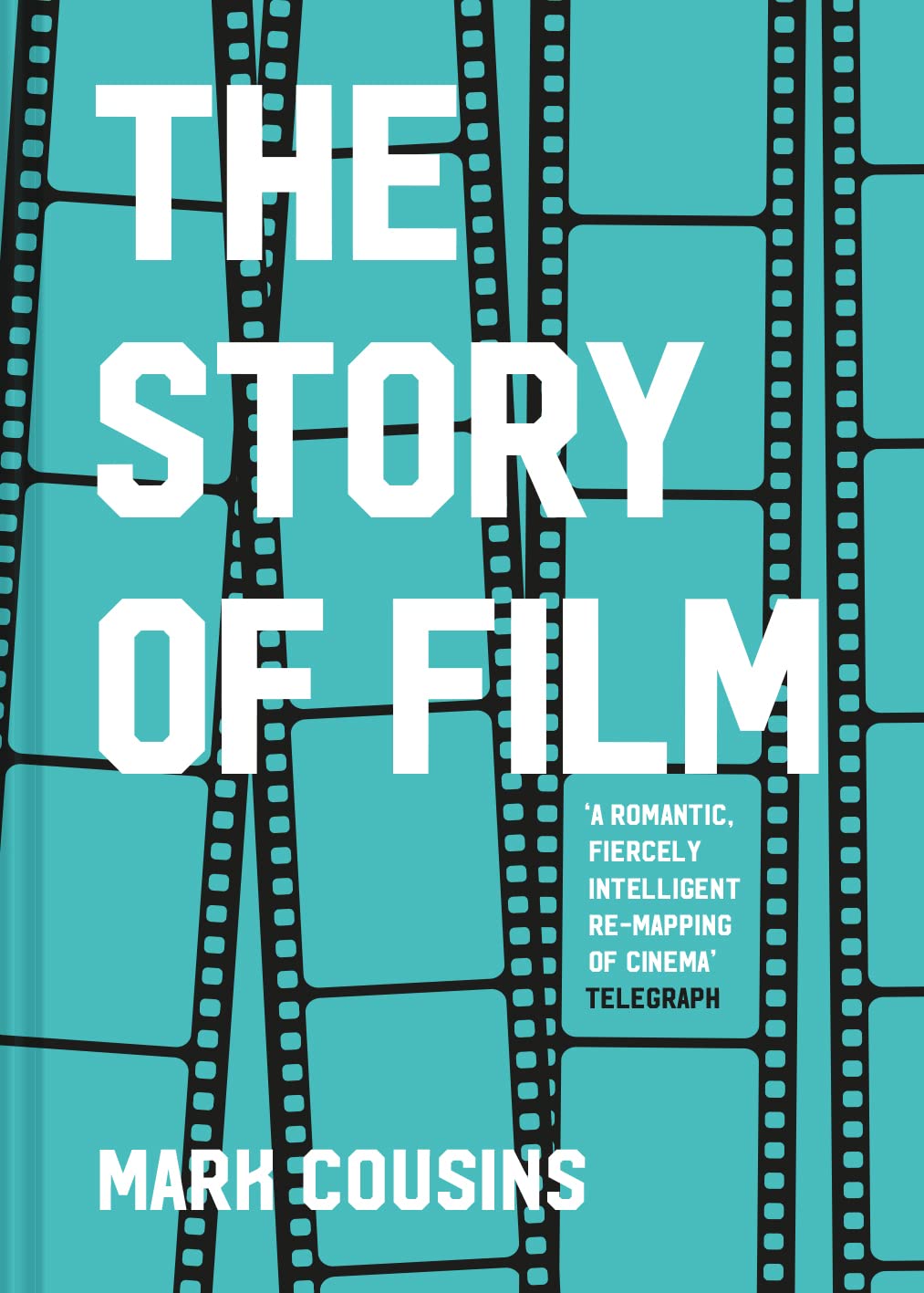
If you want a detailed and thoughtful look at the history of film, this book is a strong choice.
Pros
- Deep dive into the entire history of cinema
- Covers both famous and lesser-known filmmakers
- Helpful reference for both students and fans
Cons
- Writing style can feel slow in places
- Hard to read straight through
- Some directors and films are not included
You will notice right away how much information is packed into this book. Using it as a guide, you can trace the path of film from its very beginnings all the way into modern times.
It covers famous filmmakers, but also brings attention to important names you may not have known before. The tone is clear yet never talks down to you, so both new fans and film students can enjoy it.
When you want to look something up for a class or a project, the organized chapters will help you find what you need. Some chapters do take effort to get through because of the level of detail.
It’s best if you read it slowly or use it as a reference, opening to the sections that most interest you. Missing some directors might disappoint a few readers, but overall, The Story of Film gives you a big picture of how movies became what they are now.
Moviemakers’ Master Class

If you want honest lessons from real directors, this book pulls back the curtain and lets you learn directly from some of the biggest names in filmmaking.
Pros
- Interviews with a wide range of famous directors
- Offers practical tips and candid insights
- Easy to read and well-organized for film lovers
Cons
- Some interviews feel a bit too similar
- Limited depth due to short interview format
- Doesn’t cover many technical filmmaking details
Reading through this book, you’ll find real-world advice from many of the world’s leading directors. The way the book asks each filmmaker the same set of questions lets you compare their different approaches and see how varied the creative process can be.
It’s perfect if you want to get a feel for what happens on set and in the director’s chair. The writing keeps things clear and simple.
Insights won’t go over your head, even if you’re new to film-making. You’ll get to see not just technical tips but lessons about building relationships and finding your style.
There are a few downsides. Some parts can feel a bit repetitive because all the interviews follow the same format.
This also means you won’t always get the deep, behind-the-scenes secrets you might be after. Even so, the book is packed with takeaways you can actually use, whether you’re a film student or someone who just loves movies.
The Film Book

This book is a strong choice if you want a clear, visual, and organized guide to all things movies.
Pros
- Organizes film history and topics in an easy-to-follow format
- Filled with eye-catching images and movie stills
- Covers both Hollywood and world cinema
Cons
- Heavier and bulkier than a typical reading book
- Some special editions come in a case, but not all
- Doesn’t dive deeply into advanced filmmaking techniques
When you open The Film Book, you get a photo-packed, colorful guide that’s great for browsing or studying. The layout makes it simple to jump between sections, whether you want to learn about the history of film, genres, or famous directors.
Visual learners will find the design helpful, thanks to lots of movie stills and easy-to-read timelines. You can quickly reference key moments in cinema or look up a “must-see movie” without scanning through lots of text.
The global approach means you’ll pick up facts not just about Hollywood, but film scenes from around the world. If you like books that double as reliable reference tools, you will appreciate this one.
Just be prepared for a book that feels more like a sturdy textbook than something you slip into your bag. If you’re searching for in-depth guides on film technique, you might want to look elsewhere, but as a general guide and introduction, it’s hard to beat.
Fifty Movies Made
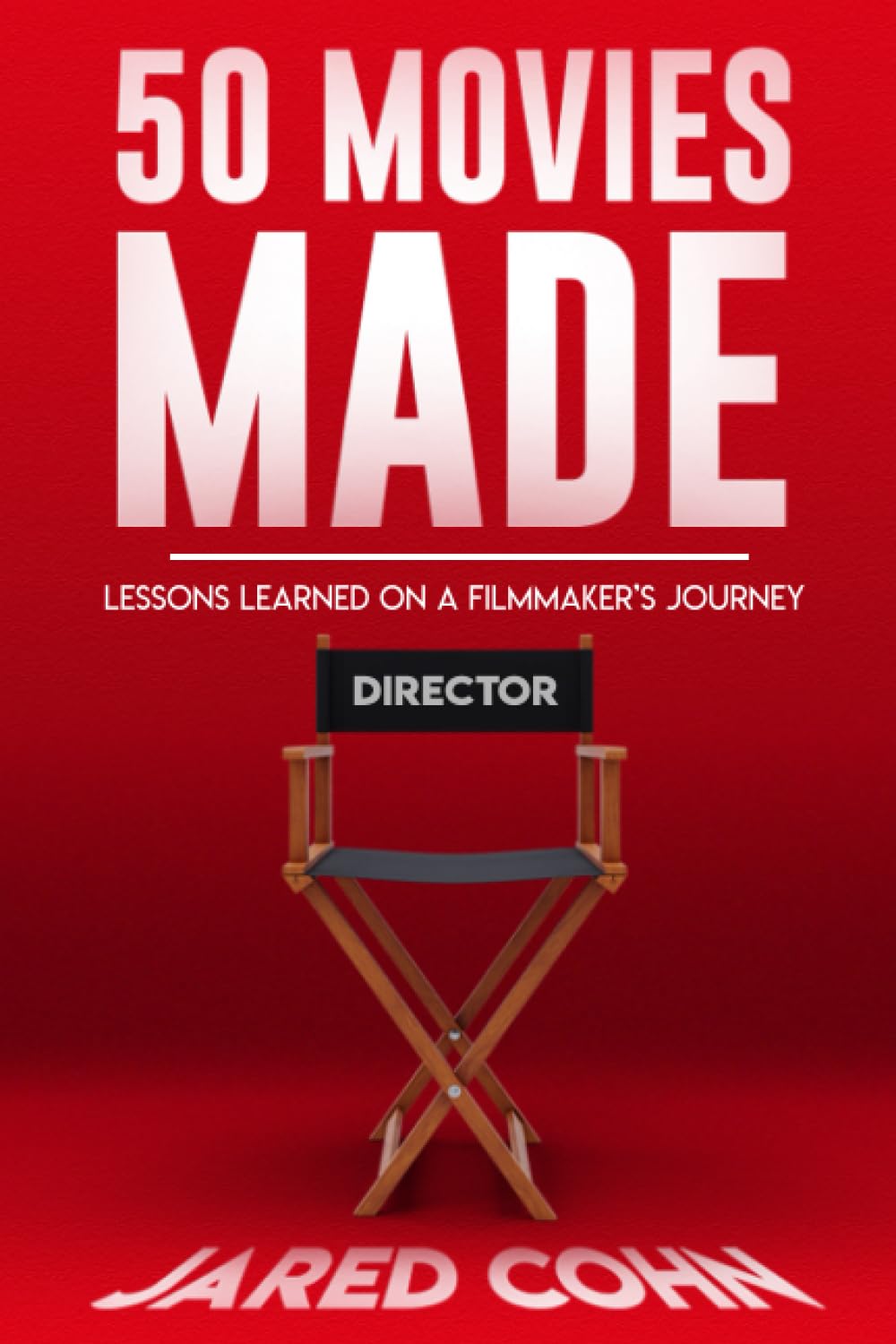
If you want an honest, firsthand look at what really goes into making dozens of movies, this book gives a grounded view from inside the industry.
Pros
- Full of actionable tips and lessons from direct experience
- Storytelling is personal and easy to follow
- Features both setbacks and achievements for a balanced view
Cons
- Focuses more on indie filmmaking than big studio work
- Not a deep technical manual
- Some anecdotes may feel repetitive if you read in one sitting
Jared Cohn’s writing style stands out for its directness and humility. You get the sense that you’re hearing the truth about the film industry, not just the highlights.
Throughout the book, there are real stories about how difficult, but also how rewarding, filmmaking can be. If you’re more interested in hands-on advice than theoretical concepts, this book is a nice fit.
Each chapter shares relatable stories about getting projects off the ground and figuring things out with little help. The author doesn’t hide mistakes, so you learn from both successes and failures.
You might notice that this isn’t a technical textbook. Instead, it’s about the day-to-day work and emotional ups and downs of a filmmaker.
That can make it easy to read even if you’ve never made a movie yourself, though seasoned filmmakers may wish for more technical depth. For its approachable writing and real-world insight, Fifty Movies Made is a solid choice for aspiring directors or anyone curious about the filmmaking process.
Buying Guide
When choosing a book about film-making, think about what you want to learn. Some books focus on storytelling or theory, while others give practical tips about cameras, lighting, or editing.
Check if the book is fiction or non-fiction. Fiction often inspires creativity, while non-fiction usually teaches you more about the craft or history of film-making.
Look for these features:
- Clear writing style
- Good reviews from other readers
- Easy-to-follow examples or case studies
- Up-to-date information
- Useful images or diagrams
You might want to see if the book fits your reading level. Some books are simple, while others are written for advanced readers.
| Feature | Why It Matters |
|---|---|
| Clear Language | Easier to understand concepts |
| Step-by-step Tips | Helps you apply what you read |
| Real-life Stories | Makes the book more relatable |
| Photos/Diagrams | Shows equipment and setups |
| Focus | Matches your interests |
Try to choose a book that matches your interests, like directing, writing, or film history. Make sure it is the right length and not too hard to finish.
Check the table of contents and sample pages when possible. This helps you decide if the book covers topics you care about.
Frequently Asked Questions
You might want to learn more about the people, ideas, and history that shape the film world. Books can offer insights on Hollywood’s business, the origins of movies, how films are studied, and the cultural effects of cinema.
What are the top non-fiction works that explore the inner workings of Hollywood?
You can read “Adventures in the Screen Trade” by William Goldman for a firsthand look at screenwriting and studio life.
“Easy Riders, Raging Bulls” by Peter Biskind tells how Hollywood changed in the 1970s.
“Rebel Without a Crew” by Robert Rodriguez shows the low-budget side of filmmaking.
Which books provide the most comprehensive history of cinema?
A popular choice is “A History of Narrative Film” by David A. Cook.
Another thorough book is “The Story of Film” by Mark Cousins, which covers global cinema.
“Cinema: The Whole Story” by Philip Kemp is also easy to follow and full of facts.
What are some highly recommended books for understanding film analysis?
“Understanding Movies” by Louis Giannetti explains film language and techniques simply.
“Film Art: An Introduction” by David Bordwell and Kristin Thompson is trusted by teachers and students.
“Looking at Movies” by Richard Barsam uses clear writing and examples from popular films.
Can you suggest essential reading for someone interested in film theory?
“Film Theory: An Introduction” by Robert Stam offers a good overview of key ideas.
“The Major Film Theories” by J. Dudley Andrew explores different schools of thought.
“Film Theory: An Introduction Through the Senses” by Thomas Elsaesser and Malte Hagener looks at how films affect viewers.
What non-fiction titles delve deeply into the impact of movies in culture?
“Film as Social Practice” by Graeme Turner discusses how movies fit into everyday life.
“Watching Rape” by Sarah Projansky studies film and social topics.
“Hollywood Science” by Sidney Perkowitz talks about science in movies and its effect on people.
Which books are considered classics in the genre of film literature?
“On Directing Film” by David Mamet is often seen as a classic.
“Notes on the Cinematograph” by Robert Bresson is respected by filmmakers and critics.
“Hitchcock/Truffaut” by François Truffaut and Alfred Hitchcock shares important film discussions.