5 Best Books for People Who Love Cinema: Essential Fiction and Non-Fiction Reads
Movies are loved by people all over the world. Cinema can make you feel happy, sad, or even inspired.
If you love films, books about cinema can help you learn more about your favorite movies, directors, and the art of storytelling itself. There are books that share behind-the-scenes stories, explore filmmaking techniques, and tell fictional tales about people working in the movie industry.
When picking a book about cinema, it helps to think about what you want to read. Non-fiction books can teach you facts, film history, or tips from filmmakers, while fiction books let you imagine what life is like behind the camera.
You should also check the writing style to make sure it matches what you enjoy. Look for books that fit your reading level and interests.
We spent hours researching and comparing dozens of books to find the five best ones for anyone who loves cinema.
Best Books for People Who Love Cinema
If you are passionate about movies, the right book can deepen your understanding and enjoyment of cinema. Here are some of the best books, both fiction and non-fiction, that every film lover should consider reading.
NYT Book of Movies

If you want a detailed resource to discover or revisit movie classics, this book is a strong choice.
Pros
- Broad list covers 1,000 essential films
- Includes original New York Times reviews
- Makes a great gift for film fans
Cons
- Book is heavy and bulky
- Not intended for straight-through reading
- Some well-known movies are missing
Picking up the NYT Book of Movies feels like holding a piece of film history in your hands. It doesn’t just list movies; it gives you a curated experience, complete with reviews written when the films first came out.
You’ll probably use this as a reference rather than reading it cover to cover. The book is packed with movie facts, selections from all genres, and the original New York Times opinions, which add real context.
I was excited to find new watches and rediscover old favorites, though it’s surprising that a few classics didn’t make their final cut. This book is big and hefty, so it takes up space on a coffee table or shelf.
It’s the sort of thing you’ll return to over and over when you want ideas for movie night or learn what made a film important at the time. If you’re after a thoughtful gift or a serious home resource, it’s hard to go wrong with this collection.
The Film Book: Complete Movie Guide

You should consider this book if you want a detailed, visual guide to films from around the world.
Pros
- Covers film history from a global perspective
- Packed with pictures and easy-to-read facts
- Chapters help you explore based on your interests
Cons
- Not as large as you might expect
- Some editions do not come in the special tin box
- Focuses less on deep analysis, more on an overview
This book is a solid choice if you want a clear overview of movie history and key films. When I went through it, the different sections made it easy to jump around.
You do not have to read in order—flip to the Must-See Movies or focus on filmmaking styles. The visuals are impressive and helped make the information more memorable.
You might notice the size is a bit smaller than you would think from the title, but it still feels hefty in your hands. The hardcover and glossy pages make it durable and enjoyable to flip through.
However, some people may be disappointed if they expect the collector’s tin, as not all copies include it. For someone starting to appreciate film or wanting a present for a movie lover, this guide makes a practical and enjoyable gift.
It balances facts and fun, and works well as a reference or something to browse for inspiration. If you’re looking for a deep analysis of particular films, you may want something more detailed, but this book works very well as a general guide to the world of movies.
Horror Cinema

This book is a solid pick if you want a big, visual guide to horror movies with plenty of color photos and a broad overview, especially for any fan looking for inspiration or a walk down memory lane.
Pros
- Wide range of horror films covered from old classics to recent hits
- Glossy pages and high-quality images make it eye-catching
- Strong as a conversation starter or coffee table book
Cons
- Entries can feel a bit brief, lacking some in-depth details
- Certain favorite films or actors may be missing
- Focus is mainly on imagery over detailed analysis
Browsing through this book, you’ll spot famous horror movies and scenes right away. The photos are sharp and bright, making it easy to remember some of the most striking moments in horror film history.
If you enjoy flipping through big books with lots of pictures, this one is both fun and visually interesting. You don’t need to be an expert to appreciate what’s inside.
It gives short introductions and facts for each film, so you get a good sense of where a movie fits in. If you’re trying to find new scary films to watch or figure out what made certain classics great, you’ll find plenty to enjoy.
If you want deep dives into movie stories or actor backgrounds, you might find it a bit light. Still, as a quick guide and reminder of horror cinema’s best moments, Horror Cinema stands out for any movie lover’s collection.
Lost in the Stream
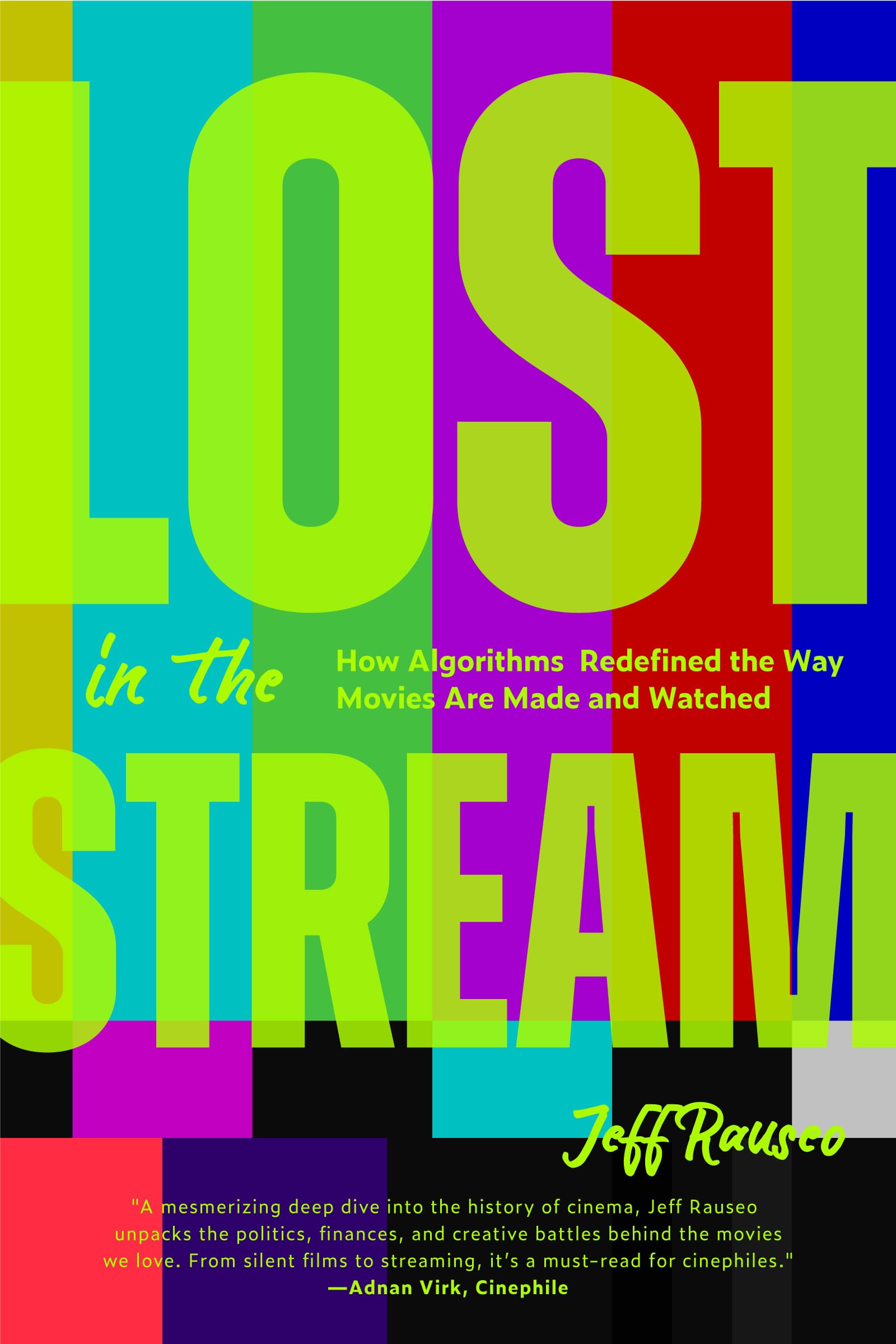
If you want to understand how streaming has changed movies, this book gives a clear and interesting look inside that shift.
Pros
- Explains streaming’s impact on movie culture in simple terms
- Full of modern, real examples
- Helps you see movies in a new light
Cons
- Focuses mostly on recent years
- Some may prefer a more visual layout
- Can be repetitive at times
You get a behind-the-scenes perspective on how services like Netflix and their algorithms shape what gets made and what you end up watching. The book makes big concepts easy to follow, so you don’t need to be a tech expert to enjoy it.
If you often wonder why certain films pop up on your screen, you’ll find answers here. Each chapter gives you relatable stories and facts.
You might find yourself thinking about your own watch habits in a whole new way. Movie buffs who enjoy reading about the industry’s changes will likely appreciate what’s inside.
Some readers may want a more historical perspective, but for anyone who cares about today’s movie scene, Lost in the Stream fits right in. It’s a straightforward read that’s perfect for people curious about how technology is changing the big screen.
Cinema Her Way
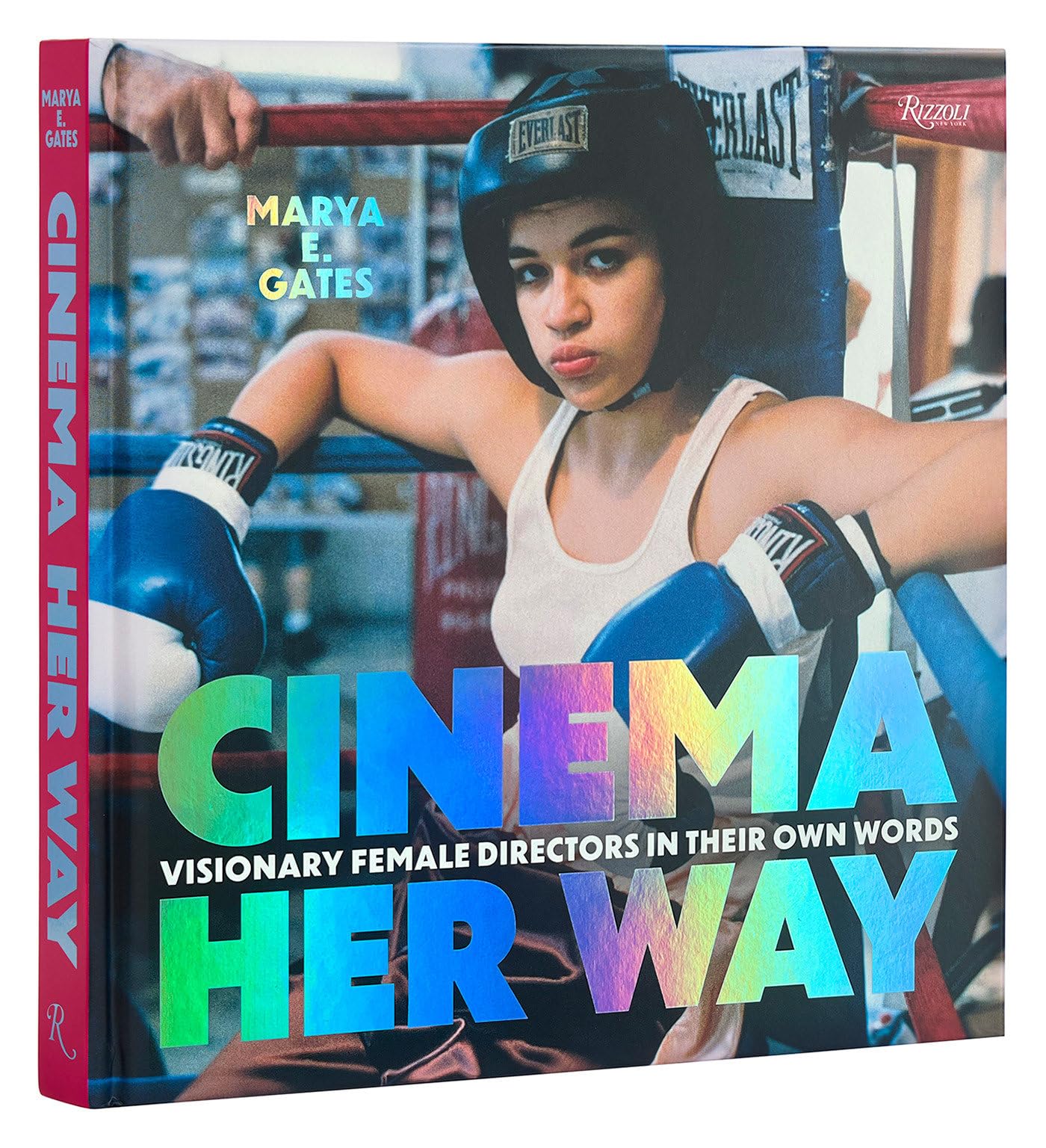
If you want an up-close look at the thoughts and films of female directors, this book gives you real insight and inspiration.
Pros
- Real interviews with top female directors
- Broad range of films and voices included
- Beautiful layout and images throughout
Cons
- Large size can be bulky
- Limited to female directors only
- Some interviews are quite short
Browsing through Cinema Her Way, you get a sense of sitting in on conversations with some of the most creative minds in filmmaking. The directors share honest opinions and discuss the challenges they’ve faced, which brings a personal feel to the book.
It’s a great resource if you want to hear directly from women shaping the industry. You’ll notice the book is put together with care.
The photos stand out in vivid color and the layout invites you to spend time on each page. The variety keeps it interesting—one moment you’re reading about an Oscar winner, the next you’re learning about an up-and-coming director.
The only drawback is its physical size, making it less portable than most books. Still, the depth of interviews and the fresh take on cinema history make this a valuable addition to your collection if you’re passionate about film.
Buying Guide
When choosing a book about cinema, consider what you want to learn or enjoy. Some books focus on film history, while others share personal stories or offer behind-the-scenes details.
Think about these questions:
- Are you interested in fiction stories set in the world of film?
- Do you want to read non-fiction about famous movies or directors?
- Would you like a book with photos, sketches, or movie stills?
Format matters too. Hardcover, paperback, and e-books all have benefits.
E-books are easy to carry, but printed books often have special images or layouts.
| Format | Pros | Cons |
|---|---|---|
| Hardcover | Durable, nice images | Heavy, can be expensive |
| Paperback | Lighter, cheaper | Less durable, small images |
| E-book | Portable, instant buy | Needs a device, no texture |
Look at the length of the book. Some books are quick reads, while others are more detailed and take longer to finish.
Check for these features:
- Clear writing style
- Sources or references
- Photos or illustrations
- Index for quick searches
Reading reviews can help you decide if the book matches your interests. You can also look at the table of contents or a sample before buying.
Frequently Asked Questions
Many readers want specific suggestions about books on film history, theory, and Hollywood storytelling. You can find both print and ebook options, with titles well suited for both beginners and long-time cinema fans.
What are the classic must-read books on film history?
Some popular classics include “A Short History of Film” by Wheeler Winston Dixon and Gwendolyn Audrey Foster. “The Story of Film” by Mark Cousins is another respected choice.
Which books offer the best introduction to filmmaking for new enthusiasts?
“Making Movies” by Sidney Lumet explains directing and the filmmaking process in simple language. “Rebel Without a Crew” by Robert Rodriguez shares hands-on advice for independent filmmakers.
Can you recommend any comprehensive guides on film theory?
“Film Art: An Introduction” by David Bordwell and Kristin Thompson covers film theory basics with real examples. “How to Read a Film” by James Monaco is also a widely used resource.
What titles should be on every movie lover’s bookshelf?
“Easy Riders, Raging Bulls” by Peter Biskind tells the story of Hollywood in the 1970s.
“Adventures in the Screen Trade” by William Goldman shows the business and writing side.
“The Parade’s Gone By…” by Kevin Brownlow explores silent cinema.
Which non-fiction works provide in-depth stories about Hollywood?
“You’ll Never Eat Lunch in This Town Again” by Julia Phillips gives an insider’s look at Hollywood life.
“Pictures at a Revolution” by Mark Harris discusses the making of five groundbreaking movies from 1967.
Are there accessible ebooks available for those wanting to learn about cinema?
Most of the well-known books about cinema are available as ebooks.
Online platforms like Kindle, Apple Books, and Google Play Books offer editions of “Film Art,” “Making Movies,” and “A Short History of Film.”