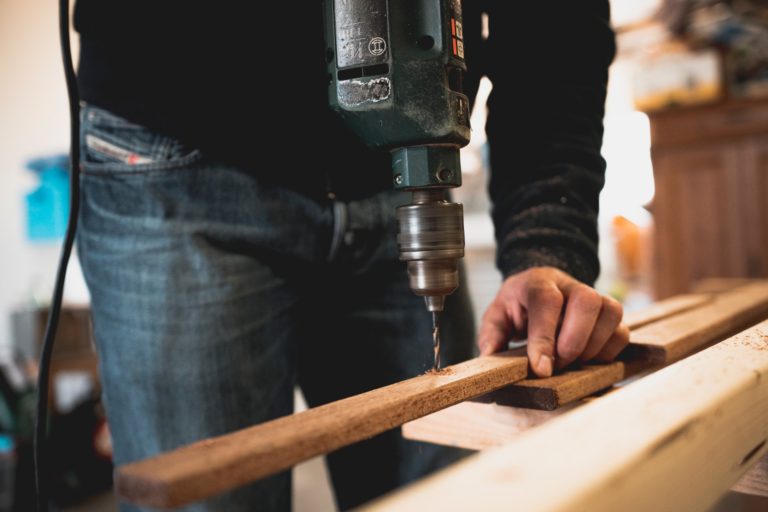

5 Best Books for People Who Love Woodworking: Top Picks in Fiction and Non-Fiction
Woodworking is a hands-on hobby that mixes creativity and skill. Many people enjoy making furniture, carving, or building projects from wood.
Whether you are new to woodworking or have spent years in the shop, books about woodworking can help you learn new skills or inspire your next project. Some books teach techniques, while others share stories about woodworkers and their craft.
When you are looking to buy a woodworking book, think about what you want to get out of it. If you want to learn new methods, look for clear instructions, helpful photos, and easy-to-follow tips.
If you prefer stories, choose books with interesting characters or real-life experiences about working with wood. Also, check if the book covers the tools and project types that match your interests.
Best Books for People Who Love Woodworking (Fiction & Non-Fiction)
If you enjoy woodworking, you will find these books helpful and interesting. This list includes both how-to guides and stories that celebrate the craft.
Explore these top picks to learn more or get inspired for your next project.
Woodworking by Emily St. James
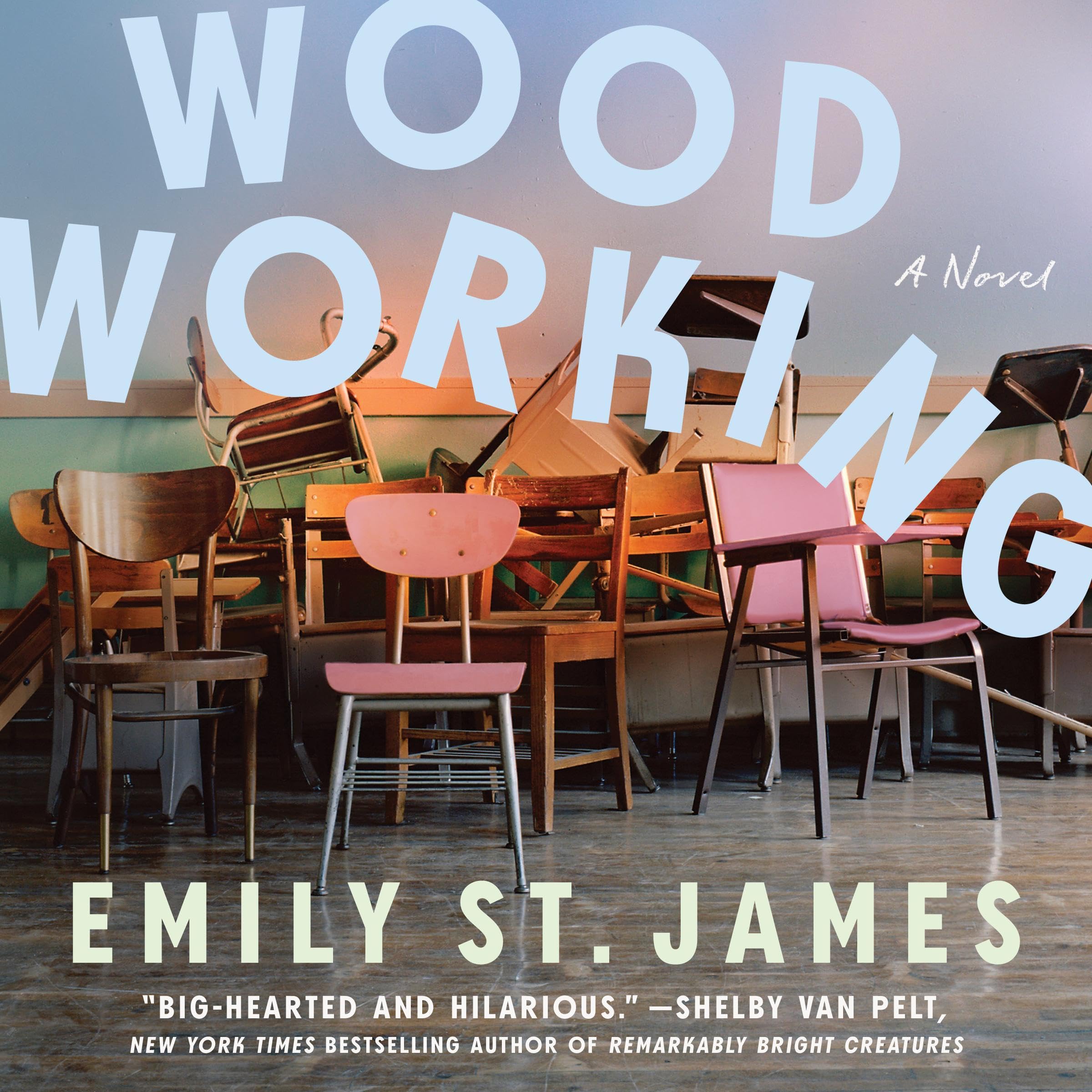
If you want a thoughtful story about identity, connection, and finding your place, this audiobook gives you a moving and honest experience.
Pros
- Realistic and relatable characters with strong emotional depth
- Excellent narration with a cast that brings each moment to life
- Sensitive look at LGBTQ+ themes and woodworking as a metaphor for growth
Cons
- Slow at times, especially early in the story
- Focuses more on character than woodworking craft
- Some moments may be too emotional for light listening
You follow Erica, a closeted trans high school teacher, as she tries to both help and understand a lonely student dealing with her own struggles. The writing makes each character feel real and familiar.
There’s a sense of small-town life that feels honest without showing just the good or bad sides. The audiobook stands out because of its strong cast.
The narration draws you in and keeps heavy moments from feeling too distant or dry. You can feel the emotion in the way each chapter is read, especially during key scenes about friendship and accepting yourself.
While woodworking itself isn’t the main focus, the book uses it as a way to talk about how people shape their own lives. If you’re looking for detailed woodworking tips, you may be let down.
If you want a heartfelt story that includes woodworking as a theme, Woodworking will leave you thinking and feeling long after you finish listening.
Woodworking Step-by-Step Manual

If you want one book that really helps you dive into woodworking projects, this is a solid choice for anyone at any skill level.
Pros
- Excellent instructions that are easy to follow
- Covers a wide range of projects and techniques
- Full of helpful pictures with clear layouts
Cons
- Heavier and larger than most books
- A few reports of damage to the cover when delivered
- Content can feel a bit overwhelming at first
Flipping through the pages, you notice right away how clear and organized everything feels. The book gives you step-by-step projects, which is great if you’re new to woodworking or just enjoy having all your information in one spot.
Each section includes big, bright photos that show you exactly what to do, which makes learning much less stressful. It’s easy to find basic tool explanations as well as beginner projects.
Even more advanced crafters will find helpful advice they can use right away. What makes this book stand out is how everything gets labeled and described in detail, so you don’t feel stuck or confused.
The manual includes tips about tools, types of wood, and ways to finish your projects. Even if you’ve never touched a saw, this guide makes getting started feel possible.
One downside is how large and heavy this manual is. It looks great on your shelf or coffee table, but might not be as portable as some people would like.
Some buyers have mentioned covers arriving with slight damage, so you may want to check the packaging after it arrives. If you want to improve your woodworking skills or you’re just starting out, Woodworking Step-by-Step Manual has a lot to offer.
Foundations of Woodworking by Mike Pekovich

If you want to understand how to build strong, beautiful wood joints, this book is a smart choice.
Pros
- Clear step-by-step instructions with plenty of visuals
- Covers core joinery techniques every woodworker needs
- Inspires new ideas for practical projects
Cons
- Some details may feel overwhelming for beginners
- Focuses mainly on techniques, not full projects
- Text feels dense in a few areas
Mike Pekovich’s “Foundations of Woodworking” breaks down woodworking joinery in a way that feels both approachable and practical. As you flip through the pages, you’ll notice how easy it is to find clear photo sequences and simple instructions.
Each chapter explains not only how to make joints, but also why each method is important. If you’re already familiar with woodworking basics, you’ll likely appreciate the focus on building skills and making strong, lasting furniture.
The book leans heavily on visual learning, which makes it easier to follow complex ideas. For those looking for new project inspiration, the photos and tips may help spark your own creativity for what to make next.
This hardcover is sturdy and well-printed, but keep in mind that there’s a lot of detail in here. Beginners might need patience as they work through the more technical chapters.
If your goal is to improve your woodworking results, Foundations of Woodworking will help guide you through the process with confidence.
The Why & How of Woodworking

If you want a woodworking book that helps you understand both the ideas and the practice behind the craft, this is a smart choice.
Pros
- Explains woodworking concepts in a simple, approachable way
- Includes inspiring photographs and real-world project ideas
- Works well for beginners and experienced woodworkers
Cons
- Some projects may feel too advanced if you have never done woodworking
- Might not be ideal if you only want step-by-step instructions
- Larger size takes up space on a small workbench
This book stands out because it focuses on more than just building things. You get to learn the reasons behind the methods, so each project makes sense from start to finish.
It helped me see woodworking as both an art and a skill, and the clear writing made it easy to follow along. You will notice the photography is excellent.
Each image helps explain the steps, but you also get visual inspiration for your own work. I liked that you could flip through and find a range of projects, from easier options to more challenging builds.
One thing to keep in mind is that not every project is beginner-level. If you are new, you may need to start slow, but you can still learn a lot from reading and looking at the photos.
For woodworkers at any stage, The Why & How of Woodworking offers real advice and useful tips throughout.
Great Book of Woodworking Projects

If you want a woodworking book with clear project instructions and plenty of ideas for all skill levels, this is a strong choice.
Pros
- Wide range of practical projects for home and yard
- Step-by-step instructions with lots of helpful photos
- Well-organized layouts make projects simple to follow
Cons
- Some steps assume you own expensive woodworking tools
- Not every project can be finished with basic equipment
- The book is a bit heavy and can be awkward to handle
You will find a nice mix of both small and large projects in this book, from indoor shelves to outdoor furniture. Each plan comes with detailed instructions and clear diagrams, so you always know what to do next.
The photos are a big help when you get stuck or want to check your progress. One thing you’ll notice is that many of the projects assume you have access to a well-equipped woodshop.
If you only have a few basic tools, you may need to choose your projects carefully or make a few adjustments. For most hobbyists, the book offers a lot of inspiration and skill-building ideas.
The book itself is sturdy, and you can lay it flat on your workbench while building. If you’re ready to try new woodworking projects with your own hands, you will enjoy digging into the Great Book of Woodworking Projects.
Buying Guide
When picking a woodworking book, first think about your skill level. Some books are made for beginners, while others assume you have some experience.
Check the introduction or contents for guidance. Next, look for books with clear instructions and pictures.
Good guides should include step-by-step photos or diagrams. This makes it easier to follow along with projects.
Content focus is important. Decide if you want project-based books, tool guides, or woodworking stories.
Make sure the book matches your interests. If you enjoy both reading and hands-on work, consider books that mix practical tips with personal stories.
These can keep you motivated and help you learn in different ways. Durability matters, too.
Choose books with strong bindings and high-quality paper, especially if you plan to use them in your workshop where dust and tools might cause wear.
Here’s a quick table to help you compare:
| Feature | What to Look For |
|---|---|
| Skill Level | Beginner, Intermediate, Expert |
| Images & Diagrams | Step-by-step, Full-color, Clear |
| Content Type | Projects, Techniques, Stories |
| Book Quality | Hardcover, Thick Pages, Binding |
| Extra Resources | Patterns, Templates, Online Access |
Remember to check reviews or previews online before buying. This helps you see if the style and layout work for you.
Frequently Asked Questions
You can find woodworking books that offer project plans and step-by-step guides. Some books also explore different styles, techniques, or crafts from countries like Japan.
What are the top-rated woodworking books that include project plans?
Look for titles like The Complete Book of Woodworking by Tom Carpenter and Woodworking Basics by Peter Korn. These books provide clear instructions and detailed project plans.
The Essential Woodworker by Robert Wearing is also a strong choice if you prefer classic hand tool techniques.
Which woodworking books are best for beginners to start with?
Woodworking for Beginners by Charles G. Wheeler covers basic skills and tools with easy-to-understand language. The Complete Manual of Woodworking by Albert Jackson explains basic woodworking methods and safety tips.
You might also find The Why & How of Woodworking by Michael Pekovich helpful when you are just starting out.
Can you recommend any fiction books that incorporate woodworking themes?
A Gentleman in Moscow by Amor Towles features a character who takes up woodworking as a hobby. Peace Like a River by Leif Enger includes woodworking as a theme in the story.
The Carpenter by Jon Gordon is a short novel that mixes life lessons with woodworking experiences.
Where can I find detailed woodworking guidebooks in PDF format?
Websites like Archive.org and Google Books often have older woodworking books that you can download in PDF form for free. Some woodworker forums also share links to project plans and scanned manuals.
Official publisher sites and digital libraries may offer newer books for purchase or with limited previews.
Are there any woodworking books focused on Japanese techniques?
The Complete Japanese Joinery by Hideo Sato and Yasuo Nakahara covers traditional Japanese joinery with illustrations and instructions. Japanese Woodworking Tools: Their Tradition, Spirit, and Use by Toshio Odate is another popular choice for learning Japanese hand tools and methods.
You can also look for The Art of Japanese Joinery by Kiyosi Seike, which highlights detailed joinery methods.
Which woodworking books come highly recommended by enthusiast communities?
Online woodworking forums and communities often suggest The Essential Woodworker by Robert Wearing and The Anarchist’s Tool Chest by Christopher Schwarz.
Both books have clear instructions and a focus on core skills.
Understanding Wood by R. Bruce Hoadley is also often recommended for learning about wood properties and care.