10 Best Hobbies for Bartenders to Explore Creativity and Build Skills Outside Work
Bartending is a demanding job that requires long hours, quick thinking, and constant interaction with customers. The late nights and high-energy environment can be draining, making it important for bartenders to find ways to recharge outside of work.
Creative hobbies offer bartenders a chance to unwind while developing new skills that can enhance their craft behind the bar.

Finding the right hobby can help you balance your professional life with personal growth. Whether you want to work with your hands, experiment with flavors, or express yourself through art, there are many creative outlets that connect naturally to bartending.
These activities give you a mental break from your shifts while letting you explore new interests that can make you better at your job.
10) Welding Customized Bar Tools

Welding lets you create one-of-a-kind bar tools that match your style and needs. You can design custom bottle openers, unique cocktail picks, or personalized jiggers that stand out behind the bar.
This hobby combines creative thinking with practical skills you can use in your bartending career. Starting with welding is easier than you might think.
You can begin with simple projects like custom hooks for hanging bar towels or metal coasters. As you improve, you can move on to more detailed pieces like decorative drink stirrers or custom-shaped strainers.
Basic welding equipment and scrap metal are all you need to start. You can practice in your garage or find a local maker space with welding stations.
Safety gear like gloves and a welding helmet are required before you begin any project. Working with metal requires focus and precision, giving your mind a different kind of challenge.
The physical act of creating something with your hands provides a satisfying contrast to mixing drinks.
9) Sewing Bartending Aprons
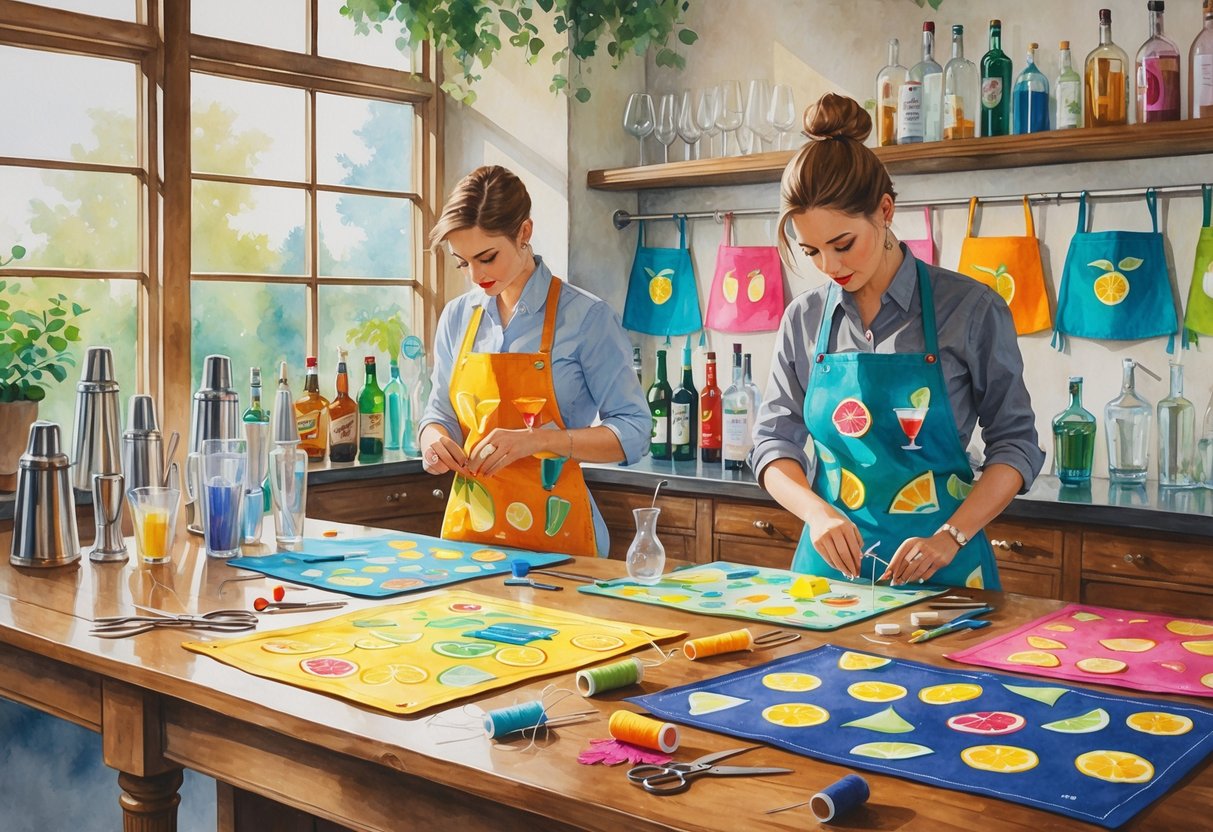
Sewing your own bartending aprons combines practical skill with creative expression. You can design aprons that match your personal style while ensuring they meet your specific needs behind the bar.
When you sew your own aprons, you control every detail. You can add extra pockets for bar tools, choose materials that suit your comfort level, and select colors or patterns that reflect your personality.
This level of customization is hard to find in store-bought options. The process of sewing teaches you valuable skills like measuring, cutting fabric, and operating a sewing machine.
These abilities can save you money over time since you won’t need to replace worn-out aprons as often. You can simply repair or remake them.
Bartender aprons need to be both comfortable and functional. By making your own, you can experiment with different fabrics like denim, canvas, or leather.
You can also adjust strap placement to distribute weight evenly across your shoulders and back. This hobby gives you something productive to do during your downtime.
You can work on new designs between shifts or create custom aprons as gifts for coworkers. Each finished apron becomes a unique piece that showcases your creativity.
Starting with simple patterns helps you build confidence before moving to more complex designs. Many online resources and local classes can teach you the basics of sewing and apron construction.
8) Handmade Barware Crafting
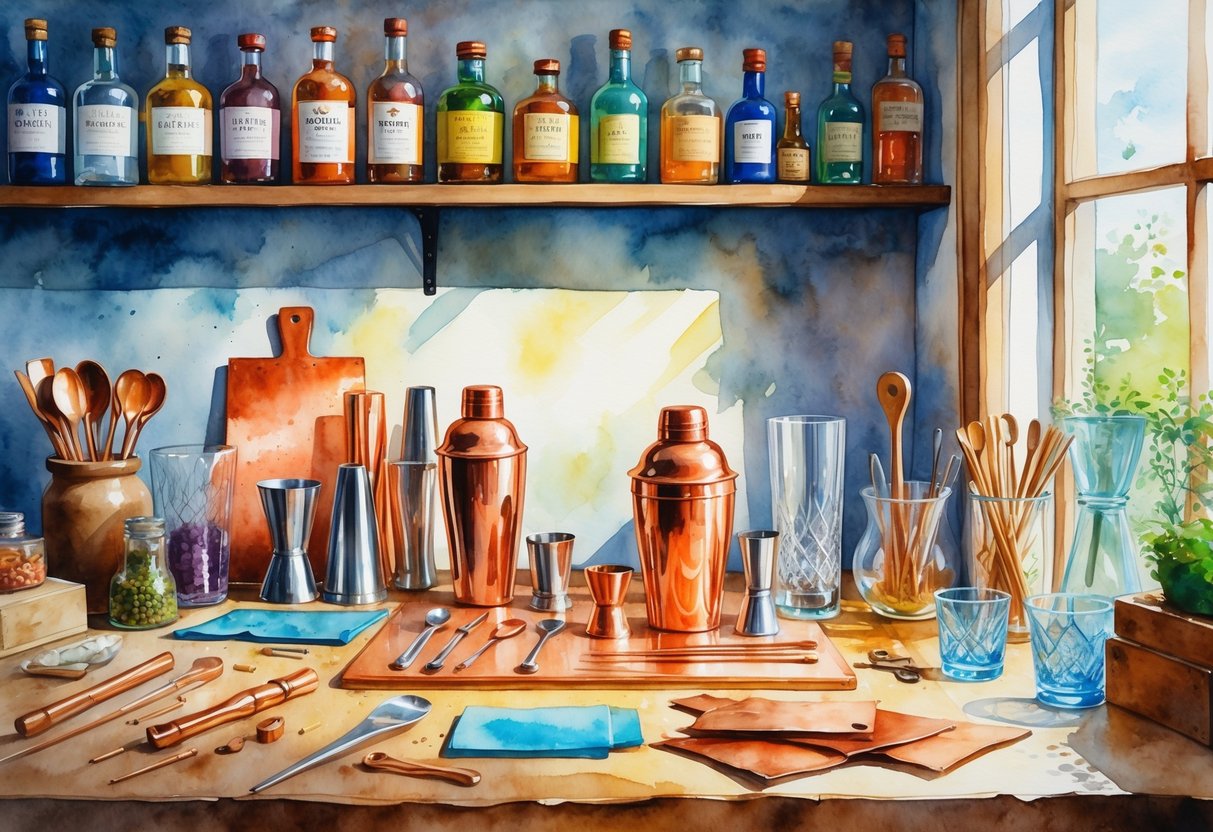
Making your own bar tools and glassware lets you combine your bartending skills with hands-on creativity. You can design pieces that match your personal style and needs behind the bar.
Start with simple projects like customizing cocktail shakers or etching designs onto glassware. These basic crafts don’t require expensive equipment.
You just need some basic supplies and a workspace at home. As you gain confidence, you can move on to more complex projects.
Try making wooden muddlers, cutting boards for garnish prep, or pour spouts from different materials. Some bartenders even craft their own bitters bottles or custom ice molds.
Every piece you make serves a real purpose at your bar or home setup. You’ll feel a sense of pride when you use tools you created yourself.
Handmade barware also makes great gifts for other bartenders in your life. You can personalize items with names, dates, or special designs.
The customization options are nearly endless. You don’t need to be an expert craftsperson to get started.
Many online tutorials walk you through beginner-friendly projects step by step. Local craft stores often offer classes where you can learn techniques like glass etching or woodworking basics.
7) Cocktail Photography
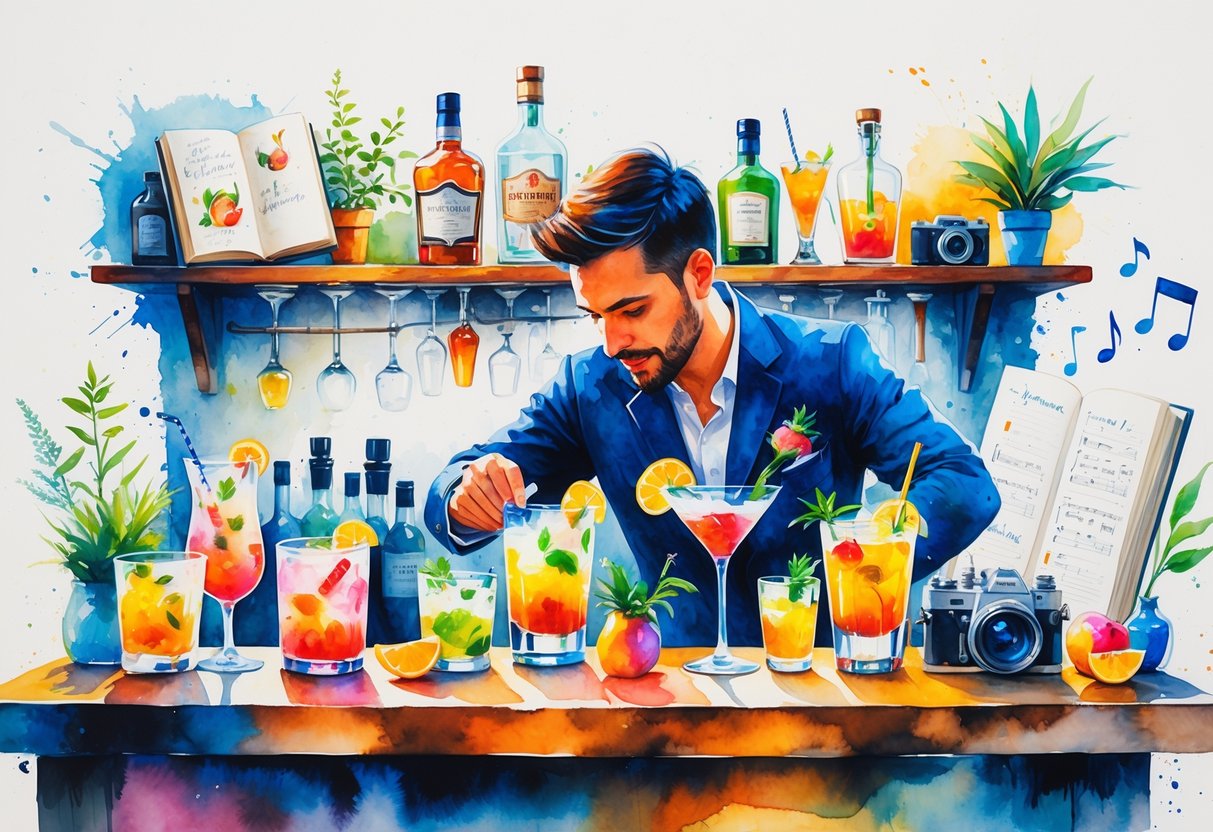
Cocktail photography combines your bartending skills with visual creativity. You already know how to craft beautiful drinks, and this hobby lets you capture them in stunning ways.
You can start with just your smartphone and basic lighting. Natural light from a window works well for beginners.
As you develop your skills, you might explore different angles, backgrounds, and props to make your drink photos stand out. This hobby helps you see your creations from a new perspective.
You’ll pay more attention to color combinations, garnish placement, and glassware choices. The technical side includes learning about composition, lighting, and editing.
You don’t need expensive equipment to begin. Many successful drink photographers started with simple setups and gradually expanded their tools.
You can share your photos on social media to build a portfolio or just keep them for personal enjoyment. Better drink photos can help promote your bar or build your professional brand.
You might even discover opportunities to work with beverage companies or hospitality publications.
6) Food Pairing and Tasting
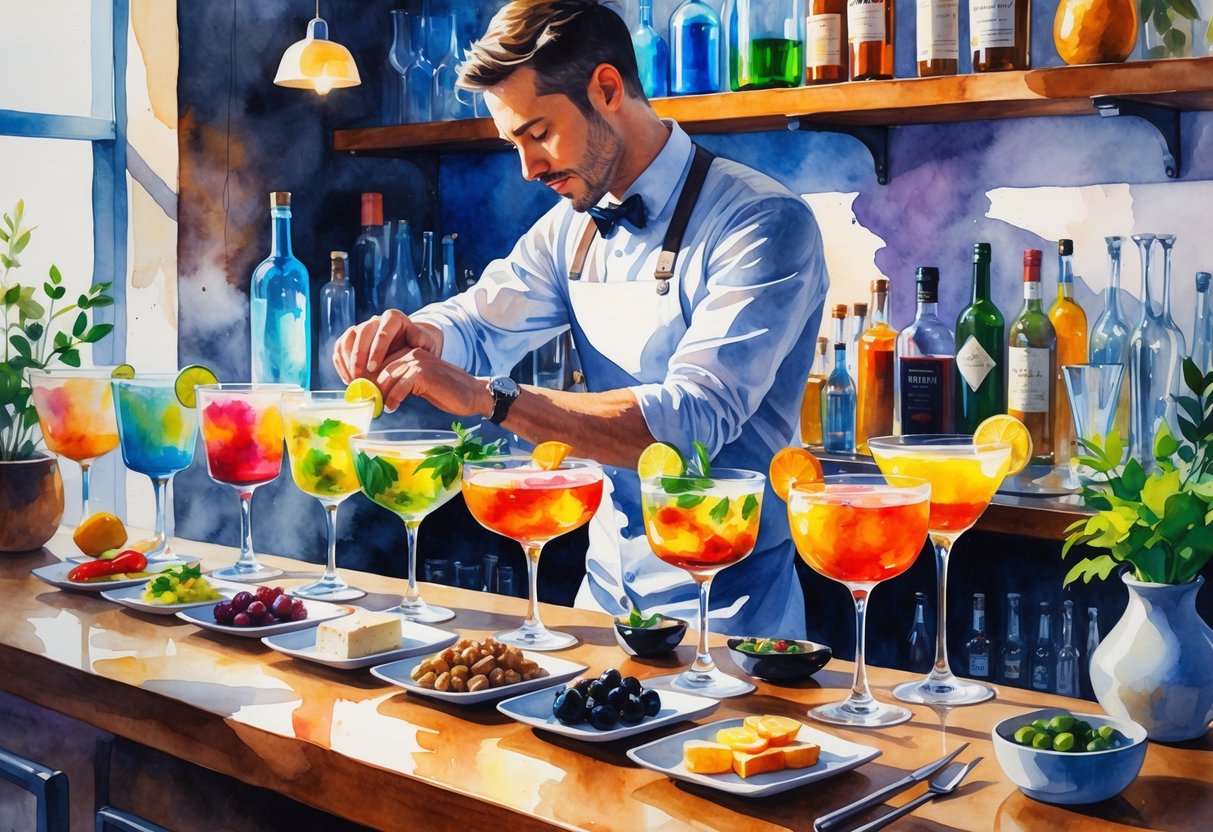
Food pairing and tasting offers bartenders a natural way to expand their craft beyond the bar. You already understand flavor profiles from making cocktails, so applying that knowledge to food combinations feels like a logical next step.
This hobby lets you explore how different tastes work together. You can experiment with matching spirits to specific dishes or creating bespoke flavor combinations.
The skills you develop translate directly back to your bartending work, helping you suggest better drink options for guests based on what they’re eating. Start by trying simple pairings at home.
Match a whiskey with dark chocolate or test how gin complements seafood. You can keep notes on what works and what doesn’t, building your own reference guide over time.
Food pairing also boosts your creative thinking in new ways. You’ll discover unexpected combinations that challenge your assumptions about flavor.
This fresh perspective often leads to innovative cocktail ideas you can bring back to your bar. The hobby works well with your schedule too.
You can practice during meal times without needing extra hours in your day. Some bartenders even team up with chef friends to explore more complex pairings and learn from each other’s expertise.
Your palate becomes more refined through regular tasting practice. You’ll notice subtle flavors you might have missed before, which makes you better at both creating drinks and describing them to customers.
5) Artistic Bottle Label Designing
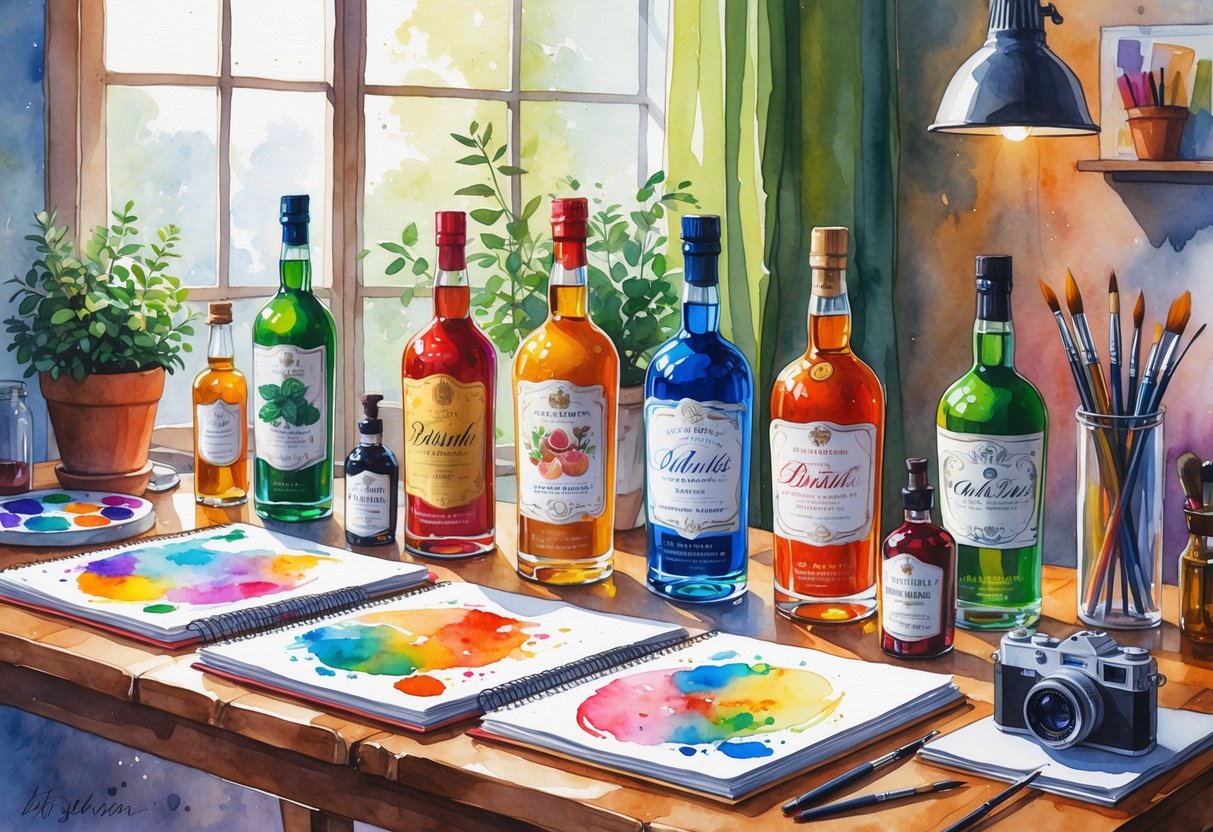
Artistic bottle label designing lets you blend creativity with practical design skills. You can create unique labels for wine bottles, beer bottles, or any container that needs a personal touch.
This hobby works perfectly for bartenders because you already understand what makes a drink appealing. You know which designs catch a customer’s eye and how presentation affects perception.
You can start with simple materials like paper, markers, and basic design software. Watercolor backgrounds create soft, artistic looks that work well for wine labels.
Digital tools let you experiment with different fonts, colors, and layouts without wasting materials. The craft offers multiple creative outlets in one hobby.
You can hand-paint designs, use digital illustration programs, or combine photography with graphic design. Some bartenders design labels for their home-brewed drinks, while others create them as gifts or sell them online.
This hobby helps you develop an eye for visual balance and branding. You learn how colors work together and how typography affects mood.
These skills transfer back to your bar work when you present drinks or create menu designs. You can make labels for any occasion, from weddings to birthdays to seasonal celebrations.
The hobby also requires minimal space and equipment to get started. A simple workspace with your chosen art supplies is enough to begin creating professional-looking designs.
4) Home Herb Gardening
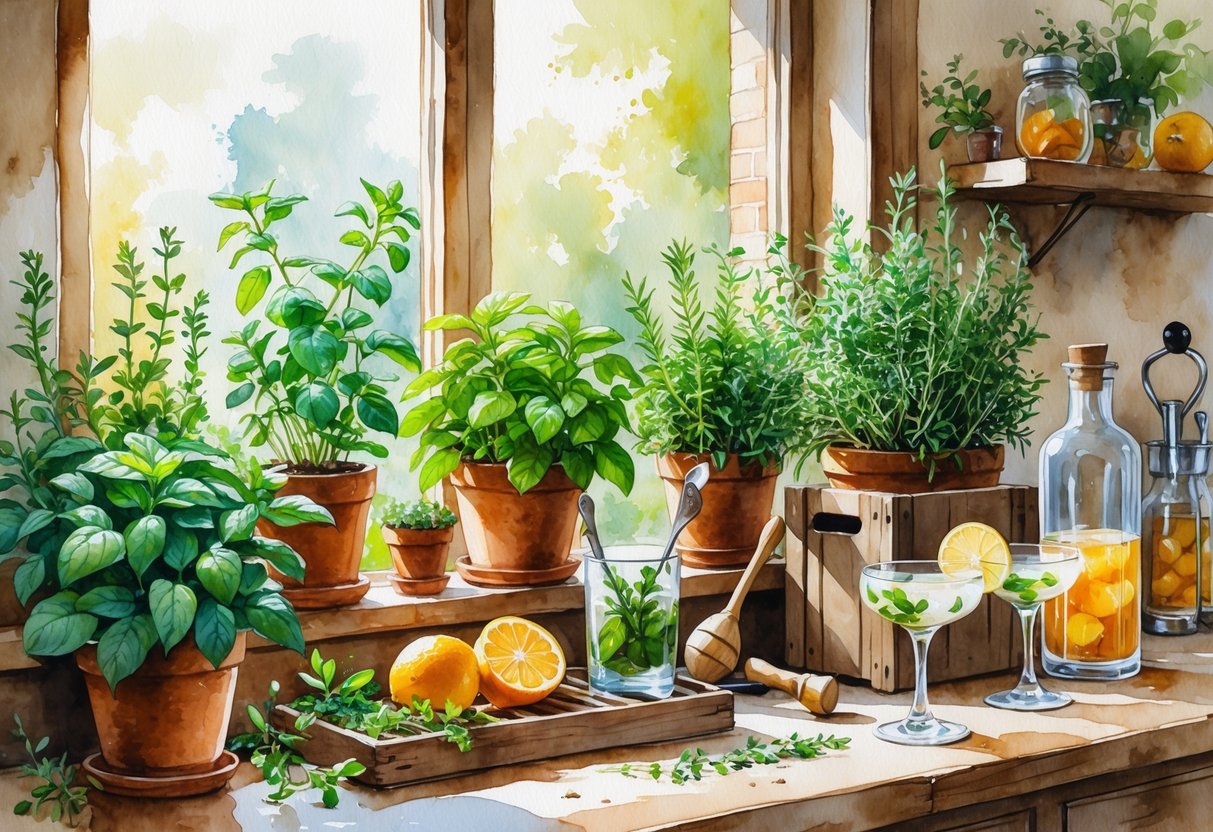
Growing your own herbs gives you fresh ingredients for cocktails right at your fingertips. You don’t need a large outdoor space to get started.
Herbs grow well in small containers on windowsills or countertops. Mint is the best herb to start with for cocktail making.
It’s easy to grow and works in many popular drinks like mojitos and juleps. You can also grow basil, rosemary, and thyme to add unique flavors to your creations.
Container gardening works perfectly if you live in an apartment or have limited space. You just need small pots, good soil, and access to natural light.
Most cocktail herbs need about six hours of sunlight each day. This hobby connects you to your craft in a new way.
You’ll understand ingredients better when you watch them grow from seeds to fully developed plants. The process teaches you patience and attention to detail.
Fresh herbs taste better than store-bought options. You can pick exactly what you need when you’re making drinks.
This saves money over time and reduces waste since you’re not buying more than you’ll use. Starting a cocktail herb garden requires basic planning.
You need to check which herbs grow well in your climate. Some herbs come back each year while others need replanting.
Indoor gardens give you more control over growing conditions year-round.
3) Creative Flair Bartending
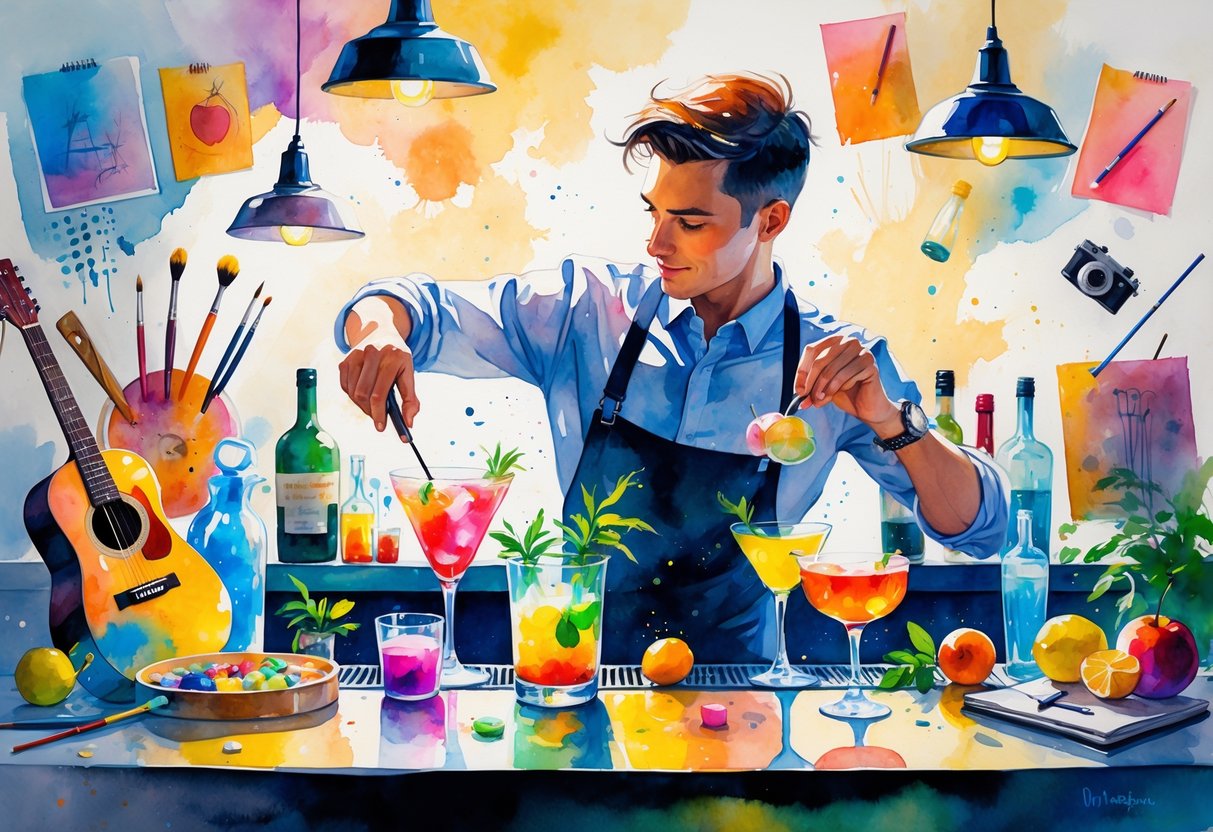
Flair bartending combines traditional drink-making with performance art. You use juggling, bottle flips, and acrobatic movements to create drinks while entertaining your guests.
This hobby helps you develop better hand-eye coordination and physical dexterity. The practice required to master bottle flips and juggling techniques keeps you physically active.
You also build confidence as you perform in front of others. Learning flair bartending adds showmanship to your regular bartending skills.
You can start with basic moves like simple bottle flips and tin spins. As you improve, you can work up to more advanced techniques that impress customers.
The creative aspect comes from designing your own routines and tricks. You decide which movements flow together and how to make each drink preparation unique.
This artistic freedom lets you express yourself while working. Flair bartending requires consistent practice to master the skills safely.
You can practice at home with empty bottles to avoid spills and accidents. Many bartenders take professional courses to learn proper techniques from experienced instructors.
2) Craft Cocktail Recipe Development
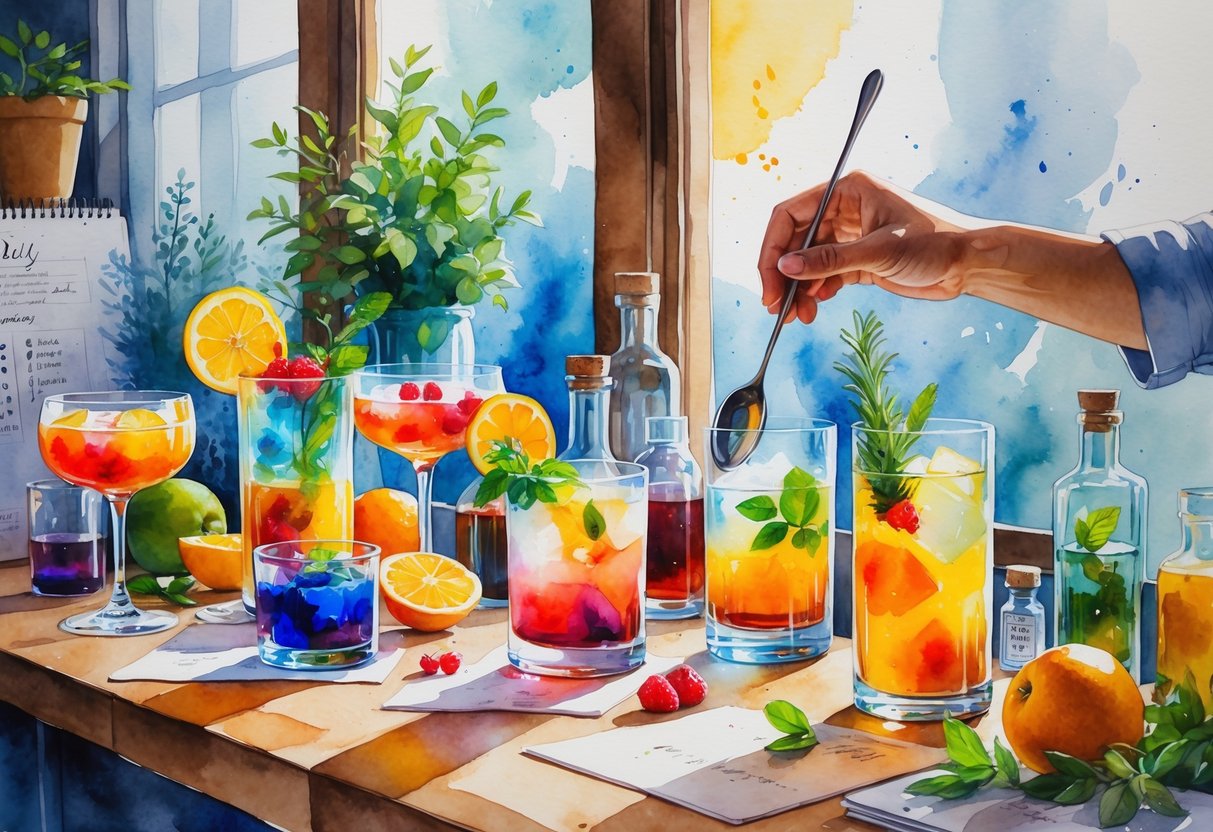
Creating your own craft cocktail recipes lets you express your creativity beyond the bar. You can experiment with flavors, ingredients, and techniques without the pressure of customer orders.
When you develop recipes at home, you work with fresh ingredients instead of pre-made mixes. This gives you complete control over every element of your drink.
You can test unusual flavor combinations that might not work during a busy shift. Recipe development teaches you how different ingredients interact with each other.
You learn which spirits pair well with specific fruits, herbs, or spices. This knowledge makes you better at your job when you return to work.
Start by choosing a base spirit you want to explore. Then select complementary flavors that enhance or contrast with that spirit.
Write down exact measurements as you go so you can recreate successful drinks. Keep notes about what works and what doesn’t.
Document the ratios, garnishes, and presentation ideas for each recipe. This record becomes your personal cocktail portfolio.
You can share your creations with friends or on social media. Some bartenders turn their recipes into signature drinks at their workplace.
Others build a following by posting their innovations online. This hobby requires minimal equipment beyond basic bar tools.
You likely already own most of what you need. The main investment is time and ingredients for testing your ideas.
1) Mixology Experimentation
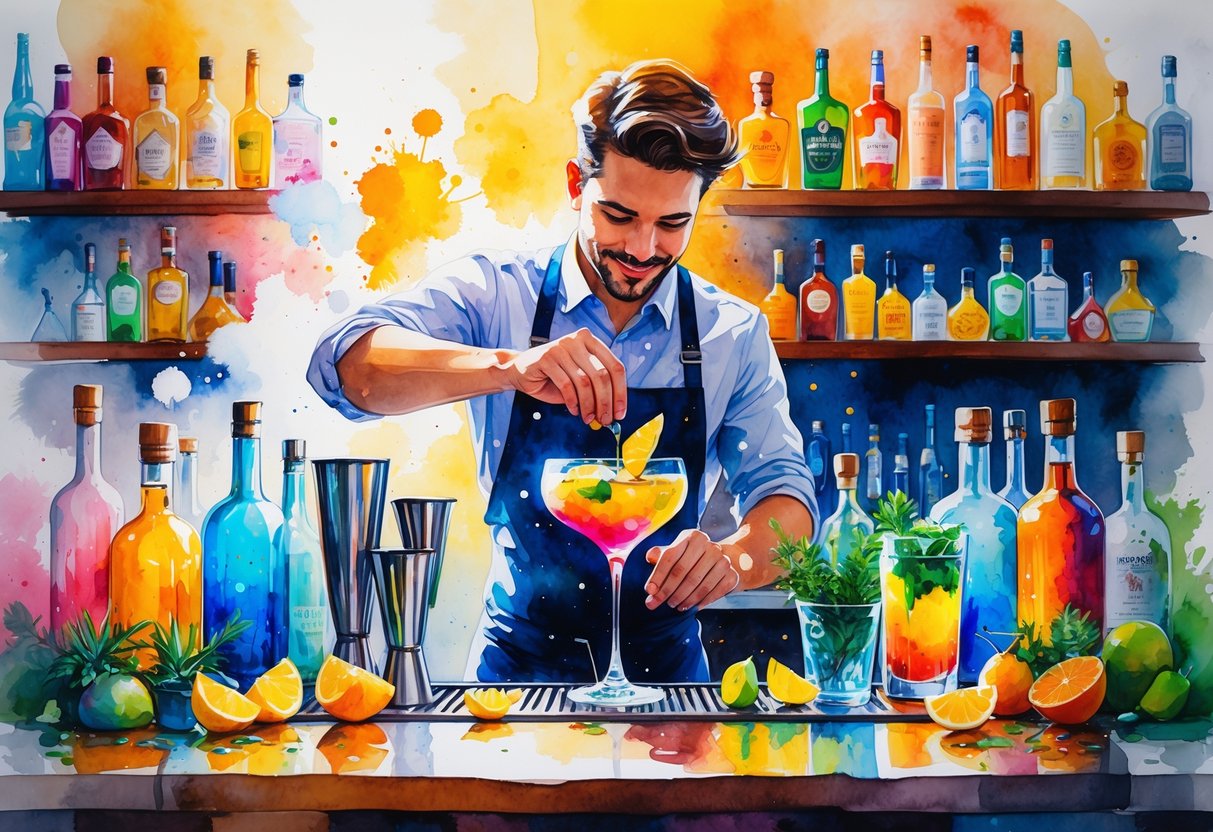
Mixology experimentation lets you explore cocktail creation beyond the standard drinks you make at work. You can test new flavor combinations without the pressure of serving customers.
This hobby gives you freedom to try unusual ingredients and techniques. You’ll develop your palate by working with different spirits, bitters, and fresh ingredients.
Start by tweaking classic recipes with small changes. You might swap one type of rum for another or add a new herb to your simple syrup.
Home experimentation helps you understand why certain flavors work together. You can take time to document your recipes and refine them through multiple attempts.
This process builds your confidence and knowledge base. The skills you gain transfer directly to your bartending work.
You’ll bring fresh ideas to your bar menu and impress customers with unique creations. Many successful signature cocktails start as home experiments.
You don’t need expensive equipment to begin. Basic tools like a shaker, jigger, and strainer work fine for most recipes.
Focus on learning proper techniques and understanding ingredient ratios first. You’ll build a home bar collection over time.
Keep a notebook to track what works and what doesn’t. Take notes on measurements, ingredients, and your tasting impressions.
How Creative Hobbies Enhance Bartending Skills
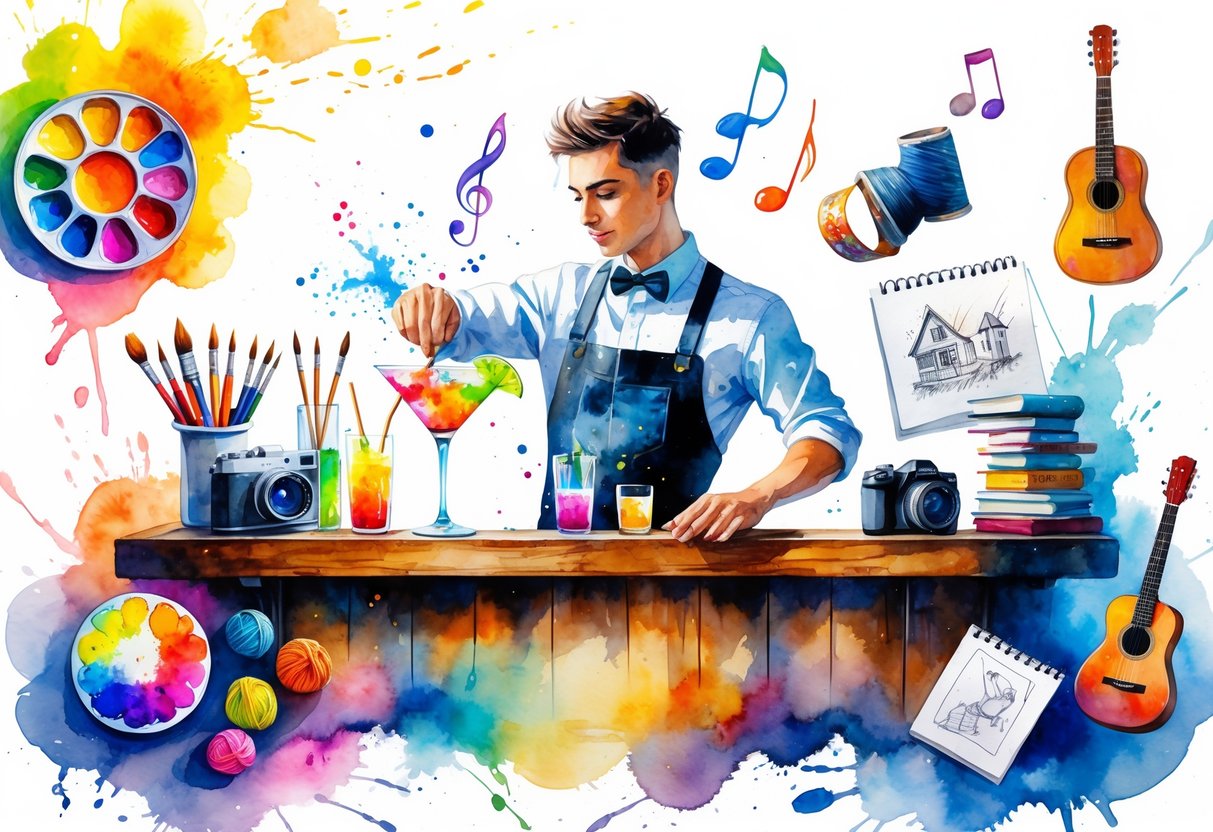
Creative hobbies directly strengthen your bartending abilities by developing skills that translate to better drinks, presentations, and customer interactions. These activities build your ability to experiment with flavors, create visually appealing cocktails, and connect with guests in memorable ways.
Building Flavors Through Artistic Pursuits
Cooking and baking teach you how different ingredients interact and balance with each other. When you spend time in the kitchen creating dishes, you learn about flavor profiles, acidity, sweetness, and texture.
This knowledge transfers directly to cocktail creation. Gardening gives you hands-on experience with fresh herbs, fruits, and botanicals.
You understand how ingredients taste at different stages of ripeness. You can identify which herbs pair well together based on your growing experience.
Perfume or candle making develops your ability to layer scents and identify subtle aromatic notes. Your nose becomes more sensitive to different ingredients.
This skill helps you create drinks with complex, layered flavors that stand out.
Key flavor skills you develop:
- Understanding ingredient pairings
- Recognizing subtle taste differences
- Balancing contrasting elements
- Experimenting with new combinations
Sharpening Presentation Through Visual Hobbies
Photography trains your eye to see composition, lighting, and color balance. You learn what makes drinks look appealing from different angles.
This helps you garnish and present cocktails that photograph well and catch attention. Painting or drawing develops your understanding of color theory and visual harmony.
You can create drinks with complementary or contrasting colors that look intentional. Your garnishes become more thoughtful and artistic.
Pottery or ceramics gives you appreciation for glassware shapes and how vessels affect presentation. You understand how the right glass enhances a drink’s appearance.
You might even create custom serving pieces for special cocktails. Interior design or styling helps you think about how drinks fit into their environment.
You consider the bar’s aesthetic when creating new cocktails. Your presentations match the mood and style of your workspace.
Improving Communication With Performance Arts
Theater or improv acting builds your confidence when interacting with guests. You learn to read the room and adjust your energy accordingly.
You become comfortable being the center of attention behind the bar. Music training, whether singing or playing instruments, improves your timing and rhythm.
You can work smoothly during busy shifts while maintaining conversation. You develop better listening skills for understanding customer preferences.
Public speaking or storytelling helps you explain drinks in engaging ways. You can describe cocktail ingredients and history without boring guests.
Your recommendations become more persuasive and memorable. Dance or movement classes improve your physical awareness and coordination.
You move more efficiently in tight bar spaces. Your pouring and shaking techniques become smoother and more controlled.
Tips for Incorporating New Hobbies Into a Bartender’s Routine
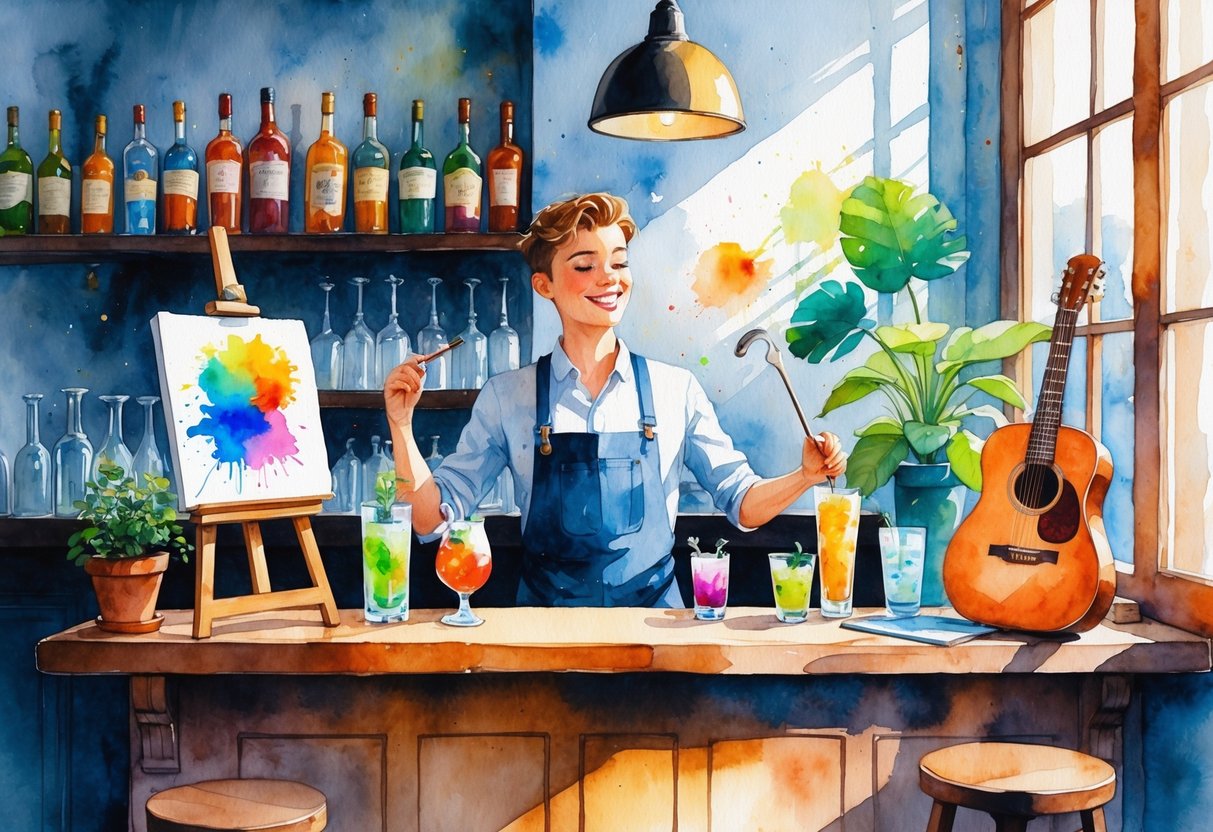
Bartending schedules don’t follow the typical nine-to-five pattern. You need to approach hobbies differently than most people.
The key is working with your irregular hours rather than against them. Connect with others who understand your lifestyle and choose activities that actually make you better at your job.
Balancing Work Schedules With Creative Exploration
Your work schedule is your biggest challenge when starting a new hobby. Late nights and weekend shifts mean you can’t join most traditional classes or groups that meet at standard times.
Look for activities you can do during off-peak hours. Morning yoga classes work well since you’re often free before your evening shift.
Digital art and music production let you practice at 2 AM when you get home from work. Break your hobby into small chunks.
You don’t need three-hour blocks of time to make progress. Fifteen minutes of sketching or twenty minutes of language learning apps fit easily into your pre-shift routine.
Set up a dedicated space at home for your hobby. Having your supplies ready means you’ll actually use them during short breaks between shifts.
A corner with your guitar or a table with art supplies removes the barrier of setup time. Track your hobby time like you track your shifts.
Use your phone calendar to block out specific days for creative work. Treat these blocks as seriously as you treat work commitments.
Finding Community and Inspiration
Other bartenders often share similar hobbies and schedules. Ask your coworkers what they do outside of work.
You’ll find people into belly dance, painting, running, camping, MMA fighting, snowboarding, and music production. Join online communities for your chosen hobby.
These groups operate 24/7 and don’t care when you post or participate. You can share progress, ask questions, and get feedback at whatever hour works for you.
Look for hospitality-specific groups. Bartenders who practice meditation, weightlifting, or cooking often create their own communities that understand your unique schedule challenges.
Visit local studios or gyms during daytime hours when they’re less crowded. Many instructors offer private sessions or small group classes that can work around your availability.
Some places specifically cater to service industry workers with late-morning or early-afternoon options.
Maximizing Skill Transfer From Hobby to Bar
Choose hobbies that build skills you can use behind the bar. Photography improves your eye for presentation and garnish placement.
Painting and drawing enhance your understanding of color combinations in cocktails. Music training sharpens your rhythm and timing.
These same skills help you manage multiple orders and coordinate with bar backs during busy rushes. Cooking teaches flavor profiles and ingredient interactions.
You’ll make better drink recommendations when you understand how tastes work together. Foraging introduces you to new botanicals and ingredients for infusions and syrups.
Physical hobbies like yoga, weightlifting, or martial arts build the stamina you need for long shifts. They also reduce the physical strain of standing for hours and repetitive motions.
Apply what you learn immediately. If you’re learning woodworking, build custom bar tools or display pieces.
Photography skills turn into better social media content for your bar. Each hobby becomes an investment in your bartending career.
Frequently Asked Questions
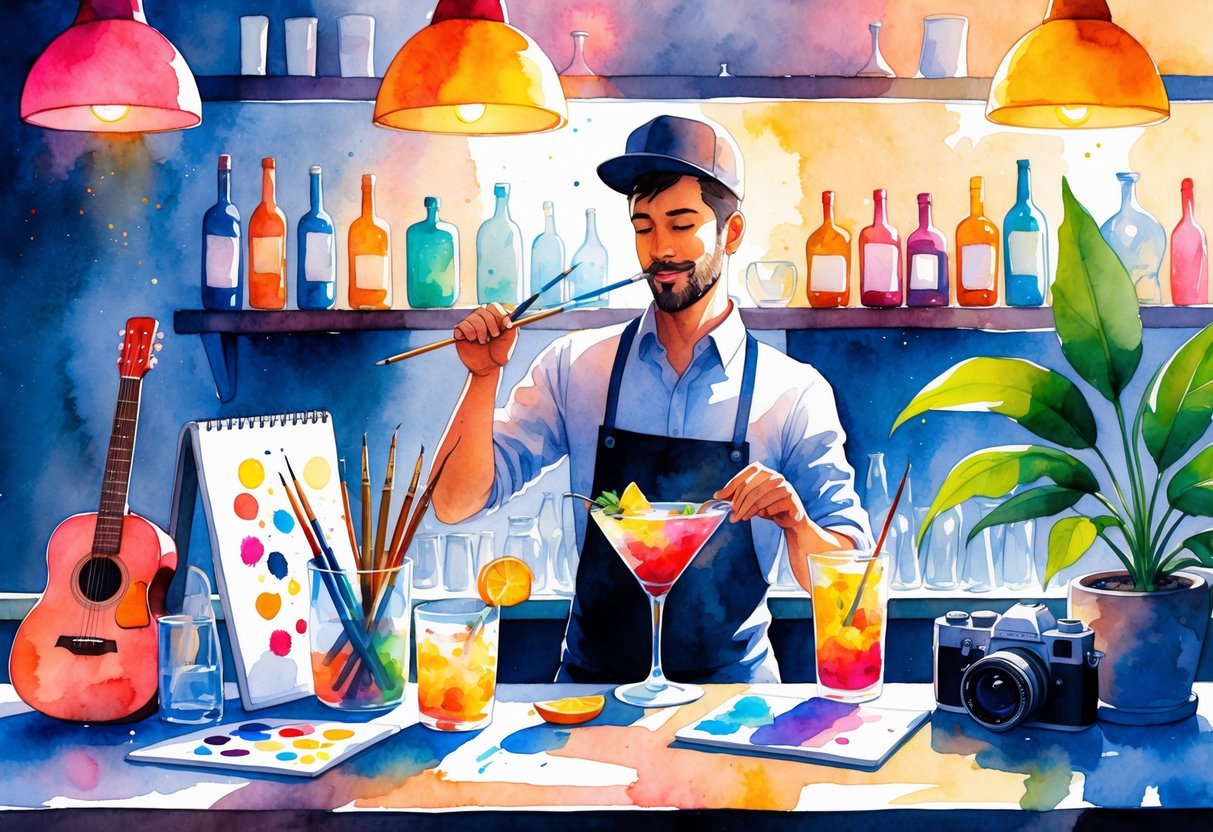
Bartenders who explore creative hobbies often wonder how these activities connect to their work behind the bar. These questions address practical ways different hobbies can improve your bartending skills and career growth.
What are some creative hobbies that can enhance a bartender’s mixology skills?
Food pairing and tasting activities directly improve your ability to create balanced cocktails. When you spend time exploring different flavor combinations through cooking or wine tasting, you develop a better understanding of how ingredients work together.
Handmade barware crafting teaches you about the tools you use every day. Building your own jiggers, muddlers, or mixing spoons gives you insight into why certain tools work better than others.
You can also customize equipment to fit your specific needs.
Which artistic activities could improve a bartender’s presentation and garnishing techniques?
Cocktail photography trains your eye to see drinks from different angles and lighting conditions. You learn what makes a drink visually appealing and how small changes in garnish placement affect the overall look.
This skill helps you create more Instagram-worthy presentations. Sewing bartending aprons develops your attention to detail and precision.
The same careful measurements and clean finishing techniques you use in sewing apply to creating perfect garnishes. Both activities require steady hands and focus on visual appeal.
How can practicing music benefit a bartender’s rhythm and timing in a busy bar setting?
Playing an instrument or producing music improves your sense of timing and flow. You learn to stay calm when things get fast-paced and maintain consistent speed during rushes.
Musicians understand how to stay in sync with others around them. Music practice also builds your ability to multitask without losing focus.
Just like following a song structure, you can manage multiple drink orders while maintaining quality. The discipline from regular practice sessions carries over to your work ethic behind the bar.
What types of hobbies can help bartenders develop better interpersonal and storytelling abilities?
Writing or blogging about your experiences helps you organize your thoughts and communicate more clearly. When you practice explaining concepts through words, you get better at describing drinks to customers.
You also learn to make your stories more engaging and memorable. Any hobby that involves teaching others improves your communication skills.
Whether you’re showing someone how to weld custom bar tools or explaining your cocktail photography techniques, you practice breaking down complex ideas. These same skills help you connect with guests and make them feel welcome.
Can engaging in writing or blogging assist bartenders in creating unique cocktail menus and descriptions?
Writing regularly improves your ability to describe flavors and experiences in appealing ways. You move beyond basic terms like “sweet” or “sour” to more specific descriptions that make guests curious.
Blogging about bartending builds your research skills and industry knowledge. You discover new ingredients, techniques, and trends while creating content.
This research directly feeds into your ability to develop creative drink concepts and explain them to customers.
In what ways might a bartender utilize photography to showcase their drinks and grow their personal brand?
Professional-looking cocktail photos help you build a strong social media presence. You can document your creations and share them with potential employers or guests.
Good photography sets you apart from other bartenders who only post casual phone snapshots. Photography skills also help you understand lighting and composition behind the bar.
You become more aware of how your workspace looks and how to arrange bottles and tools for maximum visual impact. These same principles apply when you’re making drinks in front of guests who want to watch and take photos.