Best Pottery Wheels for Beginners Top Picks and Buying Guide
Pottery is a creative activity that lets you shape clay into useful or decorative objects. Making pottery on a wheel is one of the most popular ways to get started.
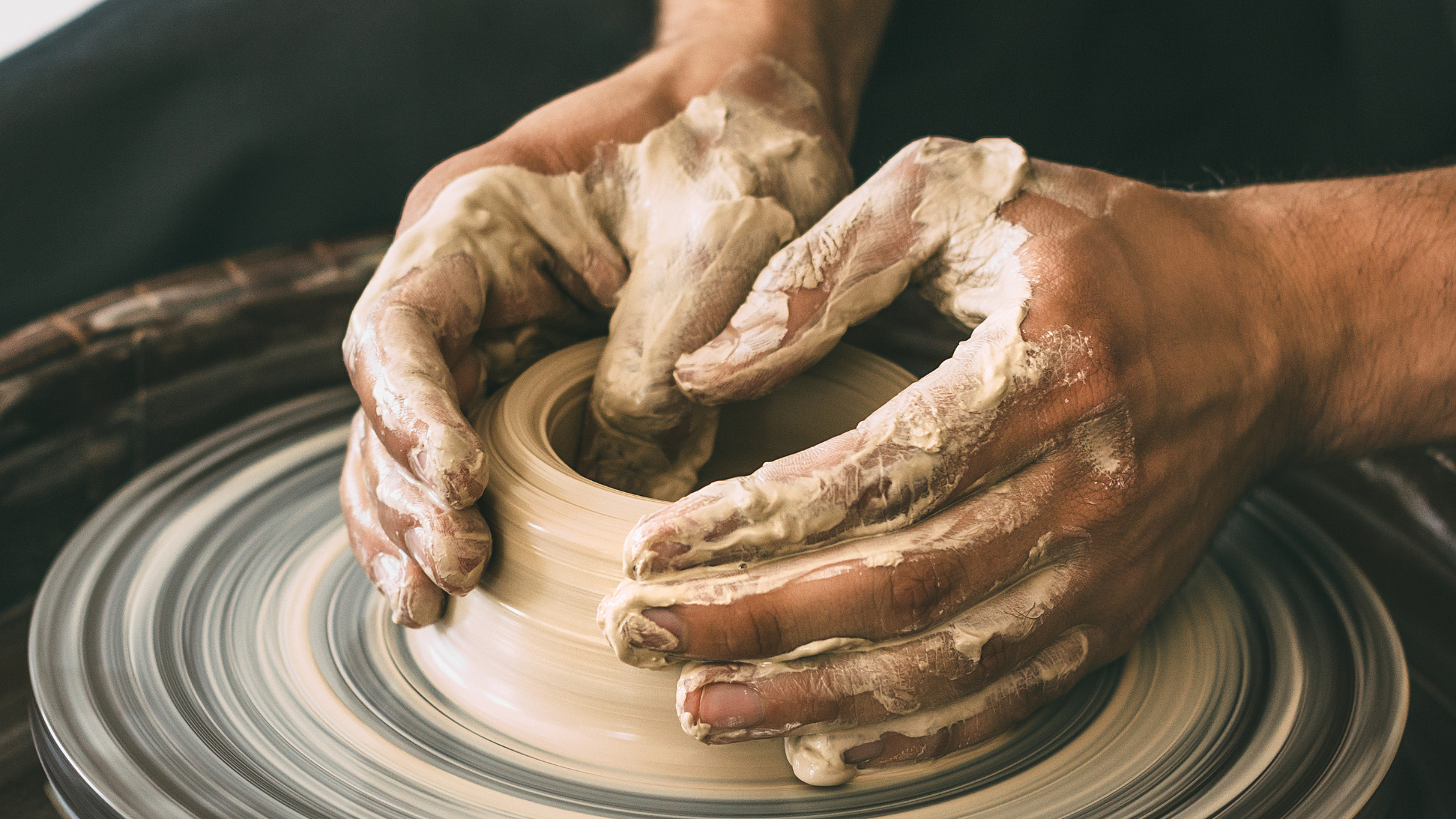
A pottery wheel spins the clay so you can mold it with your hands and basic tools. If you are a beginner, a pottery wheel that is simple to use and easy to control can help you learn faster.
Some wheels are made for classrooms and home studios, while others are small enough for a table. The right wheel will let you focus on learning techniques instead of worrying about complicated controls.
When shopping for your first pottery wheel, you should look at a few key features. Think about the type of wheel—electric or manual, also called a kick wheel.
Electric wheels are usually easier for beginners. Pay attention to the size of the wheel head, the speed range, and how much weight the wheel can handle.
You should also check if it is easy to clean, not too heavy to move, and has parts you can replace if needed.
Best Pottery Wheels for Beginners
Here are the top pottery wheels for beginners that offer good features and value. These wheels make it simple for you to start learning and enjoy making your own pottery at home.
Blue Marble Starter Pottery Wheel Kit

If you want an all-in-one pottery kit for beginners, especially kids, this set is a solid choice thanks to its included tools and easy setup.
Pros
- Comes with clay, tools, paints, and an apron
- Easy-to-follow video and illustrated instructions
- Electric motor with variable speed for more control
Cons
- Wheel base is mostly plastic and can feel flimsy
- Can get noisy during use
- Only uses air-dry clay, not compatible with kiln firing
This pottery wheel set by Blue Marble gives you nearly everything you need to get started right from the box. Two pounds of air dry clay, several sculpting tools, paints, a paint palette, and even an apron are included.
With clear instructions and video guides, you’ll be able to see each step before you try it yourself. Designed with both left and right-handed users in mind, this wheel comes with extra arms to help shape and center your clay.
The electric motor has two speed options, which helps while learning the basics of pottery. Since the kit uses air-dry clay, you can finish projects without needing an oven or kiln.
You will need to buy more clay once you run out. The wheel is made from lightweight materials and may not hold up to rough handling.
The wheel can get noisy, and because it is made for beginners, you may outgrow it as your skills improve. For children or anyone looking for a simple entry-level pottery experience, this kit is straightforward, user-friendly, and backed by helpful support.
Catcrafter Pottery Wheel Starter Kit

This pottery wheel set is a good choice if you’re searching for a reliable beginner kit with plenty of useful extras.
Pros
- Comes with sculpting tools, clay, and paints for a complete start
- Adjustable speed settings match different skill levels
- Removable basin makes cleanup simple
Cons
- Smaller turntable is not made for large pottery pieces
- The wheel may wobble under heavy pressure
- Durability may not match more expensive models
Catcrafter’s pottery wheel kit is designed for beginners and younger users. It includes everything you need to get started, so you won’t have to buy supplies separately.
The package is user-friendly and ideal for people wanting to try pottery without much hassle. You can set your ideal speed, which is helpful if you are learning or experimenting.
Cleanup is much easier with the removable basin, making it less stressful for families or classrooms. The kit is compact and portable and is quieter than most pottery wheels.
This pottery wheel may struggle with heavier clay or larger pottery, so it suits smaller projects best. If you want a full-sized wheel or plan to work with big amounts of clay, this kit might not be right for you.
Insnug Pottery Wheel Starter Kit

If you want a pottery wheel that’s easy for beginners and comes with all the basic tools and supplies, this kit is worth considering.
Pros
- Beginner-friendly with simple controls
- Lightweight and rechargeable for easy transport
- Comes with a variety of starter tools and paint
Cons
- Not very powerful for heavy-duty projects
- Limited clay and paint included
- Wheel may be small for larger crafts
This Insnug pottery wheel stands out for its portability and beginner-focused design. The controls are easy to use, so you won’t feel overwhelmed if you’ve never tried pottery before.
You get everything you need in one box, including clay, paint, brushes, and tools. Portability is a key feature with this kit.
The rechargeable battery lets you use it anywhere, from your kitchen table to an art class. Its light build makes it easy to carry around, so you don’t have to keep your workspace in one spot.
The wheel isn’t designed for bigger projects or more serious pottery work. The included supplies might not last long if you use the kit often, and the wheel size is best for small items.
Alldeer Mini Pottery Wheel Kit

If you want a beginner-friendly pottery wheel for light projects at home, the Alldeer Mini Pottery Wheel Kit offers an easy way to get started.
Pros
- Simple step-by-step speed control for smoother shaping
- All-in-one kit includes tools, clay, and paints
- Foot pedal makes for hands-free operation
Cons
- Not meant for heavy clay or large projects
- Wheel can sometimes stop if overloaded
- Air-dry clay may limit advanced techniques
This kit comes with everything you need to try pottery for the first time, including a wheel, sculpting tools, brushes, and air-dry clay. It helps you get started without having to buy supplies separately.
The adjustable speed control and foot pedal give you more freedom to shape your creations without stopping to press buttons. Lightweight and compact, it fits easily on most tables and is simple to clean up after use.
You’ll find changing the removable plate and splash pan straightforward, which helps save time after each session. The bright green color and fun design make the wheel appealing to both kids and adults.
Keep in mind it is designed for lightweight projects and may not perform as well with larger pieces or thick chunks of clay. If your main goal is to start learning pottery basics with minimal setup, this kit could be a strong choice.
Insnug Pottery Wheel Kit for Beginners

If you want a compact pottery wheel set with included tools and clay for an easy start, this kit is a practical option.
Pros
- Complete starter kit includes tools and clay
- Simple to clean with a removable tray
- Compact size makes it easy to store
Cons
- Wheel may slow down with added pressure
- Power cord connection could be more secure
- Clay amount might not be enough for bigger projects
You’ll find that the Insnug Pottery Wheel Kit covers the basics for a beginner. This set comes with a 6-inch wheel, a small amount of air-dry clay, and a range of tools, so you can get started right away without buying extras.
A removable tray helps keep your workspace tidy. Lightweight and easy to move, it doesn’t take up much space.
The simple two-button controls make it user-friendly for those new to pottery. You also get paints and brushes for finishing touches, which adds extra value if you want to decorate your creations.
The wheel seems to struggle if you put too much pressure while shaping your clay, and some users have had trouble with the power cord staying connected. The clay included might not last long if you plan to make many pieces.
Buying Guide
Choosing a pottery wheel can feel confusing at first. Understanding key features makes it easier.
Type of Wheel:
Pottery wheels come in two main types: electric and manual (kick). Electric wheels are easier for beginners because they require less effort.
Motor Power:
The power of the motor affects how much clay you can work with. If you want to make larger pieces, look for a stronger motor.
Speed Control:
Variable speed options help you shape clay more precisely. Look for a wheel with easy-to-use speed controls, like a foot pedal or dial.
Wheel Head Size:
A larger wheel head lets you work with bigger projects, but beginners usually start with a wheel head around 11 to 14 inches.
Here’s a quick table to compare important features:
| Feature | What to Look For |
|---|---|
| Type | Electric for beginners |
| Motor Power | Enough for at least 10 lbs clay |
| Speed Control | Smooth, adjustable |
| Wheel Head Size | 11-14 inches is good |
| Portability | Lightweight if space is limited |
Portability:
If you have limited space, a lightweight or compact wheel is helpful. Some models are also easier to store or move.
Noise Level:
Quieter wheels are better if you will use the wheel at home or in a shared space.
Take time to consider your needs and workspace before choosing.
Frequently Asked Questions
Choosing a beginner pottery wheel depends on your budget, space, and user needs. Each type and brand offers different features and accessories suited for new artists.
What essential features should I look for in a starter pottery wheel?
Look for a wheel with adjustable speed controls and a stable base to help you work safely. A splash pan, easy-to-clean surface, and quiet operation are also useful.
The wheel’s motor should be strong enough for small to medium projects, usually at least 1/4 horsepower.
How much should I expect to spend on a quality beginner’s pottery wheel?
Most entry-level pottery wheels cost between $150 and $500. Tabletop models are usually cheaper, while freestanding versions with more power and features cost more.
Higher prices often include extra tools or better build quality.
Can adults and children use the same type of pottery wheels for learning?
Many beginner wheels work for both adults and children, especially if they have simple controls and adjustable height. Some models are lighter and smaller, making them easier for kids to use.
Always check the recommended age and supervise children during use.
What are the differences between tabletop and freestanding pottery wheels for novices?
Tabletop wheels are portable and take up less space, which is good for small work areas. They are often lighter but may handle smaller clay amounts.
Freestanding wheels are larger, sturdier, and better for longer sessions or bigger projects.
Are there recommended brands that offer the best value for beginner pottery enthusiasts?
Brands like Speedball, Shimpo, and Vevor are well-known for reliable beginner wheels. They offer good performance and customer support.
What accessories are typically included in a beginner pottery wheel kit?
Most kits include essential tools like trimming tools, sponges, and bats. You may also get a splash pan and foot pedal in the box.
Some kits add beginner’s clay or instructional guides to help you get started.