10 Best Hobbies for Security Guards During Quiet Shifts to Stay Alert and Productive
Security guards often face long periods of downtime during quiet shifts. These slow hours can feel endless when you have little to occupy your mind.
Finding productive ways to fill this time can make your shifts more enjoyable and help you stay alert.

The right hobbies can keep your mind sharp, reduce boredom, and even help you develop new skills while you work. Many activities fit well into the security guard routine because they require minimal equipment and can be paused quickly if something needs your attention.
The best hobbies balance mental engagement with the need to stay aware of your surroundings.
This guide covers activities that work well during downtime on the job. You will find options that challenge your brain, support your health, and give you something meaningful to focus on between patrols and monitoring duties.
10) Exploring photography techniques
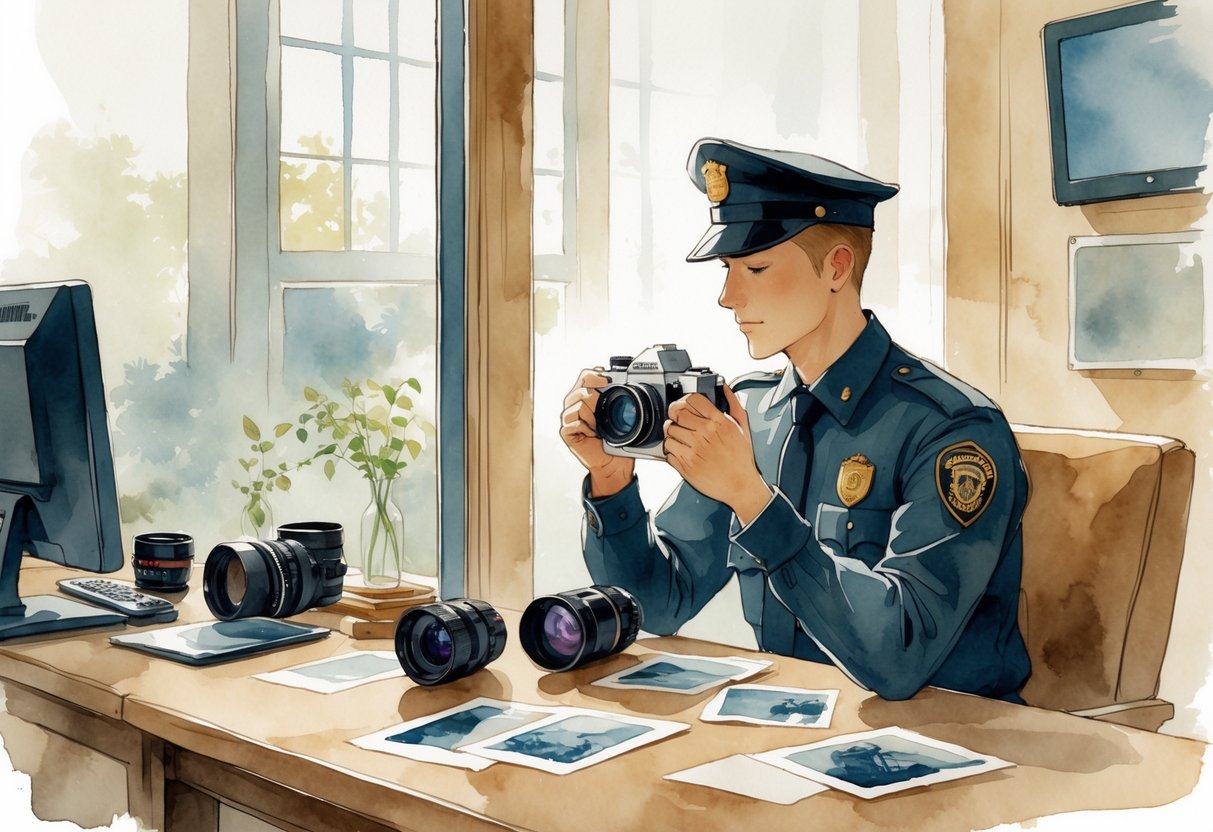
Photography offers security guards a practical hobby that connects directly to their work. You already spend your shifts observing your surroundings and noticing details.
Learning photography techniques builds on these skills while giving you a creative outlet. You can start by studying composition basics like the rule of thirds and leading lines.
These concepts help you frame better shots when you have your camera or phone available during breaks. Understanding lighting is another key skill that translates well to security work, as it improves your ability to assess visibility and shadows in your environment.
During quieter moments, you can mentally practice framing shots of your workplace. Look at how light falls across different areas throughout your shift.
Notice architectural details or interesting angles you might photograph later. Many photography techniques require no equipment to learn.
You can study depth of field, exposure settings, and color theory through reading or watching videos before or after your shift. This preparation means you’ll be ready when you have time to actually take photos.
Photography also sharpens your observation skills, which directly benefits your security duties. When you train your eye to spot interesting compositions, you naturally become better at noticing things that are out of place.
You don’t need expensive gear to start. Most smartphones have capable cameras that let you practice and experiment with different techniques during your breaks.
9) Planning fitness routines

Quiet shifts give you time to map out your workout schedule. You can research exercises, set fitness goals, and create a plan that fits your rotating shifts.
This planning helps you stay consistent even when your work schedule changes. Security work keeps you on your feet, but it doesn’t always provide the physical challenge you need to stay in peak condition.
Long periods of standing or sitting can increase your risk for health problems. A well-planned fitness routine counters these effects and improves your job performance.
Start by designing a flexible workout schedule that adapts to your shifts. Short, intense workouts often work better than long gym sessions when you have irregular hours.
You can plan split routines that target different muscle groups on different days. Use your downtime to research proper nutrition and recovery techniques.
Good nutrition supports your fitness goals and helps you recover after demanding shifts. Planning your meals ahead of time makes it easier to eat well during busy periods.
Write down specific goals for strength, endurance, and agility. These are the physical qualities you need most as a security guard.
Track your progress and adjust your plan as needed. Consider active recovery methods for days between intense workouts.
This approach reduces injury risk while keeping you ready to respond to emergencies. Planning rest days is just as important as planning workout days.
8) Studying foreign languages via apps
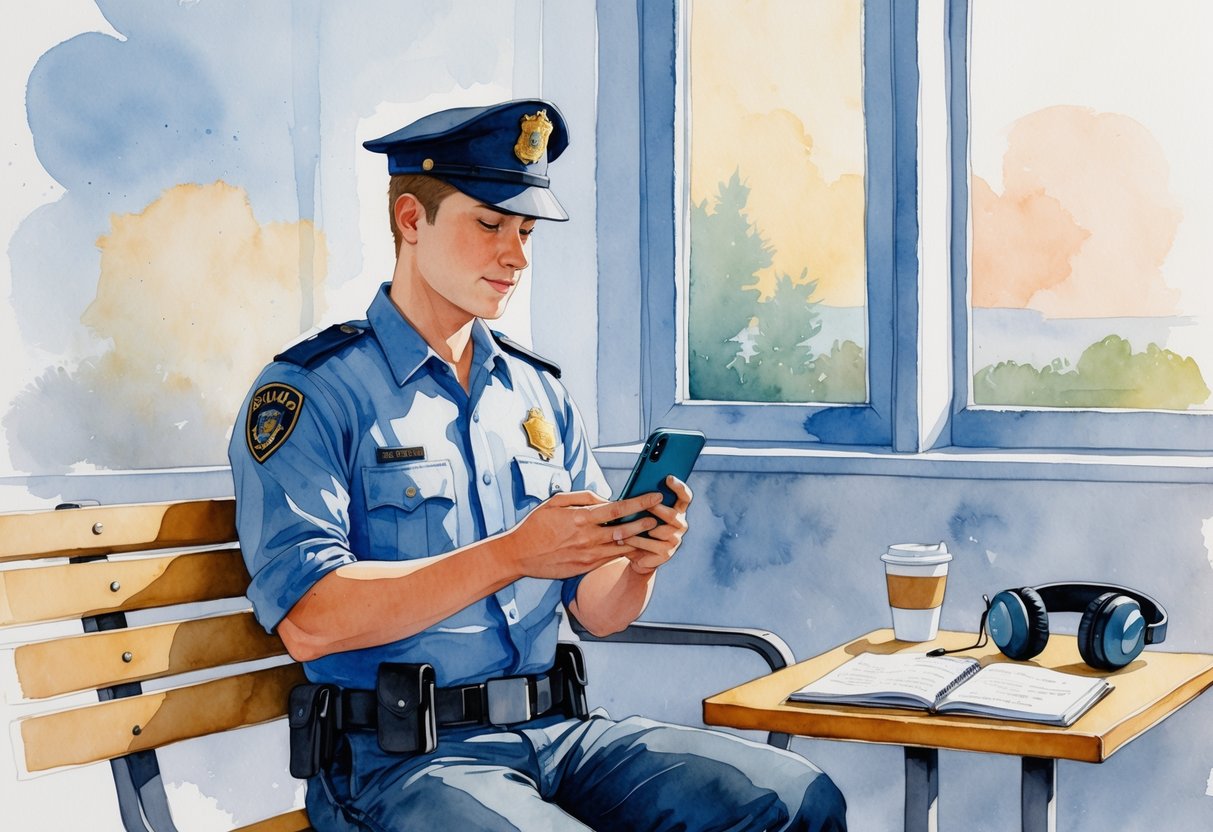
Language learning apps offer security guards an excellent way to use downtime productively. You can learn a new language at your own pace during quiet moments on shift.
Apps like Duolingo, Memrise, and others make language learning simple through short lessons. Most lessons take just 5 to 15 minutes to complete.
This format works well for security guards who need to stay alert and may have to pause their learning at any moment. These apps teach you listening, reading, speaking, and writing skills through interactive exercises.
You get immediate feedback on your progress. Many use game-like features that make learning more engaging and help you stay motivated.
You don’t need any prior language experience to start. Most apps begin with basic vocabulary and simple phrases.
As you practice, the lessons become more advanced. Learning a foreign language can benefit your career.
You might be able to communicate with more people at your workplace. Some security positions value bilingual employees and may offer better pay.
The best part is that many quality language learning apps are free to use. You can try several different apps to find one that matches your learning style.
Some people prefer visual lessons while others learn better through audio practice. Your phone or tablet is all you need to get started.
Download an app during your break and begin your first lesson during your next quiet period.
7) Listening to educational podcasts
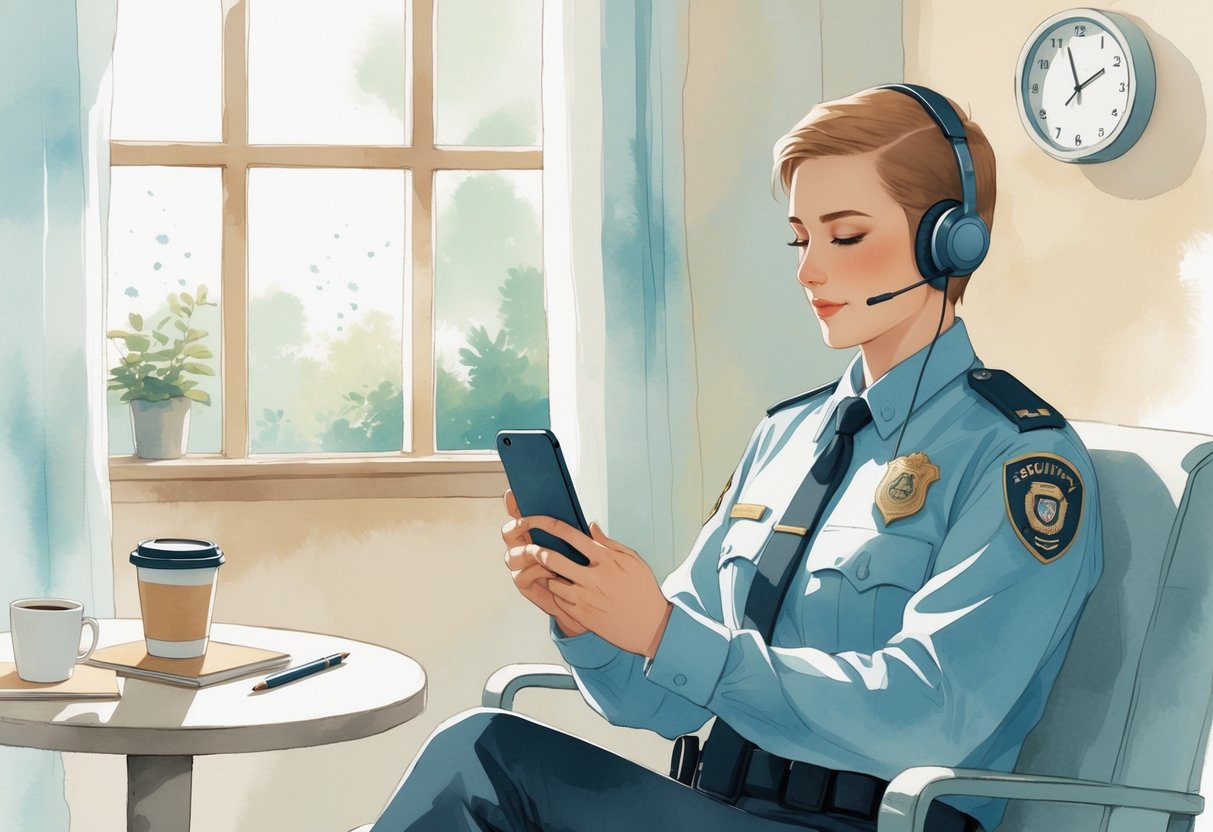
Podcasts are perfect for security guards working quiet shifts. You can learn new skills while staying alert to your surroundings.
All you need is a smartphone and earbuds. Educational podcasts cover almost any topic you want to explore.
You can find shows about history, science, business, technology, or personal development. Many episodes run between 20 and 60 minutes, which fits well into patrol routines.
Security-focused podcasts can help you grow professionally. Shows hosted by industry experts discuss best practices, new technologies, and real security situations.
You gain insights that apply directly to your work. The format works well for security work because you don’t need to look at a screen.
You can listen while walking your rounds or monitoring cameras. Your hands stay free and your eyes stay on your environment.
Start by downloading a few episodes before your shift. This way you have content ready even without internet access.
Most podcast apps let you adjust playback speed if you want to go faster or slower. Pick topics that interest you personally or help your career.
Some guards prefer learning languages or studying for certifications. Others enjoy shows about crime psychology or emergency response.
The variety means you’ll find something that keeps you engaged during long, quiet hours.
6) Sketching or doodling
Sketching and doodling are perfect activities for quiet security shifts. You don’t need expensive supplies to get started.
A simple notebook and pen are enough. Doodling keeps your mind engaged without requiring intense focus.
This means you can still stay alert to your surroundings while you draw. You can create simple patterns, shapes, or small drawings during slow periods.
The basic approach is to see doodles as simple shapes. Circles, squares, and lines form the foundation of most doodles.
With practice, you can combine these shapes into more detailed designs. This hobby offers real benefits for security work.
It keeps your brain active during long periods of inactivity. Staying mentally engaged helps you remain alert and ready to respond when needed.
You can start with easy patterns like spirals, stars, or geometric designs. These don’t require artistic skill or training.
As you practice, you’ll naturally develop your own style and preferences. Sketching also gives you something productive to show for your time.
You can fill notebooks with your work over weeks and months. Some security guards find this hobby relaxing and satisfying.
The portability makes it ideal for security work. Your supplies fit easily in a pocket or bag.
You can start and stop instantly when duties require your attention.
5) Mastering chess strategies

Chess offers security guards an excellent way to keep their minds sharp during quiet shifts. You can play on a pocket chess set or use a chess app on your phone.
The game helps you develop critical thinking skills that transfer directly to your security work. Learning chess strategies starts with understanding basic principles.
You need to control the center of the board with your pawns and pieces. This gives you more options for attacking and defending.
Always develop your pieces early in the game by moving them from their starting positions to more useful squares. King safety is another key concept you should master.
Castle your king early to move it away from danger. Keep pawns in front of your castled king to create a protective shield.
Thinking ahead makes you a better chess player. Try to predict what your opponent might do next and plan your response.
This skill also helps you spot potential security issues before they become problems. Pawn structure matters more than most beginners realize.
Avoid creating weak pawns that your opponent can easily attack. Strong pawn chains support your pieces and control important squares.
You can study chess tactics during your shift using free online resources. Practice puzzles that teach you patterns like forks, pins, and skewers.
These tactical ideas help you spot winning moves quickly. Start with simple games against a computer set to easy mode, then gradually increase the difficulty as your skills improve.
4) Writing short stories or journal entries
Writing gives you a productive way to pass time during quiet shifts. You can write short stories or keep a journal with nothing more than a notebook and pen.
This hobby works well in security settings because you can easily stop and resume when needed. Short stories let you explore your creativity.
You can write about anything that interests you, from mystery to science fiction to real-life experiences. Each story helps you develop your imagination and writing skills.
Journal entries offer a different benefit. You can reflect on your day, track your thoughts, or respond to writing prompts.
Journaling helps you process experiences and emotions in a healthy way. Both options are quiet activities that won’t disturb your work environment.
You don’t need special equipment or training to start. Just pick up a pen and begin writing whatever comes to mind.
Writing also sharpens your communication skills. As a security guard, you need to write clear incident reports and logs.
Regular writing practice makes these work tasks easier. You’ll find the right words faster and express yourself more clearly.
You can set simple goals for yourself. Try writing one page per shift or completing one short story per week.
These small targets keep you motivated without adding pressure. The best part is that writing costs almost nothing.
You can use basic notebooks or even digital notes on your phone. This makes it an accessible hobby for any budget.
3) Practicing mindfulness meditation

Security work during quiet shifts gives you a perfect chance to practice mindfulness meditation. This technique helps you stay alert while reducing stress from long periods of sitting or standing in one place.
You can start with simple breathing exercises. Focus on your breath going in and out for just a few minutes.
This keeps your mind centered while you stay aware of your surroundings. Mindfulness meditation doesn’t require you to close your eyes or sit in a special position.
You can practice it while staying fully aware of what’s happening around you. Pay attention to sounds, the feeling of your feet on the ground, or the air on your skin.
During breaks, you can do quick body scan exercises. Start at your head and slowly notice sensations moving down to your toes.
This takes only five minutes and helps you feel more present. The practice builds your focus and emotional balance over time.
You’ll handle stressful situations better and stay calmer during unexpected events. Regular practice also helps with the mental fatigue that comes from repetitive tasks.
You can even practice mindful walking during your rounds. Notice each step and how your body moves.
This turns a routine task into a chance to strengthen your awareness and mental clarity. The key is consistency, even if you only practice for a few minutes each shift.
2) Learning basic coding with Python
Python is one of the most beginner-friendly programming languages you can learn during your downtime at work. The language uses simple syntax that reads almost like regular English, making it perfect for security guards who are new to coding.
You can start learning Python with just your phone or laptop during quiet hours. Many free resources and tutorials are available online that teach you the basics step by step.
You don’t need any prior programming experience to begin. Working on small Python projects helps you build practical skills quickly.
You can create simple programs like calculators, to-do lists, or basic games. These hands-on projects make learning more engaging than just reading about code.
Learning to code improves your problem-solving abilities and logical thinking. These skills transfer directly to your security work when you need to analyze situations or troubleshoot equipment issues.
Python knowledge also opens doors to better-paying jobs in tech and cybersecurity fields. The quiet nature of security shifts gives you focused time to practice coding without interruptions.
You can work through lessons at your own pace and take breaks when you need to complete your rounds. Even spending 30 minutes per shift on Python can lead to solid skills over time.
Python’s versatility means you can apply it to many areas that interest you. You might build tools to automate tasks, analyze data, or create security-related programs.
This hobby combines mental stimulation with career development during your work hours.
1) Reading thriller or mystery novels

Reading thriller or mystery novels gives you the perfect way to stay alert during quiet shifts. These books keep your mind engaged while you maintain awareness of your surroundings.
You can easily pause between chapters to complete your rounds or respond to situations. Mystery novels sharpen your observation skills and critical thinking.
You learn to notice small details and connect clues, which applies directly to your security work. The problem-solving aspects of these stories mirror the analytical thinking you need on the job.
Thriller books offer fast-paced entertainment that prevents boredom during long hours. You’ll find yourself absorbed in the story while remaining ready to act if needed.
Many security guards prefer paperback or e-readers since they’re portable and easy to set down quickly. The genre offers endless variety to match your preferences.
You can choose psychological thrillers, crime fiction, detective stories, or suspense novels. Popular authors include Lee Child, Gillian Flynn, and Michael Connelly, though countless options exist across different styles and time periods.
Reading builds a routine that helps you manage overnight or extended shifts. You can set reading goals like finishing a certain number of chapters per shift.
This hobby costs less than many alternatives since you can borrow books from libraries or swap with coworkers. The mental stimulation from reading keeps you sharper than scrolling through social media.
You’ll develop better focus and concentration skills that enhance your security performance.
How Hobbies Benefit Security Guards

Hobbies provide security guards with mental relief during long shifts and help maintain the alertness needed for effective monitoring. These activities strengthen both personal well-being and job performance through stress reduction, mental health support, and skill development.
Reducing Stress and Improving Focus
Security work involves extended periods of vigilance that can drain your mental energy. Hobbies give your mind a brief reset during quiet moments without compromising your awareness of your surroundings.
Reading a book or working on puzzles during downtime helps you manage the tension that builds up during monotonous hours. These activities keep your brain engaged in a positive way rather than letting boredom lead to decreased attention.
Stress-reducing hobbies include:
- Light reading
- Drawing or sketching
- Listening to podcasts
- Portable puzzle games
- Writing or journaling
When you return your attention to security duties after a hobby break, you often notice details more clearly. Your ability to spot unusual activity improves because your mind has had a chance to refresh itself.
Promoting Mental Well-Being
Night shifts and isolation can take a toll on your emotional health over time. Hobbies provide a sense of accomplishment and personal satisfaction that counteracts the repetitive nature of security work.
Learning a new skill through online courses or practicing a creative activity gives you goals beyond your job duties. This sense of progress helps you maintain a positive outlook during challenging shifts.
Your mental health stays stronger when you have interests that make you feel productive. Hobbies also give you topics to discuss with family and coworkers, which reduces feelings of isolation common in security roles.
Mental health benefits:
- Reduced feelings of loneliness
- Improved mood during long shifts
- Better sleep quality on off days
- Increased job satisfaction
Encouraging Professional Development
Many hobbies directly improve skills you use in security work. Learning about technology, communication, or emergency response through personal interests makes you better at your job.
Studying cybersecurity basics or taking first aid courses during quiet hours builds knowledge that employers value. These skills can lead to promotions or specialized security positions with better pay.
Physical hobbies like martial arts or fitness training keep you prepared for situations that require quick reactions. You maintain the physical readiness needed for emergency response while pursuing an activity you enjoy.
Your professional growth accelerates when hobbies align with security industry needs. Technology-focused activities familiarize you with surveillance systems and access control equipment you might encounter in advanced security roles.
Tips for Incorporating Hobbies Into Quiet Shifts

Security work requires you to stay alert while managing long stretches of downtime. The right approach helps you stay engaged without compromising your duties.
Time Management Strategies
Break your shift into blocks to plan when you can safely pursue hobbies. Most security shifts have natural lulls between patrol rounds or monitoring duties.
Use these predictable quiet periods for your activities. Set a timer on your phone to remind you when to check cameras, do rounds, or change tasks.
This keeps you from getting too absorbed in your hobby. A good rule is the 20-5 method: spend 20 minutes on your hobby, then take 5 minutes to check your surroundings and complete security tasks.
Keep your hobby materials in a dedicated bag or container that you can quickly move aside. You need to respond fast if something happens.
Portable activities work best because you can pick them up and put them down without losing progress.
Quick setup activities:
- Reading on a tablet
- Sketching in a notebook
- Learning with headphones (one ear free)
- Small puzzle books
Choosing Quiet and Safe Activities
Your hobbies must not interfere with your ability to hear alarms, radios, or unusual sounds. Skip anything that requires loud noise or blocks your awareness.
Activities that let you stay in your patrol area work better than those requiring you to leave your post. Pick hobbies you can pause instantly.
Avoid anything that needs intense focus for long periods or creates mess you can’t clean up quickly. Your employer expects you to maintain security first.
Choose activities that don’t draw attention from cameras if your workplace monitors footage. Reading, writing, or quiet study looks more professional than playing games or watching videos.
Some employers have specific rules about what you can do during downtime, so check your company policy before bringing hobby materials to work.
Frequently Asked Questions
Security guards often wonder which activities fit their work environment and how to stay productive during quiet periods. These questions address practical concerns about maintaining professionalism while making good use of downtime.
What are some quiet activities that security guards can do during downtime?
You can listen to educational podcasts through one earbud to stay aware of your surroundings. This lets you learn new information while keeping your attention on the job.
Sketching or doodling works well because you can stop instantly if something requires your attention. Language learning apps provide another quiet option that you can pause at any moment.
Photography techniques can be studied through reading materials or videos during calm periods. You can also plan fitness routines for after your shift, which requires only a notebook or phone.
How can security guards maintain vigilance while engaging in hobbies?
Choose activities you can interrupt immediately without losing focus on your primary duties. Avoid anything that requires headphones in both ears or blocks your field of vision.
Set time limits for hobby engagement between your regular patrol rounds. Your hobby should never interfere with checking doors, monitoring cameras, or responding to situations.
Pick activities that keep your mind active rather than making you drowsy. Educational podcasts and language learning apps help maintain alertness better than passive entertainment.
What portable hobbies can security guards easily bring to their shifts?
A sketchbook and pencils fit easily into any bag and require minimal space. Language learning apps only need your phone, which you already carry.
Podcasts require just earbuds and a smartphone with downloaded episodes. A small notebook lets you plan fitness routines or jot down photography ideas.
Digital photography resources can be accessed through tablets or phones. These items take up little room in a guard booth or patrol vehicle.
Which hobbies can help improve a security guard’s observational skills?
Photography training sharpens your ability to notice details, lighting, and unusual elements in your environment. This skill transfers directly to spotting security concerns.
Sketching requires careful observation of shapes, shadows, and spatial relationships. These same skills help you detect when something looks out of place during patrols.
Learning a foreign language improves your memory and pattern recognition abilities. Both skills support better recall of faces, vehicles, and events during your shift.
What are suitable indoor hobbies for nighttime security personnel?
Educational podcasts work well during night shifts when you need to stay mentally engaged. The audio content keeps your brain active without requiring bright screens.
Planning fitness routines helps you prepare for physical aspects of security work. You can research exercises and create workout schedules using minimal lighting.
Language learning apps often have night mode settings that reduce eye strain. Sketching can be done under booth lighting without disturbing your night vision for outdoor monitoring.
How can a security guard balance hobby time with professional responsibilities?
Schedule hobby activities between your required patrol rounds and security checks. Your employer’s expectations always take priority over personal activities.
Use hobbies during genuinely quiet periods, not when you should be actively monitoring.
If your site requires constant vigilance, limit activities to brief mental breaks.
Keep all hobby materials organized so you can put them away quickly. Your response time to security situations must never be compromised by personal activities.