
10 Hobbies That Can Be Turned into a Blog: Transform Your Passion Into Profitable Content
Many people pursue hobbies for relaxation and personal fulfillment, but these same activities can become the foundation for engaging blog content. Whether you enjoy crafting, gardening, gaming, or creative writing, your personal experiences and expertise in these areas can attract readers who share similar interests.

Transforming your hobby into a blog allows you to share knowledge, connect with like-minded individuals, and potentially create multiple income streams through various monetization strategies. Your unique perspective and hands-on experience give you authentic content that readers value more than generic advice.
The key to successful hobby blogging lies in choosing activities you genuinely enjoy and can discuss with authority. When you write about topics you’re passionate about, your enthusiasm translates into compelling content that keeps readers engaged and coming back for more insights.
Key Takeaways
- Your existing hobby knowledge provides authentic content that attracts engaged readers seeking genuine expertise
- Hobby blogs can generate income through multiple channels including affiliate marketing, sponsored content, and digital products
- Success depends on selecting hobbies you can consistently create valuable content about over time
Choosing a Hobby Worth Blogging About

Success in hobby blogging depends on selecting topics that align with your genuine interests while meeting market demand. The right hobby choice balances personal passion with audience engagement and monetization potential.
Identifying Your Passions
Your strongest blog content emerges from activities you genuinely enjoy. Start by listing hobbies you currently practice or have always wanted to explore.
Consider activities where you lose track of time. These natural interests provide endless content ideas and authentic enthusiasm that readers detect immediately.
Passion Assessment Questions:
- What do you discuss enthusiastically with friends?
- Which activities make you forget about time?
- What skills do people ask you to teach them?
- Which topics do you research without being asked?
Document your answers over one week. Notice patterns in your interests and energy levels during different activities.
Your personal experiences with challenges and breakthroughs create compelling blog stories. Readers connect with authentic struggles and victories more than perfect success stories.
Assessing Blog Niche Potential
Profitable hobby niches require sufficient depth for long-term content creation. Evaluate whether your hobby supports multiple content categories.
Strong blog niches offer room for beginner tutorials, advanced techniques, product reviews, and personal experiences. Test this by brainstorming 20 potential blog post titles.
Content Variety Checklist:
- Equipment and tool reviews
- Step-by-step tutorials
- Common problem solutions
- Advanced technique guides
- Budget-friendly alternatives
- Safety considerations
Research existing blogs in your hobby space. Identify content gaps you could fill with your unique perspective or expertise level.
Consider seasonal variations and trending topics within your niche. Year-round content potential keeps readers engaged consistently.
Analyzing Audience Interest
Market research reveals whether people actively search for your hobby content online. Use keyword research tools to check monthly search volumes for hobby-related terms.
Social media platforms show audience engagement levels. Check Facebook groups, Instagram hashtags, and YouTube channels related to your hobby for activity levels.
Audience Research Methods:
- Google Trends for search popularity
- Reddit community sizes and post frequency
- Facebook group membership numbers
- Instagram hashtag usage counts
- YouTube video view counts and comments
Look for audiences asking questions about your hobby. Active question-asking indicates people want to learn and consume content.
Examine competitor blogs and their comment sections. High engagement suggests strong audience interest and community potential.
Hobby blogging success often comes from serving underserved segments within popular niches rather than competing in oversaturated markets.
10 Hobbies That Can Be Turned into a Blog

Many personal interests naturally translate into engaging blog content that attracts dedicated readerships. The most successful hobby blogs combine personal expertise with practical value for readers seeking inspiration, tutorials, and community connection.
Travel Adventure Blogging
Travel blogging transforms your adventures into engaging content for audiences seeking destination inspiration and practical advice. You can document everything from budget backpacking trips to luxury resort experiences.
Content Categories:
- Destination guides and itineraries
- Travel tips and packing lists
- Cultural experiences and local cuisine
- Photography from your journeys
Your personal travel experiences provide authentic perspectives that readers value more than generic travel information. Focus on specific details like exact costs, hidden gems you discovered, and practical challenges you overcame.
Travel blogs can generate income through affiliate marketing with booking platforms, sponsored content from tourism boards, and selling travel guides or photography. Many hobbies can be turned into profitable side hustles with the right approach.
Document your planning process, share honest reviews of accommodations and activities, and provide actionable advice. Include detailed budget breakdowns and realistic timeframes for activities.
Home Cooking and Baking
Cooking and baking blogs offer endless content opportunities through recipe development, technique tutorials, and food photography. Your kitchen experiments become valuable content for home cooks seeking new ideas.
Share original recipes with detailed instructions, ingredient substitutions, and step-by-step photos. Document your cooking failures alongside successes to build authentic connections with readers.
Popular Content Types:
- Recipe posts with nutritional information
- Technique videos for complex cooking methods
- Equipment reviews and kitchen tool recommendations
- Seasonal cooking based on available ingredients
Food blogs attract engaged audiences who frequently return for new recipes and cooking inspiration. You can monetize through cookbook sales, cooking class offerings, and partnerships with kitchen equipment brands.
Focus on your unique cooking perspective, whether it’s budget meals, dietary restrictions, cultural cuisine, or advanced techniques. Include personal stories about recipe origins and family connections to food.
Personal Fitness and Wellness
Fitness blogging allows you to share workout routines, nutrition advice, and wellness strategies while building a community around health goals. Your personal fitness journey provides relatable content for readers at various fitness levels.
Document your training programs, progress photos, and lessons learned from both successes and setbacks. Readers appreciate honest accounts of fitness challenges and realistic goal-setting approaches.
Create workout guides for different fitness levels, review exercise equipment, and share meal prep strategies. Include modifications for common limitations like limited time, space, or equipment.
Content Ideas:
- Weekly workout schedules
- Healthy recipe modifications
- Exercise form tutorials
- Mental health and motivation strategies
Many profitable hobbies that make money start with sharing personal expertise. Fitness blogs can generate income through personal training services, affiliate marketing for supplements and equipment, and creating digital workout programs.
Photography and Visual Arts
Photography blogs showcase your artistic work while teaching technical skills and creative techniques to aspiring photographers. Your images become the primary content, supported by educational articles about photography methods.
Share behind-the-scenes content about your photo shoots, including camera settings, lighting setups, and post-processing techniques. Explain your creative decisions and artistic vision for each project.
Blog Content Categories:
- Portfolio showcases organized by theme or technique
- Tutorial posts covering camera settings and composition
- Gear reviews for cameras, lenses, and accessories
- Location guides for photography spots
Photography blogs naturally integrate visual content with educational value. You can offer photography services, sell prints, create online courses, and partner with camera equipment brands.
Focus on your photography niche, whether it’s portraits, landscapes, street photography, or macro work. Include technical details like camera settings and explain why you made specific creative choices for each image.
Creative Writing and Book Reviews

Writers can monetize their passion through blogs that showcase original stories, recommend compelling reads, and teach writing techniques to fellow enthusiasts. This combination creates multiple revenue streams while building a dedicated readership interested in literary content.
Sharing Short Stories
Publishing your original short stories on a blog creates an engaged audience while showcasing your writing abilities. You can release stories weekly or monthly to maintain consistent readership.
Fiction blogs perform well when you focus on specific genres like science fiction, mystery, or romance. Readers appreciate predictable content that matches their interests.
Story Format Options:
- Flash fiction (under 1,000 words)
- Traditional short stories (1,000-7,500 words)
- Serial stories released in chapters
- Interactive stories where readers vote on plot directions
Your blog can feature author interviews, writing process insights, and behind-the-scenes content about story creation. This additional content keeps readers engaged between story publications.
Consider offering premium content like exclusive stories or early access for paying subscribers. Many successful fiction bloggers use platforms like Substack or Patreon to generate income from their creative writing hobby.
Book Recommendations
Book review blogs attract readers seeking their next great read. You can focus on specific genres, new releases, or underrated titles to build authority in particular niches.
Write honest, detailed reviews that help readers make purchasing decisions. Include plot summaries without spoilers, writing quality assessments, and target audience recommendations.
Effective Review Elements:
- Star ratings or numerical scores
- Content warnings when applicable
- Comparison to similar books
- Purchase links with affiliate commissions
Create themed content like “Books for Beach Reading” or “Best Mystery Novels of 2025” to boost search engine visibility. These roundup posts often perform better than individual reviews.
Partner with publishers for advance review copies and promotional opportunities. Many publishers actively seek book blogger reviewers for new releases.
Build relationships with authors through social media and book events. Author interviews and guest posts add valuable content while expanding your network.
Writing Tips for Bloggers
Teaching writing techniques attracts aspiring writers seeking to improve their craft. You can share grammar tips, story structure advice, and publishing guidance based on your experience.
Break complex writing concepts into digestible tutorials. Posts like “How to Write Compelling Dialogue” or “Character Development Techniques” provide searchable, evergreen content.
Popular Writing Topic Categories:
- Grammar and punctuation rules
- Plot structure and pacing
- Character development methods
- Editing and revision strategies
- Publishing pathways and platforms
Create downloadable resources like writing prompts, character sheets, or editing checklists. These lead magnets help build email lists while providing value to readers.
Share your writing journey including rejections, successes, and lessons learned. Personal experiences resonate with readers facing similar challenges.
Consider offering writing courses or coaching services as your blog grows. Many successful writing bloggers expand into paid educational content that leverages their expertise in creative hobbies.
Host writing challenges or prompt series that encourage reader participation and community building around your blog.
DIY Projects and Crafting

DIY projects and crafting represent one of the most versatile blog niches, offering endless content possibilities from budget-friendly home transformations to personalized gift creation. Your crafting expertise can attract readers seeking creative solutions, money-saving alternatives, and unique handmade items.
Upcycling and Home Decor
Upcycling content generates consistent traffic because readers constantly seek affordable ways to refresh their living spaces. You can document transformations of thrift store finds, old furniture, and discarded materials into stylish home decor pieces.
Popular upcycling blog topics include:
- Furniture makeovers using chalk paint and distressing techniques
- Mason jar projects for organization and lighting
- Pallet wood creations like coffee tables and wall art
- Vintage suitcase conversions into storage solutions
Your blog posts should include before and after photos, material costs, and time investments. Readers appreciate knowing the total project expense compared to buying new items.
Crafting hobbies that make money often start with upcycling projects that showcase your skills to potential customers. You can monetize through affiliate links to tools and supplies you recommend.
Document seasonal decor projects like Halloween pumpkin displays or Christmas ornament creation. These posts perform well when published 4-6 weeks before holidays.
Handmade Gifts Ideas
Gift-focused content drives traffic during peak shopping seasons and helps readers create meaningful presents on tight budgets. You can showcase projects for different skill levels and time constraints.
Effective gift project categories include:
- Quick crafts (under 30 minutes): Bookmarks, keychains, decorated mugs
- Weekend projects (2-8 hours): Knitted scarves, painted canvas art, photo albums
- Advanced builds (multiple days): Quilts, wooden toys, jewelry boxes
Share gift ideas organized by recipient relationships like coworkers, teachers, grandparents, or best friends. Include estimated costs and difficulty ratings for each project.
Your tutorials should address common beginner mistakes and provide troubleshooting tips. Readers value honest assessments of project complexity and required skills.
Creative craft hobbies you should try often begin with simple gift projects that build confidence before tackling complex creations.
Step-by-Step Tutorials
Detailed tutorials form the backbone of successful DIY blogs because readers need clear instructions to replicate your projects. Your explanations should accommodate different learning styles through multiple formats.
Essential tutorial elements:
- Materials list with specific brands and quantities
- Tool requirements including alternatives for specialized equipment
- Numbered steps with accompanying photos
- Time estimates for each project phase
- Troubleshooting section addressing common problems
Break complex projects into multiple blog posts to avoid overwhelming readers. A large furniture build might span three posts covering preparation, construction, and finishing techniques.
Include close-up photos of critical steps like measuring, cutting angles, or applying finishes. Readers struggle most with techniques that require precision or timing.
Video supplements enhance written tutorials, especially for techniques involving hand movements or tool operation. You can embed short clips demonstrating tricky steps while maintaining the comprehensive written guide.
DIY hobbies for creative minds benefit from clear documentation that helps others learn your techniques and potentially develop their own crafting blogs.
Gardening and Sustainable Living
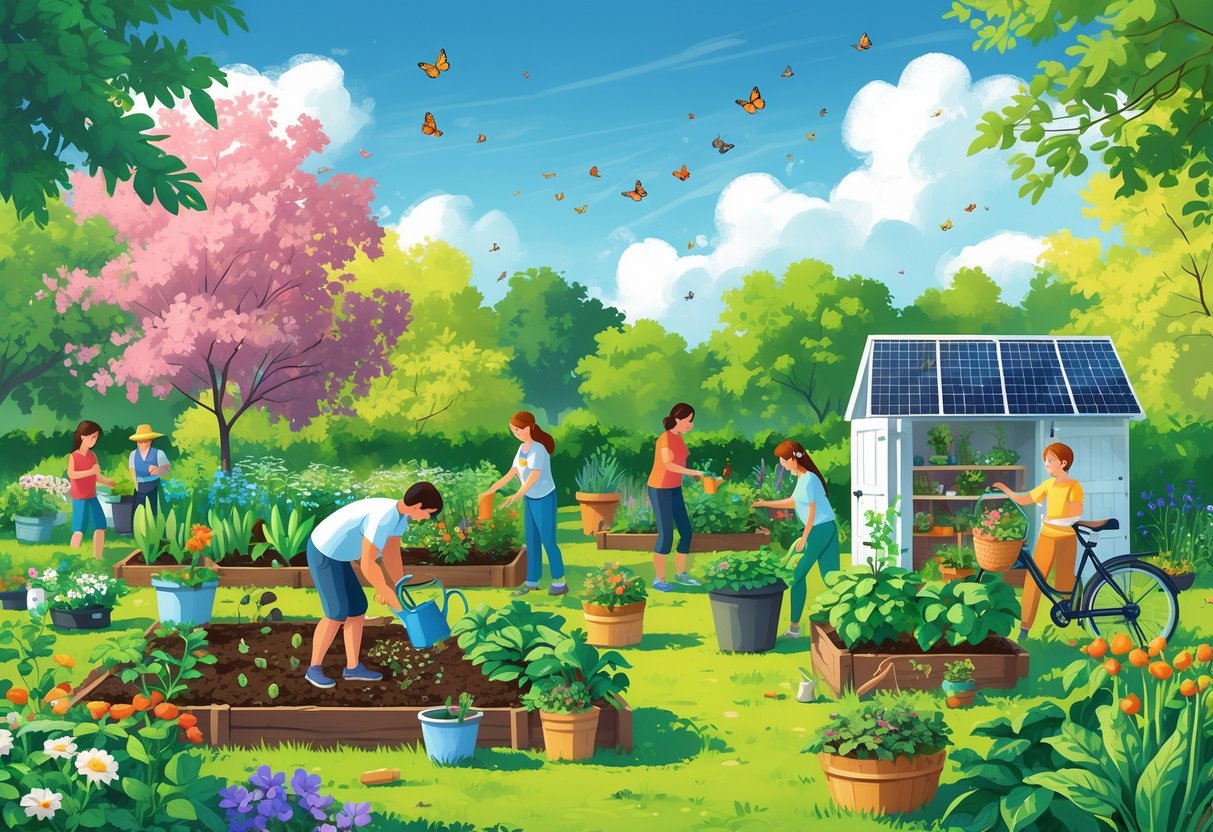
Gardening serves as the ultimate eco-friendly hobby that provides endless content for bloggers interested in sustainable living. Your garden becomes a laboratory for testing organic methods and documenting eco-friendly practices that reduce environmental impact.
Organic Gardening Techniques
Soil Health and Composting
You can create nutrient-rich soil through composting kitchen scraps, leaves, and grass clippings. This process eliminates the need for chemical fertilizers while reducing household waste.
Document your compost ratios and decomposition timelines. Track temperature changes and turning schedules for optimal results.
Natural Pest Control Methods
Companion planting offers chemical-free pest management. Plant marigolds with tomatoes to repel aphids and nematodes.
| Plant Combination | Pest Controlled | Method |
|---|---|---|
| Basil + Tomatoes | Hornworms | Aromatic deterrent |
| Nasturtiums + Cucumbers | Cucumber beetles | Trap crop |
| Chives + Roses | Aphids | Natural repellent |
Seed Saving and Heritage Varieties
Collect seeds from your best-performing plants to maintain genetic diversity. Focus on heirloom varieties that adapt to your local climate conditions.
Store seeds in labeled envelopes with harvest dates. Test germination rates annually to ensure viability.
Eco-Friendly Home Practices
Water Conservation Strategies
Install rain barrels to collect water from downspouts for garden irrigation. Position barrels on stable platforms with spigots for easy access.
Use drip irrigation systems to deliver water directly to plant roots. This method reduces water waste by up to 50% compared to overhead sprinklers.
Energy-Efficient Growing
Build cold frames using recycled windows to extend growing seasons without electricity. Position frames facing south for maximum solar gain.
Waste Reduction Techniques
Repurpose household items as planters and garden tools. Yogurt containers become seed starting pots, while plastic bottles transform into self-watering systems.
Growing your own food reduces carbon footprint by eliminating transportation and packaging waste. Track your harvest yields and calculate money saved compared to grocery store purchases.
Gaming and Esports Insights

Gaming blogs can generate revenue through comprehensive game reviews and streaming guidance. The gaming monetization space offers multiple income streams for content creators who understand their audience.
Game Reviews and Walkthroughs
Your game reviews need structured evaluation criteria to build reader trust. Focus on gameplay mechanics, graphics quality, story depth, and value for money.
Create detailed walkthroughs for popular titles within 24-48 hours of release. Early coverage captures search traffic when demand peaks.
Review Structure:
- Opening summary (2-3 sentences)
- Gameplay analysis (300-400 words)
- Technical performance
- Final score with explanation
Include screenshots and video clips to support your points. Readers expect visual evidence for claims about graphics or gameplay issues.
Cover both AAA releases and indie games to diversify your content. Indie game developers often share reviews, expanding your reach organically.
Write honest assessments even for sponsored content. Your credibility determines long-term blog success more than individual partnership deals.
Streaming Tips and Setup
Your streaming setup determines content quality and viewer retention. Start with basic equipment: decent microphone, 1080p webcam, and stable internet connection.
Essential Equipment List:
- Audio: Blue Yeti or Audio-Technica AT2020
- Video: Logitech C920 or Elgato Facecam
- Software: OBS Studio or Streamlabs
- Lighting: Ring light or desk lamp
Content creation and streaming requires consistent scheduling. Stream 3-4 times weekly at fixed times to build audience habits.
Engage viewers through chat interaction during gameplay. Respond to questions and comments while maintaining game focus.
Create highlight reels from longer streams for YouTube content. Short clips perform better on social media platforms and attract new viewers to your main content.
Monetizing Your Hobby Blog

Successful hobby blog monetization relies on three core strategies: promoting relevant products through affiliate partnerships, creating sponsored content that aligns with your niche, and cultivating an active readership that trusts your recommendations.
Affiliate Marketing Strategies
Affiliate marketing generates income when readers purchase products through your unique referral links. You earn commissions ranging from 1-10% depending on the program and product category.
Product Selection matters significantly for conversion rates. Choose items you genuinely use and recommend within your hobby niche. Photography bloggers perform well with camera equipment affiliates, while craft bloggers succeed with art supply partnerships.
Amazon Associates offers the broadest product selection with 1-10% commission rates. ShareASale and CJ Affiliate provide access to specialized hobby retailers with higher commission percentages.
Strategic Link Placement increases click-through rates:
- Product reviews and comparisons
- Tutorial supply lists
- Resource recommendation posts
- Email newsletter mentions
Track performance metrics through affiliate dashboards. Monitor which products generate the most clicks and conversions to optimize future content strategy.
Sponsored Content Opportunities
Brands pay bloggers to create content featuring their products or services. Hobbies that make money through sponsorships typically require consistent traffic and engagement.
Minimum Requirements for most sponsors:
- 10,000+ monthly page views
- Active social media presence
- Consistent posting schedule
- Professional content quality
Pricing Structure depends on your audience size and engagement rates. Micro-influencers with 10,000-50,000 monthly visitors typically charge $100-500 per sponsored post.
Content Types that work well for sponsors:
- Product demonstrations
- Behind-the-scenes tutorials
- Equipment comparisons
- Project walkthroughs
Maintain transparency by clearly labeling sponsored content. This builds trust with readers and complies with FTC disclosure requirements.
Building an Engaged Community
Active communities drive higher conversion rates for both affiliate products and sponsored content. Engaged readers are more likely to trust recommendations and make purchases.
Email List Building creates direct communication with your audience. Offer free resources like templates, guides, or tutorials in exchange for email addresses. Email subscribers convert at significantly higher rates than casual website visitors.
Social Media Integration extends your reach beyond the blog. Share behind-the-scenes content, quick tips, and engage directly with followers through comments and messages.
Interactive Content encourages participation:
- Weekly challenges related to your hobby
- Reader project showcases
- Q&A sessions
- Live tutorials or demonstrations
Comment Engagement builds relationships with readers. Respond personally to comments and questions. Ask specific questions at the end of posts to encourage discussion.
Regular community interaction creates loyal followers who actively support your monetization efforts through purchases and referrals.
Frequently Asked Questions

Many people wonder about the financial potential of hobby blogging and specific strategies for different interests. The income possibilities vary significantly based on your chosen hobby, audience engagement, and monetization approach.
What are some inexpensive hobbies that can generate income through blogging?
Gardening requires minimal startup costs and offers extensive content opportunities. You can write about seed starting, container gardening, and seasonal maintenance tips.
Cooking blogs thrive with basic kitchen equipment you likely already own. Recipe development, ingredient substitutions, and cooking techniques provide endless content ideas.
Reading costs very little but creates valuable book review content. You can focus on specific genres, author interviews, or reading challenge updates.
Walking or hiking needs only comfortable shoes to get started. Trail reviews, gear recommendations, and fitness progress posts attract dedicated audiences.
Which artistic activities can be leveraged to create a profitable blog?
Drawing and sketching blogs showcase technique tutorials and progress documentation. You can share step-by-step guides, tool reviews, and artistic challenges.
Photography blogs monetize through stock photo sales and equipment reviews. Tutorial posts about lighting, composition, and editing generate consistent traffic.
Writing blogs offer multiple revenue streams through courses and editing services. You can share writing prompts, publishing tips, and industry insights.
Crafting blogs excel with project tutorials and supply recommendations. Affiliate marketing through craft supply links provides steady income potential.
How can crafting hobbies be showcased in a blog to earn money?
Document your projects with detailed step-by-step photography. Clear instructions and supply lists help readers replicate your work successfully.
Create seasonal content around holidays and special occasions. Christmas ornaments, Valentine’s decorations, and summer crafts align with search trends.
Partner with craft supply companies for sponsored posts and reviews. Many brands seek authentic crafters to showcase their products in real projects.
Offer downloadable patterns, templates, or cutting files. Digital products provide passive income once created and uploaded to your blog.
What strategies can be adopted to monetize a blog focusing on garage-based hobbies?
Woodworking blogs generate income through detailed project plans and tool reviews. You can sell blueprint downloads and partner with hardware stores.
Auto restoration content attracts dedicated enthusiasts willing to spend money. Parts recommendations and technique guides create affiliate opportunities.
Home brewing blogs monetize through equipment reviews and recipe sharing. Ingredient suppliers often partner with established brewing bloggers.
Workshop organization posts appeal to fellow garage hobbyists. Storage solutions and tool recommendations provide consistent affiliate income.
Can you list hobbies suited for men that have potential for blog monetization?
Fishing blogs excel with location reviews and gear recommendations. Tackle shops frequently partner with fishing bloggers for product promotions.
Grilling and barbecue content attracts passionate audiences year-round. Rub recipes, technique guides, and equipment reviews generate multiple income streams.
Model building blogs showcase detailed assembly processes and painting techniques. Kit reviews and tool recommendations appeal to dedicated collectors.
Home improvement projects provide endless content opportunities. Tool reviews, technique tutorials, and project documentation attract homeowner audiences.
What steps are necessary to transform a personal hobby into a successful blog business?
Choose a specific niche within your hobby rather than covering everything broadly. Focused content attracts more engaged readers than general hobby posts.
Create a consistent posting schedule that matches your available time. Weekly posts work better than sporadic publishing for building audience trust.
Document your hobby activities with quality photos and detailed notes. Blog posts require a minimum of 500 words to rank well in search results.
Research affiliate programs related to your hobby supplies and equipment. Amazon Associates, specialty retailers, and manufacturers offer partnership opportunities for established bloggers.