20 Hobbies You Can Do in 30 Minutes or Less: Quick Activities for Busy Schedules
You don’t need hours of free time to pick up a new hobby. Many rewarding hobbies take just 30 minutes or less, making them perfect for busy schedules and packed days. These short activities can fit into your lunch break, morning routine, or evening wind-down time.
The key is choosing hobbies that match your interests and energy levels. Some people want to move their bodies and get active. Others prefer quiet activities that help them relax or learn something new.
This guide covers creative hobbies you can start at home, quick fitness options, calming practices, and activities you can share with friends or family. You’ll find practical ideas that work for different moods and goals, from digital skills to cooking experiments. Each hobby on this list fits into a short time window without requiring major commitments or expensive equipment.
Quick Creative Hobbies
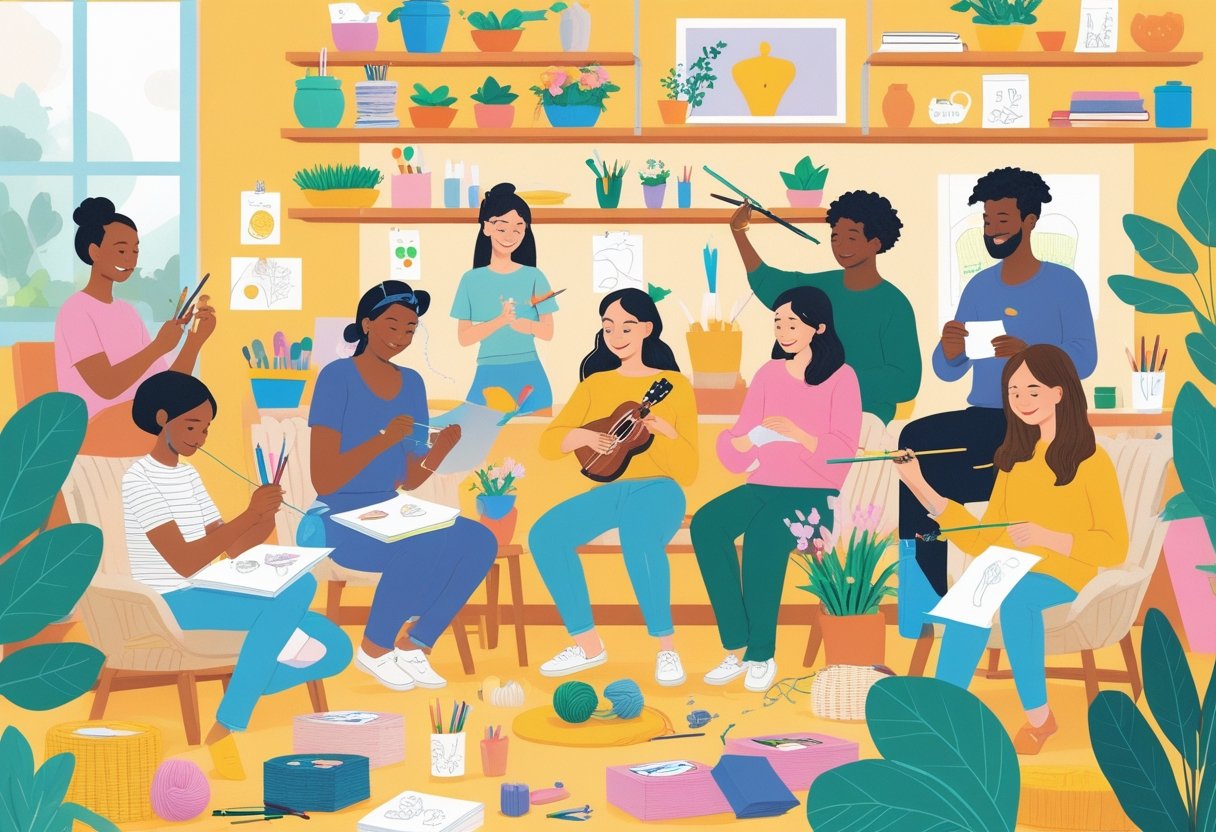
Creative hobbies let you express yourself and make something new in just half an hour. You can sketch daily observations, fold paper into art, or write short fictional pieces that spark your imagination.
Sketching and Doodling
You don’t need formal training to start sketching. Grab a pencil and paper, then draw what you see around you or let your hand move freely across the page.
Creative pursuits like sketching work well when you focus on consistency over duration. Start with simple shapes like circles, squares, and lines to warm up your hand. Then move on to everyday objects like your coffee mug, a houseplant, or your pet.
Doodling is even simpler than sketching. You create patterns, shapes, and designs without worrying about making them look realistic. Many people doodle while on phone calls or during meetings because it helps them focus.
Keep a small sketchbook with you so you can practice anywhere. Your skills will improve naturally over time, even if you only spend 10 to 15 minutes per session.
Origami Crafts
Origami transforms a single sheet of paper into animals, flowers, boxes, and geometric shapes. You only need paper to start, making it one of the most affordable creative hobbies available.
Begin with basic folds like the paper crane or jumping frog. These classic designs teach you fundamental techniques you’ll use in more complex projects. You can find free folding instructions online or in library books.
Quick crafts under 30 minutes let you squeeze creativity into busy schedules. Once you learn a few models, you can make decorations, gift boxes, or greeting cards. Some people fold origami while watching TV or listening to podcasts.
The repetitive folding motions calm your mind and improve your focus. Your hands also get better at precise movements the more you practice.
Short Story Writing
Writing short stories in 30 minutes trains you to think quickly and get your ideas down fast. You can write 300 to 500 words in this time, which is enough for a complete micro-story.
Set a timer and write without stopping to edit. Pick a simple prompt like “a mysterious package arrives” or “two strangers meet in a coffee shop.” Your first draft won’t be perfect, but that’s not the goal during your 30-minute session.
Focus on one scene or moment rather than trying to cover a long timeline. Include just two or three characters to keep things simple. You can always expand or edit your stories later if you want to develop them further.
Keep all your short pieces in one notebook or digital file. Over time, you’ll build a collection of story ideas and improve your writing speed.
Fitness Activities You Can Squeeze In
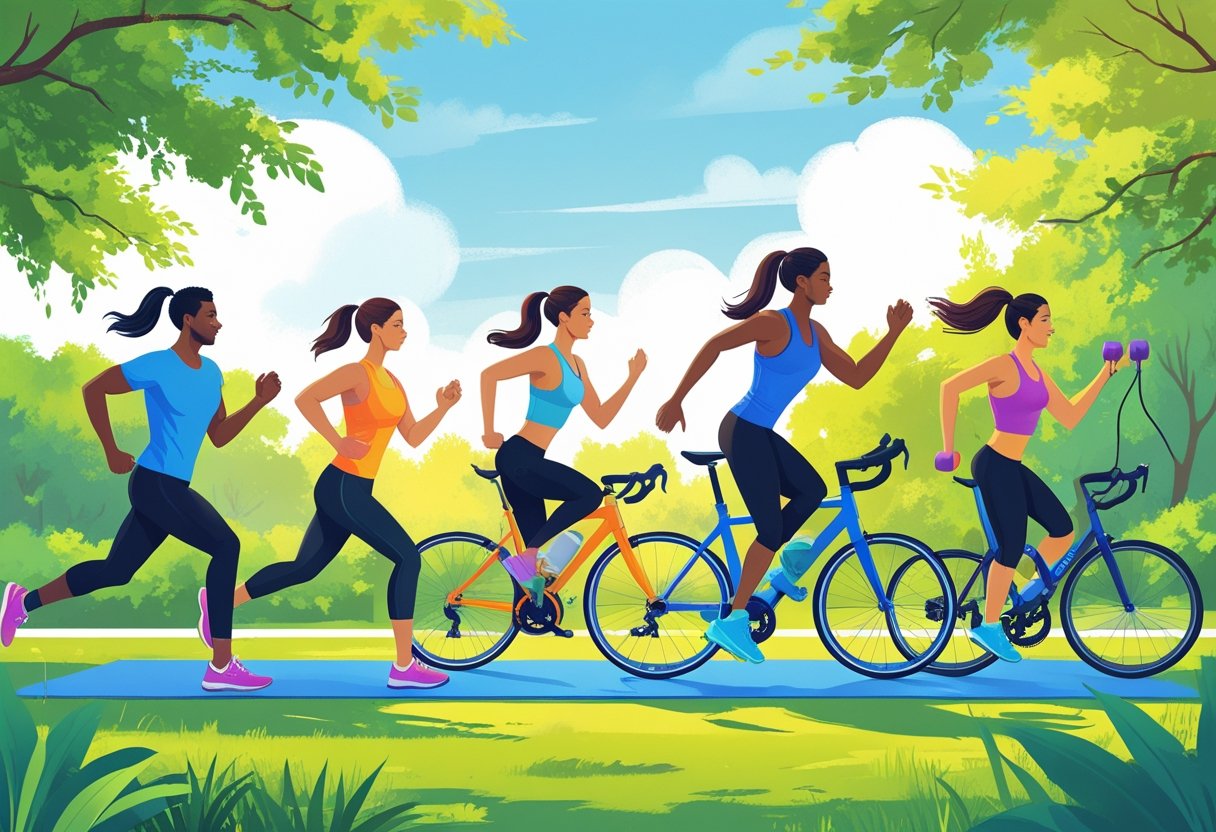
A quick workout can boost your energy and improve your health without taking up much time. You can complete effective fitness routines in just 30 minutes while building strength, flexibility, and endurance.
Yoga or Stretching Routines
You can complete a full yoga session in 30 minutes or less. A short practice helps reduce stress, improve flexibility, and calm your mind before or after work.
Basic yoga flows work well in tight time frames. You can try sun salutations, which move your body through several poses in a smooth sequence. These take about 5 minutes to complete five rounds.
Stretching routines target specific muscle groups. Focus on areas that feel tight from sitting or standing all day. Your neck, shoulders, lower back, and hips often need the most attention.
You don’t need special equipment to start. A yoga mat helps but isn’t required. You can practice on carpet or any comfortable floor space. Online videos guide you through poses if you’re new to yoga.
Morning sessions wake up your body and prepare you for the day. Evening stretches help you unwind and sleep better at night.
Jump Rope Workouts
Jump rope burns calories fast and takes minimal space. You can get an intense cardio workout in just 15 to 20 minutes. This makes it perfect for busy schedules.
A basic jump rope costs less than $20. You need about 6 feet of space in any direction. Your garage, basement, or backyard works well for this activity.
Start with basic jumps for 30 seconds, then rest for 30 seconds. Repeat this pattern for 10 to 15 minutes as you build stamina. You can add variations like high knees, double unders, or alternating feet as you improve.
Jump rope strengthens your legs, core, and shoulders. It also improves your coordination and balance. Ten minutes of jumping rope burns roughly the same calories as 30 minutes of jogging.
Bodyweight Exercises
Bodyweight exercises require no equipment and can be done anywhere. You use your own weight as resistance to build muscle and strength.
Common bodyweight moves include:
- Push-ups (chest and arms)
- Squats (legs and glutes)
- Lunges (legs and balance)
- Planks (core strength)
- Burpees (full body cardio)
You can create quick circuits by doing each exercise for 45 seconds with 15-second breaks. Complete three rounds in about 15 minutes. This style keeps your heart rate up while working multiple muscle groups.
Fitness hobbies like bodyweight training let you improve your health without gym memberships. You can progress by adding more repetitions, slowing down movements, or trying harder variations. A basic squat becomes a jump squat for added intensity.
Mindful and Relaxing Hobbies
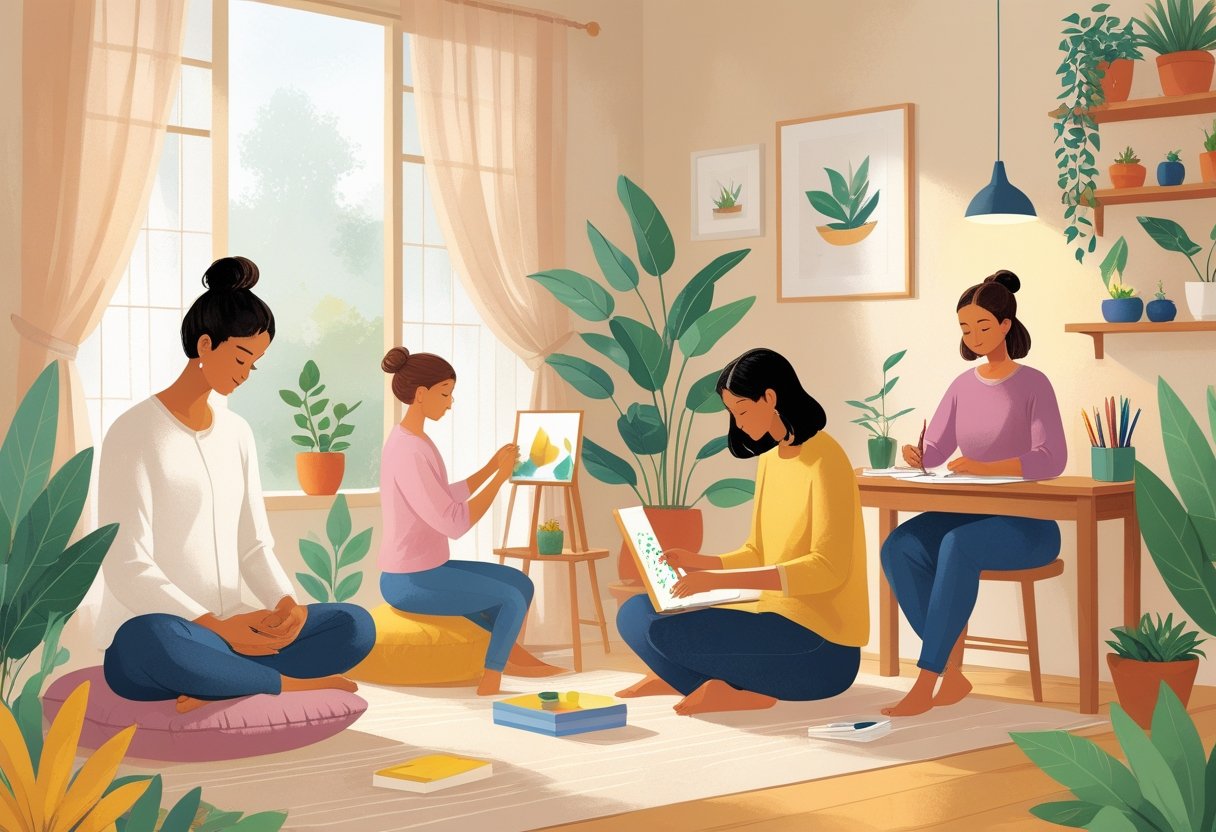
Taking just 30 minutes to focus on your mental well-being can lower stress and bring clarity to your day. These calming activities help ease anxiety and shift your attention to the present moment.
Meditation Sessions
You can start a meditation practice with as little as 10 minutes per day. Find a quiet space where you won’t be disturbed and sit in a comfortable position.
Focus on your breath or use a guided meditation app to help you stay on track. Your mind will wander, and that’s normal. When you notice your thoughts drifting, gently bring your attention back to your breath.
Regular meditation can help you feel calmer throughout your day. You don’t need any special equipment or training to begin. Just show up and breathe.
Journaling for Reflection
Writing down your thoughts for 15 to 30 minutes can help you process emotions and gain new perspectives. You can write about your day, list things you’re grateful for, or explore problems you’re facing.
There’s no right or wrong way to journal. Some people prefer structured prompts, while others write freely without any rules. The goal is to get your thoughts out of your head and onto paper.
Activities like journaling can lower cortisol while giving your brain a break from constant mental chatter. Keep your journal private so you feel free to write honestly without worrying about anyone else reading it.
Breathing Exercises
Controlled breathing techniques take only 5 to 10 minutes but can quickly reduce stress in your body. One simple method is box breathing: inhale for four counts, hold for four counts, exhale for four counts, and hold for four counts.
Another option is diaphragmatic breathing, where you breathe deeply into your belly rather than your chest. Place one hand on your chest and one on your stomach to feel the difference.
These exercises activate your body’s relaxation response and can be done anywhere. You can practice while sitting at your desk, lying in bed, or even standing in line at the store.
Productive Hobbies for Self-Improvement
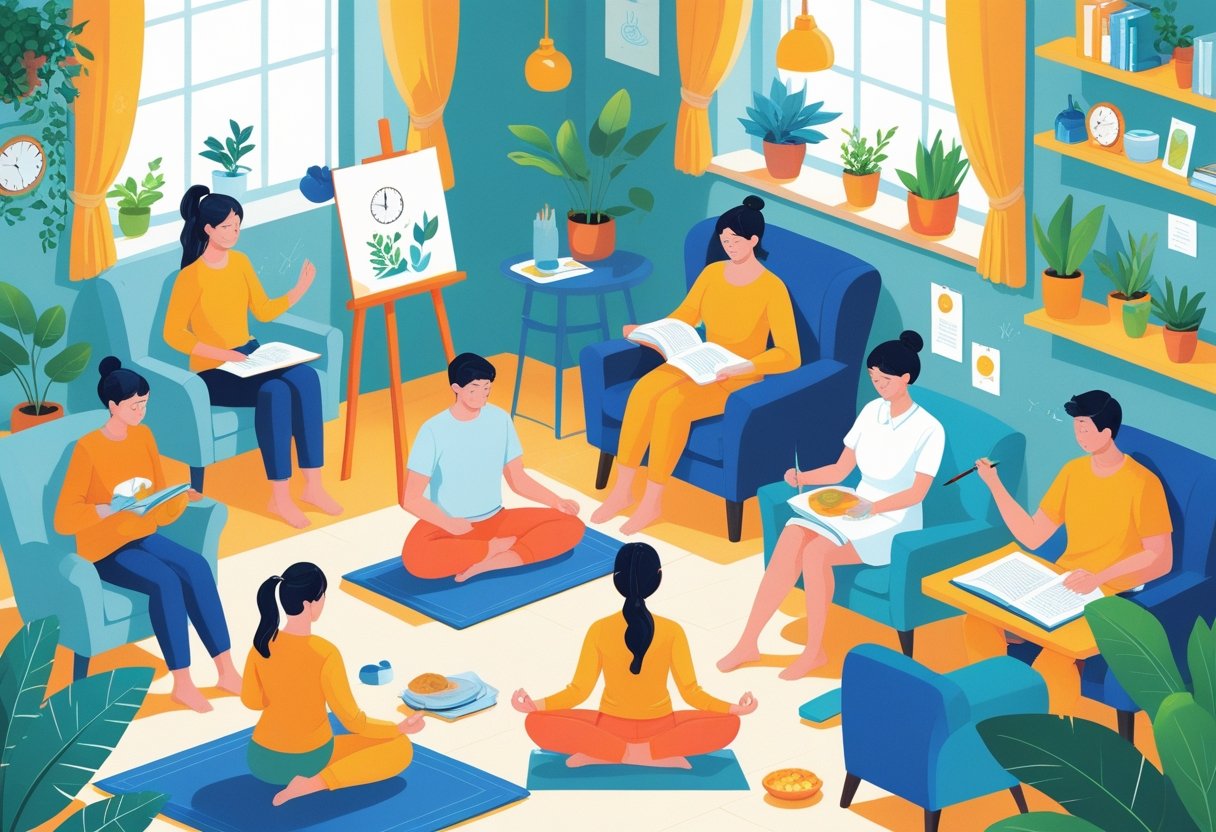
You can build valuable skills and expand your knowledge in just 30 minutes a day. These hobbies help you grow mentally while fitting easily into your busy schedule.
Reading a Chapter
You can finish one chapter of most books in 30 minutes or less. This simple habit helps you learn new information, reduces stress, and improves your focus.
Pick books that match your goals. If you want to advance your career, choose business or industry-specific titles. If you want personal growth, look for books about psychology, habits, or communication skills.
Benefits of daily reading:
- Increases vocabulary and writing skills
- Improves memory and concentration
- Reduces stress levels
- Expands knowledge in specific areas
- Enhances critical thinking
Set a specific time each day for reading. Many people read during their morning coffee, lunch break, or before bed. Keep your book visible so you remember to read it.
You don’t need to finish entire books quickly. Reading just one chapter daily means you’ll complete 12-24 books per year, depending on their length.
Learning a New Language
You can make real progress in a new language with consistent 30-minute practice sessions. Apps and online programs break lessons into short segments that fit your schedule.
Focus on one skill at a time. Spend some days on vocabulary, others on grammar, and some on listening practice. This approach prevents burnout and helps information stick better.
Effective 30-minute language activities:
- Complete one lesson in Duolingo or Babbel
- Practice conversation with a language partner online
- Watch a short video in your target language
- Review flashcards and new vocabulary
- Listen to a podcast for language learners
Research shows that people who engage in skill-based hobbies regularly develop better cognitive function. Language learning strengthens your brain and improves your memory.
Track your progress with a simple notebook or app. You’ll stay motivated when you see how many words you’ve learned or how much better you understand native speakers.
Listening to Educational Podcasts
Podcasts let you learn while doing other tasks. You can listen during your commute, workout, or household chores without dedicating separate time to learning.
Choose podcasts that teach specific skills or knowledge you want to gain. Topics range from science and history to business strategies and personal development. Most episodes run 20-45 minutes, perfect for a single session.
Create a playlist of episodes that interest you. This saves time browsing and ensures you always have quality content ready. Download episodes when you have wifi so you can listen anywhere.
Popular educational podcast topics:
- Science and technology updates
- Business and entrepreneurship strategies
- History and cultural insights
- Health and wellness research
- Creative skills and artistic techniques
Take notes on important points you hear. Even brief notes help you remember key ideas and apply them later. Some podcast apps let you bookmark sections to revisit.
You absorb information better when you’re relaxed. Don’t stress about remembering everything from each episode. The goal is steady learning over time, not perfect recall.
Tech and Digital Hobbies
Your smartphone and computer open doors to creative pursuits that fit perfectly into a 30-minute window. These activities let you build technical skills while expressing yourself through photography, video, and interactive challenges.
Mobile Photography
You can capture stunning photos with just your smartphone camera in under 30 minutes. Modern phones come equipped with professional-level features like portrait mode, night mode, and HDR that rival traditional cameras.
Start by exploring your phone’s built-in camera settings. Learn about exposure, focus points, and composition rules like the rule of thirds. Most camera apps let you tap to focus and adjust brightness with a simple swipe.
Practice shooting different subjects during your daily routine. Take photos of your morning coffee, pets, or interesting shadows during a walk. The best way to improve is through consistent practice with varied subjects.
Quick photography exercises include:
- Shooting 10 photos of the same object from different angles
- Capturing reflections in windows or water
- Experimenting with close-up shots of textures
- Testing different lighting conditions
Edit your photos using free apps like Snapseed or Lightroom Mobile. These tools offer professional editing features right on your phone. You can adjust colors, crop images, and apply filters in just a few minutes.
Video Editing on Apps
Short-form video editing apps make it simple to create polished content in minimal time. Apps like CapCut, InShot, and Adobe Premiere Rush provide intuitive interfaces designed for quick projects.
You can trim clips, add transitions, and insert music within a 30-minute session. Start with raw footage from your phone or stock video clips available in most apps. Focus on creating 15 to 60-second videos that tell a complete story.
Learn basic cuts and transitions first. A simple jump cut removes unwanted sections, while fade transitions smooth the flow between clips. Add text overlays to emphasize key points or create captions for social media.
Essential editing features to master:
- Trimming and splitting clips
- Speed adjustments for slow motion or time-lapse effects
- Audio mixing and background music
- Color correction and filters
Many apps include templates that speed up your workflow. These pre-made layouts help you create professional-looking content without starting from scratch each time.
Digital Puzzles and Games
Brain-training games and puzzles provide mental stimulation in short bursts throughout your day. Apps like Sudoku, crossword puzzles, and logic games keep your mind sharp while fitting into brief time slots.
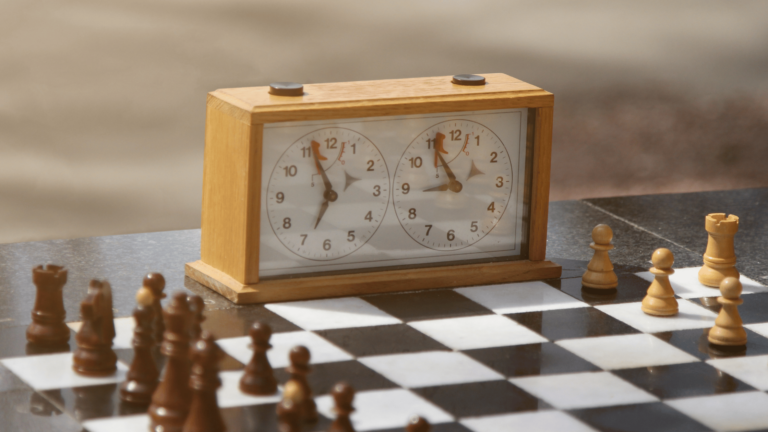
Chess apps let you play quick matches against AI opponents or other players online. You can set time controls to ensure games finish within your available window. Even 10-minute games help you develop strategic thinking skills.
Word games like Wordle or Spelling Bee challenge your vocabulary daily. These puzzles reset every 24 hours and typically take just 5 to 15 minutes to complete. Digital hobbies are becoming increasingly popular as more people discover their convenience.
Pattern-matching games and spatial puzzles exercise different parts of your brain. Apps like Monument Valley or The Room series offer beautifully designed challenges that you can pause and resume anytime. Your progress saves automatically, so you never lose your place between sessions.
Hobbies to Enjoy with Others

Playing games with friends or family doesn’t require hours of commitment. You can enjoy competitive fun or test your knowledge together in just 30 minutes.
Quick Board or Card Games
Board games and card games offer instant entertainment when you have a small group ready to play. Classic card games like Uno, Skip-Bo, or Phase 10 take about 20 to 30 minutes per round. These games are easy to learn and keep everyone engaged.
Strategy board games like Ticket to Ride or Splendor fit perfectly into a half-hour window. You can set them up quickly and start playing right away. Hobbies for groups work well because they bring people together while creating fun experiences.
Party games like Codenames or Wavelength need minimal setup. These games work great for competitive friends who enjoy quick thinking. You can play multiple rounds if time allows or stop after one game.
Card games like Poker, Rummy, or Hearts are perfect for regular game nights. You probably already know the rules, so you can jump straight into playing without reading instructions.
Group Trivia Challenges
Trivia games let you test your knowledge while learning new facts with others. You can play trivia apps on your phone or use printed question cards. Many social hobbies help you meet new people while having fun together.
Host a quick trivia session using free online platforms or buy a trivia card deck. Split into teams and compete across different categories like history, sports, or pop culture. This keeps everyone involved and talking.
Trivia nights at home take minimal preparation. You just need questions and willing participants. Some families create their own questions based on shared memories or inside jokes. This makes the game more personal and entertaining.
Playing trivia for 30 minutes gives you enough time for about 15 to 20 questions. You can keep score or just play casually for fun.
Fun Food and Drink Hobbies

Quick kitchen projects let you create tasty results without spending your whole day cooking. Both baking small batches and blending fresh drinks fit easily into a 30-minute window.
Baking Simple Treats
You can bake cookies, muffins, or brownies in 30 minutes or less when you focus on quick recipes. Sheet pan cookies take about 10-12 minutes in the oven, and you can prepare the dough in just 5-10 minutes.
Mug cakes are even faster. Mix your ingredients directly in a microwave-safe mug and cook for 60-90 seconds. You get a warm, individual dessert without any complicated steps.
Quick baking options include:
- Drop cookies – Chocolate chip, oatmeal, or peanut butter varieties
- No-bake treats – Energy balls, rice crispy squares, or chocolate bark
- Simple muffins – Basic recipes with mix-ins like berries or chocolate chips
- Box mix upgrades – Add extra ingredients to improve store-bought mixes
Keep basic ingredients like flour, sugar, eggs, and butter on hand. This way you can start baking whenever you have free time. Pre-measured ingredients also speed up the process significantly.
Making Smoothies
Smoothies take just 5-10 minutes from start to finish. You blend frozen fruit, liquid, and add-ins until smooth. The cleanup is quick since you only need to wash a blender and cup.
Your base liquid can be milk, yogurt, juice, or plant-based alternatives. Add frozen bananas for creamness or spinach for extra nutrients without changing the taste much. Protein powder, nut butter, or chia seeds boost the nutritional value.
Popular smoothie combinations:
| Base | Fruit | Add-in |
|---|---|---|
| Almond milk | Berries | Protein powder |
| Greek yogurt | Mango | Honey |
| Coconut water | Pineapple | Spinach |
| Regular milk | Banana | Peanut butter |
Prep smoothie packs ahead of time by portioning frozen fruit and add-ins into bags. When you’re ready, dump the contents into your blender with liquid and blend. This approach makes healthy meal planning even easier during busy weeks.
Wrapping Up: Making Time for Enjoyable Hobbies
Finding time for hobbies doesn’t have to be complicated. You now have 20 options that fit into small pockets of your day.
The key is to think differently about your free time. Those 30 minutes before work or during your lunch break can become hobby time. Even people with busy schedules can carve out short periods for activities they enjoy.
Start with these simple steps:
- Pick one or two hobbies from the list that interest you most
- Schedule specific times in your week for these activities
- Keep supplies ready so you can start quickly
- Don’t worry about being perfect when you begin
Your hobbies don’t need to last hours to be worthwhile. Short bursts of creative or physical activity can boost your mood and energy levels throughout the day.
Remember that hobbies help you discover new passions and develop valuable skills. The time you spend on them is an investment in yourself, not a luxury.
You can mix and match different hobbies based on your energy level and mood. Some days you might want something active like dancing. Other days you might prefer quiet activities like reading or drawing.
The most important thing is to actually start. Choose one hobby this week and give it 30 minutes of your time. You’ll be surprised how much you can accomplish in such a short window.