
5 Best Books & Mini-kits for People Who Love Lego Building
Lego building is a fun and creative hobby for people of all ages. Whether you build detailed sets or freeform creations, Lego inspires problem-solving and imaginative thinking.
Books about Lego can deepen your appreciation for the hobby and introduce you to new techniques, stories, and challenges. You will find both fiction and non-fiction books about Lego.
Some tell engaging stories set in Lego worlds, while others offer practical building tips or showcase impressive models. Choosing the right book can help you learn more, find new ideas, or simply enjoy reading about your favorite bricks.
When picking a Lego book, consider the target age group, book format, and skill level. Some books are designed with lots of pictures and step-by-step guides for younger builders, while others provide more advanced techniques for serious fans.
Make sure the book matches your interests, whether that is building techniques, stories, or the history of Lego. We spent many hours looking at popular Lego books to find the best ones for different types of fans.
Best Books for People Who Love Lego Building (Fiction & Non-Fiction)
If you enjoy building with Lego, there are many books that can help you explore new ideas and stories. These books include both fiction and non-fiction to inspire and teach you more about the world of Lego.
Here are the best options for Lego fans.
LEGO 5-Minute Builds Book

If you want fast, creative building ideas for younger LEGO fans, this book kit offers simple projects and fun inspiration.
Pros
- Includes easy builds you can finish quickly
- Comes with a few basic LEGO bricks to get started
- Bright, colorful pages keep children interested
Cons
- Only a small handful of LEGO pieces are included
- Builds are very basic, so may not challenge older kids
- You’ll need to take apart each model before making the next one
This book is all about fast and fun LEGO builds. You can flip the pages and find more than 100 small projects you can finish in five minutes or less.
The instructions are easy to follow, so even kindergarteners can jump right in. There is a small pack of bricks included, which is a nice beginner set, but you won’t get enough pieces to make multiple builds at once.
Expect to use your own collection for more variety or if you want to build models side-by-side. The five-minute projects are perfect if you don’t have much time or want a quick activity together.
Simple designs make it friendly for kids who are new to LEGO. If you’re looking for fast ideas on a rainy day or inspiration to use your own bricks, LEGO 5-Minute Builds Book will be a helpful addition to your bookshelf.
LEGO Harry Potter 5-Minute Builds

If you want a book packed with quick and creative LEGO Harry Potter challenges, this one has some fun ideas, but keep in mind you’ll need your own bricks.
Pros
- Inspires short, imaginative builds
- Great for quick activities or breaks
- Encourages you to use your own extra bricks
Cons
- Limited LEGO pieces included
- Most builds don’t have step-by-step instructions
- Can be disappointing if you expect everything in the box
Inside, you’ll find a mix of building ideas, short challenges, and simple activities based on the Harry Potter world. The book is colorful with lots of pictures, with plenty of inspiration for young fans who want to play and create in short bursts.
You get a small set of basic bricks, but it’s not enough for every idea in the book. Most of the projects use common pieces you might already have at home, which is helpful if you have lots of extra LEGO, but frustrating if you don’t.
Some of the builds don’t include full instructions, so you’ll have to experiment and guess at times. This book is best for kids who already collect plenty of LEGO pieces and like making things up as they go.
If you’re looking for a Harry Potter-themed activity book that sparks your imagination, you’ll find a lot to like here—as long as you know the kit is meant to work with your existing LEGO stash.
LEGO Fun Family Challenges
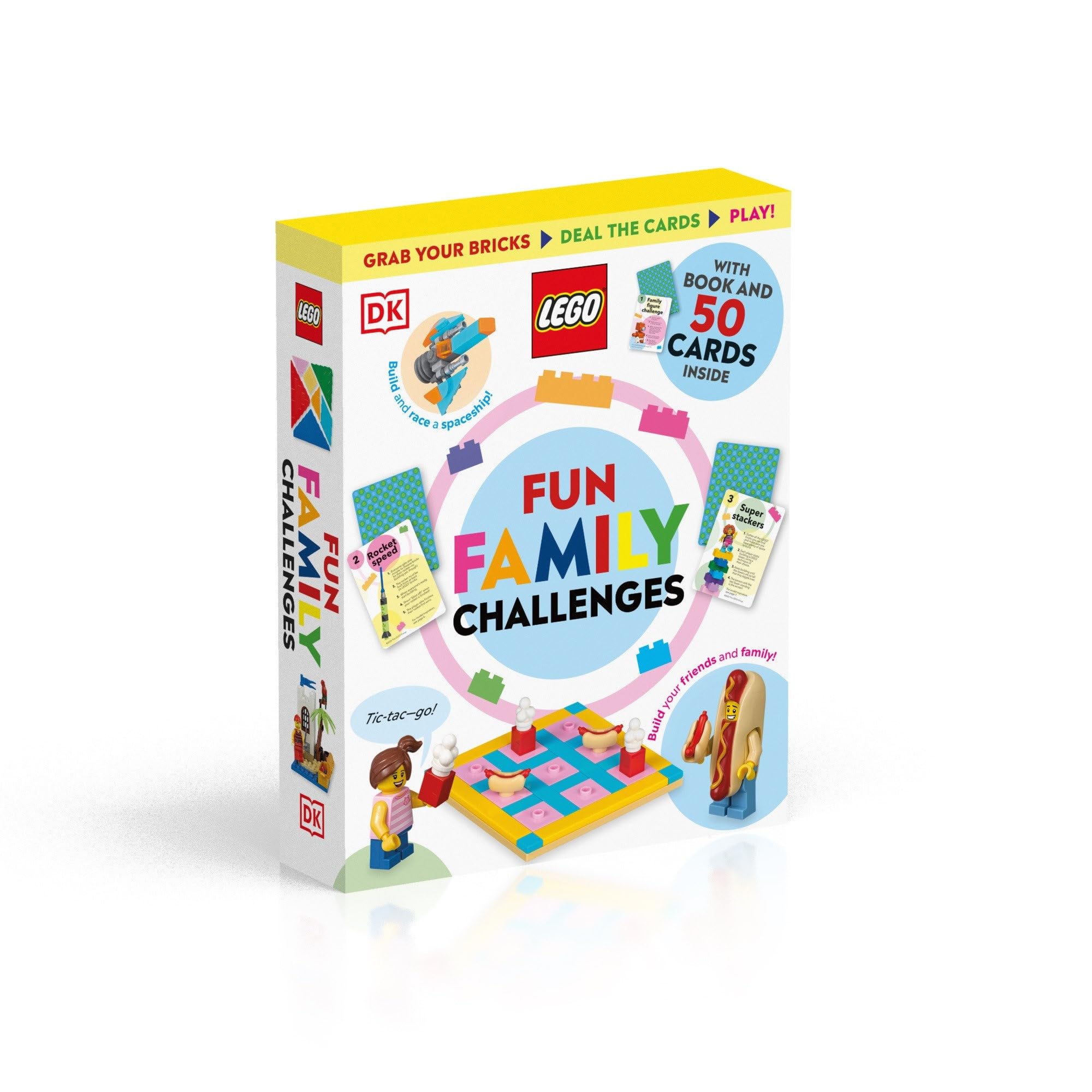
If you want to spark creativity and keep your family engaged with new ways to use all those Lego bricks, this book is a helpful and enjoyable choice.
Pros
- Offers creative ideas for using extra Lego pieces
- Great for family activities and group play
- Helps prevent Lego bricks from gathering dust
Cons
- You need a lot of loose pieces and variety for some challenges
- Doesn’t include any Lego bricks, just ideas and cards
- Some activities are better for older kids or with adult help
LEGO Fun Family Challenges gives you 50 unique activities that keep everyone entertained and excited about building again. The book helps you come up with new ways to use bricks you already have, especially if you’ve lost interest in your old sets.
Each challenge sparks a lot of friendly competition and teamwork at home. If your family has a large collection of parts, this book pushes you to be creative with what’s on hand.
It’s not a guide for building specific models—it’s more about fun games and ideas that make Legos feel fresh again. Some challenges need lots of different parts, and younger kids may need an adult to help out, but most activities can get everyone involved.
Nothing comes in the box except the book and some challenge cards, so be prepared to dig through your Lego stash. If you often end up with unused pieces or want more reasons to play as a family, this book makes it easy to get started again.
LEGO Play Book: Ideas to Bring Your Bricks to Life
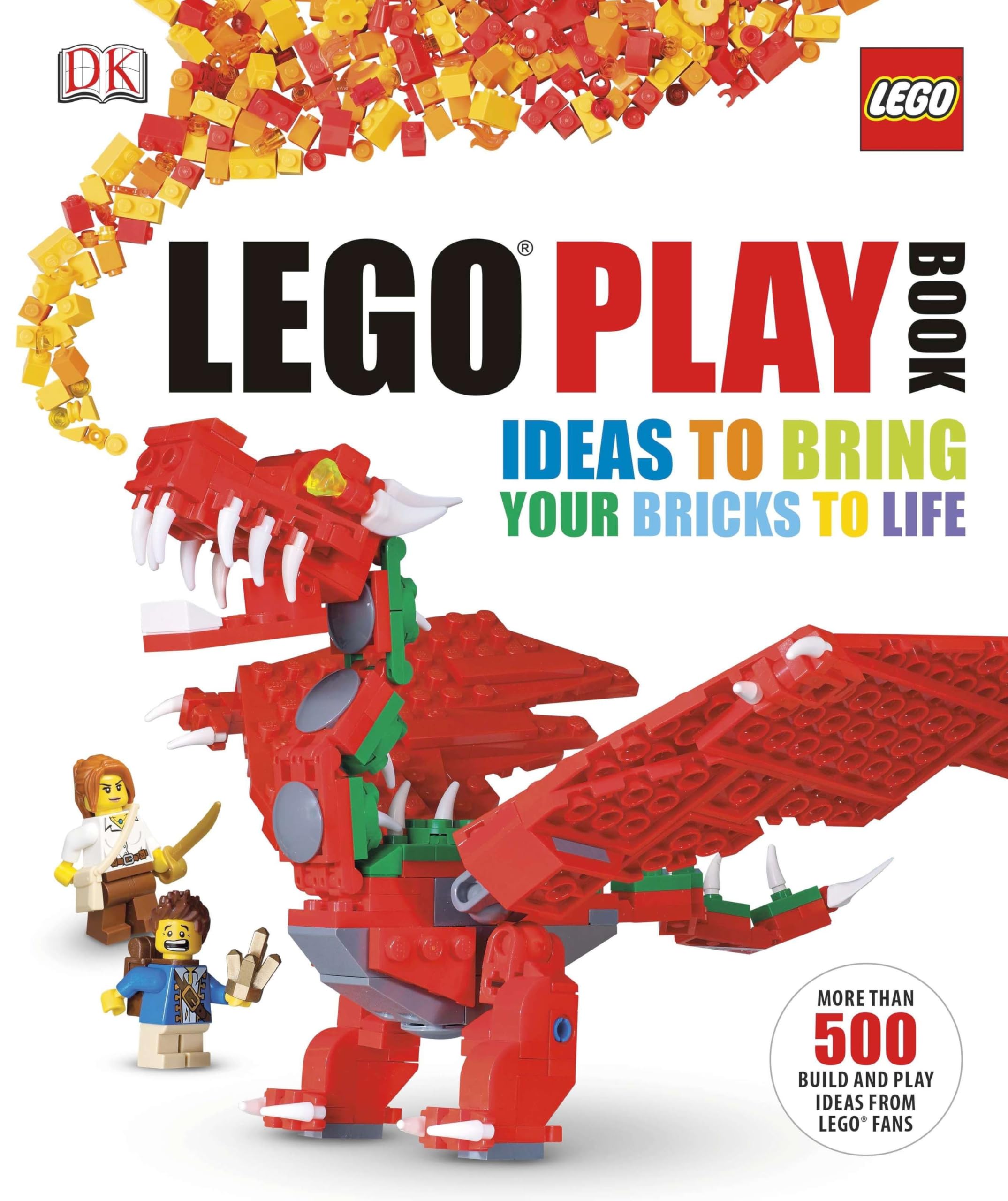
If you want a book packed with creative inspiration and challenges for building with LEGO, this guide is worth a look for both kids and adults.
Pros
- Packed with hundreds of unique build ideas and themes
- Detailed, colorful images make it easy to follow along
- Great for sparking creativity if you have lots of bricks
Cons
- Some builds need many specialized pieces
- May be tough for younger or less experienced builders
- Not all projects have step-by-step instructions
You get a big variety of themes in this book. The ideas range from simple builds up to very complex models.
That gives you a lot to try, no matter how experienced you are. Bright, clear photos help show what the finished builds should look like, which is great if you learn best by seeing.
If you have a large LEGO collection at home, this book works well. You may find that you do not have every piece needed for some of the builds.
Still, you can get creative with substitutes or just use the ideas as inspiration for your own versions. It’s nice seeing your kids get curious and want to come up with their own ideas after browsing a few pages.
A few projects may be too hard for younger builders unless they have lots of patience or support. If you prefer full, step-by-step guides, you may notice that not every project includes them.
For families or anyone eager to try new things with LEGO, the LEGO Play Book offers plenty of builds to keep you inspired.
Lego Ideas Book

If you want a book that will spark fresh ideas with your LEGO collection, this is a solid pick.
Pros
- Packed with hundreds of creative LEGO builds
- Clear, large photos show details from many angles
- Durable, high-quality pages that hold up well
Cons
- Not all builds have step-by-step instructions
- Skews toward younger LEGO fans
- Some creations need rare or specific pieces
Flipping through the Lego Ideas Book, you notice right away how inspiring the models are. Every page brings a new concept or theme, whether it’s vehicles, buildings, or imaginative creatures.
The bright, close-up photos let you see how the builds come together, even if you don’t have the exact same bricks at home. You might find yourself wishing there were more step-by-step guides for some of the bigger or more advanced builds.
Even without full instructions, you can pick up helpful techniques and creative parts usage from the detailed shots. If you have a big pile of LEGO, this book will encourage you to mix things up and try your own twists.
For younger builders, this book is especially motivating. It helps get kids thinking beyond the instructions that come with standard sets.
Experienced fans might want more advanced guides, but there is plenty of inspiration for all ages. If you want lasting ideas to keep LEGO time interesting, this book delivers.
Buying Guide
When picking a book about LEGO building, think about your own interests. Are you looking for stories, guides, or facts?
Decide if you want fiction, non-fiction, or a mix. Check the skill level listed in the book.
Some books are great for beginners, while others go into advanced builds. Choose one that matches your building experience.
Look at the format before buying. Hardcover, paperback, and eBooks all have pros and cons.
Hardcovers are durable, while eBooks are easy to carry. Pick what suits your reading style.
Content can vary a lot. Some books focus on creative designs, while others give step-by-step instructions.
If you want new ideas, look for books with unique models and clear photos. Pay attention to the illustrations and photos.
Books with detailed images or diagrams make following along much easier, especially for young builders. A simple table can help you compare important features:
| Feature | What to Look For |
|---|---|
| Skill Level | Beginner, intermediate, advanced |
| Content Type | Fiction, non-fiction, mix |
| Format | Hardcover, paperback, eBook |
| Illustrations | Clear photos, step-by-step images |
| Theme | Architecture, vehicles, fantasy, etc. |
Read reviews to see what other readers have liked or disliked. Short previews or sample pages can help you check if the style works for you.
If you’re buying for kids, check the suggested age range. This helps make sure the content is safe and understandable.
Frequently Asked Questions
You can find books about Lego that focus on fiction stories and non-fiction history. There are also guides for advanced builders and books about important people in the Lego community.
What are the top fiction books featuring Lego themes?
You might enjoy “LEGO Ninjago: Masters of Spinjitzu,” a popular adventure series about Lego characters. “LEGO City: No Limits” offers stories based on city life with Lego figures.
Some novels use Lego worlds to tell creative and imaginative stories for kids and teens.
What non-fiction works explore the history of Lego?
“The LEGO Story” by Jens Andersen gives a detailed look at the company’s history. “Brick by Brick” by David Robertson explains how Lego became a world-famous brand.
Both books use real events and interviews to explore how Lego started and grew over the years.
Which books should Lego enthusiasts read to improve their building skills?
“The LEGO Ideas Book” by Daniel Lipkowitz is a favorite for learning tips and tricks. “Beautiful LEGO” by Mike Doyle displays models made by top builders and shares ideas you can use.
These books include step-by-step guides and helpful photos.
Can you recommend any biographies of notable figures in the Lego community?
You can read “The Lego Story: How a Little Toy Sparked the World’s Imagination” by Jens Andersen. It covers the family behind Lego.
There are also interviews with famous Lego designers in “Brick by Brick.” These books share personal stories from people who changed Lego.
What literature is available for advanced Lego building techniques?
“LEGO Architecture: The Visual Guide” is for more serious builders. “The Art of LEGO Design” by Jordan Schwartz covers complex designs and advanced methods.
Both offer clear photos and building instructions for skilled Lego fans.
Are there any critically acclaimed books that delve into the cultural impact of Lego?
“You Can Build It!,” part of the Lego Ideas series, talks about how Lego affects popular culture.
“Brick by Brick” also discusses how Lego shapes creativity and learning worldwide.
Some books include essays and facts about Lego’s influence on art and education.