5 Best Books for People Who Love Pottery: Top Fiction and Non-Fiction Picks
Pottery is both an ancient craft and a popular modern hobby.
Whether you enjoy working with clay by hand or appreciate the beauty of finished ceramics, books about pottery can inspire, teach, and entertain.
There is a wide range of books out there, from in-depth guides on pottery techniques to novels featuring potters as main characters.
When you are choosing a book about pottery, it helps to think about what you hope to get out of it.
Some people look for step-by-step instructions or tips from master potters, while others want stories that include characters who make or collect pottery.
If you are more interested in technique, look for books with clear photos, easy tips, and advice for beginners or advanced artists.
For fiction, check that the story is engaging and the pottery details are realistic.
No matter what type of book you choose, think about the author’s experience, the accuracy of the pottery information, and any reviews from other readers.
We spent time reading and reviewing many popular pottery books to find the five best options for people who love working with clay and reading about pottery.
Best Books for People Who Love Pottery (Fiction & Non-Fiction)
If you love pottery, you will enjoy reading about its craft, history, and culture.
This list shares some of the best books for pottery fans, including both stories and guides.
Each book offers something unique for anyone interested in clay and ceramics.
Healing Season of Pottery
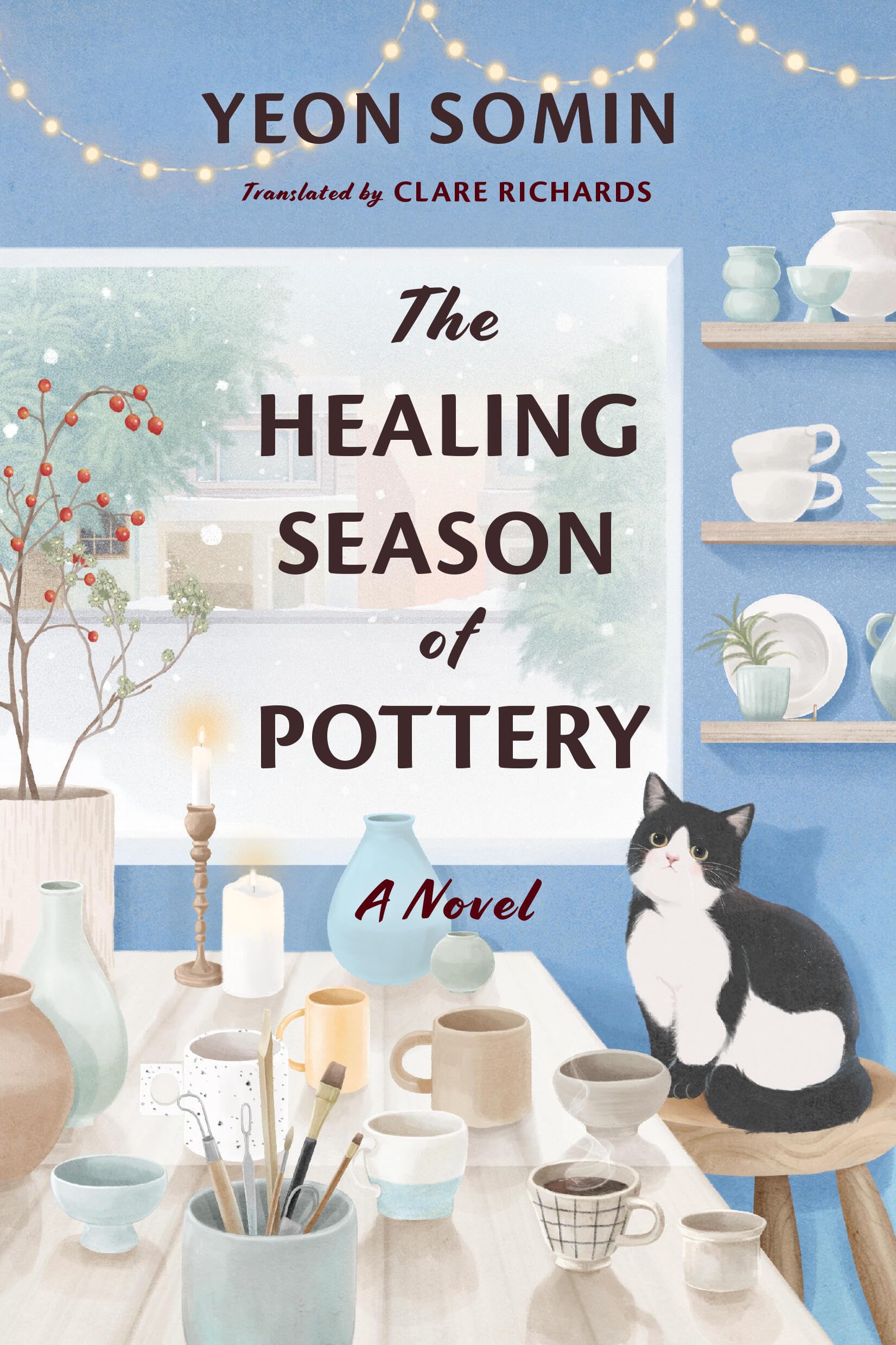
If you want a gentle novel about rebuilding your life with pottery and strong friendships, this book will suit you well.
Pros
- Offers calming, vivid descriptions of pottery and daily life
- Features relatable characters and genuine emotions
- Encourages you to slow down and appreciate the small moments
Cons
- The story moves at a slow pace
- Not a lot of dramatic events
- It may take a few chapters to get hooked
You step into a cozy world as you open this book.
The story centers on a woman finding her way in life after tough times, with the help of a pottery shop, good coffee, and supportive friends.
You will probably enjoy how pottery and day-to-day joys play such a big part in the story.
The author keeps the writing peaceful and steady.
While the book isn’t action-packed, you get a strong sense of calm, almost like watching someone carefully mold clay by hand.
The pace lets you linger over the characters’ choices and feelings.
If you love books about finding yourself, and you appreciate the quiet details in art and daily routine, you should look at Healing Season of Pottery.
Just know it’s more about reflection than fast-moving drama.
It’s a relaxing read for those who want a soft, thoughtful take on pottery and personal healing.
Japanese Pottery Handbook

This guide is a smart purchase if you want an easy-to-follow introduction to traditional Japanese pottery with useful sketches and practical advice.
Pros
- Breaks down pottery techniques clearly
- Includes helpful bilingual terms for English and Japanese readers
- Packs in many original sketches for inspiration
Cons
- Paper and print quality feel a bit basic
- Illustrations are mostly black-and-white and somewhat small
- Content is somewhat dated, but still useful
When you flip through this book, you notice right away how simple and direct the explanations are.
You get clear steps for several time-tested Japanese pottery methods, as well as notes that cover both the history and the art behind them.
The easy language makes it friendly if you’re new to ceramics, but you still get some advanced tips that seasoned hobbyists will enjoy.
The many hand-drawn sketches help you see the process without overwhelming you.
I found myself referencing the illustrations while shaping clay, and they made the steps less intimidating.
If you want to learn about both the culture and the basics, the book bridges that gap with confidence.
While some of the pictures are small and the pages are not glossy, the content stands out for anyone building a studio library.
If you’re looking to add a Japanese touch to your skills or just want to understand the history, Japanese Pottery Handbook is a clear and helpful guide.
Complete Pottery Techniques

If you want to learn pottery from start to finish with real tips and clear photos, this book covers almost everything you could need.
Pros
- Wide range of techniques for all skill levels
- Clear photos make instructions easy to follow
- Professional insights from experienced makers
Cons
- Some sections may feel too basic for advanced users
- Large size is not travel friendly
- Focuses more on skills than pottery history
You get an easy-to-read guide packed with steps and images for all types of pottery work.
It does not just talk about how to throw a pot—it walks you through shaping, decoration, glazing, and even finishing.
The book provides pictures that help you see each stage, which is helpful when you’re just starting out.
Many pottery books are hard to follow, but this one keeps the language simple and direct.
It includes advice most teachers mention only in classes, and there are personal touches from makers who know the common mistakes and how to fix them.
If you want a book that acts like a friendly workshop on your table, Complete Pottery Techniques is worth owning.
It makes a nice gift and is priced fairly considering the detail and quality you’re getting.
Functional Pottery: Form and Aesthetic in Pots of Purpose
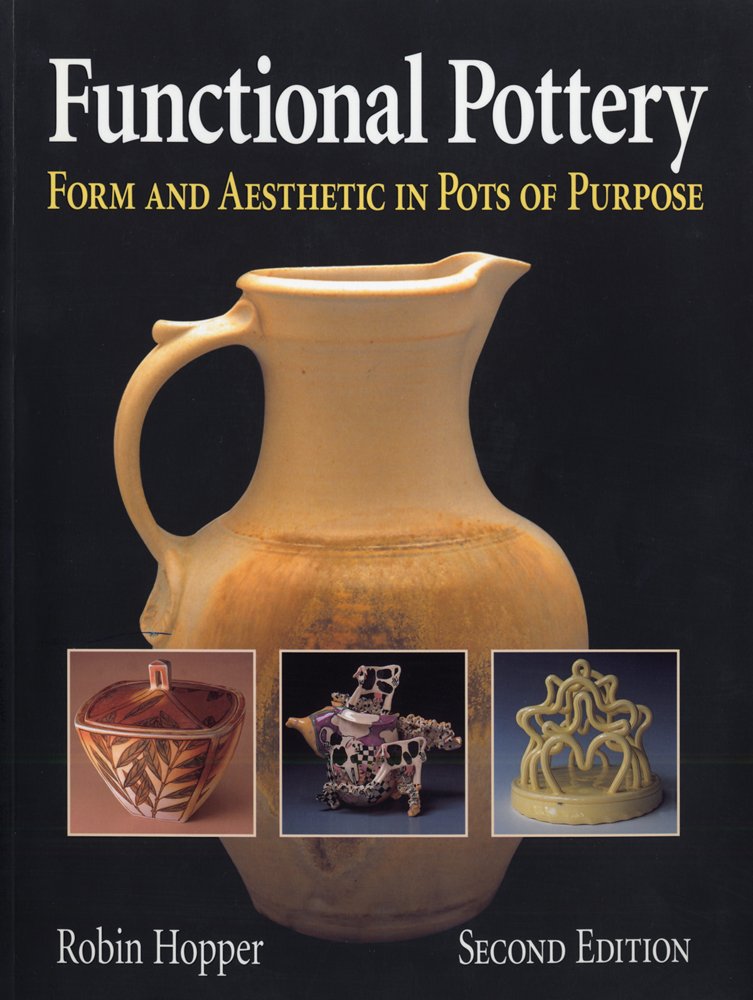
If you want a practical guide on the art and function of pottery, this book gives you solid knowledge you can use today.
Pros
- Clear explanations on form and function
- Helpful photos and diagrams
- Works for beginners and experienced potters
Cons
- Some technical content may be dense
- Focuses mainly on functional pottery, not sculptural
- Older edition, so modern trends may not be included
This book makes pottery feel less mysterious.
Robin Hopper does a thorough job explaining why different shapes matter, breaking down important details in simple terms.
If you’re ever confused about why your mugs or bowls never quite feel right, you’ll find real answers here.
Opening the book, you get lots of useful photos and clear drawings.
The instructions walk you through the basics, but also go deeper if you’re ready to learn more.
You might find yourself flipping back to favorite sections when working on new ideas or trying to solve a problem in your process.
Some chapters can get technical, but the clear writing helps you follow along.
Whether you’re just starting or have made pottery for years, Functional Pottery is a reference you’ll keep on your studio shelf and turn to again and again.
Creative Pottery Book

If you want to expand your pottery skills with fresh ideas for both wheel and handbuilt ceramics, this book is a solid pick.
Pros
- Wide range of creative projects for all skill levels
- Clear, step-by-step instructions
- Inspiring artist insights and unique design ideas
Cons
- Templates need enlarging before use
- Focused more on artistic process than basic techniques
- Some projects may require extra tools
You’ll find both practical techniques and experimental projects throughout Creative Pottery Book.
The book does a good job blending inspiration with hands-on advice.
Whether you’re just getting started or have worked with clay for years, the fresh approaches in this book make it easy to try something different.
Working through the chapters, you’ll notice a focus on growing your own style.
Real examples from the author’s personal experience make the advice feel genuine and achievable.
There are tips about handbuilding as well as wheel work, so you’re covered no matter your preference.
One thing to note is that some of the included templates need to be enlarged, which may slow you down if you want to jump right in.
Also, a few techniques use equipment experienced potters are more likely to have.
Still, the ideas and modern style will likely inspire you to experiment with your own art.
Buying Guide
When picking a pottery book, start by thinking about your interests.
Decide if you want fiction stories, detailed guides, or books that include beautiful photos.
Check the difficulty level.
Some books are best for beginners, while others offer advanced techniques.
Make sure the book matches your current skill.
Use this table to help compare different options:
| Feature | What to Check |
|---|---|
| Content Type | Fiction, Non-Fiction, or Mixed |
| Skill Level | Beginner, Intermediate, Advanced |
| Visuals | Photos, Illustrations, Step-by-Step |
| Author | Potter, Artist, Historian, Novelist |
| Reviews | Star Ratings, Reader Comments |
Look for books with clear instructions and step-by-step photos if you want to improve your skills.
If you are searching for inspiration, books with personal stories or art can keep you motivated.
Consider the book’s length and format.
Some people prefer short guides, while others like detailed books or even ebooks for easy access.
Check reviews before buying.
Real reader experiences can help you avoid books that are out-of-date or too complex.
Frequently Asked Questions
There are many books on pottery for people at all skill levels.
You can find helpful reads about technique, creative inspiration, and the long history of ceramics.
What are some essential reads for beginners interested in pottery?
The Complete Pottery Techniques by DK is easy to follow and explains the basics.
The Potter’s Handbook by Frank and Janet Hamer is also beginner-friendly and covers key techniques and tools.
Both books use step-by-step photos and simple instructions, making them good starting points if you’re new to pottery.
Which fiction books with a focus on pottery would you recommend?
A Single Shard by Linda Sue Park is a well-known novel centered on pottery in ancient Korea.
The Clay Lion by Amalie Jahn includes important scenes involving pottery and loss.
Stories like these can add meaning to the craft by showing pottery’s role in people’s lives.
What resources are available for advanced pottery techniques and materials?
Mastering the Potter’s Wheel by Ben Carter provides detailed guidance on wheel throwing.
The Ceramic Process by European Ceramic Work Centre has in-depth information on materials and modern methods.
Advanced books also cover firing, glazing, and professional studio tips.
Can self-taught pottery enthusiasts find comprehensive guides in book form?
Yes, there are several guides aimed at people learning on their own.
The Self-Taught Potter by Matt Schiemann is written for those practicing outside a classroom.
What distinguishes a good pottery book for home-based learners?
A good book for home-based learners has clear step-by-step instructions and lots of photos.
It should cover workspace setup, basic safety, and how to use simple equipment.
Books that include project ideas and troubleshooting will help you make progress at your own pace.
Are there any notable books that combine both the art and history of pottery?
Clay: Contemporary Ceramic Artisans by Amber Creswell Bell features both artistic styles and the stories behind them.
The Pot Book by Edmund de Waal surveys pottery from ancient to modern times, blending history with visual examples.