
25 Hobbies That Can Boost Your Career Skills: Transform Personal Interests Into Professional Assets
Many professionals overlook a simple truth: the activities you pursue in your free time can directly impact your career trajectory. Hobbies that build practical skills can support your career development by increasing creativity, strengthening leadership abilities, and boosting problem-solving capabilities. Whether you realize it or not, your weekend photography sessions could be sharpening your attention to detail, while your chess games are developing strategic thinking skills that translate perfectly to business decisions.

The connection between personal interests and professional growth isn’t coincidental. Gaming can sharpen problem-solving skills through quick decision-making and strategy development, while group activities naturally build communication and teamwork abilities. These transferable skills often become the differentiating factors that set you apart in competitive job markets.
Your choice of hobbies can become a strategic investment in your professional future. From technical pursuits that enhance your digital literacy to creative activities that stimulate innovative thinking, the right combination of interests can accelerate your career advancement while providing personal fulfillment and stress relief.
Key Takeaways
- Strategic hobby selection can develop transferable skills that directly enhance your professional capabilities and career prospects
- Creative and analytical hobbies naturally improve problem-solving abilities and innovative thinking required in most modern workplaces
- Group activities and collaborative interests build essential soft skills like communication, leadership, and emotional intelligence valued by employers
Why Hobbies Matter for Career Development
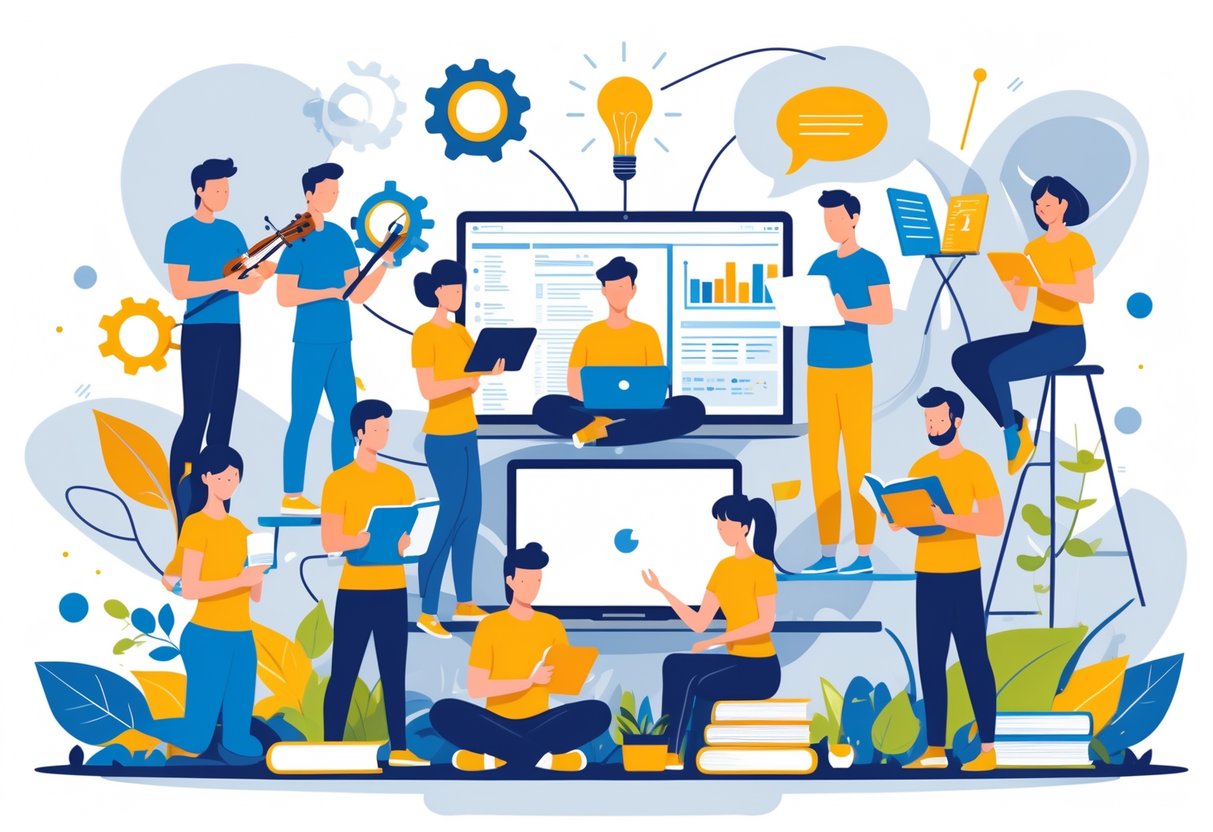
Personal interests develop practical abilities that transfer directly to professional environments. They create networking opportunities and demonstrate initiative to employers while fostering creative thinking patterns that drive workplace innovation.
Transferable Skills from Hobbies
Hobbies develop transferable skills like leadership, teamwork, and communication that employers value across industries. Playing team sports builds collaboration abilities and conflict resolution skills you use in group projects.
Photography teaches attention to detail and project management through planning shoots and editing workflows. Writing blogs or fiction improves your written communication and deadline management capabilities.
Key transferable skills by hobby type:
- Creative hobbies (painting, music): Problem-solving, patience, artistic vision
- Physical activities (hiking, cycling): Goal-setting, perseverance, stress management
- Technical hobbies (coding, electronics): Analytical thinking, troubleshooting, precision
- Social activities (volunteering, clubs): Leadership, networking, cultural awareness
Board gaming develops strategic thinking and decision-making under pressure. Cooking enhances planning abilities and teaches you to work efficiently under time constraints.
Hobbies and Professional Growth
Learning new skills through hobbies boosts self-esteem and confidence that translates directly to workplace performance. Mastering guitar or learning woodworking proves you can tackle complex challenges independently.
Hobbies create natural networking opportunities within professional circles. Joining photography clubs connects you with marketing professionals and graphic designers who share similar interests.
Highlighting relevant hobby skills on your CV demonstrates passion and well-roundedness to potential employers. Marathon running shows persistence and goal achievement abilities.
Rock climbing builds trust and communication skills essential for team leadership roles. Gaming communities teach you digital collaboration tools and remote team management strategies.
Creativity and Innovation through Personal Interests
Personal interests stimulate creative thinking patterns that generate innovative solutions at work. Gardening teaches systems thinking and long-term planning that applies to project management and strategic initiatives.
Crafting hobbies like knitting or pottery develop spatial reasoning and design thinking. These skills help you approach workplace challenges from unique angles and propose creative alternatives.
Innovation benefits from creative hobbies:
| Hobby Category | Innovation Skills Developed |
|---|---|
| Arts & Crafts | Design thinking, aesthetic judgment |
| Music & Performance | Improvisation, pattern recognition |
| Building & Making | Engineering mindset, iterative improvement |
| Games & Puzzles | Strategic thinking, rule optimization |
Reading diverse genres expands your knowledge base and introduces new perspectives for problem-solving. Travel photography combines technical skills with cultural awareness that enhances global business understanding.
Cooking experimenting teaches you to test hypotheses and refine processes through trial and improvement cycles.
Top Hobbies to Enhance Communication Skills

Strong communication abilities form the foundation of career advancement across all industries. Communication-based hobbies provide natural opportunities to practice these skills while pursuing enjoyable activities.
Public Speaking Clubs
Joining organizations like Toastmasters International gives you structured practice in front of supportive audiences. You receive immediate feedback on your delivery, body language, and message clarity.
These clubs follow proven frameworks for speech development. You progress through prepared speeches, impromptu speaking exercises, and leadership roles that build confidence gradually.
Key Benefits:
- Weekly speaking opportunities
- Constructive evaluation system
- Leadership skill development
- Networking with professionals
Public speaking hobbies improve confidence and vocabulary while enhancing your professional presentation abilities. Regular participation transforms nervous speakers into confident communicators within months.
You gain experience handling questions, managing time constraints, and adapting to different audience types. These skills directly transfer to workplace meetings, client presentations, and job interviews.
Learning New Languages
Mastering foreign languages strengthens your cognitive flexibility and cultural awareness. You develop patience for complex communication processes and gain appreciation for diverse perspectives.
Language learning requires active listening, careful pronunciation, and cultural context understanding. These elements improve your native language communication skills through heightened awareness of grammar, tone, and meaning.
Communication Skills Developed:
- Active listening – Understanding accents and speech patterns
- Nonverbal awareness – Reading cultural body language cues
- Patience – Working through communication barriers
- Adaptability – Adjusting communication style for clarity
Learning new languages translates into valuable career skills that employers highly value. You become more effective at explaining complex concepts and working with diverse teams.
Digital language apps, conversation groups, and immersion experiences each offer different communication practice opportunities that complement workplace interactions.
Theater and Improvisation
Acting classes teach you to project confidence, control vocal tone, and use body language effectively. You learn to think quickly under pressure and respond authentically to unexpected situations.
Improvisation specifically builds your ability to listen actively and build upon others’ ideas. You practice saying “yes, and” instead of shutting down conversations, creating collaborative dialogue.
Professional Applications:
- Meeting facilitation – Reading room dynamics and managing discussions
- Conflict resolution – Staying calm under pressure and finding solutions
- Team collaboration – Building on colleagues’ suggestions constructively
- Client relations – Adapting communication style to different personality types
Theater work develops emotional intelligence through character study and scene analysis. You become more skilled at reading subtle social cues and responding appropriately in professional settings.
Improv games teach quick decision-making and creative problem-solving. These abilities help you handle challenging workplace conversations and unexpected client requests with composure and resourcefulness.
Cultivating Leadership Abilities Outside of Work

Your leadership skills develop most effectively when you step outside professional environments and engage in meaningful activities. Participating in athletic or cultural activities provides opportunities to develop teamwork, communication, problem-solving, and time management skills essential for effective leadership.
Volunteering for Community Projects
Community volunteering places you in leadership positions where you coordinate diverse groups toward common goals. You learn to motivate volunteers who aren’t financially compensated, requiring genuine influence rather than positional authority.
Nonprofit organizations offer roles like project coordinator, fundraising captain, or volunteer team leader. These positions require you to delegate tasks, manage timelines, and navigate conflicting personalities.
Key leadership skills developed:
- Consensus building – Working with stakeholders who have different motivations
- Resource management – Operating with limited budgets and materials
- Crisis management – Handling unexpected challenges without hierarchical support
Food banks, environmental cleanups, and literacy programs provide hands-on experience managing teams of 5-20 people. You develop empathy-based leadership as you work with volunteers from various backgrounds and skill levels.
Organizing Events
Event planning requires you to orchestrate multiple moving parts while maintaining clear communication with vendors, participants, and stakeholders. You practice making decisions under pressure when timelines shift or problems arise.
Planning activities helps develop collaboration, communication, and decision-making skills that transfer directly to workplace leadership. You coordinate budgets, negotiate with suppliers, and manage expectations.
Local events like charity runs, community festivals, or neighborhood gatherings give you experience leading committees. You learn to assign responsibilities based on individual strengths while keeping everyone aligned on objectives.
Leadership competencies gained:
- Strategic planning – Creating detailed project timelines and contingency plans
- Stakeholder management – Balancing competing interests and priorities
- Performance monitoring – Tracking progress and adjusting plans in real-time
Team Sports Participation
Sports participation, whether recreational leagues or competitive teams, creates natural leadership development opportunities. You learn to read team dynamics, provide constructive feedback, and maintain morale during setbacks.
Team activities teach you to work with different personalities, manage conflicts, and rally teammates toward common goals. These experiences mirror workplace challenges where you must unite diverse team members.
Captain roles in amateur leagues develop your ability to make split-second decisions that affect group outcomes. You practice giving direction under stress while maintaining team cohesion.
Core leadership abilities developed:
- Emotional intelligence – Reading team energy and adjusting your approach
- Conflict resolution – Mediating disputes between competitive personalities
- Performance coaching – Helping teammates improve while maintaining positive relationships
Adult softball, basketball, or soccer leagues offer regular practice in leading through influence rather than authority.
Creative Hobbies That Stimulate Problem-Solving
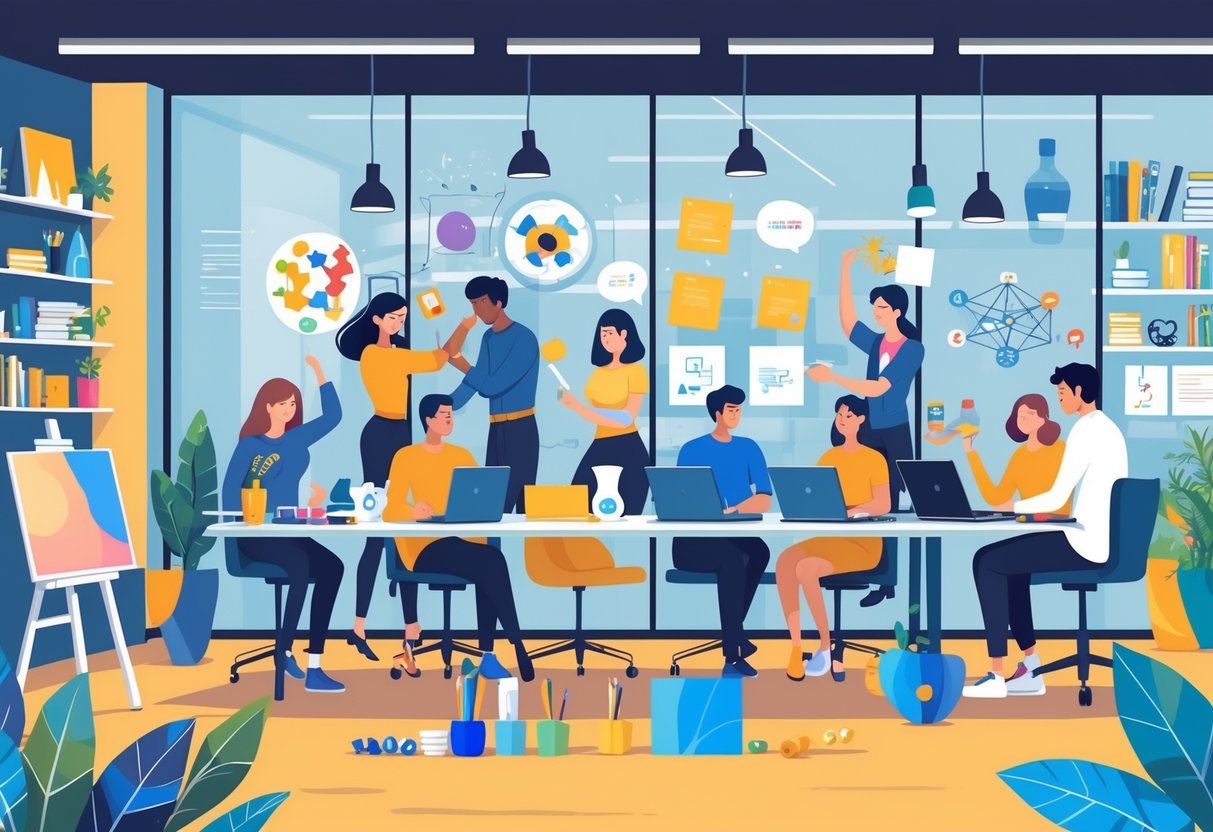
Creative pursuits train your brain to approach challenges from multiple angles and develop innovative solutions. These activities strengthen analytical thinking while building the mental flexibility employers value across industries.
Photography
Photography develops your visual problem-solving abilities through constant technical and artistic decision-making. You learn to quickly assess lighting conditions, composition challenges, and equipment limitations while finding creative solutions.
Technical Problem-Solving Skills:
- Adjusting camera settings for difficult lighting scenarios
- Troubleshooting equipment malfunctions during shoots
- Working within budget and time constraints
The hobby teaches you to think systematically about complex problems. When faced with poor lighting, you must evaluate multiple solutions: change your position, adjust camera settings, use reflectors, or wait for better conditions.
Post-processing software like Lightroom and Photoshop further enhances your analytical thinking. You learn to break down image problems into manageable components and apply targeted fixes.
Photography also builds spatial reasoning skills. You constantly evaluate three-dimensional scenes and translate them into compelling two-dimensional images, requiring strong visual-spatial intelligence.
Creative Writing
Writing fiction or non-fiction strengthens your ability to structure complex ideas and solve narrative problems. You develop skills in logical sequencing, character motivation, and plot development that directly transfer to workplace challenges.
Key Problem-Solving Elements:
- Plot structure: Creating logical story progressions
- Character development: Understanding human psychology and motivation
- Research skills: Gathering and synthesizing information accurately
- Editing: Identifying and fixing structural problems
Writers constantly face creative blocks and must develop strategies to overcome them. This builds resilience and teaches you to approach problems from different angles when initial solutions fail.
The editing process mirrors workplace problem-solving. You learn to identify issues, evaluate multiple solutions, and implement the most effective fixes while considering broader implications.
Playing Musical Instruments
Learning instruments develops pattern recognition and analytical thinking through music theory and technique mastery. You build problem-solving skills by breaking complex pieces into manageable sections and developing practice strategies.
Cognitive Benefits:
- Pattern recognition: Identifying musical structures and progressions
- Sequential processing: Following complex multi-step processes
- Error correction: Quickly identifying and fixing mistakes
- Time management: Structuring effective practice sessions
Musicians learn to diagnose technical problems systematically. When struggling with a difficult passage, you analyze finger positioning, timing, dynamics, and breathing to identify the root cause.
Ensemble playing adds collaborative problem-solving skills. You must listen actively, adapt to other players, and contribute to collective solutions when musical challenges arise.
The discipline required for regular practice builds persistence and methodical thinking patterns that enhance problem-solving skills in professional settings.
Technical and Digital Skills Through Hobbies

Digital hobbies directly translate into marketable technical skills that employers value across industries. Programming builds logical thinking and problem-solving abilities, while content creation develops communication and marketing expertise.
Coding and Programming
Learning to code as a hobby develops critical thinking and analytical skills that apply to any profession. You gain experience breaking down complex problems into manageable steps.
Key Programming Languages to Start With:
- Python – Data analysis, automation, web development
- JavaScript – Web development, user interfaces
- SQL – Database management, data queries
- R – Statistical analysis, data visualization
Programming teaches you to debug issues systematically. This troubleshooting mindset helps you solve workplace challenges more effectively.
You learn to work with APIs, databases, and software frameworks. These technical skills make you valuable in roles involving data management or process automation.
Building personal projects demonstrates initiative to potential employers. Your GitHub portfolio showcases real problem-solving abilities beyond what appears on a traditional resume.
Blogging and Content Creation
Regular blogging sharpens your written communication skills and teaches content strategy. You learn to research topics thoroughly and present information clearly to specific audiences.
Essential Blogging Skills You Develop:
- SEO optimization and keyword research
- Analytics interpretation and performance tracking
- Social media marketing and audience engagement
- Content management systems (WordPress, Squarespace)
Managing a blog requires project management skills. You must plan editorial calendars, meet publishing deadlines, and track performance metrics consistently.
You gain experience with email marketing platforms and social media scheduling tools. These digital marketing skills apply directly to roles in marketing, communications, and business development.
Building an audience teaches you customer relationship management. You learn to respond to feedback professionally and adapt content based on audience preferences.
Check out our recommended blog service hosting websites to get your blog started today!
Video Editing
Video editing develops technical proficiency with professional software while enhancing creative problem-solving skills. You learn to work with large files, manage project timelines, and deliver polished final products.
Technical Skills You Master:
- Adobe Premiere Pro, Final Cut Pro, or DaVinci Resolve
- Color correction and audio mixing techniques
- File compression and format optimization
- Graphics integration and motion design basics
Video projects require strong organizational skills. You manage multiple file types, maintain version control, and coordinate audio and visual elements efficiently.
You develop an eye for visual storytelling and pacing. These skills transfer to presentation design, marketing materials, and client communications in professional settings.
Working with clients or collaborators on video projects builds communication skills. You learn to interpret feedback, manage revisions, and deliver projects that meet specific requirements and deadlines.
Strategic and Analytical Thinking from Intellectual Hobbies
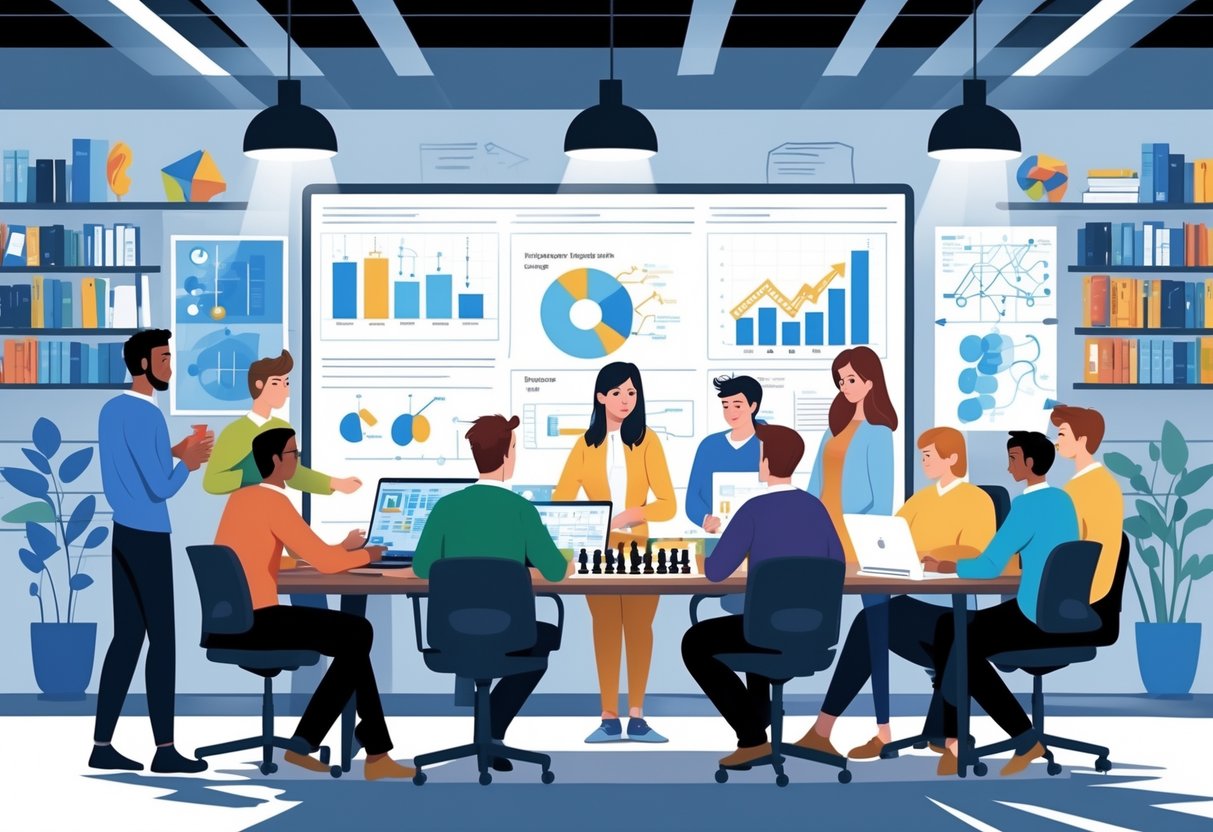
Intellectual hobbies develop critical workplace skills like pattern recognition, logical reasoning, and strategic planning. These activities train your brain to analyze complex situations, anticipate outcomes, and make data-driven decisions that directly transfer to professional environments.
Chess and Board Games
Chess develops strategic thinking by forcing you to plan multiple moves ahead while considering your opponent’s potential responses. Strategic games like chess boost cognitive skills including problem-solving, critical thinking, and strategic planning.
Each game requires you to evaluate risk versus reward, manage limited resources, and adapt your strategy based on changing circumstances. These skills directly apply to project management, business negotiations, and leadership roles.
Key Career Benefits:
- Long-term strategic planning
- Risk assessment and mitigation
- Competitive analysis
- Decision-making under pressure
Board games like Settlers of Catan or Risk teach resource allocation and diplomatic negotiation. You learn to balance cooperation with competition, skills essential for team leadership and cross-departmental collaboration.
Strategy games also improve your ability to recognize patterns and predict outcomes. This analytical thinking transfers to market analysis, operational planning, and performance forecasting in your career.
Puzzles and Brain Teasers
Logic puzzles and brain teasers strengthen analytical thinking through systematic problem-solving approaches. These puzzles engage deep analytical thinking requiring logical reasoning, pattern recognition, and strategic problem-solving skills.
Sudoku puzzles train methodical thinking by requiring you to eliminate possibilities and test hypotheses. This logical process mirrors troubleshooting technical problems or analyzing data inconsistencies in professional settings.
Crossword puzzles expand vocabulary while improving research skills and lateral thinking. You develop the ability to connect seemingly unrelated information, valuable for innovation and creative problem-solving.
Problem-Solving Skills Developed:
- Systematic analysis – Breaking complex problems into manageable parts
- Hypothesis testing – Forming and validating assumptions
- Pattern recognition – Identifying trends and relationships in data
- Persistence – Working through challenges without immediate solutions
Brain teasers like riddles or mathematical puzzles enhance creative thinking. They teach you to approach problems from multiple angles, essential for finding innovative solutions in competitive business environments.
Stock Market Simulation
Virtual stock trading combines analytical thinking with real-world financial knowledge. You analyze company performance, market trends, and economic indicators to make investment decisions without financial risk.
This hobby develops quantitative analysis skills as you interpret financial statements, earnings reports, and market data. You learn to identify patterns in price movements and correlate market events with performance outcomes.
Financial Analysis Skills:
- Data interpretation and trend analysis
- Risk assessment and portfolio management
- Economic research and forecasting
- Performance measurement and optimization
Stock simulation teaches emotional discipline in decision-making. You experience the psychological pressure of gains and losses, learning to make rational choices despite market volatility.
These experiences directly apply to business roles involving budgeting, investment decisions, and strategic planning. You develop comfort with financial concepts and confidence in data-driven decision-making that many professionals lack.
The hobby also improves your understanding of global economics and business fundamentals. This knowledge enhances your ability to understand industry dynamics and make informed strategic recommendations in any career field.
Building Emotional Intelligence via Group Activities
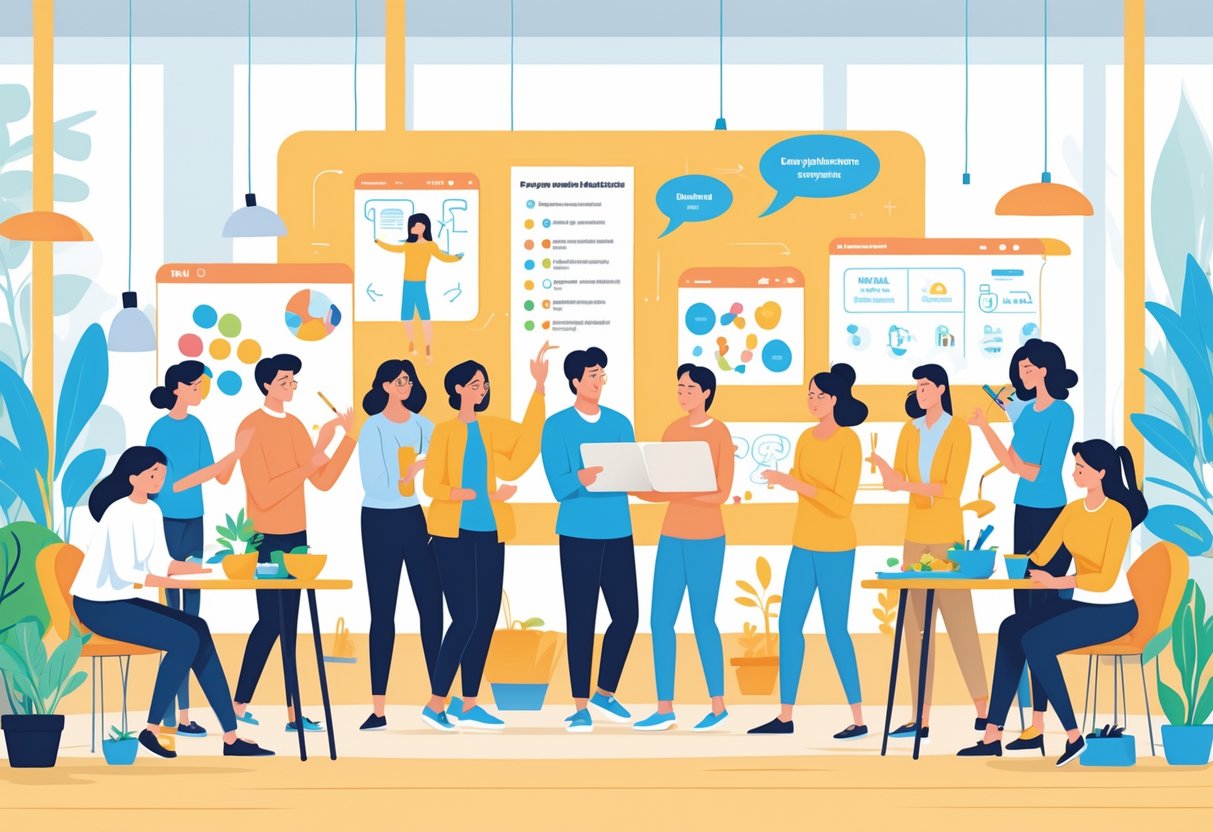
Group activities provide structured environments to practice reading emotions, managing responses, and building empathy with others. These collaborative experiences help you develop emotional regulation and interpersonal understanding through real-world interactions and shared learning.
Book Clubs
Book clubs create natural opportunities to explore different perspectives and practice empathetic thinking. You analyze characters’ motivations, discuss emotional conflicts, and share personal interpretations with other members.
The discussion format helps you articulate your thoughts clearly while listening to diverse viewpoints. You learn to disagree respectfully and find common ground with people who have different backgrounds or opinions.
Key emotional intelligence skills developed:
- Active listening during discussions
- Perspective-taking through character analysis
- Conflict resolution during disagreements
- Self-awareness through reflection on personal reactions
Regular participation builds your ability to read social cues and adapt your communication style. You practice patience when others share lengthy thoughts and diplomacy when expressing contrary opinions.
Mentorship and Coaching
Mentorship relationships provide direct feedback on your emotional responses and interpersonal skills. Whether you serve as mentor or mentee, you practice vulnerability, patience, and supportive communication.
As a mentor, you develop skills in giving constructive feedback and managing your reactions to others’ mistakes. You learn to balance encouragement with honest assessment.
Mentorship emotional intelligence benefits:
- Self-regulation: Managing frustration when progress is slow
- Empathy: Understanding different learning styles and challenges
- Social awareness: Reading when someone needs support versus space
- Communication: Adapting your message to the recipient’s needs
As a mentee, you practice receiving criticism without defensiveness and asking for help when needed. These experiences build emotional resilience and self-awareness.
Meditation and Mindfulness Groups
Group meditation sessions provide structured practice in emotional awareness and regulation. You learn to observe your thoughts and feelings without judgment while maintaining focus in a social setting.
Mindfulness techniques boost emotional regulation by creating space between stimulus and response. Group settings add accountability and shared learning that individual practice lacks.
Core practices that build emotional intelligence:
- Body scan meditations for physical awareness of emotions
- Loving-kindness meditation for empathy development
- Breathing exercises for stress management
- Group sharing sessions for vulnerability practice
Regular participation helps you recognize emotional triggers before they escalate. You develop tools for staying calm under pressure and responding thoughtfully rather than reactively to workplace challenges.
Personal Development Hobbies for Long-Term Career Success

Physical wellness activities like fitness routines build discipline and stress management skills that translate directly to workplace performance. Cultural experiences through travel develop adaptability and global perspective, while hands-on projects create problem-solving abilities and technical competencies.
Travel and Cultural Exploration
Travel builds cultural intelligence and adaptability skills that employers value in today’s global marketplace. You develop communication abilities when navigating different languages and customs.
Key Career Benefits:
- Enhanced problem-solving under pressure
- Improved cultural sensitivity and awareness
- Stronger networking and relationship-building skills
- Increased confidence in unfamiliar situations
International experiences teach you to think quickly and make decisions with limited information. These situations mirror workplace challenges where you must adapt to changing circumstances.
Even domestic travel to different regions exposes you to varied perspectives and working styles. You learn to collaborate with people from diverse backgrounds, a critical skill in modern workplaces.
Budget travel specifically develops resourcefulness and planning abilities. You practice research skills, financial management, and creative problem-solving when finding cost-effective solutions.
Fitness and Wellness
Regular exercise builds mental resilience and stress management capabilities that directly impact your professional performance. Physical activity improves focus and decision-making abilities throughout your workday.
Mental Performance Benefits:
- Enhanced concentration and cognitive function
- Better stress response and emotional regulation
- Increased energy levels and productivity
- Improved sleep quality affecting work performance
Team sports develop leadership skills and collaborative abilities. You practice communication under pressure and learn to motivate others toward common goals.
Individual fitness activities like running or weightlifting build discipline and goal-setting skills. You learn to track progress, maintain consistency, and push through mental barriers.
Wellness practices like meditation develop emotional intelligence and self-awareness. These skills help you manage workplace relationships and navigate office dynamics more effectively.
Gardening and DIY Projects
Hands-on projects develop technical problem-solving skills and project management abilities that transfer directly to workplace challenges. You learn to plan, execute, and troubleshoot complex tasks from start to finish.
Practical Skills Developed:
- Project planning and timeline management
- Budget allocation and resource optimization
- Quality control and attention to detail
- Persistence through trial-and-error processes
Gardening teaches patience and long-term thinking skills valuable in strategic business planning. You learn to nurture processes that take months or years to show results.
DIY home improvement projects build confidence in learning new technical skills. This adaptability mindset helps you tackle unfamiliar work assignments and embrace continuous learning.
Both activities require research skills as you learn about plant care, building techniques, or material properties. You develop the ability to synthesize information from multiple sources and apply knowledge practically.
Frequently Asked Questions
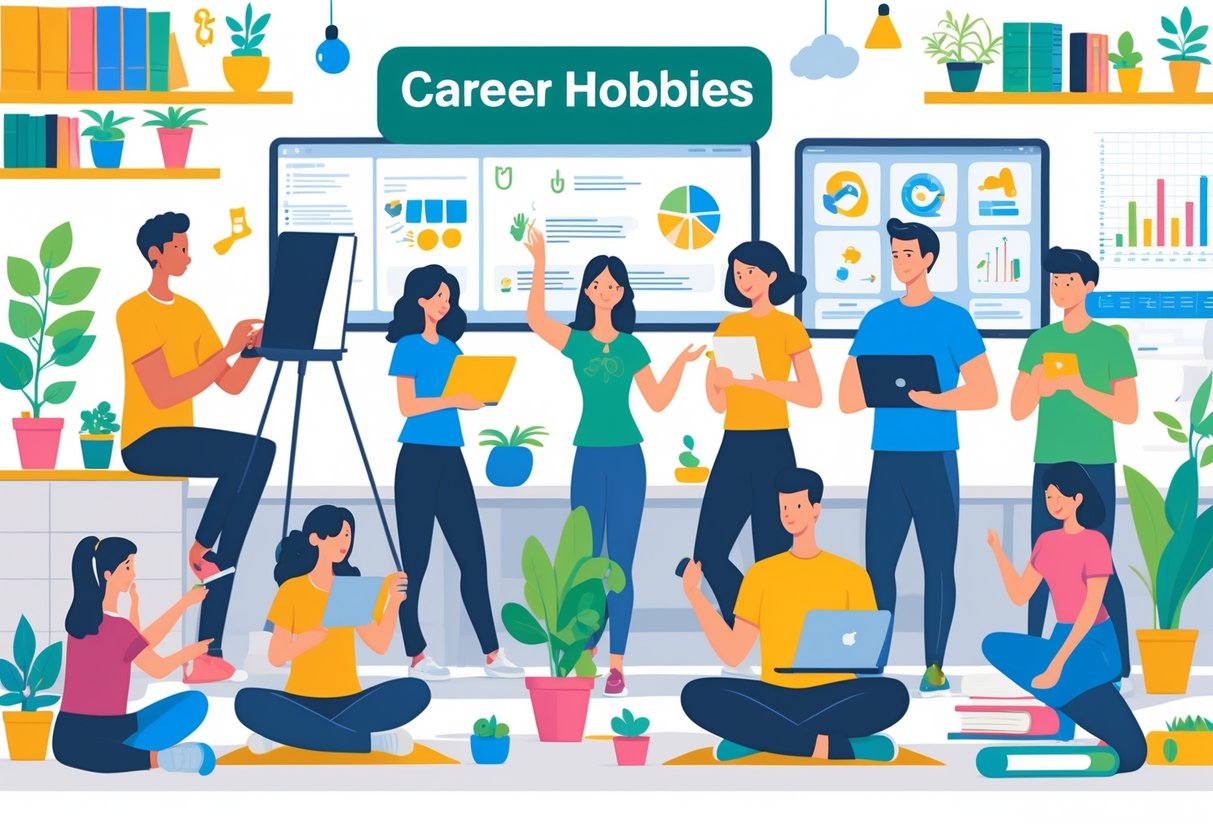
Hobbies develop transferable skills like communication, leadership, and analytical thinking that directly apply to workplace situations. Strategic hobby selection can enhance your resume appeal and demonstrate valuable professional qualities to employers.
How can engaging in hobbies improve my professional skill set?
Hobbies create opportunities to practice skills outside work pressure. You develop time management by balancing multiple interests with professional responsibilities.
Many activities build communication skills through instruction, collaboration, or presentation. Photography teaches attention to detail while woodworking develops patience and precision.
Hobbies provide platforms to develop transferable skills such as leadership, teamwork, and communication. These abilities make transitioning into new roles easier.
Problem-solving emerges naturally when you troubleshoot equipment issues or learn new techniques. Critical thinking strengthens as you analyze what works and what doesn’t.
What types of hobbies are best suited for enhancing workplace abilities?
Strategic games like chess develop analytical thinking and long-term planning skills. Board games improve decision-making under pressure and strategic thinking abilities.
Public speaking clubs build confidence and presentation skills. Writing activities enhance communication clarity and persuasive abilities.
Technical hobbies like coding or electronics repair develop logical thinking patterns. These skills transfer directly to workplace problem-solving situations.
Work-related hobbies can enhance both personal growth and career prospects. They make you more interesting while developing job-relevant skills.
Are there particular hobbies that can help improve leadership skills?
Coaching youth sports teaches you to motivate diverse personalities and manage team dynamics. You learn to communicate instructions clearly under pressure.
Organizing community events develops project management and delegation abilities. You coordinate multiple moving parts while maintaining team morale.
Leading hiking groups or outdoor adventures builds decision-making skills and crisis management abilities. These situations require quick thinking and confident leadership.
Mentoring others in your hobby area develops teaching and guidance skills. You learn to adapt your communication style to different learning preferences.
Can pursuing creative hobbies contribute to better problem-solving at work?
Creative activities train your brain to approach problems from multiple angles. Painting teaches you to see situations differently and experiment with solutions.
Music composition requires breaking complex ideas into manageable components. This skill transfers directly to project planning and task organization.
Crafting activities like pottery or jewelry-making develop patience with iterative processes. You learn that quality results often require multiple attempts and refinements.
Creative writing enhances your ability to communicate complex ideas simply. This skill proves valuable in presentations, reports, and client communications.
How does participating in team sports translate to improved collaboration in the office?
Team sports teach you to coordinate efforts toward shared objectives. You learn when to lead initiatives and when to support teammates’ strengths.
Sports develop communication skills under pressure and tight deadlines. Quick decision-making becomes second nature during fast-paced situations.
You practice giving and receiving constructive feedback during games and practice sessions. This builds comfort with performance discussions at work.
Team dynamics in sports mirror workplace collaboration challenges. You learn to work effectively with different personality types and skill levels.
In what ways can learning a new language as a hobby benefit my career prospects?
Language learning demonstrates commitment to long-term goals and intellectual curiosity. Employers value candidates who pursue challenging personal development activities.
Multilingual abilities open opportunities in global companies and international markets. You become eligible for roles requiring cross-cultural communication skills.
Language study improves memory, multitasking, and cognitive flexibility. These mental benefits enhance performance in complex work environments.
Cultural understanding gained through language study improves client relations and team dynamics. You develop sensitivity to different communication styles and business practices.