

5 Best Books for People Who Love Volleyball: Top Fiction and Non-Fiction Picks
Volleyball is a sport full of fast action, teamwork, and energy. If you love volleyball, you might want to read books that capture this excitement.
Books about volleyball can inspire you, teach new skills, or share personal stories from athletes and coaches. Both fiction and non-fiction volleyball books can show what it’s like to play the sport or explore themes around friendship, competition, and growth.
When you choose a volleyball book, think about what matters to you most. Some people want stories with true facts and helpful tips, while others enjoy reading about inspiring characters overcoming challenges on the court.
Pay attention to the age level, writing style, and focus of the book. If you are looking for training guides, look for clear instructions and advice you can use.
For stories, decide if you want something realistic, lighthearted, or dramatic. We reviewed several popular volleyball titles to find the five best books for fans and players.
Best Books for People Who Love Volleyball
If you enjoy volleyball, there are many great books that can inspire and teach you more about the game. This list includes both fiction and non-fiction books, so you can choose the best fit for your interests.
Volleyball Mindset Workbook

If you’re trying to help a young athlete grow in confidence and resilience both on and off the volleyball court, this workbook is worth looking into.
Pros
- Focuses on building mental toughness for young players
- Encourages self-reflection and positive thinking
- Activities can be done at your own pace
Cons
- Tailored mostly for younger girls
- Some sections feel basic or childish
- Coloring pages may not appeal to every reader
Working through the Volleyball Mindset Workbook, you’ll notice how it breaks mental skills down into manageable steps. Each page focuses on easy-to-follow exercises that push you to think about pressure, teamwork, and your own goals.
You get to practice both writing and thinking through your habits and routines, making it easy to see progress. Though the activities are practical, it’s clear this book was created for younger players—especially girls.
That’s not a bad thing if you’re coaching or parenting middle school or early high school athletes. Coaches I’ve spoken to found it helpful as a team resource.
The last few pages are coloring sheets, which could seem too childish for older kids. If your player is looking for a more mature workbook, this might not be the right fit.
But for building confidence in a fun, positive way, the workbook delivers.
Everything Volleyball
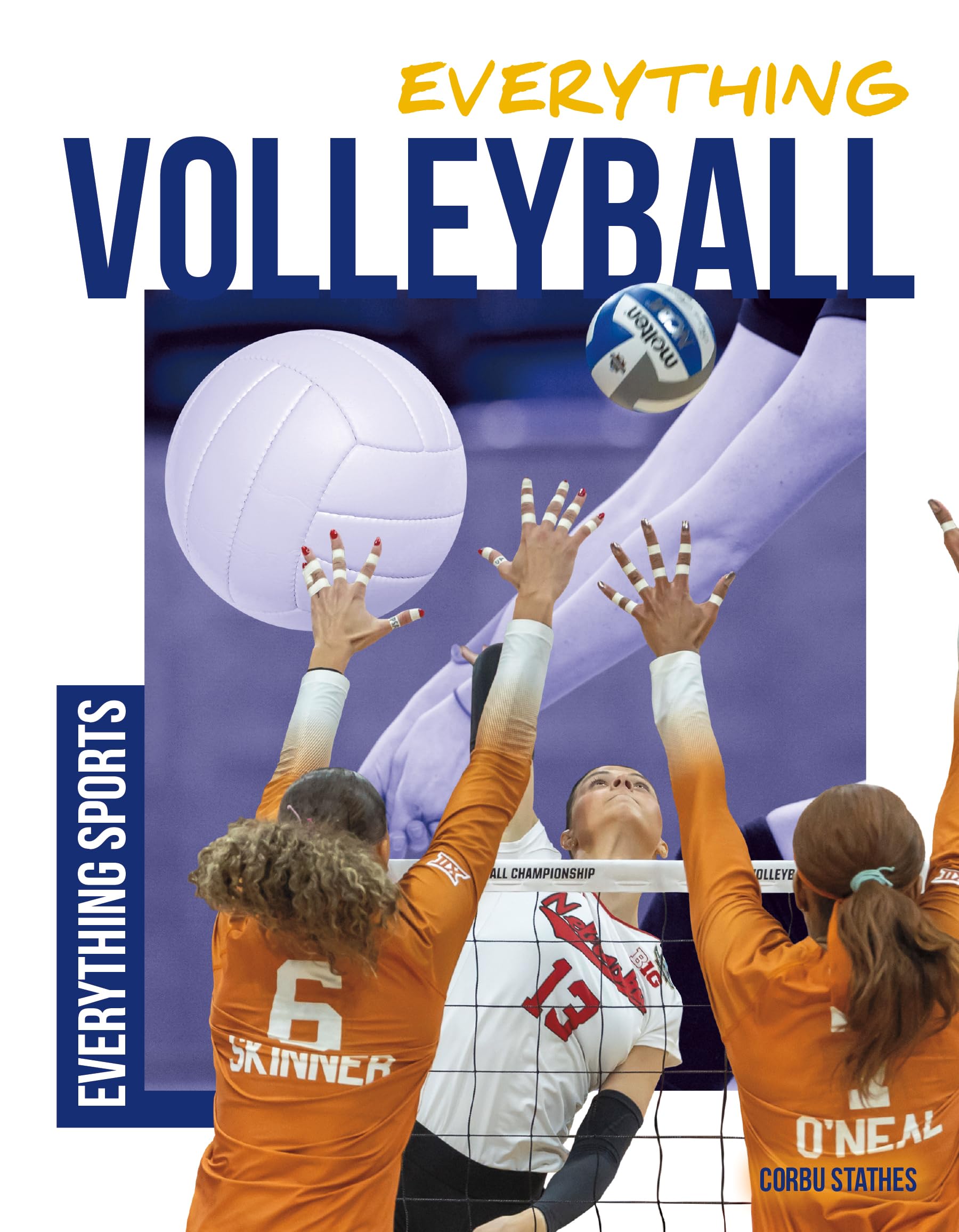
If you want a quick and fun look at volleyball that’s simple to understand, this book is a good place to start.
Pros
- Easy to read for young fans
- Covers lots of basics about volleyball
- Bright, engaging pictures
Cons
- Not much detail for advanced players
- Might be too simple for teens
- Only 64 pages, so it feels short
Flipping through this book, you’ll get all the essentials about volleyball. The pictures are colorful and help show what’s happening on the court, so it’s easy to follow along even if you’re new to the sport.
Every section is short but clear, with simple sentences and quick facts. For younger readers or anyone learning volleyball for the first time, the book does a nice job of making things exciting without being confusing.
It brings up the rules, gear, and positions in a way that’s not overwhelming. Kids will likely go through it pretty quickly and remember the main points.
More experienced players will probably want something a bit more detailed or advanced. If you are buying for an older kid or a volleyball fan who already plays a lot, this book covers the basics but stops there.
For those just starting or looking for a colorful volleyball book, Everything Volleyball is a simple choice.
Big Volleyball Coloring Book
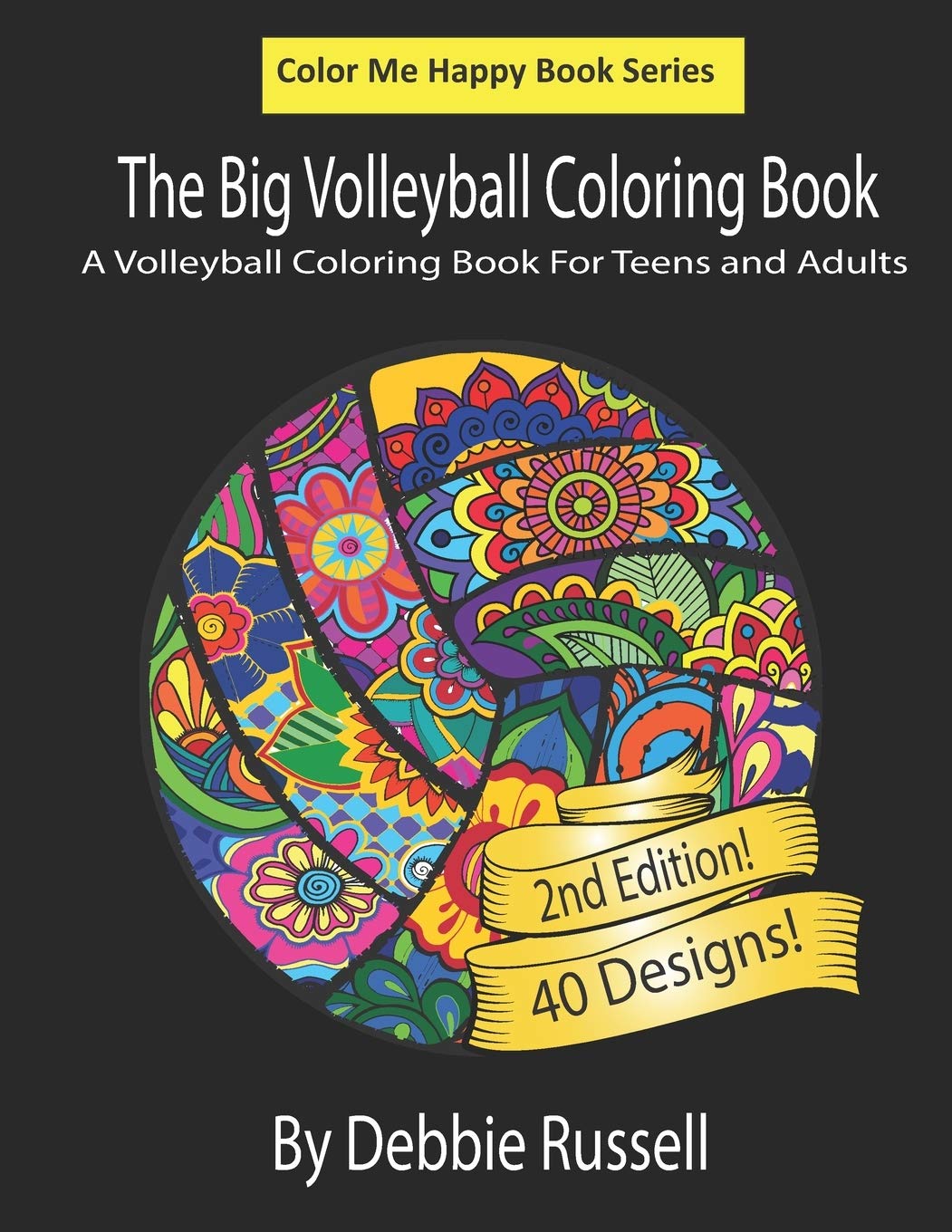
If you want a relaxing and creative volleyball-themed activity, this coloring book will make a fun pick for teens and adults.
Pros
- Large pages are easy to color and display
- A wide range of volleyball designs adds variety
- Durable, thick paper helps prevent bleed-through
Cons
- Some images feel basic or geared toward younger users
- A few designs do not match the detailed style of the cover
- Content may seem repetitive if you want more complexity
There is something peaceful about sitting down with the Big Volleyball Coloring Book. The pages are large, which makes it easy to spread out and color without worrying about tight spaces.
If you enjoy art projects or want something hands-on during volleyball tournaments, you’ll appreciate the simple and bold designs. The thick paper keeps your markers and pens from running through, so the pictures stay neat.
You’ll notice lots of volleyball-inspired art in this book. Many pages have positive messages and fun illustrations.
If you’re buying a gift for a volleyball player or coach, it’s a great way to encourage a creative break from practice. Kids and adults can both use it, but the style does lean a bit toward younger teens or beginners.
A few pages may look plainer than expected, especially compared to the cover artwork. If you want detailed coloring challenges, this book may not offer enough variety.
However, for something light and stress-free, Big Volleyball Coloring Book can make a thoughtful gift or a relaxing personal treat.
Volleyball for Kids
This is a simple book if you want to introduce young children to volleyball in a clear way.
Pros
- Uses easy words and pictures for young readers
- Provides a gentle introduction to volleyball rules
- Lightweight and a good size for small hands
Cons
- Too basic for older kids and adults
- Very short, with minimal detail
- Limited story or character depth
With only 24 pages, this book gives you a brief look at volleyball that works well for early elementary kids or as a read-aloud. The pictures make it easy for young readers to understand, and the explanations are simple.
You might like the way it explains the basics, but if you already know volleyball or want an in-depth story, it won’t give you much new information. After reading it with a young child, you’ll find it keeps things fun and energetic, but the details stay pretty basic.
If you want something deeper or aimed at older readers, you’ll need another book. For a first look at the sport for very young fans, Volleyball for Kids is a good pick.
Volleyball Coloring & Activity Book

If you want a creative and relaxing way to enjoy your love for volleyball, this coloring and activity book can be a fun pick.
Pros
- Offers a mix of coloring pages and activities
- Simple designs are easy for younger kids to enjoy
- Great for both players and fans of volleyball
Cons
- Some artwork is basic and lacks variety
- Not much challenge for older kids
- Could use more unique volleyball themes
For younger volleyball fans, this book stands out as a way to combine a love of the sport with art and creativity. The pages are large and easy to color, which is nice for when you want something low-stress to do between games or practices.
I noticed that you don’t need any special skills—just a few colored pencils or markers and you’re set. While I liked how there are both coloring sheets and casual activities like word searches, some of the pages feel a bit too similar.
A couple of designs seem repeated or pretty simple. If you are buying for a child under 12 who loves volleyball, it works well, but if you want something more detailed or complex, this may not be enough.
This book makes a thoughtful gift for young players or fans who want to chill out with something volleyball-related. For long car rides or rainy days, it could be a good addition to your collection.
Buying Guide
When picking a volleyball book, think about whether you want fiction or non-fiction. Fiction books often focus on characters or a story, while non-fiction gives real information about the sport.
Check the reading level and style. Some books are easy for beginners, while others use more advanced volleyball terms.
Make sure the book matches your comfort with the sport and your reading skills.
Consider These Features
- Content Focus: Is it about playing techniques, history, real-life stories, teamwork, or drama?
- Length: Book length can matter. Quick reads may fit better if you have a busy schedule.
- Illustrations/Photos: Visuals can help explain rules, strategies, or make the story more fun.
| Feature | Benefit |
|---|---|
| Clear Explanations | Easier to learn or enjoy the sport |
| Real Stories | Deepens understanding and interest |
| Good Reviews | Shows what other volleyball fans think |
| Age Suitability | Makes it more enjoyable and easier to read |
Look for books with strong reviews, especially from volleyball fans. Checking ratings or comments can give you a sense of what to expect.
If buying for a younger reader, check the age range or reading difficulty. Some books are best for teens and older, while others work well for younger players.
Think about your own interests. If you enjoy learning about teamwork and sportsmanship, non-fiction can be a good fit.
If you like stories and characters, look for fiction.
Frequently Asked Questions
There are many kinds of volleyball books, including fiction, how-to guides, and player autobiographies. Some are better for younger readers, while others help coaches and adults improve their skills.
What are top fiction novels centered around volleyball?
You should check out “Haikyu!!” by Haruichi Furudate, a manga series all about high school volleyball.
“Spiked” by Steven Barwin is a teen novel that focuses on the drama and teamwork of a volleyball squad. Both books use realistic characters to show the ups and downs of learning the sport.
Can you recommend some autobiographies of professional volleyball players?
“Order on the Court” by Karch Kiraly is a personal look at the life of one of the most famous volleyball players in the world.
“Playing Under Pressure” by Lindsey Berg shares real-life stories about handling stress in tough games.
Which volleyball books are best for youth players looking to improve their game?
“Youth Volleyball: Skills & Drills” by the American Sport Education Program gives easy-to-follow practice ideas.
“Volleyball: Steps to Success” by Bonnie Kenny and Cindy Gregory has clear instructions and photos.
What are the essential reads for someone new to volleyball?
“Volleyball for Beginners” by Cecelia Martinez explains the rules and basics in plain language.
“Coaching Youth Volleyball” by American Sport Education Program gives simple tips, even if you’re just starting.
Are there engaging volleyball-themed books suitable for middle school readers?
“Volleyball Dreams” by Jake Maddox tells a fast-paced story about middle schoolers learning to play as a team.
“The Spike: Volleyball Adventure” by Andy Blackford is made for younger readers and uses easy words.
What instructional books should volleyball coaches read for effective team management?
“Coaching Volleyball Successfully” by Sally Kus covers practice planning, team leadership, and basic strategy.
“Complete Conditioning for Volleyball” by Steve Oldenburg has exercises and training advice, along with tips for team bonding.