Best Ski Goggles for Superior Visibility and Comfort
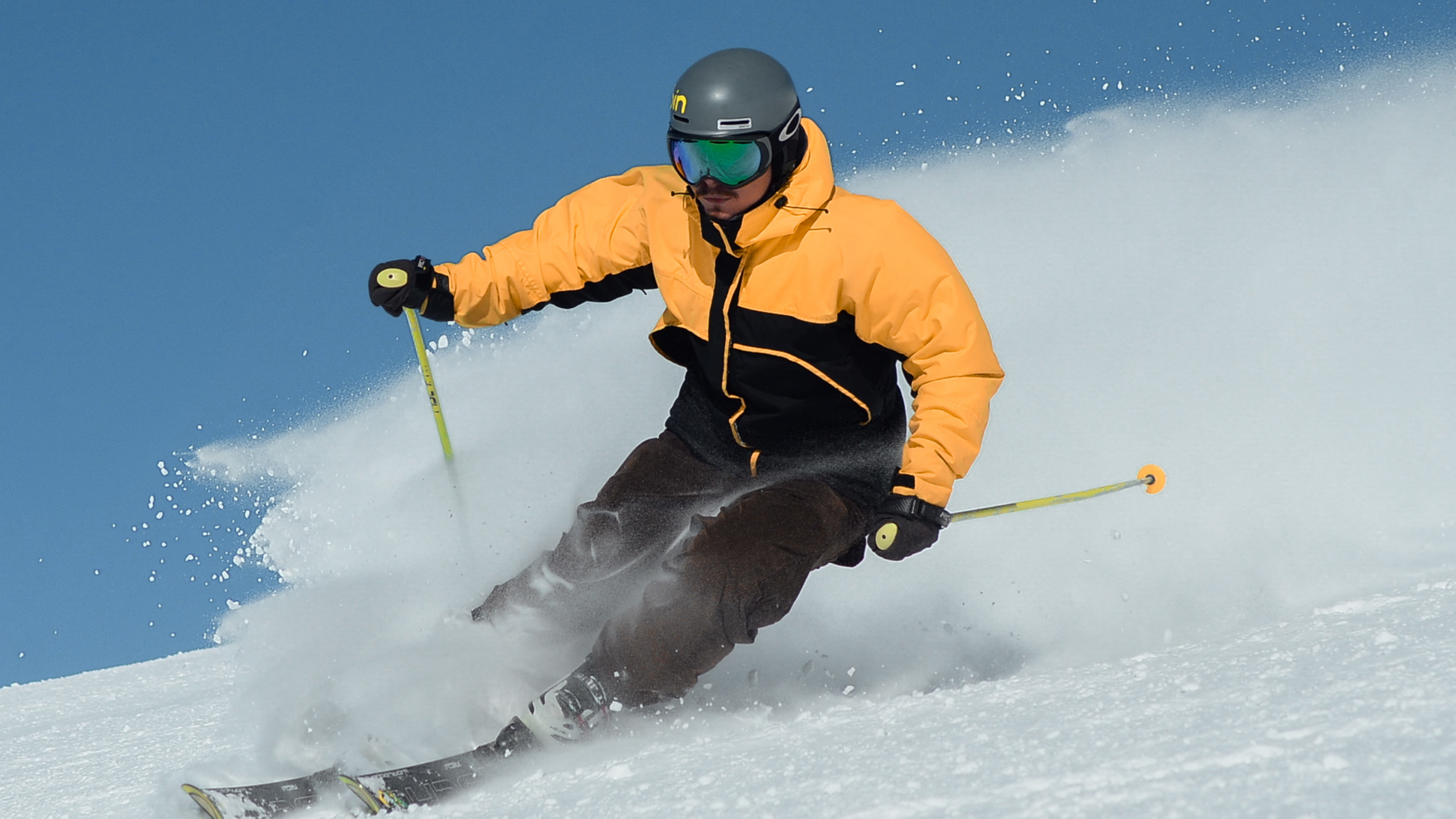
Ski goggles are an important part of your gear when you head to the slopes. They protect your eyes from snow, wind, and sunlight, so you can see clearly while skiing or snowboarding.
A good pair of ski goggles can also make your day more comfortable and safe.
When shopping for ski goggles, there are a few key things to keep in mind. Lens quality is important because it affects how well you see in bright and low light.
You should also look for goggles that fit your face well, offer good ventilation, and have an anti-fog coating. Comfort, adjustability, and helmet compatibility matter too, especially if you plan to be out all day.
Now let’s look at what makes certain ski goggles stand out from the rest.
Best Ski Goggles
Here are the top ski goggles to help you see clearly and stay comfortable on the slopes. These picks offer reliable protection from wind, snow, and bright light so you can focus on enjoying your time outdoors.
OutdoorMaster OTG Ski Goggles

These goggles are a practical option if you want a reliable pair that can fit over glasses without breaking the bank.
Pros
- Fits comfortably over most eyeglasses
- Good anti-fog lens for clear vision
- Works well with many helmet types
Cons
- May let in some wind through vents
- Not ideal for very poor visibility
- Lens options are somewhat basic
If you wear glasses or just want ski goggles that are easy to use, the OutdoorMaster OTG could make your days on the slopes much easier.
Designed to fit well over glasses, these goggles also give a wide viewing area and don’t easily fog up, thanks to their dual-layer lens.
The comfortable frame and adjustable strap allow you to pair the goggles with nearly any helmet, so you do not have to worry about them not fitting.
They are also lightweight, which can help keep you comfortable during long ski sessions.
However, these goggles might not be the best if you often ski in tough weather or very bright conditions since the clarity may drop in low light and lens choices are limited.
Some users notice that a little wind can sneak in through the vents at the bottom.
OutdoorMaster Ski Goggles PRO

The OutdoorMaster Ski Goggles PRO stand out for anyone looking for reliable performance and flexibility on the slopes.
Pros
- Easy lens swapping for changing light conditions
- Wide field of view thanks to frameless design
- Comfortable fit even over prescription glasses
Cons
- Extra lenses must be bought separately
- Some users find the strap a bit short for larger helmets
- Occasional fogging with certain lens colors
You’ll notice the frameless lens gives you a broad, open view as you ski or snowboard.
Changing the lens is quick, which means you can swap it out for day or night without hassle.
The goggles work well for both adults and teens, and the elastic strap adjusts to most helmets, so fitting issues are rare but possible.
For people who wear glasses, the OTG design allows you to keep your glasses on underneath the goggles.
This is helpful for comfort and for clear vision on the slopes.
The anti-fog and UV400 protection keeps your sight clear in most weather.
You’ll need to buy extra lenses if you want options for every weather.
findway Ski Goggles OTG

If you need ski goggles that fit comfortably over glasses and reduce fog, these are a strong option for most winter sports.
Pros
- Compatible with most eyeglasses
- Adjustable strap secures to helmets
- Wide and clear field of vision
Cons
- May fog if you sweat a lot
- Fit can be uncomfortable for some helmets
- Outer lens may let water in after heavy use
You’ll find that the findway OTG ski goggles are styled for comfort, especially if you wear glasses.
The oversized frames let you slip them on right over your eyeglasses with little trouble.
A wide, adjustable strap helps them stay in place on most helmets, making them suitable for different head sizes and secure even during fast movement.
These goggles offer strong features like anti-fog performance and full UV protection.
The ventilation lets fresh air move through, cutting down on moisture build-up inside the lens.
The mirrored lens also gives clear vision in sunlight and reflective snow conditions.
Some users do find they fog up if you are sweating heavily, so they may not work as well for everyone.
Fit with certain helmets can be tricky, and if you use them in very wet conditions, water might get between the lenses.
EXP VISION Ski Goggles
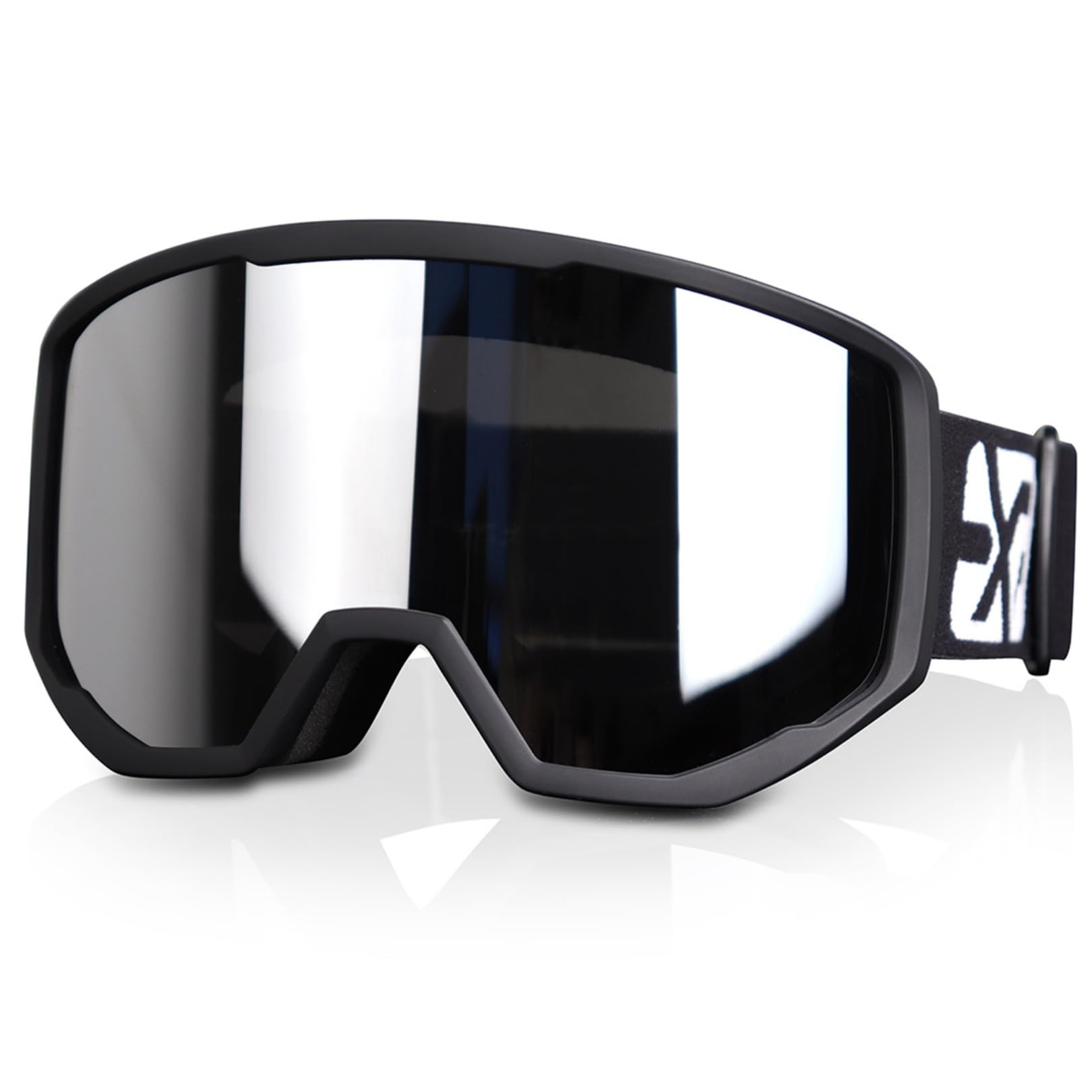
An affordable choice if you want comfortable and clear ski goggles with practical features for both men and women.
Pros
- Sponge frame is easy to clean and helps prevent odors.
- OTG design lets you wear glasses underneath.
- Anti-fog lens and strong UV protection add safety on the slopes.
Cons
- Some users may experience lens fogging during intense activity.
- Frames may feel a little less sturdy compared to higher-end models.
- Strap can be slightly tight for larger helmet sizes.
The EXP VISION Ski Goggles stand out for their user-friendly design and ability to fit over prescription glasses.
The detachable sponge makes cleaning simple, and the anti-fog lens keeps your view clear.
You get reliable UV protection, which is important during sunny snow days.
The ventilated frame also helps manage heat, although heavy exertion might still lead to some fogging for certain users.
These goggles are suitable for a range of head sizes and fit most helmets.
They’re best if you want budget-friendly comfort and don’t mind a lighter build compared to premium options.
Giro Cruz Ski Goggles

If you want affordable ski goggles that pair well with Giro helmets and help prevent fogging, the Giro Cruz Ski Goggles are a smart option.
Pros
- Wide and clear view with Expansion View Technology
- Lens stays fog-free thanks to anti-fog coating
- Secure fit with silicone-lined strap
Cons
- May not suit all face shapes, especially narrower fits
- Lacks swappable lenses for changing conditions
- Design is basic compared to premium options
These goggles give you a wide field of vision, so you can better see your surroundings on the slopes.
The lens has an anti-fog coating, which is helpful for keeping your view clear, especially when weather changes quickly.
The goggles are designed to fit seamlessly with all Giro helmets, making them good if you already own a Giro helmet or plan to get one.
Comfort is increased by the foam padding and the silicone lining inside the strap, which keeps the goggles in place all day.
They are Over-The-Glasses (OTG) friendly as well, so you can wear them over most prescription glasses without much trouble.
The style is simple, and it may not have features like interchangeable lenses that you might find on more expensive goggles.
If you have a narrow or low-bridge nose, the fit may not be perfect.
Buying Guide
When picking ski goggles, begin by thinking about lens type.
There are two main options: cylindrical lenses and spherical lenses.
Spherical lenses reduce glare and usually give a wider view.
Fit is also key.
Goggles should fit your face without gaps.
Most come with adjustable straps to help them stay secure while skiing.
Before buying, check if the goggles have anti-fog coating.
This helps keep your view clear, especially in cold or humid weather.
A good foam layer around the edge makes the goggles more comfortable.
Soft foam also helps seal out wind and snow.
| Feature | Why It Matters |
|---|---|
| Lens Type | Affects vision clarity and glare |
| Anti-fog Coating | Helps prevent fog buildup |
| Fit/Comfort | Keeps goggles secure and cozy |
| UV Protection | Shields eyes from harmful rays |
| Ventilation | Lets air flow, reducing fog |
List of Tips:
- Try the goggles on with your helmet to check for comfort and fit.
- Look for models with double lenses for extra fog resistance.
- Choose lenses that match the light conditions where you usually ski.
Ventilation keeps air moving inside your goggles.
This is important because it helps stop fog from forming.
Always make sure your goggles offer UV protection.
Sunlight can be strong in snowy areas, so it’s important to keep your eyes safe.
Frequently Asked Questions
When picking ski goggles, you need to consider features like lens technology, fit, and compatibility with helmets.
Quality options are available for every budget and face size.
What features should I look for in high-quality ski goggles?
Look for lenses that block 100% of UV rays and have an anti-fog coating.
Good ski goggles should also have ventilation, double-layer lenses, and a comfortable foam lining.
Adjustable straps help ensure a snug fit with your helmet.
How do photochromic ski goggles work and are they worth the investment?
Photochromic lenses change their tint based on light conditions.
In bright sunlight, the lenses get darker, and in low light, they become lighter.
They can be worth the extra money if you ski in areas where weather and lighting change often.
What are the top ski goggles for optimal visibility in varying light conditions?
You should look for goggles with interchangeable lenses or strong contrast-enhancing technology.
Models like the Smith I/O Mag, Oakley Line Miner PRIZM, and Anon M4 are known for their performance in different lighting.
Which ski goggles offer the best value for those on a budget?
Brands like OutdoorMaster and Zionor offer reliable goggles that cost less than premium brands.
These usually have UV protection, an anti-fog layer, and good comfort, even on a smaller budget.
How do I choose ski goggles that fit comfortably with my helmet?
Choose goggles with a flexible frame and adjustable strap for a secure fit with your helmet.
Check that the goggles seal well around your face, with no gaps.
Trying them on with your helmet before buying is the best way to confirm the fit.
What are the recommended ski goggles for women with smaller face profiles?
Look for models labeled “small fit” or “women’s.”
The Smith Riot, Giro Facet, and Oakley Flight Deck XM all work well for smaller faces.
These designs have narrower frames and shorter lenses for a better fit.