
Quick Hobbies for Busy People: 15 Activities You Can Start in Under 30 Minutes
Finding time for yourself feels impossible when work, family, and daily responsibilities fill every hour of your day. You might think hobbies require hours of commitment that you simply don’t have. Quick hobbies can fit into your busy schedule in just 5 to 30 minutes while still providing real benefits for your mental health, creativity, and overall well-being.

The right hobby doesn’t need to take over your life to make a difference. Simple activities help you relax and recharge even when your schedule feels packed. These short breaks from your routine can boost your mood and make your limited free time feel more purposeful.
This guide shows you practical hobbies that work with your busy lifestyle rather than against it. You’ll learn how to choose activities that match your interests and schedule, discover options across creative, physical, and social categories, and get tips for making these hobbies a regular part of your day.
Understanding the Benefits of Quick Hobbies

Quick hobbies deliver measurable improvements to your mental health, reduce daily stress, and help you work more efficiently. These benefits appear even when you spend just 15 to 30 minutes on an activity you enjoy.
Boosting Mental Well-Being
Regular hobby engagement creates positive changes in your emotional health. A 2023 study of 93,000 people ages 65 or older found that those with hobbies reported better health, more happiness, fewer depression symptoms, and higher life satisfaction compared to those without hobbies.
Quick hobbies give you a sense of accomplishment outside of work. You build skills, complete projects, and see progress in areas you care about.
These activities also reduce feelings of loneliness and create purpose in your daily routine. Even brief sessions of reading, drawing, or playing an instrument can improve your mood for hours afterward. The mental break shifts your focus away from work pressures and personal worries.
Relieving Stress Effectively
Engaging in enjoyable activities reduces stress and improves positive feelings by giving your mind a reset from daily pressures. Your body’s stress response decreases when you focus on something pleasant and absorbing.
Quick hobbies work because they don’t require large time commitments that add pressure to your schedule. You can spend 20 minutes gardening, knitting, or sketching without feeling guilty about other tasks.
Physical hobbies like walking or stretching release tension in your muscles. Creative activities like coloring or writing let you express emotions in healthy ways. The key is choosing activities that feel relaxing rather than competitive or stressful.
Enhancing Productivity
Short hobby breaks during your workday actually make you more productive. Your brain needs rest periods to maintain focus and solve problems effectively.
Short bursts of creative or relaxing activity significantly refresh your mind and body, which helps you return to work tasks with better concentration. You make fewer mistakes and think more clearly after these mental breaks.
Hobbies also improve skills that transfer to your job. Reading builds vocabulary and knowledge. Puzzles strengthen problem-solving abilities. Crafts develop patience and attention to detail.
Your energy levels stay higher throughout the day when you include hobby time. This prevents the afternoon slump that reduces work quality and extends your time at the office.
Criteria for Selecting Quick Hobbies
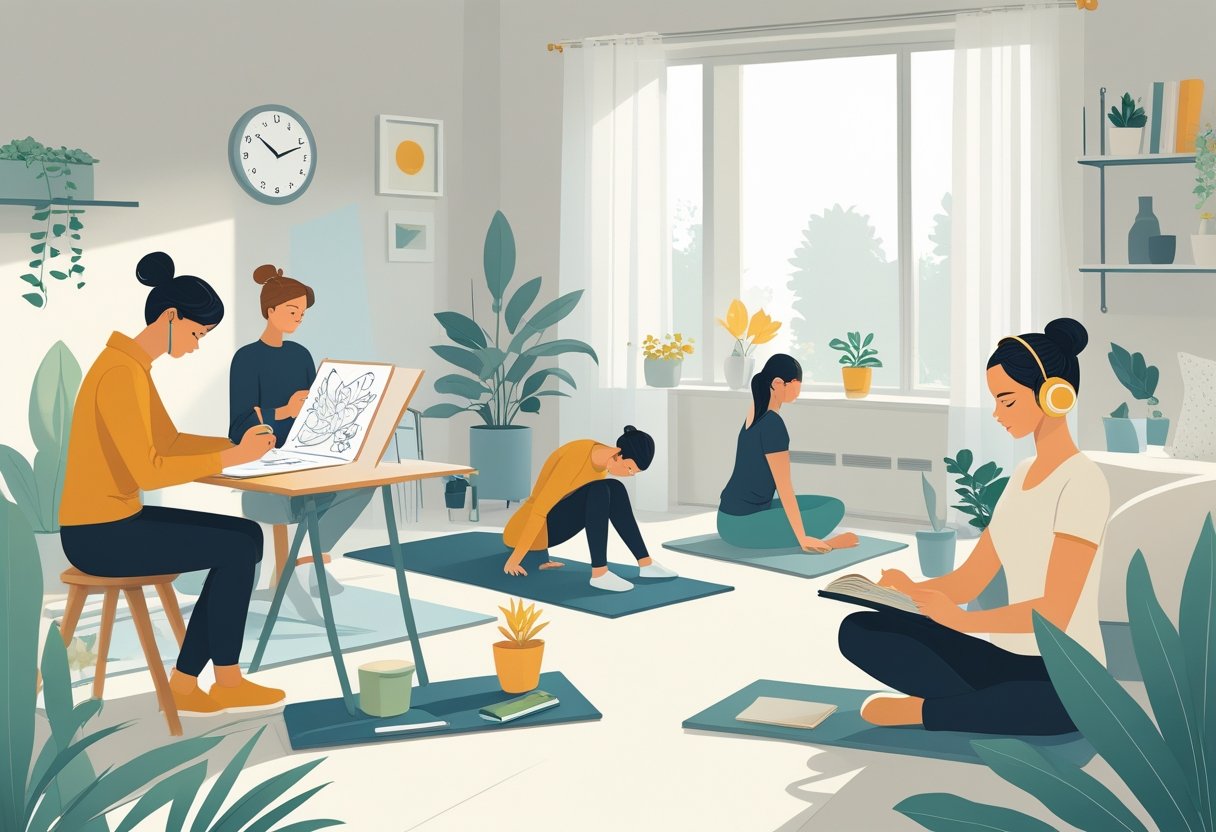
The best hobbies for busy schedules need minimal time investment, quick setup, and the ability to start anywhere without special equipment or preparation.
Time Requirements
You need hobbies that fit into short windows of 5 to 30 minutes. Look for activities you can start and stop without losing progress or momentum. Reading a few pages, sketching for ten minutes, or doing a quick puzzle all work because you don’t need to reach a specific endpoint.
Avoid hobbies that require long stretches of uninterrupted time. Activities like painting large canvases or complex woodworking projects demand focus periods that busy schedules rarely allow. Instead, pick hobbies with natural break points where you can pause without frustration.
Consider how much mental energy the hobby requires. After a long workday, you might prefer something relaxing like coloring over learning a new language. Match the hobby’s demands to your available energy level, not just your free time.
Setup and Cleanup Simplicity
The easier a hobby is to start, the more likely you’ll actually do it. Choose activities that need fewer than five items and take under two minutes to prepare. Knitting requires just yarn and needles. Journaling needs only a pen and notebook.
Compare this to hobbies like oil painting, which demands brushes, canvases, easels, paints, cleaning solvents, and protective coverings. The setup alone can take 15 minutes, and cleanup takes even longer. These barriers make it harder to maintain the habit.
Store your hobby supplies in one dedicated spot where everything stays ready to use. A small basket or bag keeps items together and removes another obstacle between you and starting.
Portability and Accessibility
Your hobby should travel with you or be available wherever you are. Portable activities like embroidery or cross-stitch fit in a purse or backpack and work during lunch breaks, waiting rooms, or commutes.
Digital hobbies offer similar flexibility since your phone is already with you. Photography, mobile games, or podcast listening require no extra items to carry. You can practice these hobbies during unexpected free moments throughout your day.
Some hobbies need specific locations or conditions. Swimming requires a pool, and stargazing needs clear skies and darkness. These restrictions limit when and where you can participate, making them harder to fit into unpredictable schedules.
Top Quick Creative Hobbies

Creative outlets don’t require hours of dedicated time or expensive supplies. You can express yourself artistically in 10 to 20 minutes with activities that fit into lunch breaks, morning routines, or evening wind-down time.
Sketching and Doodling
You need just a pen and paper to start sketching anywhere. Keep a small notebook in your bag or at your desk for quick five-minute drawing sessions throughout the day.
Doodling helps reduce stress and improves focus during meetings or phone calls. You don’t need artistic talent to benefit from putting pen to paper. Simple shapes, patterns, or quick observational drawings of objects around you work perfectly.
Start with basic exercises like drawing circles, squares, or everyday items like your coffee cup or phone. These simple creative activities help you relax without requiring significant time investment.
Basic supplies to get started:
- Ballpoint pen or pencil
- Small sketchbook or notebook
- 5-10 minutes of free time
Photography on the Go
Your smartphone makes photography one of the easiest creative hobbies to practice daily. You can capture interesting moments, patterns, or lighting during your commute, lunch break, or short walks.
Focus on a simple daily challenge to build your skills quickly. Try photographing one color throughout the day, capturing shadows, or finding interesting textures in your environment.
The best part about phone photography is that editing apps let you enhance images in minutes. You learn composition, lighting, and framing through regular practice without carrying heavy equipment.
Creative Writing Sprints
Writing for just 10 to 15 minutes can become a powerful creative hobby for busy people that helps you feel calmer and more focused. Set a timer and write whatever comes to mind without stopping to edit or judge your work.
Try different quick formats like three-sentence stories, writing prompts, or journaling about your day. Morning pages work well if you write three pages of stream-of-consciousness thoughts before starting your day.
You can use apps on your phone during commutes or keep a notebook for handwritten sessions. The key is consistency over perfection. Even brief daily writing sessions improve your clarity of thought and provide a mental reset from work stress.
Efficient Physical Hobbies for Busy Schedules
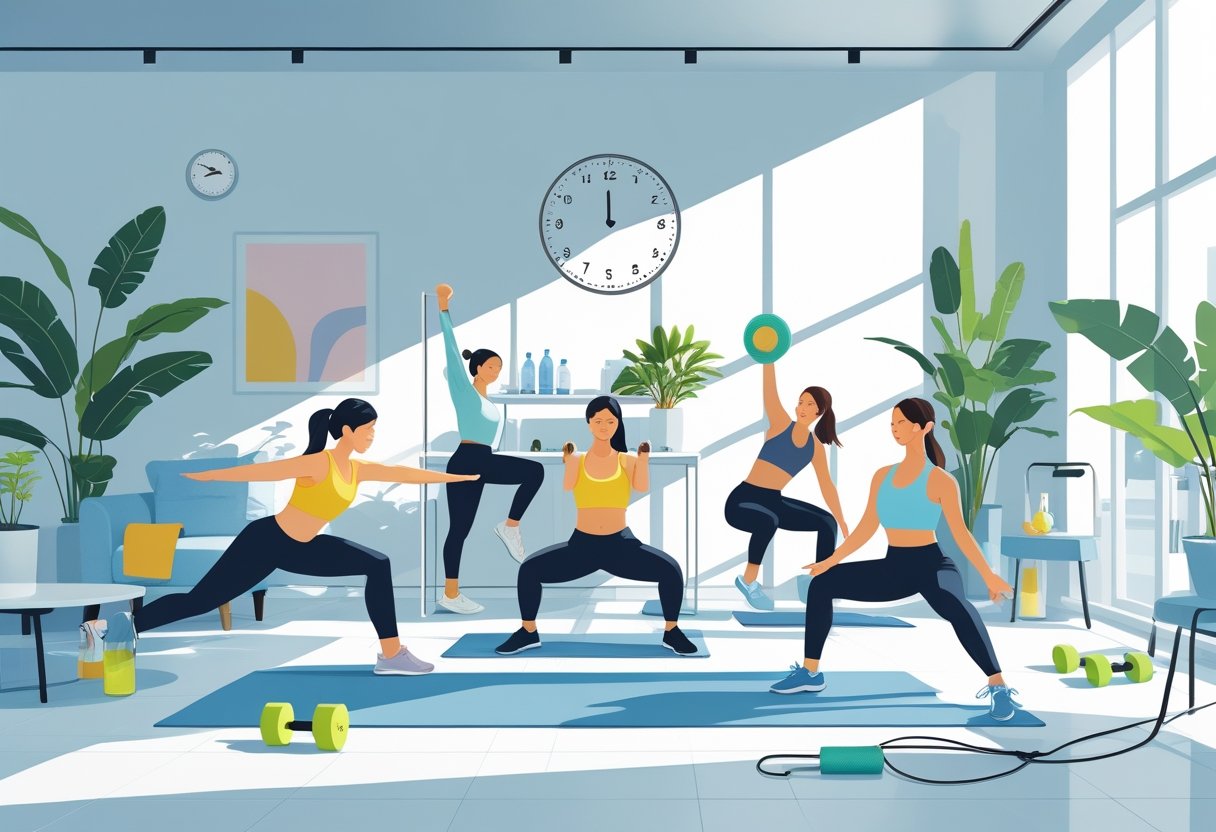
Physical hobbies don’t require hours at the gym or special equipment. You can stay active with short home workouts, quick yoga sessions, or simple walks that fit into any schedule.
Home Workouts
Home workouts let you exercise without travel time or gym fees. You can complete effective sessions in 15 to 30 minutes.
Bodyweight exercises work well for tight schedules. Push-ups, squats, lunges, and planks build strength using only your body weight. You can do these moves in your living room before work or during lunch breaks.
High-intensity interval training (HIIT) gives you maximum results in minimum time. These workouts alternate between short bursts of intense exercise and brief rest periods. A typical HIIT session lasts 10 to 20 minutes but burns as many calories as longer workouts.
Quick exercises for busy schedules can fit into small pockets of time throughout your day. You don’t need to block off large chunks of time to see results.
Simple Home Workout Options:
- 7-minute circuits
- 15-minute strength training
- 20-minute dance videos
- 10-minute ab routines
Yoga and Stretching Blocks
Yoga and stretching require minimal space and no equipment. A 10-minute session can reduce stress and improve flexibility.
Morning yoga helps you wake up and prepare for the day. Simple poses like cat-cow, downward dog, and child’s pose loosen tight muscles. You can practice these before your shower or while your coffee brews.
Evening stretching routines help you unwind after work. Gentle stretches release tension from sitting at a desk all day. Focus on your neck, shoulders, back, and hips where stress typically builds up.
You can find free yoga videos online that match your available time. Many apps offer 5 to 15-minute guided sessions. Relaxing hobbies perfect for busy people include these calm activities that reduce stress without taking up much time.
Walking or Jogging Routes
Walking and jogging fit easily into your existing routine. You can add steps during activities you already do each day.
Walk during phone calls or meetings when possible. Use stairs instead of elevators at work. Park farther from store entrances to add extra steps. These small changes add up to significant movement over time.
Short jog sessions work well for busy mornings or evenings. A 15-minute jog around your neighborhood provides cardiovascular benefits. You can gradually increase your distance as your fitness improves.
Incorporating physical activity into busy days becomes easier when you build movement into tasks you already complete. Walking to run errands instead of driving turns necessary trips into exercise opportunities.
Walking goals to start:
- 10 minutes after dinner
- 15 minutes during lunch
- 20 minutes on weekend mornings
Relaxing Mindfulness Activities
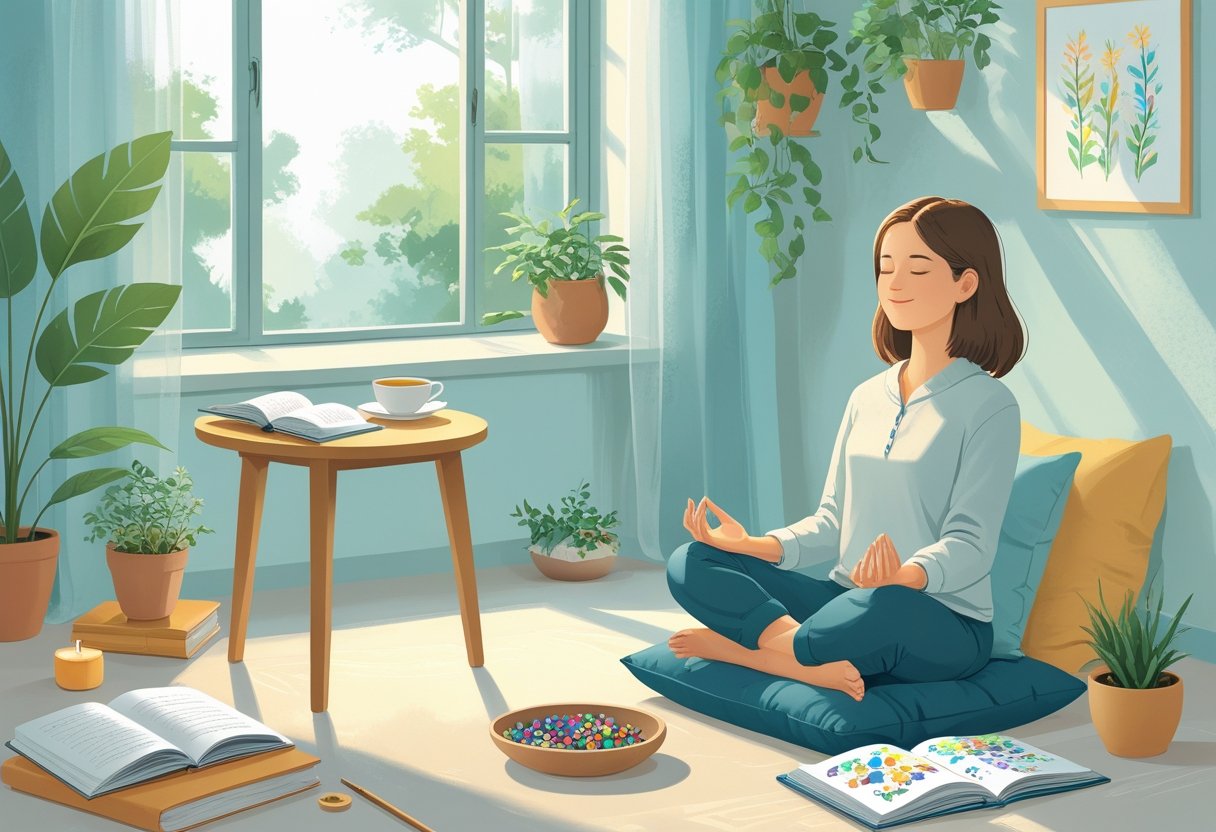
Mindfulness activities help you stay present and reduce stress through simple practices like focused meditation, brief writing sessions, and controlled breathing patterns. These activities fit into short breaks throughout your day.
Meditation
You can start meditation with just five minutes per day. Find a quiet spot where you won’t be disturbed and sit in a comfortable position.
Focus your attention on your breath as it moves in and out. When your mind wanders to other thoughts, gently bring your focus back to breathing. This is normal and happens to everyone.
You don’t need special equipment or training to begin. Simple mindfulness practices work well during lunch breaks or before bed. Many people use apps or timers to track their sessions.
Benefits of regular meditation:
- Lower stress levels
- Better focus at work
- Improved sleep quality
- Reduced anxiety
Start with shorter sessions and gradually increase the time as you get more comfortable with the practice.
Journaling Short Sessions
Writing for just 5 to 10 minutes can clear your mind and organize your thoughts. You don’t need to write long entries or follow specific rules.
Try writing about what happened during your day or what you’re grateful for. Some people prefer to write about their feelings or goals. Journaling can become a meditative practice that promotes relaxation and mental clarity.
Keep your journal by your bedside or desk for easy access. You can use a physical notebook or a digital app on your phone. The key is to write without judging yourself or worrying about grammar and spelling.
Set a timer if you need help staying on track. This prevents journaling from taking too much time from your schedule.
Breathing Exercises
Controlled breathing activates your body’s natural relaxation response. These exercises take only a few minutes and work anywhere.
Try the 4-7-8 technique: breathe in through your nose for 4 counts, hold for 7 counts, then exhale through your mouth for 8 counts. Repeat this cycle three to four times.
Another option is box breathing. Breathe in for 4 counts, hold for 4 counts, exhale for 4 counts, and hold again for 4 counts. This creates equal intervals that are easy to remember.
You can do these exercises at your desk, in meetings, or during commutes. They work well when you feel overwhelmed or need to refocus. Practice breathing exercises before stressful events like presentations or important conversations.
Quick Social and Group Hobbies

Social hobbies don’t have to eat up your entire evening. You can connect with others through quick game sessions, virtual meetups, or brief volunteer shifts that fit into your packed schedule.
Board Games and Card Games
Board games and card games offer excellent ways to meet people without requiring a huge time commitment. A quick round of cards takes 15-30 minutes, while many modern board games have fast-play versions designed for busy schedules.
You can join weekly game nights at local cafes or game stores. These events typically run for a few hours, but you can drop in for just one or two games.
Quick game options include:
- Uno (10-15 minutes)
- Exploding Kittens (15 minutes)
- Sushi Go! (15-20 minutes)
- Speed chess (10-30 minutes)
- Poker hands (20-30 minutes)
Card games work especially well because you can carry a deck anywhere. You can play during lunch breaks or before dinner plans. Game nights help you build friendships over shared experiences rather than just small talk.
Online Group Activities
Virtual group hobbies let you connect with others from home. You can join online book clubs that meet once a month for an hour-long discussion. Virtual trivia nights run 30-60 minutes and happen on scheduled evenings.
Online gaming communities offer flexible social time. You can log in for 20-minute sessions or longer gaming marathons when your schedule allows. Many people join Discord servers or gaming groups where they can drop in and out as needed.
Popular virtual activities:
- Online escape rooms (30-60 minutes)
- Virtual painting classes (1-2 hours)
- Zoom cooking sessions (30-45 minutes)
- Multiplayer video games (flexible timing)
These digital options work well because you skip travel time. You can socialize in comfortable clothes from your couch while still building real connections with other people.
Short Volunteer Opportunities
Many organizations need volunteers for brief shifts that take just 1-2 hours. Food banks often schedule volunteers for short sorting or packing sessions. Animal shelters welcome people who can walk dogs for 30-60 minutes.
Volunteering helps you make connections while contributing to your community. You meet like-minded people who care about similar causes. These shared values create natural conversation starters and friendships.
You can pick one-time events instead of ongoing commitments. Beach cleanups, charity runs, and community garden workdays happen on specific dates. This flexibility lets you help out when your calendar allows without pressure to attend every week.
Flexible volunteer options:
- Beach or park cleanups (2-3 hours)
- Dog walking at shelters (30-60 minutes)
- Food bank sorting (1-2 hours)
- Reading to kids at libraries (30-45 minutes)
Many volunteer coordinators understand busy schedules. They’ll work with you to find shifts that match your availability.
Integrating Quick Hobbies Into Daily Routines
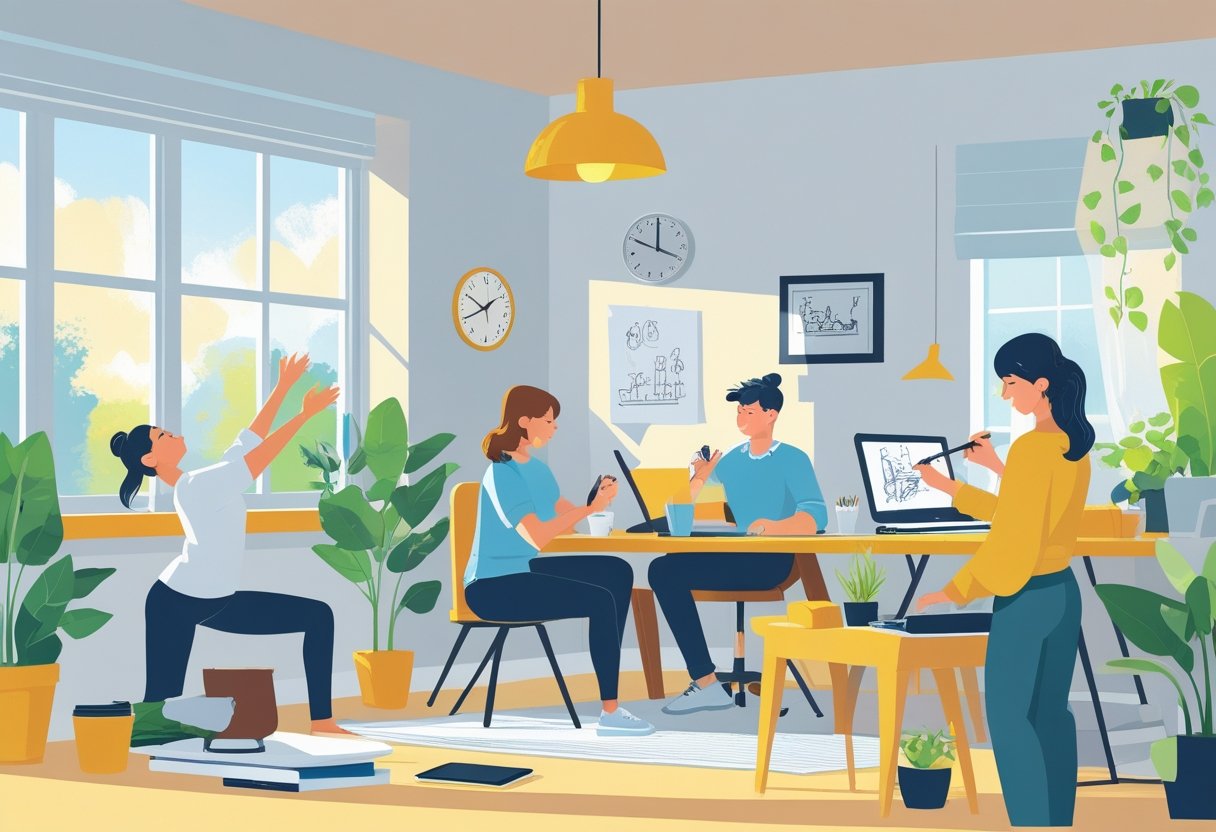
The key to maintaining hobbies is making them automatic parts of your day rather than optional activities you hope to squeeze in. Building hobbies into your existing schedule and using small pockets of time makes participation feel natural instead of forced.
Scheduling Short Breaks
You can integrate hobby time into your daily routine by treating it like brushing your teeth or eating meals. Set specific times for your hobbies and protect these blocks on your calendar.
Start with 15-30 minute slots that fit between existing commitments. Morning sessions work well before work starts. Lunch breaks offer another natural window. Evening time after dinner provides a third option.
Mark these sessions in your calendar or phone as non-negotiable appointments. When someone asks you to schedule something during your hobby time, treat it the same way you would a doctor’s appointment. You can also use technology like apps and reminders to keep your hobby blocks protected and consistent.
Best times for short hobby sessions:
- Early morning (6-7 AM)
- Mid-morning break (10-10:30 AM)
- Lunch hour (12-12:30 PM)
- After work (5:30-6 PM)
- Before bed (8:30-9 PM)
Maximizing Downtime
Your day contains more free moments than you realize. Waiting rooms, commutes, and commercial breaks add up to significant time.
Keep hobby supplies accessible in multiple locations. Store a small sketchbook in your bag. Download language learning apps on your phone. Keep a puzzle book in your car for waiting situations.
Hobbies that require minimal setup time work best for these gaps. Reading, journaling, mobile photography, and audio-based hobbies like podcasts or language learning need almost no preparation.
Combine hobbies with activities you already do. Listen to audiobooks while cooking dinner. Practice a language during your commute. Sketch while watching TV. These combinations let you enjoy hobbies without adding time to your schedule.
Tracking Progress and Staying Consistent
Recording your hobby activities helps you spot patterns and stay motivated. Use a simple method that takes less than a minute to update.
A basic habit tracker shows which days you completed your hobby. Draw an X on a calendar for each day you participate. Seeing a chain of X marks pushes you to keep going. Digital apps can send reminders and track streaks automatically.
Track time spent rather than achievement levels when starting out. Aim for consistency over perfection. Five sessions of 20 minutes each week beats one intensive two-hour session.
Review your tracking data monthly to identify obstacles. If you skip Mondays consistently, that day might not work for your hobby. Move the session to a better day. If morning sessions get skipped, try evenings instead.
Simple tracking methods:
- Paper calendar with checkmarks
- Spreadsheet with dates and duration
- Habit tracking apps
- Photo journal of completed work
- Time-blocking planners