Best Ski Helmets for Safety and Performance in 2026 / 2027 Season
Skiing and snowboarding are exciting winter sports, but they come with real risks of head injuries. A good ski helmet protects your head from impacts during falls or collisions on the mountain.
Modern ski helmets are designed to absorb shock, provide warmth, and offer comfort without being too heavy or bulky. The right ski helmet should fit snugly without pressure points, meet safety standards, and match the type of skiing you do.
Different helmets work better for different situations. Resort skiers might want extra features like audio compatibility or goggle integration, while backcountry skiers often prioritize lighter weight and better ventilation.
Price ranges vary widely, but a higher cost doesn’t always mean better protection. When shopping for a ski helmet, you need to focus on safety certifications, proper fit, and construction quality.
Look for certifications like ASTM F2040 or CE EN 1077, which show the helmet has passed impact testing. The fit system matters too because a helmet that moves around won’t protect you properly.
We spent weeks researching and testing fifteen ski helmets to identify the ones that offer the best combination of safety, comfort, and value.
Best Ski Helmets
Below is our full list of the best ski helmets. These helmets offer strong protection and comfort for your time on the slopes.
You’ll find options for different budgets and skiing styles.
OutdoorMaster Kelvin Ski Helmet

This helmet delivers solid protection and comfort at a budget-friendly price, though you’ll want to size up since it runs small.
Pros
- The 14 vents keep your head from overheating during long runs
- Removable ear pads and liner make cleaning easy after sweaty days
- You get 22 color choices to match your ski gear
Cons
- Sizing runs about one size smaller than expected
- The inner cushioning takes up space and affects fit
- Build quality feels less premium than higher-end options
The ventilation system really stands out when you’re working hard on the slopes. You won’t feel like your head is trapped in a sauna, even during warmer spring skiing days.
The airflow keeps things comfortable without letting in too much cold air. Taking this helmet on and off is simple thanks to the dial adjustment system at the back.
You can tighten or loosen the fit with one hand, which helps when you’re wearing gloves. The ear pads stay warm against your ears without feeling bulky, and there’s enough room to wear earbuds underneath if you like music while riding.
The matte finish looks clean and modern on the mountain. After a few full days of use, the helmet held up well in a ski bag during travel.
The reinforced shell feels sturdy enough to handle normal bumps and falls. You need to measure your head and add two centimeters before ordering.
The interior padding takes up more space than you’d expect, so what normally fits might feel tight with this helmet. Going up one size from your usual helmet size will save you from having to return it.
The removable liner is a practical feature for keeping things fresh. After several days of skiing, you can pull out the fleece interior and ear pads to wash them.
The helmet stays secure on your head without pressure points, even during aggressive turns or quick stops.
Smith Method MIPS Helmet

If you want a comfortable ski helmet with solid safety features that won’t feel heavy on your head during long days on the mountain, this is a strong choice.
Pros
- The helmet stays comfortable even after wearing it for full days of skiing without causing pressure points
- Eight vents work well with the AirEvac system to keep your head cool and prevent goggle fog
- MIPS technology and Koroyd protection give you extra safety if you take a fall
Cons
- The MIPS straps can rattle a bit inside the helmet shell when you move around
- The outer material may start to warp after several days of use
- You might need to size up from your normal helmet size
The Smith Method feels light on your head from the moment you put it on. You can wear it all day without getting that heavy feeling some helmets give you.
The ear pads keep you warm on cold days, and you can take them off when the weather gets milder. The ventilation system actually works.
Your goggles stay clear because the air flows through the helmet and pushes warm air away from your face. This matters when you’re riding hard or the temperature changes quickly.
The fit system adjusts to your head shape without you needing to mess with it much. You can wear a thin beanie underneath if you want extra warmth.
The helmet sits snug but doesn’t squeeze your head. The MIPS system adds good protection, though the interior straps can make small rattling sounds sometimes.
This doesn’t affect safety, but you might notice it on quieter runs. The helmet holds up well to impacts, though the outer shell may show wear faster than some other models if you ski frequently.
Giro Ledge MIPS
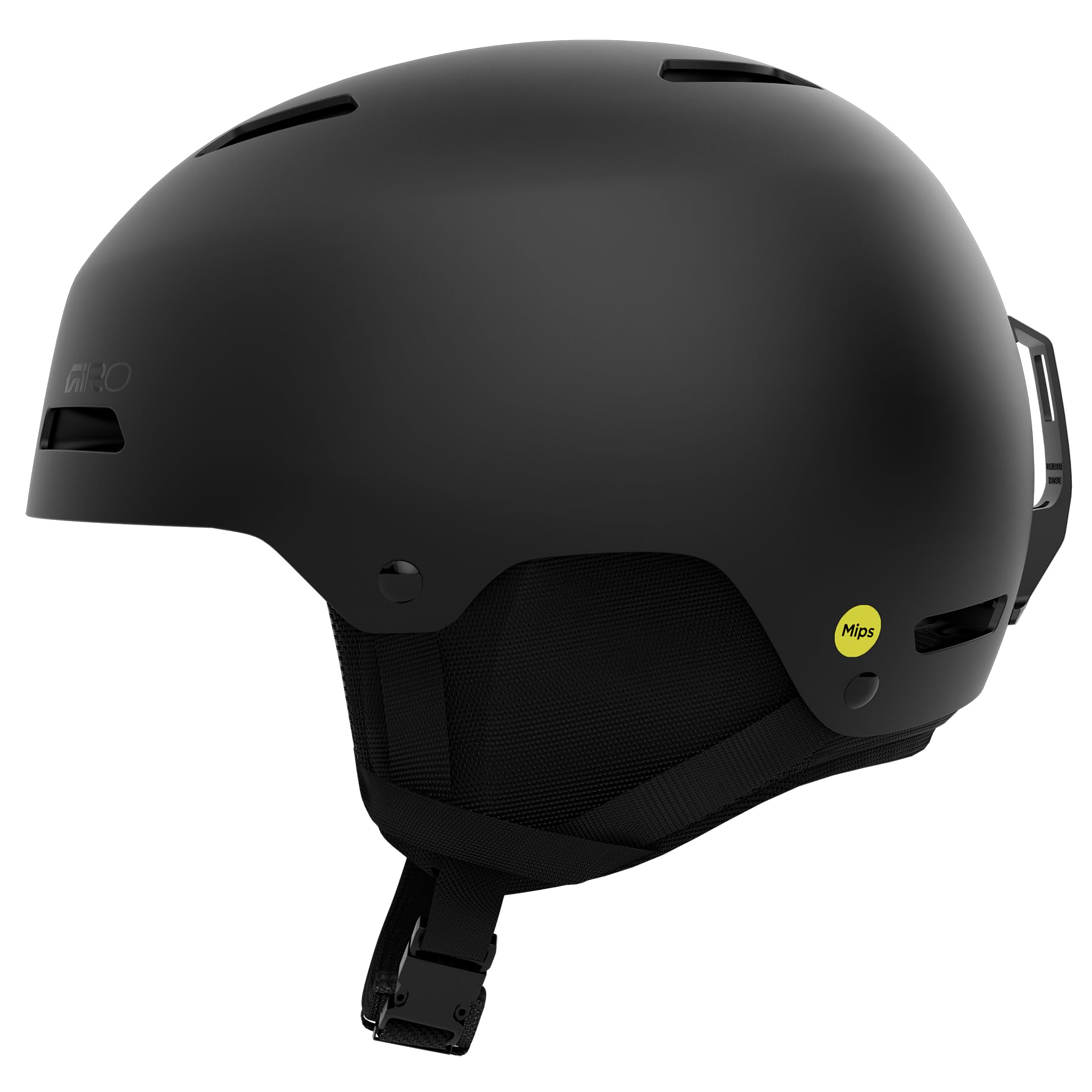
The Giro Ledge MIPS delivers solid protection and comfort for park riders who want safety features without breaking the bank.
Pros
- The Auto Loc 2 system adjusts itself to your head shape without fiddling with dials
- Airflow keeps you cool during hard runs and prevents goggle fog
- MIPS protection adds extra safety for rotational impacts
Cons
- Limited fine-tuning options compared to premium helmets
- Fit might differ from in-store models
- Removable ear pads could use better insulation for cold days
I just got back from the mountain wearing this helmet, and the ventilation really stands out. The front Stack Vent lines up perfectly with your goggles and pushes warm air out before it can fog up your lenses.
You can actually feel the breeze moving through when you pick up speed. The self-adjusting fit system works well once you set it to one of the three size options.
It cradles your head without creating pressure points. The vertical tuning feature lets you adjust the height while wearing the helmet, which helps match it up with different goggles.
MIPS technology gives you added protection if you take a fall at an angle. The hard shell construction feels sturdy without adding too much weight.
Your goggles sit flush against the helmet with no annoying gap that lets cold air in. The ear pads snap out easily if you want to add aftermarket audio.
Some riders might want more adjustment options than the three basic settings provide. The helmet stays comfortable during full days on the slopes and doesn’t shift around when you’re hitting jumps or rails.
OutdoorMaster Kelvin II MIPS Helmet

This helmet delivers solid protection and comfort at a reasonable price point, making it a smart choice if you want MIPS technology without breaking the bank.
Pros
- The MIPS system adds an extra layer of safety that gives you peace of mind on challenging runs
- Fourteen vents keep air flowing so you don’t overheat during long days on the mountain
- The adjustable dial system lets you get a custom fit in seconds
Cons
- The ear pads could be larger if you like wearing headphones under your helmet
- Getting your goggles to sit just right takes some adjustment at first
- The helmet works well with balaclavas but adds a bit of bulk
The OutdoorMaster Kelvin II MIPS Helmet impressed me right out of the box with its lightweight feel. You can wear this all day without feeling like your neck is getting a workout.
The soft inner lining sits comfortably against your head, and the removable ear pads give you options depending on the temperature. MIPS technology is the standout feature here.
This system helps reduce rotational forces during angled impacts, which is exactly what happens in most real-world falls. You’re getting safety tech that used to only show up in expensive helmets.
The ventilation works better than expected. Those fourteen holes aren’t just for show.
Even when you’re working hard on moguls or tree runs, air moves through without letting cold wind blast your head. The vents help regulate temperature so you stay comfortable instead of sweaty.
Fit adjustments are simple with the rear dial system. You can tighten or loosen the helmet even with gloves on.
The chin strap stays soft against your skin and doesn’t dig in like some cheaper options do. One thing to note is the goggle fit.
While the OutdoorMaster Kelvin II works with most goggles, you might need to fiddle with the positioning to eliminate gaps. Once you find the sweet spot, everything stays locked in place through full days of riding.
Giro Ledge Ski Helmet
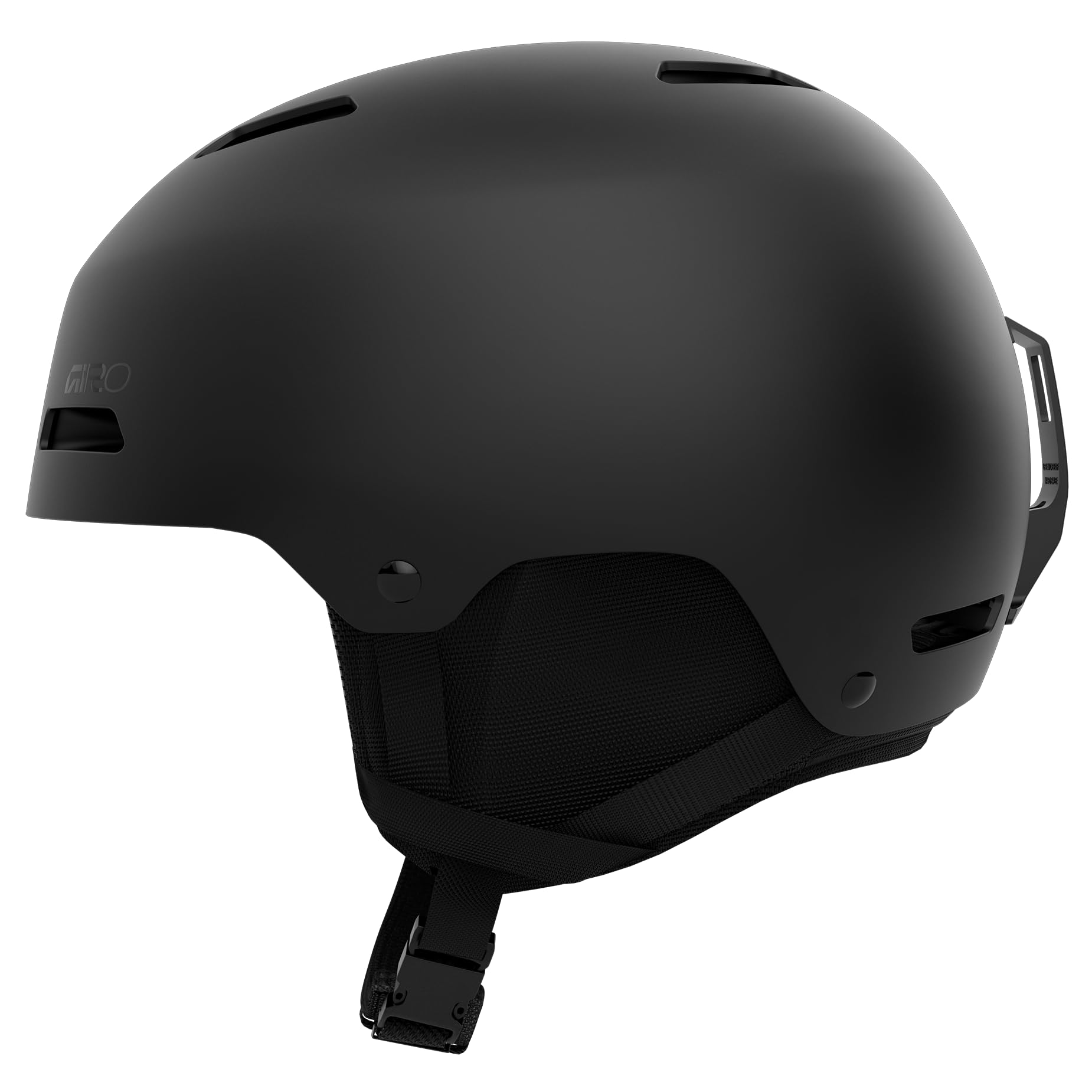
The Giro Ledge offers solid protection and reliable performance at a budget-friendly price point, making it a smart choice if you want basic safety without spending too much.
Pros
- The hard shell build feels tough and provides good impact protection when you take falls
- You can easily remove the ear pads if you prefer a lighter setup or want to use your own audio system
- The ventilation system keeps air flowing well and helps prevent your goggles from fogging up
Cons
- The fit runs small and tight, even on the largest adjustment setting for bigger heads
- The lack of a dial adjustment system makes it harder to get a custom fit compared to other helmets
- The overall construction feels less premium than some competitors in this price range
I took this helmet out for multiple days on the mountain and it handled everything I threw at it. The vents up top did a great job pushing hot air out while riding.
When I paired it with Giro goggles, the fit was nearly perfect with no gap between the helmet and goggle. The hard shell construction might not be as fancy as in-mold designs, but it definitely works.
I took a couple hard falls and walked away without any issues. The helmet absorbed the impacts well and showed minimal damage on the outside.
Getting the right fit took some work though. The Auto Loc 2 system uses an elastic band instead of a dial, which means less precise adjustments.
If you have a larger head, you might find it runs snug even at the widest setting. The vertical tuning feature does help dial things in once you have the basic size right.
Taking out the ear pads was simple and gave me more room to add my own speakers. The goggle retainer on the back stayed secure through full days of riding.
For the price, you get a functional helmet that does its main job of protecting your head without extra bells and whistles.
Buying Guide
When you shop for a ski helmet, you need to think about several important features. The right choice depends on your skill level and how you ski.
Safety Certifications
Look for helmets that meet safety standards. Check for certifications like ASTM F2040 or CE EN 1077.
These labels mean the helmet passed impact tests and will protect your head properly.
Fit and Sizing
Your helmet must fit snugly without being too tight. Measure your head circumference just above your eyebrows.
Most helmets come in small, medium, large, and extra-large sizes. Try the helmet with your goggles to make sure they work together without gaps.
Ventilation
Good airflow keeps you comfortable on the mountain. Adjustable vents let you control temperature based on weather and activity level.
More vents mean better cooling but less warmth in cold conditions.
Construction Type
| Type | Description | Best For |
|---|---|---|
| In-mold | Foam fused to outer shell | Lighter weight, less expensive |
| Hardshell | Separate plastic shell over foam | More durable, better for aggressive skiing |
Additional Features
Consider these extras based on your needs:
-
Audio compatibility for music and phone calls
-
MIPS technology for rotational impact protection
-
Goggle clip to secure goggles when not in use
-
Removable ear pads for warmer days
Weight matters if you ski all day.
Lighter helmets reduce neck strain.
Pick a helmet that balances protection with comfort for your skiing style.