
A Complete Guide to Making Friends Through Your Hobby: Building Lasting Connections Through Shared Interests
Making friends as an adult often feels challenging, but your existing hobbies provide the perfect foundation for building meaningful connections. Shared interests create natural conversation starters and give you common ground with potential friends, making the friendship process feel organic rather than forced. When you pursue activities you genuinely enjoy, you automatically attract like-minded people who share your passions.
Social hobbies offer a low-pressure way to connect while you focus on something you love. Whether you enjoy fitness activities, creative pursuits, or volunteer work, these shared experiences build the trust and familiarity that strong friendships require.
The key lies in choosing the right social activities and knowing how to transition from hobby partners to genuine friends. With the right approach, your hobbies become secret portals to great friendships without feeling awkward or desperate.
Key Takeaways
- Shared interests create natural connections that make friendship development feel organic and comfortable
- Choosing social hobbies that align with your personality helps you meet compatible potential friends
- Building genuine friendships requires transitioning from hobby interactions to deeper personal connections
Understanding the Power of Shared Interests
Hobbies create natural conversation starters and provide structured activities that reduce social anxiety. The psychological mechanisms behind activity-based bonding involve shared experiences and common goals that accelerate trust-building between strangers.
Why Hobbies Are Effective for Building Friendships
Hobbies eliminate the pressure of forced conversation by giving you something specific to focus on together. When you join a photography club or cooking class, the activity itself becomes the foundation for interaction.
Shared interests provide natural ways to bond because they create regular meeting opportunities. You attend weekly guitar lessons or monthly hiking trips, establishing consistent contact with the same people.
Key advantages of hobby-based friendships:
- Structured interaction: Activities provide clear frameworks for socializing
- Regular meetings: Consistent schedules build familiarity over time
- Natural conversation: Shared experiences create talking points
- Reduced anxiety: Focus on the activity lessens social pressure
The activity serves as a social buffer during awkward moments. If conversation lulls during a pottery class, you can redirect attention to your clay project.
Hobby groups offer spaces to build relationships through activities rather than small talk. This approach works particularly well for introverted individuals who struggle with traditional social situations.
Psychology Behind Bonding Through Activities
Your brain forms stronger connections with people when you share positive experiences together. Participating in enjoyable activities triggers the release of dopamine and endorphins, which your mind associates with the people present.
The mere exposure effect explains why repeated hobby meetings build friendships. The more frequently you see the same faces at book club or tennis practice, the more familiar and comfortable they become.
Psychological mechanisms at work:
- Shared accomplishment: Completing projects together builds team bonds
- Vulnerability: Learning new skills creates authentic moments of openness
- Mirror neurons: Watching others perform activities creates neural connections
- Positive association: Fun experiences link emotionally to the people involved
Engaging with others who share similar interests opens new doors for personal growth. You discover different approaches to your hobby through other practitioners.
Trust develops faster when you observe how people handle challenges during activities. You see their patience during difficult yoga poses or their encouragement when someone struggles with a recipe.
Identifying Shared Values and Interests
Start by listing your genuine interests rather than what you think others want to hear. Write down activities that energize you and hobbies you pursue without external motivation.
Methods to discover compatibility:
| Approach | What It Reveals |
|---|---|
| Activity choices | Personality traits and energy levels |
| Learning styles | Communication preferences |
| Commitment levels | Reliability and priorities |
| Problem-solving | Character under pressure |
Common values and beliefs foster mutual understanding beyond just enjoying the same activity. Someone who values environmental conservation might gravitate toward hiking, gardening, or sustainable crafting.
Pay attention to how potential friends approach your shared hobby. Do they focus on competition or collaboration? Are they perfectionists or process-oriented learners?
Look for people whose participation style matches yours. If you enjoy casual weekend photography walks, seek others who prioritize enjoyment over technical expertise.
Active listening skills help you identify deeper connections during hobby interactions. Listen for underlying motivations and values that drive their interest in the activity.
Choosing the Right Hobby for Socializing
The key to successful friend-making lies in matching your personality type with activities that offer regular interaction opportunities. Understanding whether you thrive in large groups or prefer intimate settings will guide you toward hobbies where natural connections flourish.
Assessing Your Personality and Preferences
Your personality type determines which social environments will feel comfortable and energizing. Introverts often succeed in smaller, structured groups like book clubs or crafting circles where conversations flow naturally around shared interests.
Extroverts typically enjoy social hobbies that involve larger gatherings such as dance classes, team sports, or community theater. These environments provide multiple interaction opportunities and higher energy social exchanges.
Consider your communication style preferences:
- Direct communicators excel in debate clubs or competitive activities
- Collaborative types thrive in group projects like community gardens
- Creative personalities connect through art classes or music groups
Your schedule flexibility also matters. Weekly commitments like yoga classes build stronger relationships than sporadic events. Regular attendance allows you to develop deeper connections with the same people over time.
Think about your comfort zone boundaries. Pushing slightly outside your comfort zone encourages growth, but choosing activities that feel completely foreign may create unnecessary stress that hinders natural social connections.
Social vs. Solitary Hobbies
Social hobbies thrive on collaboration, communication, and shared experiences while providing natural conversation starters. Activities like cooking classes, hiking groups, or board game nights create built-in interaction opportunities.
Solitary hobbies like reading, painting, or gardening can become social when you join related groups. A book club transforms solitary reading into group discussions. Art classes add community elements to individual creative pursuits.
High-Social Hobbies:
- Team sports (volleyball, soccer)
- Group fitness classes
- Community theater
- Volunteer organizations
Moderate-Social Hobbies:
- Photography clubs
- Language exchange groups
- Hobby workshops
- Walking groups
Some traditionally solitary activities offer surprising social potential. Photography walks combine individual creativity with group exploration. Writing workshops blend personal expression with peer feedback and support.
The interaction frequency matters more than the hobby type. Weekly pottery classes build stronger friendships than monthly photography meetups, even though both involve creative expression.
Discovering Community-Based Activities
Local community centers serve as hubs for social hobbies that help you connect with others in your immediate area. These venues often host recurring classes, clubs, and events that attract neighbors seeking similar social connections.
Libraries frequently organize book clubs, crafting circles, and educational workshops. Parks and recreation departments coordinate outdoor activities like hiking groups, sports leagues, and seasonal events.
Community Resources to Explore:
- Community colleges (continuing education classes)
- Religious organizations (hobby groups, service projects)
- Local gyms and studios (group fitness, martial arts)
- Volunteer organizations (habitat restoration, food banks)
Online platforms like Meetup.com help you locate established hobby groups in your area. Search by specific interests and location to find groups with regular meeting schedules and active membership.
Consider joining a running club or similar fitness-focused groups that combine health goals with social interaction. These groups often welcome beginners and provide natural motivation through group accountability.
Professional associations related to your career interests offer networking opportunities that blend hobby-like activities with career development. Photography associations, writing groups, and technology clubs provide skill-building alongside relationship-building.
Joining and Participating in Hobby Groups
Successfully joining hobby groups requires strategic research to find the right communities and understanding how to engage meaningfully with fellow enthusiasts. Your approach to first interactions and ongoing participation determines whether casual meetups transform into lasting friendships.
Locating Local and Online Communities
Start your search by asking friends, coworkers, and family members about group activities you might join. Many people already participate in hobby communities but don’t always advertise their involvement.
Social media platforms and online forums offer extensive networks for hobby-based groups. Facebook Groups, Reddit communities, and Discord servers host active discussions around specific interests.
Local Resources:
- Community centers and libraries
- Coffee shop bulletin boards
- Local newspaper event listings
- University extension programs
Apps like Meetup, Eventbrite, and specialized platforms help you discover nearby gatherings. Many cities maintain recreation department websites listing seasonal clubs and ongoing programs.
Visit hobby shops related to your interests. Store owners often know about local clubs and can connect you with organizers.
Online Platforms:
- Facebook Groups for geographic areas
- Reddit subreddits with local meetup posts
- Discord servers with regional channels
- Specialized forums like BoardGameGeek or photography communities
Best Practices for Group Interaction
Arrive consistently to build recognition among regular members. Sporadic attendance makes it difficult to develop meaningful connections with other participants.
Ask open-ended questions about techniques, experiences, or recommendations. Most hobby enthusiasts enjoy sharing knowledge and discussing their passion with interested newcomers.
Effective Conversation Starters:
- “How did you get started with this hobby?”
- “What project are you working on currently?”
- “Do you have any tips for beginners?”
- “What’s your favorite aspect of this activity?”
Offer help during group activities or volunteer for organizational tasks. Contributing effort demonstrates commitment to the community beyond personal benefit.
Share your own experiences and challenges without dominating conversations. Balance listening with participating in discussions about techniques, failures, and successes.
Respect different skill levels and avoid comparing abilities. Hobby groups thrive when members support each other regardless of experience differences.
Making a Positive First Impression
Research the group’s format and typical activities beforehand. Understanding whether meetings are formal presentations, hands-on workshops, or casual discussions helps you prepare appropriately.
Bring necessary supplies or materials to participate fully. Nothing signals disinterest more than arriving unprepared for the planned activity.
Introduce yourself to multiple people rather than attaching to one person. Spreading conversations across the group increases your chances of finding compatible personalities.
First Meeting Checklist:
- ✓ Arrive 10 minutes early
- ✓ Bring business cards or contact information
- ✓ Dress appropriately for the activity
- ✓ Turn off phone notifications
- ✓ Prepare 2-3 questions about the hobby
Listen actively to ongoing conversations and contribute relevant comments. Avoid immediately sharing extensive personal stories or unrelated topics.
Follow up after meetings by connecting on social media or exchanging contact information with people you enjoyed talking with. Building relationships requires continued contact beyond single interactions.
Express genuine interest in other members’ projects or achievements. Remember specific details about their work to reference in future conversations.
Initiating Conversations and Building Rapport

Starting meaningful conversations in hobby environments requires specific icebreakers that connect to shared interests, actively identifying common ground beyond surface-level activities, and developing strong listening skills that encourage deeper connections with potential friends.
Icebreakers for Hobby Settings
Your opening words set the tone for every potential friendship. In hobby environments, you have an immediate advantage because shared interests provide natural conversation starters.
Equipment-based icebreakers work particularly well. Ask about someone’s gear, tools, or materials they’re using. “That’s an interesting brush technique – what type of bristles work best for watercolors?” or “Your hiking boots look well-traveled – any favorite trail recommendations?”
Process questions demonstrate genuine curiosity about their approach. Instead of generic compliments, focus on specific techniques or methods you observe. “I noticed you’re using a different knot for that – where did you learn that technique?”
Experience-sharing icebreakers create immediate connection points. Share a brief relevant experience and invite their perspective. “I tried oil painting last month and struggled with blending – have you found any tricks that help?”
The key lies in asking open-ended questions that require more than yes-or-no answers. This naturally extends conversations beyond initial contact.
Finding Common Ground with Potential Friends
Shared hobbies provide the initial connection, but lasting friendships develop when you discover deeper commonalities. Building meaningful connections requires moving beyond surface-level hobby talk.
Listen for life circumstances that match yours. Parents in photography clubs often bond over balancing family time with creative pursuits. Students in book clubs may share academic stress alongside literary interests.
Values and motivations reveal stronger connection points than technical skills. Someone who hikes for mental health benefits may connect differently than someone focused on physical fitness goals, even though both enjoy trails.
Pay attention to learning styles and preferences. Some people prefer structured workshops while others enjoy informal practice sessions. Identifying these preferences helps you suggest activities you’ll both enjoy.
Lifestyle compatibility matters for friendship sustainability. Early risers who attend morning yoga classes naturally sync better for future meetups than night owls who prefer evening sessions.
Listening and Responding Effectively
Active listening transforms casual hobby conversations into friendship foundations. Effective communication techniques focus on genuine engagement rather than waiting for your turn to speak.
Reflect and clarify what you hear. “It sounds like you started pottery after your job change – was that part of managing stress?” This shows you’re processing their words thoughtfully.
Ask follow-up questions that demonstrate interest in their experience. Move from “How long have you been gardening?” to “What drew you to native plants specifically?”
Share relevant responses that build on their contributions. Avoid hijacking conversations with your own stories. Instead, offer brief related experiences that show understanding and invite continued sharing.
Remember specific details from previous conversations. Asking about their weekend workshop or upcoming competition shows you value what they’ve shared.
Your body language reinforces verbal engagement. Face the person directly, maintain appropriate eye contact, and avoid checking your phone during conversations.
Nurturing and Sustaining Hobby-Based Friendships
Building meaningful friendships through hobbies requires deliberate effort beyond initial connections. You must actively invest time in deepening relationships, expand interactions beyond hobby activities, and maintain consistent communication to create lasting bonds.
Transitioning From Acquaintance to Friend
The shift from casual hobby partner to genuine friend happens through intentional relationship building. You need to invest specific amounts of time together to deepen your connection.
Research shows that friendships develop through time milestones – reaching different levels after 50, 90, or 200 hours together. Track your interactions to understand where your relationships stand.
Key transition strategies:
- Share personal stories during hobby downtime
- Ask about their life outside the shared interest
- Remember details they mention about work, family, or goals
- Offer help with hobby-related challenges
Start conversations that go beyond your shared activity. Ask about their weekend plans, career goals, or family situations during natural breaks.
Invite them to grab coffee or lunch after your regular hobby session. This creates opportunities for deeper conversations away from the structured activity environment.
Show genuine interest in their progress and celebrate their achievements within the hobby. Acknowledge improvements in their skills or completion of personal goals.
Organizing Social Activities Outside the Hobby
Expanding your friendship beyond the hobby setting strengthens your bond and creates diverse shared experiences. Plan activities that accommodate different interests and comfort levels.
Activity suggestions by relationship stage:
| Friendship Level | Recommended Activities | Duration |
|---|---|---|
| Early friendship | Coffee meetups, casual lunch | 1-2 hours |
| Developing bond | Movies, local events, group dinners | 2-4 hours |
| Strong friendship | Weekend trips, family gatherings | Full day+ |
Start with low-commitment activities like grabbing coffee after your hobby session. These brief interactions feel natural and don’t create pressure.
Organize group activities that include multiple hobby friends. Plan potluck dinners, game nights, or attend local festivals together as a group.
Consider their lifestyle constraints when planning. Parents might prefer daytime activities, while working professionals may prefer evening or weekend events.
Create recurring social traditions like monthly dinners or seasonal celebrations. These regular touchpoints maintain connection even when hobby schedules change.
Maintaining Long-Term Connections
Sustaining hobby-based friendships requires consistent effort and adaptation as life circumstances change. You must maintain contact even when hobby participation becomes irregular.
Stay connected through multiple communication channels. Exchange phone numbers, connect on social media, and send occasional text messages between hobby sessions.
Maintenance strategies:
- Send photos or articles related to your shared hobby
- Check in during significant life events or holidays
- Share opportunities like workshops or events they might enjoy
- Maintain contact even if they stop participating in the hobby
Be flexible when their hobby participation decreases due to work, family, or health changes. Continue the friendship through other activities or communication methods.
Remember important dates like birthdays, anniversaries, or significant achievements. These gestures show you value them beyond the hobby connection.
Create backup communication methods for when hobby groups disband or change locations. Exchange contact information early in the relationship to maintain connections.
Support them through challenging periods in their lives. Building supportive circles creates relationships that contribute to long-term well-being and mutual support.
Overcoming Challenges in Making Friends
Building friendships through hobbies brings unique obstacles that can derail your social goals. Social anxiety and fear of rejection are the two primary barriers that prevent meaningful connections from forming in hobby-based settings.
Dealing with Social Anxiety
Social anxiety affects your ability to engage naturally with fellow hobby enthusiasts. Your mind creates worst-case scenarios before you even speak to someone new.
Physical symptoms include sweating, rapid heartbeat, and shaky voice when approaching potential friends. These reactions make conversations feel forced and uncomfortable.
Start with low-pressure interactions during hobby activities. Comment on someone’s technique or ask about their equipment. These topic-specific conversations feel more natural than general small talk.
Overcoming fear of rejection when making new friends requires acknowledging your fear first. Practice progressive exposure by increasing social interaction gradually.
Arrive 15 minutes early to hobby meetups when fewer people are present. This reduces overwhelming social situations and allows one-on-one conversations.
Focus on shared interests rather than personal topics initially. Discussing hobby techniques, equipment reviews, or upcoming events creates common ground without vulnerability.
Handling Rejection or Setbacks
Not every social interaction leads to friendship, and this reality requires mental preparation. Some people attend hobby groups purely for the activity without seeking social connections.
Mismatched expectations create perceived rejection when others prefer casual acquaintances over deeper friendships. Their disinterest reflects personal preferences, not your worth as a friend.
Document successful interactions in a journal to counteract negative thinking patterns. Write down positive responses, shared laughs, or exchanged contact information from recent hobby events.
Reframe setbacks as data collection rather than failures. Each interaction teaches you about social dynamics within your hobby community and refines your approach.
Timing matters significantly in friendship development. Someone declining plans this week might accept invitations next month due to changing circumstances or growing comfort levels.
Building confidence starts with embracing vulnerability and focusing on potential meaningful connections rather than avoiding disappointment.
Expanding Your Social Circle Through Your Hobby
Building meaningful connections through shared interests requires strategic networking and active participation in hobby-related activities. You can multiply your social reach by engaging with fellow enthusiasts at events and bridging connections between different hobby communities.
Networking with Like-Minded Individuals
Your hobby provides natural conversation starters with people who share your passion. Social hobbies create low-pressure environments where connections form organically around shared interests.
Join online forums and social media groups dedicated to your hobby. Post photos of your projects, ask questions, and offer advice to others. These digital interactions often translate into real-world friendships.
Key networking strategies:
- Attend regular hobby meetups in your area
- Participate in online discussions consistently
- Share your knowledge with beginners
- Ask for advice from experienced practitioners
Your local hobby shops, studios, or venues serve as gathering spots for enthusiasts. Visit regularly and engage with staff and customers. These locations often host informal meetups or can connect you with local groups.
Consider mentoring newcomers or seeking mentorship from experienced hobbyists. This creates deeper bonds than casual interactions and establishes ongoing relationships based on mutual learning.
Leveraging Events and Collaborations
Hobby-related events offer concentrated opportunities to meet multiple people who share your interests. Workshops, competitions, and exhibitions attract dedicated enthusiasts willing to invest time and money in their passion.
Sign up for classes or workshops even if you’re already skilled. These structured environments facilitate natural interactions during breaks and group activities. You’ll meet people at various skill levels with different perspectives.
Event types to target:
- Local craft fairs or maker markets
- Hobby conventions and trade shows
- Skill-building workshops
- Competition events
Propose collaborative projects with people you meet. Joint ventures like group photography expeditions, cooking challenges, or art installations create lasting bonds through shared accomplishment.
Volunteer to help organize events or assist with setup. Event organizers often need extra hands, and volunteering puts you in contact with the most active community members.
Create your own small gatherings. Book clubs provide excellent opportunities for meaningful discussions while exploring shared interests.
Connecting Across Different Hobby Groups
Cross-pollination between related hobby communities expands your network exponentially. Photography enthusiasts often overlap with hiking groups, while cooking hobbyists connect with gardening communities.
Identify complementary hobbies that attract similar personality types. Woodworkers often enjoy metalworking, while knitters frequently participate in book clubs or writing groups.
Related hobby connections:
| Your Hobby | Related Communities |
|---|---|
| Photography | Hiking, travel, nature groups |
| Cooking | Gardening, wine tasting, farmers markets |
| Writing | Book clubs, poetry readings, storytelling events |
| Music | Dance classes, theater groups, recording studios |
Attend events outside your primary hobby but within your broader interests. A ceramics enthusiast might enjoy art gallery openings where they’ll meet painters, sculptors, and other creative individuals.
Professional networking through hobbies creates connections that serve multiple purposes. Your weekend photography group might include graphic designers, marketing professionals, or small business owners.
Bridge different groups by organizing crossover events. Host a potluck where your cooking club meets your hiking group, or arrange a photography walk that combines your camera club with local nature enthusiasts.
Frequently Asked Questions
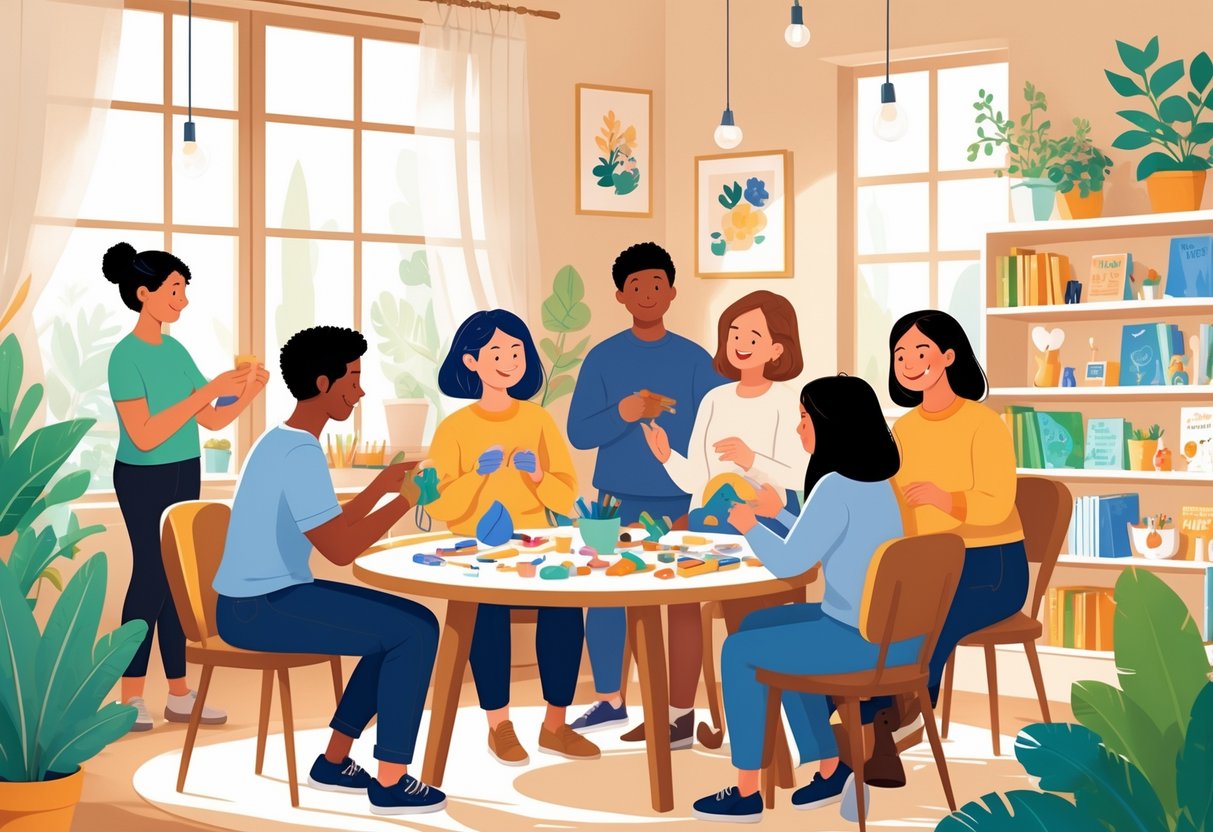
Building meaningful connections through shared interests requires specific strategies and clear communication approaches. These common questions address the practical steps for finding hobby communities, connecting with fellow enthusiasts, and maintaining lasting friendships.
What strategies can help me connect with others who share my hobby?
Spend time with people who have similar interests and show genuine curiosity about their experiences. Ask specific questions about their techniques, favorite projects, or how they got started in the hobby.
Share your own knowledge and experiences without dominating conversations. Offer helpful tips or resources when appropriate, but listen more than you speak.
Participate actively in group activities rather than staying on the sidelines. Volunteer to help with events, demonstrations, or teaching newcomers.
Bring extra supplies or tools to share when attending hobby meetups. This creates natural opportunities for interaction and demonstrates your willingness to contribute to the community.
How can I find local groups or events related to my hobby?
Search social media platforms like Facebook and Meetup for local hobby groups. Many communities maintain active pages with regular event announcements and member discussions.
Check community centers, libraries, and hobby shops for bulletin boards with group information. These locations often host meetings or maintain contact lists for local enthusiasts.
Contact hobby-specific retailers in your area. Store owners frequently know about local clubs and can connect you with organizers or regular customers who share your interests.
Look for workshops, classes, or demonstrations at craft stores, maker spaces, or community colleges. These educational events attract people at various skill levels who are eager to learn and connect.
What are effective communication tips for making new acquaintances in hobbyist communities?
Use open-ended questions to spark engaging conversations about shared interests. Ask about their current projects, favorite techniques, or most challenging aspects of the hobby.
Practice active listening by focusing on their responses and asking follow-up questions. Show genuine interest in their experiences rather than waiting for your turn to speak.
Share specific examples from your own hobby journey. Discuss particular projects, failures, or breakthroughs that others can relate to and learn from.
Avoid giving unsolicited advice or criticism, especially to beginners. Focus on encouragement and sharing resources rather than correcting techniques unless asked directly.
How can I transition an online hobby friendship into a real-life connection?
Start by suggesting a video call to discuss a specific project or technique you’re both working on. This creates a natural bridge between text-based interactions and face-to-face meetings.
Propose meeting at a hobby-related event, workshop, or store rather than a generic coffee shop. The shared context makes the transition feel less forced and more purposeful.
Plan an activity around your shared interest for your first in-person meeting. Visit a relevant museum, attend a demonstration, or work on a project together.
Be patient and respectful if they prefer to maintain the online relationship. Not everyone is comfortable meeting internet friends in person, and that boundary should be honored.
What are the do’s and don’ts when meeting fellow hobbyists for the first time?
Do arrive prepared with relevant materials or questions about the hobby. This shows your commitment and provides natural conversation starters throughout the interaction.
Do dress appropriately for the activity and location. If you’re meeting at a workshop or outdoor event, wear clothes suitable for getting dirty or handling materials.
Don’t immediately try to sell items, promote your business, or recruit people for other groups. Focus on building genuine connections before introducing any commercial interests.
Don’t dominate conversations with stories about your achievements or expensive equipment. Show interest in others’ experiences and skill levels without being competitive or boastful.
How can I maintain and nurture friendships formed through my hobby?
Schedule regular meetups or practice sessions to work on projects together. Consistent face-to-face interaction strengthens bonds beyond the initial shared interest.
Share resources, articles, or opportunities you discover that might interest your hobby friends. This demonstrates ongoing thoughtfulness and keeps you connected between meetings.
Remember personal details they’ve shared about their lives outside the hobby. Ask about their family, work, or other interests to develop a more complete friendship.
Celebrate their achievements and milestones in the hobby. Acknowledge completed projects, skill improvements, or recognition they receive from the broader community.
Invite them to hobby-related events, exhibitions, or workshops you plan to attend. Social hobbies are a low-pressure way to connect while continuing to learn and grow together.