
What Your Favorite Hobby Says About Your Personality: The Psychology Behind Your Leisure Choices
The activities you choose in your free time reveal more about your inner self than you might expect. Your favorite hobbies act as windows into your personality, reflecting your core values, emotional needs, and fundamental character traits. Whether you gravitate toward creative pursuits, physical challenges, or intellectual activities, these preferences offer valuable insights into how your mind works and what drives you.

What your hobbies say about you extends beyond simple entertainment choices. The way you spend your leisure time can influence how others perceive you professionally and personally. Your hobby preferences also reveal whether you thrive on social interaction or prefer solitary reflection, seek structured activities or embrace spontaneity.
Understanding the connection between your hobbies and personality can unlock new paths for personal growth and self-awareness. By examining why certain activities appeal to you while others don’t, you gain deeper knowledge about your motivations, strengths, and areas for development. This awareness helps you make more intentional choices about how you spend your time and energy.
Key Takeaways
- Your hobby choices directly reflect your core personality traits and emotional needs
- Different types of hobbies reveal whether you prefer social interaction or independent activities
- Understanding your hobby preferences can guide personal growth and better self-awareness
The Psychology Behind Hobbies

Your choice of hobbies reflects deeper psychological patterns and personality traits that operate beneath conscious awareness. Research shows direct connections between leisure activities and specific personality characteristics, with psychological frameworks like the Big Five model explaining these relationships.
Why We Choose Certain Hobbies
Your brain seeks activities that fulfill specific psychological needs and align with your natural temperament. Dopamine pathways influence your attraction to certain stimuli, making some activities feel more rewarding than others.
Intrinsic motivations drive hobby selection more than external factors. You gravitate toward activities that match your cognitive processing style and emotional regulation needs.
Your past experiences shape hobby preferences through learned associations. Positive childhood memories with specific activities create lasting neural pathways that influence adult choices.
Social learning theory explains why you adopt hobbies from people you admire. Mirror neurons activate when observing others enjoy activities, creating subconscious interest in similar pursuits.
Environmental factors like availability, cultural background, and socioeconomic status constrain your options. However, within these limits, your personality determines which available activities you pursue.
Personality Traits and Leisure Activities
Extraverts choose social activities like team sports and group classes, while introverts prefer solitary pursuits requiring sustained focus. This pattern reflects differences in optimal arousal levels and social energy needs.
Openness to experience correlates with creative hobbies like painting, writing, or learning new languages. You seek novel experiences and intellectual stimulation through diverse activities.
Conscientious individuals prefer structured hobbies with clear goals and measurable progress. Examples include fitness routines, collecting, or skill-based crafts that allow systematic improvement.
Neuroticism levels influence hobby choices related to stress management. Higher neuroticism leads to activities that provide emotional regulation, while lower levels allow for higher-risk pursuits.
Agreeable personalities choose collaborative hobbies that benefit others, such as volunteering or teaching. Your desire for harmony extends into leisure time activities.
Scientific Studies Linking Hobbies to Personality
Psychological research demonstrates measurable connections between specific hobbies and personality traits using validated assessment tools. Studies consistently show these relationships across different cultures and age groups.
The Big Five personality model provides the primary framework for hobby-personality research. Each trait dimension correlates with distinct activity preferences and participation patterns.
Longitudinal studies reveal that hobby engagement can actually modify personality traits over time. Regular participation in challenging activities increases conscientiousness and openness scores.
Brain imaging studies show different neural activation patterns in hobbyists versus non-participants. Musicians display enhanced auditory processing regions, while athletes show increased motor cortex development.
Meta-analyses combining multiple studies confirm that hobby preferences predict personality traits with moderate to strong effect sizes. These findings remain stable across demographic variables like age and gender.
How Your Favorite Hobby Reflects Core Personality Traits

The activities you choose during leisure time reveal fundamental aspects of your character and mindset. Psychological studies show a direct link between your free time activities and personality traits that define who you are.
Creativity and Artistic Pursuits
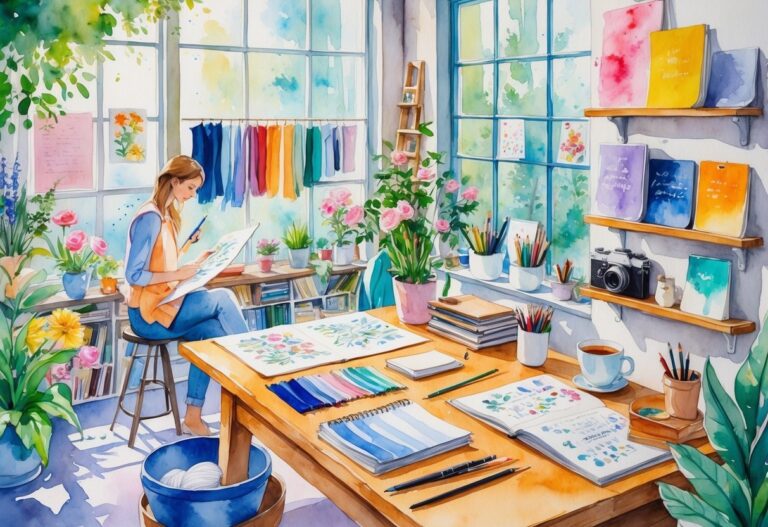
Your attraction to creative hobbies signals strong imaginative capabilities and emotional intelligence. Painting, writing, music, and crafting demonstrate your need for self-expression and aesthetic appreciation.
Creative individuals typically exhibit these personality traits:
- Openness to experience – You embrace new ideas and unconventional approaches
- Emotional sensitivity – You process feelings deeply and translate them into artistic output
- Independent thinking – You prefer creating your own solutions rather than following established patterns
Photography enthusiasts often possess keen observation skills and attention to detail. They notice beauty in everyday moments others might overlook.
Musicians and composers show strong discipline and patience. Learning instruments requires consistent practice and tolerance for gradual improvement.
Writers frequently demonstrate introspective tendencies and strong communication skills. Your hobbies can reflect your values, beliefs, and personality traits in how you process and share experiences through storytelling.
Adventure and Outdoor Activities
Your preference for adventurous activities reveals specific psychological needs and personality characteristics. Rock climbing, hiking, extreme sports, and travel indicate your relationship with risk and novelty.
Adventure seekers typically display:
- High sensation seeking – You require stimulating experiences to feel fulfilled
- Confidence and resilience – You bounce back from setbacks and trust your abilities
- Present-moment awareness – You focus intensely on immediate experiences
Hikers and campers often value simplicity and connection with nature. These activities suggest you find peace away from technology and urban complexity.
Extreme sports enthusiasts demonstrate controlled risk-taking behavior. You calculate dangers carefully rather than acting recklessly.
Team sports participants show strong social orientation and competitive drive. You thrive on group dynamics and measurable performance outcomes.
Travel enthusiasts exhibit cultural curiosity and adaptability. Your willingness to navigate unfamiliar environments indicates flexibility and openness to different perspectives.
Analytical Minds and Strategy Games
Your enjoyment of strategic and analytical hobbies reveals cognitive preferences and problem-solving approaches. Chess, puzzles, programming, and complex board games indicate specific mental processing styles.
Strategic thinkers commonly exhibit:
- Logical reasoning – You approach problems systematically and methodically
- Patience and persistence – You work through complex challenges without giving up easily
- Competitive analysis – You enjoy outsmarting opponents through superior planning
Chess players demonstrate exceptional forward-thinking abilities. You visualize multiple scenarios and their consequences before making decisions.
Puzzle enthusiasts show strong pattern recognition skills and attention to detail. You find satisfaction in organizing chaos into logical order.
Programming hobbyists exhibit both creativity and precision. You build solutions that must function perfectly while expressing your unique approach to problem-solving.
Board game players often possess strong social intelligence combined with strategic thinking. You read people while managing complex rule systems and resource allocation.
Social Hobbies and Interpersonal Insights
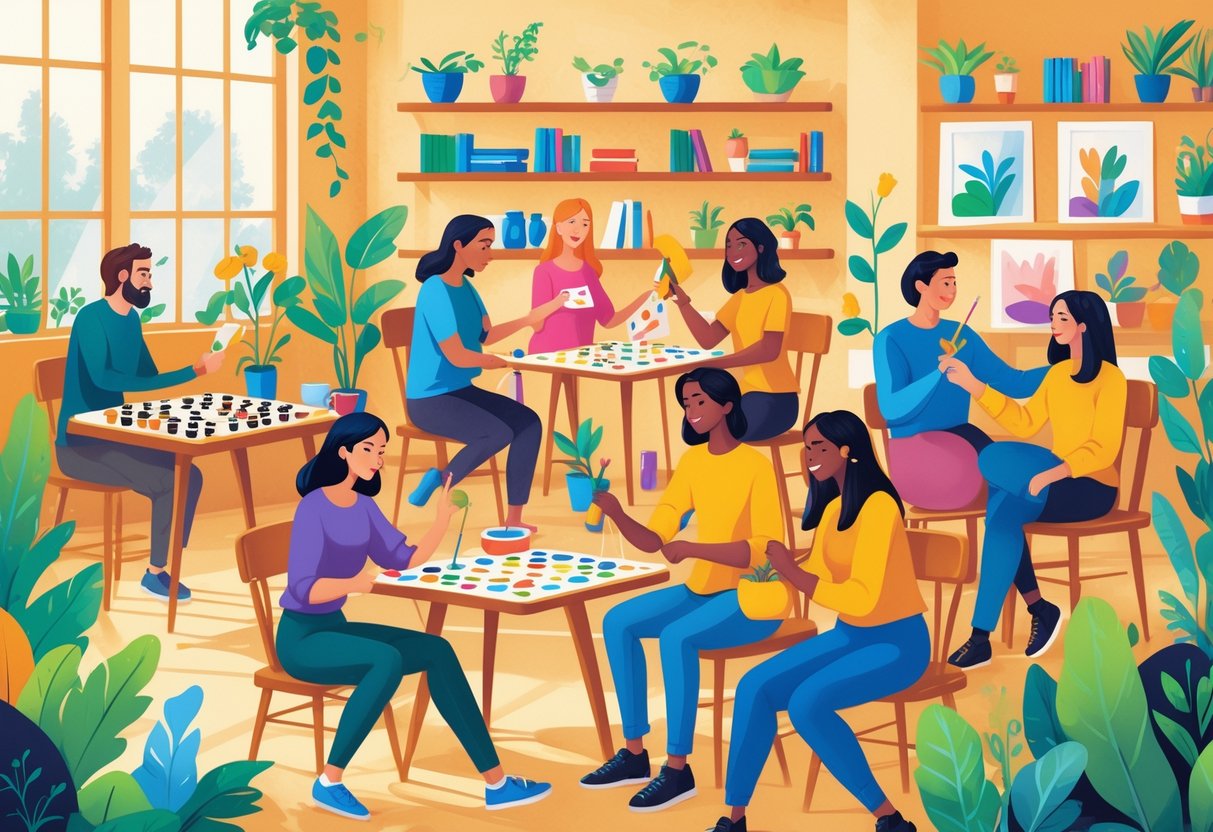
People who gravitate toward social activities reveal distinct patterns in how they process relationships, handle group dynamics, and find personal fulfillment through human connection. Your preference for collaborative versus competitive environments, along with your level of community engagement, provides clear indicators of your interpersonal motivations and social processing style.
Group Activities and Extroversion
Your attraction to group-based hobbies like team sports, book clubs, or gaming groups typically indicates high levels of extroversion and social energy. You likely recharge through interaction rather than solitude.
Team sport enthusiasts often display natural leadership tendencies and thrive on shared goals. You probably handle conflict directly and prefer immediate feedback from others.
Key indicators of group-oriented personalities:
- High comfort with being observed or evaluated
- Natural tendency to coordinate schedules around social commitments
- Strong preference for verbal processing over internal reflection
- Increased motivation when others depend on your participation
Board game enthusiasts and hobby groups reveal your appreciation for structured social interaction. You enjoy rules-based engagement where relationships form around shared interests rather than personal disclosure.
Hobbies can reveal transferable skills like leadership and interpersonal abilities that extend beyond recreational activities into professional and personal relationships.
Community Involvement and Altruism
Volunteering and community-focused hobbies indicate high levels of empathy and social responsibility. You likely derive satisfaction from contributing to causes larger than personal entertainment or achievement.
Your choice to engage in charity work, environmental cleanup, or mentoring programs suggests strong moral reasoning and perspective-taking abilities. You probably prioritize long-term community benefit over immediate personal gratification.
Types of community-focused personalities:
| Activity Type | Personality Indicator |
|---|---|
| Direct service (food banks, shelters) | High empathy, practical problem-solving |
| Advocacy groups | Strong conviction, systematic thinking |
| Educational programs | Knowledge-sharing orientation, patience |
| Environmental causes | Future-focused, systems-thinking approach |
Religious or spiritual group participation reveals your need for shared meaning and ritual structure. You likely value tradition and find comfort in established community practices.
Collaboration vs. Competition
Your preference for collaborative versus competitive social activities reveals fundamental differences in motivation and stress response. Collaborative hobby choices suggest you value harmony and shared success over individual recognition.
Collaborative preferences indicate:
- Process-oriented rather than outcome-focused thinking
- Comfort with shared credit and group decision-making
- Stress reduction through mutual support systems
- Value placed on relationship maintenance over winning
Competitive social hobbies like poker, debate clubs, or competitive dancing show your comfort with direct comparison and performance pressure. You likely have high achievement motivation and clear goal-setting abilities.
What your hobbies say about your personality extends to how you handle interpersonal challenges and process social feedback in both winning and losing situations.
Competitive personalities typically display stronger individual accountability and clearer personal boundaries. You probably prefer merit-based evaluation and direct performance feedback over subjective relationship assessments.
Solo Hobbies and Self-Discovery

Solo activities reveal deep personality traits about your independence, self-awareness, and personal growth mindset. Your hobbies act as tools for self-discovery and reflect your character in ways you might not expect.
Introversion and Independent Interests
Your preference for solo activities indicates strong self-reliance and comfort with solitude. People who gravitate toward independent hobbies often possess high emotional intelligence and self-awareness.
Reading demonstrates your intellectual curiosity and capacity for deep focus. You likely prefer meaningful conversations over small talk and value knowledge acquisition.
Solo crafting like knitting, woodworking, or pottery reveals your patience and attention to detail. These activities suggest you find satisfaction in creating tangible results through personal effort.
Gardening shows your nurturing nature and connection to natural cycles. You probably appreciate delayed gratification and understand that meaningful results require consistent care.
Introverted hobbies boost happiness by allowing personal growth without external pressure. Your choice of solitary pursuits indicates you recharge through quiet activities rather than social interaction.
Mindfulness Through Personal Activities
Solo hobbies often serve as meditation in motion, revealing your approach to stress management and mental clarity. Your choice of mindful activities shows how you process emotions and maintain psychological balance.
Journaling indicates strong self-reflection skills and emotional processing abilities. You likely value personal growth and possess clear communication skills.
Meditation or yoga demonstrates your commitment to mental wellness and body awareness. These practices suggest you prioritize inner peace over external validation.
Solo hiking or nature walks reveal your need for perspective and mental reset time. You probably use physical movement to solve problems and gain clarity.
Drawing or painting shows how you express emotions non-verbally. Your artistic pursuits indicate you process experiences through creative output rather than discussion.
Self-Improvement and Goal Setting
Your dedication to skill-building hobbies reveals ambitious tendencies and commitment to personal development. Solo learning activities demonstrate your self-motivation and growth mindset.
Learning new languages indicates intellectual curiosity and cultural openness. You likely enjoy challenges that expand your worldview and communication abilities.
Playing musical instruments shows discipline and appreciation for structured practice. Your musical pursuits suggest you understand that mastery requires consistent effort over time.
Fitness activities like running or weightlifting demonstrate your commitment to long-term health goals. You probably value personal accountability and measurable progress.
Online courses or certifications reveal your proactive approach to skill development. Your educational pursuits indicate you take responsibility for your professional and personal growth.
Complex hobbies that require building skills over time reflect your patience with gradual improvement and tolerance for initial difficulty.
Collecting, Organizing, and Nurturing Interests

People who gravitate toward systematic hobbies reveal distinct personality patterns through their approach to detail, care, and structure. These activities demonstrate how your methodical nature and nurturing instincts shape your character.
Attention to Detail and Collecting
Your collecting habits expose your relationship with precision and systematic thinking. What you collect reveals specific personality traits regardless of whether you focus on stamps, coins, or vintage items.
Collectors typically display these characteristics:
- Patience in searching for specific items
- Research skills when evaluating authenticity
- Goal-oriented behavior when completing sets
- Memory retention for details and classifications
If you collect physical objects, you likely value tangible achievements and concrete progress. Digital collectors often show similar traits but prefer accessible, searchable collections.
The scope of your collection matters too. Broad collectors enjoy variety and discovery. Specialized collectors demonstrate deep focus and expertise development.
Your organizational system reveals additional traits. Meticulous cataloging suggests analytical thinking. Loose organization indicates flexibility and intuitive approaches.
Gardening and Caretaking Hobbies
Gardening and plant care reveal your nurturing instincts and patience with long-term processes. These hobbies show how you handle responsibility and respond to living things that depend on your care.
Plant enthusiasts typically exhibit:
- Consistent routine maintenance behaviors
- Problem-solving abilities when plants face issues
- Environmental awareness and seasonal planning
- Delayed gratification acceptance
Indoor plant collectors often seek control over their environment and enjoy daily caretaking rituals. Outdoor gardeners usually embrace larger-scale projects and seasonal cycles.
Vegetable gardeners focus on practical outcomes and self-sufficiency. Flower gardeners prioritize aesthetics and emotional satisfaction. Herb gardeners blend practical and sensory interests.
Your plant choices reflect personality aspects too. Low-maintenance plants suggest busy lifestyles or beginner confidence. High-maintenance exotic plants indicate dedication and learning orientation.
Pet care hobbies show similar nurturing traits but add social bonding elements and emotional intelligence development.
Organizational Skills and Structured Pastimes
Hobbies requiring systematic approaches reveal your comfort with structure and process-oriented thinking. Activities like cataloging, filing systems, or structured crafts demonstrate your relationship with order and methodology.
Key traits of organization-focused hobbyists include:
- System creation and improvement abilities
- Efficiency optimization in processes
- Quality control standards and consistency
- Planning ahead for materials and time
Scrapbooking combines organization with memory preservation. Digital organization hobbies like photo sorting blend technology skills with systematic thinking.
Craft organization enthusiasts often show similar traits to collectors but focus more on accessibility and project preparation. Home organization hobbyists extend systematic thinking to living spaces and daily routines.
Your chosen organizational methods reveal thinking patterns. Color-coding suggests visual processing preferences. Alphabetical systems indicate logical sequential thinking. Category-based organization shows conceptual grouping abilities.
Understanding what your hobbies say about you through these structured activities helps identify your natural systematic tendencies and caretaking instincts.
How Hobby Preferences Evolve Over Time

Your hobby preferences shift as you mature and encounter new life circumstances. Personal growth influences these fluctuations as your tastes, needs, and available time change throughout different phases of your life.
Personality Changes and New Interests
As you develop emotionally and intellectually, your hobby preferences naturally transform to match your evolving identity. Personal growth changes your tastes, preferences, and needs, leading you toward activities that better align with your current values and mindset.
Your expanding knowledge base opens doors to hobbies you previously overlooked. A college student studying psychology might discover an interest in behavioral analysis through board games. Someone learning about environmental science could develop a passion for sustainable gardening.
Key personality shifts that drive hobby changes:
- Increased confidence leading to more social activities
- Greater patience developing interest in detailed crafts
- Enhanced creativity pushing toward artistic pursuits
- Improved focus enabling complex skill-based hobbies
Your emotional needs also guide hobby evolution. Introverted individuals might gravitate toward solitary activities like reading or painting during stressful periods. Extroverts often seek group activities when feeling isolated.
Life Stages and Shifts in Hobbies
Different life phases bring distinct time constraints, physical abilities, and social situations that reshape your hobby landscape. Hobbies evolve due to changing interests and experiences as you navigate various life transitions.
Young adulthood typically features active, social hobbies like team sports, nightlife activities, or adventure travel. Limited income often drives interest toward low-cost pursuits such as hiking or amateur photography.
Career establishment years frequently reduce available time, pushing you toward efficient hobbies that provide quick satisfaction. Weekend warriors emerge during this phase, condensing physical activities into short bursts.
Parenthood dramatically alters hobby accessibility. Many parents transition from individual pursuits to family-friendly activities. Home-based hobbies like cooking, gardening, or crafting become more appealing than time-intensive outside commitments.
Later life often brings renewed hobby exploration as time constraints decrease and disposable income increases. Physical limitations may shift focus from high-impact activities toward gentler pursuits like bird watching, watercolor painting, or genealogy research.
Your social circle changes also influence hobby selection. Retirement communities often spark interests in group activities you never considered during your working years.
Using Hobby Insights for Personal Growth

Understanding what your hobbies reveal about your personality creates opportunities for meaningful self-development. Psychological studies show direct connections between free-time activities and personality traits.
Identify Growth Areas
Your hobby choices highlight both strengths and areas needing development. Creative hobbies like painting or writing often indicate high openness to experience but may reveal perfectionist tendencies.
Track Personal Development
Keep a journal recording experiences and insights gained through your hobbies. This practice helps you recognize patterns in your interests that reveal deeper aspects of your identity.
Expand Your Comfort Zone
Consider trying hobbies that complement your existing personality traits. If you prefer solitary activities, explore group hobbies to develop social skills.
| Current Hobby Type | Growth Opportunity |
|---|---|
| Creative activities | Leadership roles |
| Solo pursuits | Team-based hobbies |
| Competitive sports | Collaborative projects |
| Indoor activities | Outdoor adventures |
Apply Lessons Beyond Hobbies
Skills and insights from your hobbies transfer to other life areas. Problem-solving abilities from puzzles enhance workplace performance. Social skills from group activities improve relationships.
Your hobbies serve as windows into your deeper self, reflecting your values and emotional needs. Use this self-knowledge to make informed decisions about career paths, relationships, and future goals.
Frequently Asked Questions

Understanding the connection between hobbies and personality involves examining how your leisure choices reflect core traits and psychological preferences. Research shows that specific activities correlate with distinct personality dimensions and can reveal important aspects of your character.
How can the hobbies you engage in reflect your inherent personality traits?
Your hobby choices directly mirror your psychological makeup and core personality characteristics. Activities you choose during free time reflect aspects of your personality, values, and emotional needs.
Creative hobbies like painting or writing typically indicate high openness to experience and imaginative thinking. These activities attract individuals who value self-expression and novel experiences.
Physical activities such as rock climbing or martial arts often reflect high extraversion and sensation-seeking tendencies. People drawn to these hobbies usually prefer excitement and social stimulation.
Solitary hobbies like reading or puzzles commonly appeal to introverted personalities who recharge through quiet, focused activities. These pursuits align with preferences for deep thinking and minimal social interaction.
What can we infer about a person’s character by examining their favorite pastimes?
Your favorite pastimes reveal fundamental aspects of your character including risk tolerance, social preferences, and cognitive style. Competitive hobbies like chess or sports indicate goal-oriented thinking and achievement motivation.
Collecting activities suggest systematic thinking patterns and attention to detail. People who collect items typically value order, completion, and have strong organizational skills.
Service-oriented hobbies like volunteering reflect high agreeableness and empathetic tendencies. These activities attract individuals who prioritize helping others and community involvement.
Technical hobbies such as programming or electronics work indicate analytical thinking and problem-solving preferences. These pursuits appeal to methodical personalities who enjoy logical challenges.
In what ways do different personality types influence the choice of hobbies?
Extraverted personalities gravitate toward social hobbies that involve group interaction and external stimulation. Team sports, dancing, and party games align with their energy sources and communication preferences.
Introverted individuals prefer solitary or small-group activities that allow for internal processing and reflection. Gardening, crafting, and individual study appeal to their need for quiet concentration.
Conscientious personalities choose structured hobbies with clear goals and measurable progress. Marathon training, language learning, and skill-building activities match their disciplined approach to life.
People high in neuroticism often select calming hobbies that provide stress relief and emotional regulation. Yoga, meditation, and gentle crafts serve their need for anxiety management.
Are certain hobbies better suited to specific personality categories within the Big Five model?
High openness individuals thrive with creative and intellectually stimulating hobbies like art, music, and philosophical discussions. These activities satisfy their curiosity and aesthetic appreciation.
Conscientious people excel at hobbies requiring discipline and long-term commitment such as instrument mastery or fitness training. Their self-control and goal orientation support sustained effort.
Extraverted personalities find fulfillment in social hobbies including team sports, public speaking, and group travel. These activities provide the interpersonal energy they crave.
Agreeable individuals gravitate toward cooperative hobbies like group volunteering or collaborative art projects. These activities align with their preference for harmony and helping others.
Neurotic personalities benefit from stress-reducing hobbies such as gentle exercise, crafting, or nature activities. These pursuits help manage their emotional sensitivity and anxiety levels.
What methodologies are effective in revealing the connection between leisure activities and personality?
Personality questionnaires combined with hobby assessments provide quantitative data linking specific activities to trait dimensions. The Big Five inventory paired with detailed hobby surveys creates measurable connections.
Behavioral observation during hobby engagement reveals authentic personality expression. Watching how you approach challenges, interact with others, and handle setbacks shows true character traits.
Self-reflection exercises help identify patterns between your personality preferences and hobby choices. Understanding what your hobby says about you provides valuable insights into your character.
Longitudinal studies tracking hobby changes over time illuminate how personality development influences activity preferences. These methods show evolving connections between traits and interests.
How does understanding your hobby preferences contribute to personal growth and self-awareness?
Analyzing your hobby patterns increases self-knowledge by highlighting unconscious personality traits and motivations. This awareness helps you make more intentional choices about future activities and life directions.
Recognizing hobby-personality connections improves relationship building by showing compatibility with others who share similar traits. You can identify potential friends and partners through complementary activity preferences.
Understanding your leisure psychology guides career decisions by revealing work environments and tasks that align with your natural inclinations. Your hobby preferences often translate to professional satisfaction.
This knowledge supports balanced living by identifying missing personality expressions in your current activities. You can consciously add hobbies that develop underutilized aspects of your character.