10 Best Hobbies for Architects Wanting Creative Exploration: Enhance Your Design Skills and Artistic Vision
Architects spend their days solving complex design problems and meeting client demands. This focused work can sometimes limit creative exploration outside of job requirements.
Finding hobbies that expand your creative thinking while offering a break from daily responsibilities can refresh your perspective and improve your overall design approach.

The right hobby can help you develop new skills, explore different creative methods, and bring fresh ideas back to your architectural practice. Some hobbies offer hands-on experiences with physical materials, while others let you engage with design concepts in new ways.
These activities range from traditional craft work to digital exploration, from outdoor spatial design to community education.
The hobbies covered here address different aspects of creative development. You’ll find options that sharpen technical skills, others that connect you with sustainability practices, and some that simply give you a chance to create without the pressure of client projects or deadlines.
10) Calligraphy to refine manual precision and design sense
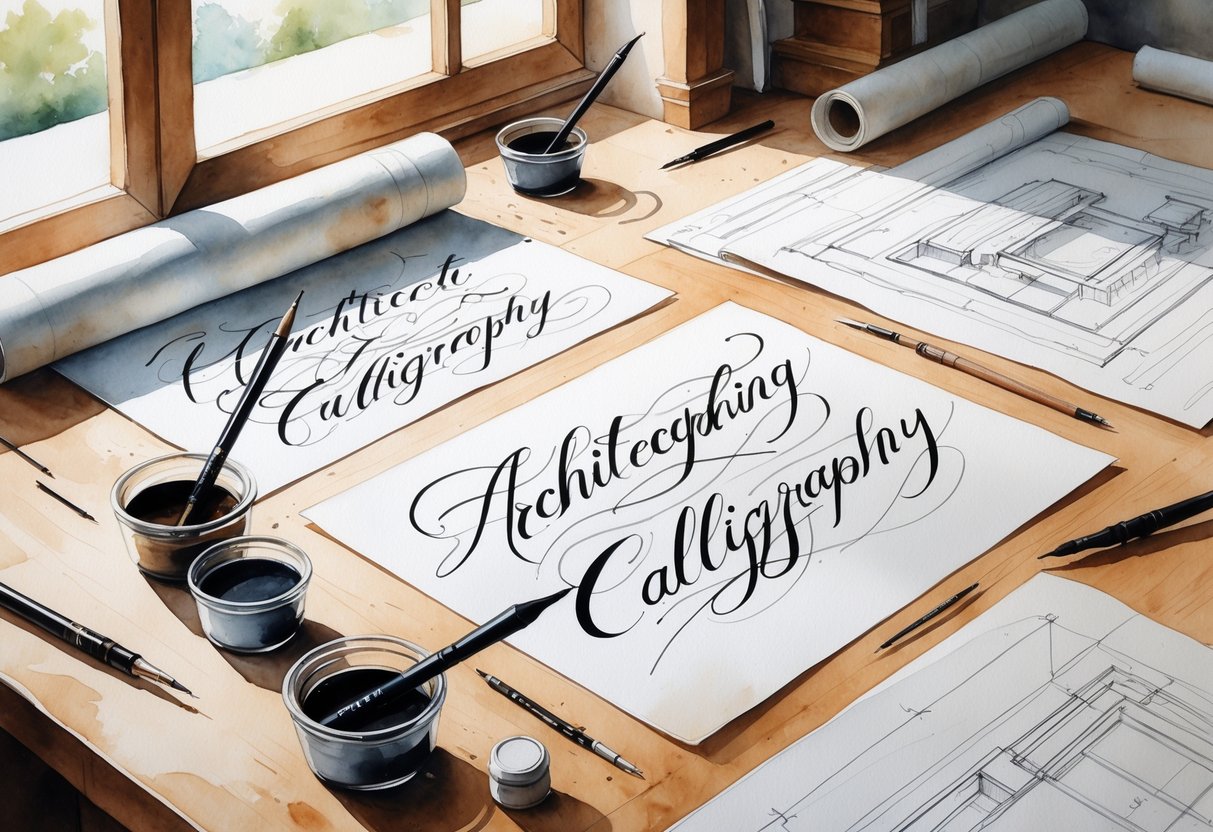
Calligraphy offers architects a hands-on way to develop finer control over their creative tools. The practice demands steady hand movements and careful attention to letterforms, which translates directly to improved drafting skills.
You’ll find that the muscle memory you build while forming consistent strokes carries over to sketching and technical drawing. The art form teaches you to balance negative and positive space within each letter.
This awareness of spatial relationships strengthens your design sense across all architectural work. You learn to see how individual elements contribute to a cohesive whole.
Starting calligraphy requires minimal investment. A basic set of pens, nibs, and quality paper gives you everything needed to begin practice.
You can choose between traditional dip pens or modern brush pens based on your preferred style. Regular practice sessions help you develop patience and focus.
These qualities prove valuable when working through complex architectural challenges. The meditative nature of calligraphy also provides a mental break from computer-aided design work.
You can explore different calligraphy styles like modern lettering or traditional scripts. Each style presents unique technical challenges that push your skills forward.
The discipline teaches you to work within structural rules while expressing creativity, much like architectural design itself. The precision required for clean letterforms sharpens your eye for detail.
You’ll notice improvements in how you approach line quality and composition in your architectural drawings.
9) Gardening to create living spatial compositions

Gardening offers architects a unique way to work with space, proportion, and form using living materials. You can apply your design skills to create outdoor environments that change with the seasons and grow over time.
When you plan a garden, you work with the same principles you use in architecture. You consider sight lines, circulation paths, and how different areas relate to each other.
The main difference is that your materials are plants, soil, and natural elements instead of concrete and steel. You can experiment with vertical gardens to explore how plants interact with structures.
Container arrangements let you test different spatial configurations quickly. These projects help you think about scale and texture in new ways.
Garden design teaches you to work with elements you can’t fully control. Plants grow at their own pace and respond to weather and light conditions.
This helps you develop flexibility in your creative process. You can use your garden to explore concepts like framing views, creating privacy screens, or designing transitions between spaces.
Small urban gardens work well for testing ideas about maximizing limited square footage. Larger plots give you room to develop more complex spatial relationships.
The hands-on nature of gardening provides a break from digital design work. You physically shape your environment and see immediate results.
This tactile experience can refresh your approach to architectural projects and spark new design ideas.
8) Pottery as a tactile, non-digital creative outlet
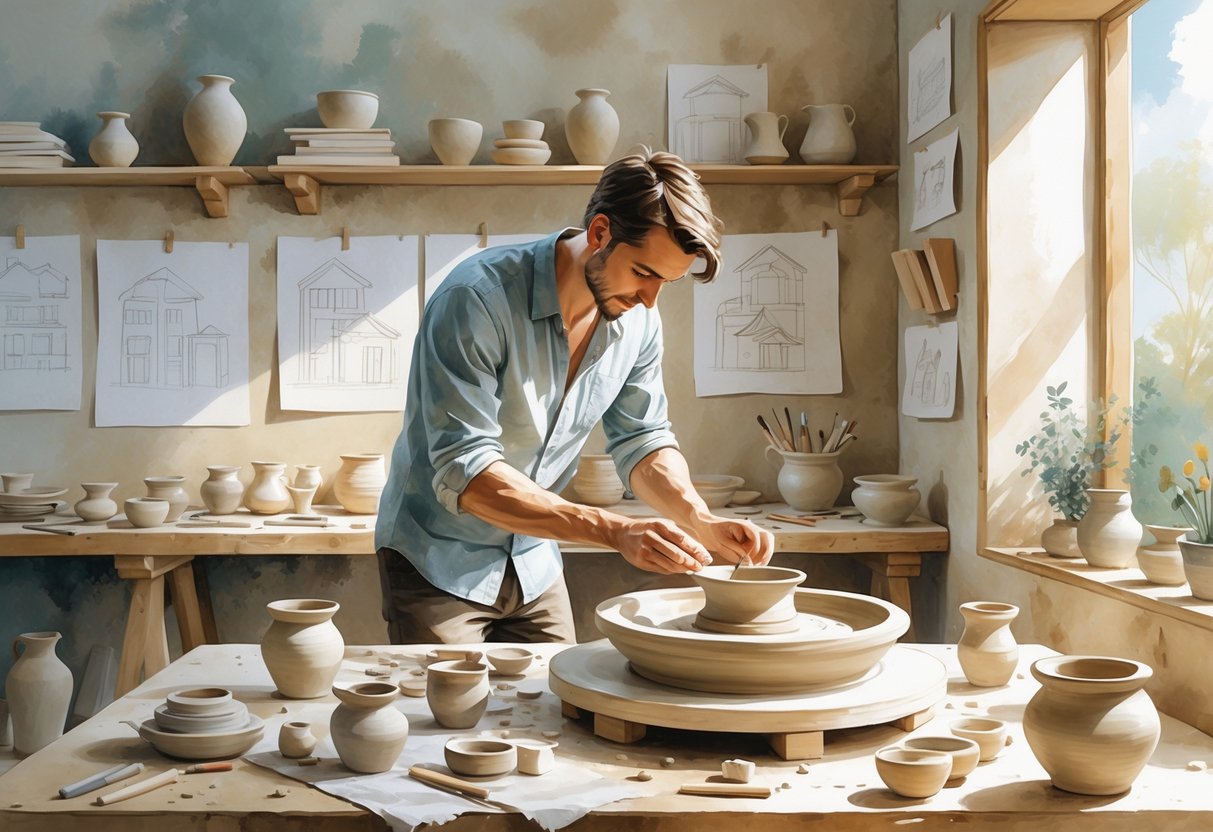
Pottery offers architects a break from computer screens and digital tools. You work directly with clay using your hands, which creates a different type of creative experience than what you encounter in your daily work.
The process of shaping clay on a wheel or building pieces by hand engages your sense of touch. This physical connection to your material provides a refreshing change from mouse clicks and keyboard typing.
You can feel the clay respond to pressure and movement in real time. Working with pottery also slows down your creative process.
Unlike digital work where you can quickly undo mistakes, clay requires patience and deliberate action. This slower pace gives you time to think and focus without distractions.
You can choose between wheel throwing and hand-building techniques. Wheel throwing involves shaping clay as it spins, while hand-building uses methods like pinching, coiling, and slab construction.
Both approaches let you create functional items like bowls and mugs or purely artistic pieces. Pottery studios offer classes for beginners, so you don’t need prior experience to start.
Most studios provide all the tools and materials you need, including access to kilns for firing your finished work. You can practice pottery without setting up a complete workspace at home.
The skills you develop in pottery complement your architectural training. Both fields require spatial awareness, attention to form, and understanding of structural integrity.
7) Digital 3D modeling using Rhino or SketchUp for personal projects
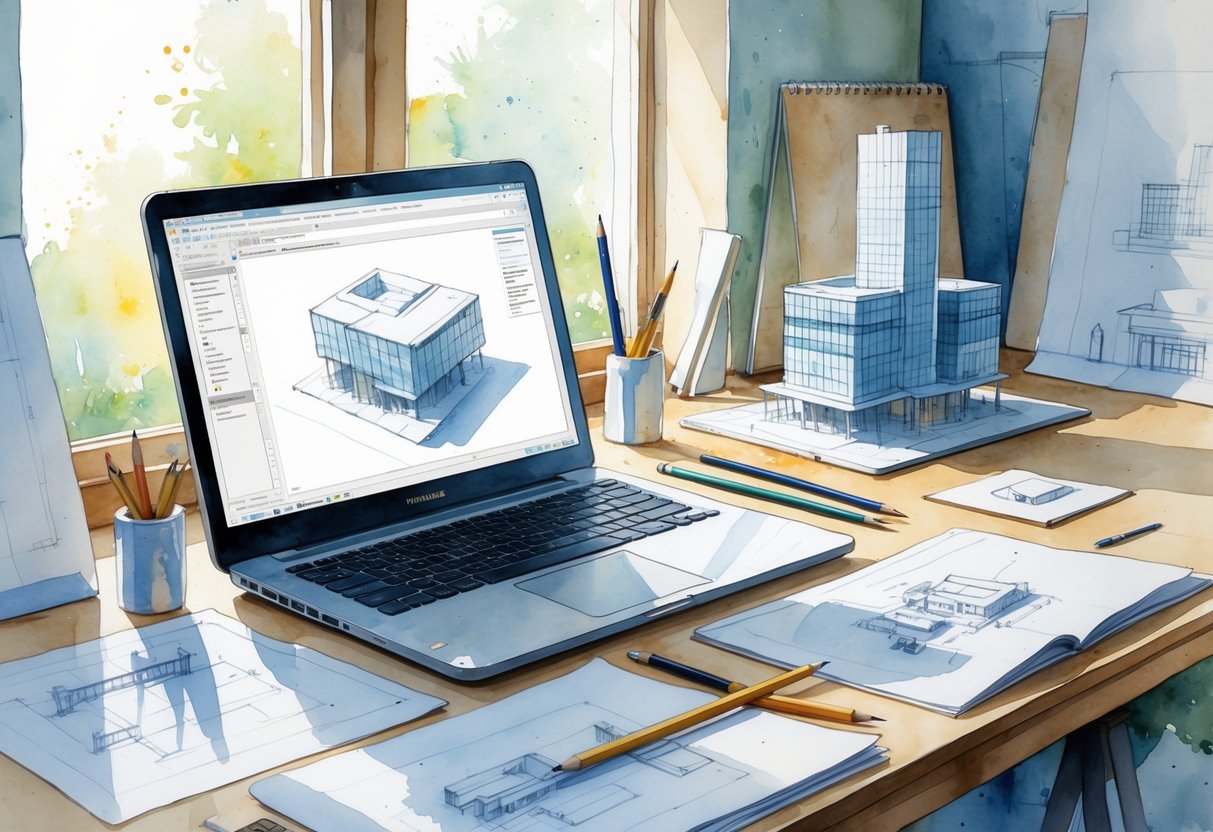
Digital 3D modeling gives you a way to explore creative ideas outside of work requirements. Both Rhino and SketchUp offer powerful tools for your personal design projects.
SketchUp works well if you want to start quickly. The software has an easy-to-use interface that lets you create models without a steep learning curve.
You can access a free web-based version for personal use, which makes it simple to begin experimenting with 3D concepts. Rhino provides precise control over complex shapes and curves.
This software excels when you want to design organic forms or detailed objects that require exact measurements. The program supports advanced modeling techniques that go beyond basic architectural work.
You can use either tool to design furniture, sculpture concepts, or experimental structures. SketchUp’s library of pre-made models helps speed up your workflow when you need common elements.
Rhino’s flexibility allows you to export your work to many different file formats for 3D printing or further refinement. Personal projects let you practice techniques you might not use in professional work.
You can test new design approaches without client constraints or deadlines. Both programs support this kind of creative freedom while building your technical skills.
The choice between them depends on your project needs. SketchUp suits quick concept exploration and straightforward designs.
Rhino handles more complex geometries and technical precision. Many architects learn both tools to expand their creative possibilities.
6) Pursuing LEED or WELL credentials for sustainability expertise

Earning professional credentials in green building standards can expand your design thinking beyond typical architectural practice. LEED and WELL certifications offer structured frameworks that deepen your understanding of sustainable design principles.
LEED credentials focus on environmental impact and sustainability. You’ll learn about water and energy efficiency, material selection, and site development.
More than 203,000 professionals have earned LEED credentials to advance their expertise in sustainable building practices. WELL credentials center on occupant health and wellness.
This certification teaches you how building design affects human well-being through air quality, lighting, thermal comfort, and other factors. It complements traditional architectural training by adding a health-focused perspective.
Both credentials require you to study certification requirements, rating systems, and real-world applications. This process challenges you to think differently about your design approach.
You’ll understand how buildings impact both people and the environment. The study process itself becomes the hobby.
You can work through materials at your own pace, applying concepts to personal projects or theoretical designs. Many architects pursue both credentials to gain comprehensive knowledge of sustainable and healthy building practices.
These credentials also strengthen your professional credibility. They demonstrate your commitment to understanding current standards in green building design.
The knowledge you gain directly applies to your architectural work while giving you new creative directions to explore.
5) Leading architecture tours for public engagement

Leading architecture tours lets you share your expertise with people who want to learn about the built environment. You can guide small groups through your city and explain the design choices behind notable buildings.
This activity connects your professional knowledge with public curiosity. Many architects run these tours as a side project.
You don’t need special credentials to start, just a solid understanding of local architecture and good communication skills. Tours can focus on historical buildings, modern structures, or both depending on what interests you and your audience.
You control the format and content of your tours. Some architects join established networks that organize architecture walks in cities worldwide.
Others create independent tours tailored to specific neighborhoods or architectural styles. This hobby builds your communication skills outside the office.
You learn to explain complex design concepts in simple terms that non-architects understand. It also expands your professional network as you meet design-conscious people in your community.
Tours can be free or paid depending on your goals. If you want to earn extra income, you can charge participants a reasonable fee.
If you prefer pure community engagement, offering free walks works well too. The activity gets you out of the studio and into the streets.
You see familiar buildings with fresh eyes when you prepare to discuss them with others. Leading tours reminds you why you became an architect in the first place.
4) Photography focused on architectural subjects

Photography gives architects a new way to explore and capture the buildings around them. When you focus on architectural subjects, you develop a deeper understanding of design elements like form, light, and spatial relationships.
This hobby helps you see structures from fresh perspectives. You can start by photographing buildings in your own neighborhood.
Historic landmarks and modern construction sites both offer interesting subjects. The goal is to capture what makes each structure unique through your camera lens.
Architectural photography teaches you to notice details you might miss during regular observation. You learn how light changes throughout the day and affects a building’s appearance.
You also discover how different angles reveal new aspects of familiar structures. This hobby requires minimal equipment to begin.
A basic camera or even your smartphone works fine when you’re learning. As you progress, you might explore techniques like composition, contrast, and perspective to enhance your images.
The skills you gain from architectural photography translate directly to your professional work. You train your eye to identify strong design elements and understand what makes buildings visually compelling.
Many architects find this practice improves their ability to communicate design ideas. You can practice this hobby at your own pace.
Take photos during lunch breaks, weekend walks, or dedicated photography sessions. The flexibility makes it easy to fit into a busy schedule while providing consistent creative outlet.
3) Model building with materials like foam board or balsa wood
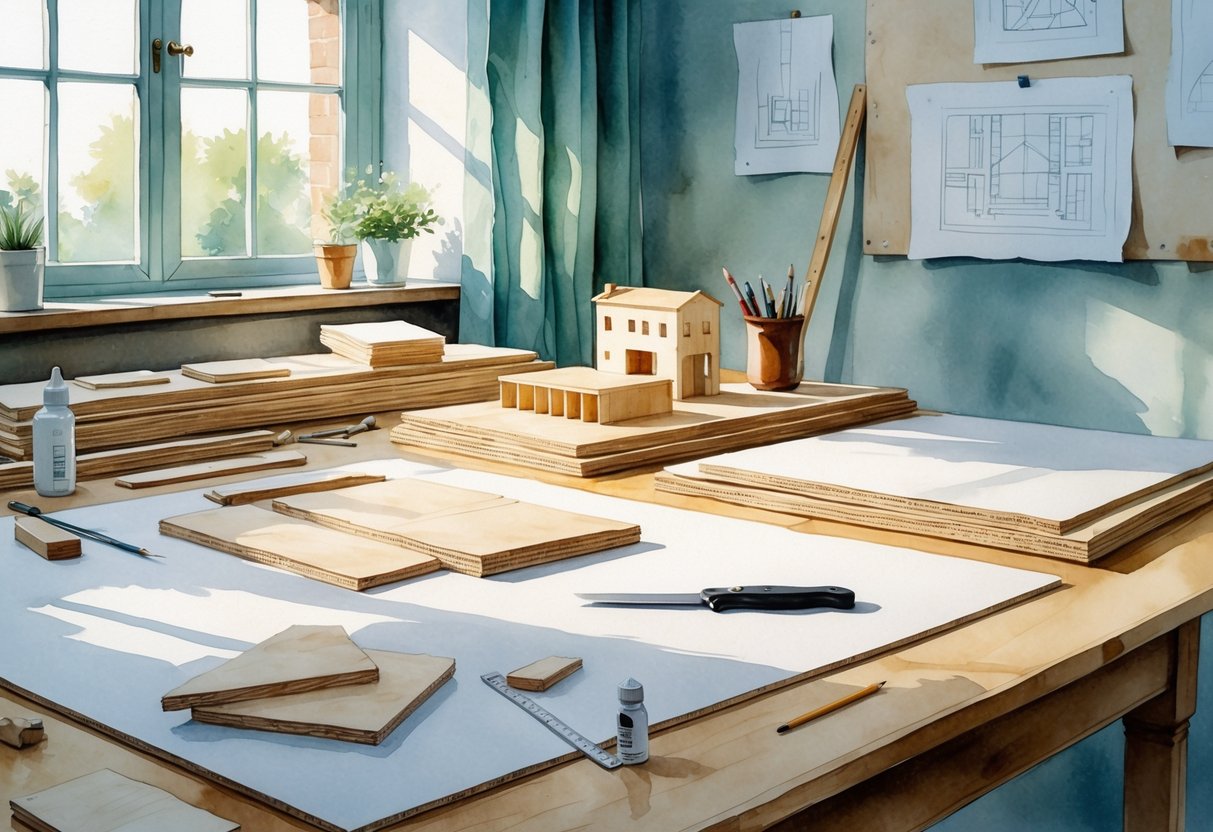
Model building offers architects a hands-on way to explore design concepts outside of digital software. Working with physical materials like foam board and balsa wood lets you test ideas in three dimensions and see how structures actually take shape.
Foam board is one of the most accessible materials for architectural modeling. It cuts cleanly with a basic craft knife and works well for creating quick study models or more detailed presentation pieces.
You can layer foam board to show different elevations and building masses without needing specialized tools. Balsa wood brings different qualities to your model building projects.
This lightweight wood is easy to cut and shape with simple tools. It comes from the Ochroma Pyramidale tree and has a fine grain that allows for precise work.
You can use balsa wood to create structural details, window frames, and other elements that need a more refined appearance. Both materials let you work at various scales depending on your project needs.
You can build small conceptual models to test basic forms or larger presentation models that show more detail. The tactile nature of working with these materials helps you understand spatial relationships and proportions in ways that computer screens cannot replicate.
Starting with foam board and balsa wood requires minimal investment in tools and supplies. You need a cutting mat, sharp blades, adhesive, and straightedges to begin.
This makes model building an approachable hobby that fits into most budgets while developing skills useful in your architectural practice.
2) Architectural sketching to enhance freehand creativity
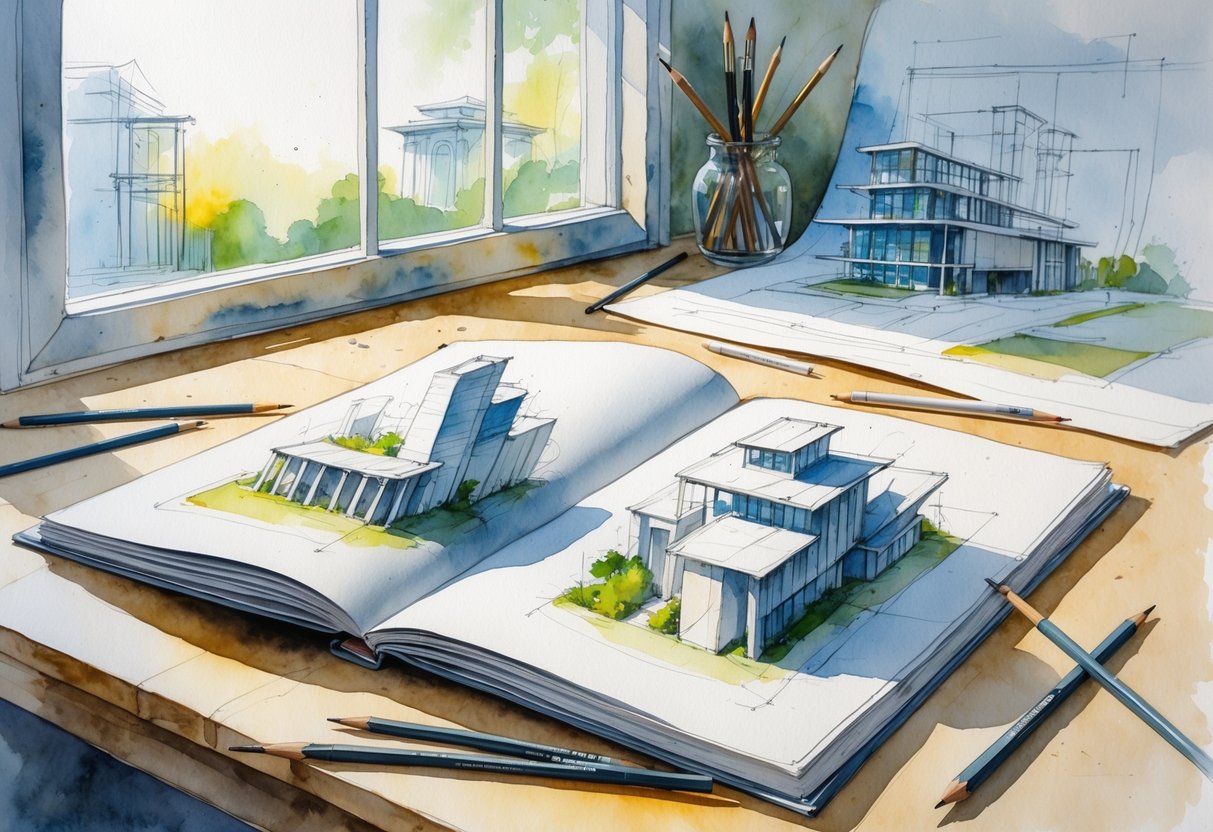
Architectural sketching gives you a direct way to explore design ideas without the limits of software. You can quickly test concepts, make changes, and develop your thinking on paper.
This hands-on approach helps you work through problems faster than digital tools allow. When you sketch freehand, you build a stronger understanding of spatial relationships and proportions.
The simple act of drawing with pencil on paper forces you to think about how spaces connect and how buildings take shape. You develop an eye for detail that transfers to all your design work.
Sketching serves as a tool for rapid idea generation. You can fill pages with different concepts in the time it takes to set up a single digital file.
This speed lets you explore more options and push your creativity further. The practice strengthens your ability to communicate designs with clients and colleagues.
A quick sketch during a meeting can explain an idea more clearly than words alone. You create a visual conversation that everyone can understand and respond to.
Starting your sketching practice requires only basic supplies. Get a sketchbook and a few pencils, then begin drawing buildings you see around you.
Focus on capturing basic shapes and forms first. As your skills grow, add more detail and experiment with different techniques.
Regular sketching sessions train your hand and eye to work together. You become more confident in your line work and better at visualizing three-dimensional space on a flat surface.
1) Furniture making to blend design skills with craftsmanship
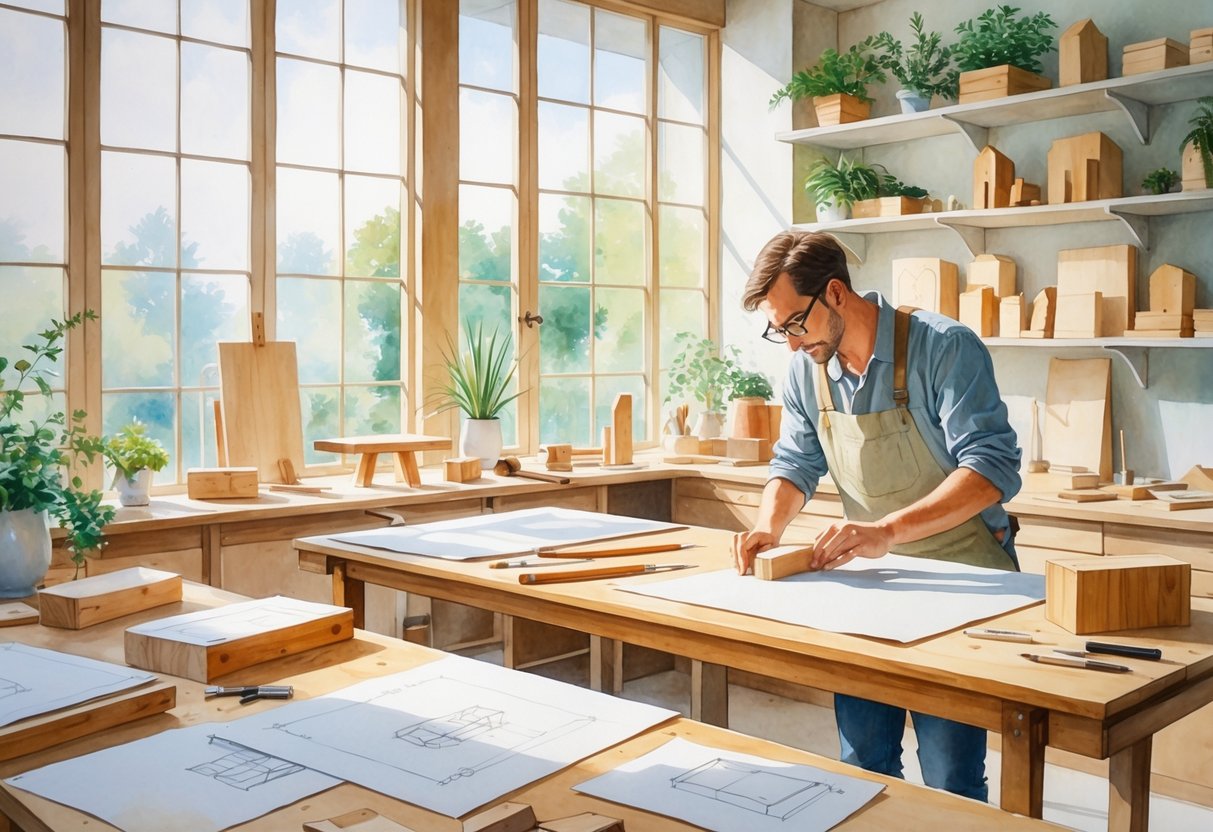
Furniture making lets you take your architectural training into three dimensions at a smaller scale. You already understand proportions, materials, and how people use spaces.
These same principles apply when you design a chair, table, or cabinet. Working with wood gives you direct control over the entire process.
You select the materials, create the joints, and see your design come to life through your own hands. This direct connection to craftsmanship often feels different from managing large building projects where others execute your plans.
When you build furniture, you learn about material behavior, structural connections, and construction details. This knowledge helps you make better decisions in your architectural work.
You gain respect for the craft trades and understand what’s actually possible to build. Starting with simple projects like a side table or bookshelf teaches you basic woodworking techniques.
As you advance, you can tackle more complex pieces that challenge your design thinking. Many architects find that furniture making gives them a creative outlet where they can experiment with forms and materials without the constraints of building codes and client requirements.
The tools and space needed are manageable too. A basic workshop in your garage or basement is enough to begin.
You don’t need industrial equipment to create quality pieces that showcase your design sensibility.
The Value of Creative Exploration for Architects

Creative exploration strengthens your ability to think differently about design problems and opens doors to new career opportunities. These benefits extend beyond your immediate projects to shape your entire professional trajectory.
Enhancing Design Thinking
Creative hobbies train your brain to approach problems from multiple angles. When you engage in activities outside traditional architecture work, you develop fresh perspectives that directly improve your design solutions.
Painting teaches you about color relationships and composition in ways that complement your architectural training. Photography sharpens your eye for light, shadow, and spatial relationships.
These skills transfer back to your architectural work when you plan building facades or interior spaces. Creative exploration also helps you break free from mental blocks.
Your brain forms new neural pathways when you learn different creative skills. This makes it easier to generate innovative ideas when you face challenging design problems at work.
Key thinking improvements include:
- Better spatial reasoning from hands-on activities
- Enhanced problem-solving through varied creative challenges
- Stronger visual communication skills
- More flexible approach to design constraints
Boosting Professional Growth
Creative hobbies expand your professional value beyond standard architectural skills. Clients and employers seek architects who bring diverse perspectives to projects.
Your creative pursuits give you talking points that help you stand out in interviews and networking situations. They demonstrate your commitment to continuous learning and creative development.
Creative exploration also prevents burnout. Architecture involves long hours and tight deadlines that drain your creative energy.
Hobbies provide mental refreshment that keeps your work quality high over time. You build a broader professional network through creative activities.
Art classes, workshops, and creative communities introduce you to people outside architecture who might become future clients or collaborators.
Integrating New Hobbies Into an Architect’s Routine

Architects face unique challenges when adding hobbies to their lives because of long work hours and project deadlines. The key is treating hobbies as important as client meetings and making small changes to your daily schedule.
Finding Time for Passion Projects
Start by looking at your daily routine and finding small pockets of time. You can use your morning before work starts or your lunch break for quick hobby activities.
Even 15 to 30 minutes makes a difference when you stay consistent. Time slots that work well for architects:
- Early mornings (6:00-7:30 AM)
- Lunch breaks (30-45 minutes)
- Evening hours after dinner
- Weekend mornings
- Commute time for audio-based hobbies
You should treat hobby time like project deadlines. Block it on your calendar and protect that time.
Many architects find success by linking hobbies to existing habits. For example, you might sketch while drinking your morning coffee or listen to music tutorials during your commute.
Start with one or two days per week instead of trying to fit hobbies into every day. This approach feels more manageable and helps you build the habit without stress.
Balancing Work and Personal Interests
You need clear boundaries between work time and personal time. Set a specific end time for work each day and stick to it except during real emergencies.
Your hobbies will suffer if you constantly let work bleed into personal hours. Choose hobbies that match your energy levels after work.
If you feel mentally drained, pick activities that use your hands or body instead of more thinking. Physical hobbies like woodworking or gardening work well after long design sessions.
Some hobbies actually support your architecture work. Photography improves your eye for composition.
Painting develops color theory skills. These connections make it easier to justify the time spent.
Tips for maintaining balance:
- Turn off work email notifications during hobby time
- Keep hobby supplies ready and accessible
- Tell colleagues about your personal time boundaries
- Track how you spend your time for one week to find waste
You can also combine social time with hobbies by joining clubs or groups. This gives you both personal connection and creative exploration at once.
Frequently Asked Questions
Architects often wonder how hobbies can expand their creative abilities and whether certain activities directly benefit their design work. These questions address practical ways to blend personal interests with professional growth.
What are suitable creative pursuits for architects beyond their professional work?
Creative pursuits that differ from daily architectural tasks offer the best mental refresh. Calligraphy helps you develop manual precision while strengthening your eye for letterforms and composition.
Gardening lets you design living spaces with attention to growth patterns, textures, and spatial relationships. Pottery provides a hands-on creative outlet that doesn’t involve screens or digital tools.
Photography trains your eye to notice light, shadow, and composition in built environments. Painting and sketching allow you to explore color theory and visual communication without project constraints.
How can an architect enhance their creativity through hobbies?
Hobbies that engage different parts of your brain can boost your overall creative thinking. Activities like pottery and gardening use tactile skills that balance out your digital work.
These hands-on pursuits help you think about form, texture, and material properties in new ways. Learning new software like Rhino or SketchUp for personal projects expands your technical abilities.
You can experiment with complex geometries and modeling techniques without client limitations. Creative writing or music composition develops your ability to structure ideas and create rhythms, which can translate to architectural pacing and flow.
Which hobbies can contribute to an architect’s professional development?
Pursuing LEED or WELL credentials through self-study adds valuable expertise to your professional profile. These sustainability certifications make you more competitive and knowledgeable about green building practices.
Digital 3D modeling on personal projects helps you master tools that you might not use regularly at work. Travel and architectural photography build your visual library of design solutions and cultural approaches.
Woodworking teaches you about joinery, materials, and construction methods at a small scale. Reading about urban planning, landscape architecture, or industrial design broadens your understanding of related fields.
What extracurricular activities can help architects with creative thinking?
Activities that challenge you to solve problems differently can strengthen your design thinking. Puzzle-solving hobbies like chess or strategy games improve your spatial reasoning and planning skills.
Learning a new language changes how you process information and understand cultural contexts. Cooking involves composition, timing, and sensory experience similar to designing spaces.
Theater or improv classes build your presentation skills and ability to think on your feet during client meetings. Writing forces you to organize complex ideas into clear narratives, which helps with design statements and proposals.
Can engaging in certain hobbies improve an architect’s design skills?
Calligraphy directly improves your line quality and understanding of proportion and balance. The precision required transfers to your hand sketching and detail work.
Pottery teaches you about form, structure, and how objects sit in space through direct physical manipulation. Gardening enhances your grasp of environmental conditions, seasonal changes, and how living elements interact with built structures.
Digital modeling for personal projects lets you test experimental forms without professional risk. Photography sharpens your awareness of angles, framing, and how people experience spaces visually.
What are some recommended hobbies for architects who want to explore new creative dimensions?
Calligraphy offers a meditative practice that refines your design sense and manual control. The focus on letterforms and spacing relates directly to typography in architectural presentations.
Gardening provides experience with three-dimensional spatial design using organic materials. These materials change over time.
Pottery gives you a break from digital work while keeping your hands engaged in creative making. Working with clay helps you understand volume and mass.
Personal projects using Rhino or SketchUp let you explore parametric design. You can experiment with complex geometries beyond typical project requirements.
Pursuing sustainability credentials like LEED or WELL expands your knowledge into building performance and occupant health. These certifications position you as an expert in growing areas of architectural practice.