10 Best Hobbies for Hair Stylists to Spark Inspiration: Creative Pursuits That Enhance Your Craft
Hair stylists spend their days creating beauty and helping clients feel their best. Even the most skilled professionals need ways to refresh their creativity and stay inspired.
Finding hobbies that complement your work can help you grow as an artist and prevent burnout.
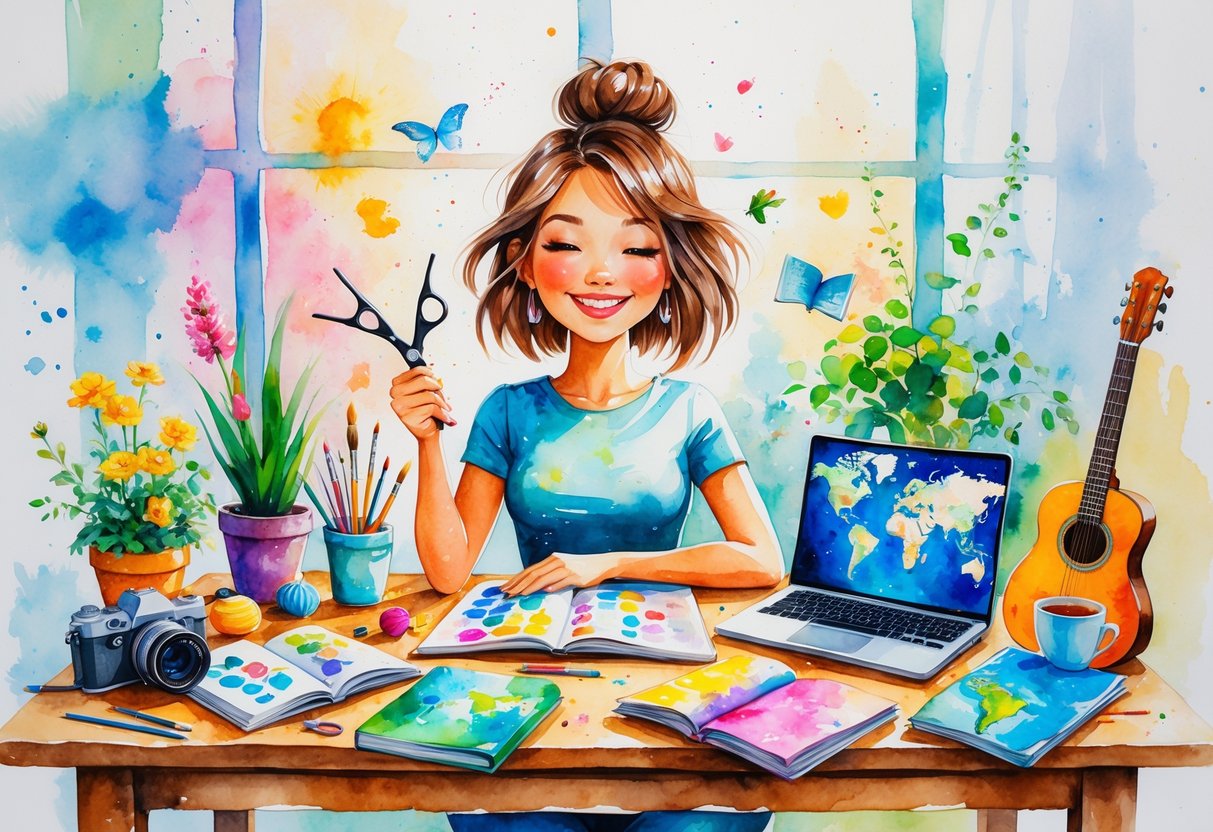
The right hobbies can spark new ideas, improve your technical skills, and remind you why you fell in love with hairstyling in the first place. Some activities connect directly to your work, like learning about color theory or trying new styling techniques.
Others might seem less related but still feed your creative spirit in meaningful ways.
This guide explores hobbies that can help you stay motivated and inspired in your career. You’ll discover activities that range from hands-on practice to creative exploration.
These options work for both seasoned stylists and those just starting their journey in the industry.
10) Inspirational Hair Stylist Quote Collection
Building a personal collection of inspiring quotes can become a meaningful hobby that fuels your creativity. You can gather quotes from industry leaders, salon owners, and fellow stylists who understand the unique challenges of your profession.
Start by saving quotes that speak to you on your phone or in a dedicated notebook. When you feel stuck or unmotivated during your workday, you can pull out your collection for a quick boost.
Your quote collection can include funny sayings about hair disasters, wisdom about client relationships, or thoughts on artistic expression. You might discover quotes while scrolling social media, reading industry magazines, or talking with other professionals.
The key is choosing words that match your personal style and values. Some stylists take this hobby further by creating visual displays of their favorite quotes.
You can design graphics for your social media pages or print quotes to hang in your workspace. This adds a creative element to the hobby while sharing inspiration with your clients and colleagues.
The practice of collecting and reviewing quotes regularly keeps you mentally engaged with your craft outside of work hours. It gives you a way to reflect on your career journey and remember what drives your passion for hairstyling.
9) Peer Skill Sharing Workshops
Peer skill sharing workshops turn your salon colleagues into valuable learning partners. You meet regularly with other stylists to exchange techniques, trade tips, and learn from each other’s experiences.
This hobby costs nothing but time and creates a support system that benefits everyone involved. You can organize these workshops during slow periods or after hours.
Each session focuses on a different skill or technique that someone in your group excels at. One week you might teach your signature balayage method, and the next week you learn advanced clipper work from a colleague.
The format is flexible and informal. You practice hands-on techniques rather than just talking about them.
This approach helps you bridge the gap between knowing something in theory and actually doing it well. These workshops also spark creativity through collaboration.
When you see how another stylist approaches a color correction or styles a specific cut, it opens your mind to new possibilities. You discover solutions to problems you’ve been struggling with and gain fresh perspectives on familiar techniques.
The relationships you build through skill sharing extend beyond technical learning. You create a network of professionals who understand your challenges and celebrate your successes.
Starting a peer workshop group requires minimal planning. You just need willing participants and a space to practice.
8) Social Media Styling Tutorials
Creating styling tutorials for social media platforms lets you share your hair expertise while exploring your creative side outside of work. You can film quick hairstyle demos, product reviews, or hair care tips from the comfort of your home.
This hobby turns your professional skills into engaging content. You’ll learn new techniques as you research trending styles to teach your audience.
The process of breaking down complex hairstyles into simple steps also sharpens your communication abilities. Instagram and TikTok work well for short tutorial videos.
You can demonstrate easy braids, updos, or everyday styling tricks that viewers can recreate themselves. Facebook suits longer content like detailed transformation videos or myth-busting posts about common hair care mistakes.
Recording tutorials pushes you to think differently about your craft. You’ll consider camera angles, lighting, and presentation in ways that don’t come up during regular salon work.
Each video becomes a mini creative project with planning, filming, and editing stages. The feedback from viewers adds another rewarding element.
Comments and questions help you understand what people struggle with in their hair routines. You might discover gaps in common hair knowledge that inspire future tutorial ideas.
This hobby requires minimal investment beyond a smartphone and basic editing apps. You can start small with simple style demonstrations and expand as you get comfortable.
7) Personal Hair Care Product Formulation
Creating your own hair care products gives you complete control over ingredients and formulas. You can design shampoos, conditioners, and styling products that match your exact preferences and professional expertise.
This hobby lets you experiment with natural ingredients like oils, butters, and botanical extracts. You’ll learn which components work best for different hair types and concerns.
The knowledge you gain translates directly to better client recommendations in your salon work. Starting with basic recipes is straightforward.
Simple formulations like hair masks, leave-in treatments, and styling gels require minimal equipment. As you advance, you can move into more complex products like custom shampoo bars and professional-grade treatments.
The process teaches you about ingredient interactions and product chemistry. You’ll understand why certain formulas work better than others.
This deeper knowledge makes you a more informed stylist when choosing commercial products for your clients. Making your own products also offers cost savings over time.
You can create salon-quality treatments at a fraction of retail prices. Plus, you control exactly what goes into each batch, avoiding unwanted additives or allergens.
The creative aspect keeps this hobby engaging. You can develop signature scents, adjust textures, and solve specific hair challenges through custom formulations.
6) Experimenting with Color Theory
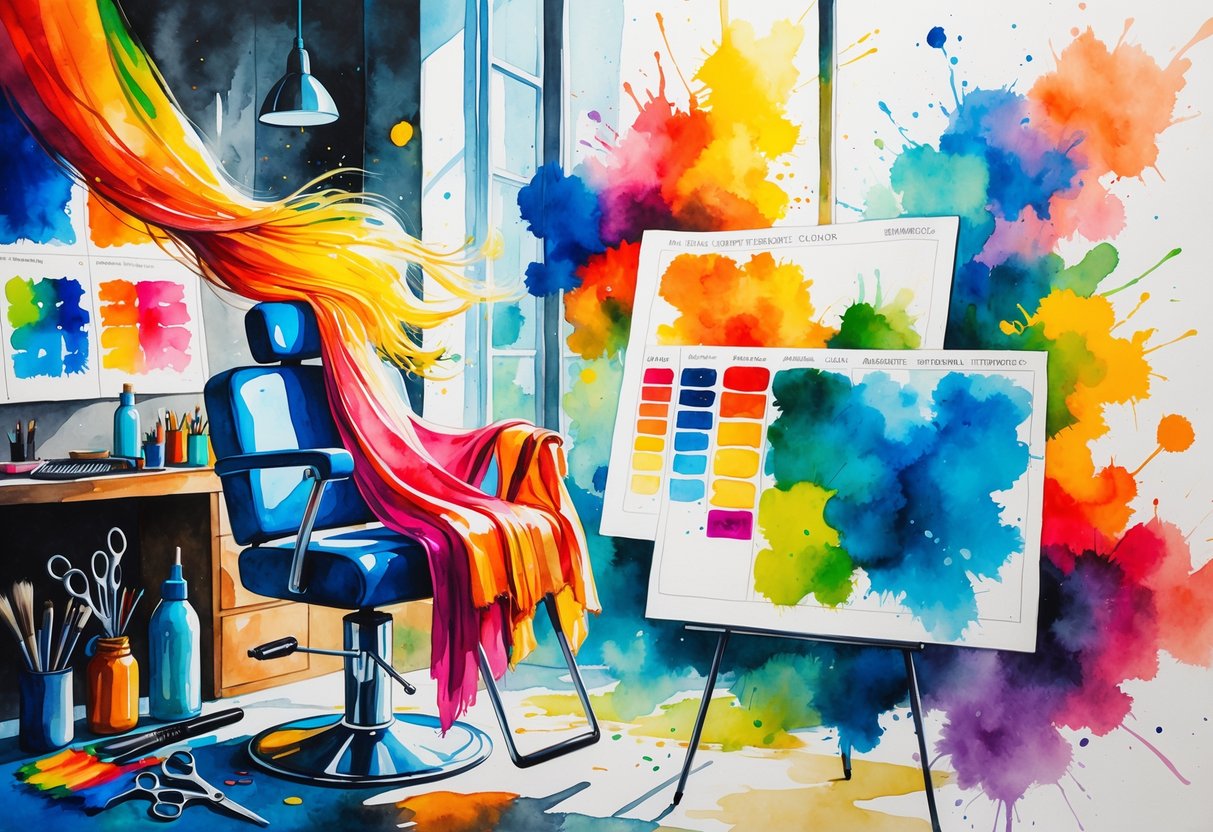
Color theory is a core skill in hairstyling, but studying it as a hobby can deepen your understanding beyond basic training. When you explore color theory in your free time, you learn how different shades interact and how to create custom looks for your clients.
The color wheel is your main tool for this hobby. You can practice identifying complementary colors that neutralize unwanted tones.
You can also experiment with how warm and cool shades work together to create dimension. This hobby lets you test color combinations without the pressure of a client appointment.
You can use color swatches, practice on mannequins, or even create digital mood boards. These experiments help you understand how different pigments blend and change under various lighting conditions.
Learning color theory as a separate interest makes you better at color corrections. You’ll know which tones to use when fixing brassy highlights or removing green tints.
This knowledge helps you solve problems faster in the salon. You can study color theory through online courses, books, or by following color specialists on social media.
Many stylists find that dedicating time to color study improves their formulation skills. When you understand the science behind color mixing, you can create more predictable results with any product line.
This hobby also sparks creativity for new color techniques. You might discover unique color combinations that become your signature style.
5) Participating in Hair Art Competitions
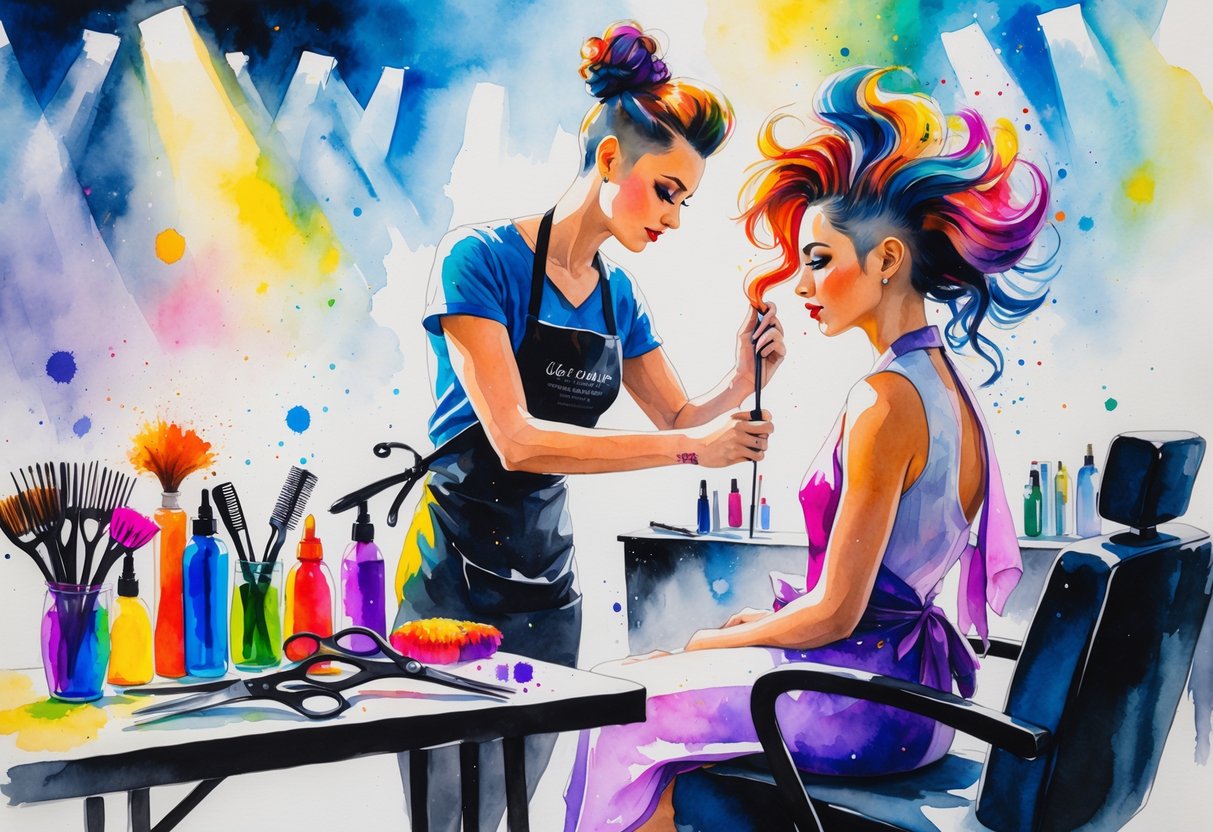
Hair art competitions give you a chance to push your creative limits while testing your technical skills. These events range from local contests to international competitions like the International Beauty Industry Awards and NAHA.
You can enter categories such as Avant-Garde, Hair Art, or Hairstylist of the Year. Competing helps you build confidence in your abilities.
You’ll work under pressure to create something unique, which strengthens your problem-solving skills. The feedback from judges gives you insights into areas where you can improve.
These competitions also expand your professional network. You’ll meet other stylists, industry leaders, and potential mentors who share your passion for hair artistry.
The preparation process itself sparks fresh ideas. When you work on a competition piece, you experiment with techniques and styles you might not try with regular clients.
Competitions celebrate creativity and innovation in hairstyling. They provide a platform where you can showcase your artistic vision without the usual constraints of client preferences.
Whether you win or not, the experience of creating art with hair and seeing what others produce enriches your perspective on the craft.
4) Studying Hair History and Trends
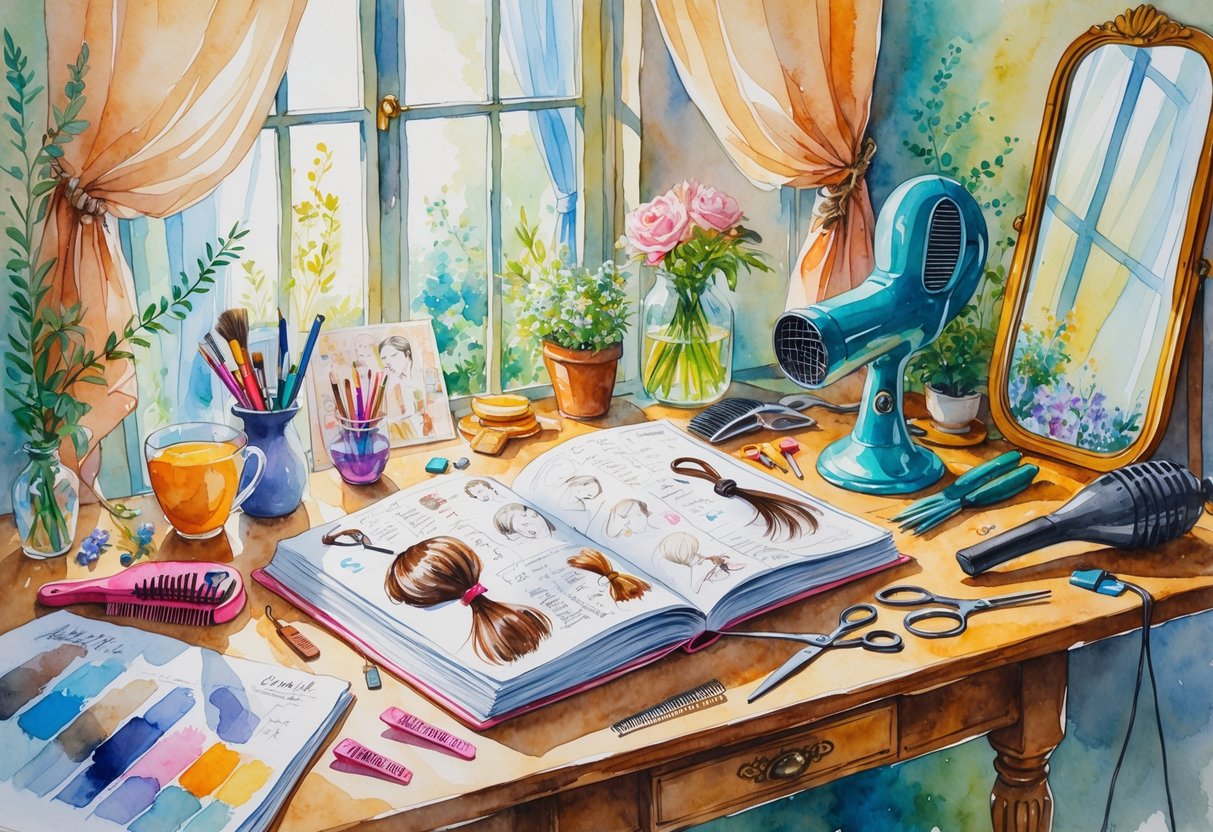
Learning about hair history gives you a deeper understanding of your craft. Ancient civilizations treated hairstyling as an art form with spiritual and social significance.
Egyptian barbers held respected positions, while Greek and Roman societies used hairstyles to show social class and status. When you study historical styles, you discover techniques that still influence modern cuts and designs.
Intricate braids and elaborate updos from the past showcase creativity that remains relevant today. These timeless methods can inspire fresh approaches to your current work.
Following modern trends keeps your skills sharp and your knowledge current. The hair industry constantly evolves with new colors, textures, and cutting techniques.
Runway shows, social media influencers, and pop culture all shape what clients request. You can track emerging trends through online platforms and industry publications.
Understanding what styles are gaining popularity helps you anticipate client needs. This knowledge lets you offer informed recommendations and stay ahead of the curve.
Combining historical awareness with trend forecasting strengthens your creative foundation. You develop a broader perspective on why certain styles work and how they connect to larger cultural movements.
Setting aside time each week to explore hair history and current trends enriches your professional development. You can build mood boards, follow industry leaders, or study different cultural approaches to hairstyling.
3) Hair Accessory Crafting
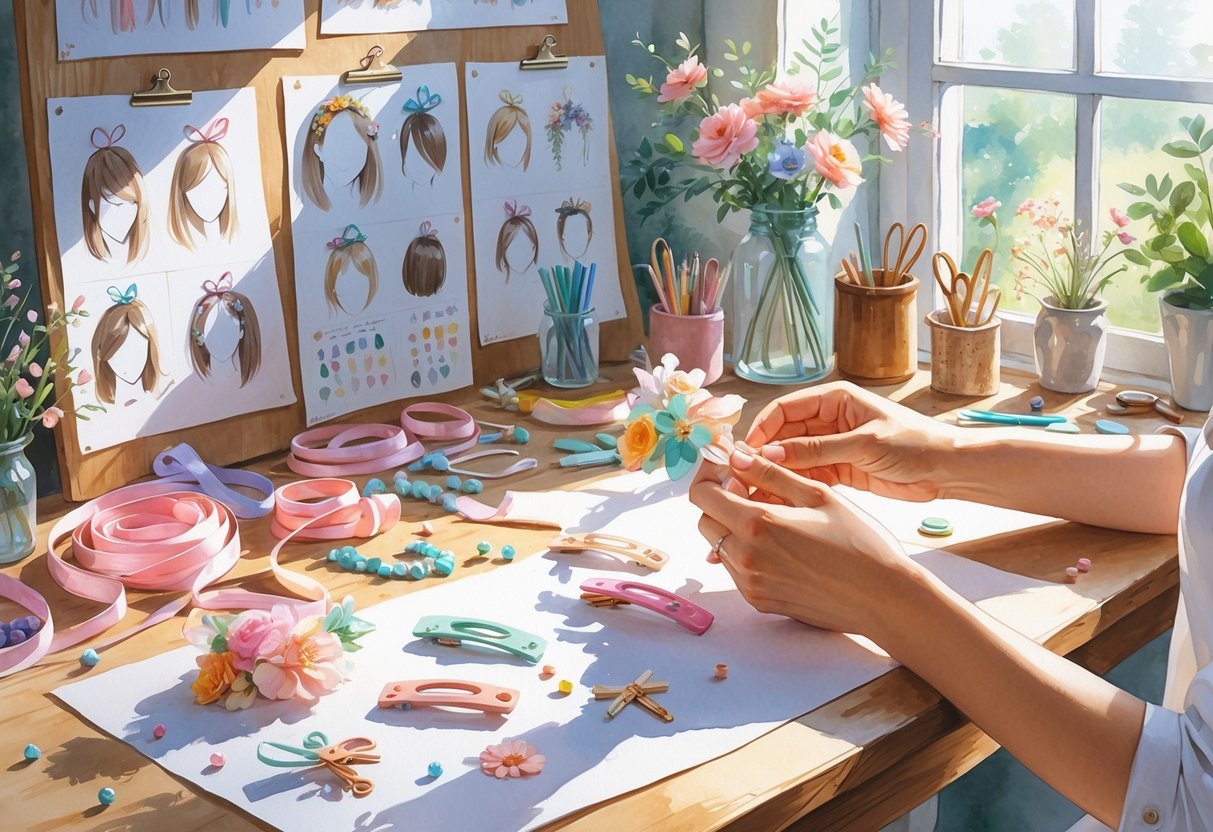
Making your own hair accessories gives you a creative outlet that connects directly to your styling work. You can design clips, headbands, scrunchies, and bows that match your personal aesthetic or complement specific hairstyles you create for clients.
This hobby requires minimal startup costs and basic materials. You’ll work with ribbons, fabric scraps, beads, feathers, and various embellishments.
Most projects take less than 10 minutes to complete once you learn the basic techniques. Hair accessory crafting helps you understand how different pieces interact with various hair types and styles.
When you make a clip or barrette yourself, you gain insight into weight distribution, grip strength, and placement options. This knowledge improves your professional work.
You can customize accessories for specific clients or occasions. A handmade piece adds a personal touch that store-bought items can’t match.
Your clients will appreciate the extra thought and creativity. The skills you develop translate into additional income opportunities.
Hair accessories sell well at craft fairs and online shops because they hit popular price points between $5 and $30. The profit margins are good since materials cost little and production time stays short.
This hobby keeps your hands busy and your mind engaged without the pressure of working on actual client hair. You can experiment with color combinations, textures, and designs risk-free.
Each piece you create becomes a potential prop for your styling portfolio or a thoughtful gift for friends and family.
2) Micro-Training Sessions Between Appointments
Your downtime between clients can become valuable learning time. Micro-training sessions let you practice new skills in short bursts throughout your workday.
These brief training moments work well because you learn by doing. You can spend 10 to 15 minutes trying a new braiding technique or watching a quick tutorial on color correction.
The small time commitment makes it easy to fit learning into your busy schedule. You can practice on mannequin heads or work with other stylists during slow periods.
This hands-on approach helps you build muscle memory and confidence with new methods. Many stylists find that practicing in small chunks actually helps them retain information better than longer training sessions.
Micro-training also lets you focus on specific skills you want to improve. You might work on perfecting your layering technique one day and practice updos the next.
This targeted approach means you can address your weak areas without feeling overwhelmed. The beauty of this hobby is that it directly improves your work.
Every micro-training session adds to your skill set and gives you more options to offer clients. You can test new ideas in a low-pressure environment before trying them on paying customers.
Start by setting aside just 10 minutes a day for practice. Keep a mannequin head at your station or bookmark helpful video tutorials on your phone.
1) Creative Hairstyling Challenges
Creative hairstyling challenges push you to experiment with new techniques and styles outside your normal work routine. These challenges help you develop fresh skills while having fun with hair.
You can find styling challenges on social media platforms where stylists share their creative work. Popular challenges include recreating vintage hairstyles, working with unusual color combinations, or creating styles based on specific themes.
These activities let you try techniques you might not use with regular clients. Setting personal challenges works well too.
You might challenge yourself to master a new braiding technique each month or recreate celebrity hairstyles. Working with different hair textures and lengths expands your skill set.
Participating in timed challenges adds extra excitement to your practice. Try completing a full updo in 15 minutes or creating three different looks with the same model.
These time limits help you work more efficiently while staying creative. You can also join styling competitions in your local area or online.
Competitions give you clear goals to work toward and let you see how other stylists approach the same challenge. The feedback you receive helps you grow as a stylist.
Document your challenge results with photos or videos. This creates a portfolio of your experimental work and shows your range of skills.
You might discover new signature styles or techniques that become part of your professional services.
Why Hobbies Matter for Hair Stylists
Hobbies provide essential benefits that directly improve your work as a hair stylist. They refresh your creative vision, maintain your mental health, and help build deeper connections with clients.
Enhancing Creativity
Your creative well runs dry when you spend all your time behind the chair. Hobbies expose you to new colors, textures, patterns, and ideas that you can bring back to your styling work.
When you practice photography, you train your eye to see light and shadow differently. This skill translates to better understanding of how highlights and lowlights will look on different hair types.
Painting teaches you color theory in a hands-on way that goes beyond mixing formulas. Even hobbies that seem unrelated to hair styling feed your creativity.
Gardening shows you organic shapes and natural color combinations. Cooking teaches you about precision and timing.
Dancing helps you understand movement and flow. Your brain needs different types of stimulation to stay sharp.
Activities outside the salon give your mind permission to wander and make unexpected connections. These connections often lead to your most original styling ideas.
Preventing Burnout
Standing for eight to ten hours daily takes a physical toll on your body. The emotional work of managing client expectations and maintaining upbeat energy drains your mental reserves.
Hobbies give you something to look forward to outside of work. They create clear boundaries between your professional and personal life.
Physical hobbies like yoga or swimming counteract the repetitive motions of cutting and styling. They stretch different muscles and reset your posture.
Mental hobbies like reading or puzzles engage your brain in ways that feel restful rather than demanding.
Strengthening Client Relationships
Hobbies give you conversation topics beyond hair and weather. When you share genuine interests, clients see you as a complete person rather than just a service provider.
You naturally connect with clients who share your hobbies. A client who also loves hiking will appreciate your enthusiasm when you talk about weekend trails.
These shared interests build trust and loyalty faster than small talk ever could. Your hobbies also make you more relatable to a wider range of clients.
When you can discuss gardening with one client, photography with another, and cooking with a third, you create multiple touchpoints for connection. These conversations make appointment time feel less transactional and more personal.
Incorporating New Skills From Hobbies
Hobbies naturally build abilities that enhance your work behind the chair. Manual skills and creative thinking transfer directly to client services and styling techniques.
Translating Artistic Techniques
Drawing and painting teach color theory that applies directly to hair coloring. When you understand how complementary colors interact on canvas, you can better predict how tones will work together in hair formulations.
Photography develops your eye for lighting and angles. You learn which lighting makes features stand out and how different angles change appearance.
This knowledge helps you style hair that photographs well and flatters clients in various settings. Crafts like jewelry making or pottery improve your understanding of texture and dimension.
These activities train you to think about how different elements work together in three-dimensional space. You can apply this thinking when creating layered cuts or dimensional color placements.
Fashion design or sewing builds pattern recognition skills. You learn how different shapes complement various body types.
This translates to recommending hairstyles that balance face shapes and body proportions.
Improving Manual Dexterity
Knitting or crocheting strengthens finger muscles and improves coordination between both hands. These repetitive motions build the stamina needed for long styling sessions.
Your hands become steadier and less prone to fatigue during detailed work. Playing musical instruments refines fine motor control.
Guitar playing develops independent finger movement, while piano builds hand-eye coordination. These skills directly improve your precision when doing intricate braiding or creating detailed updos.
Cooking teaches knife skills and proper hand positioning. The controlled movements you use when chopping vegetables mirror the precision needed for cutting techniques.
You also develop better spatial awareness of where your hands are without looking directly at them.
Frequently Asked Questions
Hair stylists often wonder which hobbies can boost their professional skills and creative abilities. These questions address specific activities that enhance coordination, creativity, trend awareness, and client interactions.
What are some creative hobbies that can enhance a hair stylist’s skill set?
Creating inspirational quote collections helps you develop an eye for visual composition and design principles. You can arrange quotes with different fonts, colors, and layouts, which translates directly to how you visualize hairstyles.
Personal hair care product formulation teaches you about ingredients and their effects on different hair types. When you mix your own shampoos, conditioners, or styling products, you gain deeper knowledge of what works for various hair concerns.
Experimenting with color theory through painting or digital art strengthens your understanding of complementary colors and color mixing. This knowledge applies directly when you choose hair color combinations for your clients.
Which hobbies can help a hair stylist with hand-eye coordination and precision?
Painting and drawing require steady hand movements and attention to detail. These activities train your hands to make controlled, precise motions similar to cutting and styling hair.
Calligraphy and hand lettering demand exact brush or pen control. You practice creating consistent strokes and maintaining steady pressure, which improves your scissor control and sectioning accuracy.
Sculpting with clay or other materials develops your spatial awareness and fine motor skills. Working with three-dimensional forms helps you better understand head shapes and hair placement.
What activities can hair stylists engage in to boost their creativity outside the salon?
Creating social media styling tutorials pushes you to think of new ways to present techniques and styles. You learn to break down complex processes into simple steps while developing your unique creative voice.
Attending peer skill sharing workshops exposes you to different approaches and techniques from other stylists. You exchange ideas and learn methods you might not discover working alone.
Photography as a hobby trains your eye to see angles, lighting, and composition. These skills help you position clients better and showcase your work more effectively.
Are there any hobbies known to improve a hair stylist’s customer service and communication skills?
Public speaking or joining a speaking club helps you communicate more clearly with clients. You learn to explain technical concepts in simple terms and speak with confidence.
Writing a blog or journal improves your ability to organize thoughts and express ideas. These skills translate to better client consultations when you need to understand and explain style choices.
Volunteering in community organizations develops your empathy and people skills. You practice active listening and learn to work with diverse personalities, just like in a salon setting.
Can participating in certain arts and crafts impact a hair stylist’s styling techniques?
Textile arts like knitting or weaving teach you about texture and pattern creation. You understand how different materials interact, which helps when working with various hair textures and creating braided styles.
Jewelry making develops your ability to work with small components and create balanced designs. This attention to symmetry and proportion applies when creating updos or placing hair accessories.
Origami improves your understanding of structure and folding techniques. The precision required in paper folding mirrors the exactness needed for certain hair wrapping and twisting methods.
What hobbies might help hair stylists keep up with the latest fashion and beauty trends?
Following fashion blogs and attending runway shows keeps you informed about upcoming style directions. You see how hair complements clothing trends before they reach mainstream popularity.
Experimenting with color theory through various art forms helps you predict and adopt new hair color trends. You understand which color combinations will become popular based on broader design movements.
Creating mood boards and collages trains you to spot patterns in visual trends. You develop the ability to identify emerging styles by collecting and analyzing images from different sources.