10 Best Hobbies for Public Relations Specialists to Enhance Communication Skills and Career Growth
Public relations specialists work in a fast-moving field where communication skills and creative thinking matter every day. Your job requires you to stay sharp, build connections, and keep up with trends that shape how people see brands and organizations.
Finding the right hobbies can help you grow these skills outside of work hours.

The best hobbies for public relations specialists help you practice essential skills like storytelling, strategic thinking, and staying current with media trends. Some activities let you work on writing and communication, while others help you understand how audiences respond to different messages.
This article looks at ten hobbies that fit well with a career in public relations. Each one connects to skills you use at work and offers chances to learn something new.
10) Engaging in storytelling workshops

Storytelling workshops teach you how to craft and deliver compelling narratives. These sessions focus on building your ability to structure stories that connect with audiences on an emotional level.
You learn techniques that master storytellers use to make their messages stick. Public relations work requires you to communicate brand messages and organizational values effectively.
Storytelling workshops give you practical skills to turn facts and data into engaging narratives. You practice creating stories that inform and persuade different audiences.
These workshops often include exercises where you share personal experiences and professional scenarios. You receive feedback from instructors and other participants.
Many organizations offer storytelling workshops specifically designed for communications professionals. You can find programs through professional associations, nonprofit organizations, and specialized training companies.
Some workshops focus on personal storytelling while others emphasize brand narratives and corporate messaging. The skills you develop apply directly to your daily PR tasks.
You become better at pitching stories to journalists and presenting ideas to clients. Your social media content becomes more engaging when you apply storytelling principles.
Regular participation in these workshops keeps your skills sharp. You meet other communications professionals and expand your network.
The collaborative environment pushes you to think creatively about how you frame messages and connect with stakeholders.
9) Analyzing successful PR campaigns

Studying past PR campaigns helps you sharpen your professional skills and stay current with industry trends. You can learn what works and what doesn’t by examining real-world examples.
This hobby lets you explore creative strategies that other professionals used to achieve their goals. When you analyze campaigns, you focus on specific elements like messaging, timing, and audience targeting.
You look at how brands connected with their audiences and what made certain campaigns stand out. This practice trains your eye to spot effective tactics you can apply to your own work.
You can find campaign case studies through industry publications, PR blogs, and professional forums. Many organizations share detailed breakdowns of their successful projects.
You’ll discover different approaches to handling product launches, crisis management, and brand awareness initiatives. This hobby also helps you understand how to measure campaign success.
You learn about metrics like media coverage, audience engagement, and brand visibility. These measurement techniques become useful when you need to evaluate your own campaigns at work.
You stay informed about new PR tools and emerging platforms. You also build a mental library of ideas that you can adapt for future challenges.
8) Creating social media content
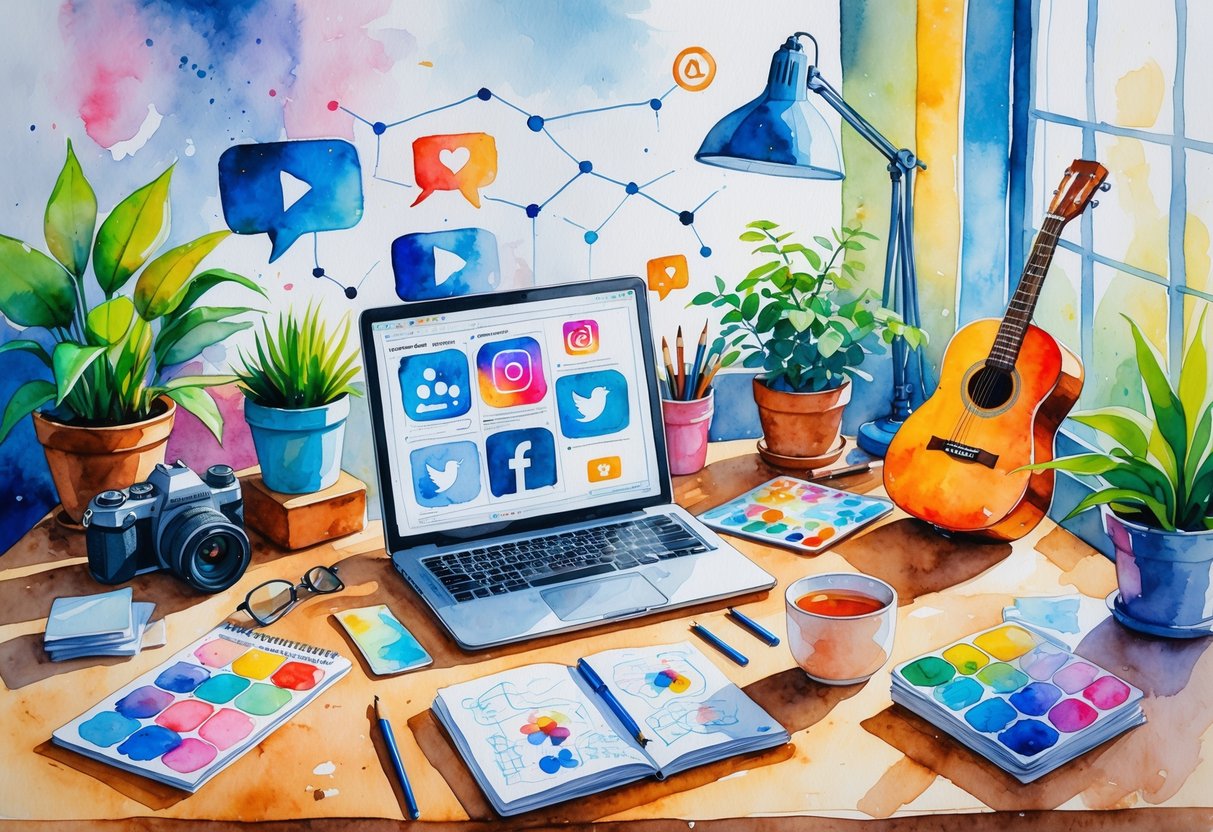
Creating social media content as a hobby gives you hands-on practice with the same platforms you use at work. You can experiment with different posting styles and formats without the pressure of client expectations.
This lets you test new ideas freely. Starting your own social media presence teaches you what works and what doesn’t.
You learn about timing, hashtags, and engagement strategies through real experience. Each post you create builds your understanding of how audiences respond to different content types.
This hobby helps you develop stronger writing and visual skills. You practice crafting clear messages that grab attention quickly.
You also learn basic design principles and photo editing as you create posts that stand out. The skills you gain directly apply to your PR work.
You become better at creating press releases that work well on social platforms. You understand how to make content shareable and engaging for different audiences.
Building your own social media following also expands your professional network. You connect with other PR specialists and industry professionals.
These connections can lead to new opportunities and collaborations. You can start small by focusing on one platform that interests you.
Pick topics you care about so creating content feels enjoyable rather than like work. Track what performs well and adjust your approach based on the results.
7) Practicing public speaking

Public speaking is a natural fit for PR specialists who already spend their careers communicating messages to audiences. Taking it on as a hobby lets you sharpen skills you use at work while exploring topics you genuinely care about.
You can join organizations like Toastmasters or local speaking clubs where you practice in a supportive environment. These groups give you regular opportunities to speak in front of others and receive constructive feedback.
The skills you develop translate directly to your professional work, from media presentations to client pitches. Public speaking as a hobby also builds your confidence when talking to strangers and thinking quickly on your feet.
You learn to connect with different types of audiences and present ideas more persuasively. These abilities matter when you need to represent clients or handle unexpected questions from journalists.
You can explore different speaking styles through this hobby. Try storytelling, persuasive speeches, or informative presentations on subjects that interest you outside of work.
Each format teaches you new techniques for engaging listeners. The practice you get helps reduce anxiety about speaking in high-pressure situations.
When you speak regularly as a hobby, work presentations feel less intimidating. You develop a natural ease in front of audiences that makes you more effective in your PR role.
Most speaking clubs charge modest fees, and you can practice anywhere people gather to share ideas.
6) Networking at professional PR events

Attending professional PR events gives you a chance to build connections that can advance your career. These gatherings bring together people who work in public relations, from newcomers to experienced professionals.
You can meet potential clients, learn from others in your field, and stay current with industry trends. PR networking events come in many forms.
You might attend conferences, workshops, or local meetups organized by PR organizations. Some events focus on specific topics like media relations or crisis management.
Others are more general and designed to help you meet a wide range of professionals. The relationships you build at these events often become valuable over time.
You exchange contact information and follow up after the event. These connections can lead to job opportunities, partnerships, or simply advice when you need it.
Going to networking events regularly helps you develop important skills for your PR career. You practice starting conversations with new people.
You learn to explain your work clearly and listen to what others do. Many PR professionals join organizations that host regular networking events.
These groups create spaces where members can share knowledge and support each other. Being part of these communities keeps you engaged with your field outside of your daily work tasks.
5) Writing blog posts on communication strategies

Writing blog posts about communication strategies helps you sharpen your professional skills while building your personal brand. You can explore topics like media relations, stakeholder engagement, and crisis management through your own analytical lens.
This hobby turns your daily work experiences into valuable content that other PR professionals can learn from. When you write regularly about communication strategies, you develop a deeper understanding of PR concepts.
You need to research industry trends and think critically about best practices. This process makes you better at your job because you’re constantly evaluating what works and what doesn’t in real-world scenarios.
Your blog posts can cover practical topics that matter to PR specialists. You might write about crafting press releases, managing social media campaigns, or handling difficult client situations.
Each post you create adds to your portfolio and demonstrates your expertise to potential employers or clients. The writing practice itself improves your communication abilities.
PR professionals must write clearly and persuasively every day. Blogging gives you a low-pressure way to experiment with different writing styles and find your authentic voice.
You don’t need to post daily to benefit from this hobby. Writing one or two thoughtful posts per month keeps your skills sharp.
You can share your insights on your own website or contribute guest posts to established PR blogs in the industry.
4) Following celebrity gossip programs

Celebrity gossip programs offer valuable insights for public relations specialists. These shows demonstrate how celebrities and their PR teams manage public perception in real time.
When you watch these programs, you see PR strategies in action. You can observe how publicists handle media coverage, shape narratives, and respond to both positive and negative attention.
This gives you practical examples of crisis management and image crafting. Celebrity gossip programs also keep you informed about current trends in media and entertainment.
You learn which stories capture public attention and how different audiences respond to various types of coverage. This knowledge helps you understand what makes content newsworthy and shareable.
These programs show you the relationship between celebrities and the media. You see how publicists develop strategies to secure media coverage and maintain their clients’ reputations.
This is the same type of work you might do for your own clients, whether they are individuals, businesses, or organizations. Watching celebrity gossip shows regularly builds your understanding of public sentiment and media cycles.
You notice patterns in how stories develop and spread across different platforms. You also see examples of successful and unsuccessful PR tactics, which teaches you what works and what to avoid.
This hobby takes minimal time investment but provides ongoing education in your field. You can watch during your downtime while still developing skills that apply directly to your career.
3) Watching commercials for campaign analysis

Watching commercials helps you develop a sharper eye for what works in public relations campaigns. You can study how brands craft their messages and connect with audiences in just 30 or 60 seconds.
When you watch commercials regularly, you start to notice patterns in successful campaigns. You’ll see how companies use storytelling, humor, or emotion to get their message across.
Commercial analysis teaches you to think like your target audience. You can ask yourself what made a particular ad memorable or what fell flat.
Did the message come through clearly? Was the call to action obvious?
You can turn this hobby into a practical learning tool by keeping notes on campaigns that stand out to you. Pay attention to different industries and how they approach their messaging.
Modern commercials also show you how brands handle sensitive topics or respond to current events. You’ll learn what tone works for different situations and audiences.
The best part is you can practice this hobby anywhere. You can watch commercials during regular TV programming, on YouTube, or through streaming platforms that include ads.
2) Attending marketing and PR conferences

Going to marketing and PR conferences gives you a chance to grow your professional skills outside of work. These events bring together some of the best people in the industry.
You can learn from their experience and insights. Conferences offer valuable networking opportunities.
You meet other PR professionals who understand your work challenges. These connections often lead to new friendships and career opportunities down the road.
You also get to learn about new trends and tools in public relations. Industry experts share their knowledge through presentations and panel discussions.
Most conferences happen throughout the year in different cities. You can choose events that match your interests and schedule.
Some focus on specific topics like digital PR or crisis communication. The skills you gain at conferences apply directly to your daily work.
You pick up practical tips and strategies from other professionals. Many PR specialists treat conference attendance as an ongoing hobby.
They plan their calendar around key industry events each year. This regular participation helps them build a strong professional network over time.
You don’t need to attend every conference available. Start with one or two events that interest you most.
This lets you test whether conference attendance works as a hobby for your lifestyle and career goals.
1) Reading marketing and PR industry books

Reading marketing and PR books keeps you sharp in a field that changes constantly. The public relations industry moves fast, with new trends, platforms, and strategies emerging regularly.
Books give you the foundation and frameworks you need to understand these changes and apply them effectively. You can find books that cover everything from media pitching to crisis management to social media strategy.
Some focus on practical skills like writing press releases or building media lists. Others explore broader topics like brand reputation and strategic communication planning.
Reading regularly helps you learn from experts who have years of experience in the field. Many PR professionals write books to share their proven methods and real-world case studies.
You get access to their knowledge without having to make the same mistakes they did. This hobby fits easily into your schedule.
You can read for 20 minutes before work or listen to audiobook versions during your commute. Even reading one book per month adds up to valuable knowledge over time.
PR books also help you stay competitive in your career. When you understand current best practices and emerging trends, you can bring fresh ideas to your team.
You’ll feel more confident when facing new challenges or pitching strategies to clients. The skills you gain from reading transfer directly to your daily work.
You might learn a new approach to media outreach or discover better ways to measure campaign results.
Why Hobbies Matter for Public Relations Specialists

Hobbies provide more than just entertainment for PR professionals. They strengthen the core skills you use every day while helping you form valuable connections and prevent burnout in a demanding field.
Enhancing Communication Skills
Your hobbies naturally sharpen the communication abilities you need in PR work. When you join a book club, you practice articulating opinions and listening to different perspectives.
Sports teams require you to give and receive feedback in real time. Creative hobbies like writing, photography, or music force you to express ideas in new ways.
You learn to adapt your message for different audiences, just like you do when crafting press releases or social media content. Gaming develops quick decision-making and strategy skills that translate directly to crisis management situations.
Group activities build your ability to read body language and emotional cues. You become better at understanding what people really mean, not just what they say.
These skills make you more effective when pitching stories to journalists or managing client relationships.
Building Professional Relationships
Hobbies connect you with people outside your usual work circle. Conferences attract top marketers and PR specialists, but hobby groups introduce you to professionals from completely different industries who might become future clients or partners.
Shared interests create natural conversation starters that feel authentic rather than forced. You meet people as equals working toward common goals, not as someone trying to sell services.
These relationships often prove more valuable than traditional networking because they’re built on genuine connection. Hobby communities also expand your understanding of different audiences.
If you volunteer with a nonprofit, play in a recreational league, or attend craft meetups, you gain direct insight into how various groups think and communicate.
Maintaining Work-Life Balance
PR work demands constant availability and quick responses to emerging situations. Without clear boundaries, you risk exhaustion that hurts both your health and job performance.
Hobbies give you scheduled time away from work emails and client calls. Physical activities like hiking, dancing, or martial arts help you release the stress that builds up during high-pressure campaigns.
Creative pursuits provide mental breaks where your brain can process problems in the background. Many PR professionals find their best campaign ideas come while doing something completely unrelated to work.
Regular hobby time also prevents the resentment that comes from feeling like work consumes your entire life. You return to client projects with fresh energy and clearer thinking.
Tips for Integrating Hobbies Into Your PR Career

Your hobbies can strengthen your public relations career by expanding your professional network, sparking fresh creative ideas, and building a more authentic personal brand. The key is to find practical ways to connect what you enjoy doing with the skills you need for PR work.
Networking Through Shared Interests
Your hobbies give you natural opportunities to meet people outside your usual work circles. When you join a book club, sports league, or volunteer organization, you connect with potential clients, partners, and colleagues in relaxed settings where conversations flow more easily.
These shared interests create trust faster than traditional networking events. Someone you meet at a photography workshop or cooking class already has common ground with you.
This makes it easier to build real relationships instead of just exchanging business cards. You can use hobby-based connections to grow your professional network in specific ways.
Join local chapters of organizations related to your interests. Attend conferences or meetups that combine your hobby with professional development.
Talk about your work naturally when people ask what you do, but focus on building genuine friendships first. Many PR professionals find clients through their hobbies without trying to sell anything.
The authenticity of these connections often leads to stronger business relationships over time.
Leveraging Hobbies to Improve Creativity
Hobbies push your brain to think differently than your daily work tasks do. When you spend time painting, playing music, or building something with your hands, you activate different parts of your thinking process.
This mental shift helps you come up with better PR campaign ideas. Activities like reading fiction, learning languages, or practicing a craft all train your brain to make new connections between ideas.
Creative hobbies that boost PR skills:
- Writing fiction or poetry sharpens your storytelling abilities
- Photography teaches you visual communication
- Improv classes improve your quick thinking and adaptability
- Cooking develops your ability to follow processes and adjust on the fly
Take breaks from work to spend time on your hobbies, especially when you feel stuck on a project. The distance from your work problem often leads to unexpected solutions.
Showcasing Hobbies on Professional Profiles
Your LinkedIn profile and professional bio should include selected hobbies that support your PR expertise. This makes you more memorable and shows you have interests beyond work.
Pick hobbies that demonstrate valuable skills for public relations work. Creative writing shows communication skills.
Team sports prove collaboration abilities. Volunteer work displays community engagement and values alignment.
Add a brief hobbies section to your LinkedIn summary or About section. Mention one or two specific interests with a short explanation of what you enjoy about them.
Keep it professional but personal enough to start conversations. You can also share hobby-related content on professional platforms.
Post photos from events you organize, articles about your interests, or lessons you learn from your activities. This content humanizes your professional presence and gives people more ways to connect with you.
Frequently Asked Questions

Public relations specialists often wonder how their personal interests can strengthen their professional skills. Different types of hobbies build specific abilities that employers value in PR roles.
Which hobbies enhance creativity for public relations professionals?
Storytelling workshops directly improve your ability to craft compelling narratives for clients and campaigns. Writing fiction or personal essays helps you develop fresh angles on familiar topics.
Photography teaches you to see visual stories that complement written content. Theater and improv classes strengthen your creative thinking under pressure.
These activities train you to adapt messages quickly based on audience reactions. You learn to think on your feet while maintaining a clear communication goal.
How can hobbies in digital photography benefit a public relations career?
Digital photography gives you practical skills for creating visual content across social media platforms. You learn composition, lighting, and editing techniques that make posts more engaging.
Many PR specialists now handle their own photo content instead of relying on outside vendors. Photography teaches you to spot visual opportunities during events and campaigns.
You develop an eye for images that tell stories and capture attention quickly. These skills translate directly to managing Instagram, LinkedIn, and other visual-focused platforms.
What analytical hobbies can improve strategic planning for public relations tasks?
Studying successful PR campaigns from other companies sharpens your strategic thinking. You learn to identify what worked and why certain approaches failed.
This analysis helps you make better decisions for your own campaigns. Chess and strategy games build skills in planning several steps ahead.
Playing poker teaches you to read situations and calculate risks. Data analysis hobbies help you understand metrics and measure campaign performance more effectively.
Are there specific hobbies that encourage networking skills for PR specialists?
Attending professional PR events builds your industry connections while you learn new trends. You practice introducing yourself and explaining your work to strangers.
These events give you natural opportunities to start conversations with potential clients or partners. Volunteering for community organizations expands your network beyond the PR industry.
You meet diverse people and learn about different sectors. Sports leagues and hobby clubs create relaxed settings where professional relationships often develop naturally.
How does engaging in team sports reflect on a public relations specialist’s CV?
Team sports demonstrate your ability to work with different personality types toward shared goals. Employers see evidence that you handle pressure and adapt to changing situations.
Your participation shows you understand team dynamics and can support group objectives. Playing on sports teams proves you commit to regular responsibilities and follow through on obligations.
Leadership roles in sports translate to skills in motivating others and managing conflicts. These experiences give you concrete examples to discuss during interviews.
What types of hobbies can showcase a public relations specialist’s ability to manage events?
Planning community gatherings or fundraisers demonstrates your organizational skills in real situations. You show experience coordinating vendors and managing timelines.
Hosting regular meetups or social groups displays your ability to create engaging experiences. You learn to promote events and manage attendance.
Wedding planning or party coordination builds skills in managing budgets and client expectations simultaneously.