10 Photography Hobbies That Pay: Turn Your Creative Skills Into Profitable Income Streams
Photography can transform from an expensive hobby into a profitable venture with the right approach and strategy. Many photographers discover that their passion for capturing moments can generate substantial income through various channels, from selling stock images to offering specialized services.

The key to monetizing photography lies in identifying marketable skills and matching them with demand in your local area or online marketplace. Wedding photography has proven particularly lucrative for many photographers who have sustained profitable side businesses for over a decade.
Whether you want to make your hobby pay for itself or build a full-time income stream, understanding which photography niches offer the best earning potential will help you focus your efforts effectively. The following ten photography specialties provide realistic paths to generate income while pursuing your creative interests.
Key Takeaways
- Photography hobbies can generate income through stock sales, event coverage, and specialized services
- Success requires matching your photography skills with market demand in your area or online
- Multiple revenue streams from prints, editing services, and commercial work maximize earning potential
Stock Photography
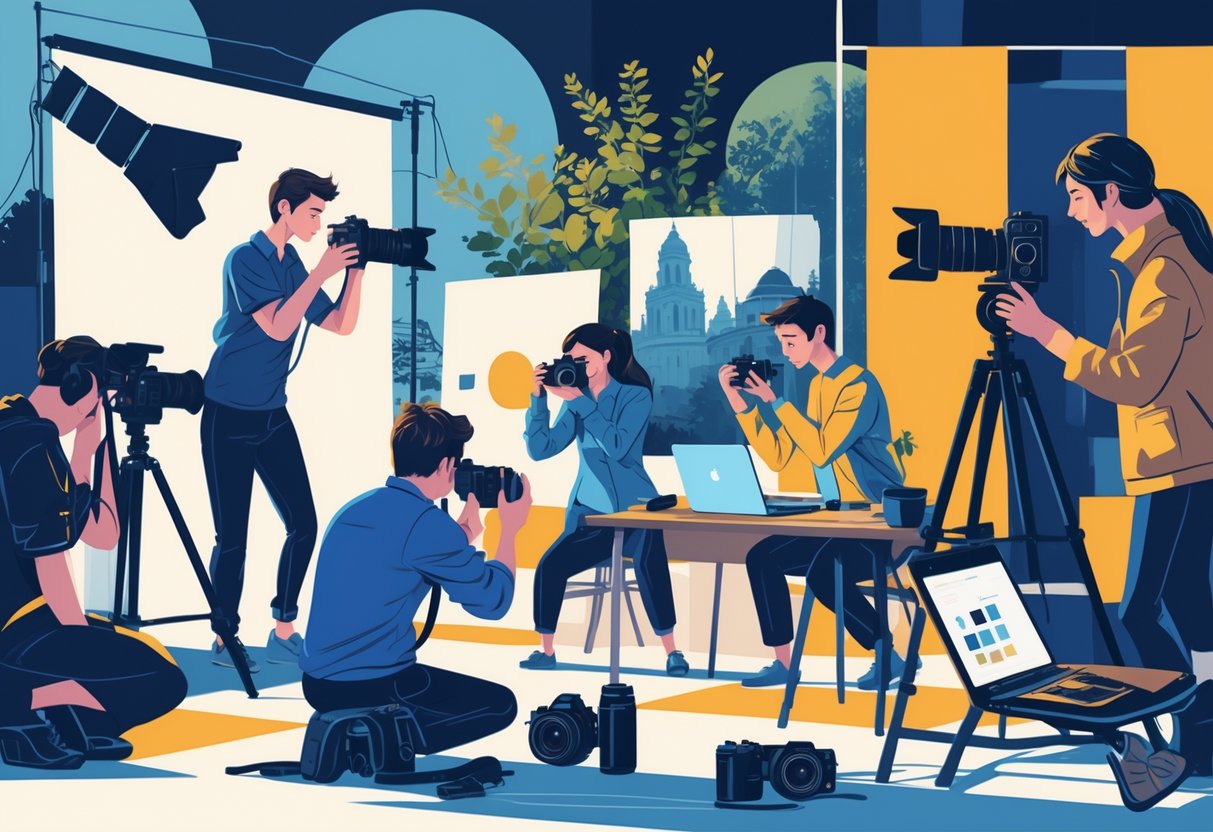
Stock photography platforms allow you to generate passive income by selling or licensing photos to businesses, marketers, and content creators worldwide. Success requires understanding agency requirements, implementing effective licensing strategies, and focusing on commercially viable subjects.
How to Get Started with Stock Agencies
Major stock photography platforms include Shutterstock, Adobe Stock, Getty Images, and iStock. Each platform has different submission requirements and acceptance criteria.
Start by creating accounts on 2-3 platforms to maximize your exposure. Most agencies require you to pass a brief application process by submitting 3-10 sample images that demonstrate technical quality and commercial appeal.
Technical Requirements:
- Minimum resolution: 4MP (2000×2000 pixels)
- Sharp focus and proper exposure
- No visible noise or grain
- JPEG format for most platforms
Submit images with detailed, accurate keywords and descriptions. Use 25-50 relevant keywords per image to improve searchability. Include location information, concepts depicted, and potential usage scenarios.
Model and property releases are required for images containing recognizable people or private property. Keep digital copies of all signed releases for your records.
Best Strategies for Licensing Your Images
Focus on exclusive licensing deals when possible, as they typically pay 2-3 times more than non-exclusive rights. However, non-exclusive licensing allows you to sell the same image across multiple platforms.
Pricing Tiers:
- Micro-stock: $0.25-$5 per download
- Mid-tier: $10-$50 per license
- Premium: $100-$500+ per license
Upload consistently to maintain visibility in platform algorithms. Aim for 10-20 new images per week if treating this as a serious income stream.
Track your performance metrics including download rates, keyword effectiveness, and seasonal trends. Popular images during holidays or events can generate significant revenue spikes.
Consider offering extended licenses for higher payouts. These allow buyers commercial usage rights and typically pay 5-10 times more than standard licenses.
Popular Subjects That Sell
Business and technology themes consistently rank among top-selling categories. Images showing diverse professionals, remote work setups, and modern office environments perform well.
High-Demand Categories:
- Lifestyle: Families, fitness, food preparation
- Business: Meetings, handshakes, office spaces
- Technology: Devices, software interfaces, digital concepts
- Health: Medical equipment, wellness activities, healthcare workers
Seasonal content generates predictable income spikes. Halloween, Christmas, and back-to-school themes see increased demand during relevant periods.
Abstract concepts like success, growth, and teamwork translate well across different industries and cultures. These versatile images appeal to diverse buyers worldwide.
Avoid oversaturated subjects like generic sunsets or basic flower photos. Instead, focus on specific niches that may be overlooked by other photographers.
Local landmarks and cultural events from your area can fill geographic gaps in stock libraries. Tourist destinations and regional festivals often lack comprehensive coverage.
Freelance Event Photography

Event photography offers steady income opportunities through weddings, corporate gatherings, and private parties. Success requires building a strong portfolio that showcases your ability to capture key moments and establishing reliable client acquisition strategies.
Building a Portfolio for Events
Your event portfolio needs diverse shots that demonstrate technical skill and storytelling ability. Include ceremony moments, candid interactions, detail shots, and group photos from different lighting conditions.
Essential Portfolio Elements:
- Ceremony coverage – Key moments like vows, ring exchanges, first dances
- Reception photography – Dancing, speeches, cake cutting
- Detail shots – Decorations, food, venue atmosphere
- Candid moments – Genuine emotions and interactions
- Group portraits – Family photos, wedding parties, corporate teams
Shoot at least 3-5 complete events before marketing your services professionally. Offer free or discounted rates initially to build your collection.
Create separate portfolio sections for different event types. Wedding clients want to see romantic moments and bridal portraits. Corporate clients prefer professional networking shots and presentation coverage.
Finding Clients for Weddings and Parties
Wedding photography can generate substantial income, with some photographers earning $65 per hour as beginners. However, turning photography into a business by doing one or two weddings a week can transform your passion into necessary income.
Client Acquisition Strategies:
| Method | Best For | Time Investment |
|---|---|---|
| Wedding vendor networking | Consistent referrals | Medium |
| Social media marketing | Younger couples | High |
| Wedding shows/expos | High-volume leads | Low |
| Venue partnerships | Steady bookings | Medium |
Start with local wedding venues and introduce yourself to coordinators. Venue staff recommend photographers they trust to deliver quality results.
Create Instagram and Facebook business accounts showcasing recent work. Post consistently and use location tags to attract local clients.
Join wedding vendor groups and attend networking events. Build relationships with planners, florists, and caterers who can refer clients to you.
Portrait Sessions
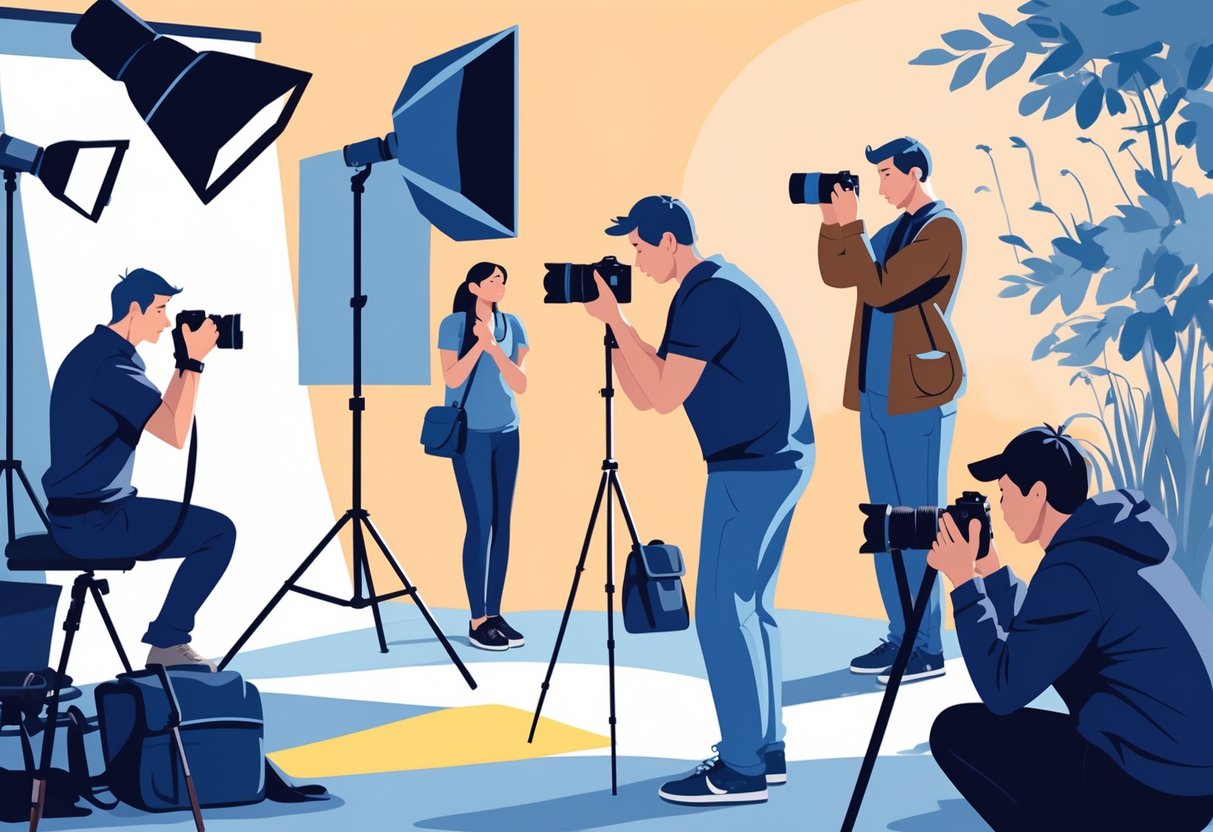
Portrait photography offers reliable income through individual and family photo sessions. Building a local client base requires strategic marketing, while creating professional results depends on proper lighting and backdrop setups.
Marketing Yourself to Local Clients
Social media platforms serve as your primary marketing tool for portrait photography. Post your best work consistently on Instagram and Facebook, using local hashtags to reach potential clients in your area.
Create a simple website showcasing your portfolio with clear pricing packages. Include three basic options: basic headshots, family portraits, and premium sessions with multiple outfit changes.
Network with local businesses that serve your target market. Partner with hair salons, makeup artists, and wedding planners who can refer clients to you.
Effective local marketing strategies:
- Join community Facebook groups and share your work appropriately
- Offer mini-sessions during holidays and special occasions
- Create referral incentives for existing clients
- Set up booths at local farmers markets or community events
Print business cards and leave them at coffee shops, libraries, and community centers. Word-of-mouth referrals generate the most reliable bookings for portrait photographers.
Tips for Professional Studio Setups
Lighting determines the quality of your portrait work more than expensive cameras. Start with a basic two-light setup using one key light and one fill light to create professional results.
Essential studio equipment:
| Item | Purpose | Budget Option |
|---|---|---|
| Key Light | Primary subject lighting | Softbox with continuous LED |
| Fill Light | Reduce harsh shadows | Reflector or second LED panel |
| Backdrop | Clean background | Seamless paper or fabric |
| Light Stand | Support equipment | Adjustable aluminum stands |
Position your key light at a 45-degree angle to your subject for flattering facial lighting. Place the fill light opposite to soften shadows and create even illumination.
Use a simple gray or white backdrop for versatility. Seamless paper costs less than fabric backdrops and provides consistent results for professional headshots.
Keep your setup simple and repeatable. Consistent lighting and positioning help you deliver reliable results that clients expect from professional portrait sessions.
Selling Prints Online

You can transform your photography into a profitable venture by selling physical and digital prints through online platforms. Success depends on choosing the right platform and setting up an effective storefront that showcases your work professionally.
Setting Up an Online Store
Creating your online photography store requires careful planning of your product offerings and pricing strategy. You’ll need to decide between selling physical prints, digital downloads, or both formats to maximize your revenue potential.
Product Selection and Pricing
Start by curating 20-30 of your best images across different themes or styles. Price physical prints between $15-150 depending on size, with 8×10 prints typically selling for $25-40. Digital downloads can range from $5-25 per image.
Store Setup Essentials
Your store needs high-quality product mockups showing prints in frames or home settings. Write detailed descriptions for each photograph including dimensions, printing materials, and care instructions.
Payment and Shipping
Integrate secure payment processors like Paypal or Stripe. For physical prints, establish relationships with professional printing services or invest in high-quality printing equipment. Calculate shipping costs accurately to avoid losses on orders.
Popular Print-On-Demand Platforms
Print-on-demand services handle printing, shipping, and customer service while you focus on creating and uploading your photography. These platforms take a commission but eliminate upfront costs and inventory management.
Top Platform Options
- Etsy: Charges $0.20 listing fee plus 6.5% transaction fee, ideal for artistic and nature photography
- Fine Art America: Takes 30% commission but offers extensive marketing tools and premium printing options
- Society6: Provides diverse product options beyond prints including home decor and apparel
Selling prints and digital copies remains the most popular photography side hustle among both professionals and amateurs. Multiple online platforms help photographers sell their work, from stock photo sites to specialized print services.
Platform Selection Criteria
Choose platforms based on your target audience and photography style. Fine Art America works well for landscapes and artistic photography, while Etsy suits vintage or creative styles. Consider starting with 2-3 platforms to test performance before expanding.
Product and Commercial Shoots

Commercial photography offers substantial earning potential, with specialists earning $100k or more annually. Small businesses need quality product images and promotional content, creating consistent opportunities for photographers willing to approach local markets with competitive pricing strategies.
Approaching Small Businesses
Start by identifying local businesses that need photography services. Restaurants, retail stores, service providers, and e-commerce sellers frequently require product shots and promotional images.
Create a targeted portfolio showcasing your commercial work. Include product photography, headshots, and marketing materials that demonstrate your ability to meet business needs.
Contact businesses through multiple channels:
- Email with portfolio samples
- In-person visits during slower business hours
- LinkedIn outreach to business owners
- Social media engagement and direct messaging
Focus on businesses with outdated websites or poor-quality photos. These companies often recognize the need for professional imagery but haven’t found the right photographer yet.
Prepare a brief pitch explaining how quality photos increase sales and improve brand perception. Mention specific benefits like higher conversion rates for online listings and more engaging social media content.
Pricing Your Commercial Work
Commercial real estate photography ranges from $200 to $1,000 per shoot, while general commercial work varies based on usage rights and project scope.
Standard pricing models include:
- Per image: $25-$150 for basic product shots
- Half-day rate: $300-$800 for smaller projects
- Full-day rate: $600-$1,500 for comprehensive shoots
- Project-based: Fixed fee covering all deliverables
Consider usage rights when setting prices. Images used for national advertising campaigns command higher rates than those for local social media posts.
Offer package deals for ongoing work. Monthly retainers for restaurants or seasonal campaigns for retail stores provide steady income while giving clients cost predictability.
Include editing and basic retouching in your base price. Charge separately for extensive post-processing work or rush deliveries within 24-48 hours.
Social Media Influencer Photography

Building a following around your photography requires consistent content creation and strategic audience engagement. Revenue comes through brand partnerships, sponsored posts, affiliate marketing, and selling your own products or services.
Growing an Engaged Audience
You need to post consistently across platforms like Instagram, TikTok, and Pinterest to build momentum. Aim for 3-5 high-quality posts per week rather than daily low-effort content.
Platform-Specific Strategies:
- Instagram: Use Stories, Reels, and carousel posts to showcase behind-the-scenes content
- TikTok: Create quick photography tips and before/after editing videos
- Pinterest: Pin high-resolution images with SEO-optimized descriptions
Engage authentically with your audience by responding to comments within 2-4 hours. Share your photography process, camera settings, and editing techniques to provide genuine value.
Use relevant hashtags strategically. Research shows that 5-10 targeted hashtags perform better than 30 generic ones. Mix popular tags like #photography with niche-specific ones like #portraitphotography or #landscapecaptures.
Collaborate with other photographers and creators in your niche. Cross-promotion through takeovers, joint projects, and shoutouts can expose you to new audiences who already appreciate photography content.
Monetizing Your Photography on Platforms
Brand partnerships become available once you reach 1,000-5,000 engaged followers. Entrepreneurs and small business owners pay top dollar for headshots and social media content that reflects their brand identity.
Revenue Streams:
- Sponsored posts: $100-$1,000 per 10,000 followers
- Affiliate marketing: 3-10% commission on photography gear
- Print sales: $25-$200 per image
- Online courses: $97-$497 per enrollment
Pitch brands that align with your photography style and audience demographics. Outdoor gear companies work well for landscape photographers, while fashion brands suit portrait specialists.
Create digital products like Lightroom presets, photography guides, or editing tutorials. These generate passive income and establish your expertise in the field.
Platform creator funds provide additional revenue. TikTok pays $20-$40 per million views, while Instagram Reels Play bonus offers up to $1,200 monthly for qualifying creators.
Photo Editing and Retouching Services

You can monetize your photo editing skills by offering professional retouching services to photographers and businesses. Building essential editing expertise in software like Photoshop and Lightroom opens doors to consistent freelance income.
Offering Editing as a Freelance Service
You can offer photo editing services to both amateur and professional photographers as a profitable side business. Many photographers prefer to outsource their post-processing work to focus on shooting.
Popular editing services include:
- Color correction and exposure adjustments
- Skin retouching and blemish removal
- Background replacement and cleanup
- Product photo enhancement
- Wedding and portrait retouching
Freelance platforms like Fiverr connect you with clients seeking quality photo editors. You can also market directly to local photographers and small businesses.
Pricing varies based on complexity and turnaround time. Simple edits typically range from $5-15 per image, while complex retouching can command $25-100+ per photo.
Building a portfolio showcasing before-and-after examples helps attract clients. Start with competitive rates to gain reviews and testimonials.
Essential Editing Skills to Learn
Adobe Photoshop remains the industry standard for professional photo retouching. Master tools like layers, masks, healing brush, and clone stamp for advanced corrections.
Adobe Lightroom excels at batch processing and RAW file adjustments. Learn exposure correction, color grading, and preset creation for efficient workflow.
Key technical skills include:
- Color theory – Understanding color wheels and complementary colors
- Skin retouching – Frequency separation and dodge/burn techniques
- Compositing – Blending multiple images seamlessly
- Sharpening and noise reduction – Optimizing image quality
Practice with free online tutorials and photography communities. Many photo editing services offer training resources to develop your technical abilities.
Specializing in specific niches like wedding photography, product shots, or real estate images can command higher rates and build expertise.
Tour and Travel Photography
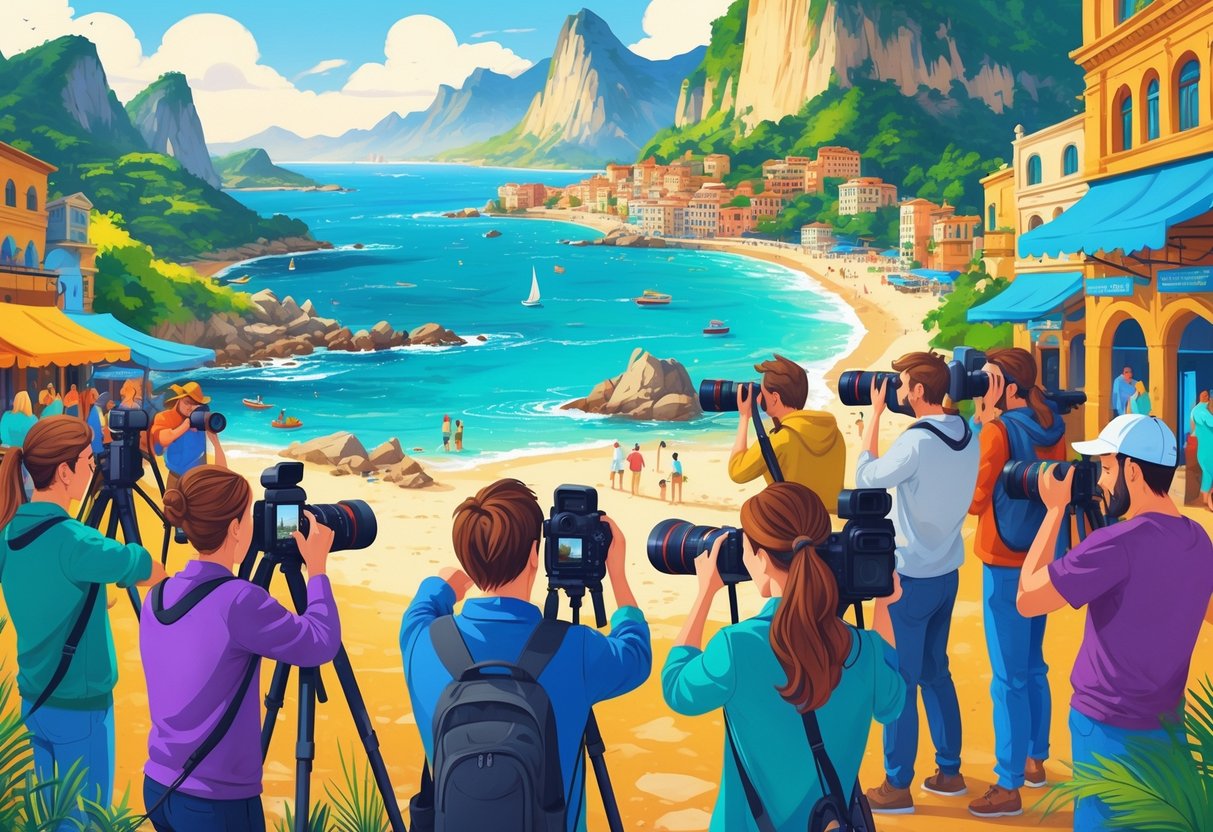
Travel photography offers multiple revenue streams through brand partnerships that can fund your adventures and editorial submissions to publications seeking authentic destination content. These opportunities range from sponsored trips with tourism boards to selling images to magazines and websites.
Travel Partnerships and Sponsorships
Tourism boards, hotels, and travel companies actively seek photographers to create marketing content. You can approach destination marketing organizations directly or apply through their media programs.
Many brands offer paid travel photography opportunities in exchange for high-quality images and social media coverage. Hotel chains frequently partner with photographers for property shoots and lifestyle content.
Key partnership types include:
- Tourism board collaborations
- Hotel and resort partnerships
- Travel gear company sponsorships
- Tour operator content creation
Airlines and booking platforms also hire photographers for promotional campaigns. You’ll need a strong portfolio and professional media kit to secure these partnerships.
Payment structures vary from free accommodations and expenses to direct monetary compensation. Some partnerships include usage rights agreements where you retain image ownership for future licensing.
Submitting to Travel Publications
Travel magazines, websites, and guidebooks continuously need fresh destination photography. Many publications accept freelance submissions and pay competitive rates for quality images.
Stock photography platforms specifically focused on travel generate steady income. Travel photography websites often pay photographers for diverse destination content.
Popular submission outlets:
- Travel magazines (print and digital)
- Guidebook publishers
- Travel websites and blogs
- Stock photography platforms
National Geographic, Conde Nast Traveler, and Travel + Leisure regularly purchase freelance travel images. Smaller publications and niche travel websites often offer easier entry points for new photographers.
Research publication guidelines carefully before submitting. Most require high-resolution images with detailed captions and location information. Payment ranges from $50 for web usage to several hundred dollars for magazine covers.
Frequently Asked Questions
Photography hobbies can generate income through specialized niches, online marketplaces, and targeted strategies for different demographics. Success depends on choosing the right platforms and understanding specific market demands.
What are some profitable photography hobbies for those interested in garage projects?
Automotive photography offers substantial earning potential for garage enthusiasts. You can photograph classic car restorations, custom builds, and vintage vehicle collections for owners, dealers, and automotive publications.
Tool and equipment photography serves online retailers and manufacturers. Your technical knowledge helps create compelling product shots that showcase functionality and craftsmanship details.
Workshop documentation photography captures the restoration process from start to finish. Collectors and enthusiasts pay premium rates for detailed project documentation that preserves their work’s history.
Industrial photography of mechanical components and machinery appeals to manufacturing companies. Your understanding of garage equipment translates well to photographing similar industrial subjects.
How can crafting enthusiasts leverage their photography skills to generate income?
Product photography for handmade items generates consistent income through Etsy sellers and craft businesses. Your understanding of craftsmanship helps highlight quality details that drive sales.
Tutorial photography creates step-by-step visual guides for craft blogs and magazines. Magazine photography assignments can pay between $200 and $1,000 per project.
Craft fair documentation serves event organizers and vendors. You can capture booth setups, demonstrations, and finished products for marketing materials.
Behind-the-scenes photography shows the creative process. Craft influencers and YouTube creators need authentic workspace shots and process documentation for their content.
In which ways can artistic photographers turn their hobby into a profitable venture?
Fine art print sales through galleries and online platforms provide direct income from your creative work. Limited edition prints command higher prices than unlimited reproductions.
Stock photography licensing generates passive income when your artistic images meet commercial needs. Abstract compositions and artistic lifestyle shots perform well in stock markets.
Commission work for private collectors and businesses offers higher rates than general photography services. Your artistic style becomes your unique selling proposition.
Art fair participation connects you directly with buyers. Booth fees range from $100 to $500, but successful sales can generate thousands in weekend revenue.
What online platforms are best for photographers looking to monetize their hobby?
Shutterstock and Adobe Stock dominate the stock photography market. These platforms offer global reach but take 50-70% commission on sales.
Etsy works well for fine art prints and photography services. The platform targets customers specifically seeking handmade and artistic items.
500px offers both stock licensing and print sales. Their community-focused approach helps build your photographer reputation while generating income.
SmugMug provides professional portfolio hosting with integrated print fulfillment. You keep higher profit margins on direct sales to your clients.
What strategies can women adopt to make money from their photography hobbies?
Portrait photography specializing in women’s milestones creates a dedicated client base. Maternity, boudoir, and personal branding sessions command premium rates.
Family lifestyle photography appeals to mothers seeking authentic documentation. Your perspective as a woman often puts female clients at ease during sessions.
Wedding photography partnerships with female-owned vendors expand your network. Collaborations with planners, florists, and stylists generate consistent referrals.
Social media content creation for female entrepreneurs combines photography with marketing knowledge. Many women business owners need consistent visual content for their brands.
How can men transform their passion for photography into a side hustle with financial benefits?
Sports photography leverages many men’s existing interest in athletics. Local teams, youth leagues, and sporting events provide regular income opportunities.
Real estate photography offers steady commercial work with predictable scheduling. Property agents need consistent, professional images for their listings.
Event photography for corporate functions and conferences generates substantial project fees. Business networking helps establish relationships with event planners and companies.
Adventure and outdoor photography appeals to gear and travel companies. Your personal experience with outdoor activities adds authenticity to commercial outdoor imagery.