
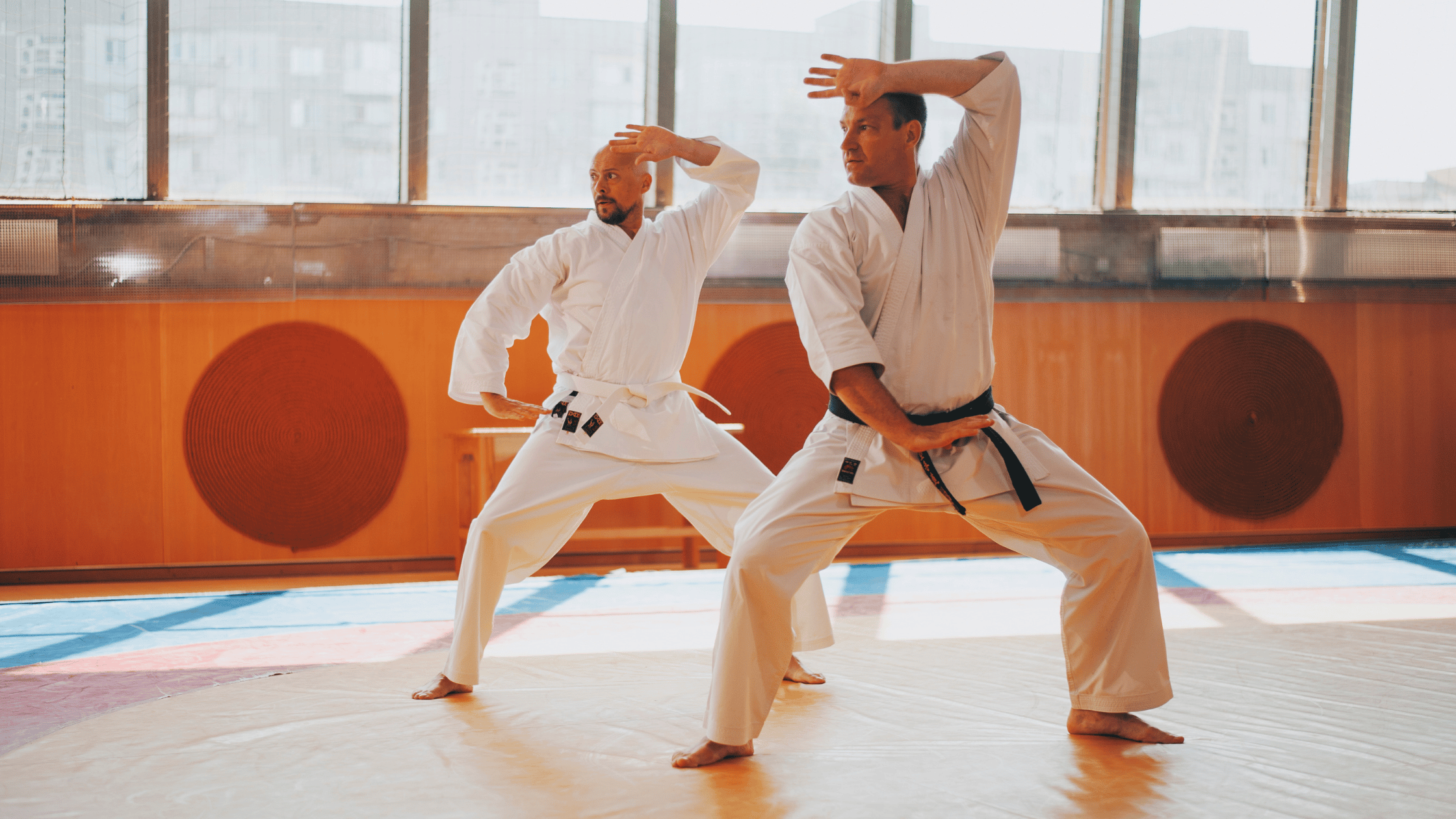
5 Best Books for People Who Love Martial Arts: Top Fiction and Non-Fiction Picks
Martial arts have inspired stories and personal journeys for hundreds of years. Whether you enjoy fast-paced action or thoughtful life lessons, books about martial arts can open your mind to new ideas and worlds.
Both fiction and non-fiction options offer entertainment and insight, sharing tales of discipline, courage, and skill.
With so many titles to choose from, finding the right martial arts book can feel overwhelming. You may want to learn facts about different styles, read about real-life experiences, or escape into exciting fictional worlds where martial artists face big challenges.
Think about what interests you most—a story, a lesson, or a mix of both.
When picking a martial arts book, pay close attention to the writing style, accuracy of information, and the focus of the story or topic. Some books are best for beginners, while others might suit fans who know more.
Best Books for People Who Love Martial Arts
If you are interested in martial arts, the right book can teach you new things and keep you engaged. Here are some of the best books—both fiction and non-fiction—that every martial arts fan should check out.
Martial Arts Politics Explained
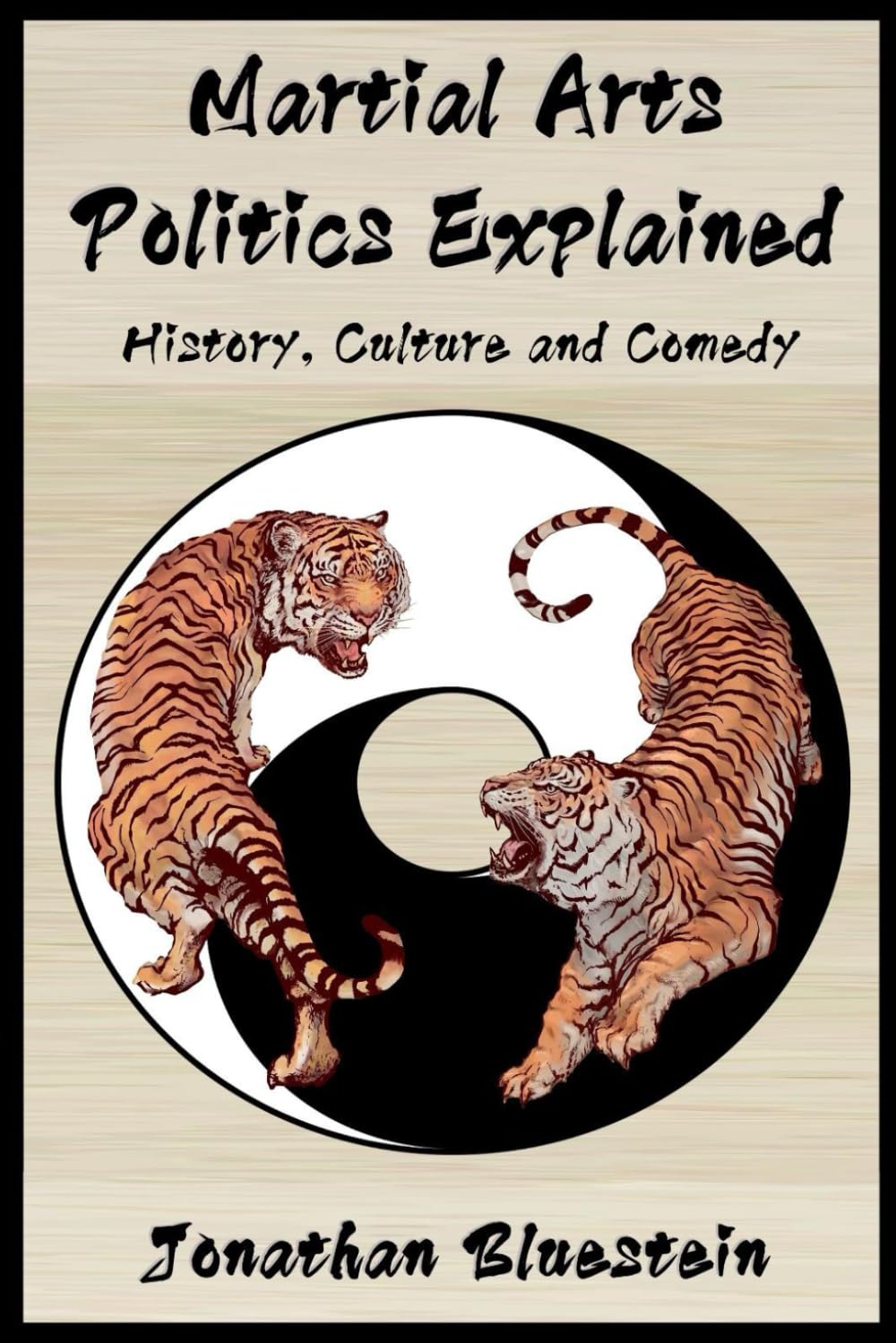
If you want to understand what really happens behind the scenes in the martial arts world, this book gives you a clear and honest look at its culture, history, and hidden politics.
Pros
- Deeply explores the real culture and politics of martial arts
- Offers a mix of history, humor, and personal stories
- Not just for fighters—great for anyone interested in group dynamics
Cons
- The size can feel a bit overwhelming at over 600 pages
- Focus is less on techniques, more on social issues
- Some sections may be slow if you prefer fast-paced action
This book is not like other martial arts books. Instead of teaching you step-by-step moves, it reveals the hidden world beneath the surface.
The author shares real stories, personal experiences, and a touch of humor to make complex topics easier to understand. It covers not just the fighting, but the people, drama, and traditions inside dojos and across cultures.
You learn about both the good and the bad sides of martial arts organizations, and you start to see why some rivalries and problems happen. A few parts are a little dense, especially if you’re looking for a quick read.
The clear explanations and honest approach keep the reading engaging. Whether you’re a lifelong martial artist or just starting, Martial Arts Politics Explained gives you a lot to think about.
Martial Arts: Behind the Myths!
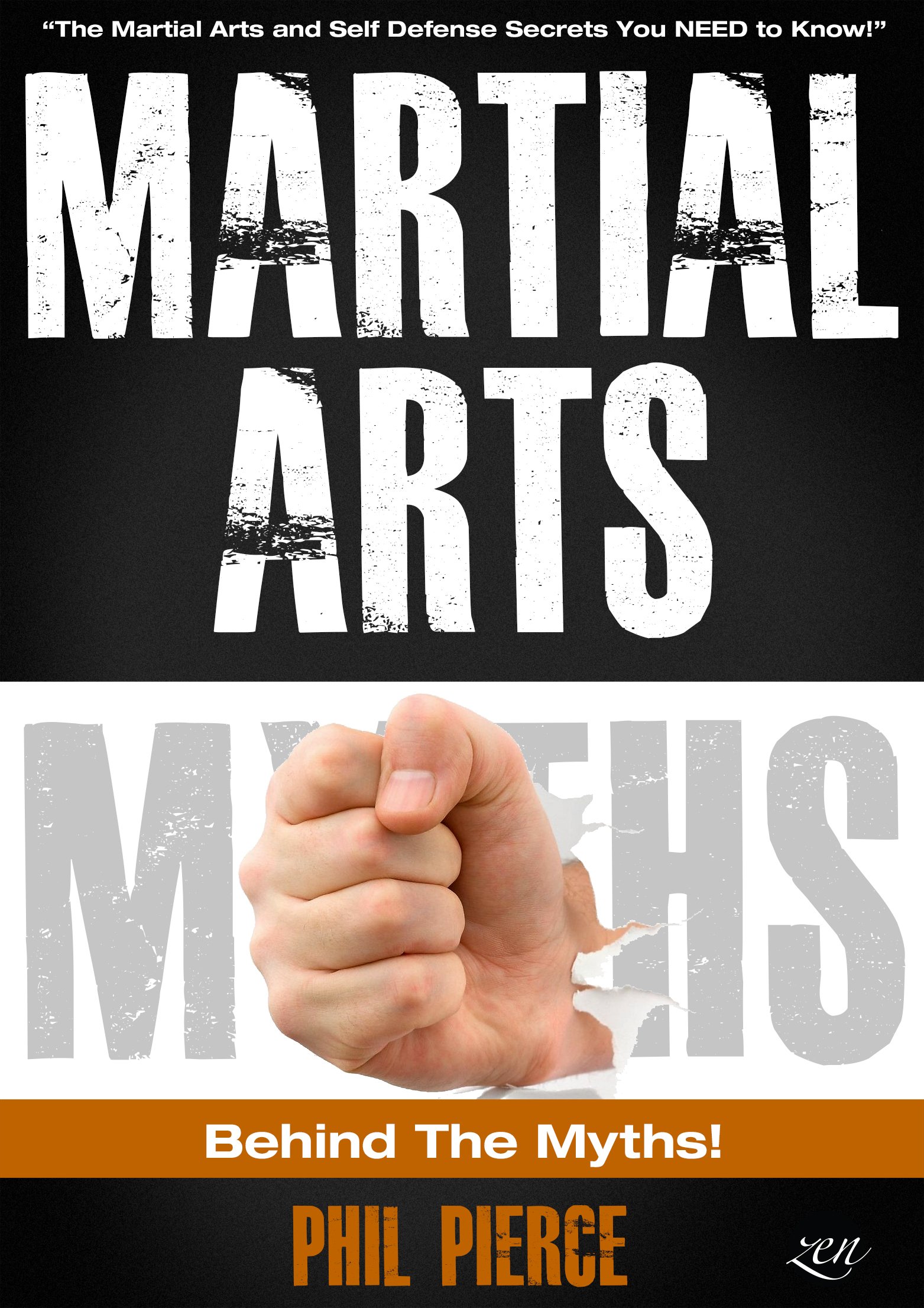
This is a good option if you want a quick and honest look at common ideas and misunderstandings about martial arts.
Pros
- Offers an easy, no-nonsense reading experience
- Challenges popular beliefs and martial arts myths
- Focuses on real-world self-defense issues
Cons
- Sometimes skips over certain points too quickly
- Some readers may want more depth on specific subjects
- Author’s experience can feel limited in parts
The author likes to get straight to the point. The book breaks down stories you may have heard about martial arts styles and self-defense, and tries to separate fact from fiction.
If you have always wondered which martial arts are really useful, or why people follow specific traditions, this guide gives simple explanations. Basic language throughout makes it easy to understand if you are new to the topic.
In just a couple of hours, you can work through most of the book. Sometimes the information feels a little rushed, as some points don’t get the deep discussion they deserve.
People who want to dig deep into martial arts history or expert training details might find this book too simple. If your goal is to learn what works for self-defense and clear up long-standing myths, Martial Arts: Behind the Myths! is a solid place to start.
Martial Arts Woman Stories
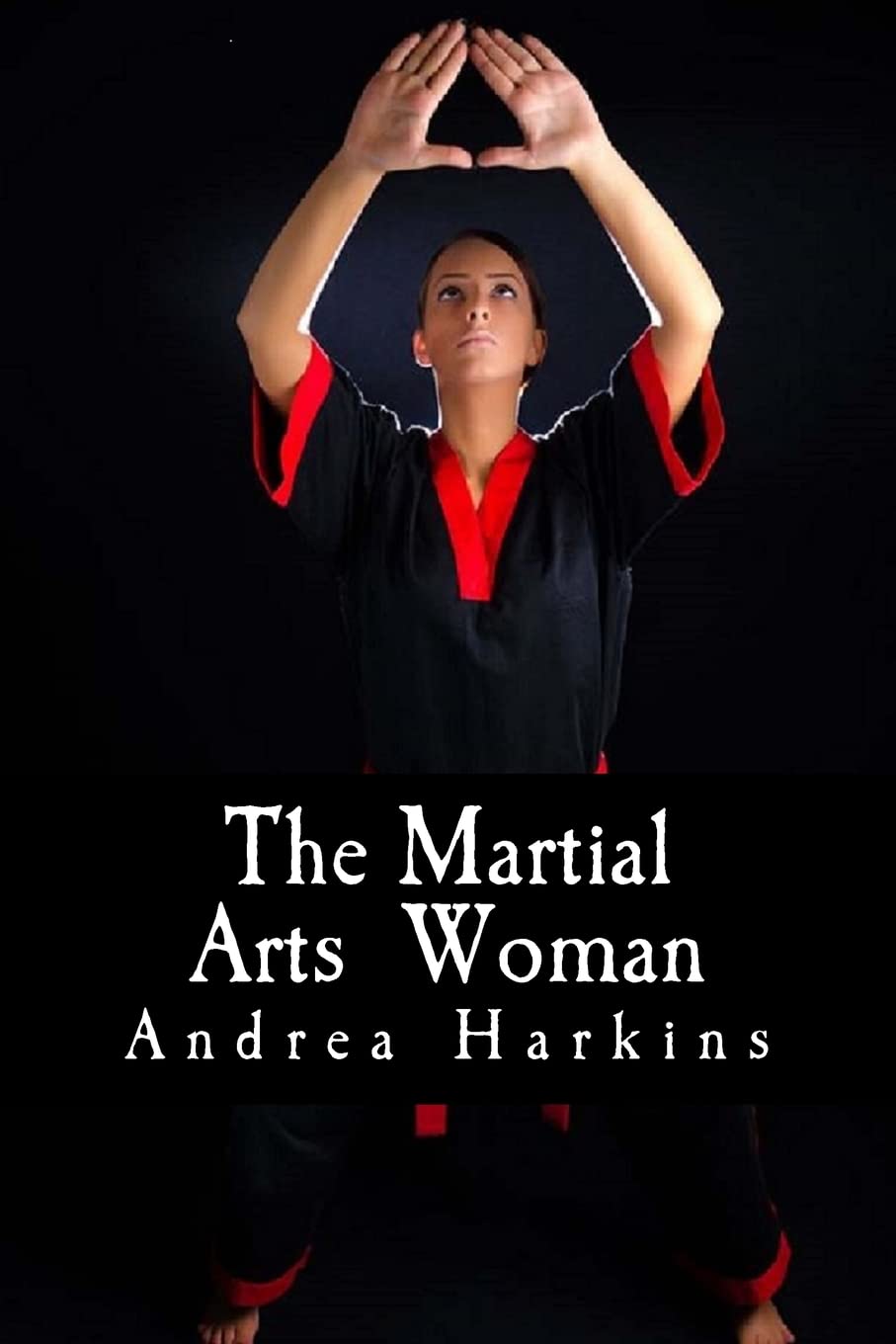
If you want inspiring real-life stories of women who practiced martial arts to overcome challenges, this book will resonate with you.
Pros
- Inspiring insights about women in martial arts
- Motivational stories for all readers
- Clear writing that’s easy to follow
Cons
- Focuses mainly on women’s experiences
- Less detail on specific martial arts techniques
- Some repetition in personal stories
This book shares unique stories from many women who use martial arts to reach their goals. You hear how different backgrounds and life events shaped each woman’s journey.
It feels honest and uplifting, especially if you like reading about people who push past obstacles. The writing style is straightforward, which keeps things moving.
Even if you aren’t an expert, you’ll find something relatable here. The stories are broken down into helpful sections, making it easy to find what you need for a quick boost of motivation.
If you want more technical instruction or history, you might need another book. If you are searching for uplifting stories and mental strength, Martial Arts Woman Stories is worth adding to your list.
Book of Five Rings Deluxe Edition

This book is a smart pick for anyone wanting an in-depth look into classic samurai strategy with a visually impressive and durable edition.
Pros
- Attractive silkbound cover and slipcase add to its collection value
- High-quality pages filled with Japanese artwork
- Timeless lessons on focus, discipline, and tactics
Cons
- The old-fashioned language makes some parts hard to follow
- Focuses mainly on sword fighting rather than other martial arts
- Fewer practical tips for modern combat sports
The Book of Five Rings Deluxe Edition stands out for its striking cover and sturdy build. If you like having attractive books, this one makes a strong impression on your shelf.
The binding feels solid and the slipcase protects it well. Inside, full-color pages feature historical Japanese art that brings the teachings to life.
You get more than just strategy—there’s philosophy that applies to martial arts, leadership, and even everyday problems. While sword fighting is the focus, you’ll also find broader lessons about mindset and discipline.
Reading through this version, you may notice the language is a bit formal. Some sections require a careful read, especially if you’re new to classic texts.
The core ideas are clear, and the visual presentation helps you stay engaged. If you want a beautiful edition of an essential martial arts classic, this is worth adding to your collection.
The Martial Apprentice: Jujutsu Adventure
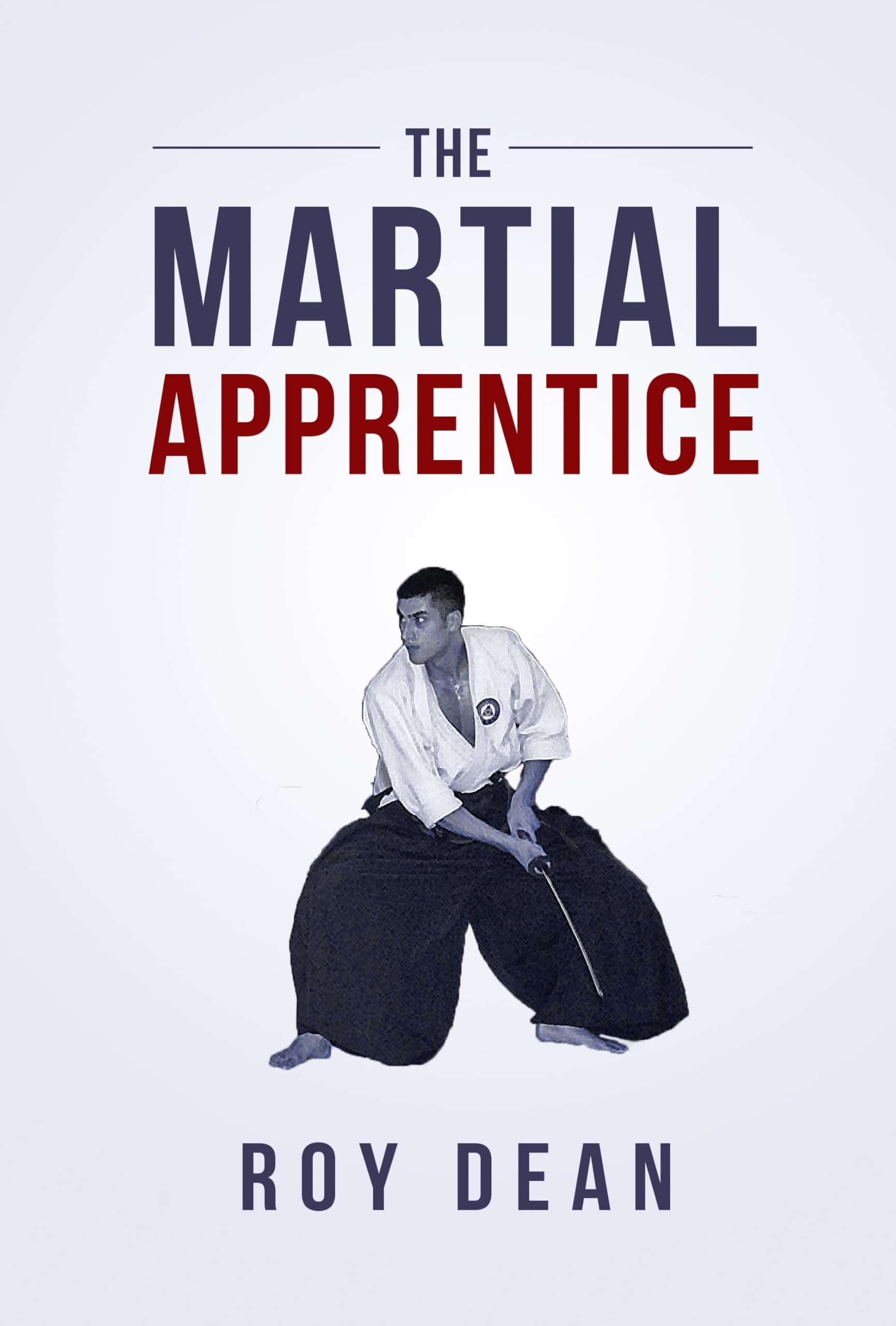
If you want a realistic look into Japanese martial arts from someone who has truly lived it, this book offers an honest and relatable account.
Pros
- Gives you an inside view of traditional Japanese jujutsu and aikido.
- The personal journey makes the story easy to connect with on a human level.
- Focuses on the mental side of martial arts as much as the physical.
Cons
- The book sometimes lacks smooth flow from one topic to the next.
- If you prefer fiction to memoirs, this may feel a bit personal or direct.
- Some insights might not apply if you are only interested in more modern martial arts styles.
Roy Dean’s writing takes you through his own experiences learning Japanese jujutsu. You get to see what it’s really like to train in Japan and to deal with the challenges of traditional martial arts.
Moments of frustration and personal growth are described in a way that makes you feel like you’re right there on the mat. The author talks openly about his doubts and mistakes, rather than pretending to know everything.
This approach helps you understand the discipline from a fresh angle and might change how you look at your own training. There are a few rough spots where the book could be organized better, and sometimes the narrative jumps around.
If you want to learn more about Japanese martial arts—not just the moves, but the personal side—this one is well worth your time.
Buying Guide
Choosing a martial arts book depends on what you hope to learn or enjoy. Some readers want exciting stories, while others want facts and real-life lessons.
First, decide if you prefer fiction or non-fiction. Fiction books tell stories, while non-fiction books share real techniques, history, or advice.
Key Features to Consider:
- Style Covered: Karate, judo, kung fu, or another style.
- Difficulty Level: Written for beginners or advanced students?
- Focus: Storytelling, history, techniques, philosophy, or famous people.
Look at the book’s writing style. A good martial arts book should be easy to follow and well organized.
| Feature | Description |
|---|---|
| Book Type | Fiction or non-fiction |
| Martial Art | Specific style (karate, kung fu, etc.) |
| Reading Level | Beginner, intermediate, or advanced |
| Main Subject | Techniques, philosophy, history, or personal stories |
| Illustrations | Photos, drawings, or step-by-step instructions |
Check if the book has illustrations or photos. Visual aids help explain movements and techniques more clearly.
You may want to read reviews or look inside the book before buying. This lets you see if the style fits your needs.
Pick a book that matches your goals. If you want to learn moves, pick a guide with clear steps and tips.
If you love stories, choose a novel with themes of honor and growth.
Frequently Asked Questions
You can find both story-driven fiction books and educational non-fiction about martial arts. Many books cover martial arts philosophy, practical techniques, and cultural history.
What are the top-rated fiction novels featuring martial arts?
Some popular fiction novels with martial arts include “The Seven Deadly Sins” series and “The Art of War: A Graphic Novel” by Sun Tzu.
“Musashi” by Eiji Yoshikawa is also widely recommended. These books feature stories with strong martial arts themes and characters.
Which non-fiction books offer the best insights into martial arts philosophy?
“The Tao of Jeet Kune Do” by Bruce Lee is a great choice if you want to understand the deeper ideas behind martial arts. “The Book of Five Rings” by Miyamoto Musashi breaks down samurai thinking and strategy.
Can you recommend introductory martial arts books suitable for beginners?
If you are new to martial arts, “Martial Arts for Dummies” by Jennifer Lawler is easy to understand and very accessible.
“Complete Krav Maga” by Darren Levine covers basic moves step by step.
Where can I find comprehensive martial arts manuals or guides in PDF format?
Some official websites for karate, taekwondo, and judo offer free PDF handbooks.
You may also find downloadable guides from martial arts schools or online learning platforms.
Always check that the material is legal and authorized before downloading.
What are some highly regarded martial arts books available on Amazon?
Popular options on Amazon include “The Shaolin Workout” by Shi Yan Ming and “Aikido and the Dynamic Sphere.”
Both have strong reviews for clear explanations and practical techniques.
Are there any notable books that explore ancient martial arts traditions?
“Chinese Martial Arts: From Antiquity to the Twenty-First Century” by Peter A. Lorge details the history of Chinese fighting arts.
“Hagakure: The Book of the Samurai” shares the beliefs and traditions of the samurai era.