How Many Hobbies Should a Person Have? Finding Your Ideal Balance for Mental Health and Personal Growth
You’ve probably wondered if you’re doing too much or not enough when it comes to hobbies. Maybe you feel stretched thin across multiple interests, or perhaps you worry that focusing on just one thing makes your life too narrow.
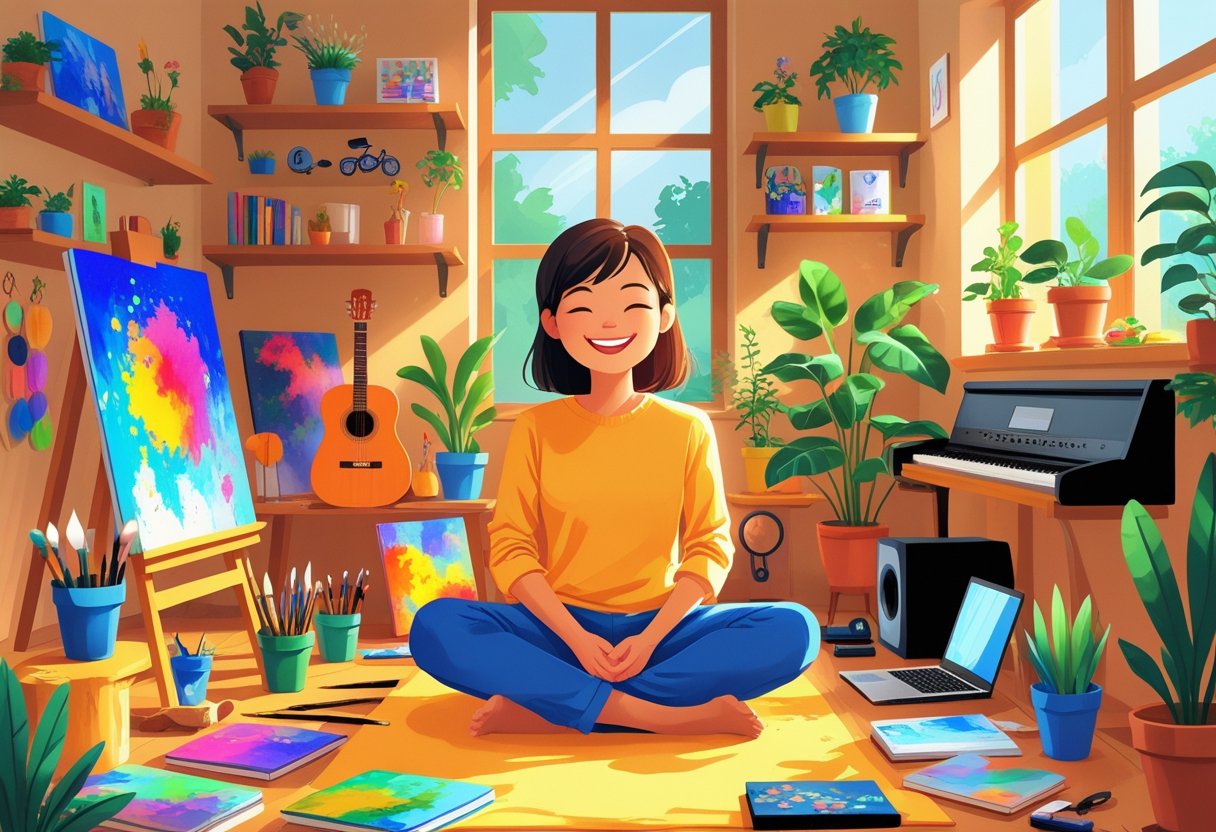
There’s no single right answer for everyone, but research shows that most people thrive with multiple hobbies, with studies indicating that 67% of people maintain more than one hobby. The number that works for you depends on your available time, energy levels, and personal goals. Some people find deep satisfaction in mastering a single pursuit, while others need variety to feel fulfilled.
Finding the right balance means understanding what hobbies offer you and how they fit into your daily life. You’ll discover how to choose activities that genuinely enrich your life, manage your time effectively across different interests, and adjust your hobbies as your circumstances change. The goal isn’t to hit a magic number but to build a collection of activities that brings you joy without overwhelming your schedule.
Understanding the Value of Hobbies

Hobbies provide real benefits that go beyond simple entertainment. They improve your mental health, help you develop new skills, and create opportunities for social connections.
Benefits of Having Multiple Hobbies
When you maintain several hobbies, you create different outlets for various parts of your personality. One hobby might satisfy your creative side while another challenges you physically or mentally.
Having multiple hobbies isn’t a bad thing according to psychology experts. Different activities work different parts of your brain and body. You might paint on Monday, play basketball on Wednesday, and work on car repairs over the weekend.
This variety keeps life interesting. When one hobby feels stale or frustrating, you can switch to another without losing your sense of purpose. Multiple hobbies also mean you can adapt to different situations—if an injury stops you from running, you still have other activities to enjoy.
You also meet different groups of people through each hobby. Each community exposes you to new ideas and perspectives that you wouldn’t get from just one activity.
Hobbies and Personal Growth
Hobbies push you to learn and improve in areas outside your normal routine. When you take on a new hobby, you develop problem-solving skills as you figure out techniques and overcome challenges.
You build confidence each time you master a new skill or complete a difficult project. This confidence often transfers to other areas of your life, including work and relationships.
Hobbies also teach patience and persistence. Learning guitar takes months of practice before you can play a full song. Building model airplanes requires attention to detail and steady hands. These qualities become part of how you approach all tasks.
Many hobbies require you to make decisions and take responsibility for outcomes. You choose which projects to start, how to solve problems, and when to try new approaches. This independence strengthens your decision-making abilities.
Mental and Physical Health Advantages
Research shows clear connections between hobbies and better health. A 2023 study of 93,000 people ages 65 or older found that those with hobbies reported better health, more happiness, fewer depression symptoms, and higher life satisfaction.
Hobbies reduce stress by giving your mind a break from daily worries. When you focus on an activity you enjoy, your body produces less cortisol, the stress hormone.
Physical benefits include:
- Improved coordination and motor skills
- Better cardiovascular health from active hobbies
- Stronger immune system function
- Increased energy levels throughout the day
Mental health benefits include:
- Lower anxiety levels
- Reduced risk of depression
- Better memory and cognitive function
- Enhanced mood and emotional regulation
Active hobbies like hiking, dancing, or gardening provide exercise while keeping you engaged. Even quieter hobbies like reading or puzzles keep your brain sharp and can delay cognitive decline as you age.
Determining the Ideal Number of Hobbies
There’s no single answer that works for everyone when it comes to how many hobbies you should pursue. Your ideal number depends on your available time, energy levels, and what you want to get out of your leisure activities.
Factors That Influence the Right Number
Your work schedule plays a major role in how many hobbies you can realistically maintain. Someone working 40 hours per week has different time constraints than someone working 60 hours or managing a household full-time.
Your energy levels matter just as much as your free time. Some hobbies require intense physical or mental effort, while others help you relax. If you work a physically demanding job, you might prefer fewer active hobbies.
According to a 2016 survey about hobby participation, about 24% of people have one hobby while 56% have multiple hobbies. Only 20% reported having no hobbies at all.
Your financial situation also affects your choices. Some hobbies cost very little, while others require ongoing expenses for equipment, memberships, or materials. Budget constraints can naturally limit how many activities you pursue.
Signs of Too Few or Too Many Hobbies
You might have too few hobbies if you feel bored during your free time or rely too heavily on passive entertainment like scrolling through your phone. Lacking hobbies can also mean missing out on skill development and social connections.
When you have too many hobbies, you’ll notice clear warning signs. You might feel stressed about fitting everything in or guilty about neglecting certain activities. Burnout becomes a real risk when your hobbies feel like obligations instead of enjoyable pursuits.
Feeling burnt out from hobbies varies from person to person, but common signs include constantly rushing between activities and never feeling like you’re making progress in any single area. You shouldn’t dread your leisure time.
Balancing Depth and Variety
Many people find success with the three-hobby approach. This typically includes one hobby for physical activity, one creative or fun pursuit, and one that challenges your mind or builds skills.
Depth means getting good at something and experiencing real growth. When you spread yourself across too many activities, you might never move past beginner level in any of them.
Variety keeps life interesting and exercises different parts of your brain and body. Focusing on three or four core hobbies while letting go of others as active interests gives you room to develop real skills.
Consider rotating hobbies seasonally if you want more variety without overwhelming yourself. You might focus on skiing in winter and switch to gardening in summer. This approach lets you maintain several interests without juggling them all at once.
Common Recommendations for Hobby Numbers
Experts suggest having between two and five core hobbies, though the exact number depends on your available time and energy levels.
Three-Hobby Rule Explained
Many lifestyle experts recommend following a three-hobby framework to balance different aspects of your life. This approach suggests you should have one hobby that keeps you physically active, one that allows you to be creative, and one that helps you earn money or build useful skills.
The physical hobby could include activities like running, dancing, or hiking. Your creative hobby might be painting, writing, or playing music. The money-making hobby could be freelance work, selling crafts, or investing.
This framework ensures you develop different parts of yourself without spreading too thin. However, experts recommend 2-5 core hobbies as the ideal range, with other activities rotating in and out of your life as interests change.
Customizing Recommendations for Lifestyle
Your personal circumstances should determine how many hobbies you pursue. Students with heavy course loads may only manage one or two hobbies, while retirees often have time for four or five regular activities.
Consider these factors when choosing your hobby count:
- Available time: Work schedules and family responsibilities limit free hours
- Energy levels: Some people feel energized by multiple activities while others prefer focusing deeply on fewer interests
- Financial resources: Hobbies vary in cost from free to expensive
- Space constraints: Some activities require dedicated areas or equipment
Survey data shows 56% of people have multiple hobbies while 24% stick to just one. There is no universal answer that works for everyone. You should prioritize activities that bring you joy and fulfillment rather than meeting an arbitrary number.
How Life Stage Affects Hobby Choices
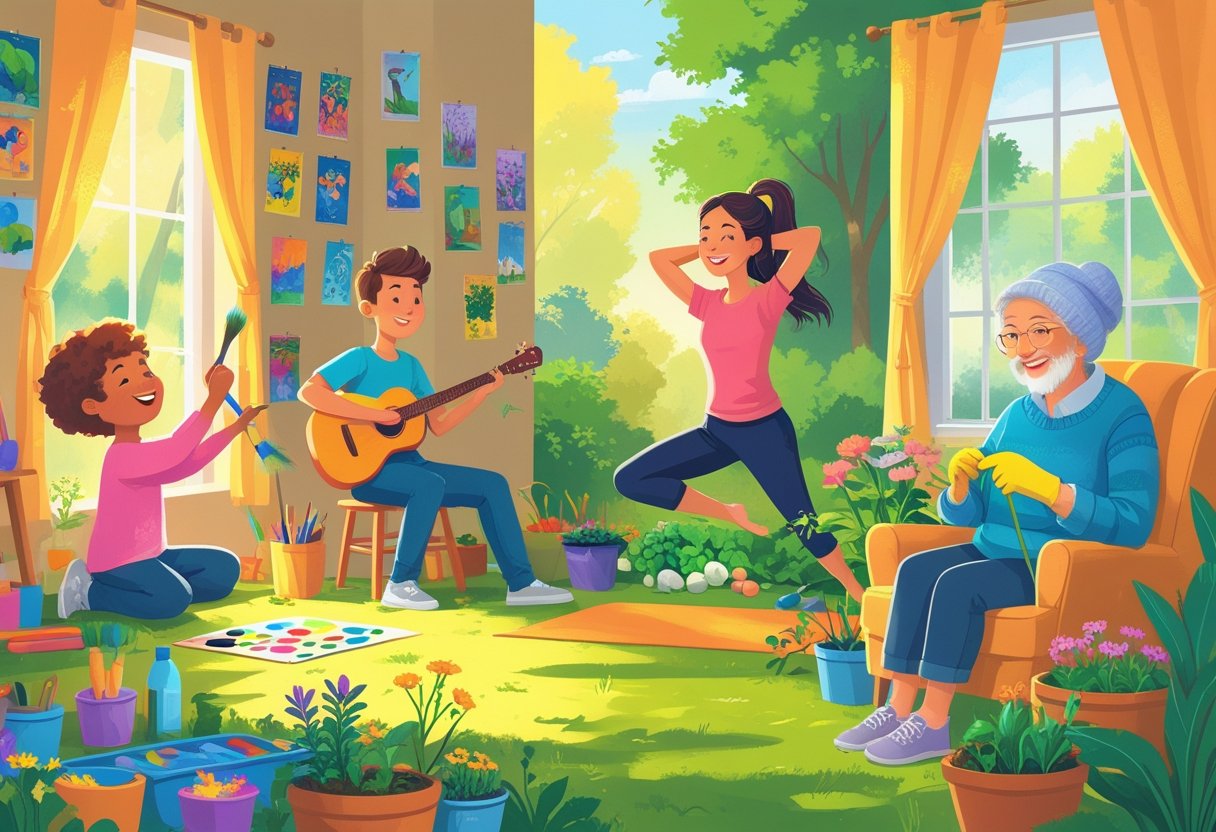
Your age and life circumstances play a major role in which hobbies you choose and how much time you can dedicate to them. Young adults often prioritize social activities and skill-building hobbies, while working professionals balance personal interests with career demands.
Students and Young Adults
Your hobby choices during your student years and early twenties often center around social connection and exploration. You have more free time and flexibility to try different activities without major financial or family obligations.
Many young adults gravitate toward hobbies that help them build networks and skills. Sports teams, music groups, and creative clubs offer chances to meet people with similar interests. You might also pick up hobbies that support your future career goals, like coding, writing, or public speaking.
Different motives for hobbies emerge based on your psychological traits and social environment. During this stage, you typically experiment with multiple interests to discover what truly engages you. Physical activities tend to be popular since you have higher energy levels and fewer physical limitations. Budget constraints might limit some choices, pushing you toward low-cost options like running, drawing, or online learning.
Adulthood and Professional Responsibilities
Your hobby landscape shifts dramatically once you enter full-time work and take on adult responsibilities. Time becomes your most limited resource as you balance job demands, household tasks, and possibly family care.
You need to be more selective about which hobbies fit your schedule. Many adults choose activities they can do in short bursts or during specific windows, like early mornings or weekends. Hobbies that reduce work stress become particularly valuable during this phase.
Life stage changes affect your priorities and physical capabilities. You might shift from competitive sports to gentler exercise options. Parents often pick hobbies they can share with their children or squeeze into naptime. Your increased income lets you invest in equipment or classes, but you have less flexibility to pursue time-intensive interests. Some professionals choose hobbies that complement their work skills, while others seek complete mental breaks from their daily tasks.
Time Management for Pursuing Hobbies

Setting clear boundaries and organizing your time helps you enjoy your hobbies without letting them take over your life. A planned approach keeps you from feeling stressed while making sure each hobby gets the attention it deserves.
Creating a Realistic Schedule
Start by listing all your hobbies and estimate how much time each one needs per week. Be honest about your available free time after work, family commitments, and other responsibilities.
Time blocking is essential for making progress across different interests. Assign specific days or hours to each hobby. For example, you might dedicate Tuesday evenings to painting, Thursday mornings to running, and Saturday afternoons to gardening.
Consider mixing active and passive hobbies throughout your week. This variation helps prevent burnout and keeps things interesting.
Sample weekly schedule:
- Monday: Reading (1 hour)
- Wednesday: Guitar practice (45 minutes)
- Friday: Photography (2 hours)
- Sunday: Hiking (3 hours)
Track your actual time spent on each hobby for two weeks. This shows you which hobbies you naturally gravitate toward and which ones might need adjustment. Some hobbies require longer blocks of uninterrupted time, while others work well in short 20-30 minute sessions.
Avoiding Hobby Overload
Multiple hobbies can eat into quality time with family and friends. Watch for signs that you have taken on too much.
Common warning signs include feeling rushed between activities, losing sleep to fit everything in, or feeling guilty about hobbies you are neglecting. You might also notice decreased enjoyment or treating hobbies like obligations rather than fun activities.
Create a tier list of your hobbies based on importance and satisfaction. Rank them as high priority, medium priority, or low priority. Focus your best time and energy on high-priority hobbies.
Be willing to put some hobbies on hold temporarily. Rotating through interests seasonally works well for many people. You might focus on outdoor hobbies in summer and indoor creative projects in winter.
Strategies for Selecting Fulfilling Hobbies
Choosing hobbies that match what you care about and trying new things helps you find activities that add real value to your life. The right approach makes it easier to stick with hobbies long-term.
Aligning Hobbies With Personal Interests
Start by looking at what already catches your attention in daily life. Think about topics you read about, videos you watch, or activities that make you lose track of time.
Make a list of your core values and interests. If you value creativity, consider hobbies like painting, writing, or music. If you prefer physical activity, look into sports, hiking, or dance.
Consider your current skills and what you want to learn. Building on existing abilities often leads to faster progress and more satisfaction. A person good at problem-solving might enjoy puzzles, coding, or strategy games.
Think about your lifestyle needs too. Some people need hobbies that reduce stress, while others want social connection or physical fitness. Match your hobby choices to what your life is missing.
Your personality matters as well. Introverts often prefer solo hobbies like reading or gardening, while extroverts might choose team sports or group classes.
Experimenting With New Activities
Try activities before committing fully to them. Many gyms, studios, and community centers offer trial classes or single-session options that let you test different hobbies without major investment.
Set a trial period of 3-4 weeks for each new activity. This gives you enough time to get past the awkward beginner phase and see if you actually enjoy it.
Ask friends or family to join you when exploring new hobbies. They can provide motivation and make the experience less intimidating. Plus, you might discover shared interests.
Look for free or low-cost ways to start. Borrow equipment, watch tutorial videos, or join beginner meetup groups before buying expensive gear.
Keep notes about what you liked and disliked after each trial. This helps you spot patterns in what brings you joy and fulfillment. Pay attention to whether you feel energized or drained after each activity.
Adapting Your Hobbies Over Time
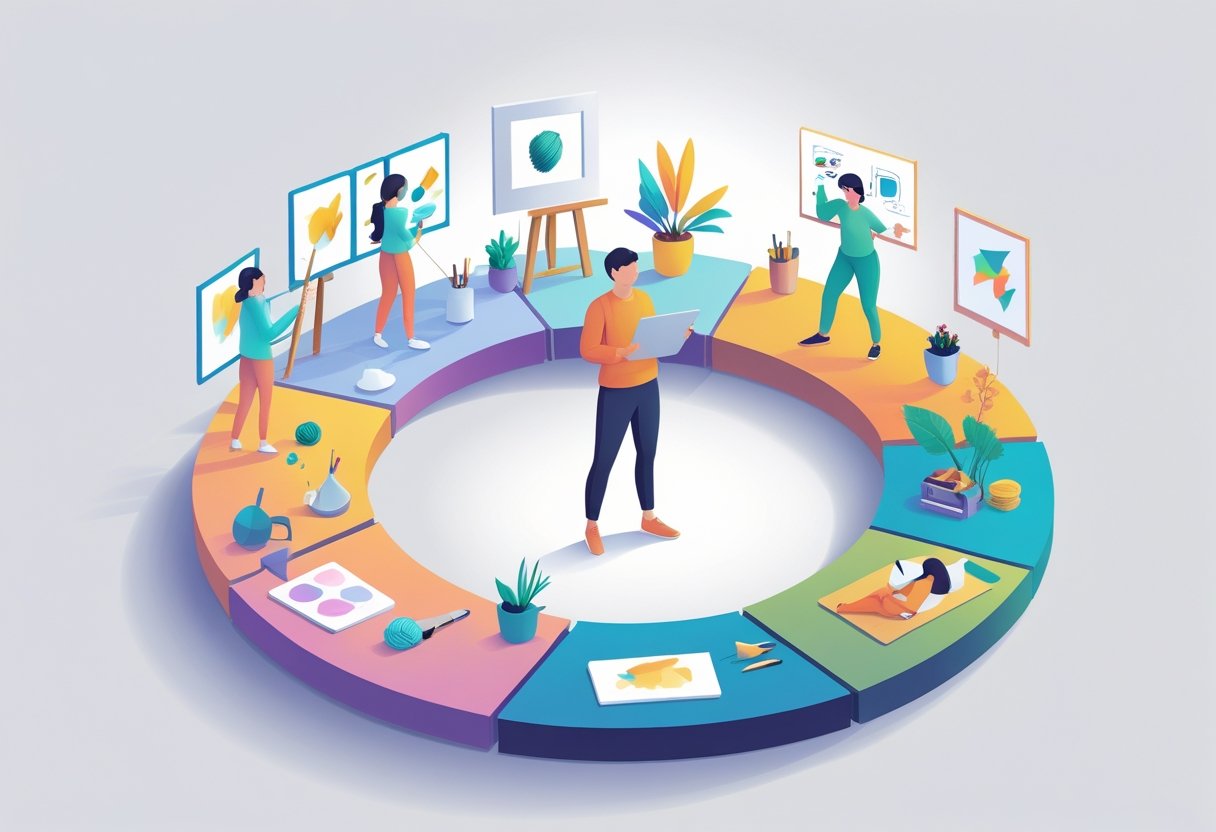
Your hobbies don’t need to stay the same forever. Your interests and priorities naturally change as you move through different life stages.
You might find that a hobby you loved five years ago no longer excites you. That’s completely normal. Life changes like a new job, moving to a different city, or starting a family can shift what activities fit into your schedule.
Common reasons your hobbies might change:
- Your goals and values evolve over time
- Physical abilities or limitations develop
- Available time and energy levels shift
- New opportunities present themselves
- Financial situations change
You should feel free to drop hobbies that no longer bring you joy. There’s no rule saying you must stick with an activity just because you invested time in it before.
Staying flexible with your interests helps you maintain balance in your life. When circumstances change, you can adjust your hobbies to match your current situation.
Trying new activities opens doors to passions you didn’t know existed. You might discover interests that align better with who you are now versus who you were before.
The key is being honest with yourself about what currently brings you fulfillment. Your hobby collection should reflect your present needs and interests, not outdated versions of yourself.