The Science Behind Why Hobbies Make People Happier: Understanding the Psychological and Neurological Benefits
You might notice that your mood lifts when you spend time doing activities you enjoy, but there’s actual science explaining why this happens. Research shows that engaging in hobbies triggers the release of dopamine in your brain, which creates feelings of pleasure and satisfaction while lowering stress levels and improving your overall mood.
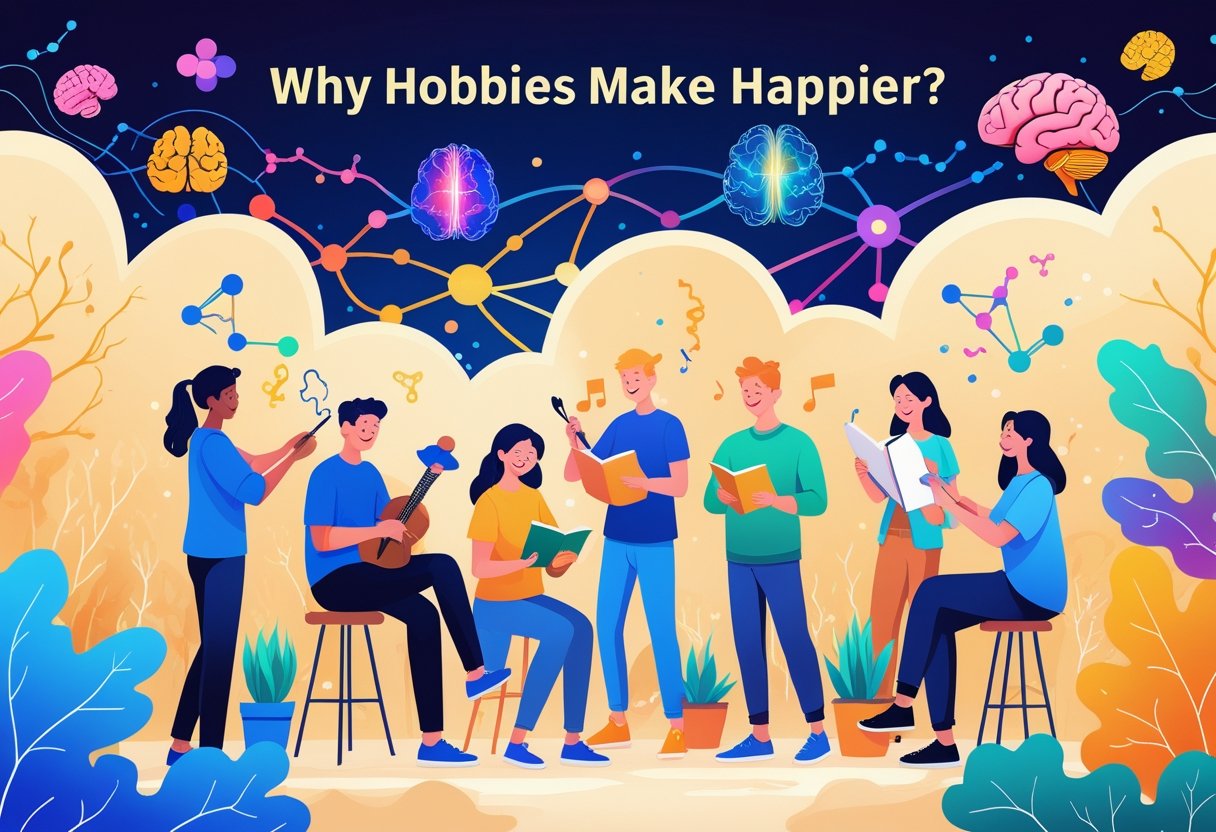
The connection between hobbies and happiness goes deeper than just having fun. Your brain responds to hobby activities in specific ways that affect your emotions, stress levels, and mental health. The benefits extend beyond the time you spend on the activity itself, creating lasting improvements in how you feel day to day.
Understanding why hobbies make you happier can help you choose activities that give you the most benefits. We’ll look at what happens in your brain when you engage in hobbies, how these activities improve your emotional health, and the ways both solo and social hobbies contribute to your well-being. You’ll also learn practical ways to select hobbies that match your goals for happiness and personal growth.
Understanding the Psychology of Hobbies
Hobbies work on your brain in specific ways that affect your mood and mental state. Your brain releases certain chemicals when you do activities you enjoy, and the reasons you pick certain hobbies connect to deeper parts of your personality.
Definition of Hobbies
A hobby is an activity you do regularly during your free time because you enjoy it, not because you have to do it. You don’t do hobbies for money or work requirements. Instead, you choose them based on what interests you.
Hobbies can be physical activities like sports or hiking. They can be creative pursuits like painting or writing. Some hobbies involve collecting things, while others focus on learning new skills like playing an instrument or speaking a new language.
The key part of any hobby is that you do it by choice. You control when and how you engage with it. This voluntary nature makes hobbies different from work tasks or daily chores.
Mental Health Benefits
When you engage in hobbies, your brain releases dopamine, a chemical that creates feelings of pleasure and satisfaction. This happens regardless of how good you are at the activity.
Research shows clear connections between hobbies and better mental health. A 2023 study found that people 65 and older who had hobbies reported better health and more happiness than those without hobbies. They also had fewer depression symptoms and higher life satisfaction.
Your stress levels drop when you spend time on hobbies. The positive effects on your mood continue even after you finish the activity. Playing musical instruments can improve your memory, while activities like reading or puzzles help prevent cognitive decline.
Intrinsic Motivation
You engage in hobbies because of intrinsic motivation, which means you do them for internal rewards rather than external ones. You’re not looking for money, grades, or praise from others. The activity itself brings you satisfaction.
This type of motivation comes from within you. You feel interested in the hobby and want to get better at it for your own reasons. You might enjoy the challenge, the creative expression, or simply the way the activity makes you feel.
Intrinsic motivation makes hobbies more sustainable over time. You don’t need anyone to push you or reward you to keep doing them. Your own interest and enjoyment drive you to continue, which creates a natural cycle of engagement and satisfaction.
The Neuroscience of Happiness and Hobbies
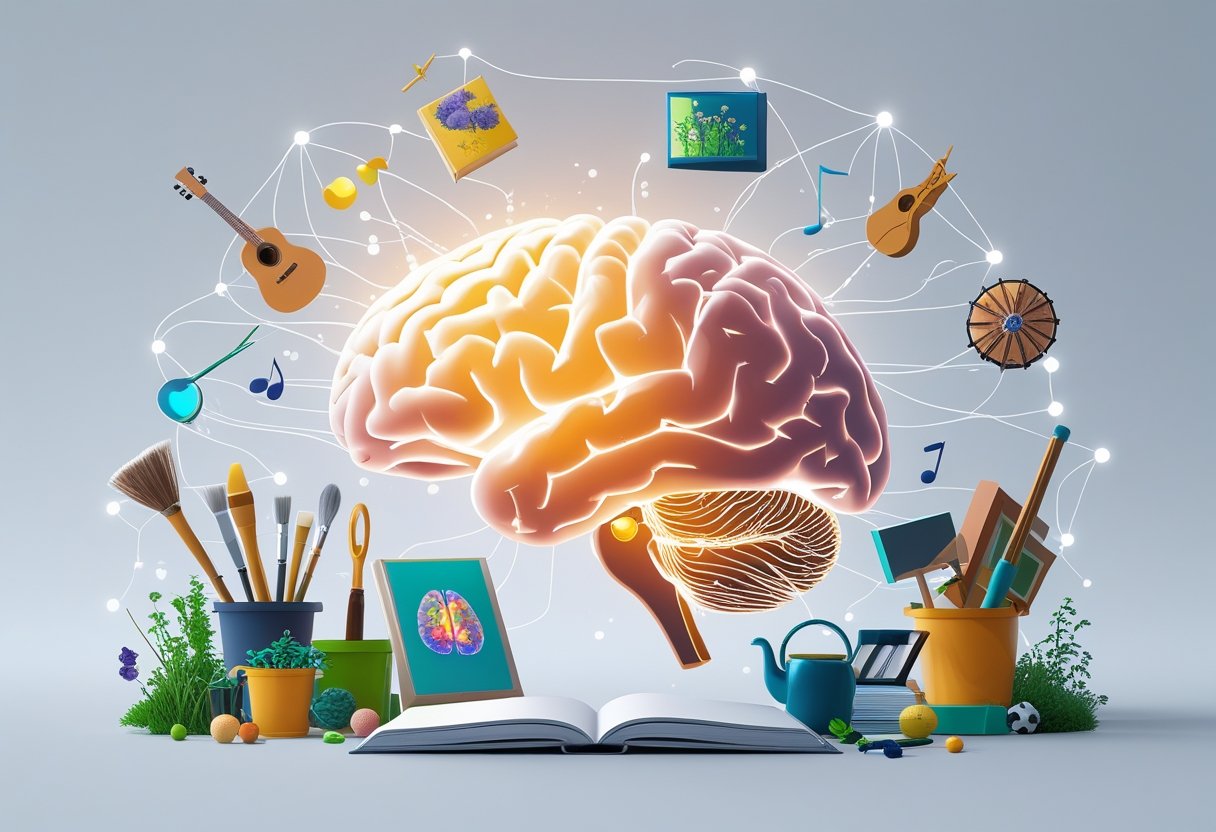
When you engage in hobbies, your brain undergoes specific chemical and structural changes that directly improve your mood and mental function. These changes happen through dopamine release, reduced stress hormones, and the formation of new neural connections.
Dopamine and Reward Pathways
Your brain releases dopamine when you participate in hobbies. This chemical messenger creates feelings of pleasure and motivation in your reward system. Hobbies trigger the release of dopamine, which makes you feel genuinely happier regardless of your skill level.
The dopamine response occurs each time you make progress on a hobby activity. You get a small reward burst when you complete a painting, solve a puzzle, or learn a new song. This creates a positive feedback loop that keeps you engaged and motivated.
Your brain’s reward pathways become stronger with regular hobby engagement. The more you practice your hobby, the more efficient these pathways become at producing positive feelings.
Stress Reduction Mechanisms
Hobbies lower your cortisol levels, which is the primary stress hormone in your body. People with hobbies experience lower stress levels and better moods that persist long after their hobby time ends.
Your nervous system shifts from a stressed state to a relaxed state during hobby activities. This activation of your parasympathetic nervous system reduces heart rate and blood pressure. The stress relief you feel is a measurable biological response.
Research shows that hobby engagement reduces depressive symptoms over time. Your body produces fewer stress chemicals when you regularly engage in activities you enjoy.
Brain Plasticity and Cognitive Enhancement
Your brain forms new neural connections when you learn and practice hobby skills. This process, called neuroplasticity, keeps your brain flexible and healthy. Physical hobbies can improve your brain function along with your physical fitness.
Different types of hobbies strengthen different brain regions:
- Creative hobbies enhance problem-solving areas
- Physical hobbies improve motor control and coordination
- Social hobbies strengthen emotional processing centers
- Learning hobbies boost memory and attention networks
Your cognitive abilities improve with regular hobby practice. You develop better focus, memory, and mental processing speed through consistent engagement in activities you enjoy.
How Hobbies Enhance Emotional Well-Being
Hobbies create positive emotional changes in your brain and body that make daily life more enjoyable. They help you manage difficult feelings while building the mental strength needed to handle future challenges.
Improved Mood and Joy
When you engage in hobbies, your brain releases dopamine, a chemical that creates feelings of pleasure and satisfaction. Research shows that hobbies trigger dopamine release, which makes you feel happier regardless of your skill level.
The mood benefits continue even after you finish your hobby activity. People with hobbies experience lower stress levels and better moods that last long after their hobby time ends.
A large study looked at older adults and found clear results. Among 93,000 people ages 65 or older, those who had hobbies reported better health, more happiness, and fewer depression symptoms compared to people without hobbies.
Emotional Resilience
Hobbies help you develop stronger emotional resilience, which is your ability to bounce back from stress and difficult situations. When you practice a hobby regularly, you create a safe space to experience small challenges and overcome them.
This practice builds your confidence in handling problems. You learn that setbacks are temporary and that improvement comes with effort.
Hobbies also give you a healthy way to process emotions. When you focus on an activity you enjoy, your mind gets a break from worrying or ruminating on problems. This mental break allows you to return to challenges with a clearer perspective.
Sense of Accomplishment
Hobbies provide regular opportunities to set goals and achieve them. Each time you complete a project, learn a new skill, or improve at your hobby, you experience a sense of accomplishment.
These achievements boost your self-esteem and confidence. The progress you make in your hobby reminds you that you are capable of growth and learning.
Your hobby accomplishments create tangible proof of your abilities. Whether you finish knitting a scarf, complete a puzzle, or master a song on an instrument, you have something concrete that shows your effort and dedication.
The Social Impact of Shared Hobbies
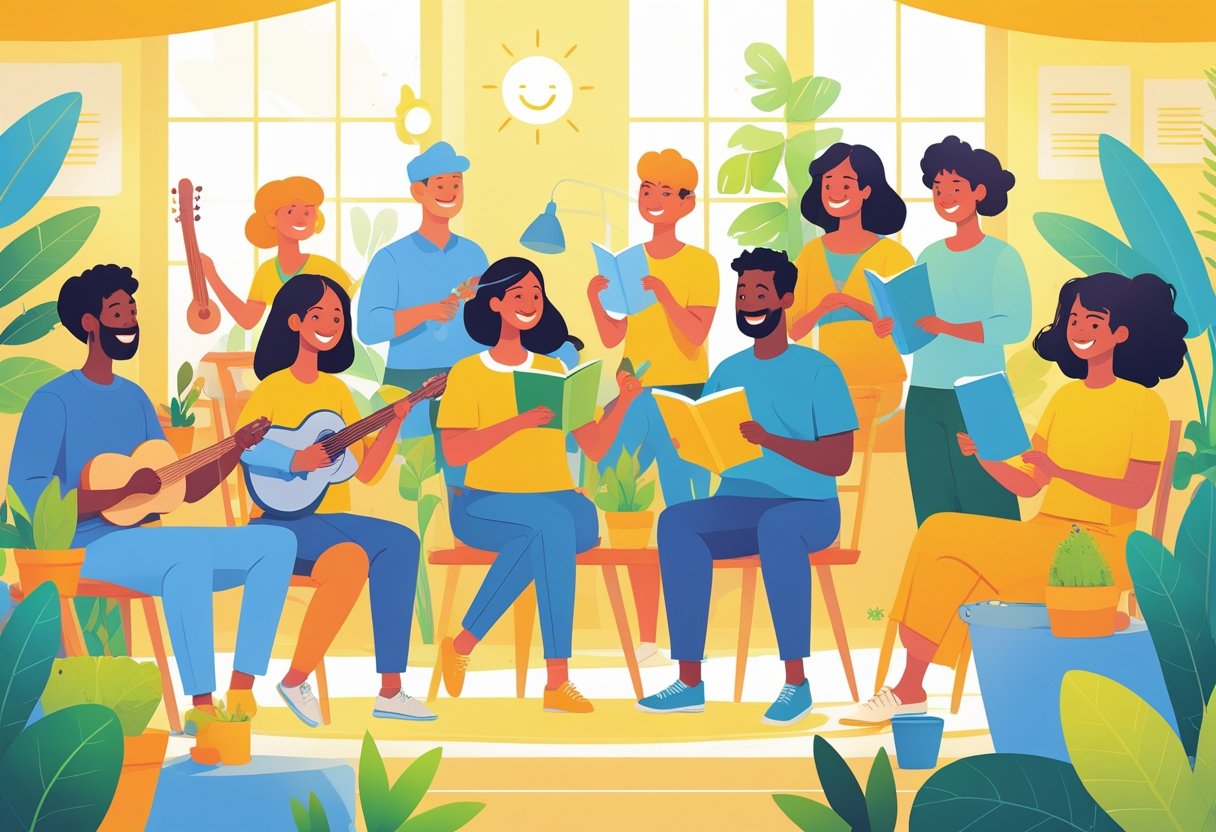
When you engage in hobbies with others, you create opportunities for meaningful relationships and strengthen your sense of community. These shared activities naturally bring people together through common interests and collective experiences.
Building Social Connections
Hobbies create meaningful connections by giving you natural opportunities to meet people who share your interests. When you join a hiking group, book club, or painting class, you already have something in common with the other participants before you even introduce yourself.
These shared interests help you bond more easily than typical social situations. You can focus on the activity itself rather than forcing small talk, which makes conversations flow more naturally. Whether you’re learning a new craft or playing a team sport, you work alongside others toward common goals.
The relationships you form through hobbies often extend beyond the activity itself. You might start meeting for coffee, attending events together, or supporting each other through life’s challenges. These connections become stronger over time as you share experiences and create memories together.
Community and Belonging
Shared hobbies strengthen community bonds emotionally, socially, and culturally. When you participate in group activities, you become part of something larger than yourself. This sense of belonging improves your mental health and overall well-being.
Hobbies bring families and friends closer together too. You can collaborate on projects, learn from each other, and build traditions that last for years. A family that gardens together or a group of friends who play music creates shared experiences that strengthen their relationships.
Your involvement in hobby-based groups also helps build the local community around you. Community gardens, sports leagues, and art collectives create spaces where neighbors interact regularly and support one another.
Physical and Cognitive Benefits of Hobbies
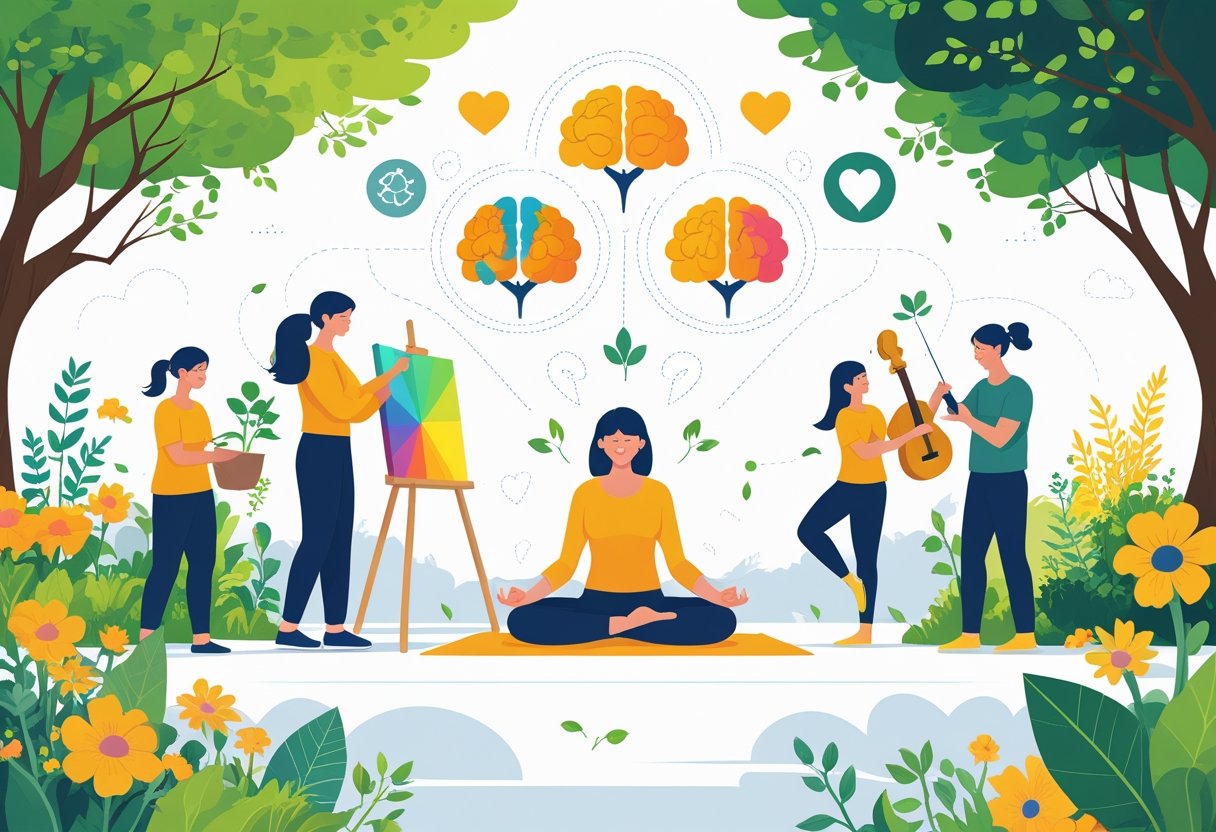
Hobbies strengthen your body and sharpen your mind in measurable ways. Research shows that regular participation in activities you enjoy leads to better physical fitness and enhanced mental processing.
Boosting Physical Health
Active hobbies directly improve your cardiovascular health, strength, and flexibility. Activities like gardening, dancing, hiking, or playing sports get your body moving and burn calories. Even less intense hobbies provide benefits you might not expect.
A 2023 study of 93,000 older adults found that people with hobbies reported better health compared to those without hobbies. The participants also had fewer depression symptoms and higher life satisfaction.
Your stress hormones decrease when you engage in enjoyable activities. This reduction in stress helps lower your blood pressure and reduces inflammation in your body. Regular hobby participation strengthens your immune system, making you less likely to get sick.
Physical hobbies also improve your coordination and balance. These benefits become more important as you age and help prevent falls and injuries.
Enhancing Creativity
Creative hobbies change the structure of your brain. When you paint, play music, or work on crafts, you build new neural pathways. Creative activities actually rewire your brain and build a stronger brain through repeated practice.
Your problem-solving skills improve when you tackle creative challenges. Whether you’re figuring out a knitting pattern or composing a song, you train your brain to think in new ways. This mental flexibility helps you handle challenges in other areas of your life.
Creative hobbies boost your memory and concentration. You need to focus and remember steps, techniques, and sequences. This mental exercise keeps your cognitive abilities sharp and may protect against age-related mental decline.
Role of Mindfulness and Flow in Hobby Engagement
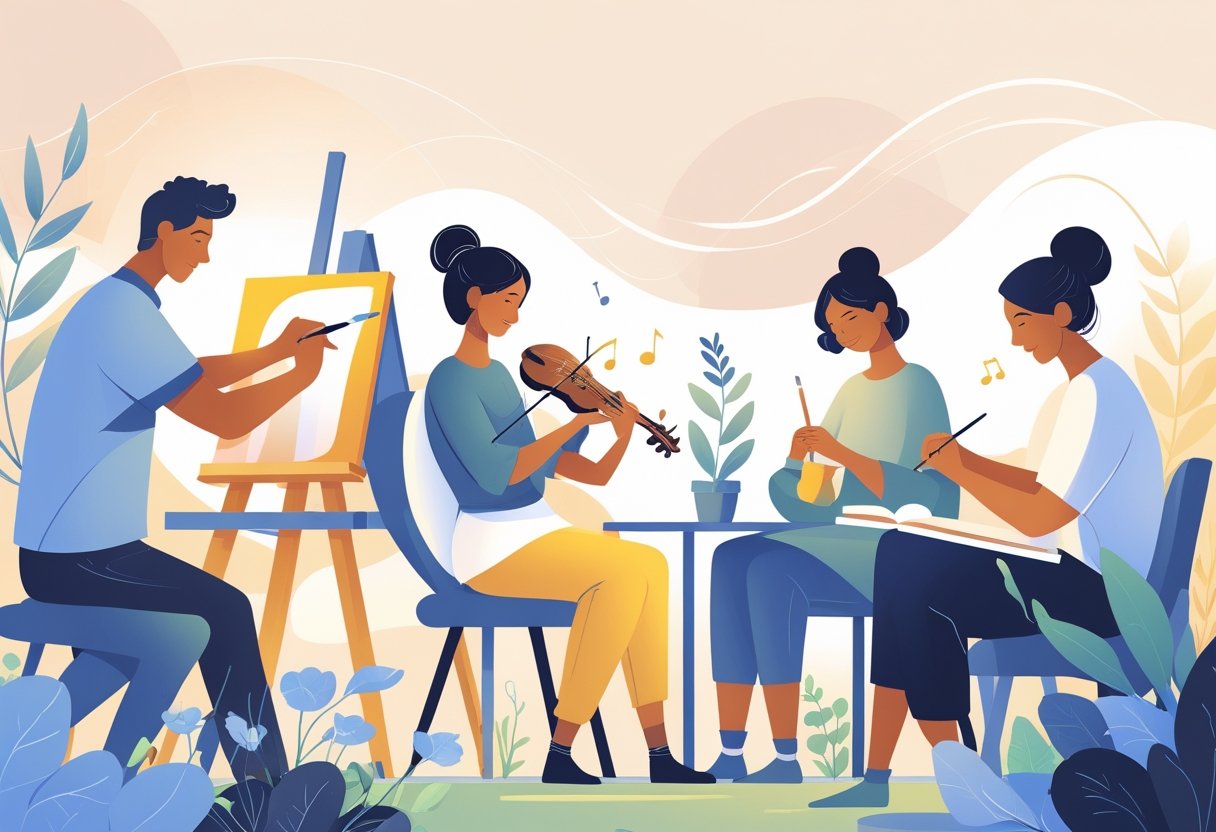
When you engage deeply in a hobby, your brain enters special mental states that boost happiness and reduce stress. These states help you focus completely on what you’re doing and block out worries about the past or future.
Introduction to Flow States
Flow is a mental state where you become so absorbed in an activity that you lose track of time. You feel completely focused and energized by what you’re doing. Psychologist Mihaly Csikszentmihalyi first identified this state in the 1970s.
When you’re in flow, your brain balances the challenge of the activity with your skill level. If something is too easy, you get bored. If it’s too hard, you feel anxious. Flow happens right in the middle where the challenge matches your abilities.
Your hobbies naturally create flow states because you choose activities you enjoy and want to get better at. Hobbies trigger dopamine release in your brain, which makes you feel motivated and satisfied. This chemical reaction keeps you engaged and wanting to continue the activity.
Mindfulness Benefits During Activities
Mindfulness means paying full attention to the present moment without judgment. When you practice your hobbies, you naturally become more mindful because you focus on the task at hand.
This focused attention helps reduce stress and anxiety by pulling your mind away from daily worries. Your brain can’t think about work problems or future concerns when you’re concentrating on painting, gardening, or playing an instrument.
Key mindfulness benefits include:
- Lower stress hormone levels in your body
- Improved emotional control
- Better ability to relax
- Increased present-moment awareness
Regular hobby engagement trains your brain to enter mindful states more easily. This practice carries over into other parts of your life, helping you stay calmer during difficult situations.
How to Choose Hobbies for Maximum Happiness
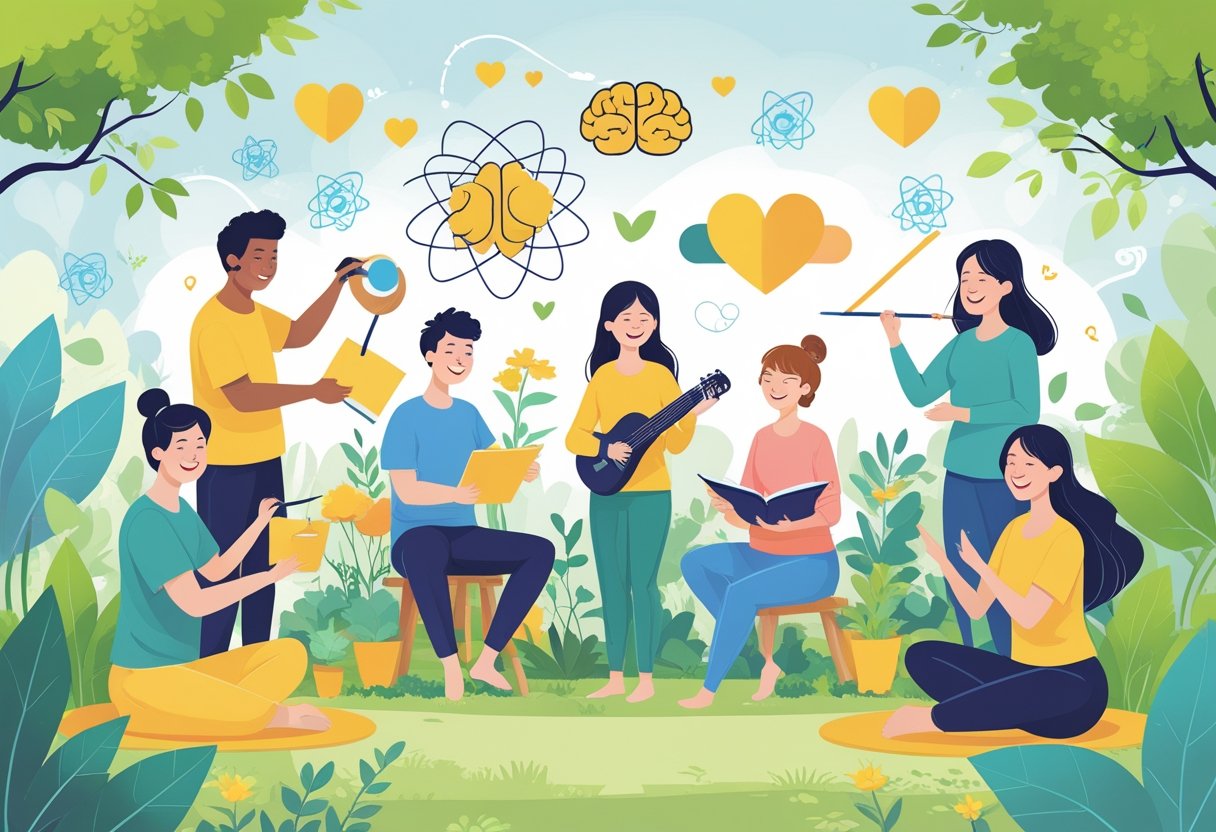
The right hobby matches your natural interests while providing enough challenge to keep you engaged without causing frustration. Finding this balance creates the conditions for flow states and lasting enjoyment.
Identifying Personal Interests
Start by thinking about activities that have naturally drawn your attention in the past. Look at what you enjoyed as a child, before outside pressures influenced your choices. These early interests often point to genuine passions.
Pay attention to what you do during free time without any obligations. Notice which topics make you lose track of time when you read about them or watch videos. These spontaneous choices reveal your true interests better than forced decision-making.
Consider trying activities in different categories to see what resonates:
- Creative hobbies: painting, writing, music, crafting
- Physical activities: hiking, dancing, sports, gardening
- Mental challenges: puzzles, learning languages, chess, coding
- Social pursuits: book clubs, team sports, community theater
Your personality traits matter too. Introverts often prefer solitary hobbies like reading or crafting. Extroverts typically enjoy group activities and team-based pursuits. Neither approach is better—they just match different temperaments.
Balancing Challenge and Skill
Research shows that flow states make high-skill activities more satisfying than passive entertainment. Flow happens when an activity challenges you at just the right level for your current abilities.
Choose hobbies that let you progress gradually. You want activities that feel slightly difficult but not impossible. If a hobby feels too easy, you’ll get bored. If it feels too hard, you’ll get frustrated and quit.
Your skill level will grow over time, so pick hobbies with clear paths for advancement. Learning an instrument offers endless room for improvement. Rock climbing has difficulty grades that increase as you develop strength and technique.
Start with beginner-friendly versions of complex activities. You don’t need professional equipment or advanced techniques right away. Build your skills first, then invest more as your abilities and commitment grow.