
15 Hobbies Perfect for Freelancers to Boost Creativity and Reduce Burnout
Freelancing offers incredible freedom, but it also comes with unique challenges like isolation, irregular schedules, and the constant pressure to stay motivated. The right hobbies can transform these challenges into opportunities for growth, connection, and renewed energy. Choosing hobbies that complement your freelance lifestyle can improve your mental health, expand your network, and even boost your income potential.
Many freelancers struggle to find balance between work and personal time, especially when your office is also your home. Ideal hobbies for freelancers help you recharge while building skills that enhance your professional life. Whether you need physical activity to counter long hours at a desk or creative outlets to spark innovation, the right hobby becomes an investment in your freelance success.
Some hobbies offer dual benefits by generating additional income streams alongside personal fulfillment. From profitable creative pursuits to social activities that expand your professional network, strategic hobby selection can support both your well-being and your business goals. The key is finding activities that energize rather than drain you after demanding workdays.
Key Takeaways
- Strategic hobby selection can improve mental health, expand professional networks, and create additional income opportunities for freelancers
- The best freelance hobbies balance physical activity, creative expression, and social connection to counter common challenges like isolation and sedentary work
- Hobbies that develop transferable skills or generate revenue provide the greatest return on investment for your time and energy
Why Hobbies Matter for Freelancers
Hobbies provide essential mental breaks that reduce burnout and cortisol levels while improving your ability to concentrate on client work. Regular leisure activities also stimulate different areas of your brain, leading to fresh perspectives and innovative solutions for creative projects.
Reducing Work-Related Stress
Freelancing creates unique stress patterns that traditional employees rarely experience. You face irregular income, constant client acquisition pressure, and the isolation of working alone.
Physical stress relief occurs when you engage in activities unrelated to your computer screen. Jogging helps freelancers recharge by releasing endorphins and clearing mental fog from hours of focused work.
Your nervous system needs regular breaks from decision-making fatigue. Hobbies provide structured downtime that allows your mind to process work challenges subconsciously.
Emotional boundaries become clearer when you have dedicated non-work time. Without hobbies, freelancers often work evenings and weekends, leading to chronic stress and decreased work quality.
Activities like gardening, reading, or playing musical instruments activate your parasympathetic nervous system. This biological response lowers blood pressure and reduces anxiety about project deadlines or difficult clients.
Volunteering offers freelancers social connection and purpose beyond paid work. This community engagement combats the isolation that often contributes to freelancer stress and depression.
Boosting Productivity and Focus
Your brain requires variety to maintain peak performance throughout long work sessions. Hobbies train different cognitive skills that enhance your professional abilities.
Attention restoration happens when you engage in activities that don’t require intense concentration. Taking breaks for light hobbies helps you return to client work with renewed mental energy and sharper focus.
Regular hobby practice improves your ability to enter flow states during work hours. Musicians and artists often report better concentration on freelance projects after practicing their craft.
Physical hobbies like hiking or swimming increase blood flow to your brain. This improved circulation enhances memory formation and problem-solving abilities for complex client challenges.
Time management skills develop naturally through hobby scheduling. You learn to allocate specific hours for leisure activities, which improves your ability to estimate project timelines and meet deadlines.
Hobbies that involve learning new skills, such as language study or crafting, strengthen neural pathways associated with adaptability. This mental flexibility helps you tackle diverse client requirements more effectively.
Enhancing Creativity Through Leisure
Creative freelancers need constant inspiration sources to avoid repetitive work patterns. Hobbies expose you to new perspectives and experiences that directly influence your professional output.
Cross-pollination occurs when skills from your hobbies influence your freelance work. A photographer who practices cooking might develop better composition skills through food styling and presentation.
Novel experiences create new neural connections in your brain. Travel expands freelancers’ perspectives and provides fresh cultural insights that enhance creative projects for international clients.
Hands-on hobbies like woodworking or pottery engage spatial reasoning skills that digital freelancers often neglect. These tactile experiences can inspire new approaches to visual design or user interface problems.
Constraint-based creativity develops through hobby challenges. Learning to paint with limited colors or writing haikus teaches you to innovate within client budget and timeline restrictions.
Reading fiction, playing games, or watching films in different genres expands your cultural vocabulary. This broader knowledge base helps you connect with diverse audiences and create more engaging content across various industries.
Criteria for Choosing the Right Hobby
Freelancers need hobbies that accommodate irregular work schedules while providing genuine fulfillment without excessive financial strain. The right hobby balances practical considerations with personal passion and professional development opportunities.
Flexibility and Scheduling
Your hobby must adapt to your unpredictable freelance schedule. Unlike traditional employees with fixed hours, you might have client deadlines that extend into evenings or weekends.
Choose activities you can start and stop without losing progress. Digital art, writing, or online learning work well because you can pause mid-session. Avoid hobbies requiring scheduled group participation or lengthy setup times.
Time considerations when choosing a hobby that fits your lifestyle:
- Micro-sessions: Activities you can do in 15-30 minute blocks
- No appointments: Hobbies that don’t require booking or coordination
- Portable options: Activities you can do while traveling for work
Consider hobbies with flexible time commitments. Reading allows you to stop after one page or continue for hours. Photography lets you take a few shots during work breaks or dedicate entire afternoons to shoots.
Cost and Accessibility
Budget constraints affect most freelancers due to irregular income patterns. Your hobby shouldn’t create financial stress or require expensive ongoing investments.
Start with low-cost entry points. Many creative hobbies need minimal initial supplies. Writing requires only a computer you already own. Sketching needs basic pencils and paper.
Budget-friendly hobby categories:
- Free digital activities: Blogging, online courses, language learning apps
- Low startup costs: Reading, journaling, basic crafts
- One-time purchases: Musical instruments, art supplies, fitness equipment
Avoid hobbies with high recurring costs like premium gym memberships or expensive materials. Consider the total cost including supplies, subscriptions, or equipment maintenance.
Personal Interests and Goals
Your hobby should align with your genuine interests and support your personal development goals. Finding something you’re passionate about increases long-term engagement and satisfaction.
Identify what you want from your hobby time. Some freelancers seek stress relief through meditation or yoga. Others want creative outlets like painting or music. Physical activities like jogging provide health benefits and mental breaks.
Goal-based hobby selection:
- Stress reduction: Meditation, gardening, reading
- Physical health: Yoga, cycling, swimming
- Creative expression: Photography, writing, crafts
- Skill development: Coding, languages, design
Match hobbies to your work-life balance needs. If you spend all day at a computer, choose physical activities. Creative freelancers might prefer analytical hobbies like puzzles or strategy games for mental variety.
Creative Hobbies That Inspire Freelancers
Visual arts like drawing and painting help develop design thinking and color theory knowledge. Photography builds technical skills in composition and lighting that translate to client work. Writing strengthens communication abilities essential for proposals and content creation.
Drawing and Painting
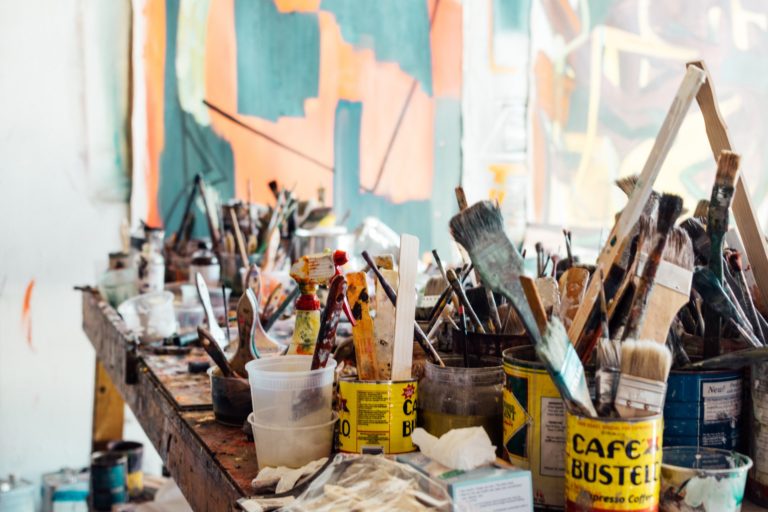
Drawing and painting sharpen your visual problem-solving skills while building a foundation in design principles. These mediums teach you color theory, composition, and spatial relationships that directly benefit graphic design, web development, and marketing projects.
Traditional mediums like watercolor, acrylic, and charcoal require minimal startup costs. You can begin with basic supplies from any art store for under $50.
Digital painting using tablets and software like Procreate or Photoshop connects directly to freelance design work. Many clients value freelancers who can create custom illustrations and graphics.
Regular sketching improves your ability to visualize concepts quickly. This skill proves valuable during client meetings and project planning sessions.
Art fundamentals transfer to multiple freelance disciplines:
- Logo design: Understanding shape and negative space
- Web design: Color harmony and visual hierarchy
- Social media content: Custom graphics and illustrations
- Product photography: Composition and lighting principles
Photography
Photography develops technical precision and creative vision that enhances multiple freelance services. You learn lighting, composition, and post-processing skills that apply to marketing, e-commerce, and content creation projects.
Equipment basics include a DSLR or mirrorless camera, basic lenses, and editing software. Entry-level cameras provide professional results without major investment.
Portrait photography builds people skills and teaches you to direct subjects effectively. These communication abilities transfer to client relationships and video calls.
Product photography creates direct monetization opportunities. E-commerce businesses need quality product images, making this a high-demand freelance side hustle.
Photography skills complement various freelance work:
- Content marketing: Custom stock photos for blogs and social media
- Real estate: Property photography and virtual tours
- Event documentation: Corporate events and conferences
- Brand photography: Headshots and company culture images
Creative Writing
Creative writing strengthens your ability to craft compelling narratives and develop unique voice in all written communications. Fiction, poetry, and creative nonfiction teach storytelling techniques that make proposals, blog posts, and marketing copy more engaging.
Character development in fiction writing translates to understanding target audiences and buyer personas. You learn to create detailed profiles that inform marketing strategies.
Plot structure knowledge helps organize long-form content like white papers, case studies, and email sequences. Story arcs keep readers engaged from introduction to conclusion.
Voice and tone experimentation through creative writing develops versatility in client work. You can adapt your writing style to match different brand personalities and industries.
Creative writing offers multiple freelance opportunities:
- Copywriting: Sales pages, email campaigns, and advertisements
- Content creation: Blog posts, articles, and social media content
- Ghostwriting: Books, articles, and thought leadership pieces
- Script writing: Video content, podcasts, and presentations
Physical Activities to Stay Energized
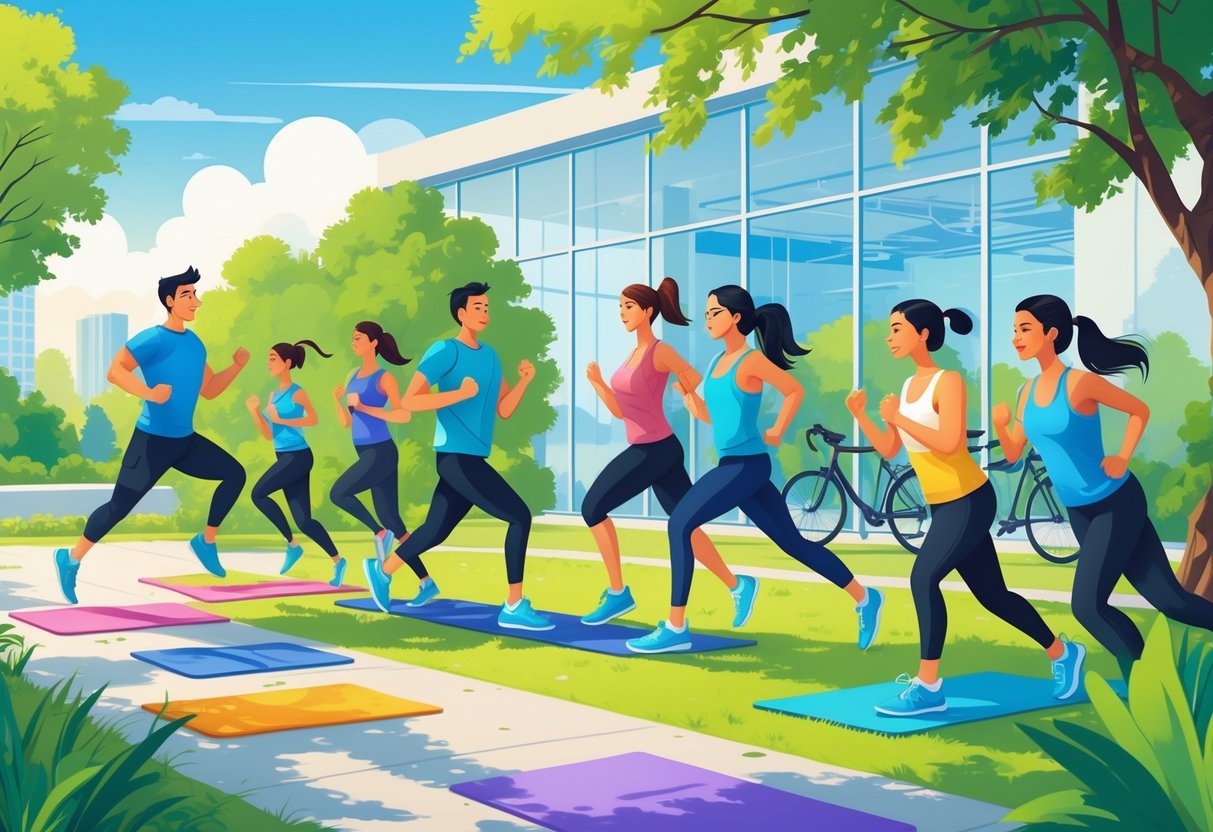
Regular movement and mindful practices combat the sedentary nature of freelance work while boosting mental clarity. These activities range from gentle stretching routines that ease desk-related tension to cardiovascular exercises that enhance focus and productivity throughout your workday.
Yoga and Meditation
Yoga addresses the physical strain of prolonged computer work by strengthening your core and improving posture. Daily 15-20 minute sessions can reduce back pain and neck tension common among desk workers.
Basic poses for freelancers:
- Cat-cow stretches for spine mobility
- Downward dog to stretch shoulders and hamstrings
- Child’s pose for lower back relief
- Neck rolls to release tension
Meditation enhances your ability to focus during client calls and complex projects. Even 5-10 minutes of breathing exercises can reset your mental state between tasks.
Active hobbies for remote workers significantly improve both physical health and mental well-being. The combination creates a powerful tool for managing freelance stress.
Running or Jogging
Running provides cardiovascular benefits while offering mental breaks from screen time. A 30-minute jog increases blood flow to your brain, improving problem-solving abilities for the remainder of your workday.
Training schedule for beginners:
- Week 1-2: Walk 2 minutes, jog 1 minute (repeat 8 times)
- Week 3-4: Walk 1 minute, jog 2 minutes (repeat 8 times)
- Week 5+: Continuous 20-30 minute jogs
Morning runs establish productive daily rhythms. Evening sessions help transition from work mode to personal time, creating clear boundaries essential for freelance success.
Physical activity builds freelance resilience by boosting endorphins and improving energy levels. This translates directly into enhanced focus and productivity during work hours.
Indoor Fitness Routines
Home workouts eliminate commute time while providing flexibility around client schedules. Bodyweight exercises require minimal equipment and adapt to any living space.
Essential equipment:
- Resistance bands
- Yoga mat
- Light dumbbells (5-15 lbs)
- Exercise ball
High-intensity interval training (HIIT) delivers maximum results in 20-30 minutes. Alternating between intense bursts and recovery periods mirrors the varied demands of freelance work.
Circuit training targeting major muscle groups maintains strength without lengthy gym sessions. Push-ups, squats, lunges, and planks form effective combinations you can complete during lunch breaks.
Hobbies that improve organization and productivity create mental patterns that enhance work performance. Physical activity specifically boosts endorphins while developing discipline and time management skills.
Social Hobbies for Building Connections

Freelancers can combat isolation through structured social activities that create natural networking opportunities. Reading groups, gaming sessions, and volunteer work provide consistent interaction with like-minded people while developing skills that benefit your business.
Book Clubs
Book clubs offer freelancers a structured way to meet professionals from various industries while expanding knowledge. Most clubs meet monthly, providing consistent social contact without overwhelming your schedule.
You’ll find book clubs through local libraries, community centers, and online platforms. Professional book clubs often focus on business, self-development, or industry-specific topics that can enhance your freelance skills.
Benefits for freelancers:
- Networking opportunities with diverse professionals
- Improved communication skills through discussion
- Knowledge expansion in relevant business topics
- Regular social commitment that fits flexible schedules
Many freelancers start their own book clubs focused on entrepreneurship or their specific field. This positions you as a leader and creates deeper connections with participants who share your professional interests.
Board Games and Tabletop Gaming
Board game groups provide relaxed social environments where freelancers can unwind while building relationships. These gatherings typically happen weekly at game stores, cafes, or community centers.
Modern board games encourage collaboration and strategic thinking. You’ll develop problem-solving skills while interacting with people in low-pressure settings that feel less formal than traditional networking events.
Popular venues for gaming:
- Local game stores with scheduled events
- Board game cafes in urban areas
- Community center groups
- Meetup groups dedicated to tabletop gaming
Gaming communities welcome newcomers and often provide games to learn. The shared activity removes pressure from conversation, making it easier for introverted freelancers to connect naturally.
You can also host game nights in your home office space, creating opportunities to strengthen relationships with potential clients or collaborators in a comfortable environment.
Group Volunteering
Volunteering connects freelancers with community-minded professionals while building your local reputation. Regular volunteer commitments provide consistent social interaction and demonstrate your values to potential clients.
Choose causes aligned with your expertise or interests. Marketing freelancers might help nonprofits with campaigns, while writers could assist with grant applications or newsletters.
Strategic volunteering approaches:
- Skills-based volunteering using your professional expertise
- Board positions for leadership experience and networking
- Event committees for project management practice
- Regular weekly commitments for consistent relationship building
Volunteer work creates meaningful connections beyond surface-level networking. You’ll work alongside other professionals toward shared goals, fostering deeper relationships than typical business events.
Local United Way chapters, animal shelters, and environmental groups always need volunteers. Many organizations offer flexible scheduling that accommodates freelance workloads while providing valuable networking opportunities within your community.
Educational and Brain-Boosting Pastimes
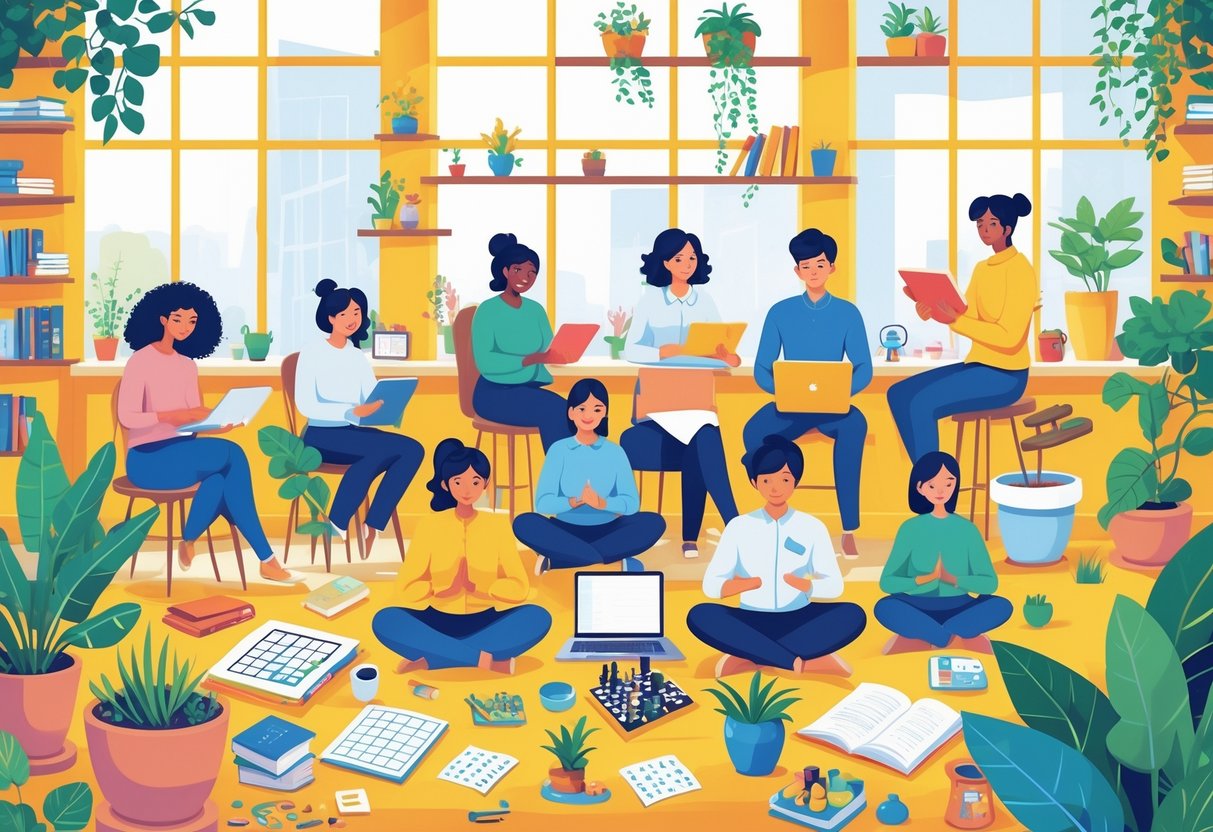
Mental stimulation through structured learning activities can enhance cognitive function while building valuable skills. Language acquisition, online education, and puzzle-solving activities offer freelancers opportunities to expand their expertise while keeping their minds sharp.
Learning New Languages
Language learning provides significant cognitive benefits for freelancers. Research shows regular mental stimulation improves memory, attention, and problem-solving skills, making bilingual abilities particularly valuable for cognitive development.
Popular language learning platforms include:
- Duolingo for gamified lessons
- Babbel for conversation-focused training
- Rosetta Stone for immersive learning
- iTalki for one-on-one tutoring
You can practice languages during work breaks or commute time. Even 15-20 minutes daily builds proficiency over months.
Professional benefits extend beyond mental exercise. Multilingual freelancers often command higher rates and access broader client markets. Spanish, Mandarin, and German represent particularly lucrative opportunities for many freelance fields.
Online Courses
Online education platforms offer structured learning that enhances cognitive abilities while building marketable skills. Coursera, Udemy, and edX provide thousands of courses across professional and personal development topics.
Technical courses in programming, data analysis, or digital marketing directly impact earning potential. Creative courses in design, writing, or photography expand service offerings.
You can learn at your own pace between client projects. Many courses offer certificates that strengthen your professional credentials.
Time management becomes crucial when balancing coursework with client deadlines. Block specific hours for learning and treat course completion as seriously as paid work.
Puzzle Solving
Strategic games and puzzles provide mental stimulation without requiring significant time investments. These brain-boosting activities improve problem-solving abilities and enhance analytical thinking skills valuable for freelance work.
Digital options include:
- Chess apps for strategic thinking
- Sudoku for logical reasoning
- Crossword puzzles for vocabulary building
- Brain training apps like Lumosity
Physical puzzles offer screen-free alternatives during long work days. Jigsaw puzzles, Rubik’s cubes, and mechanical puzzles engage different cognitive processes than computer-based work.
You can solve quick puzzles during short breaks or tackle complex challenges during longer rest periods. Regular puzzle-solving maintains mental flexibility and reduces work-related stress.
Tech and Digital Hobbies for Modern Freelancers
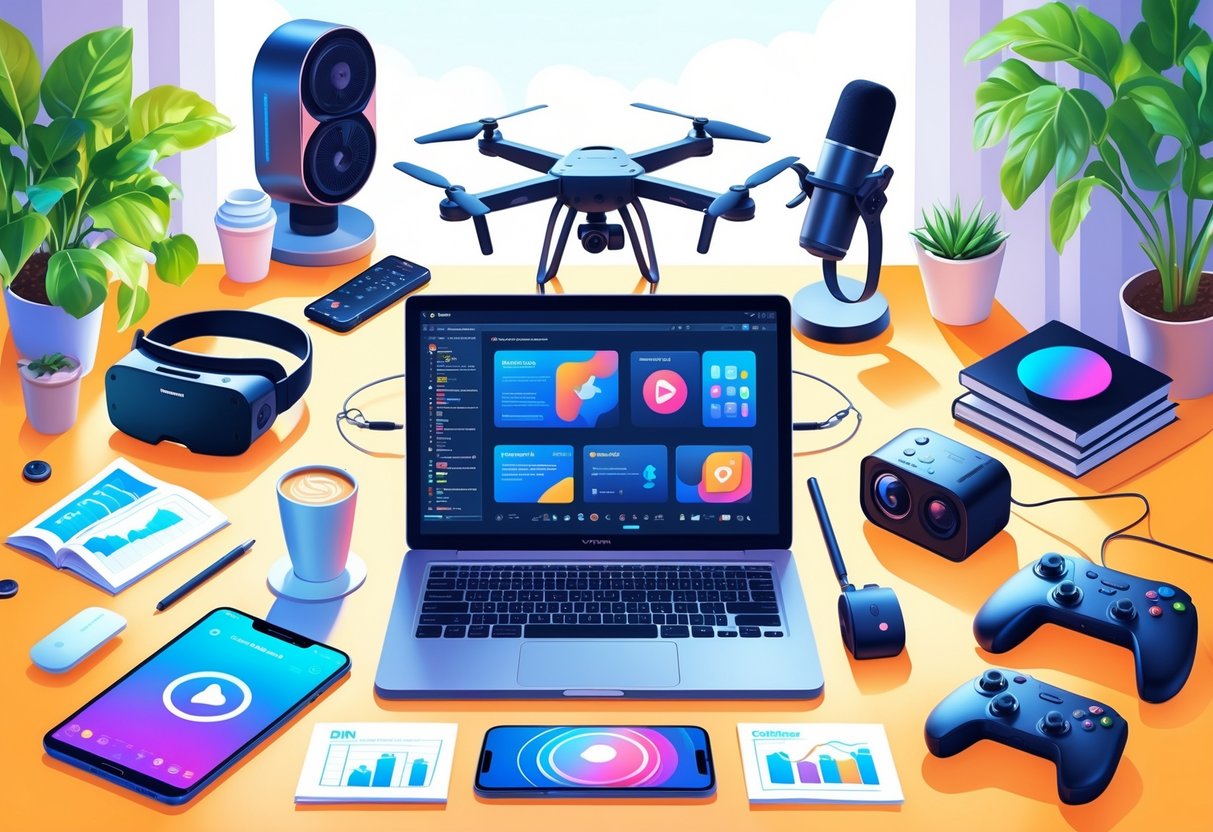
Tech-based hobbies offer freelancers unique opportunities to develop marketable skills while pursuing creative outlets. These digital pursuits can enhance your professional toolkit and potentially generate additional income streams.
Coding and App Development
Learning programming languages opens doors to countless freelance opportunities. You can start with beginner-friendly languages like Python or JavaScript through free platforms such as freeCodeCamp or Codecademy.
Mobile app development offers particularly strong earning potential. Flutter and React Native allow you to build cross-platform applications efficiently. Many freelancers begin by creating simple utility apps or games.
Popular coding paths for freelancers:
- Web development (HTML, CSS, JavaScript)
- Mobile app creation (Swift, Kotlin, Flutter)
- Data analysis (Python, R, SQL)
- Automation scripts (Python, PowerShell)
You can monetize coding skills through client projects, selling apps on marketplaces, or creating digital courses. GitHub serves as your portfolio, showcasing projects to potential clients.
Podcasting and Video Creation
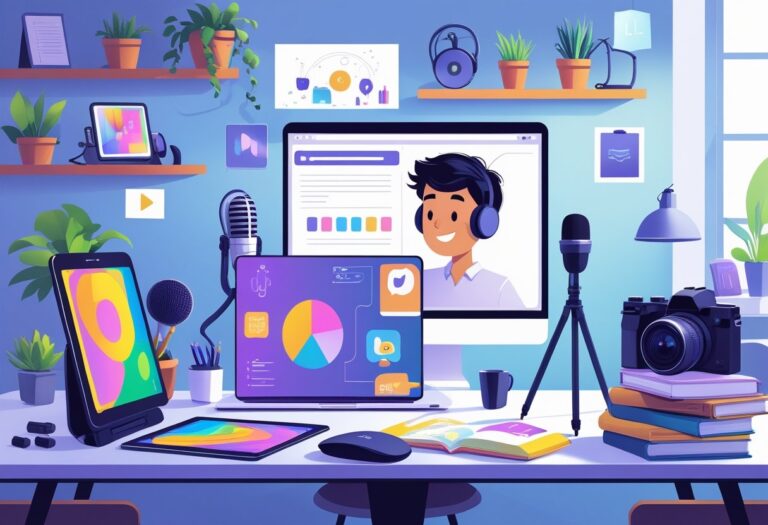
Content creation has become a cornerstone of digital marketing. Starting a podcast requires minimal equipment—a decent microphone and free editing software like Audacity or GarageBand.
Essential podcasting equipment:
| Item | Budget Option | Professional Option |
|---|---|---|
| Microphone | Audio-Technica ATR2100x-USB | Shure SM7B |
| Headphones | Sony MDR-7506 | Beyerdynamic DT 770 Pro |
| Recording Software | Audacity (free) | Adobe Audition |
Video content creation offers even broader opportunities. YouTube, TikTok, and Instagram Reels provide platforms for educational content, tutorials, or entertainment. You can leverage your freelance expertise by teaching others your skills.
Consistent content creation builds your personal brand and attracts clients who value your expertise.
Digital Illustration
Digital art tools have democratized illustration, making professional-quality work accessible to beginners. Software like Procreate for iPad or Adobe Illustrator for desktop provides powerful creative capabilities.
Digital illustration applications:
- Logo design for businesses
- Social media graphics
- Book and magazine illustrations
- NFT artwork creation
- Custom portraits and commissions
Tablet devices with pressure-sensitive styluses offer natural drawing experiences. The iPad Pro with Apple Pencil or Wacom drawing tablets provide excellent starting points.
You can sell illustrations through stock image sites, create custom work for clients, or develop your own product lines. Many freelancers combine illustration with other services like web design or marketing materials.
Building an online portfolio through platforms like Behance or Dribbble showcases your style and attracts potential buyers.
Frequently Asked Questions
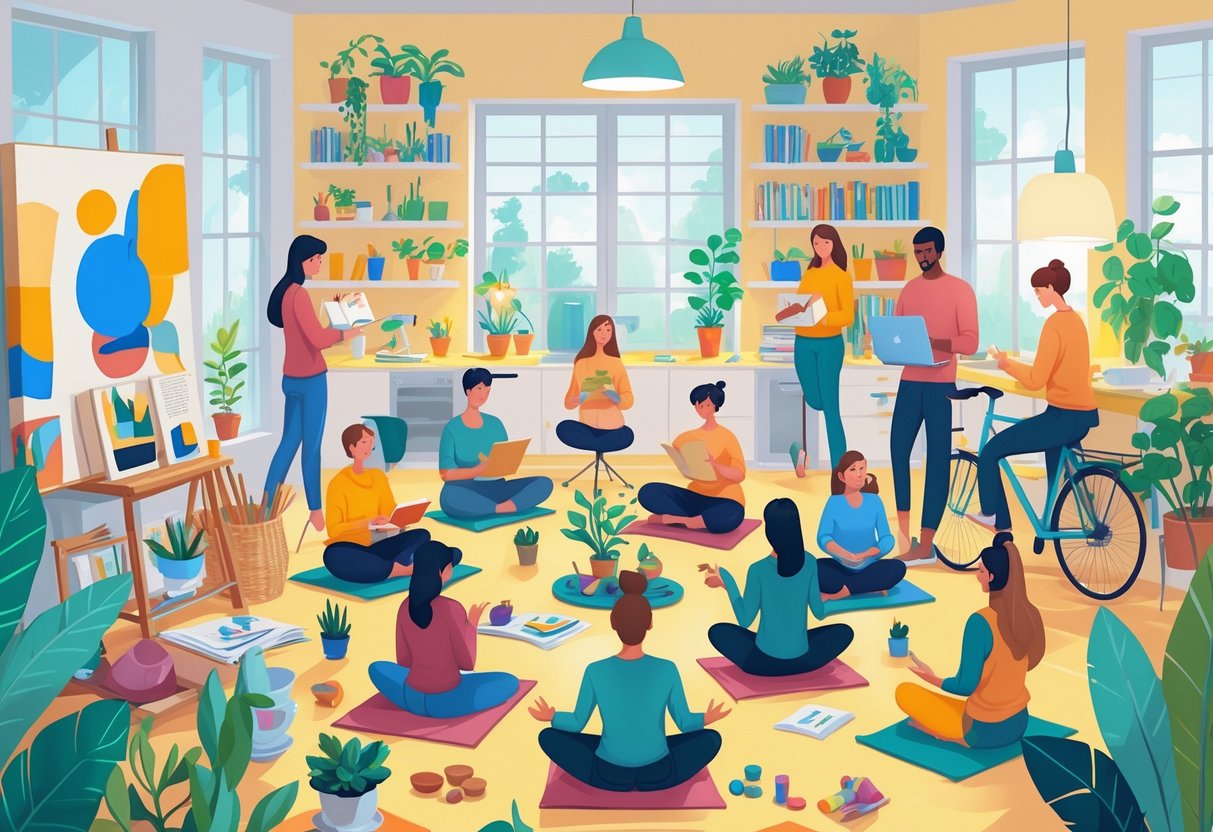
Freelancers often wonder which hobbies can boost their productivity, reduce stress, and expand their professional networks. Understanding the connection between leisure activities and career success helps you choose pursuits that complement your freelance lifestyle.
What hobbies can enhance productivity for freelancers?
Reading business books and industry publications sharpens your knowledge while improving focus and concentration. This habit directly translates to better client work and informed decision-making.
Time-blocking activities like puzzle-solving or chess train your brain to think strategically. These mental exercises improve your ability to organize projects and meet deadlines efficiently.
Journaling helps you track goals, reflect on challenges, and maintain clarity about your business direction. The practice strengthens your writing skills while keeping you accountable to your objectives.
How do creative hobbies impact the freelance work experience?
Creative pursuits like painting, photography, or music composition activate different areas of your brain than typical work tasks. This mental shift prevents burnout and refreshes your perspective on client projects.
Drawing or sketching improves visual problem-solving abilities that benefit graphic designers, marketers, and content creators. These skills often transfer directly to professional deliverables.
Writing fiction or poetry develops your storytelling abilities and expands your vocabulary. These improvements enhance your ability to create compelling marketing copy and client communications.
Can you list hobbies that aid in stress management for freelancers?
Yoga and meditation reduce cortisol levels while improving your ability to handle client pressure and tight deadlines. Regular practice helps you maintain emotional balance during challenging projects.
Gardening provides physical activity and connects you with nature, both proven stress reducers. The hobby also offers a sense of control and accomplishment outside of client work.
Running or cycling releases endorphins that combat anxiety and depression common in isolated freelance environments. These activities also provide thinking time for creative problem-solving.
Swimming offers low-impact exercise that clears mental fog while providing rhythmic, meditative movement. The activity helps separate work time from personal time.
What are some skill-building hobbies suitable for freelance professionals?
Learning new programming languages through personal coding projects expands your service offerings and increases your market value. These skills often lead to higher-paying client opportunities.
Studying foreign languages opens doors to international clients and global markets. Bilingual freelancers typically command premium rates for specialized translation and localization services.
Photography develops your eye for composition and visual storytelling, valuable skills for content creators and marketers. The hobby also provides potential stock photography income streams.
Public speaking through organizations like Toastmasters improves your client presentation skills and confidence during video calls. These abilities help you win more proposals and negotiate better rates.
Which hobbies are best for freelancers looking to expand their network?
Board game groups and hobby meetups introduce you to potential clients and collaborators in relaxed, non-business settings. These connections often feel more authentic than traditional networking events.
Volunteering for local nonprofits exposes you to business leaders and community members who may need your services. The shared mission creates natural conversation starters and trust-building opportunities.
Sports leagues and fitness classes provide regular interaction with diverse professionals from various industries. These recurring meetups allow relationships to develop naturally over time.
Book clubs attract educated professionals who value intellectual discussion, making them ideal environments for consultants and knowledge workers to connect.
What affordable hobbies can freelancers start without significant investment?
Writing blogs or maintaining social media accounts requires only internet access and time. These activities build your personal brand while potentially generating leads and income.
Learning through free online courses and tutorials costs nothing but time while adding valuable skills to your service portfolio. Many platforms offer certificates that enhance your professional credibility.
Hiking and walking provide exercise and stress relief using only basic footwear and weather-appropriate clothing. These activities clear your mind without ongoing expenses.
Cooking and baking develop creativity and precision while saving money on food expenses. Sharing your creations can also create social connections and networking opportunities.