
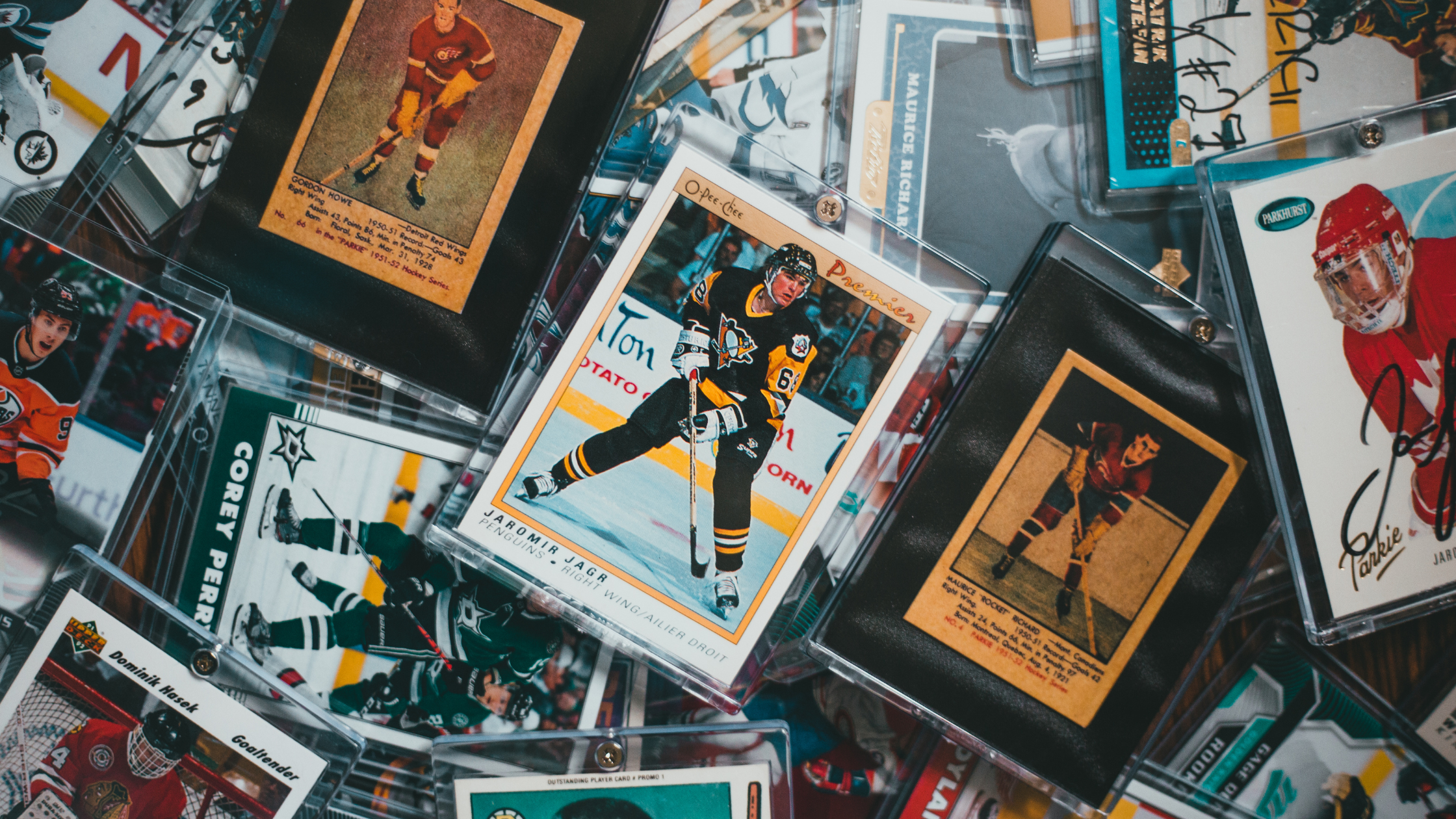
20 Sports Memorabilia Hobbies That Will Transform Your Collection Game
Sports memorabilia collecting offers countless ways to connect with your favorite teams, players, and sporting moments through tangible pieces of history. Whether you’re drawn to vintage baseball cards, game-worn jerseys, or autographed equipment, each collecting niche provides unique opportunities to build meaningful collections while potentially increasing in value over time.
From trading cards and ticket stubs to championship rings and stadium artifacts, sports memorabilia hobbies span every major sport and countless collecting categories that match different budgets and interests. The sports memorabilia collecting hobby connects fans with the games they love while preserving important sporting history.
Recent events like the 2025 National Sports Collectors Convention demonstrate the continued growth and excitement in the collecting community. Your collecting journey can range from affordable options like ticket stubs and programs to high-end investments in game-used equipment and rare autographed items.
Key Takeaways
- Sports memorabilia collecting includes 20 distinct hobby categories spanning all major sports and budget ranges
- Building a quality collection requires understanding authenticity verification, proper storage, and display techniques
- The hobby offers both personal enjoyment and potential investment returns through rare items and historical significance
Understanding Sports Memorabilia
Sports memorabilia encompasses physical items connected to athletic events, teams, and individual athletes that hold value for collectors. These collectibles range from autographed equipment and trading cards to game tickets and photographs, each carrying unique historical significance within sports culture.
Definition and Types of Sports Memorabilia
Sports memorabilia refers to items associated with sports or athletes that fans consider collectible. These items connect you directly to memorable sporting moments and legendary athletes.
Primary memorabilia types include:
- Autographed items – Signed jerseys, balls, photographs, and equipment
- Game-used equipment – Bats, helmets, cleats, and uniforms worn during actual games
- Trading cards – Vintage and modern cards featuring player statistics and images
- Tickets and programs – Stubs from significant games, championship events, and historic matches
- Photographs – Action shots, team photos, and candid images of athletes
Modern sports memorabilia represents a multi-billion dollar industry spanning virtually every sport. You can find items ranging from affordable trading cards to high-value auction pieces.
The authenticity of memorabilia determines its true value. Certificates of authenticity from reputable organizations verify that autographs and game-used items are genuine.
Historical Significance in Sports Culture
Sports memorabilia collecting began as a modest pursuit in the late nineteenth century with illustrated weekly publications featuring athletes. This hobby evolved alongside professional sports development.
Early collectors focused on baseball cards included in tobacco products during the 1880s and 1890s. These cards became the foundation for modern sports card collecting.
The 1950s marked a turning point when television broadcasts brought sports into homes nationwide. This exposure increased fan engagement and created demand for player-related items.
Sports memorabilia connects you to the history and excitement of athletic competition. Each item represents specific moments that shaped sports history.
Championship games, record-breaking performances, and career milestones generate the most sought-after memorabilia. Items from these events carry emotional weight beyond their monetary value.
Categories of Collectibles
Team-Specific Items
You can focus your collection on specific franchises, acquiring jerseys, pennants, bobbleheads, and promotional giveaways. Team memorabilia appeals to loyal fans seeking connection with their favorite clubs.
Player Collections
Individual athlete memorabilia includes autographed items, rookie cards, and personal equipment. Hall of Fame players and current superstars generate the highest collector interest.
Event Memorabilia
Championship games, All-Star events, and playoff series produce unique collectibles. World Series programs, Super Bowl tickets, and Olympic items represent pinnacle sporting moments.
Vintage vs. Modern
Pre-1980 items qualify as vintage memorabilia and typically command higher prices due to scarcity. Modern items from recent decades remain more accessible to new collectors.
Sport-Specific Categories
- Baseball: Cards, autographed balls, game-used bats
- Football: Helmets, signed jerseys, championship rings
- Basketball: Sneakers, trading cards, game programs
- Hockey: Pucks, sticks, vintage cards
Top 20 Sports Memorabilia Hobbies
The most popular collecting categories focus on items that provide direct connections to athletes and historic moments. These four core areas represent the foundation of most serious collections, each offering unique advantages in terms of accessibility, authentication, and long-term value potential.
Autograph Collecting
Autographed items create the most personal connection between fans and athletes. Sports memorabilia collecting encompasses signed baseballs, footballs, photographs, and jerseys as primary targets.
Authentication Methods:
- Third-party verification services (PSA/DNA, JSA, Beckett)
- Certificate of authenticity from reputable dealers
- Witnessed signings at official events
You should focus on obtaining signatures on quality items rather than random pieces of paper. Baseballs signed by Hall of Fame players consistently maintain value over time.
Premium items include signed game programs, equipment, and photographs from significant career moments. The condition of both the signature and the item affects market value substantially.
Storage Requirements:
- UV-protective display cases
- Temperature-controlled environments
- Acid-free backing materials
Modern players often limit signing availability, making authenticated pieces more valuable. Vintage signatures from deceased athletes command the highest prices at auction.
Card Collecting
Trading cards represent the most accessible entry point into sports collecting. Sports collecting includes rookie cards, limited editions, and graded specimens as the most sought-after items.
Card Categories:
- Rookie Cards: First official cards of notable players
- Vintage Cards: Pre-1980 issues with historical significance
- Modern Parallels: Limited print runs with special features
- Autographed Cards: Factory-signed or game-used memorabilia cards
Grading services like PSA, BGS, and SGC evaluate card condition on 1-10 scales. Higher grades dramatically increase values, especially for vintage and rookie cards.
Condition Factors:
- Centering and print quality
- Corner and edge wear
- Surface scratches or stains
You can start with affordable modern cards before investing in expensive vintage pieces. Complete sets often provide better long-term stability than individual cards.
Game-Worn Apparel
Game-worn jerseys, helmets, and equipment offer tangible connections to actual sporting events. These items require extensive documentation to verify their authenticity and game usage.
Documentation Requirements:
- Team letters of authenticity
- Photo matching to specific games
- Equipment manager verification
- League authentication programs
Jerseys from playoff games, milestone achievements, or championship seasons command premium prices. You should prioritize items with clear provenance over those with questionable origins.
Popular Categories:
- Championship Game Worn: Super Bowl, World Series, NBA Finals
- Milestone Jerseys: Record-breaking performances
- Rookie Season: First-year professional items
- All-Star Game: Special event uniforms
Storage requires professional cleaning and preservation techniques. Never attempt to wash or alter game-worn items, as this destroys their authenticity and value.
Equipment like cleats, gloves, and helmets often cost less than jerseys while providing similar historical significance. Photo-matched items with clear game documentation represent the most valuable pieces in this category.
Event Ticket Collecting
Historic ticket stubs preserve memories from significant sporting events. Sports memorabilia enthusiasts target tickets from championships, perfect games, and record-breaking performances.
High-Value Categories:
- World Series and Super Bowl tickets
- Olympic event admissions
- Boxing championship fights
- Perfect game and no-hitter stubs
Condition affects value significantly since most fans kept tickets in wallets or programs. Unused tickets generally command higher prices than torn or damaged stubs.
Preservation Methods:
- Archival sleeves and storage boxes
- Avoid lamination or tape
- Climate-controlled storage areas
You should focus on complete tickets rather than partial stubs when possible. Season tickets from championship years provide affordable alternatives to individual game stubs.
Modern digital ticketing reduces physical ticket availability, making recent paper tickets increasingly valuable. Tickets from defunct stadiums or relocated teams offer unique collecting opportunities within specific budget ranges.
Popular Sports and Their Memorabilia
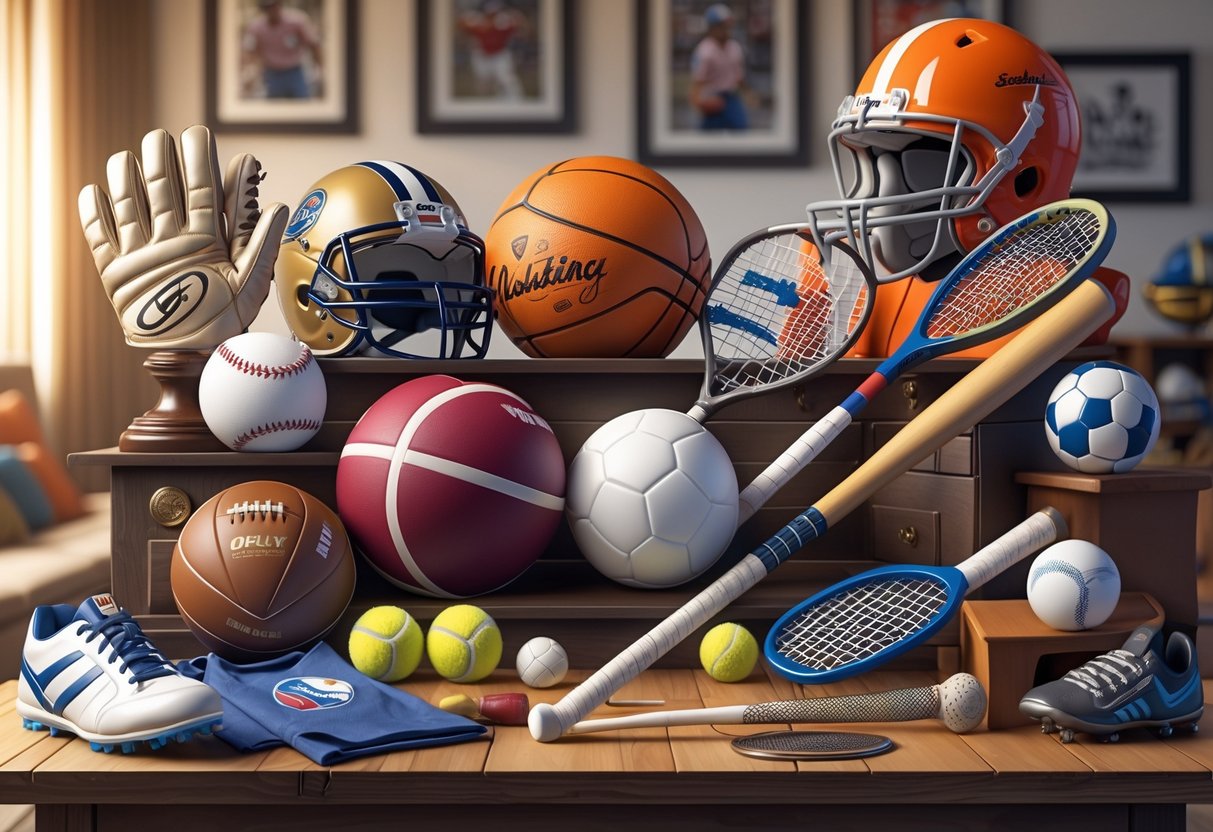
Different sports generate distinct types of collectible items that appeal to various collector interests and budgets. Each sport offers unique memorabilia categories ranging from game-used equipment to autographed photographs and championship artifacts.
Baseball Memorabilia
Baseball cards represent the foundation of sports collecting, with vintage cards commanding premium prices. The 1952 Mickey Mantle rookie card sold for $2.88 million, demonstrating the card market’s potential value.
Game-used bats hold significant appeal for collectors seeking authentic pieces. The Kirk Gibson home run bat fetched $576,000 at auction, showing how historic moments drive memorabilia values.
Popular baseball collectibles include:
- Autographed baseballs
- Vintage uniforms
- Stadium seat pieces
- World Series programs
Home run milestone balls create intense collecting interest. Mark McGwire’s 70th home run ball became one of baseball’s most sought-after pieces during his record-breaking season.
Basketball Memorabilia
Basketball memorabilia centers around legendary players and championship moments. Michael Jordan debut ticket stubs sold for $33,000, proving that even paper items can reach substantial values.
Game-worn jerseys represent the most coveted basketball collectibles. Finals jerseys and All-Star game uniforms command higher prices than regular season pieces.
Key basketball items include:
- Signed basketballs
- Championship rings
- Game programs
- Player trading cards
Sneakers worn during significant games have emerged as a growing category. Prototype shoes and game-worn pairs from championship runs attract serious collectors willing to pay premium prices.
Football Memorabilia
Football helmets serve as the sport’s signature collectible item. Autographed helmets from Hall of Fame players and Super Bowl champions maintain strong market demand across all collecting levels.
Super Bowl memorabilia generates consistent collector interest. Game programs, ticket stubs, and championship rings from historic matchups appreciate in value over time.
Football collecting focuses on:
- Team jerseys
- Signed footballs
- Draft pick items
- Coach memorabilia
Trading cards remain popular in football collecting. Rookie cards of successful quarterbacks and skill position players typically outperform other positions in long-term value retention.
Olympics Collectibles
Olympic medals represent the pinnacle of Olympic memorabilia collecting. Gold medals from discontinued sports or historic performances command the highest prices at specialized auctions.
Torches from different Olympic Games create a unique collecting category. Opening ceremony torches and relay torches offer collectors tangible connections to Olympic history.
Olympic items include:
- Athlete autographs
- Competition programs
- National team uniforms
- Venue artifacts
Pin collecting forms a distinct Olympic hobby subset. Official pins, sponsor pins, and country delegation pins create an accessible entry point for Olympic enthusiasts seeking affordable collectibles.
Hunting for Rare Memorabilia
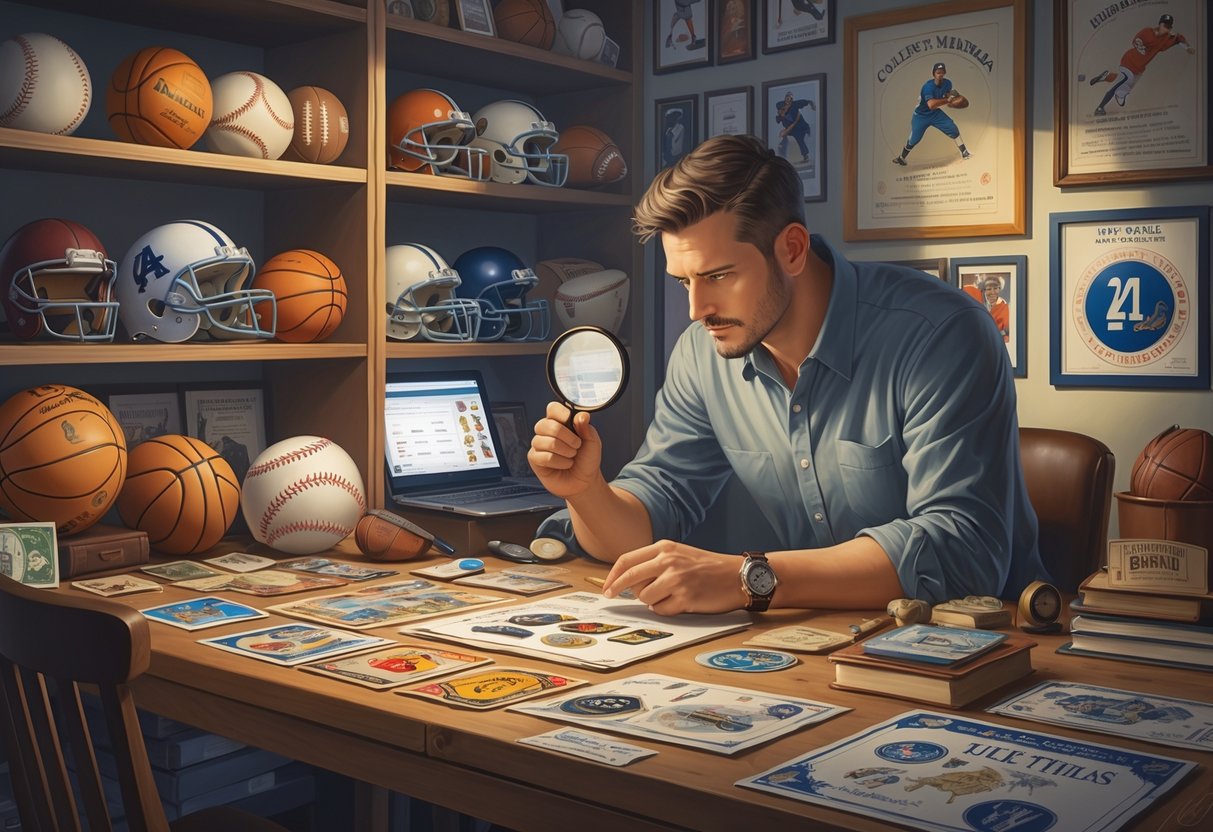
Finding rare sports memorabilia requires knowing what makes items valuable, understanding where collectors uncover hidden treasures, and developing skills to verify authentic pieces from reproductions.
Identifying Valuable Items
Game-used equipment holds the highest value among collectors. Items like Babe Ruth’s bat or Michael Jordan’s game-worn jersey command premium prices due to their direct connection to legendary performances.
Rookie cards from Hall of Fame players represent solid investments. The 1952 Topps Mickey Mantle and 1986 Fleer Michael Jordan cards consistently appreciate in value.
Limited production runs create scarcity that drives demand. Cards numbered to 100 or fewer copies, or memorabilia pieces with certificate numbers below 50, typically hold stronger market positions.
Autographed items from deceased legends become increasingly valuable over time. Lou Gehrig and Vince Lombardi signatures command thousands due to their rarity and historical significance.
Age significantly impacts value for vintage items. Pre-1970 baseball cards, especially those in mint condition, often outperform newer releases in long-term appreciation.
Where to Find Rare Memorabilia
Estate sales offer unexpected opportunities to discover valuable pieces. Families often undervalue inherited collections, creating chances to find gems at reasonable prices.
Online auction platforms provide access to global markets. eBay, Heritage Auctions, and specialized sports memorabilia sites host thousands of items daily from sellers worldwide.
Sports card shops maintain relationships with collectors looking to sell rare pieces. Experienced collectors use networking and strategic hunting to locate items through dealer connections.
Sports memorabilia shows bring together dealers and collectors in concentrated environments. Major shows in cities like Chicago, New York, and Los Angeles feature hundreds of vendors with diverse inventory.
Private collectors sometimes sell directly to avoid auction fees. Building relationships within collecting communities opens doors to off-market transactions.
Evaluating Authenticity
Professional authentication services like PSA, JSA, and Beckett provide third-party verification for high-value items. Their certificates significantly increase buyer confidence and resale values.
Certificate of Authenticity (COA) documentation should include detailed provenance information. Legitimate COAs feature security measures like holograms, watermarks, or unique serial numbers.
Examine signatures under magnification for consistent pen pressure and flow. Authentic autographs show natural variations in letter formation that mechanical reproductions cannot replicate.
Research the item’s history through databases and price guides. Beckett, Tuff Stuff, and Sports Collectors Digest maintain comprehensive records of legitimate pieces and known forgeries.
Red flags include prices significantly below market value, sellers refusing additional photos, or COAs from unknown authentication companies. Trust your instincts when deals seem too good to be true.
Building and Displaying a Collection
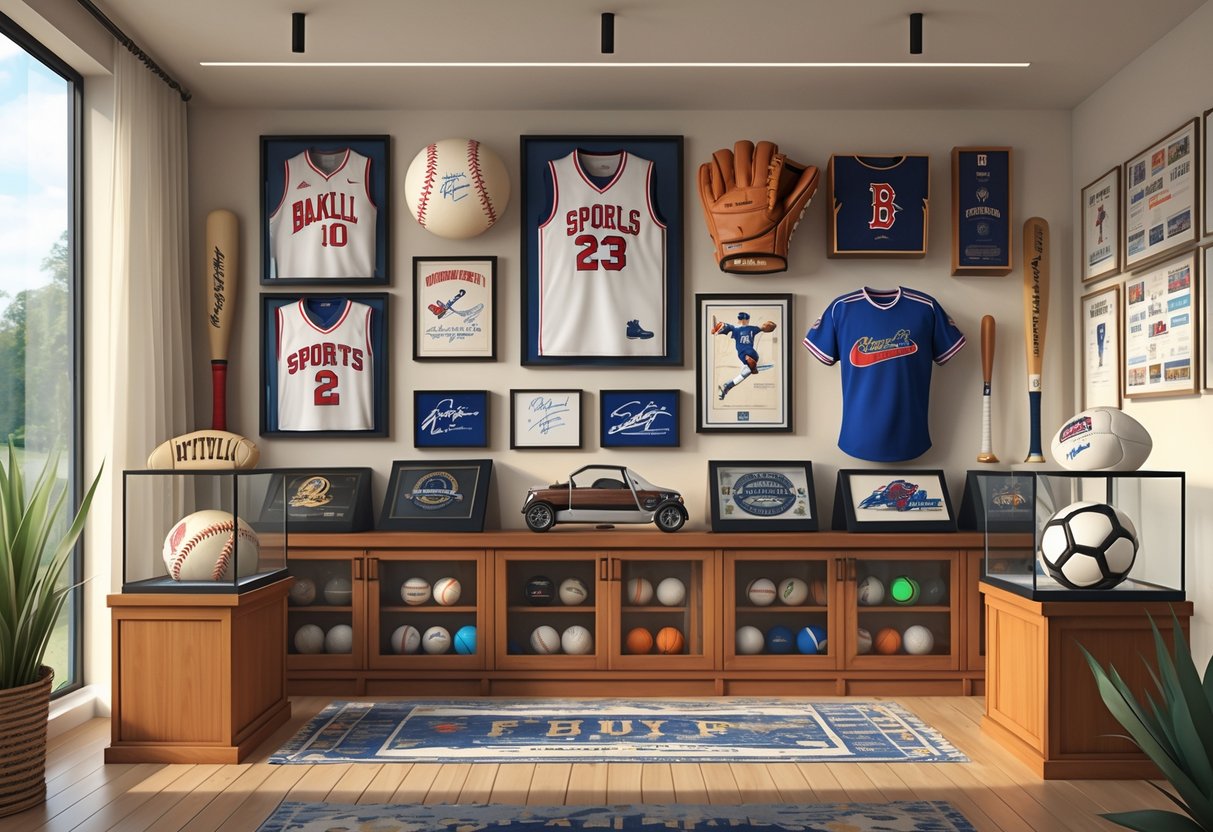
Successful memorabilia collecting requires systematic organization, proper storage methods, and safe display techniques. The right approach protects your investment while creating an impressive showcase for your items.
Organizing Your Memorabilia
Create a detailed inventory system for your collection using spreadsheets or specialized software. Record purchase dates, prices, authentication details, and current estimated values for each item.
Categorize items by sport, team, player, or era to establish clear organization patterns. This system helps you identify collection gaps and avoid duplicate purchases.
Use the rule of three when displaying sports collections to create visually appealing arrangements. Group items in odd numbers for better visual impact.
Essential organizational categories:
- Sport type (baseball, football, basketball)
- Item category (jerseys, balls, cards, autographs)
- Player or team affiliation
- Historical period or season
- Authentication status (certified vs. uncertified)
Assign unique identification numbers to valuable pieces and photograph them for insurance documentation. Store digital records in multiple locations including cloud storage.
Storage Solutions
Invest in climate-controlled storage areas with consistent temperature between 65-70°F and humidity levels around 45-55%. Basements and attics create damaging temperature fluctuations.
Archival-quality materials prevent deterioration:
- Acid-free boxes and folders
- UV-protective sleeves for photographs and documents
- Cedar blocks for fabric items like jerseys
- Silica gel packets for moisture control
Store jerseys on padded hangers or flat in acid-free tissue paper. Never use wire hangers or plastic bags for long-term storage.
Keep signed items in protective sleeves away from direct sunlight. Heat and UV rays cause ink fading and paper yellowing over time.
Create separate storage zones for different item types. Cards require different conditions than fabric items or metal trophies.
Showcasing Memorabilia Safely
Select display cases with UV-filtered glass or acrylic to protect items from harmful light exposure. LED lighting systems generate minimal heat while providing excellent illumination for sports memorabilia displays.
Professional display options:
- Shadow boxes for three-dimensional arrangements
- Wall-mounted cases for jerseys and large items
- Tabletop display cases for balls and smaller collectibles
- Custom frames for signed photographs and documents
Rotate displayed items every 6-12 months to minimize light damage. Store non-displayed pieces using proper archival methods.
Mount heavier items like helmets and equipment using appropriate wall anchors rated for the item’s weight. Secure cases to prevent tipping or falling.
Position displays away from heating vents, direct sunlight, and high-traffic areas where items might be accidentally damaged. Consider installing security systems for valuable collections.
Investment and Value Appreciation
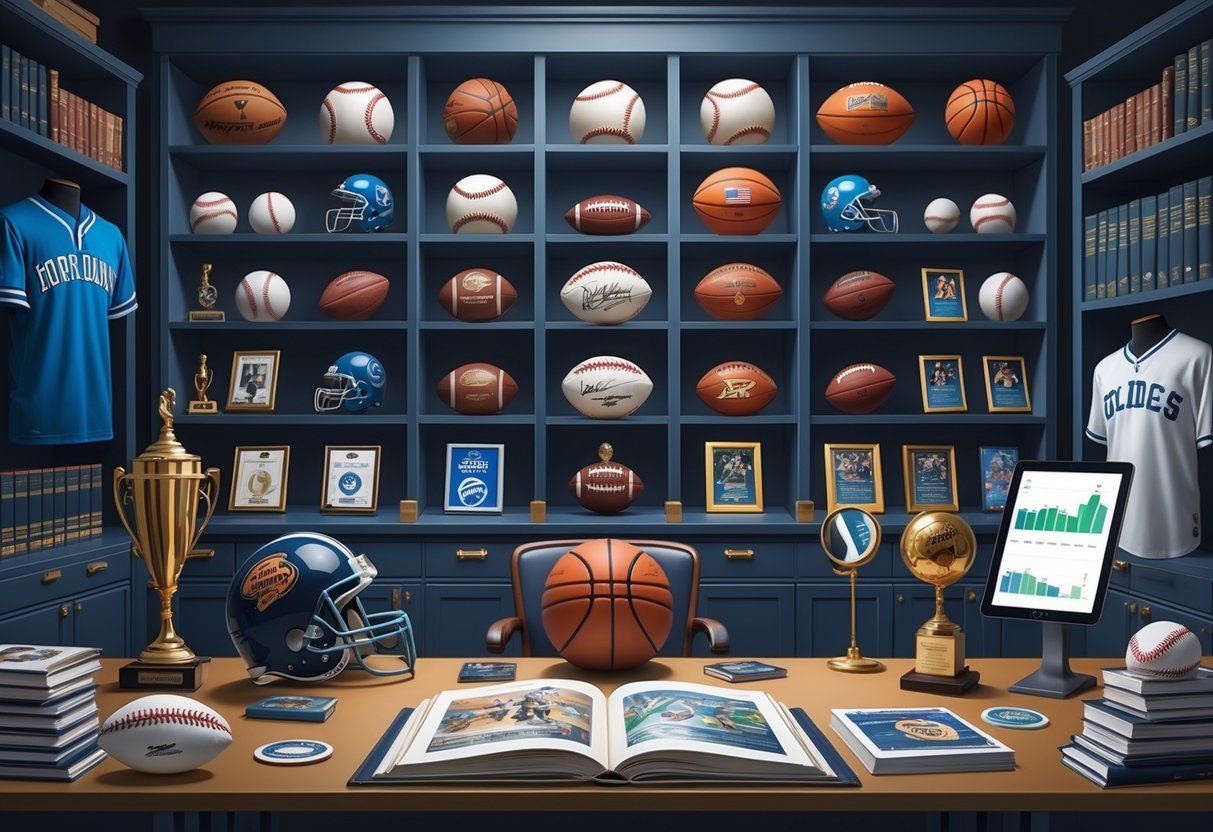
Sports memorabilia has evolved into a legitimate asset class with potential for significant returns. Market trends, authentication factors, and proper protection determine whether your collection appreciates or loses value over time.
Trends in Sports Collectibles
The sports memorabilia market has experienced substantial growth, with vintage baseball cards leading appreciation rates. Modern trading cards from basketball and football have shown strong performance since 2020.
High-performing categories include:
- Rookie cards of Hall of Fame players
- Game-worn jerseys from championship seasons
- Autographed items from deceased legends
- Items tied to record-breaking performances
Sports cards and memorabilia continue attracting both small and large investors as the market develops analytical tools and trading indices. Digital platforms have increased liquidity and price transparency.
Player popularity cycles affect values significantly. Current stars may see temporary spikes, while retired legends often maintain steadier appreciation. Regional preferences also influence demand, with local heroes commanding premium prices in specific markets.
Factors Affecting Value
Authentication stands as the most critical factor determining memorabilia value. Items without proper certification from recognized authorities like PSA, BGS, or JSA typically sell for fractions of authenticated pieces.
Key value drivers:
- Condition grade – Higher grades exponentially increase worth
- Rarity – Limited production runs or unique circumstances
- Player significance – Hall of Fame status and career achievements
- Historical importance – Championship moments or record-setting events
Market trends and investment potential require constant monitoring as values fluctuate with player performance and cultural relevance. Provenance documentation adds substantial premium to high-value items.
Age doesn’t automatically equal value. Modern cards can outperform vintage items depending on player legacy and card scarcity. Timing your purchases during market lulls often yields better returns than buying during peak hype periods.
Insurance for Collections
Standard homeowners insurance rarely covers memorabilia adequately. Specialized collectibles insurance becomes essential once your collection exceeds $5,000 in total value.
Professional appraisals every 3-5 years ensure proper coverage limits. Document everything with photographs, receipts, and certificates of authenticity. Store this documentation separately from your physical collection.
Coverage options include:
- Agreed value policies (predetermined worth)
- Actual cash value (current market price)
- Blanket coverage (overall collection limit)
Many insurers require specific storage conditions like climate control and security systems for high-value collections. Some policies exclude items displayed in public areas or loaned to exhibitions without additional riders.
Online Communities and Events

Building connections within the sports memorabilia community opens doors to exclusive trading opportunities, authentication expertise, and valuable market insights. Digital platforms and live events serve as essential hubs where collectors share knowledge, showcase prized items, and establish lasting professional relationships.
Joining Memorabilia Forums
Reddit communities like r/sportscards and r/baseballcards attract thousands of active collectors daily. You’ll find authentication discussions, market analysis, and trading opportunities across multiple sports categories.
Facebook groups offer specialized communities for specific teams, decades, or item types. Groups like “Vintage Baseball Card Collectors” or “NFL Memorabilia Authentication” provide targeted expertise from seasoned collectors.
Discord servers enable real-time conversations about breaking news, card releases, and live pack openings. Many servers host weekly trading sessions and authentication workshops.
Forum participation requires consistent engagement to build credibility. Share quality photos, provide detailed descriptions, and contribute helpful advice to establish your reputation within the community.
Most forums maintain strict rules about posting frequency, image quality, and transaction conduct. Read community guidelines carefully before participating in trades or sales discussions.
Attending Sports Collectibles Shows
Major conventions like the National Sports Collectors Convention draw 30,000+ attendees annually. These events feature hundreds of dealers, authentication services, and exclusive card releases.
Regional shows occur monthly in most metropolitan areas. Smaller venues allow more personal interactions with dealers and fellow collectors while offering competitive pricing.
Autograph signings at shows provide direct access to former athletes. Professional authentication services often operate on-site, ensuring certificate legitimacy for purchased items.
Show attendance requires advance planning for hotel reservations and event tickets. Popular shows sell out months ahead, particularly during baseball season peaks.
Dealer relationships developed at shows create long-term sourcing opportunities. Many dealers reserve premium items for established customers they meet regularly at events.
Connecting With Other Collectors
Instagram hashtags like #sportscards and #memorabilia connect you with collectors worldwide. Visual platforms showcase collections effectively while attracting potential trading partners.
YouTube channels hosted by collectors offer market insights, product reviews, and collection tours. Comment sections foster community discussions about specific items or market trends.
Sports memorabilia collecting communities enable enthusiasts to connect through shared interests and participate in specialized discussions about authentication and valuation.
Local collector meetups organized through apps like Meetup or Facebook Events create face-to-face networking opportunities. Monthly gatherings often include trading sessions and group purchases.
Mentorship relationships with experienced collectors accelerate your learning curve. Veteran collectors typically appreciate genuine interest and willingness to learn proper authentication techniques.
Trading groups on platforms like TCDB (Trading Card Database) maintain detailed want lists and trade histories. These systems create transparency and trust between collectors across different geographic regions.
Preservation and Authenticity Verification
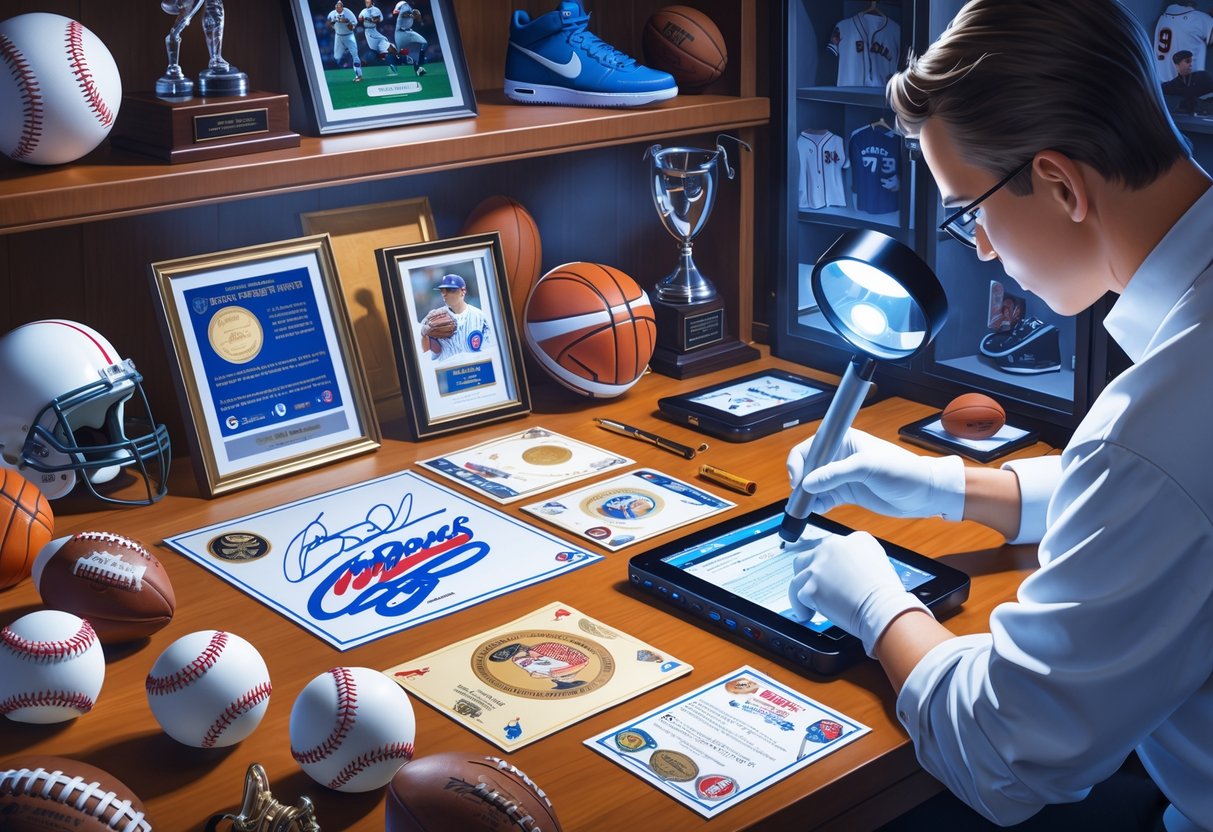
Protecting your sports memorabilia requires proper storage methods and temperature control to maintain condition and value. Authentication through professional services and learning to identify common forgery techniques ensures your collection remains genuine and investment-worthy.
Proper Care Techniques
Temperature and humidity control forms the foundation of memorabilia preservation. Store items between 65-70°F with 45-55% relative humidity to prevent deterioration.
UV protection prevents fading and material breakdown. Use UV-filtering glass in display cases and avoid direct sunlight exposure. Fluorescent lighting also damages items over time.
Storage materials must be acid-free and archival quality. Never use regular cardboard boxes or plastic bags containing PVC. Instead, choose:
- Acid-free boxes and folders
- Mylar sleeves for documents
- Cotton gloves for handling
- Tissue paper without lignin
Display considerations require rotation to minimize light exposure. Limit continuous display time to 3-6 months for paper items and autographs.
Proper preservation techniques significantly impact long-term value retention. Clean hands and gentle handling prevent oils and dirt transfer that cause permanent damage.
Working With Appraisers
Professional authentication services provide certified verification for valuable items. PSA leads the industry in sports memorabilia authentication and grading services.
Authentication costs typically range from $20-200 depending on item value and service level. Rush services cost more but provide faster turnaround times.
Documentation requirements include clear photographs, provenance information, and any existing certificates. Detailed item history increases authentication success rates.
Service selection depends on item type and value. Major authentication companies include:
| Service | Specialty | Turnaround |
|---|---|---|
| PSA | Cards, autographs | 20-45 days |
| JSA | Autographs | 15-30 days |
| Beckett | Cards, memorabilia | 25-40 days |
Certificate verification involves checking serial numbers and authentication databases. Verification systems allow you to confirm certificate legitimacy online.
Spotting Forgeries
Autograph analysis focuses on pen pressure, letter formation, and signing flow. Authentic signatures show consistent characteristics across verified examples.
Material examination reveals production methods and age indicators. Modern printing techniques on vintage-style paper often indicate reproductions.
Common red flags include:
- Perfect condition items from decades past
- Unusually low prices for rare pieces
- Missing provenance or documentation gaps
- Seller reluctance to provide detailed photos
Research techniques involve comparing items to verified examples and studying player signing patterns. Authentication guides help identify specific forgery methods.
Technology assistance includes UV lights for ink analysis and magnification tools for detail examination. Digital databases provide comparison references for authentic items.
Purchase protection requires buying from reputable dealers who offer return policies and authenticity guarantees. Document all transactions with photos and communication records.
Frequently Asked Questions
Card values depend on factors like player popularity, condition grades, and scarcity levels. Authentication requires professional grading services and documentation verification to establish legitimacy.
What factors determine the value of sports memorabilia cards?
Player performance and hall of fame status significantly impact card values. Rookie cards typically command higher prices than regular season cards from the same player.
Card condition receives numerical grades from 1 to 10. Higher grades like PSA 10 or BGS 9.5 can increase values by hundreds or thousands of dollars compared to lower grades.
Print run numbers affect scarcity and demand. Limited edition cards with fewer copies available generally sell for more than mass-produced base cards.
Market demand fluctuates based on current events. Active players performing well in playoffs or achieving milestones often see temporary price increases for their cards.
Which vintage sports cards are considered the best investment?
The 1952 Topps Mickey Mantle card remains the most valuable vintage baseball card. High-grade examples regularly sell for over one million dollars at auction.
1957 Topps Hank Aaron and 1955 Topps Roberto Clemente rookie cards show consistent appreciation. Both players maintain strong collector interest decades after retirement.
Pre-war tobacco cards from 1909-1915 offer excellent investment potential. The T206 Honus Wagner and 1916 Sporting News Babe Ruth represent pinnacle collecting achievements.
1986-87 Fleer Michael Jordan basketball cards dominate vintage basketball investments. Even lower-grade examples continue appreciating as Jordan’s legacy grows stronger.
How do you authenticate sports memorabilia effectively?
Professional grading companies like PSA, BGS, and SGC provide third-party authentication services. These companies examine cards using specialized equipment and expert knowledge.
Look for tampered edges, color inconsistencies, or surface alterations that indicate counterfeits. Authentic vintage cards show natural aging patterns and period-appropriate printing methods.
Compare questionable items to verified authentic examples online. Auction houses and sports memorabilia collecting guides provide reference images for comparison purposes.
Request certificates of authenticity from reputable dealers. Established companies stake their reputation on accurate authentication and offer money-back guarantees.
What are the most sought-after sports cards from the 1990s?
1993 SP Derek Jeter rookie cards lead 1990s baseball collecting. High-grade examples regularly sell for five-figure amounts due to Jeter’s popularity and limited print runs.
1997-98 Metal Universe Precious Metal Gems Michael Jordan cards remain extremely valuable. Only 100 green versions and 10 red versions were ever produced.
1996 Topps Chrome Kobe Bryant rookie cards show strong appreciation potential. The refractor parallel versions command premium prices among basketball collectors.
1989 Upper Deck Ken Griffey Jr. rookie cards bridge the late 1980s into 1990s collecting. This card established Upper Deck as a premium card manufacturer.
What are some tips for storing and preserving valuable sports cards?
Use penny sleeves and top loaders for individual card protection. These clear plastic holders prevent surface damage while allowing easy viewing of both card sides.
Store cards in climate-controlled environments between 65-70 degrees Fahrenheit. Avoid basements, attics, or areas with temperature fluctuations that cause expansion and contraction.
Keep humidity levels between 45-55 percent using dehumidifiers or silica gel packets. High humidity causes warping while low humidity makes cards brittle and prone to cracking.
Organize cards in acid-free storage boxes away from direct sunlight. UV rays cause fading and discoloration that permanently reduces card values and visual appeal.
How can you determine the best time to sell your sports memorabilia?
Monitor current market prices using sold listings on eBay and auction house results. Price tracking websites show trends over months and years for specific cards or players.
Sell during peak demand periods like hall of fame inductions or milestone achievements. Player anniversaries and documentary releases often trigger increased collector interest and higher prices.
Consider economic factors affecting discretionary spending among collectors. Strong economic periods typically support higher memorabilia prices than recession periods when buyers become more selective.
Evaluate your personal financial needs against long-term appreciation potential. Sports memorabilia values can continue growing for decades with properly selected items.