Hobbies That Boost Creativity and Brainpower: Science-Backed Activities to Enhance Your Mind
Your brain needs exercise just like your body does, and the right hobbies can provide that workout while bringing joy to your daily life. Engaging in creative hobbies can rewire your brain, improve memory, boost problem-solving abilities, and enhance overall cognitive function. Research shows that activities ranging from artistic pursuits to strategic games can strengthen neural connections and keep your mind sharp at any age.
The connection between what you do in your free time and how well your brain performs is stronger than most people realize. Hobbies that involve connecting with others foster purpose and social bonds, which are linked to better cognitive health as you age. Whether you prefer painting, learning a new language, or playing chess, these activities offer measurable benefits for your mental flexibility and creativity.
You don’t need to dedicate hours each day to see results. Even spending a few minutes on activities that challenge your brain can lead to improvements in focus, emotional intelligence, and innovative thinking. The hobbies explored in this article combine enjoyment with proven cognitive benefits, giving you practical ways to make your leisure time work for your brain health.
Understanding the Connection Between Hobbies and Brainpower
Your brain changes and grows when you engage in hobbies. This happens through neuroplasticity, which allows your brain to form new connections and pathways as you learn and practice new skills.
How Hobbies Stimulate Neuroplasticity
When you engage in new activities, your brain creates new pathways between neurons. This process is called neuroplasticity, and it allows your brain to increase its volume and strengthen connections.
Every time you practice a hobby, you work different parts of your brain. If you play an instrument, you activate areas responsible for coordination, memory, and sound processing. When you solve puzzles, you strengthen problem-solving and pattern recognition skills.
Your brain stays flexible throughout your life. This means you can improve cognitive function at any age by taking up new hobbies. The key is regular practice and challenging yourself with activities that require focus and learning.
Different hobbies activate different neural networks. Drawing uses visual and spatial areas, while learning a language strengthens memory and communication centers.
The Role of Creativity in Cognitive Development
Creative activities push your brain to think in new ways. When you create something original, you combine existing knowledge with new ideas, which builds stronger cognitive skills.
Your brain develops better problem-solving abilities through creative hobbies. These activities require you to find solutions, make decisions, and adjust your approach when things don’t work as planned.
Creativity involves multiple cognitive functions at once. You use memory to recall techniques, attention to focus on details, and executive function to plan and execute your ideas. This multi-tasking strengthens your overall brain function.
Creative pursuits also improve your ability to think flexibly. You learn to see problems from different angles and come up with unique solutions that apply to other areas of your life.
Benefits of Engaging in Creative Activities
Creative hobbies improve memory, focus, and problem-solving skills through regular practice. You build mental skills that transfer to daily tasks and work challenges.
Your concentration improves when you spend time on creative projects. These activities require sustained attention, which trains your brain to focus for longer periods.
Key cognitive benefits include:
- Enhanced memory retention
- Improved focus and attention span
- Better problem-solving abilities
- Increased mental flexibility
- Stronger analytical thinking
Hobbies that involve connecting with other people provide additional benefits. Social engagement fosters connection and purpose, which support better cognitive health as you age. Your brain stays more active and resilient when you combine creative activities with social interaction.
Artistic Pursuits That Ignite Creativity
Working with visual arts trains your brain to see details, solve problems, and express ideas in new ways. These hands-on activities build neural connections that strengthen creative thinking.
Drawing and Painting
Drawing and painting develop your observation skills and hand-eye coordination. When you sketch or paint, your brain processes shapes, shadows, and proportions in ways that improve spatial reasoning.
You don’t need expensive supplies to start. A basic pencil set and sketchbook let you practice fundamental techniques like shading, perspective, and composition. Watercolors and acrylics offer different textures and effects once you’re ready to add color.
Painting and similar artistic pursuits provide a platform for self-expression while building creative skills. Regular practice strengthens your ability to visualize concepts before bringing them to life on paper or canvas.
Key benefits include:
- Better focus and concentration
- Improved problem-solving abilities
- Enhanced visual memory
- Stress reduction through mindful creation
Sculpting for Imagination
Sculpting engages your sense of touch and three-dimensional thinking. Working with clay, polymer materials, or wire forces you to consider form from multiple angles at once.
This hands-on medium builds spatial awareness differently than flat art forms. You manipulate materials with your hands, which activates different brain regions than drawing or painting alone.
Start with air-dry clay or polymer clay that doesn’t require a kiln. These materials let you experiment with basic techniques like coiling, pinching, and modeling. As you progress, you can explore more complex projects like figurines or functional pottery.
The physical act of shaping materials provides immediate feedback. You see and feel your ideas taking form, which strengthens the connection between mental concepts and physical execution.
Photography as Creative Exploration
Photography teaches you to notice composition, lighting, and timing in everyday moments. Your camera becomes a tool for seeing the world through a more creative lens.
Photography helps unwind and ignite imagination by encouraging you to find beauty in ordinary scenes. You learn to frame shots, adjust exposure, and capture emotion through visual storytelling.
Modern smartphones make photography accessible without buying expensive equipment. You can practice daily by photographing your surroundings, experimenting with different angles and natural light.
Learning basic editing skills adds another creative layer. Simple adjustments to brightness, contrast, and color bring out details and mood in your images.
Musical Activities to Enhance Cognitive Function
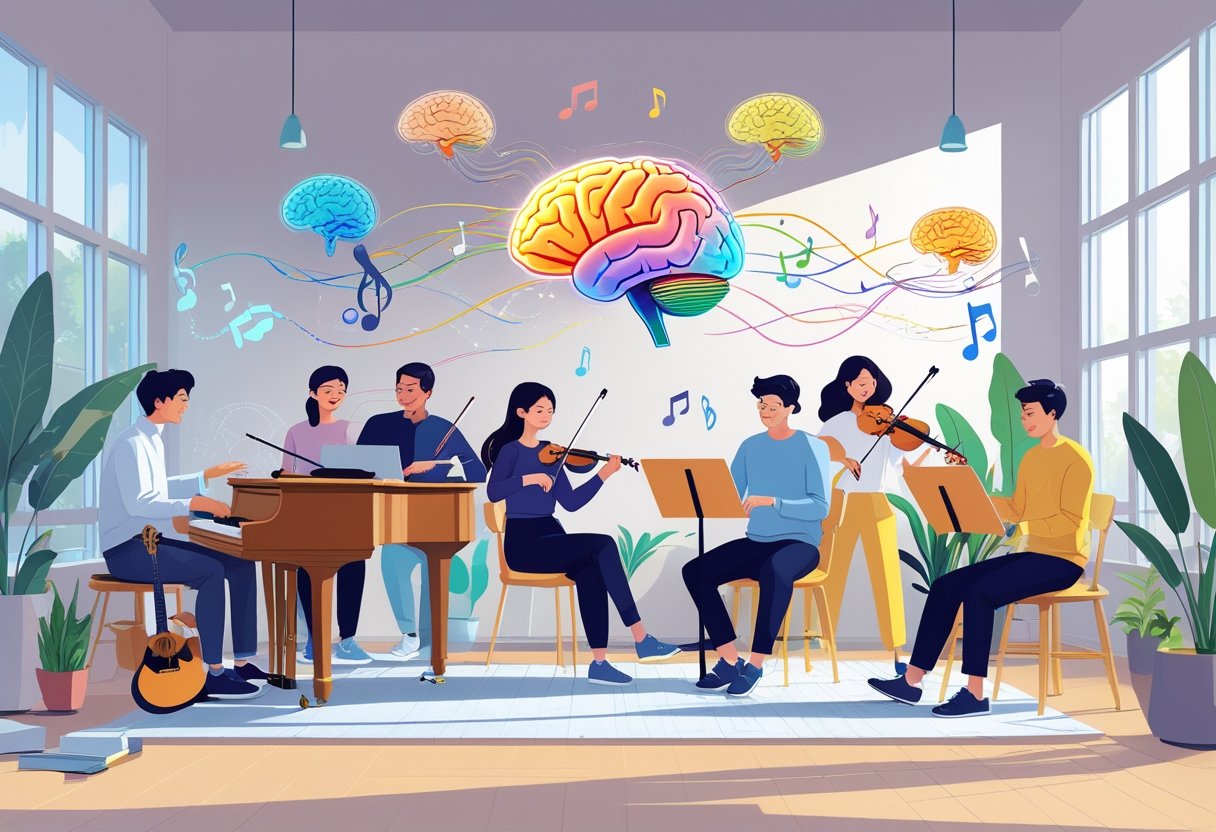
Music training activates multiple brain regions at once and strengthens neural connections that support memory, attention, and problem-solving skills. Research shows that playing musical instruments is linked to a reduced risk of dementia in older adults.
Learning to Play an Instrument
When you learn to play an instrument, you engage multiple sensory and motor systems at the same time. Your brain processes visual information from sheet music, controls fine motor movements in your fingers, and monitors the sounds you create.
Learning to play a musical instrument increases volume in many brain regions and creates new neural pathways. This process improves your coordination between the left and right sides of your brain.
Key cognitive benefits include:
- Enhanced memory retention and recall
- Improved attention span and focus
- Better problem-solving abilities
- Stronger hand-eye coordination
Lifelong musical practice has been associated with improved memory function as you age. You don’t need to become an expert player to see results. Even practicing for 30 minutes a few times per week can strengthen your cognitive abilities over time.
Composing and Songwriting
Writing your own music pushes your brain to think creatively while following musical structure and theory. You combine elements like melody, harmony, rhythm, and lyrics in unique ways.
This process activates different brain areas than simply playing existing songs. Your prefrontal cortex works to plan and organize musical ideas. Your temporal lobe processes sound patterns and rhythms.
Composing requires you to make constant decisions about what sounds good together. This trains your brain to evaluate options quickly and make choices based on complex criteria. You also develop pattern recognition skills as you learn which chord progressions and melodies work well in different contexts.
Language-Based Hobbies for Mental Agility
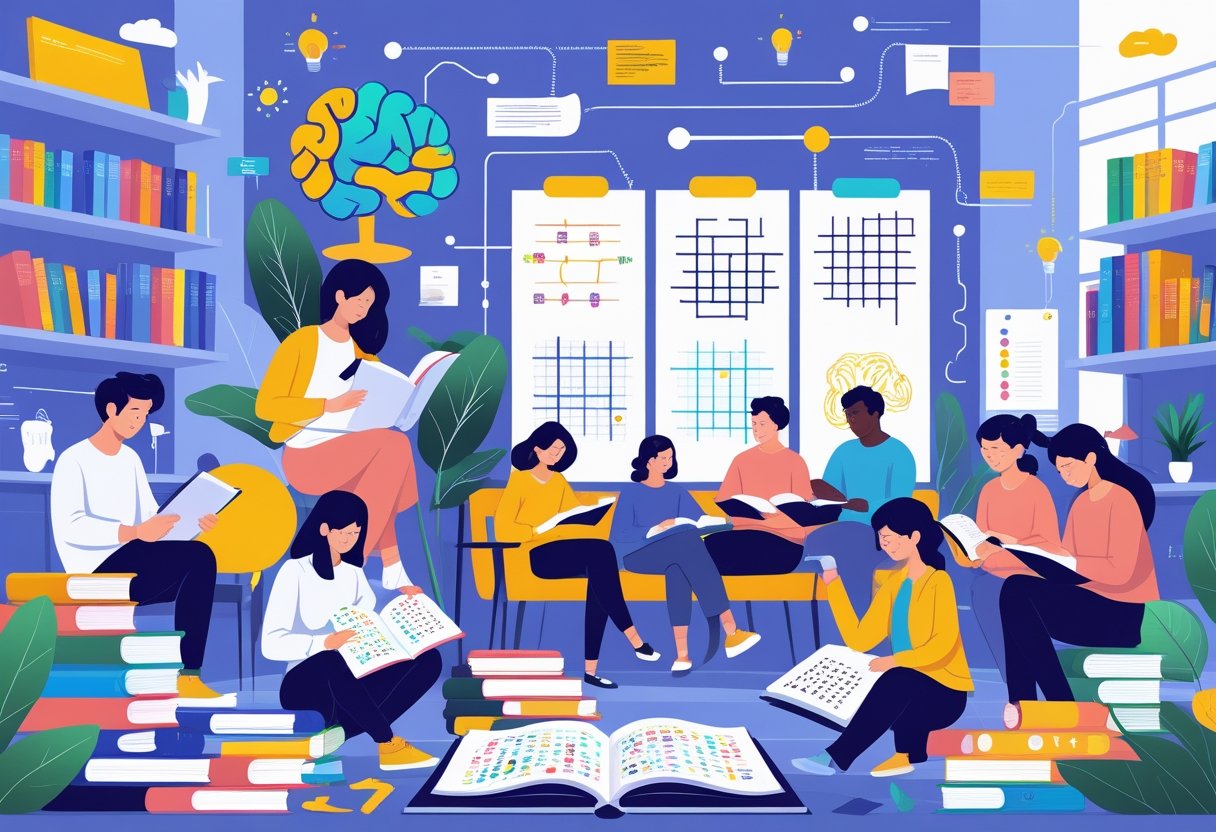
Working with words and languages strengthens neural pathways in your brain, improves memory retention, and enhances your ability to think quickly in different situations.
Creative Writing and Storytelling
Creative writing exercises multiple parts of your brain at once. When you write stories, poems, or essays, you activate areas responsible for language processing, memory recall, and emotional understanding.
The act of creating characters and plots requires you to think through cause and effect relationships. You need to consider different perspectives and build logical sequences of events. This process strengthens your problem-solving abilities and helps you see situations from multiple angles.
Writing regularly improves your vocabulary and communication skills. You learn to express complex ideas more clearly and choose words that convey precise meanings. Each writing session also enhances your focus and concentration as you work to translate thoughts into coherent sentences.
Key benefits of creative writing include:
- Improved memory through recalling details and plot points
- Enhanced emotional intelligence from exploring character motivations
- Better organizational skills from structuring narratives
- Increased mental flexibility through experimenting with different writing styles
Learning New Languages
Learning a new language is one of the most effective ways to boost your brainpower and cognitive development. Your brain creates new neural connections as you memorize vocabulary, understand grammar rules, and practice pronunciation.
Bilingual and multilingual people often show improved attention spans and better multitasking abilities. When you switch between languages, you train your brain to shift between different rule systems quickly. This mental exercise carries over into other areas of your life where you need to adapt to changing situations.
Language learning also delays age-related cognitive decline. Studies show that people who speak multiple languages maintain sharper minds as they get older. The constant mental challenge of thinking in different languages keeps your brain active and resilient.
You don’t need to become fluent to see benefits. Even basic language study improves your memory and attention to detail as you work to distinguish between similar sounds and remember new word patterns.
Logic and Strategy Games for Problem-Solving Skills
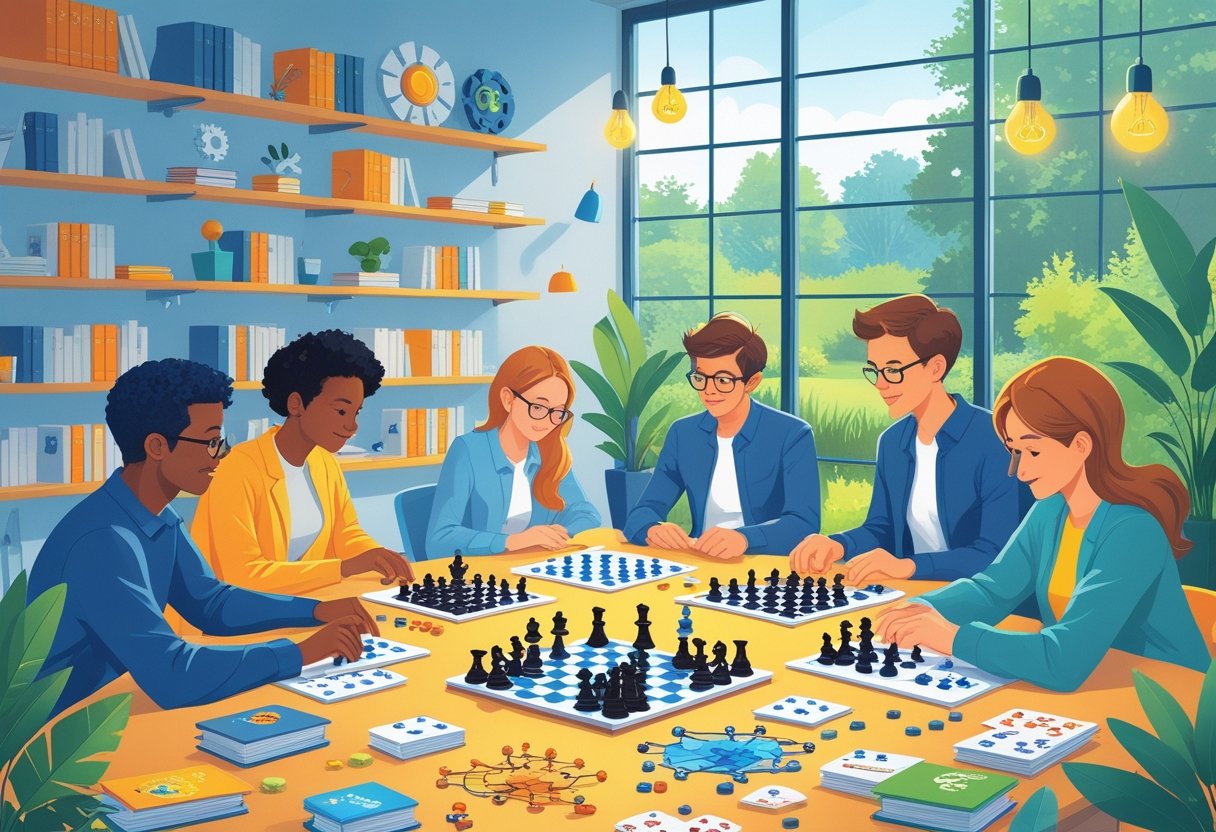
Games that challenge your thinking help you develop better problem-solving abilities and sharpen your analytical skills. These activities train your brain to think ahead, spot patterns, and make smart decisions under pressure.
Chess and Board Games
Chess stands out as one of the best games for building strategic thinking. You need to plan several moves ahead while anticipating your opponent’s strategy. Each piece moves differently, so you must understand complex rules and adapt your tactics throughout the game.
Board games boost your thinking abilities in multiple ways. Games like Risk teach you to evaluate different scenarios and think mathematically. Settlers of Catan requires resource management and negotiation skills. These games force you to make decisions with incomplete information, just like real-life situations.
Strategy board games also improve your memory and concentration. You track multiple elements at once, remember past moves, and adjust your plans based on changing conditions. Playing regularly strengthens these mental muscles over time.
Puzzle Solving
Puzzles give your brain a focused workout through pattern recognition and logical thinking. Sudoku challenges you to use deduction and eliminate possibilities systematically. Each number you place affects the rest of the grid, teaching you how small decisions connect to larger outcomes.
Logic puzzles and problem-solving games build your critical thinking skills. Jigsaw puzzles develop spatial reasoning as you rotate pieces mentally and identify where they fit. Crosswords expand your vocabulary while making you think about word relationships and meanings.
These activities teach you to break down complex problems into smaller parts. You learn to test different approaches when you get stuck. Regular puzzle solving increases your patience and persistence when facing difficult challenges.
Physical Activities That Sharpen the Mind
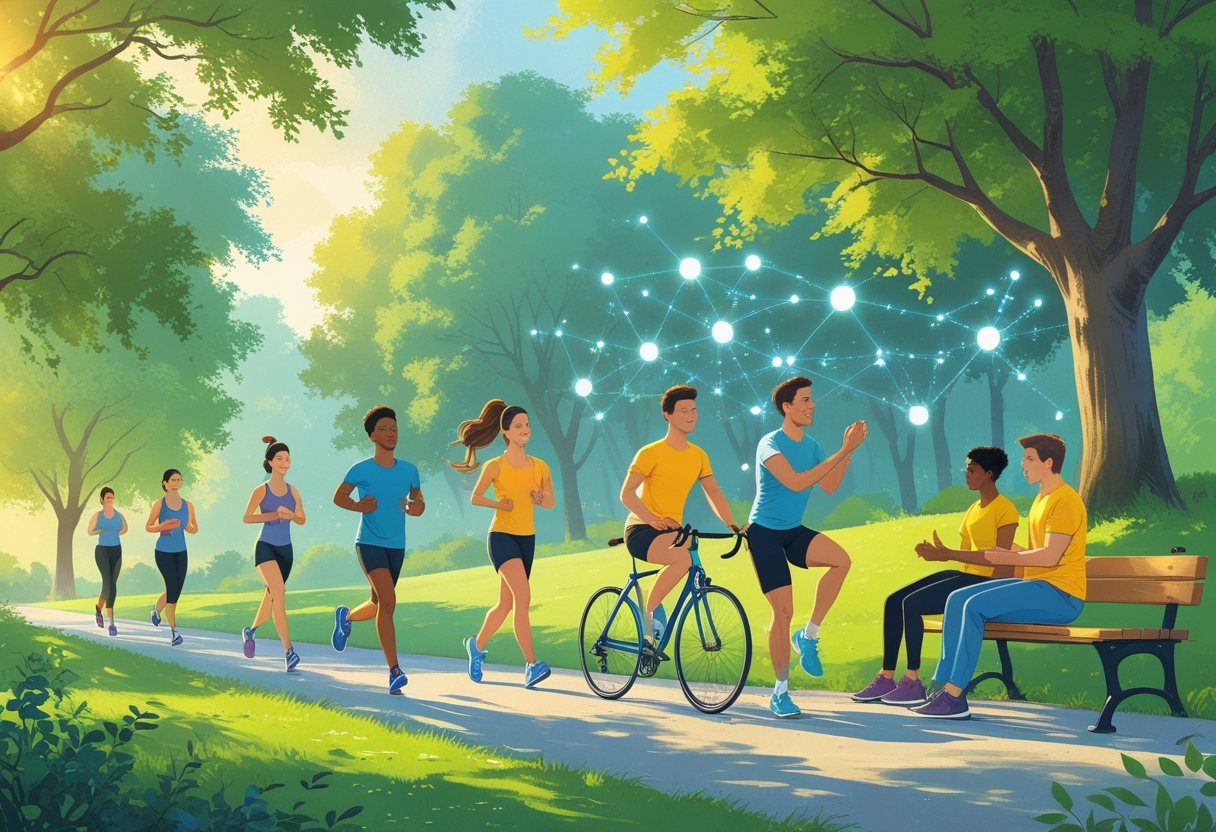
Movement-based activities enhance brain function by improving blood flow, building new neural connections, and strengthening coordination between your body and mind. Dancing and martial arts stand out as two forms of exercise that deliver significant cognitive benefits.
Dance for Cognitive Coordination
Dance requires you to remember steps, follow rhythm, and coordinate your movements all at the same time. This combination activates multiple brain regions at once, which strengthens the connections between them.
When you learn new dance routines, your brain creates fresh neural pathways. These pathways improve your spatial awareness and memory function. Regular physical activity over six months to a year can increase the volume of specific brain regions.
Dance also provides social interaction when done in groups or with partners. This social element adds another layer of cognitive stimulation. Your brain must process social cues while maintaining physical coordination.
Key cognitive benefits of dance:
- Improved memory through pattern recognition
- Enhanced spatial reasoning
- Better balance and body awareness
- Stronger multitasking abilities
Martial Arts for Mental Focus
Martial arts training demands intense concentration and mental discipline. You must stay present in each moment to execute techniques properly and respond to your opponent or training partner.
The practice combines physical movement with strategic thinking. You learn to anticipate actions, make quick decisions, and control your emotional responses. This mental training extends beyond the mat into your daily life.
Activities that require hand-eye coordination help maintain cognitive health by engaging different parts of your brain simultaneously. Martial arts excel at this type of coordination training.
The repetitive practice of forms and techniques builds muscle memory while keeping your mind engaged. You develop better impulse control and stress management skills. These benefits appear in students of all ages, from children to older adults.
Social and Collaborative Creative Hobbies
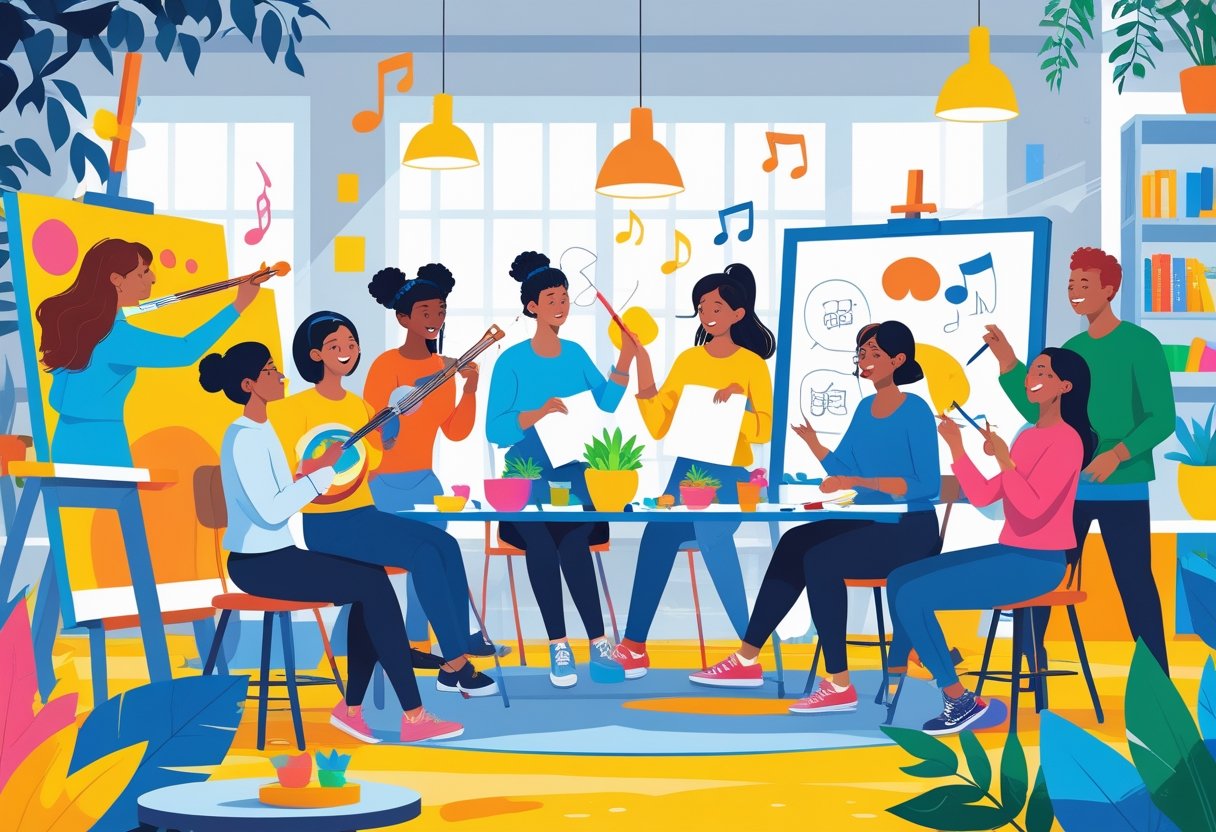
Working with others on creative projects strengthens your brain in ways solo activities cannot. Group creative work builds communication skills, exposes you to different perspectives, and pushes you to think faster under social pressure.
Theater and Improv
Theater and improv classes force your brain to work quickly and creatively. You need to react to other performers, create characters on the spot, and solve problems in real time. This builds mental flexibility and helps you think more creatively in everyday situations.
Improv specifically trains your brain to say “yes, and” instead of shutting down ideas. You learn to build on what others contribute rather than criticizing or stopping the creative flow. This skill transfers directly to work meetings and problem-solving sessions.
Interactive hobbies like theater help develop better interpersonal skills while exercising your creative muscles. You practice reading body language, listening actively, and responding authentically. These activities reduce self-consciousness because everyone shares the same vulnerable position.
Theater groups also create accountability. You show up for rehearsals because others depend on you. This commitment helps you stick with creative practice longer than you might alone.
Group Brainstorming Sessions
Structured brainstorming sessions with others generate more ideas than working alone. When you hear someone else’s thought, it triggers connections in your own brain that you would not have reached independently. The key is creating a judgment-free space where quantity matters more than quality initially.
Creative hobby groups use collaboration to transform individual activities into collective experiences. You can organize regular brainstorming meetups focused on specific creative challenges like product ideas, story concepts, or art projects.
The best brainstorming sessions follow simple rules: no criticism during idea generation, build on others’ suggestions, and welcome unusual thoughts. Write everything down visibly so the group can see patterns emerge. Time limits create helpful pressure that stops overthinking.
You gain exposure to thinking styles different from your own. Someone else’s approach might seem strange at first but can unlock new methods you adopt permanently.