10 Best Hobbies for Environmental Scientists to Connect With Nature: Expert-Approved Activities for Deepening Your Ecological Understanding
Environmental scientists spend their careers studying ecosystems, climate patterns, and conservation methods. Even experts in the field need ways to step away from data and research to experience nature directly.
Finding hobbies that blend professional knowledge with personal enjoyment can make your connection to the natural world stronger and more meaningful. These activities range from monitoring local wildlife to creating art inspired by plants and animals.
Some focus on direct conservation work, while others emphasize mindfulness and observation. The hobbies covered here offer different ways to interact with nature based on your interests and available time.
Whether you want to contribute to scientific research, develop new skills, or simply spend more time outdoors, these activities provide practical options for environmental scientists looking to strengthen their relationship with the natural world.
10) Wetland Restoration Volunteering
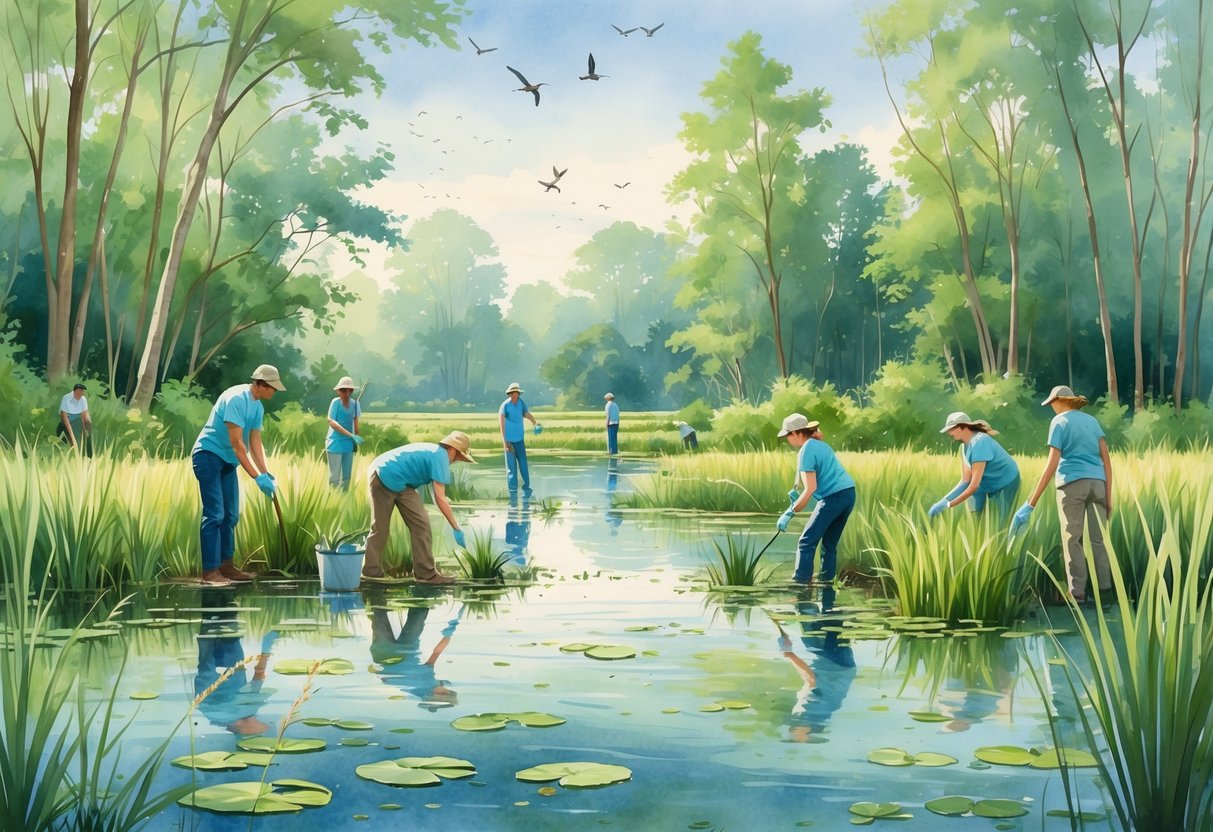
Wetland restoration volunteering lets you work directly with critical ecosystems that support wildlife and filter water. You can join local conservation groups that focus on protecting and restoring wetland habitats in your area.
When you volunteer for wetland projects, you might plant native vegetation, remove invasive species, or help monitor water quality. These hands-on tasks give you practical experience with ecosystem management.
You’ll learn how wetlands function and why they matter for both wildlife and human communities. Many wetland restoration programs partner with environmental organizations and local agencies.
Some projects involve building structures like beaver dam analogs that help create and maintain wetland conditions. Your volunteer work helps improve habitat for birds, amphibians, and other wetland species.
It also strengthens community support for conservation efforts. When you participate in restoration projects, you directly influence how local wetlands are valued and protected.
This hobby connects you with other environmental scientists and conservation professionals. You’ll gain field skills that complement your academic knowledge.
The physical work of restoration also gets you outdoors and engaged with the natural systems you study. You can start by searching for wetland volunteer programs in your region or contacting your local environmental agency about upcoming projects.
9) Forest Bathing
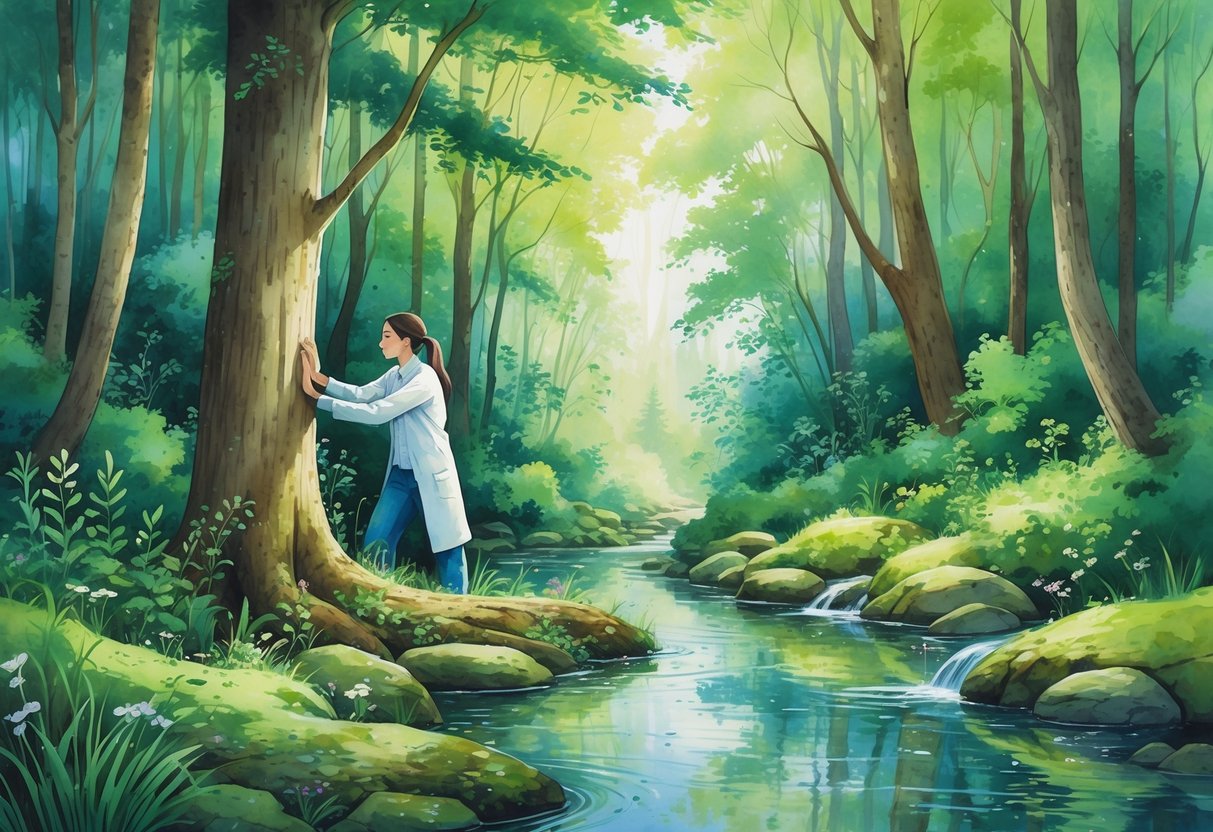
Forest bathing, known as shinrin-yoku in Japan, involves spending intentional time in forested areas. You simply walk slowly through the woods and engage your senses with your surroundings.
This practice differs from hiking because you focus on being present rather than reaching a destination. Research shows that forest bathing reduces stress and improves your mood.
When you breathe in the forest air, you absorb phytoncides, which are natural compounds released by trees. These compounds can boost your immune system and lower cortisol levels.
You don’t need special equipment or training to start forest bathing. Find a wooded area near you and leave your phone behind or put it on silent.
Walk at a relaxed pace and notice the colors, sounds, and smells around you. As an environmental scientist, this hobby helps you observe ecosystems in a different way.
You might notice fungi growing on tree bark or hear specific bird calls you’ve studied. The slower pace lets you see details you would miss during regular fieldwork.
Try to practice forest bathing for at least 20 minutes, though longer sessions provide more benefits. You can do this activity alone or with others who also want to connect with nature quietly.
Many people find early morning or late afternoon ideal times when forests are particularly peaceful.
8) Insect Pollinator Monitoring
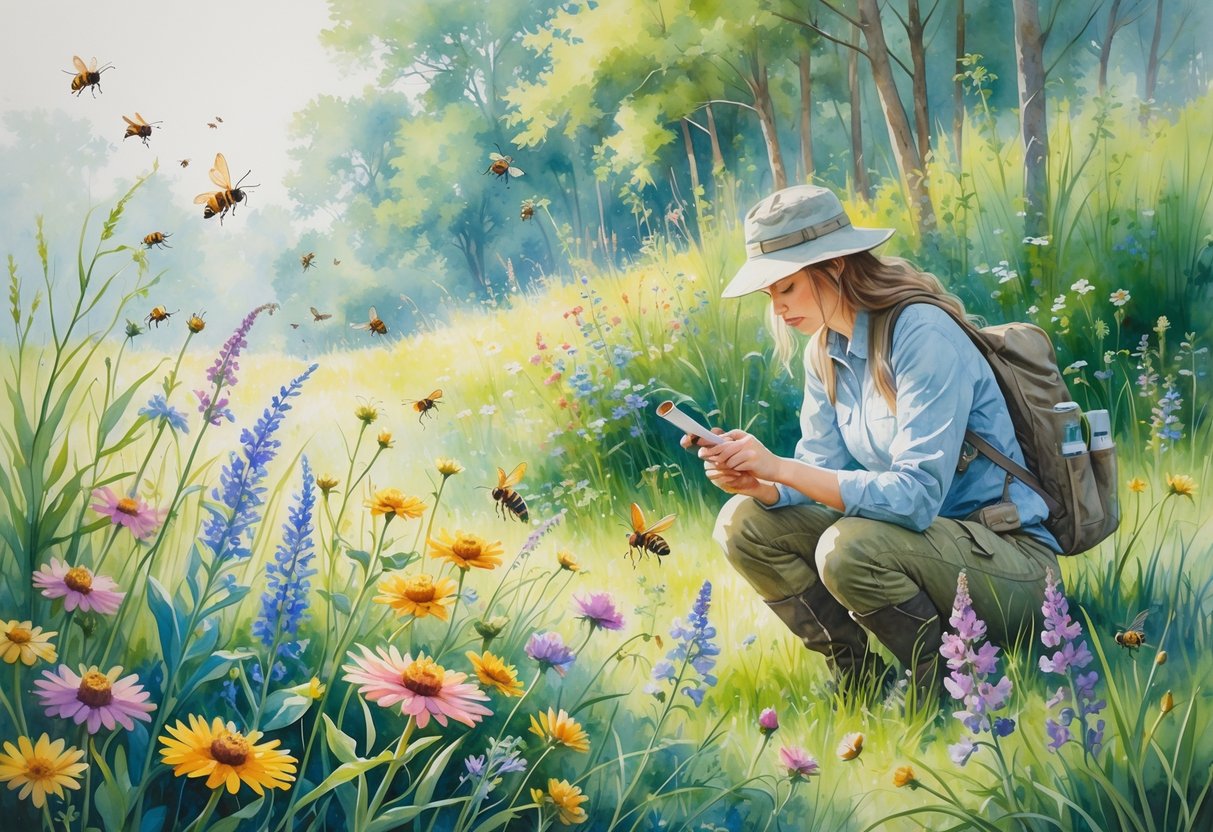
Insect pollinator monitoring lets you track the health of bees, butterflies, and other important pollinating insects in your area. This hobby combines outdoor observation with data collection that helps scientists understand pollinator populations.
You can start by choosing a specific location to monitor regularly. Pick a garden, park, or natural area where flowering plants attract pollinators.
Visit the same spot at consistent times to record which insects you see and how many. Many citizen science projects need volunteers to submit pollinator data.
Programs like Monarch Watch and similar initiatives accept observations from people across different regions. Your records contribute to larger research efforts that track population trends over time.
The basic equipment you need is simple. A notebook, camera, and field guide help you identify and document different pollinator species.
Some projects provide specific protocols for counting insects or recording their behavior on flowers. This hobby works well in both urban and rural settings.
Even small gardens attract pollinators that need monitoring. You learn to identify different bee species, butterflies, beetles, and flies while spending time outdoors.
Pollinator monitoring reveals direct connections between environmental health and insect populations. You notice which plants attract the most visitors and when certain species appear during the season.
This information supports conservation efforts as scientists work to address declining pollinator numbers. The activity requires patience and attention to detail.
You develop observation skills while contributing valuable information to pollinator research and protection programs.
7) Eco-friendly Gardening
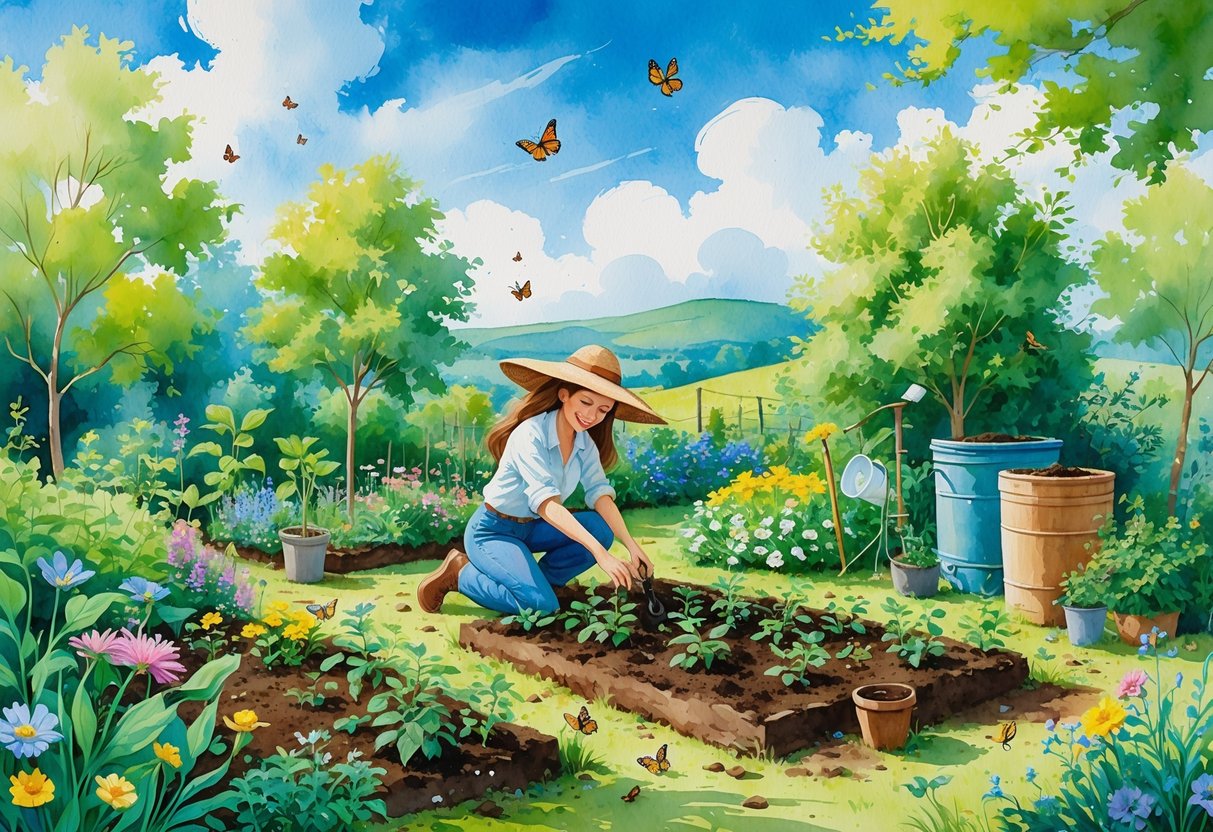
Eco-friendly gardening gives you a hands-on way to support local ecosystems right in your own backyard. You can grow native plants that provide food and shelter for local wildlife.
This approach requires less water and maintenance than traditional gardens. Starting an eco-friendly garden means avoiding synthetic pesticides and fertilizers.
Instead, you can use compost made from kitchen scraps and yard waste to enrich your soil naturally. This method reduces waste while creating nutrient-rich growing conditions.
You can collect rainwater in barrels to irrigate your plants. This practice saves tap water and gives your plants chemical-free moisture.
Many environmental scientists use rain gardens to manage stormwater runoff and filter pollutants naturally. Growing your own vegetables and herbs reduces your carbon footprint.
You eliminate the need for transportation and packaging that comes with store-bought produce. Fresh food from your garden also tastes better and contains more nutrients.
Your garden can become a living laboratory for observation and research. You can track pollinator activity, monitor soil health, and study plant growth patterns.
This direct interaction with natural systems deepens your understanding of ecological relationships. Companion planting offers another eco-friendly strategy.
You can pair plants that support each other’s growth and naturally repel pests. This technique reduces the need for chemical interventions while increasing your garden’s productivity.
6) Botanical Illustration

Botanical illustration combines art and science in a way that helps you observe plants more carefully. You draw or paint plants with accurate detail, which trains your eye to notice features you might normally miss.
This practice deepens your understanding of plant anatomy and species identification. You don’t need expensive supplies to start.
A basic sketchbook, pencils, and access to plants are enough. As you progress, you can add watercolors or colored pencils to your toolkit.
This hobby supports your work as an environmental scientist. When you illustrate plants, you learn to identify key characteristics like leaf arrangement, flower structure, and growth patterns.
These skills transfer directly to field work and research. You can practice botanical illustration anywhere.
Your backyard, local parks, or botanical gardens all provide subjects to study. Many communities offer workshops where you can learn techniques from experienced illustrators.
The documentation aspect of botanical illustration has scientific value too. Your drawings can serve as visual records of plant species in specific locations.
This becomes especially important when tracking changes in ecosystems over time. Working with botanical illustration helps you slow down and focus.
You spend extended time with individual plants, which creates a different kind of connection to nature than quick field surveys. This mindful observation often reveals details about plant health, growth stages, and environmental conditions that benefit your scientific work.
5) Citizen Science Projects
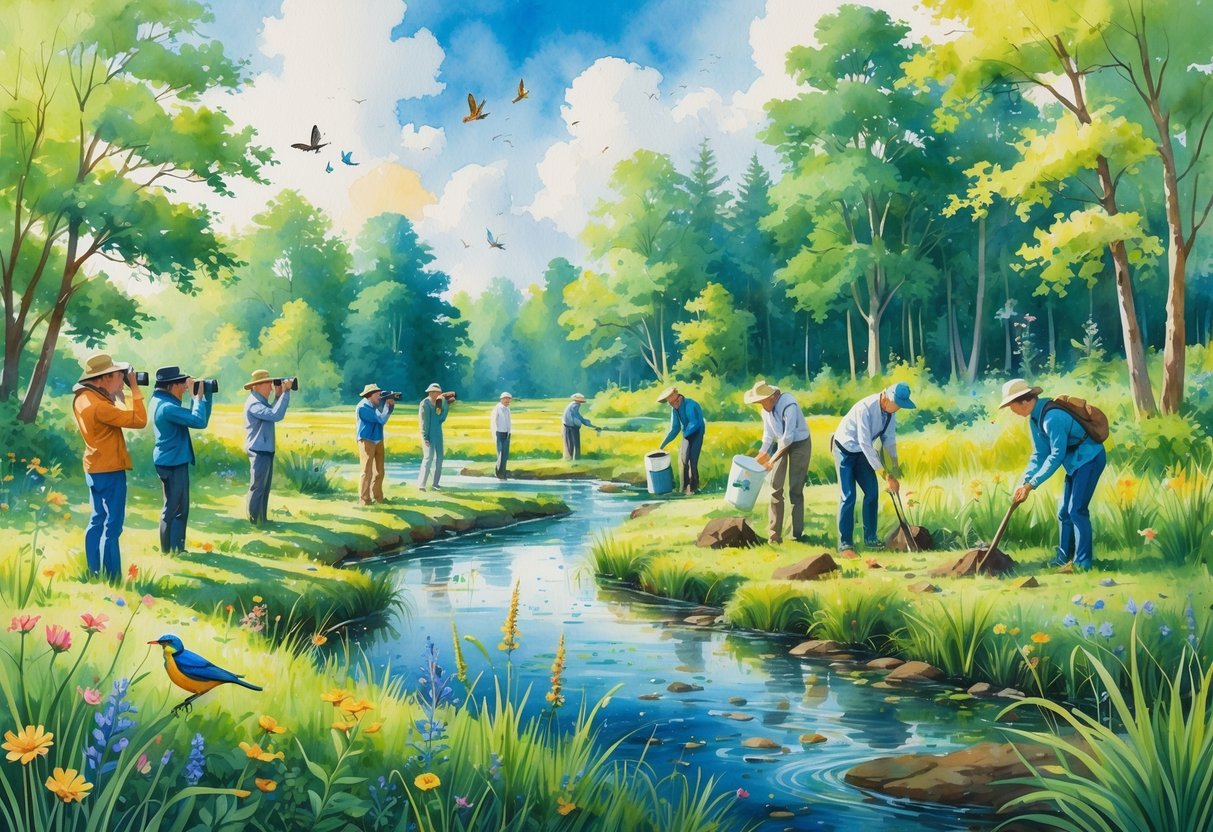
Citizen science projects let you contribute to real research while spending time outdoors. These programs connect amateur enthusiasts with professional researchers who need help collecting data.
You don’t need special training or expensive equipment to get started. Most projects focus on biodiversity monitoring, climate change, or environmental issues.
You might track bird populations in your area, record weather patterns, or monitor water quality in local streams. Scientists use the information you collect to answer important research questions and spot trends over time.
You can choose projects that match your schedule and interests. Some require weekly commitments while others let you participate whenever you have time.
Many projects work from your own backyard, while others involve exploring new locations. The work gives you hands-on experience with scientific methods.
You’ll learn how to identify species, use data collection tools, and understand what makes observations valuable for research. This practical knowledge deepens your connection to the natural world around you.
Thousands of citizen scientists already contribute to programs worldwide. Your observations join a larger dataset that individual researchers couldn’t gather alone.
Projects are sponsored by universities, conservation groups, and government agencies looking for reliable volunteers. Getting involved is straightforward.
Most organizations provide training materials, identification guides, and apps to record your findings. You become part of a community working toward better understanding and protecting the environment.
4) Birdwatching
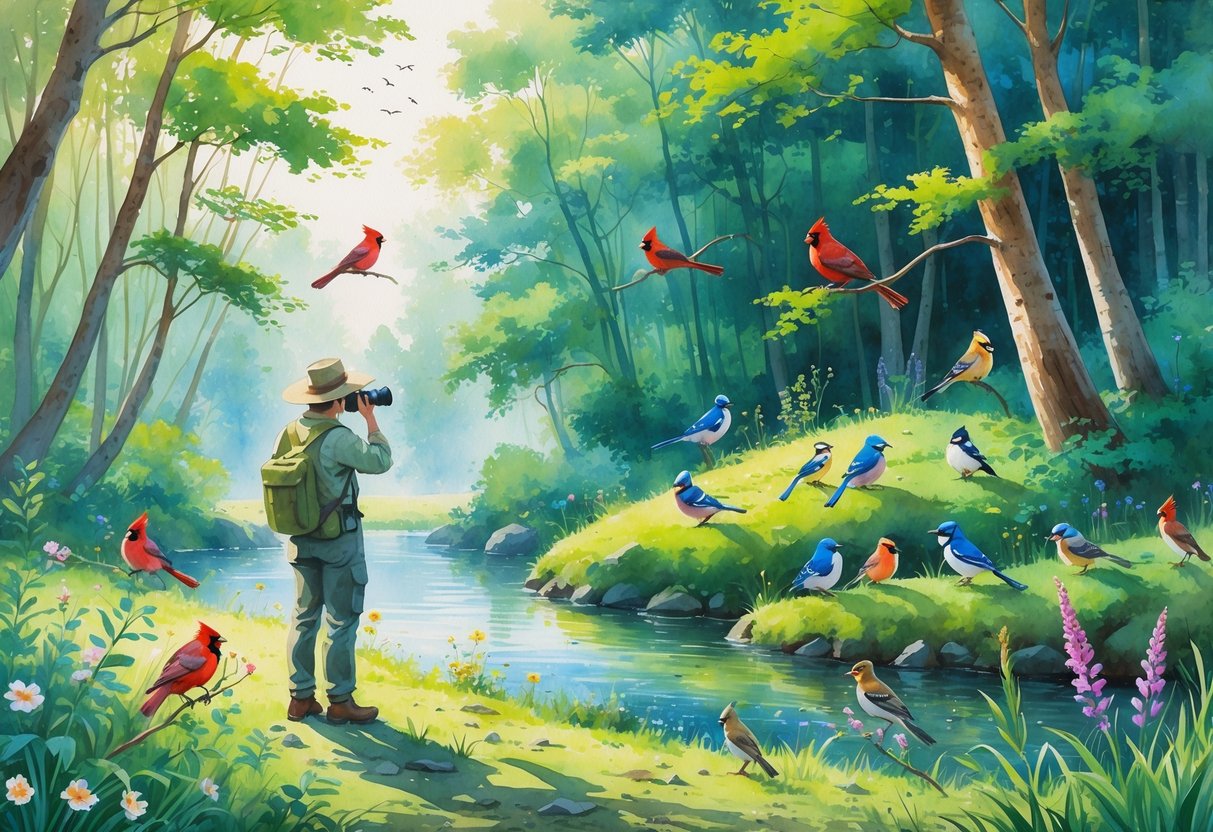
Birdwatching offers environmental scientists a practical way to observe ecosystems in action. You can start this hobby with just a pair of binoculars and a field guide.
The low barrier to entry makes it accessible whether you’re in your backyard or conducting field research. As an environmental scientist, birdwatching sharpens your observation skills.
You’ll learn to identify species by sight, sound, and behavior. These skills transfer directly to your professional work in data collection and species monitoring.
Bird populations serve as indicators of environmental health. When you track birds over time, you gather valuable data about habitat quality, climate patterns, and ecosystem changes.
Many environmental scientists contribute their observations to citizen science databases that support conservation research. You can practice birdwatching during your lunch break or dedicate entire weekends to it.
Early mornings typically offer the best viewing opportunities when birds are most active. Different seasons bring migrating species, so you’ll always have new birds to observe throughout the year.
The hobby connects you with local and global bird conservation efforts. You’ll develop a deeper understanding of migration patterns, breeding behaviors, and habitat requirements.
Birdwatching requires patience and attention to detail. You’ll spend time sitting quietly in nature, which provides mental breaks from lab work and data analysis.
The combination of physical activity, outdoor time, and scientific observation makes it an ideal hobby for your field.
3) Nature Photography
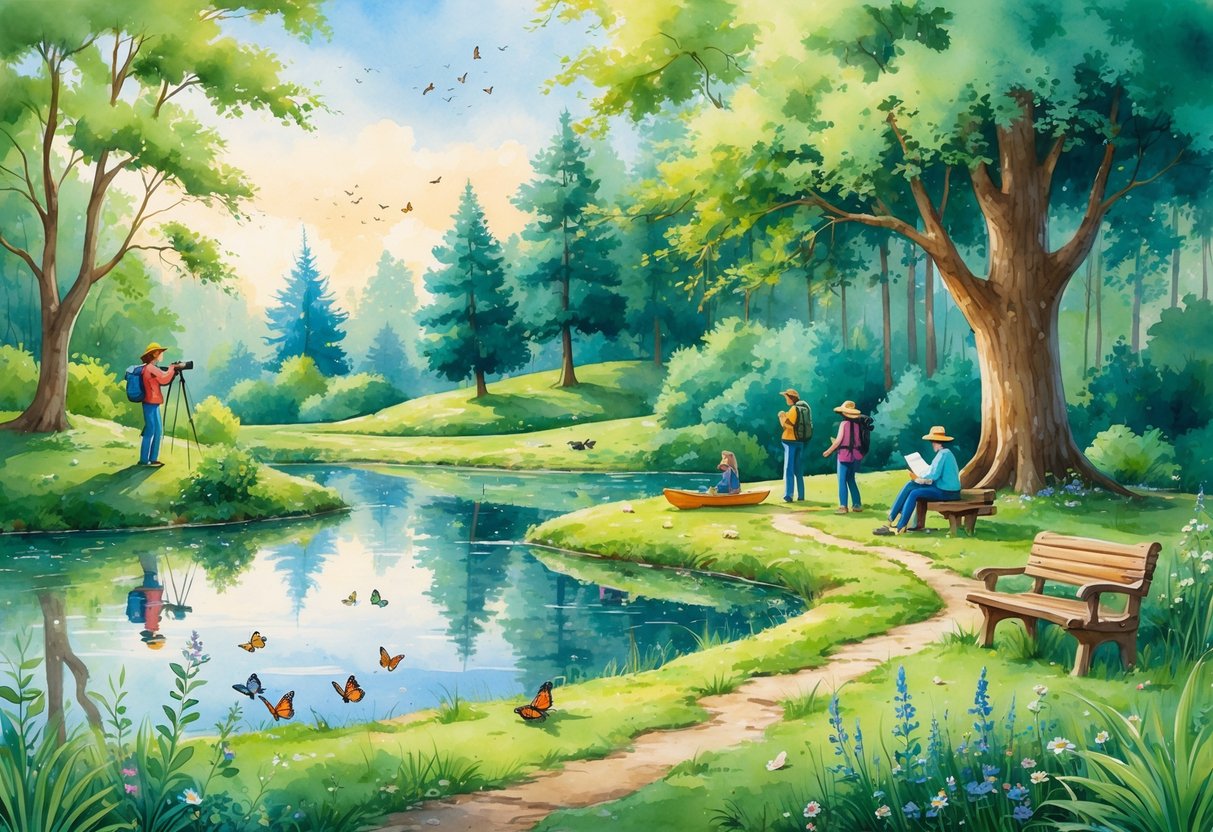
Nature photography gives you a powerful way to document the environment while building your observational skills. You can capture images of ecosystems, wildlife, and landscapes that highlight both the beauty and fragility of natural systems.
This hobby sharpens your ability to notice small details that you might otherwise overlook. As an environmental scientist, photography helps you create visual records of environmental changes over time.
You can document seasonal patterns, track wildlife populations, or record habitat conditions. These images serve as valuable data for research and conservation efforts.
The practice requires you to spend extended time outdoors observing your subjects. You’ll learn to move quietly through natural spaces and understand animal behavior patterns.
This patience translates directly to fieldwork skills you use in your professional life. Photography also lets you share environmental stories with broader audiences.
Your images can raise awareness about conservation issues and help others connect with nature. You don’t need expensive equipment to start.
A basic camera or even a smartphone works well for beginners. You can focus on macro photography of insects and plants or wide landscape shots of ecosystems.
Each approach builds different technical skills while deepening your understanding of natural processes. The hobby combines scientific observation with creative expression, making it both practical and personally rewarding for environmental scientists.
2) Plant Identification
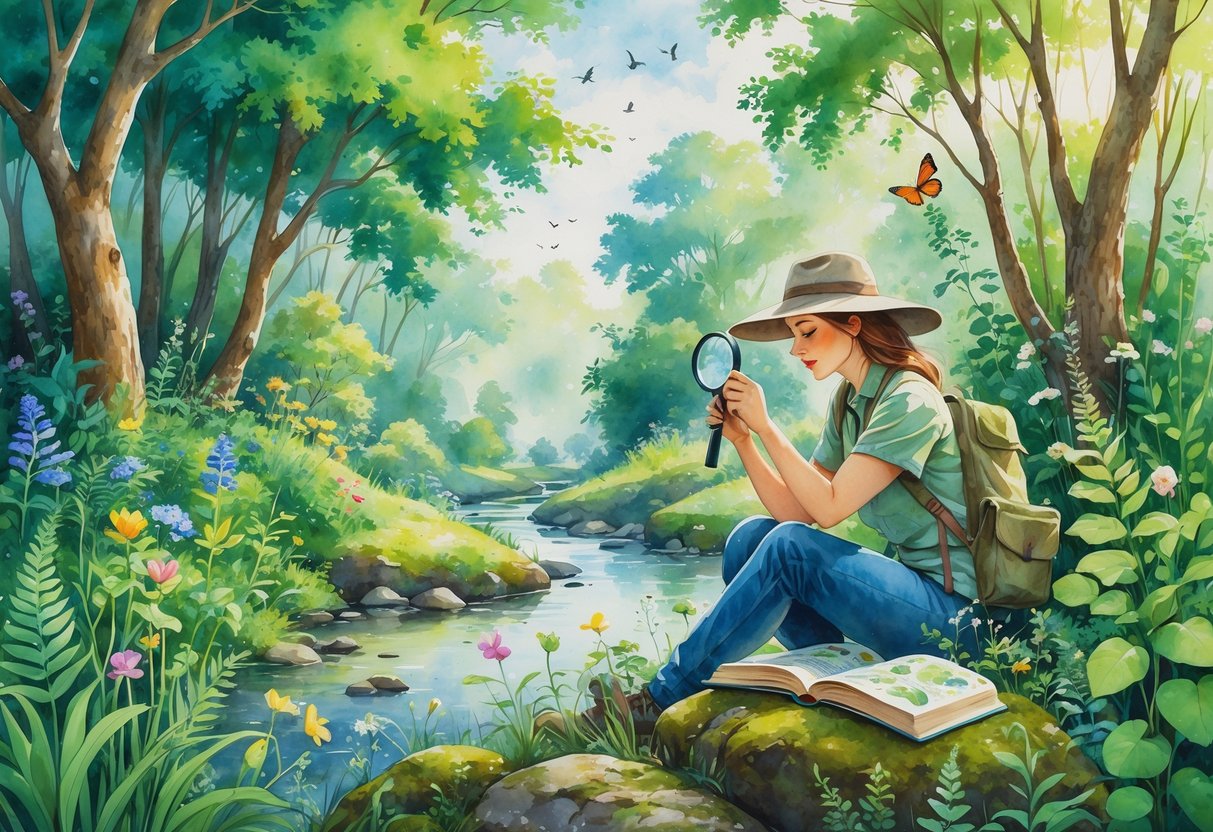
Plant identification teaches you to recognize and name the plants around you. You’ll learn to spot key features like leaf shapes, flower patterns, and bark textures.
This hobby sharpens your observation skills and deepens your understanding of local ecosystems. You can start by focusing on plants in your neighborhood or workplace.
Carry a field guide or use plant identification apps to help you learn. Over time, you’ll build a mental catalog of species that makes each outdoor experience more meaningful.
Knowing plants helps you assess habitat quality and track ecosystem changes. You’ll recognize invasive species faster and understand which native plants support local wildlife.
Plant identification works well with other nature hobbies. You can photograph plants to document your findings or collect samples for further study at home.
Many environmental scientists keep journals where they record new species and note seasonal changes. Start with common plants that have distinctive features, then move to more challenging species.
Local botanical gardens and nature centers often offer guided walks that speed up your learning. You’ll find this hobby useful in both your professional and personal life.
It transforms ordinary walks into learning opportunities and helps you contribute to citizen science projects that track plant distributions.
1) Wildlife Tracking
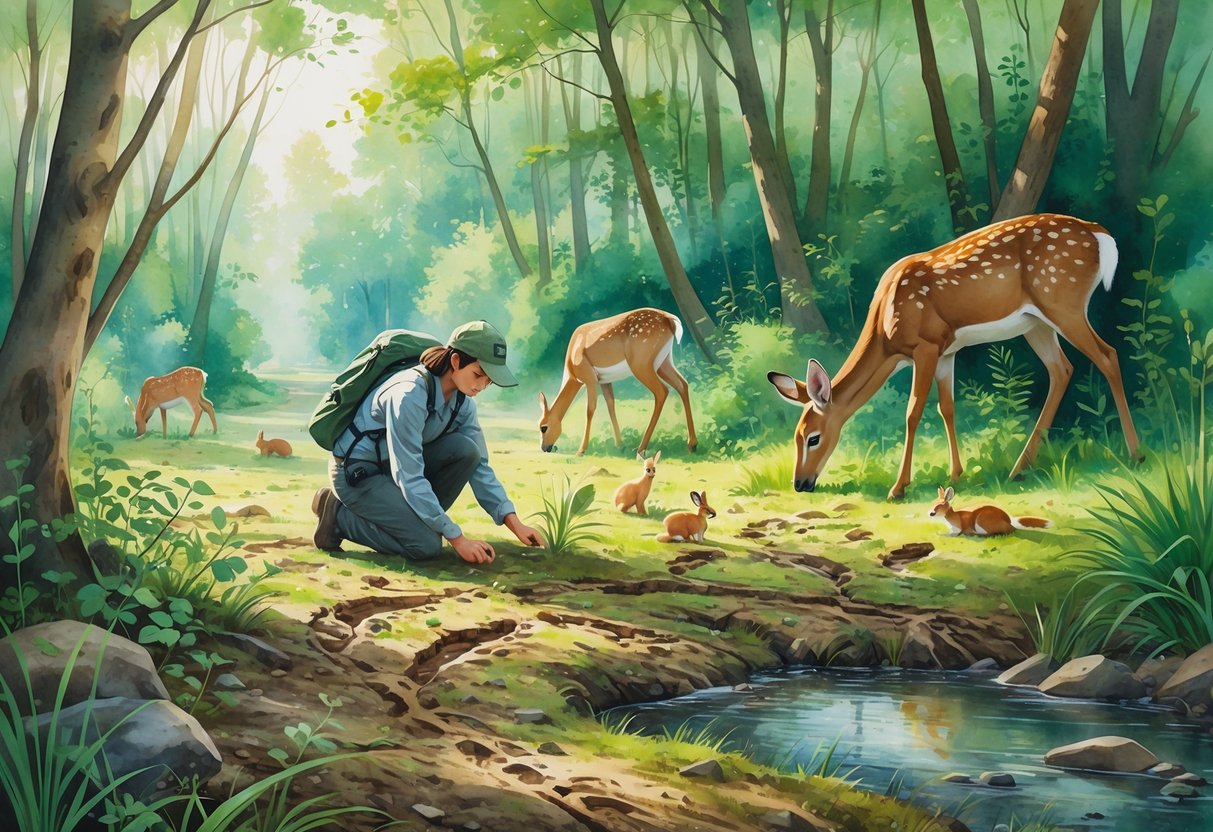
Wildlife tracking teaches you to read the signs animals leave behind in their natural habitats. You learn to identify footprints, scat, feeding marks, and travel patterns that reveal how animals move through their environment.
This hobby requires patience and careful observation. You start by learning common animal tracks in your local area, then gradually build skills to identify more subtle signs like fur caught on branches or claw marks on trees.
Wildlife tracking connects you directly with animal behavior and ecology. You gain practical insights into how different species interact with their surroundings and with each other.
You can practice this hobby anywhere animals are present. Start in local parks or nature reserves where you can safely observe and document tracks.
Winter snow makes tracking easier for beginners since prints show up clearly. Many wildlife tracking groups and courses exist to help you develop your skills.
You can join tracking clubs or take workshops led by experienced naturalists. Some trackers contribute their observations to citizen science projects that help researchers monitor wildlife populations.
The equipment needed is minimal. A field guide to animal tracks, a notebook, and a camera are enough to get started.
As you advance, you might add a tracking stick or casting materials to make plaster impressions of prints.
Benefits of Nature-Based Hobbies for Environmental Scientists
Nature-based hobbies strengthen your connection to the ecosystems you study while supporting your mental health and professional growth. These activities help you build deeper environmental knowledge, manage work-related stress, and create meaningful connections with others who share your values.
Enhancing Environmental Awareness
Spending time in nature through hobbies sharpens your ability to notice environmental changes and patterns. When you engage in activities like bird watching or nature photography, you develop a more detailed understanding of seasonal shifts, species behavior, and habitat conditions.
Your field observations during recreational activities often complement your professional work. You might spot invasive species during a hiking trip or notice water quality changes while kayaking.
These informal observations add to your knowledge base and can inform your research. Regular time outdoors also helps you stay current with local environmental conditions.
You’ll notice subtle changes that satellite data or reports might miss, like shifts in plant flowering times or changes in animal populations.
Reducing Occupational Stress
Environmental science work often involves difficult topics like climate change, habitat loss, and species extinction. Nature-based hobbies give you a healthy way to process these concerns while staying connected to why you chose this field.
Physical activities like hiking or kayaking lower stress hormones and improve your mood. Time in natural settings reduces mental fatigue that comes from data analysis, report writing, and lab work.
You return to your professional duties with better focus and energy. Nature hobbies also provide a mental break from your research questions.
When you garden or go tide pooling for fun, you engage with the environment without the pressure of scientific protocols or deadlines.
Promoting Community Engagement
Joining nature-focused groups connects you with both scientists and non-scientists who care about environmental issues. You can share your knowledge in casual settings, making environmental science more accessible to the public.
Volunteer activities like stream cleanups or citizen science projects let you contribute to conservation efforts outside your day job. These experiences often reveal community concerns and priorities that can shape your research focus.
Group hobbies also build your professional network. You might meet potential collaborators, learn about job opportunities, or find mentors while participating in nature clubs or conservation organizations.
Incorporating Sustainability Into Recreational Activities
Environmental scientists can make their hobbies more sustainable by selecting gear made from recycled materials and adopting practices that protect natural spaces during outdoor activities.
Choosing Eco-Friendly Equipment
Your recreational gear choices directly affect the environment. Look for equipment made from recycled plastics, organic cotton, or bamboo.
Many outdoor brands now offer products with minimal packaging and carbon-neutral shipping options. Buy used equipment when possible through thrift stores or outdoor gear resale shops.
This extends the life of existing products and reduces manufacturing demand. Rent specialized equipment you only need occasionally instead of purchasing new items.
Choose products from companies with transparent environmental policies. Check for certifications like Bluesign or Fair Trade that verify sustainable manufacturing processes.
Sustainable gear options include:
- Backpacks and tents made from recycled materials
- Water bottles and containers free from single-use plastics
- Clothing produced with organic or recycled fibers
- Solar-powered devices for charging electronics
Minimizing Environmental Impact
You can reduce your footprint during outdoor activities through simple habit changes. Stay on marked trails to protect plant life and prevent soil erosion.
Pack out everything you bring in, including food waste and biodegradable items that can harm local ecosystems. Use reef-safe sunscreen and biodegradable soap when near water sources.
Observe wildlife from a distance without feeding or disturbing animals in their natural habitats. Carpool or bike to recreation sites when possible.
Camp only in designated areas. Use existing fire rings instead of creating new ones.
Avoid picking plants or removing natural objects. Clean your gear between locations to prevent spreading invasive species.
This matters especially for water equipment like kayaks and fishing gear that can transfer harmful organisms between bodies of water.
Frequently Asked Questions
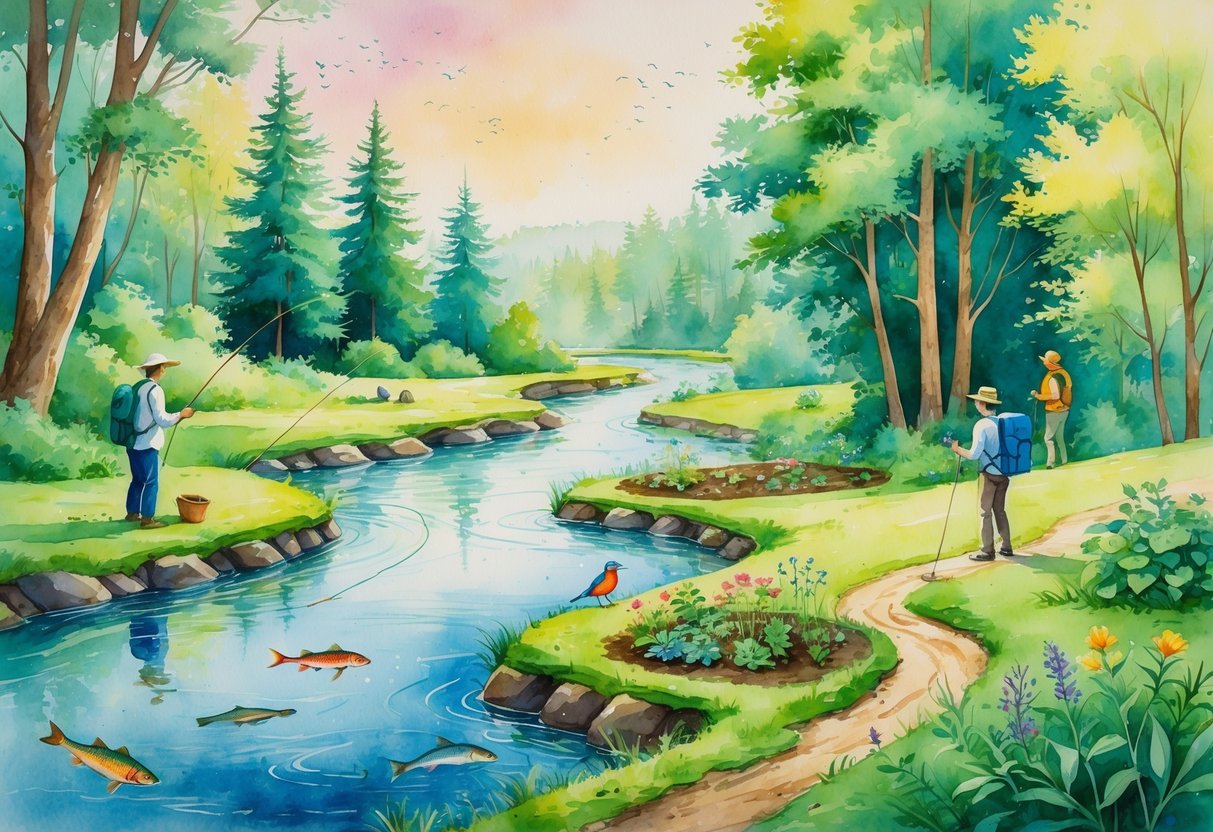
Environmental scientists can strengthen their connection to nature through hands-on activities like wetland restoration and insect monitoring while also exploring creative pursuits such as botanical illustration and mindful practices like forest bathing.
What activities can environmental scientists partake in to deepen their connection with nature?
You can participate in wetland restoration volunteering to get direct experience with ecosystem recovery. This work lets you observe how damaged habitats respond to conservation efforts.
Forest bathing offers a mindful way to experience natural environments. You spend time in wooded areas, paying attention to sensory details like sounds, smells, and textures.
Insect pollinator monitoring helps you track bee and butterfly populations. You’ll learn to identify different species while collecting valuable ecological data.
Which solo outdoor hobbies could benefit an environmental scientist’s work and well-being?
Forest bathing works well as a solo activity that reduces stress. You can practice this hobby in any wooded area near your home or workplace.
Botanical illustration lets you study plant structures closely while developing artistic skills. You only need basic drawing supplies and a quiet outdoor spot.
Eco-friendly gardening gives you hands-on experience with soil health and native plants. You can start small with a few containers or dedicate space for a full garden bed.
Can you list some environmental games that would be suitable for adult education or professionals?
Wetland restoration projects often include team-based problem-solving activities. These help you learn about water filtration, soil composition, and native plant selection.
Insect pollinator monitoring can be gamified through citizen science apps. You compete to identify species and contribute observations to research databases.
Many nature centers offer scavenger hunts focused on ecosystem identification. These activities teach you to recognize indicators of environmental health.
What are effective environmental activities for students to promote ecological awareness?
Students benefit from insect pollinator monitoring because it combines outdoor observation with data collection. They learn scientific methods while contributing to real research.
Eco-friendly gardening teaches students about composting, water conservation, and plant biology. They see direct results from their care and attention.
Botanical illustration helps students slow down and observe plant details they might otherwise miss. This practice builds both scientific observation skills and patience.
How can individuals contribute to environmental preservation through their daily hobbies?
You make a real impact through wetland restoration volunteering. Every plant you put in the ground helps filter water and provide wildlife habitat.
Eco-friendly gardening reduces your environmental footprint when you choose native plants and avoid pesticides. Your yard becomes a small refuge for local species.
Insect pollinator monitoring provides scientists with data they need to track population changes. Your observations help inform conservation decisions.
What examples of nature-oriented hobbies are there for those passionate about the environment?
Wetland restoration volunteering combines physical work with ecological learning. You spend time outdoors while helping repair damaged ecosystems.
Forest bathing requires no special equipment or training. You simply need time to walk slowly through natural areas and engage your senses.
Botanical illustration merges art with science. You can practice this hobby anywhere plants grow, from city parks to wilderness areas.
Eco-friendly gardening lets you work with soil and plants regularly. You create habitat for beneficial insects and birds right where you live.
Insect pollinator monitoring gets you outside looking for bees, butterflies, and other important species. You help track biodiversity in your local area.