
10 Best Hobbies for High School Students Exploring Interests: A Guide to Personal Growth and Skill Development
High school is the right time to try new activities and find what interests you. Between classes and homework, it can be easy to focus only on grades.
But exploring hobbies helps you grow in ways that schoolwork alone cannot.
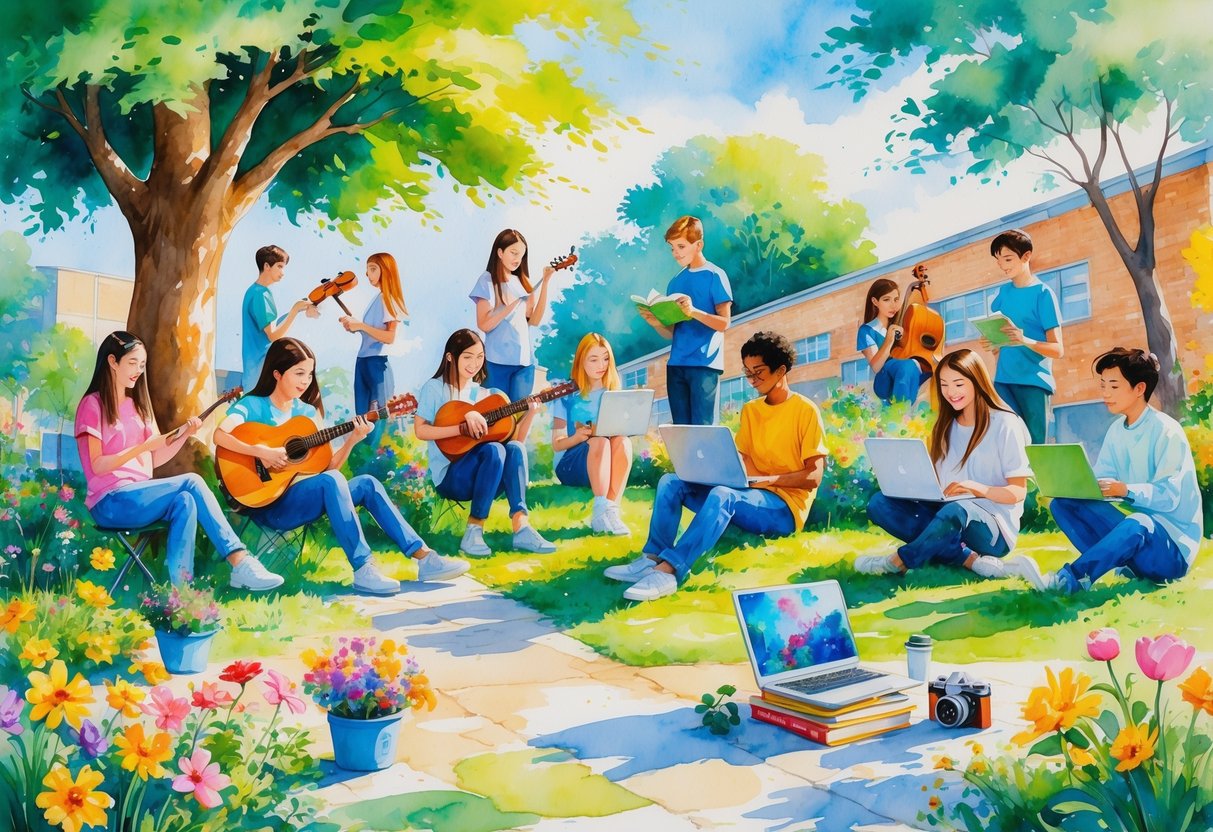
Hobbies give you a chance to build skills, meet people who share your interests, and learn more about yourself outside the classroom. Whether you enjoy creative activities, technology, or helping others, there are many options to choose from.
Each hobby offers different benefits that can help you in school and beyond.
This guide covers ten hobbies that high school students can explore. You will also learn about the benefits of having hobbies and how to balance them with your schoolwork.
10) Music Band Participation
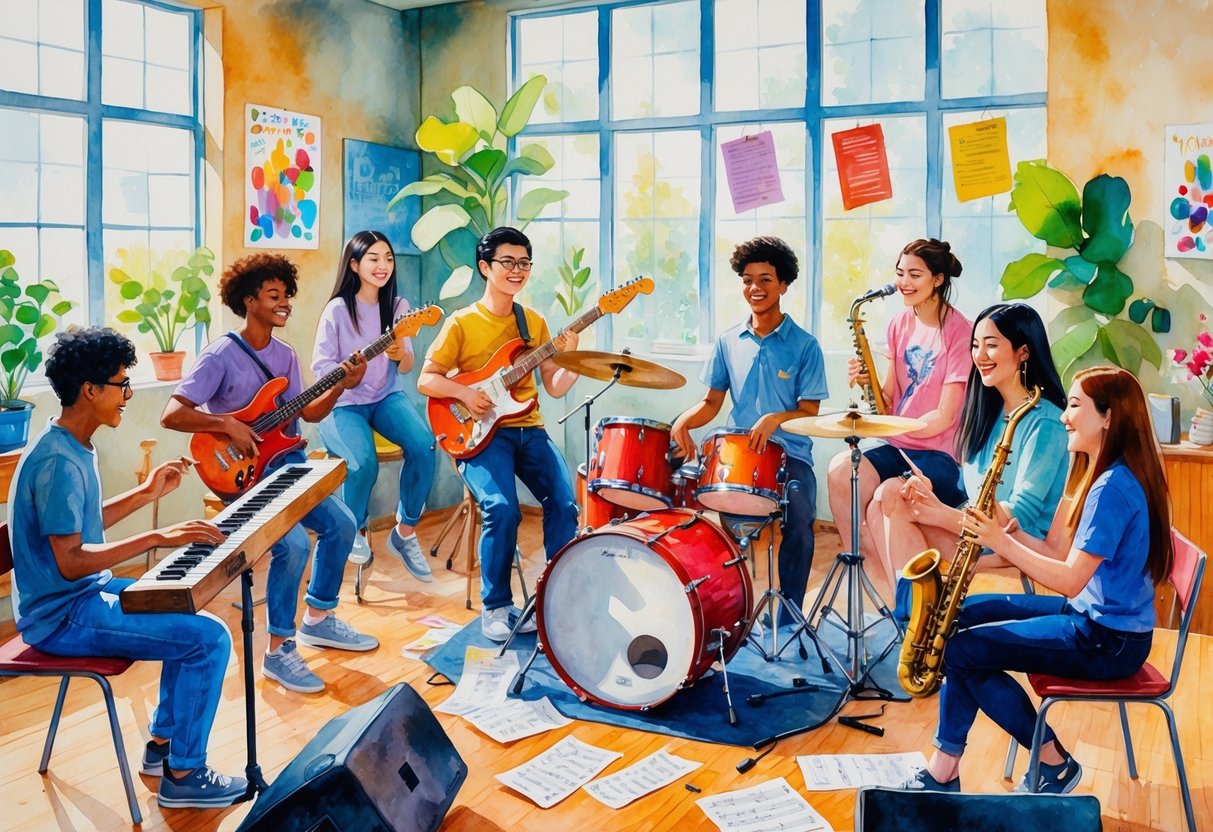
Joining a music band offers you a chance to develop your musical skills while working with other students. You can choose from different types of bands like jazz band, marching band, or concert band.
Playing in a band teaches you important skills beyond music. You learn how to work as part of a team and follow a conductor’s direction.
You also develop discipline through regular practice and rehearsals. Band participation fits well into your school schedule.
Most schools offer band as a class or after-school activity. This makes it easy to join without adding too much to your workload.
You get to perform at school events, competitions, and community gatherings. These performances help you build confidence in front of audiences.
Band membership can strengthen your college applications. Colleges look for students who commit to activities over time.
You don’t need to be an expert to start. Many bands welcome beginners and offer instruction.
Your school’s band director can help you choose an instrument and learn the basics. Over time, you’ll improve and might even discover a lifelong passion for music.
9) High School Theater
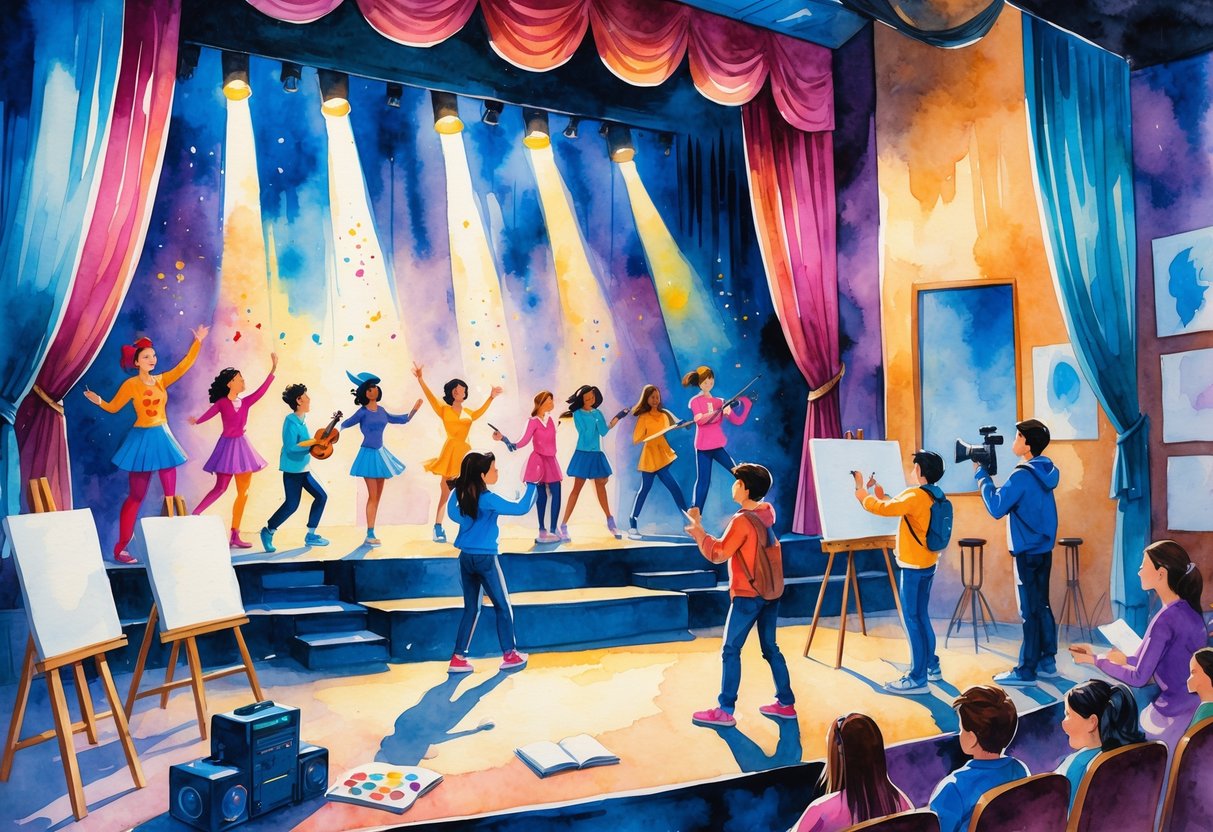
Theater offers you a chance to build confidence while exploring creative expression. You can participate on stage as an actor or work behind the scenes on sets, lighting, and costumes.
Both paths teach valuable skills that extend beyond the drama department. When you join theater, you learn to speak clearly in front of others.
You practice working as part of a team to create something bigger than yourself. These skills help you in job interviews, class presentations, and everyday conversations.
Theater productions require you to manage your time well. You need to balance rehearsals with homework and other activities.
You don’t need acting experience to join theater. Many programs welcome beginners and teach you the basics.
You can start with small roles or crew positions and grow from there. Theater lets you explore different characters and stories.
You might perform in comedies, dramas, or musicals throughout the school year. Each production brings new challenges and learning opportunities.
Working on shows helps you make friends with people who share your interests. The cast and crew spend lots of time together during rehearsals and performances.
These connections often last beyond high school. Theater also looks good on college applications.
It shows you can commit to long-term projects and work well with others. Many colleges value students who participate in performing arts programs.
8) Graphic Design
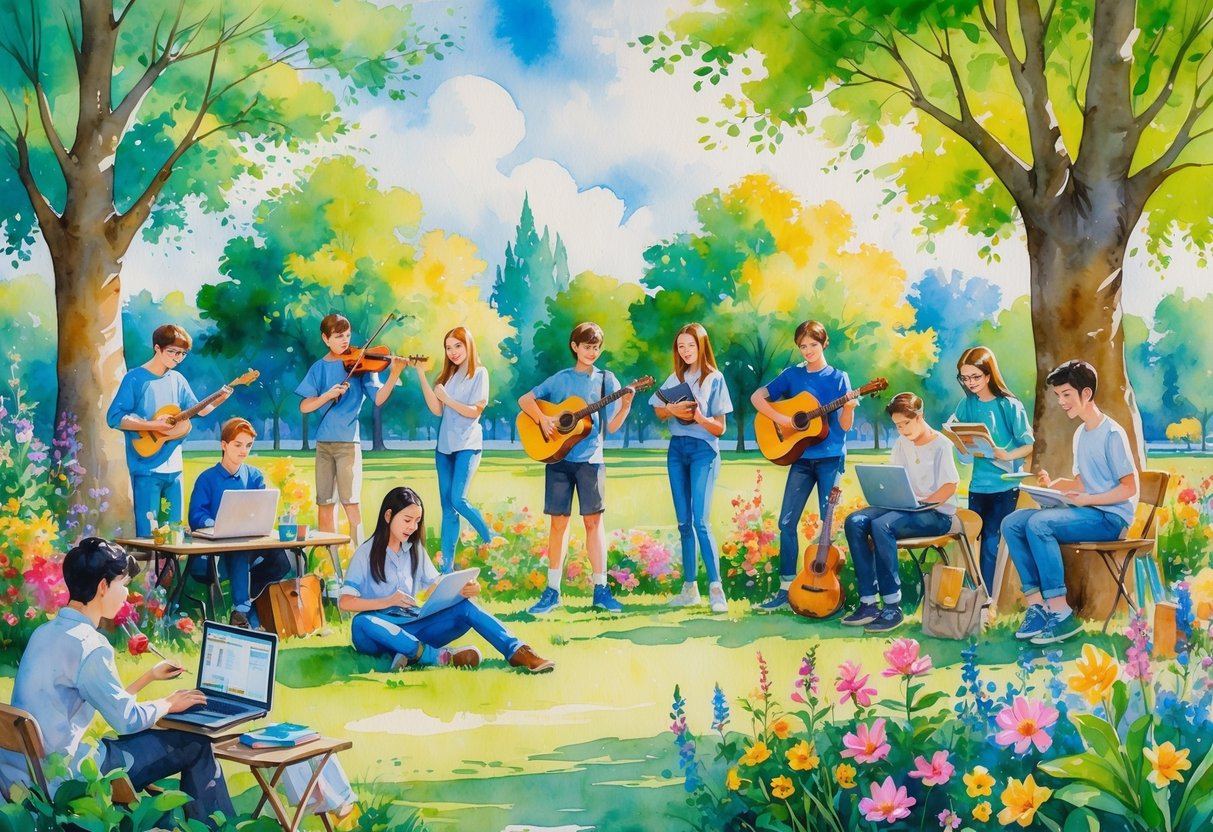
Graphic design lets you combine creativity with technology in ways that feel modern and relevant. You can start learning design on your phone or computer using free programs like Canva or GIMP.
These tools help you create posters, social media graphics, logos, and digital art without spending money on expensive software. This hobby teaches you skills that colleges and employers value.
You learn about color theory, layout, and visual communication. These abilities apply to many career paths, from marketing to web development.
You can practice graphic design by creating content for school clubs, sports teams, or local organizations. Making flyers for events or designing t-shirts gives you real experience.
You build a portfolio that shows what you can do. Online tutorials and YouTube channels offer free lessons at your own pace.
You learn by doing projects that interest you. Many students find graphic design relaxing because it lets them express ideas visually without needing to draw by hand.
The digital nature of this hobby means you can work anywhere with a device. You can experiment with different styles and techniques until you find what you enjoy.
Some students even start doing small freelance projects for friends or family, turning their hobby into a way to earn money.
7) Environmental Conservation Projects
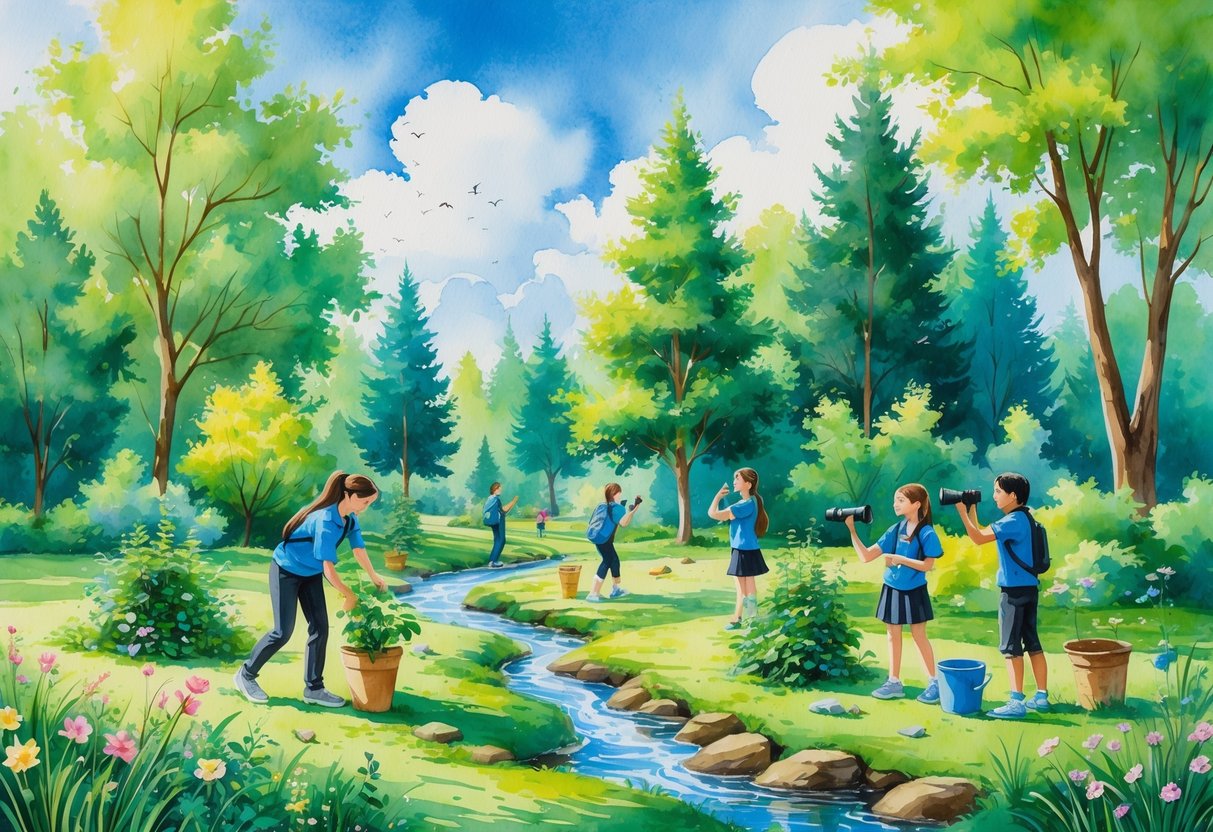
Environmental conservation projects give you hands-on experience with real-world issues. You can learn about climate change, pollution, and wildlife protection while making a difference in your community.
These projects let you explore different aspects of environmental science. You might study local water quality, monitor wildlife populations, or research renewable energy options.
Each project teaches you valuable skills while helping the environment. You can start by joining existing environmental groups at your school or in your area.
Many communities have conservation programs that welcome student volunteers. If no groups exist near you, consider starting your own project with friends who share your interests.
Popular project ideas include creating habitat restoration plans, building recycling programs, or testing soil and water samples. You could design models of solar panels or wind turbines to learn about clean energy.
Some students focus on reducing waste at their schools or documenting local biodiversity. These activities build practical skills in science, data collection, and problem-solving.
You’ll learn how to conduct research, analyze results, and present your findings. Working on conservation projects also shows colleges that you’re committed to your interests and willing to take action.
The work you do now helps prepare you for future careers in environmental science, sustainability, or conservation. You gain a deeper understanding of how natural systems work and what you can do to protect them.
6) Debate Team
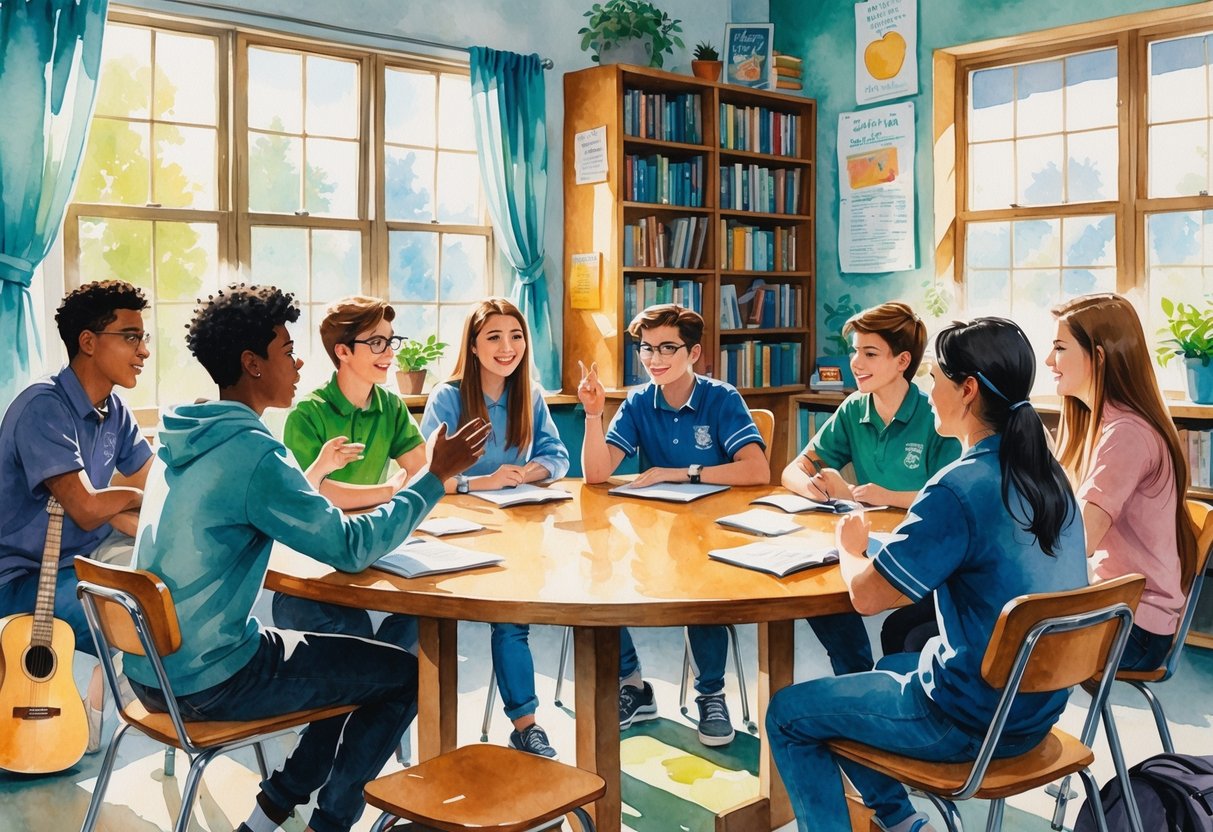
Joining the debate team helps you build skills that matter both in school and beyond. You learn to think critically about complex issues and present your ideas clearly.
Debate teaches you how to research topics thoroughly and organize your thoughts. You practice speaking in front of others, which builds your confidence over time.
Many students who join debate team find they become better at expressing themselves in all situations. Research shows that debate participation can improve your reading scores and academic performance.
You also learn to understand different viewpoints, even when you disagree with them. This skill helps you work better with others and solve problems more effectively.
Debate competitions give you chances to meet students from other schools. You might travel to different locations for tournaments.
You don’t need special experience to start. Most debate teams welcome beginners and teach you what you need to know.
Your coach will help you learn debate formats and strategies. The time commitment varies by school, but expect to attend weekly meetings and occasional weekend tournaments.
You’ll spend time researching current events and practicing arguments. Many students find this investment worthwhile because the skills they gain apply to so many areas of life.
5) Coding and App Development
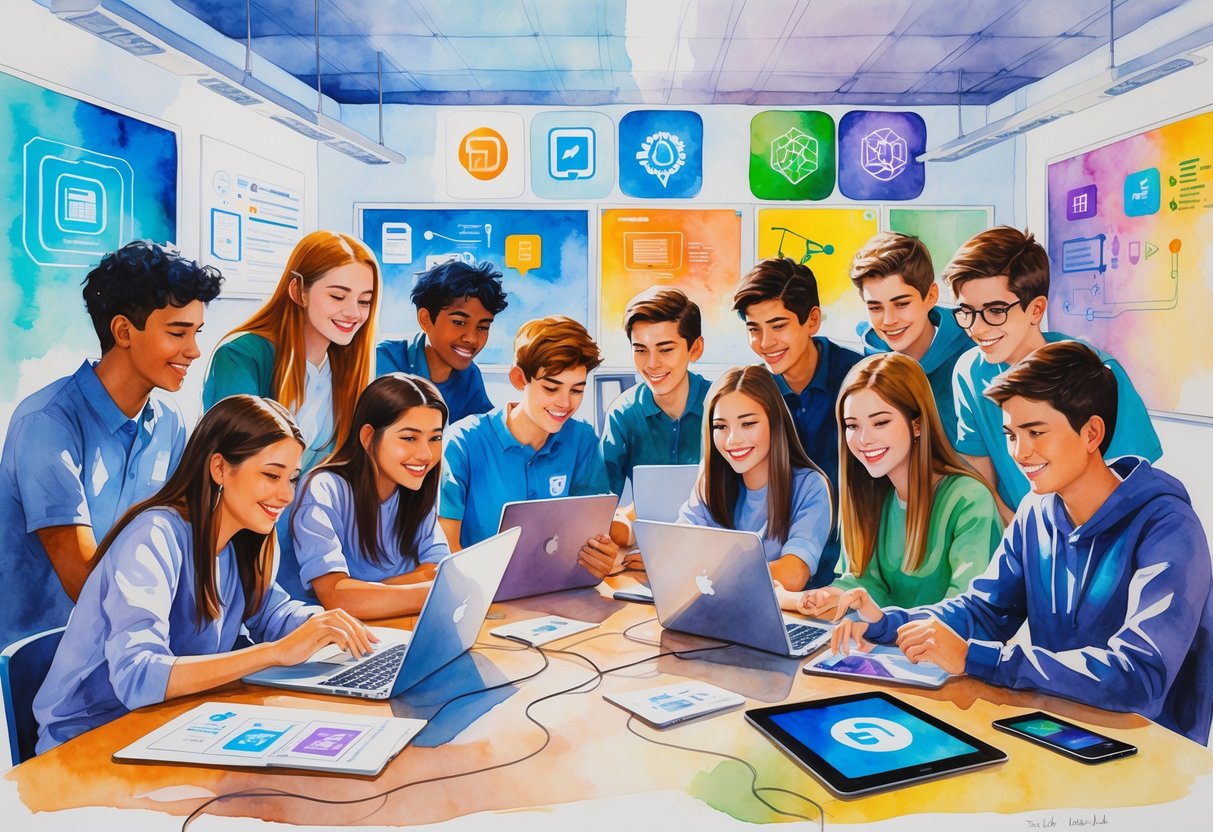
Learning to code gives you a practical skill that opens doors to many career paths. You can start with beginner-friendly languages like Python or JavaScript and work your way up to more complex projects.
Coding helps you develop logical reasoning and problem-solving abilities. These skills transfer to other areas of your life, including academics and everyday decision-making.
You can create your own mobile apps using platforms like Android Studio or Swift. Try building simple games, productivity tools, or social apps for iOS and Android devices.
Starting with small projects helps you learn the basics before taking on bigger challenges. Many free resources exist online to help you learn programming.
You can find tutorials, coding camps, and project ideas designed specifically for high school students. Some programs require prior coding experience, while others welcome complete beginners.
Working on coding projects lets you see immediate results from your efforts. When you write code and watch your program run successfully, you gain confidence in your abilities.
App development teaches you how to design, code, and test software. You learn to think creatively about solving problems and building tools that people actually use.
This hobby gives you something concrete to show colleges or future employers. You can join online communities where other student programmers share their work and help each other improve.
4) Digital Photography
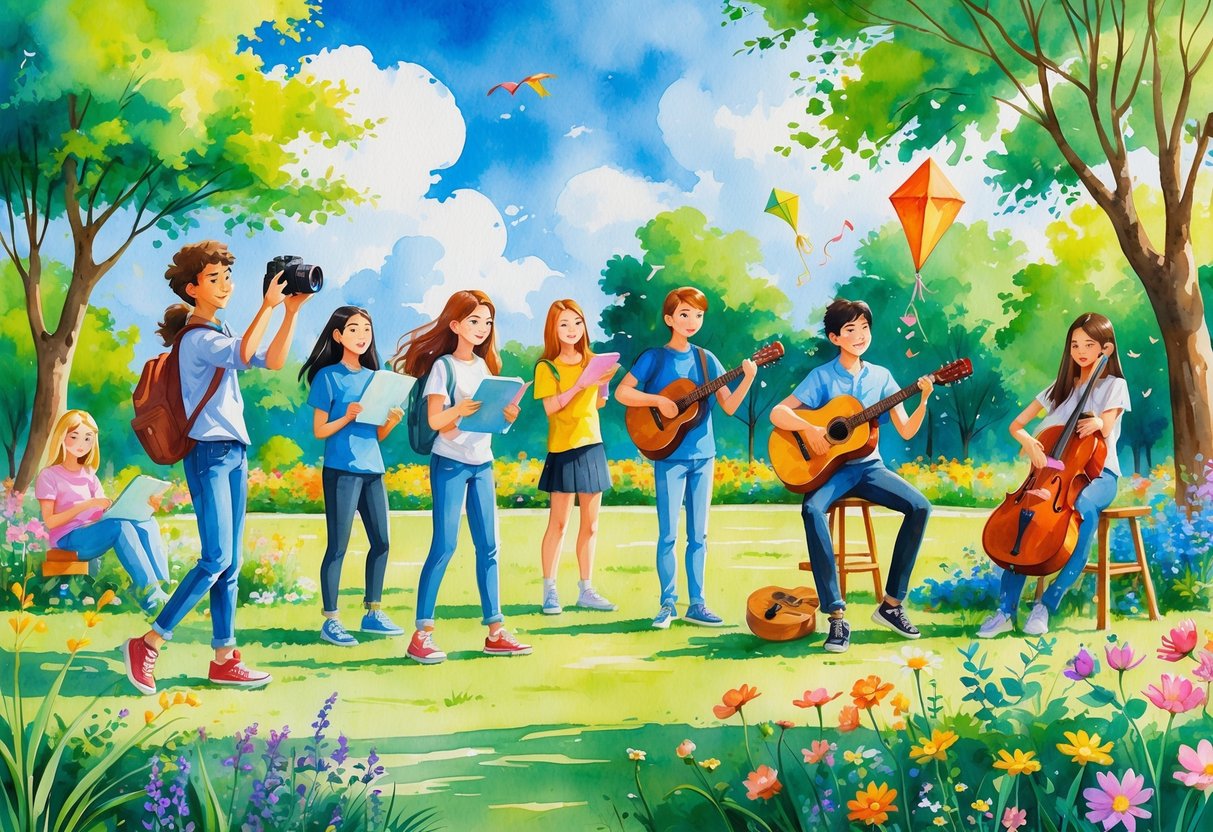
Digital photography lets you capture moments and tell stories through images. You don’t need expensive equipment to start.
Most smartphones today have good cameras that work well for learning the basics. This hobby teaches you to see the world differently.
You learn about lighting, angles, and composition. These skills help you notice small details you might have missed before.
Photography gives you a creative outlet that fits into your daily life. You can take pictures during lunch break, on your way home, or during weekend activities.
The flexibility makes it easy to practice whenever you have free time. You can share your work on social media platforms like Instagram.
This lets you connect with other students who enjoy photography. Getting feedback from others helps you improve your skills faster.
Digital photography also builds technical skills. You learn to use editing software and understand camera settings.
These abilities can be useful if you want to pursue media, art, or design in the future. The hobby costs less than many other creative pursuits.
You can start with just your phone. As you get better, you can decide if you want to invest in a dedicated camera or new lenses.
Taking photos helps reduce stress too. When you focus on finding good shots, you take a break from schoolwork and other pressures.
It’s a healthy way to relax while creating something you can be proud of.
3) Volunteer at Local Shelter

Working at an animal shelter or homeless shelter gives you hands-on experience helping those in need. You can walk dogs, clean kennels, or help with adoption events at animal shelters.
At homeless shelters, you might serve meals, sort donations, or help with administrative tasks. This hobby builds your sense of responsibility and empathy.
You learn to work with different types of people and animals. Many shelters need volunteers during evenings and weekends, which fits well with your school schedule.
Volunteering at shelters also teaches you practical skills. You might learn basic animal care, food service, or how nonprofit organizations work.
These skills look good on college applications and future job resumes. Most shelters welcome high school volunteers and provide training.
You typically need to commit to a regular schedule, like a few hours each week. Some places require parent permission if you’re under 18.
The work can be challenging at times. You might see animals or people in difficult situations.
You can start by calling local shelters to ask about their volunteer programs. Many have specific roles for teen volunteers.
Some shelters also offer virtual volunteering options where you can help with social media, fundraising, or creating promotional materials from home.
2) Creative Writing Workshop
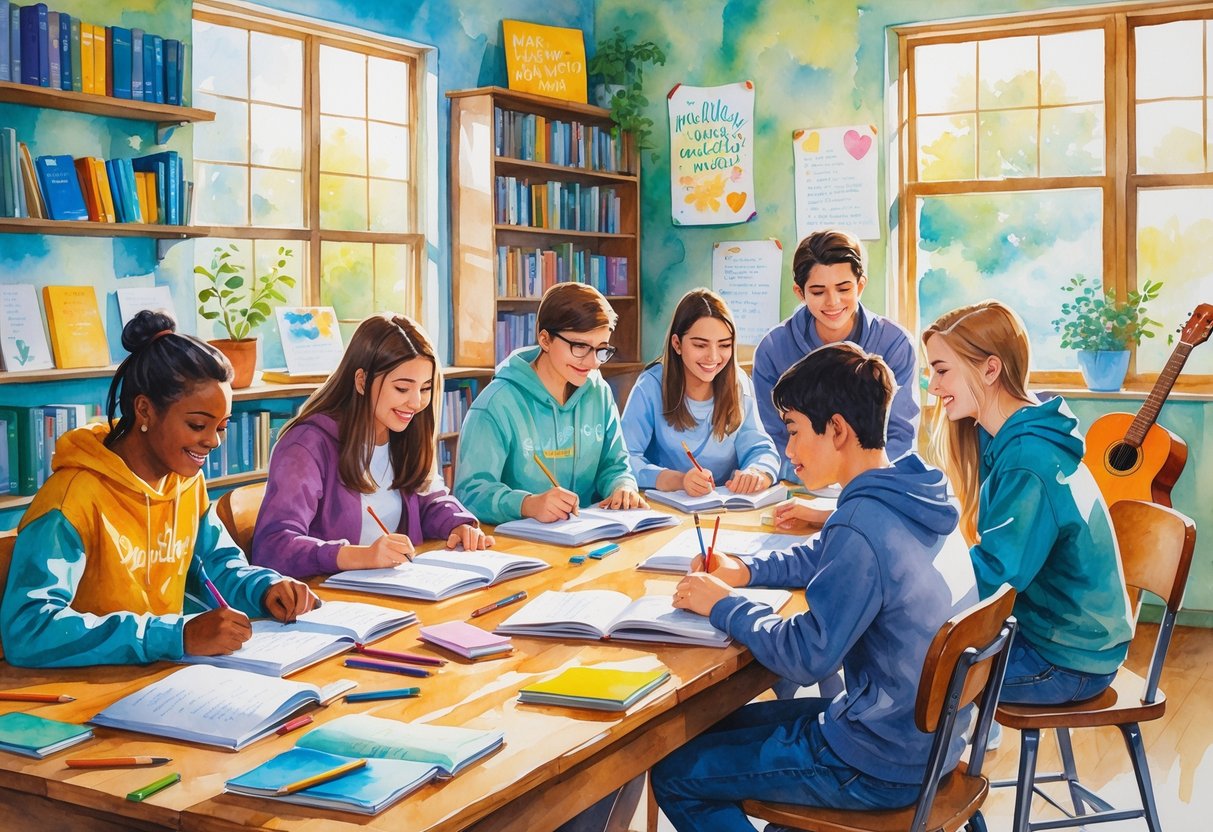
A creative writing workshop gives you a structured way to develop your storytelling skills. You’ll learn techniques for writing poetry, short stories, and other forms of creative expression.
These workshops provide feedback from instructors and peers that helps you improve your craft. In a workshop setting, you practice writing regularly and share your work with others.
This helps you become more confident in your abilities. You’ll also discover your unique voice as a writer through guided exercises and prompts.
Creative writing workshops teach you practical skills beyond just writing. You learn how to give constructive feedback to others and accept criticism of your own work.
These skills help you in school projects and future college applications. Many workshops connect you with experienced writers who can mentor you.
You get to see different writing styles and learn what makes stories work. This exposure helps you understand the craft better and find what interests you most.
The structured environment keeps you accountable to your writing goals. You’ll have deadlines and assignments that push you to write even when you don’t feel inspired.
You can find creative writing workshops at local libraries, community centers, or online. Some high schools offer them as after-school activities.
1) Robotics Club
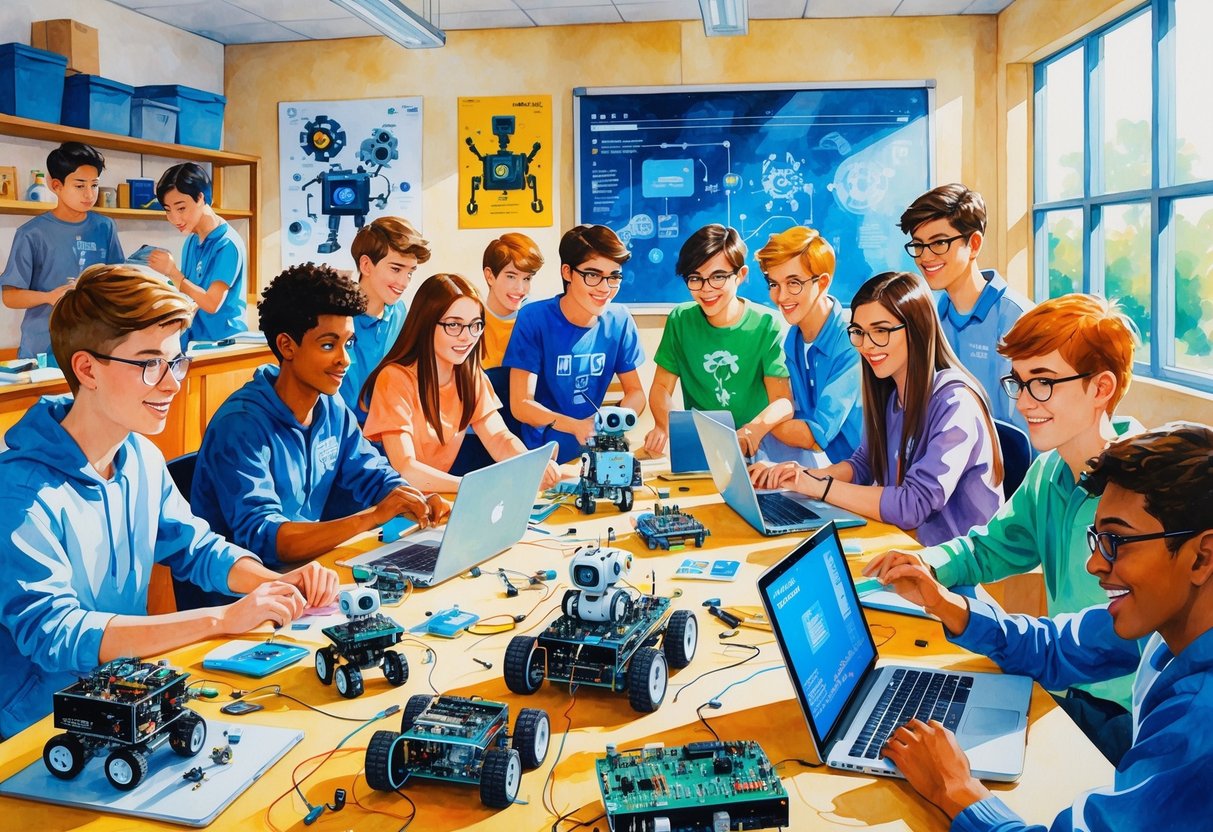
Joining a robotics club gives you hands-on experience with technology and engineering. You’ll work with robots, learn basic coding, and solve real problems with your team.
Most robotics clubs meet regularly after school or during lunch. You don’t need previous experience to join.
Many clubs welcome beginners and teach you the basics as you go. In robotics club, you’ll learn how to build and program robots.
You might work on simple projects like line-following robots or more complex machines that complete specific tasks. These projects help you understand how coding and mechanics work together.
Many schools participate in robotics competitions. These events let you test your skills against other teams and see what others have built.
Competitions also look good on college applications because they show teamwork and problem-solving abilities. Robotics clubs help you develop skills that matter beyond high school.
You’ll practice working in teams, managing projects, and thinking creatively. The club environment lets you meet other students who share your interests.
You can learn from each other and work on projects together. Some students find their best friends through robotics club.
You can explore whether STEM fields interest you for college and careers. Robotics combines several subjects including math, science, and technology.
Benefits of Exploring Hobbies in High School
Hobbies during high school help you grow as a person, connect with others who share your interests, and build skills that matter for college and future jobs.
Personal Growth and Self-Discovery
Taking on hobbies gives you a chance to learn what you’re good at and what you enjoy. You might discover talents you didn’t know you had when you try painting, coding, or playing an instrument.
Hobbies help you feel more confident. When you get better at something through practice, you feel proud of what you’ve done.
This sense of achievement builds your self-esteem. You also learn important life skills through hobbies.
Things like staying committed to a project, managing your time, and solving problems on your own become easier. These skills help you in school and in daily life.
Hobbies give you a healthy way to deal with stress. High school can feel overwhelming with tests, homework, and social pressure.
Having an activity you enjoy gives your mind a break and helps reduce anxiety.
Building Social Connections
Hobbies connect you with other students who like the same things. When you join a club, sports team, or art group, you meet people outside your usual friend group.
These shared interests create strong friendships. You bond with others while working on projects together or competing as a team.
The connections you make can last well beyond high school. Being part of a hobby group teaches you how to work with others.
You learn to communicate better, respect different opinions, and support your teammates or club members.
Enhancing Academic and Career Prospects
Hobbies can improve your grades and study habits. Students who participate in activities outside class often have better GPAs and stay more engaged in school.
Colleges look at more than just test scores. They want to see that you explored your interests and stuck with activities over time.
Your hobbies show admissions officers who you are beyond your grades. Some hobbies teach you skills for future careers.
Coding can lead to tech jobs, debate club builds skills for law, and photography can turn into a business. You get real experience that helps you figure out what career path you might want to follow.
Hobbies on your college applications prove you can balance multiple responsibilities. This shows colleges you’re ready for the demands of college life.
Tips for Balancing Hobbies With Academics

You need a clear plan for managing your time and setting achievable goals to keep both your grades and hobbies on track.
Time Management Strategies
Start by creating a weekly schedule that blocks out specific time slots for homework, studying, and hobby activities. Write down all your commitments including classes, sports practices, club meetings, and study sessions.
This gives you a clear picture of where your time goes. Use a planner or phone app to track assignments and deadlines.
Set reminders for big projects at least one week before they’re due. This prevents last-minute stress and gives you room to enjoy your hobbies without guilt.
Break your study time into focused blocks of 25-30 minutes with short 5-minute breaks in between. These breaks keep your brain fresh and prevent burnout.
You can use break time to sketch, play an instrument for a few minutes, or step outside. Complete homework during free periods at school or right after you get home.
This frees up your evenings for hobby time. Protect your hobby time the same way you protect study time by treating it as a real commitment on your schedule.
Setting Realistic Goals
Pick 1-2 hobbies to focus on rather than trying to do everything at once. This lets you make real progress and build skills without spreading yourself too thin.
Set small weekly goals for both academics and hobbies. For example, aim to finish three math assignments and practice guitar for two hours total during the week.
Breaking big goals into smaller steps makes them less overwhelming. Be honest about how much time you actually have available.
If you have a heavy exam week coming up, plan to spend less time on hobbies during those days. You can always catch up on hobby time later.
Adjust your goals when needed. Some weeks will be busier than others with school projects or tests.
Your hobby schedule should flex around these busy periods rather than compete with them.
Frequently Asked Questions
High school students often have questions about choosing hobbies that fit their interests, schedules, and goals. These answers address common concerns about finding activities that support personal growth while being practical and enjoyable.
What are some engaging hobbies for high school students to pursue at home?
You can develop creative skills at home through digital art and graphic design. These hobbies only require a computer and free software to get started.
Learning a musical instrument works well at home. You can practice on your own schedule and find tutorials online.
Recording your own music is another option that lets you explore sound editing and production. Writing is another accessible hobby.
You can start a blog, write short stories, or create poetry without leaving your room.
Which hobbies are beneficial for a student’s development and resume building?
Debate team participation helps you build critical thinking and public speaking skills. These abilities transfer directly to college interviews and future careers.
Environmental conservation projects show initiative and community involvement. You gain hands-on experience with scientific concepts while making a positive impact.
Music band participation demonstrates commitment and teamwork. Colleges value students who stick with activities long-term and collaborate with others.
High school theater teaches discipline and creativity. You develop communication skills and learn to work under pressure while meeting performance deadlines.
What unique or oft-overlooked hobbies might interest a teenage student?
Graphic design combines art with technology in practical ways. You can create content for school projects, local businesses, or your own social media.
Coding and programming offer creative problem-solving opportunities. You can build websites, design games, or create apps that solve real problems.
Podcast production lets you explore topics you care about. You develop research, interviewing, and editing skills while building a portfolio of your work.
Urban sketching combines art with exploration. You can document your surroundings while improving your observation and drawing abilities.
How can hobbies contribute to the personal growth of a 13 to 16-year-old student?
Hobbies help you discover what genuinely interests you beyond schoolwork. This self-knowledge guides better decisions about courses and future career paths.
Regular hobby practice builds discipline and time management skills. You learn to balance multiple commitments and follow through on personal goals.
Hobbies provide healthy stress relief during challenging academic periods. Creative activities give your mind a break from school pressures while keeping you engaged.
You gain confidence by improving at something over time. Seeing your progress reinforces that effort leads to results.
What activities do teenagers find most fulfilling and enjoyable?
Many teenagers enjoy activities that combine social interaction with creativity. High school theater and band participation let you work with peers toward shared goals.
Activities with visible outcomes prove satisfying. Graphic design, woodworking, and photography give you tangible results you can share and revisit.
Competitive activities like debate team appeal to students who enjoy challenges. You get immediate feedback and clear goals to work toward.
Physical hobbies that involve skill development remain popular. Dance, skateboarding, and martial arts offer progression systems that keep you motivated.
What creative interests can high school students explore to diversify their experiences?
Digital content creation spans many forms. You can try photography, video editing, animation, or digital illustration to express yourself visually.
Music production software lets you create songs without traditional instruments. You can experiment with different genres and collaborate with other students online.
Creative writing takes many forms beyond essays. Try screenwriting, playwriting, or world-building for fantasy stories.
Mixed media art combines different materials and techniques. You can blend painting, collage, and found objects to create unique pieces that reflect your perspective.