10 New Hobbies People Are Trying in 2026: The Latest Trends in Leisure Activities
People are putting down their phones and picking up new activities this year. In 2026, the most popular new hobbies blend technology with hands-on creativity, sustainability with personal growth, and digital experiences with real-world skill building. The shift comes after years of screen fatigue and a growing desire for activities that feel meaningful.
You’ll find options that fit your lifestyle whether you want to explore virtual worlds, reduce your environmental impact, or learn practical skills. People are looking for hobbies that feel grounding and energizing rather than draining. These activities offer ways to destress, connect with others, and make progress on something that matters to you.
From eco-friendly activities to tech-enabled creative projects, the hobbies gaining attention this year give you choices beyond endless scrolling. You can build skills, meet people with similar interests, and actually enjoy your free time.
Overview of Emerging Hobbies in 2026

People in 2026 are choosing hobbies that offer a break from constant screen time while building real skills and connections. The shift reflects a desire for activities that support mental health and provide tangible progress.
What Sets 2026’s Hobbies Apart
The hobbies gaining traction this year focus on giving you something physical or meaningful to show for your time. Unlike passive entertainment, these activities require your hands and mind to work together.
Creative hobbies give you space to slow down and focus on making something without pressure to be perfect. You’ll find more people trying crafts like pottery, woodworking, and textile arts that produce actual items you can use or display.
Digital fatigue plays a major role in what makes 2026 different. You want activities that don’t require a screen or algorithm. This explains why analog hobbies like film photography, journaling, and board game design are becoming popular choices.
Key characteristics of 2026 hobbies:
- Hands-on creation over passive consumption
- Skill development you can measure
- Social interaction in person
- Mental health benefits built in
- Low barrier to entry
Influences Driving Hobby Trends
People are heading into 2026 with a stronger interest in wellbeing, creativity, and meaningful personal growth. After years of digital overload, you’re looking for hobbies that feel grounding rather than draining.
The post-pandemic world continues to shape what you value in your free time. You want activities that fit into busy schedules while offering a sense of accomplishment. Economic uncertainty also pushes you toward hobbies that teach practical skills or help you save money.
Social media ironically drives people away from screens. You see curated lives online and want authentic experiences instead. This creates demand for hobbies where you learn by doing, not watching.
Mental health awareness influences your hobby choices more than ever. You’re picking activities known to reduce stress and anxiety. Things like producing lo-fi or ambient music offer paths for self-expression that adapt to emerging trends of relaxation and mental well-being.
Demographics Embracing New Pastimes
Younger adults lead the charge in trying new hobbies in 2026. Millennials and Gen Z make up the largest groups exploring creative pursuits and skill-based activities. They’re looking for hobbies that develop valuable skills and connect them with like-minded people.
Remote workers of all ages now have more flexibility to pursue hobbies during traditional commute times. You might spend your lunch break on a hobby instead of scrolling through your phone. This opens up opportunities for activities that need consistent practice.
Retirees and older adults are also trying new things. You have time and often disposable income to invest in equipment and classes. Many in this group focus on hobbies that keep their minds sharp and provide social connections.
Parents are seeking hobbies they can do alongside their children or during short breaks. You need activities that don’t require large time commitments but still feel rewarding.
Virtual Worlds and Metaverse Activities

People are spending more time in digital spaces where they can socialize, exercise, and view art through their avatars. These virtual environments blend physical and digital worlds to create new ways to connect and stay active.
Metaverse Social Clubs
You can join virtual communities where you meet people from around the world without leaving your home. These social clubs let you create an avatar that represents you in digital spaces. You attend regular meetups, themed parties, and group activities with other members.
Many clubs focus on specific interests like book discussions, gaming sessions, or creative workshops. You can engage in activities like shopping, dancing, and exploring within these virtual communities. The clubs often host special events where members gather to celebrate holidays or participate in group challenges.
Popular club activities include:
- Weekly virtual coffee meetups
- Themed costume parties
- Group exploration of new virtual spaces
- Collaborative creative projects
Mixed Reality Fitness Challenges
You can now combine physical exercise with virtual experiences through mixed reality fitness programs. These challenges track your real-world movements while placing you in engaging digital environments. You might box against virtual opponents, climb digital mountains, or dance in virtual clubs while getting a real workout.
The programs connect you with other people who join the same challenges. You compete on leaderboards, share progress, and motivate each other to reach fitness goals. Your headset or device monitors your heart rate, calories burned, and movement patterns.
Many challenges update weekly with new environments and difficulty levels to keep you engaged.
Virtual Art Galleries
You can visit digital art spaces that showcase works from artists worldwide. These galleries let you walk through exhibitions, view 3D sculptures from all angles, and even interact with some pieces. You attend opening nights where you chat with artists and other art enthusiasts through your avatar.
Some galleries feature art that only exists in digital form, including animated pieces and interactive installations. You can purchase digital artwork as NFTs or simply enjoy browsing collections. The galleries often host educational talks and workshops where artists explain their creative process.
You explore these spaces at your own pace, spending as much time as you want with pieces that interest you.
Eco-Friendly and Sustainable Hobbies
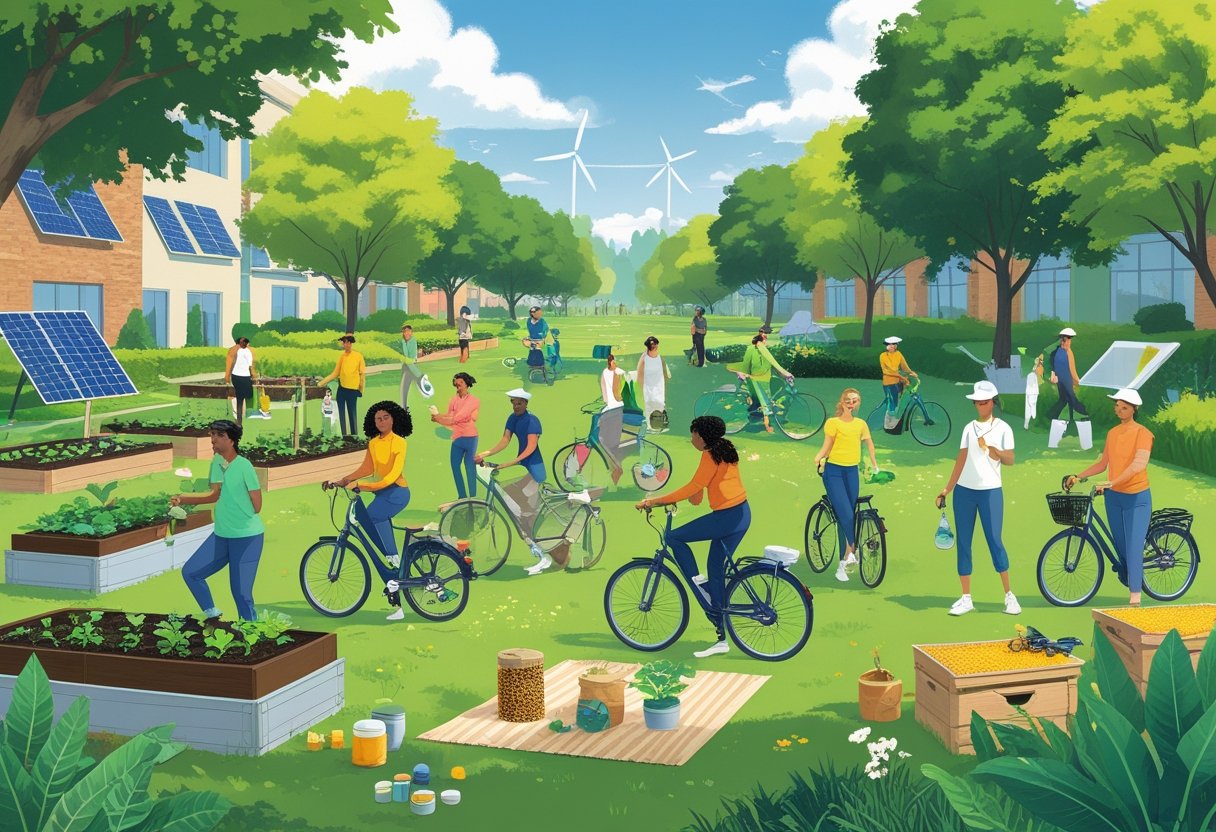
People are finding ways to reduce waste and connect with nature through hands-on activities that benefit the environment. These hobbies focus on using local resources, creating items without buying new materials, and building community ties around shared green spaces.
Urban Foraging Collectives
Urban foraging groups teach you how to identify and harvest edible plants growing in your city. You learn to spot wild mushrooms, berries, nuts, and herbs in parks, along trails, and in overlooked urban spaces. These collectives meet regularly for guided walks led by experienced foragers who show you which plants are safe to eat and which to avoid.
Common finds include:
- Dandelion greens for salads
- Wild garlic and onions
- Mulberries and elderberries
- Acorns for processing into flour
- Medicinal herbs like plantain and chickweed
Mushroom foraging connects you to local ecosystems while providing free, organic food. You need basic tools like a basket, knife, and field guide to get started. Most groups charge minimal fees or operate on a donation basis.
Zero-Waste Crafting
This hobby turns materials you already own into new items instead of throwing them away. You transform old clothing into quilts, glass jars into storage containers, and cardboard into organizers. The focus is on using what would otherwise end up in landfills.
Popular zero-waste projects include making beeswax food wraps from fabric scraps, creating tote bags from old t-shirts, and building furniture from wooden pallets. You save money while reducing your environmental impact. Many crafters share their finished products online or at local swap events.
Upcycling activities require minimal investment since you work with existing materials. You might need basic sewing supplies, adhesives, or simple tools. Online tutorials show you step-by-step techniques for dozens of projects.
Community Garden Networks
Community gardens give you space to grow vegetables, herbs, and flowers even if you live in an apartment. You rent or receive a plot within a shared garden space where multiple people tend individual sections. These networks provide tools, water access, compost, and gardening education.
Your plot typically measures between 10 to 100 square feet. You decide what to plant based on your preferences and the growing season. Garden coordinators often organize workshops on topics like composting, pest management, and seed saving.
The benefits extend beyond fresh produce. You meet neighbors, exchange gardening tips, and participate in harvest celebrations. Many gardens donate excess food to local food banks. Community gardening promotes conscious living while building social connections in your neighborhood.
Tech-Enabled Creative Pursuits

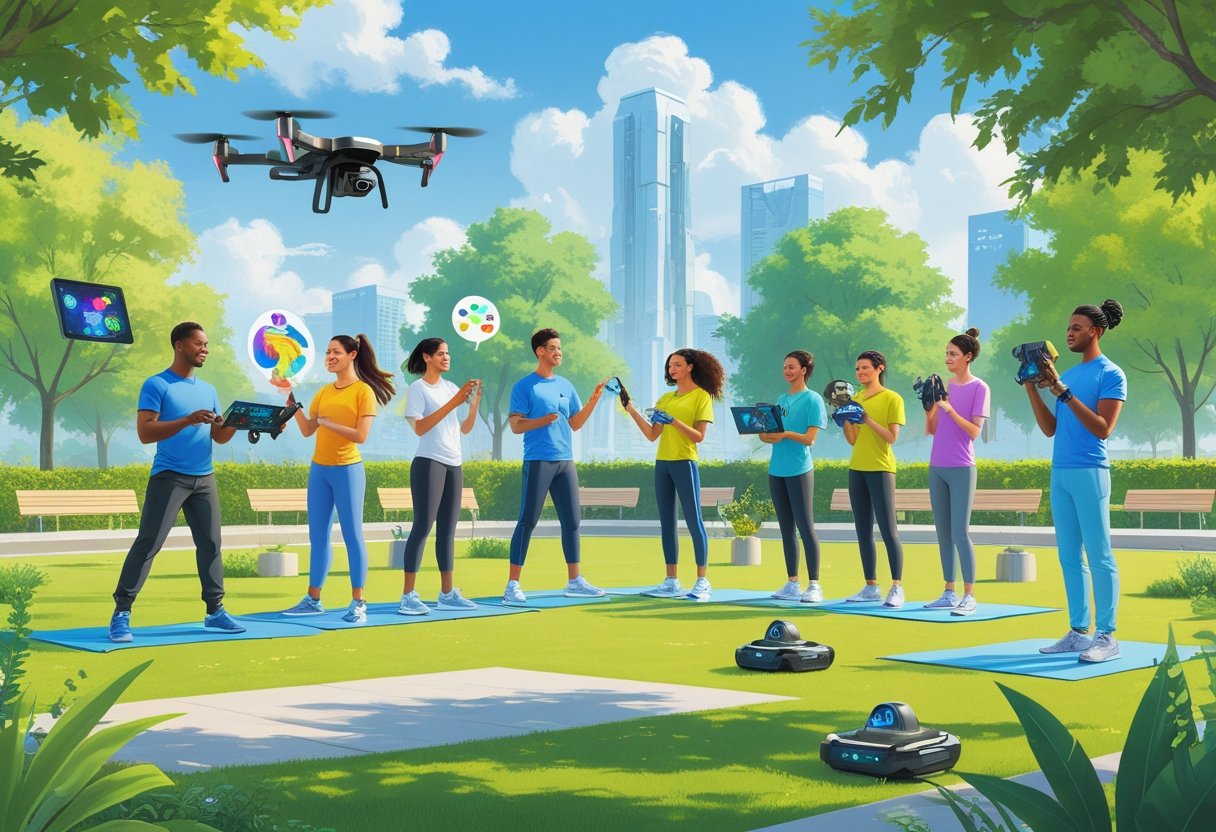
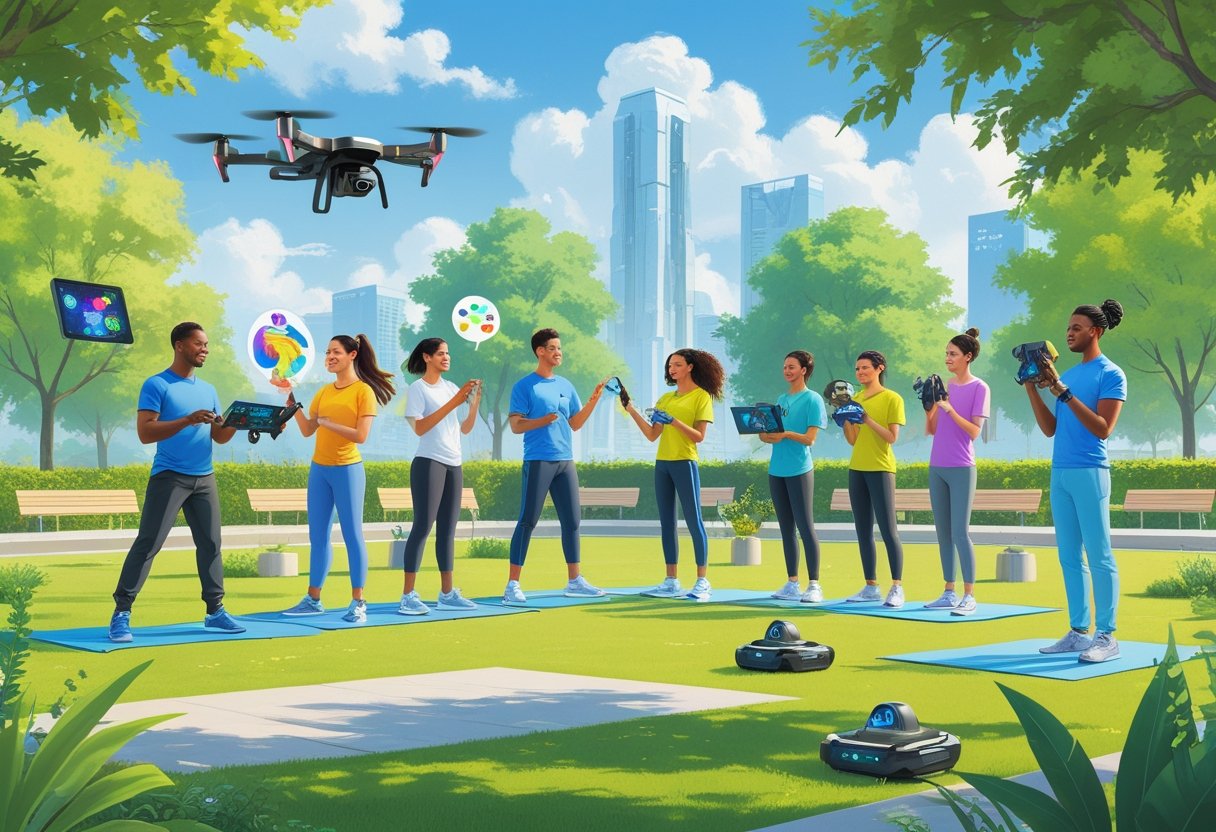
Technology now acts as a creative partner rather than just a tool. People are using AI and smart devices to explore artistic projects that were once too expensive or technically difficult to start.
AI-Assisted Writing
AI writing tools help you brainstorm ideas, overcome writer’s block, and polish your drafts. You can use these platforms to generate story outlines, develop character backgrounds, or refine your prose. The tools work best when you provide clear prompts and edit the output to match your voice.
Many writers use AI to speed up research or create first drafts of blog posts and short stories. You maintain creative control while the technology handles repetitive tasks. AI is making artistic pursuits more accessible by removing traditional barriers like high costs and technical complexity.
The key is treating AI as an assistant, not a replacement for your creativity. You still make the important decisions about plot, tone, and style.
Generative Art Creation
Generative art tools let you create digital paintings, illustrations, and designs by typing text descriptions. You describe what you want to see, and the AI produces multiple versions for you to choose from. This opens up visual art to people who never learned traditional drawing or painting skills.
You can experiment with different styles, color palettes, and compositions in minutes. Popular platforms offer both free and paid options depending on your needs. Some artists combine AI-generated images with traditional editing software to create unique pieces.
Creative hobbies give you space to slow down and focus on making something enjoyable without pressure to be perfect. The technology handles technical execution while you focus on vision and concept.
DIY Smart Home Projects
Smart home projects combine coding, electronics, and practical problem-solving. You can build custom lighting systems, automated plant watering setups, or voice-controlled devices using affordable microcontrollers and sensors.
Basic projects require minimal programming knowledge. You follow online tutorials to connect components and upload code. More advanced builders create custom automations that respond to specific triggers or conditions in their homes.
Popular starter projects include:
- Motion-activated lighting systems
- Temperature and humidity monitors
- Automated pet feeders
- Custom smart mirrors with weather displays
These projects teach you practical tech skills while creating useful items for your home. You learn by doing, and each completed project builds confidence for more complex builds.
Mindfulness and Mental Wellness Practices
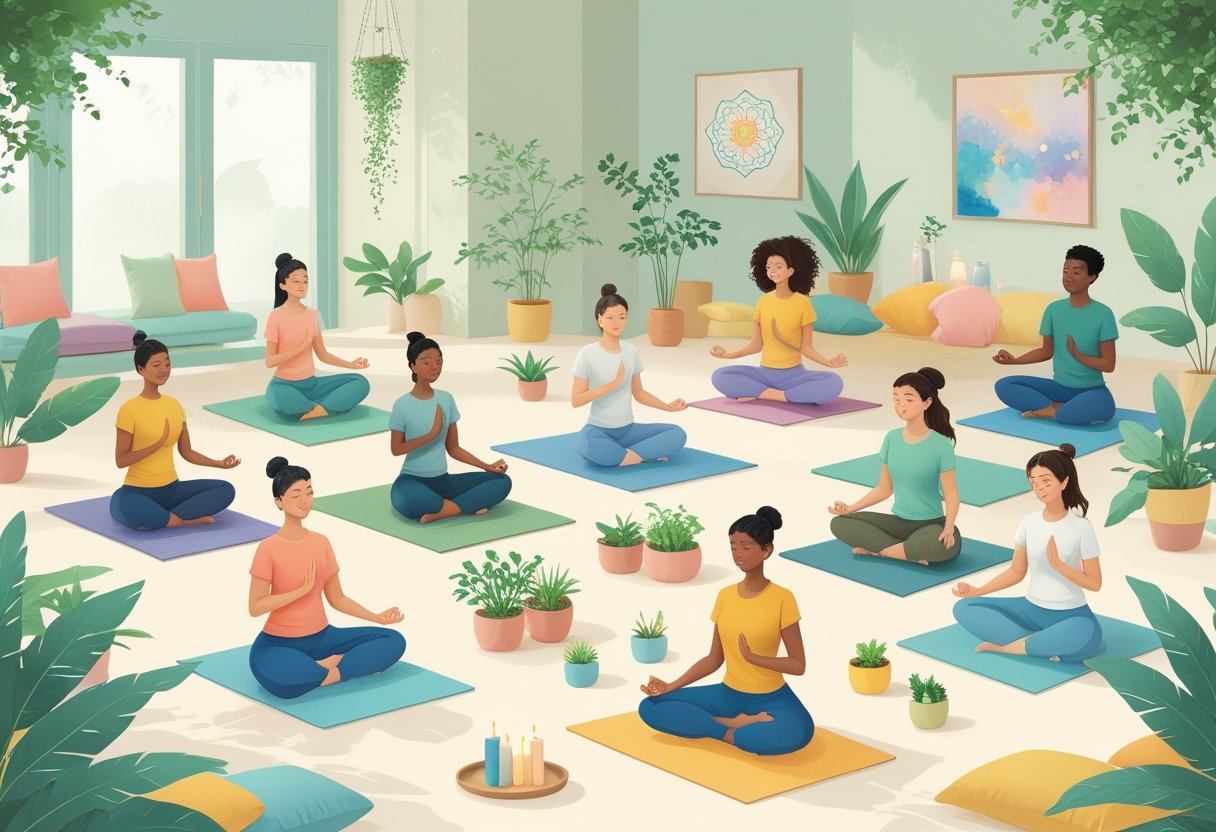
People are exploring new ways to care for their mental health through hobbies that combine technology with traditional wellness practices. These activities help reduce stress and create meaningful connections with others who share similar goals.
Nature Sound Recording
You can now capture and preserve natural sounds as a meditative hobby. This practice involves going outdoors with recording equipment to document birds singing, water flowing, wind rustling through trees, or rain falling.
The activity combines the mental health benefits of spending time in nature with the focus required for quality recording work. You need to stay quiet and patient while waiting for the perfect sounds.
Equipment you might use includes:
- Portable digital recorders
- External microphones
- Windscreens for outdoor recording
- Headphones for monitoring
You can share your recordings with online communities or create personal libraries for relaxation. Many people listen to their own nature recordings during work or before sleep to recreate calming outdoor experiences.
Immersive Meditation Experiences
Virtual reality meditation has become popular as an accessible way to practice mindfulness at home. You wear a VR headset that transports you to peaceful environments like mountain peaks, underwater scenes, or forest clearings.
These meditation practices offer guided sessions that help you focus and relax. The immersive nature blocks out distractions from your actual surroundings.
You can choose from different meditation styles and environments based on your mood. Some programs track your breathing and heart rate to provide feedback on your progress. The technology makes meditation feel less intimidating for beginners who struggle with traditional sitting practices.
Digital Journaling Communities
Online journaling platforms now let you write privately while connecting with supportive communities. You can share selected entries with others, receive encouragement, and read anonymous posts from people facing similar challenges.
These platforms often include prompts, mood tracking, and mental wellness tools that help you reflect on your thoughts and feelings. You maintain control over what stays private and what you share publicly.
Many people find that digital journaling fits more easily into their daily routines than paper journals. You can write entries on your phone during lunch breaks or before bed. The community aspect reduces feelings of isolation while still protecting your privacy through anonymous usernames and optional sharing features.
Modern Collecting and Trading

People are building collections around digital ownership, sustainable fashion finds, and living plant communities. These hobbies blend traditional collecting with modern values like environmental awareness and online connectivity.
Collectible Digital Assets
Digital collecting has moved beyond simple images to include virtual wearables, gallery pieces, and community membership tokens. You can display these items in online spaces or use them across different platforms.
The appeal comes from verified ownership and the ability to trade items globally without shipping costs. Many collectors focus on specific artists or themes, building portfolios that reflect personal taste rather than investment goals.
Popular digital collectible categories:
- Virtual art for online galleries
- Digital fashion for avatars
- Gaming items and accessories
- Music and audio collectibles
You’ll find active communities on dedicated platforms where members share collections and discuss new releases. Trading happens instantly, and you can track your collection’s history through blockchain records.
Upcycled Vintage Fashion
Mid-century modern furniture and vintage items are drawing attention for their quality and unique design. You can find pieces at estate sales, thrift stores, and online marketplaces.
The focus is on restoring and repurposing older clothing and accessories into wearable items. You might alter a vintage jacket’s fit, replace buttons, or combine pieces from different eras to create something new.
This hobby requires basic sewing skills and an eye for quality fabrics. You’ll learn to spot well-made garments that can handle modifications. Local swap meets and online groups help you trade items and share restoration tips.
Many collectors specialize in specific decades or styles like 1970s denim or 1990s sportswear. The environmental benefit appeals to people who want to reduce clothing waste while building a unique wardrobe.
Rare Plant Swapping
Plant collectors are trading cuttings and rare specimens through local meetups and online communities. You can grow your collection without spending much money by exchanging plants with other enthusiasts.
The hobby centers on propagating plants from cuttings and caring for unusual varieties. Popular plants include variegated monstera, philodendrons, and rare succulents. You’ll learn propagation techniques, soil mixing, and care requirements for different species.
Trading events happen at community gardens, plant shops, and private homes. Online groups coordinate swaps and help members identify plants and troubleshoot care issues. Some collectors focus on specific plant families while others seek diversity.
You need basic gardening supplies like pots, soil, and grow lights for indoor plants. The community aspect makes this hobby social, with experienced growers mentoring beginners through plant care challenges.
Adventure and Skill-Building Activities

Modern adventurers are finding new ways to challenge themselves through high-tech racing sports, urban discovery missions, and minimalist outdoor experiences. These activities combine physical engagement with mental focus while building practical skills.
Drone Racing for Beginners
Drone racing puts you in control of a high-speed aircraft that can reach speeds over 80 miles per hour. You wear special goggles that show a live video feed from your drone’s camera, giving you a first-person view as you navigate through obstacle courses.
Starting requires a basic racing drone kit, which typically costs between $200 and $400. You’ll need to learn how to control throttle, pitch, roll, and yaw simultaneously. Most beginners practice in open fields or designated racing tracks before joining competitions.
Local drone racing clubs offer training sessions where experienced pilots teach you flight techniques and safety protocols. You’ll develop hand-eye coordination and quick decision-making skills as you progress. Many cities now have indoor drone racing facilities where you can practice year-round regardless of weather conditions.
Urban Exploration Walks
Urban exploration walks let you discover hidden architecture, forgotten buildings, and overlooked details in your own city. You’ll learn to notice historical markers, unique building designs, and neighborhood stories that most people walk past every day.
This hobby requires only comfortable walking shoes and a camera or smartphone. Many urban explorers focus on specific themes like Art Deco buildings, street art, or industrial architecture. You can join organized walking groups or create your own routes using city maps and historical resources.
Safety is important when exploring urban areas. Stick to public spaces and never trespass on private property or enter abandoned buildings without permission. Bring water and plan routes that match your fitness level.
Micro Camping Experiences
Micro camping, also known as glamping, brings outdoor sleeping experiences to smaller spaces with minimal gear. You can set up a lightweight tent in your backyard, a local park, or designated micro camping sites that require only a few hours of your time.
This approach makes camping accessible if you don’t have full weekends for traditional trips. You’ll need a compact tent, sleeping bag, and basic supplies that fit in a small backpack. Many people start with overnight backyard sessions to test their gear and comfort level.
The trend reflects a desire to make nature experiences more comfortable and approachable. You can practice essential outdoor skills like fire starting, tent setup, and outdoor cooking without committing to multi-day expeditions.