15 Low-Impact Fitness Hobbies for Beginners: Gentle Ways to Start Your Active Lifestyle Journey
Starting a fitness journey doesn’t have to mean jumping into high-intensity workouts that leave your joints aching. Low-impact exercises are just as effective as high-intensity activities for improving your health while being gentle on your body. These activities keep at least one foot in contact with the ground, eliminating the stress that jumping and high-impact movements place on your joints and tendons.
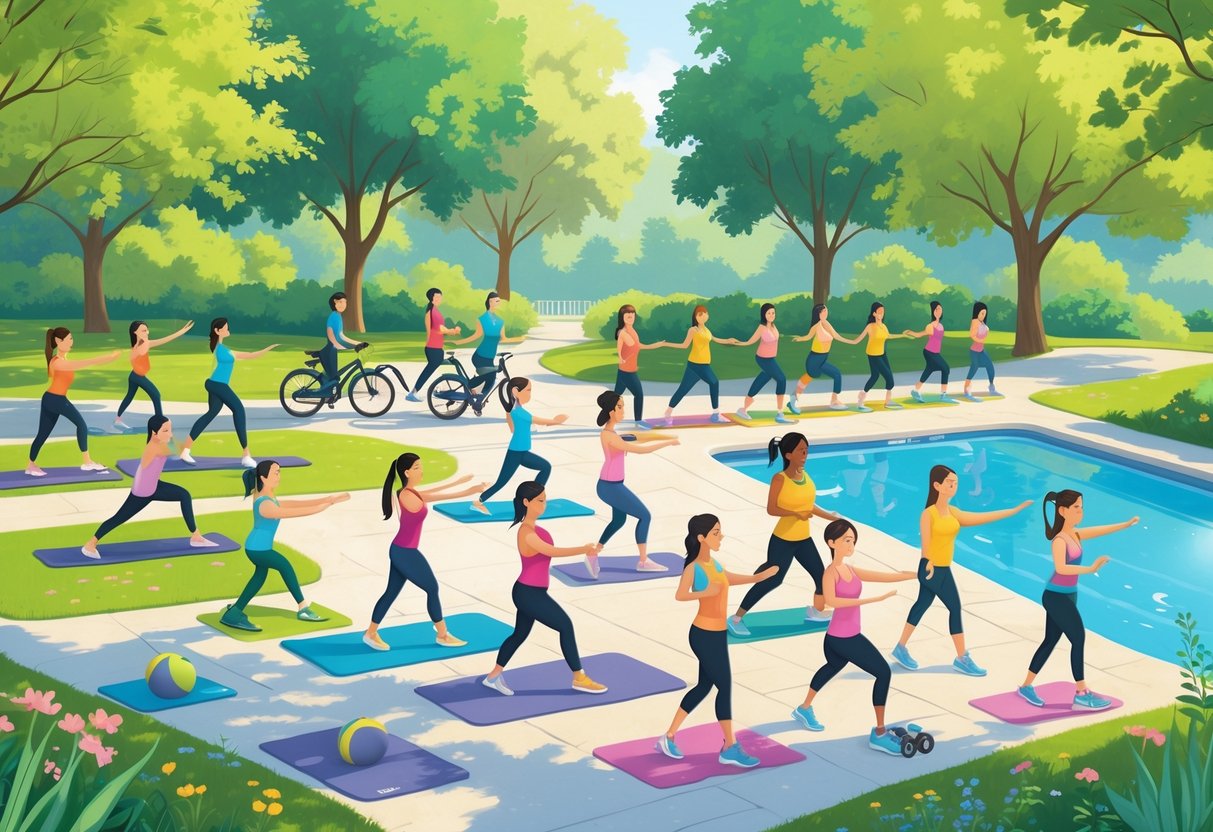
Low-impact fitness hobbies offer the perfect solution for beginners who want to build strength, improve cardiovascular health, and develop lasting exercise habits without risking injury or burnout. Whether you prefer indoor activities like yoga and strength training or outdoor pursuits like walking and cycling, there are options that fit every lifestyle and interest level.
The beauty of low-impact fitness lies in its accessibility and sustainability. You can start with basic exercises and gradually increase intensity as your fitness improves, making it easier to maintain consistency over time. From water-based activities to social group classes, these hobbies transform exercise from a chore into an enjoyable part of your daily routine.
Key Takeaways
- Low-impact fitness hobbies are gentle on joints while providing effective strength and cardiovascular benefits for beginners
- You can choose from diverse options including indoor, outdoor, water-based, and social activities to match your preferences
- Consistency with gradual progression helps build sustainable fitness habits without overwhelming your body
What Are Low-Impact Fitness Hobbies?
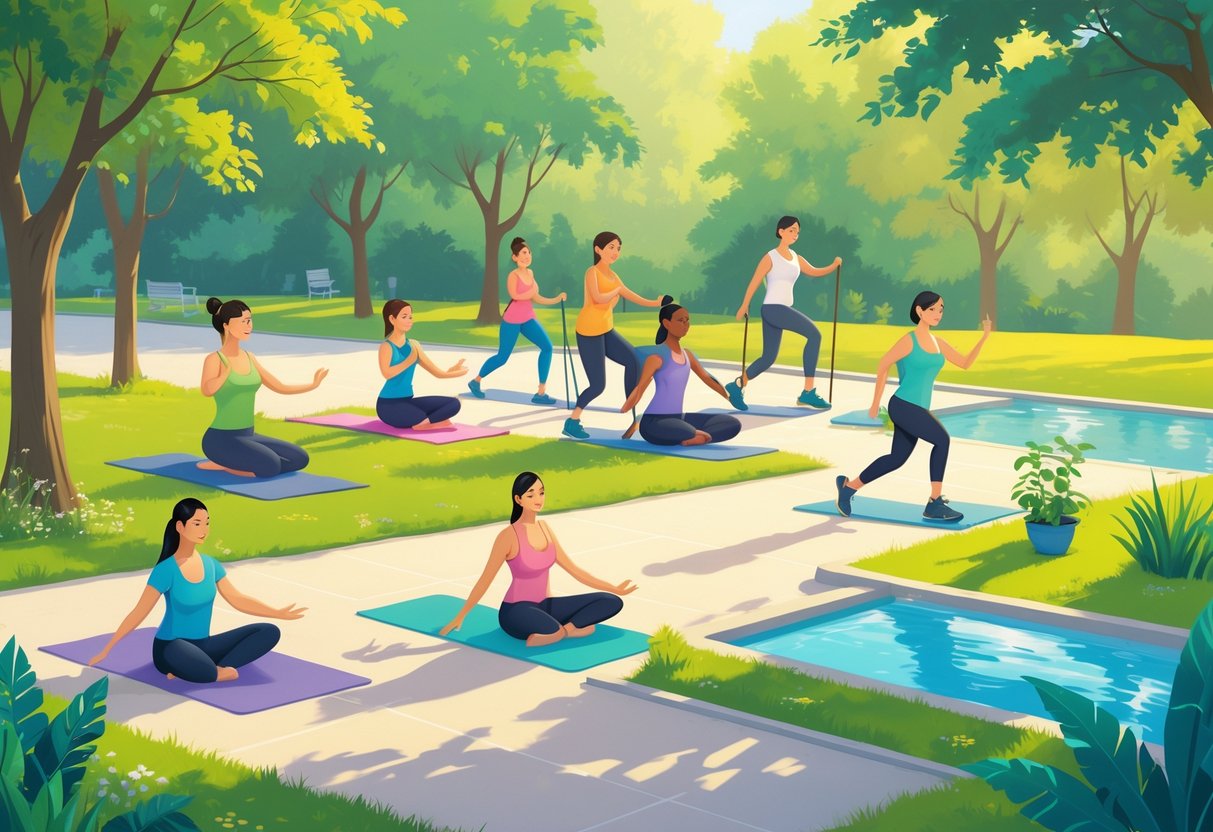
Low-impact fitness hobbies involve physical activities that minimize stress on your joints while still providing effective exercise benefits. These activities offer a gentler approach to staying active without sacrificing fitness gains or enjoyment.
Defining Low-Impact Fitness
Low-impact exercises are activities where at least one foot remains in contact with the ground at all times. This reduces the force transmitted through your joints compared to high-impact activities like running or jumping.
Key characteristics include:
- Minimal joint stress and impact
- Controlled, smooth movements
- Reduced risk of injury
- Suitable for various fitness levels
Swimming exemplifies perfect low-impact exercise since water supports your body weight. Walking, cycling, and yoga also qualify as your joints absorb less shock during these movements.
The intensity can still be high even though the impact remains low. You can elevate your heart rate and build strength without pounding your joints repeatedly.
Health Benefits of Low-Impact Activities
Low-impact activities provide multiple health advantages beyond just being easier on your joints. Your cardiovascular system improves through sustained aerobic activity without excessive joint wear.
Physical benefits include:
- Improved cardiovascular health
- Enhanced muscle strength and endurance
- Better flexibility and balance
- Reduced inflammation in joints
Tai Chi demonstrates these benefits well, offering increased physical fitness, better immune function, and improved sleep quality. Your bone density can improve through weight-bearing low-impact exercises like walking.
Mental health benefits are equally important. Stress reduction occurs naturally during rhythmic, flowing movements. Your sleep patterns often improve with regular low-impact exercise participation.
Why Beginners Should Consider Low-Impact Fitness
Low-impact workouts are ideal for beginners because they allow gradual fitness progression without overwhelming your body. You can learn proper movement patterns safely before advancing to more demanding exercises.
Your injury risk decreases significantly compared to high-impact alternatives. This means fewer setbacks and more consistent progress toward your fitness goals.
Beginner advantages:
- Lower injury risk
- Easier skill development
- Less intimidating entry point
- Sustainable long-term habits
These exercises build strength and flexibility around joints, creating a foundation for future high-impact activities if desired. Your confidence grows as you master basic movements and see improvements.
Most low-impact activities require minimal equipment or gym memberships. You can start immediately at home or in your neighborhood without significant financial investment.
How to Choose the Right Fitness Hobby
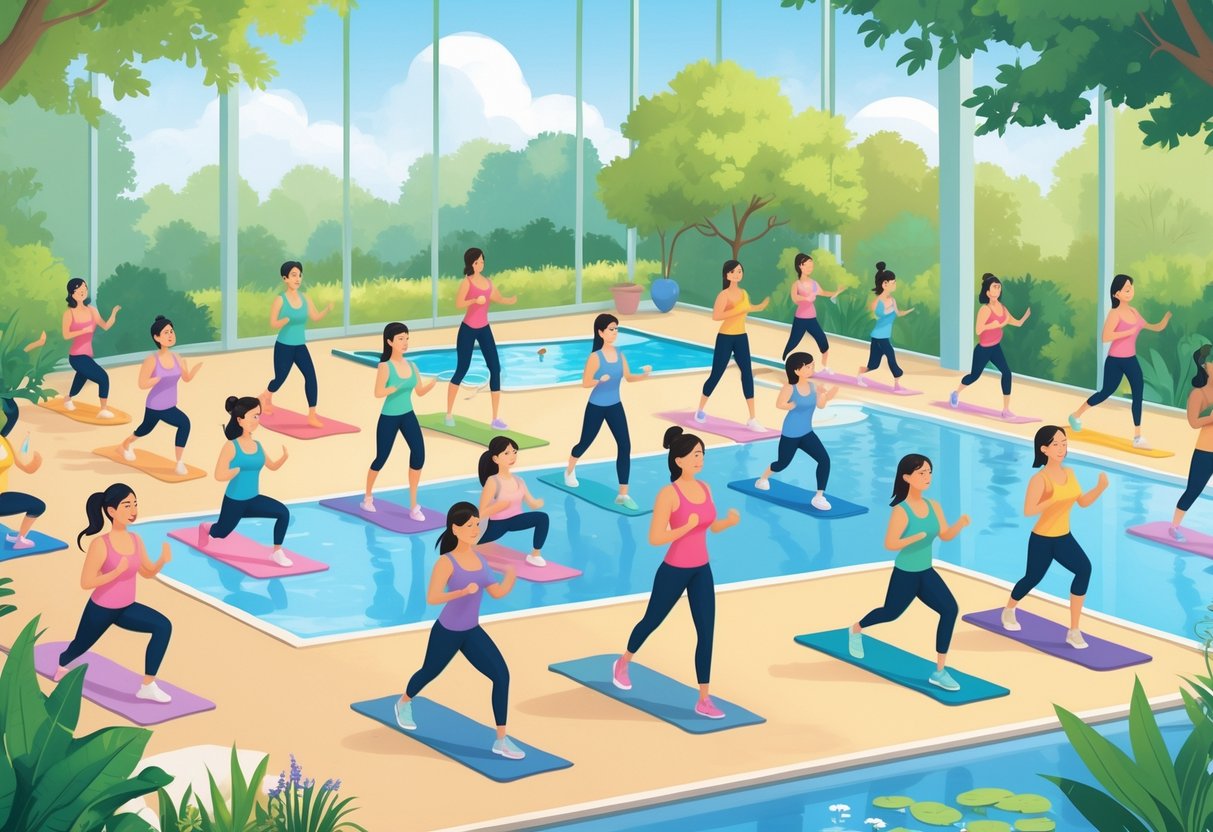
Your physical abilities, budget constraints, and personal interests will determine which low-impact hobby suits you best. The right choice balances what your body can handle with activities that genuinely excite you.
Assessing Physical Ability and Goals
Start by evaluating your current fitness level honestly. If you’re new to exercise, begin with activities that require minimal coordination and low intensity.
Current Fitness Indicators:
- Can you walk up two flights of stairs without getting winded?
- Do you experience joint pain during daily activities?
- How many days per week can you realistically commit to exercise?
Your fitness goals shape your hobby selection significantly. Weight loss requires different activities than flexibility improvement or stress relief.
Set specific, measurable objectives. Instead of “get healthier,” aim for “walk 30 minutes three times weekly” or “improve balance enough to stand on one foot for 30 seconds.”
Swimming provides excellent low-impact exercise for those with joint concerns. Walking remains the most accessible starting point for most beginners.
Match your hobby’s intensity to your recovery ability. Your muscles should feel worked but not painful the day after exercise.
Considering Accessibility and Cost
Location plays a major role in hobby sustainability. Activities requiring long commutes often get abandoned within months.
Cost Comparison for Beginners:
| Activity | Initial Cost | Monthly Cost | Equipment Needed |
|---|---|---|---|
| Walking | $50-150 | $0 | Good shoes |
| Swimming | $0-100 | $30-80 | Swimsuit, goggles |
| Yoga | $15-30 | $0-120 | Mat, comfortable clothes |
| Cycling | $200-500 | $10-30 | Bike, helmet |
Consider seasonal limitations in your area. Outdoor activities may require indoor alternatives during certain months.
Transportation costs add up quickly. Factor in gas, parking fees, or public transit expenses when calculating true hobby costs.
Many fitness hobbies offer free or low-cost starting options. Try community center classes, free outdoor activities, or online tutorials before investing in expensive equipment or memberships.
Personal Interests and Motivation
Your personality type influences which activities you’ll stick with long-term. Introverts often prefer solo activities like hiking or yoga, while extroverts thrive in group fitness classes.
Think about activities you enjoyed as a child or teenager. Former dancers might gravitate toward barre classes, while ex-athletes may prefer structured sports.
Motivation Style Matching:
- Competition-driven: Join recreational leagues or track personal records
- Social-focused: Choose group classes or walking clubs
- Nature-loving: Select outdoor activities like hiking or gardening
- Routine-preferring: Pick activities with consistent schedules and formats
Consider activities that match your interests rather than forcing yourself into popular trends. You’re more likely to maintain hobbies that align with your natural preferences.
Schedule matters significantly for motivation. Morning people should choose early activities, while night owls benefit from evening options.
Test multiple activities before committing fully. Many gyms and studios offer trial periods or drop-in rates for exploration.
Indoor Low-Impact Fitness Hobbies
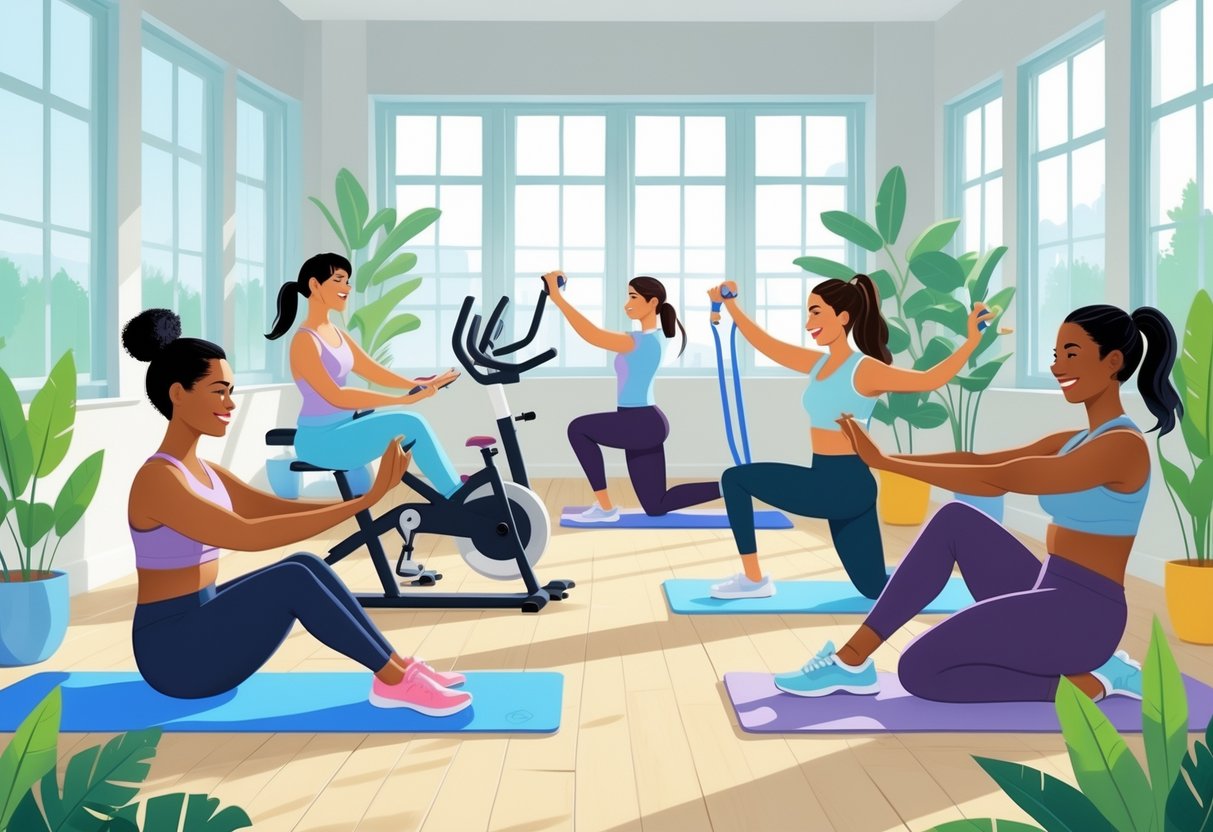
Indoor fitness hobbies provide year-round accessibility while protecting your joints from high-impact stress. These activities build strength, flexibility, and endurance within the comfort of your home.
Yoga for Flexibility and Relaxation
Yoga combines gentle movements with controlled breathing to improve flexibility and reduce stress. Basic poses like Child’s Pose, Downward Dog, and Cat-Cow require minimal equipment and space.
Beginner-friendly styles include Hatha yoga for slow-paced movements and Yin yoga for deep stretching. Each session typically lasts 20-45 minutes and can be done with just a yoga mat.
You’ll notice improved balance and reduced muscle tension within 2-3 weeks of regular practice. Online classes and apps provide guided instruction for proper form and breathing techniques.
The mental benefits include decreased anxiety and better sleep quality. Start with 10-15 minute sessions three times per week before progressing to longer practices.
Pilates for Core Strength
Pilates focuses on controlled movements that strengthen your core, improve posture, and enhance body awareness. Mat-based exercises like the Hundred, Roll-Up, and Leg Circles target deep abdominal muscles effectively.
Equipment needs remain minimal – just a mat and possibly resistance bands or light weights. Sessions range from 20-50 minutes depending on your fitness level and available time.
You’ll develop better spinal alignment and reduced back pain through consistent practice. The precise movements require concentration, which also provides mental focus benefits.
Beginner modifications make every exercise accessible regardless of current strength levels. Progress tracking becomes visible through improved form and increased repetitions over 4-6 weeks.
Dance-Based Workouts
Dance workouts combine cardiovascular exercise with enjoyable music and creative movement. Popular styles include Zumba, barre classes, and freestyle dance sessions that accommodate various fitness levels.
Low-impact variations eliminate jumping and high-intensity movements while maintaining the fun factor. You can follow online videos or create your own routines using favorite songs.
The activity burns 200-400 calories per hour while improving coordination and rhythm. Dance workouts also boost mood through endorphin release and creative expression.
Space requirements are minimal – just enough room to move your arms and take small steps. No special equipment is needed beyond comfortable clothing and supportive shoes.
Bodyweight Strength Training
Bodyweight exercises use your own weight as resistance to build muscle strength and endurance. Key movements include modified push-ups, wall sits, planks, and glute bridges.
Progressive difficulty allows you to start with wall push-ups and advance to knee push-ups, then full push-ups. Each exercise can be modified to match your current strength level.
You can complete effective strength-building workouts in 15-30 minutes without any equipment. Focus on proper form over speed or repetition count for best results.
Circuit training combines 4-6 exercises performed for 30-60 seconds each with brief rest periods. This format maintains elevated heart rate while building functional strength throughout your entire body.
Outdoor Low-Impact Fitness Activities
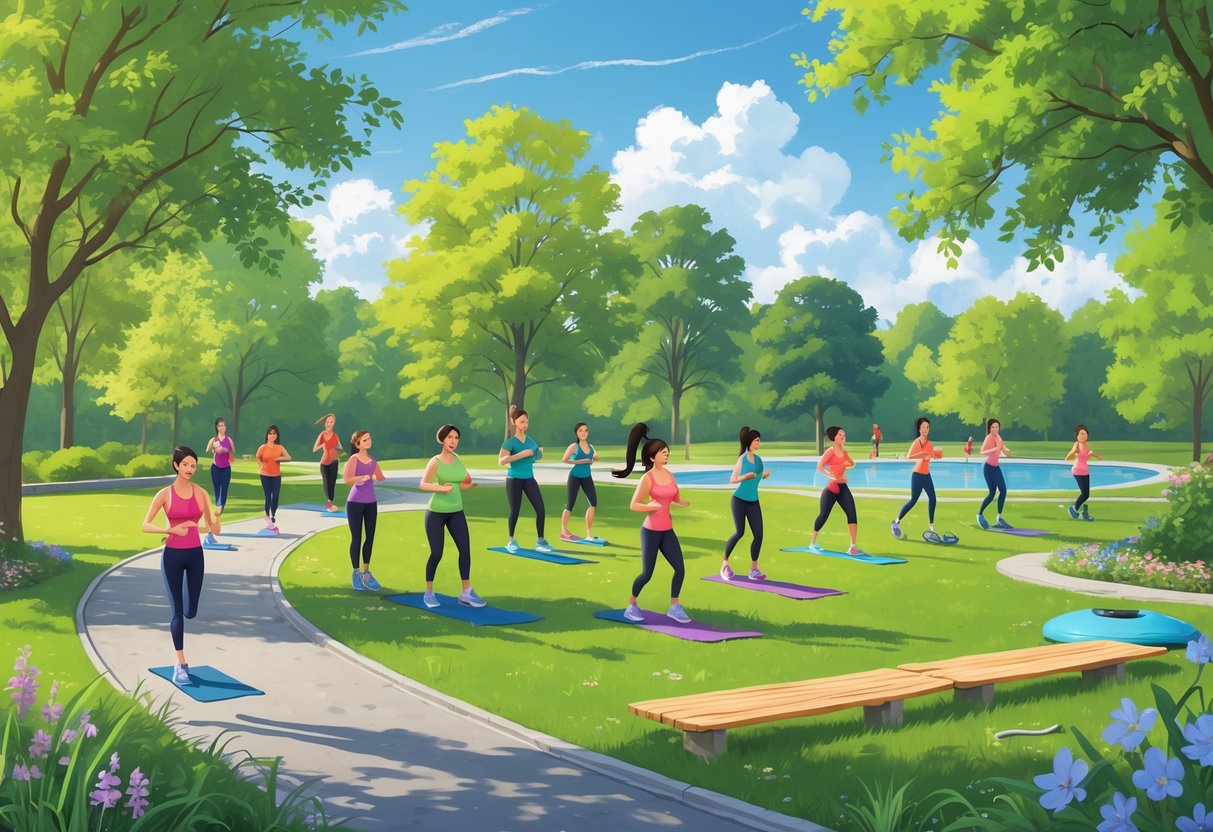
Outdoor activities provide excellent cardiovascular benefits while minimizing stress on your joints through natural movement patterns. These activities allow you to build endurance gradually while enjoying fresh air and changing scenery.
Walking for Daily Movement
Walking requires no special equipment or training, making it the most accessible low-impact outdoor activity for beginners. You can start with 10-15 minutes daily and gradually increase duration as your fitness improves.
Your walking pace should allow comfortable conversation without breathlessness. Aim for 2-3 miles per hour initially, which burns approximately 200-300 calories per hour depending on your weight and terrain.
Benefits of regular walking:
- Strengthens leg muscles and core stability
- Improves cardiovascular health
- Enhances mood through endorphin release
- Supports weight management
Choose different routes to maintain interest and challenge different muscle groups. Parks, neighborhoods, and beach paths offer varied terrain that engages stabilizing muscles without high impact.
Cycling on Flat Terrain
Cycling provides excellent aerobic exercise for people needing low-impact workouts while allowing you to explore new areas at your own pace. Start with 20-30 minute rides on level surfaces before attempting hills or longer distances.
Proper bike fit prevents injury and ensures comfort during longer rides. Your leg should have a slight bend when the pedal reaches its lowest point, and handlebars should be at a comfortable height.
Essential cycling considerations:
- Wear a properly fitted helmet
- Check tire pressure before each ride
- Start with 5-10 mile distances
- Maintain steady, comfortable pedaling rhythm
Bike paths and rail-trails offer safe, flat surfaces perfect for beginners. These routes eliminate traffic concerns while providing consistent terrain for building endurance and confidence.
Hiking Nature Trails
Hiking combines exercise with natural beauty, offering variable intensity that lets beginners choose trails matching their fitness level. Start with well-marked trails under 2 miles with minimal elevation gain.
Research trail difficulty ratings before your first hike. Easy trails typically have gentle inclines and clear paths, while moderate trails may include steeper sections and uneven terrain.
Hiking preparation essentials:
- Wear supportive hiking shoes with good tread
- Bring water (16-20 oz for short hikes)
- Check weather conditions beforehand
- Inform someone of your hiking plans
Trail maps and apps help you track distance and elevation changes. Many parks offer beginner-friendly nature trails with interpretive signs that make the experience educational as well as physically beneficial.
Water-Based Fitness Hobbies
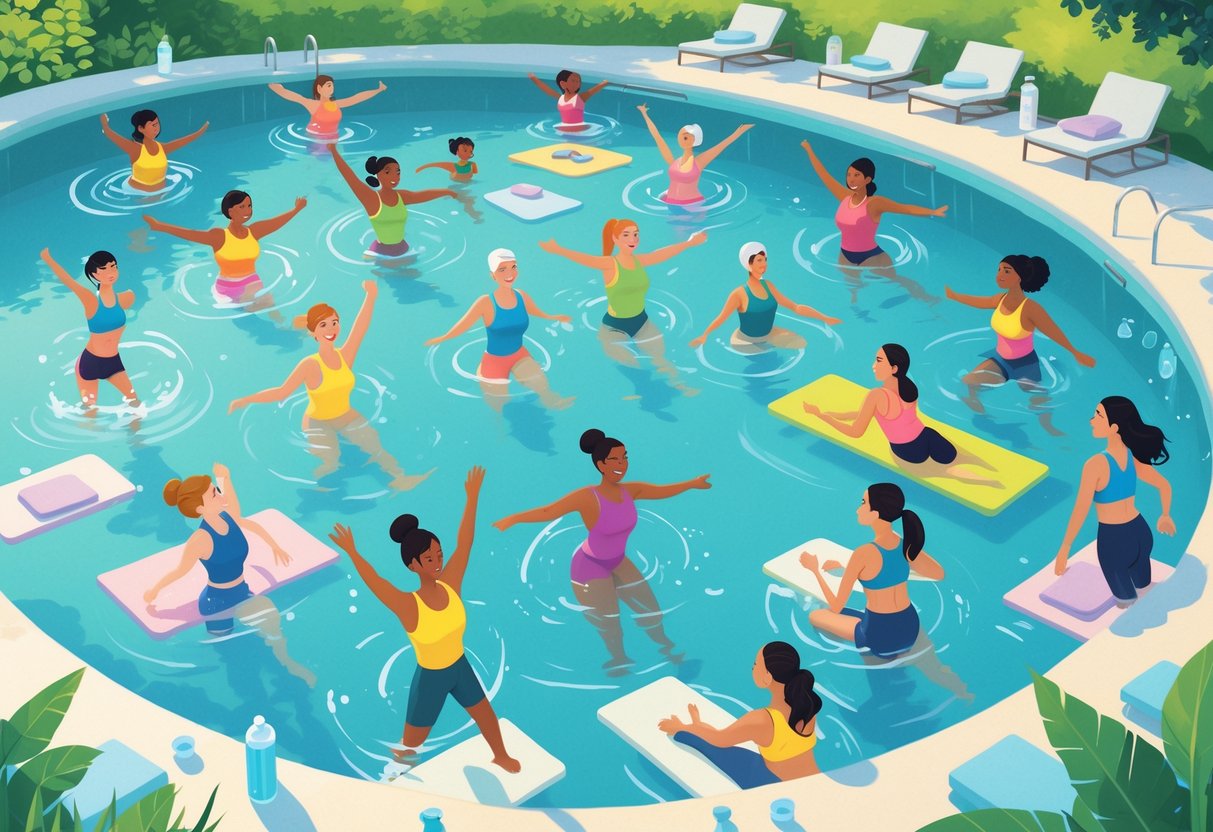
Water activities provide exceptional low-impact exercise options that reduce joint stress while delivering comprehensive fitness benefits. These activities combine cardiovascular conditioning with strength training in a supportive aquatic environment.
Swimming for Full-Body Conditioning
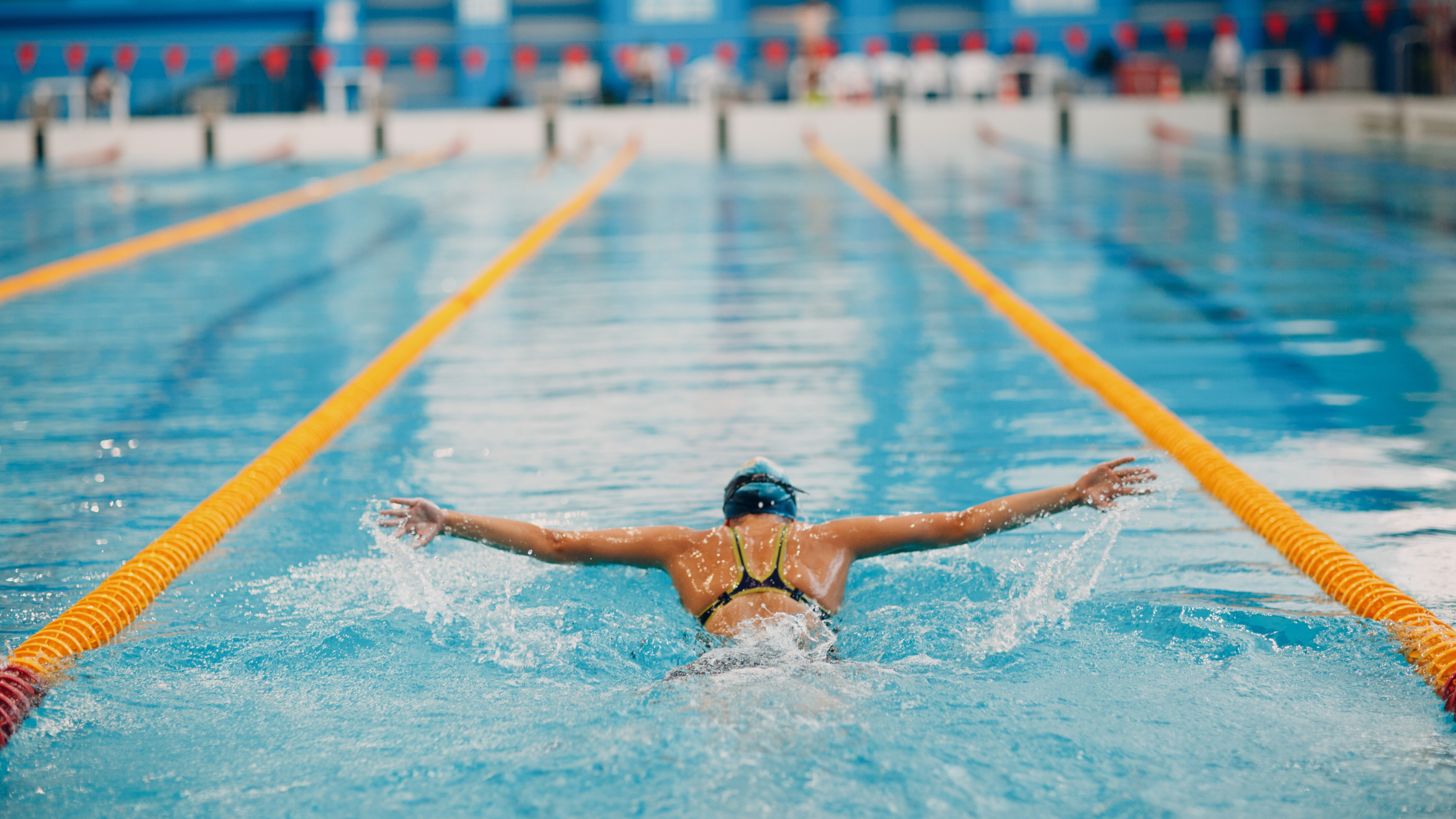
Swimming engages nearly every muscle group in your body while providing excellent cardiovascular exercise. The water’s buoyancy supports your joints, making it ideal for people with arthritis or previous injuries.
You can start with basic strokes like freestyle or backstroke for 10-15 minutes. The resistance of water naturally strengthens your muscles without requiring additional weights.
Key Swimming Benefits:
- Burns 300-500 calories per hour depending on stroke and intensity
- Improves lung capacity and breathing technique
- Enhances coordination and balance
- Builds endurance without joint impact
Most community centers and gyms offer pool access with lane swimming times. You can progress from basic floating and treading water to longer distances as your stamina improves.
Swimming offers physical and mental health benefits while being suitable for all ages and abilities. The low-impact nature makes it particularly valuable for beginners who want to avoid exercise-related injuries.
Aqua Aerobics
Aqua aerobics combines traditional aerobic movements with water resistance training. The water typically reaches chest height, allowing you to perform exercises while maintaining stability.
Water aerobics suits people of all ages and fitness levels as a low-impact exercise option. You can participate without knowing how to swim since most exercises keep your feet on the pool bottom.
Classes typically include:
- Warm-up movements like marching and arm circles
- Cardio sequences such as jumping jacks and cross-country skiing motions
- Strength exercises using water weights or resistance bands
- Cool-down stretches to improve flexibility
The water provides 12-15 times more resistance than air, creating effective muscle strengthening. You’ll burn approximately 250-400 calories per hour while improving cardiovascular endurance and muscle tone.
Group classes offer social interaction and professional instruction. Many facilities provide water weights and foam equipment specifically designed for aquatic exercise.
Stand-Up Paddleboarding
Stand-up paddleboarding (SUP) challenges your balance while providing a full-body workout on lakes, rivers, or calm ocean waters. You stand on a large surfboard-style board and use a paddle to move through the water.
Paddleboarding improves balance, strength, and flexibility as both a therapeutic practice and outdoor adventure. Your core muscles work constantly to maintain stability on the board.
Getting Started:
- Take a beginner lesson to learn proper paddling technique
- Start on calm, flat water like lakes or protected bays
- Wear a personal flotation device for safety
- Begin with 30-45 minute sessions
The activity engages your core, shoulders, back, and legs simultaneously. You’ll burn 300-450 calories per hour while enjoying scenic water environments.
Equipment rental is available at most waterfront locations. Paddleboarding taster sessions for beginners provide the best introduction to proper form and safety procedures.
Social and Group-Based Low-Impact Activities
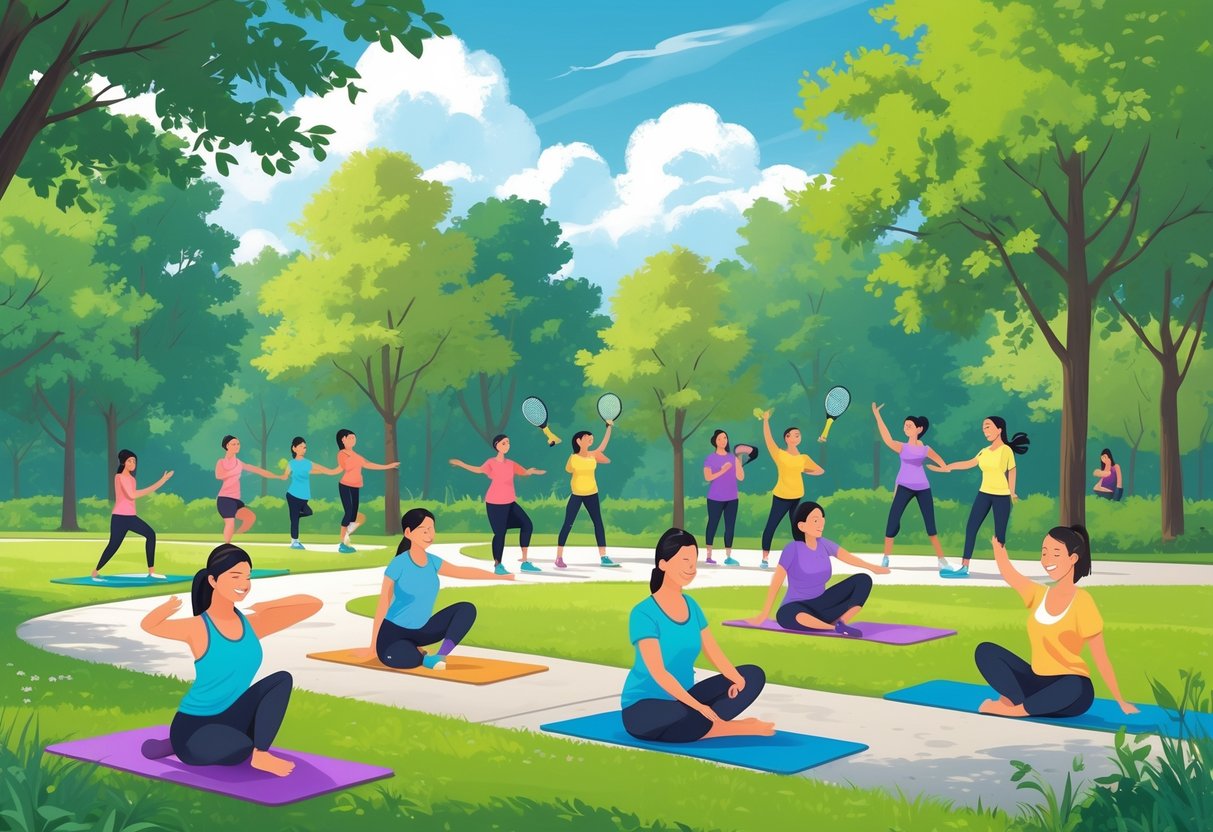
Exercising with others transforms fitness from a solo task into an engaging social experience. These activities combine gentle movement with community connection, making them perfect for beginners who want accountability and motivation.
Group Walking Clubs
Walking groups cater to various paces and distances while providing natural opportunities for conversation and friendship. Most clubs organize regular weekly walks ranging from 30 minutes to 2 hours.
You can find walking groups through local community centers, libraries, or fitness apps. Many groups focus on specific interests like nature photography, historical tours, or charity fundraising walks.
Benefits include:
- Zero equipment requirements
- Suitable for all fitness levels
- Natural conversation pace
- Outdoor vitamin D exposure
Start with shorter distances and gradually increase your endurance. Most groups welcome beginners and offer different pace options during the same walk.
Recreational Pickleball
Pickleball combines elements of tennis, badminton, and ping-pong on a smaller court with a lower net. The underhand serving style and slower ball speed make it gentler on joints than traditional racquet sports.
The sport emphasizes strategy over power, making it accessible regardless of athletic background. Courts measure 20×44 feet, significantly smaller than tennis courts, reducing running requirements.
Equipment needed:
- Paddle (lighter than tennis rackets)
- Plastic ball with holes
- Court shoes with good grip
- Comfortable athletic clothing
Many recreation centers offer beginner classes and equipment rentals. The social nature of doubles play encourages interaction between points and games.
Low-Impact Team Sports
Modified team sports adapt traditional games to reduce joint stress while maintaining competitive elements. Volleyball, softball, and basketball leagues often offer recreational divisions with adjusted rules.
Slow-pitch softball eliminates high-speed pitching and base stealing. Walking basketball prohibits running and jumping. Beach volleyball provides natural cushioning through sand surfaces.
Popular modifications:
- Shorter game times
- Smaller playing areas
- Reduced contact rules
- Frequent substitutions allowed
These leagues typically meet once or twice weekly during specific seasons. Most welcome players over 35 or those returning to sports after long breaks.
Look for “recreational” or “social” leagues rather than competitive divisions. Many organizations prioritize fun and participation over winning.
Tips for Staying Motivated and Safe
Success in low-impact fitness comes from setting achievable targets, monitoring your development, and avoiding the pitfalls that derail many newcomers. These fundamentals will keep you engaged and injury-free as you build lasting habits.
Setting Realistic Goals
Start with small, measurable targets rather than ambitious transformations. Aim for 15-20 minutes of activity three times per week instead of daily hour-long sessions.
Write down specific goals like “walk 2,000 steps daily” or “complete two yoga sessions this week.” Vague objectives like “get fit” lack the clarity needed for success.
Short-term goals (1-2 weeks):
- Walk around your block twice
- Try three different low-impact activities
- Exercise on three specific days
Medium-term goals (1-2 months):
- Increase walking distance by 25%
- Add 5 minutes to workout sessions
- Master basic yoga poses or swimming strokes
Adjust targets based on your energy levels and schedule. If you miss a session, return to your routine the next day without guilt or drastic changes.
Tracking Progress
Document your activities in a simple log or smartphone app. Record the type of exercise, duration, and how you felt afterward.
Take weekly measurements or photos rather than daily weigh-ins. Your energy levels, sleep quality, and mood often improve before visible physical changes occur.
| What to Track | How Often | Why It Matters |
|---|---|---|
| Activity minutes | Daily | Shows consistency |
| Energy levels (1-10) | Daily | Reveals optimal workout times |
| Body measurements | Weekly | Tracks physical progress |
| Sleep quality | Daily | Links exercise to recovery |
Celebrate small victories like completing your first full workout week or walking further without fatigue. These moments build momentum for longer-term success.
Preventing Common Beginners’ Mistakes
Avoid jumping into intense routines too quickly. Low-impact workouts are gentle on your joints and should feel challenging but not painful.
Listen to your body’s signals. Mild muscle soreness after exercise is normal, but sharp pain or persistent discomfort indicates you need rest or medical attention.
Common mistakes to avoid:
- Exercising through pain
- Skipping warm-up and cool-down periods
- Comparing your progress to others
- Abandoning routines after missing a few days
Invest in proper footwear for walking or basic equipment for home workouts. Quality gear prevents injuries and makes activities more enjoyable.
Schedule rest days between intense sessions. Your muscles need recovery time to strengthen and adapt to new demands.
Frequently Asked Questions
Low-impact fitness activities raise common concerns about effectiveness, safety, and suitability for different ages and conditions. Understanding the distinction between impact levels and identifying appropriate options helps you make informed decisions about your fitness journey.
What are the best low-impact sports for individuals with knee problems?
Swimming provides excellent cardiovascular exercise without placing weight on your knees. The water supports your body while allowing full range of motion through all major muscle groups.
Cycling keeps your knees in controlled motion while building leg strength. Choose a properly fitted bike to maintain correct posture and reduce strain on your knee joints.
Yoga focuses on flexibility and strength building through controlled movements. Many poses can be modified to accommodate knee limitations while still providing physical and mental well-being benefits.
Walking on flat surfaces or using an elliptical machine allows you to control intensity. These activities strengthen the muscles around your knees without high-impact stress.
Can you suggest some low-impact sports suitable for children?
Swimming teaches full-body coordination while being gentle on developing joints. Children can learn proper technique while building cardiovascular endurance and muscle strength.
Tennis modified with softer balls and smaller courts reduces impact stress. This version maintains the sport’s fundamentals while being appropriate for younger players.
Golf develops hand-eye coordination and concentration skills. The walking involved provides moderate exercise without high-impact movements.
Martial arts like tai chi emphasize controlled movements and balance. These disciplines build flexibility, focus, and body awareness through slow, deliberate motions.
What are some team sports that offer a low-impact workout?
Volleyball played in swimming pools reduces joint stress while maintaining competitive elements. The water provides resistance training while cushioning movements and jumps.
Walking soccer eliminates running and jumping while preserving strategy and teamwork. Players must keep one foot on the ground at all times, reducing impact significantly.
Softball with modified rules allows for strategic play without intense running. Using shorter base distances or designated runners can further reduce impact requirements.
Doubles tennis involves less court coverage than singles play. Partners can position themselves strategically to minimize quick directional changes and sudden stops.
How does one differentiate between low, medium, and high-impact sports?
Low-impact activities keep at least one foot on the ground or provide body support. Examples include walking, swimming, cycling, and gentle yoga practices.
Medium-impact sports involve occasional jumping or quick direction changes. These include hiking on uneven terrain, recreational tennis, or dance fitness classes.
High-impact activities feature frequent jumping, running, or sudden directional changes. Basketball, running, and plyometric exercises fall into this category.
The key distinction lies in joint stress and force absorption. Low-impact exercises avoid putting unnecessary stress on your body while still providing fitness benefits.
What are the benefits of engaging in low-impact physical activities for beginners?
Low-impact exercises are perfect for fitness beginners because they allow gradual strength building without overwhelming your body. You can focus on proper form and technique development.
Joint protection remains a primary advantage for new exercisers. Your bones, muscles, and connective tissues adapt gradually to increased activity levels without excessive strain.
Reduced injury risk allows for consistent training schedules. You can maintain 3-5 days of exercise per week without extended recovery periods from impact-related injuries.
Confidence building occurs through achievable goals and steady progress. Success in low-impact activities often motivates beginners to explore additional fitness options.
Which low-impact sports are also competitive and suitable for beginners?
Swimming offers competitive opportunities at all skill levels. Local pools often host beginner-friendly meets with age and ability divisions.
Golf provides handicap systems that level competition between players. Beginners can compete fairly against more experienced golfers through adjusted scoring.
Cycling includes recreational races and time trials for various abilities. Many events feature beginner categories or shorter distance options.
Bowling combines social interaction with competitive elements. League play accommodates different skill levels through handicap adjustments and team formats.