30 Fascinating Micro-Hobbies You Can Try Today: Quick Ways to Enrich Your Daily Life
You don’t need hours of free time to enjoy a rewarding hobby. Micro-hobbies are activities you can pursue in short bursts of 15 to 30 minutes that still bring joy, creativity, and personal growth to your daily life. These bite-sized pursuits fit easily into your lunch break, morning routine, or evening wind-down time.
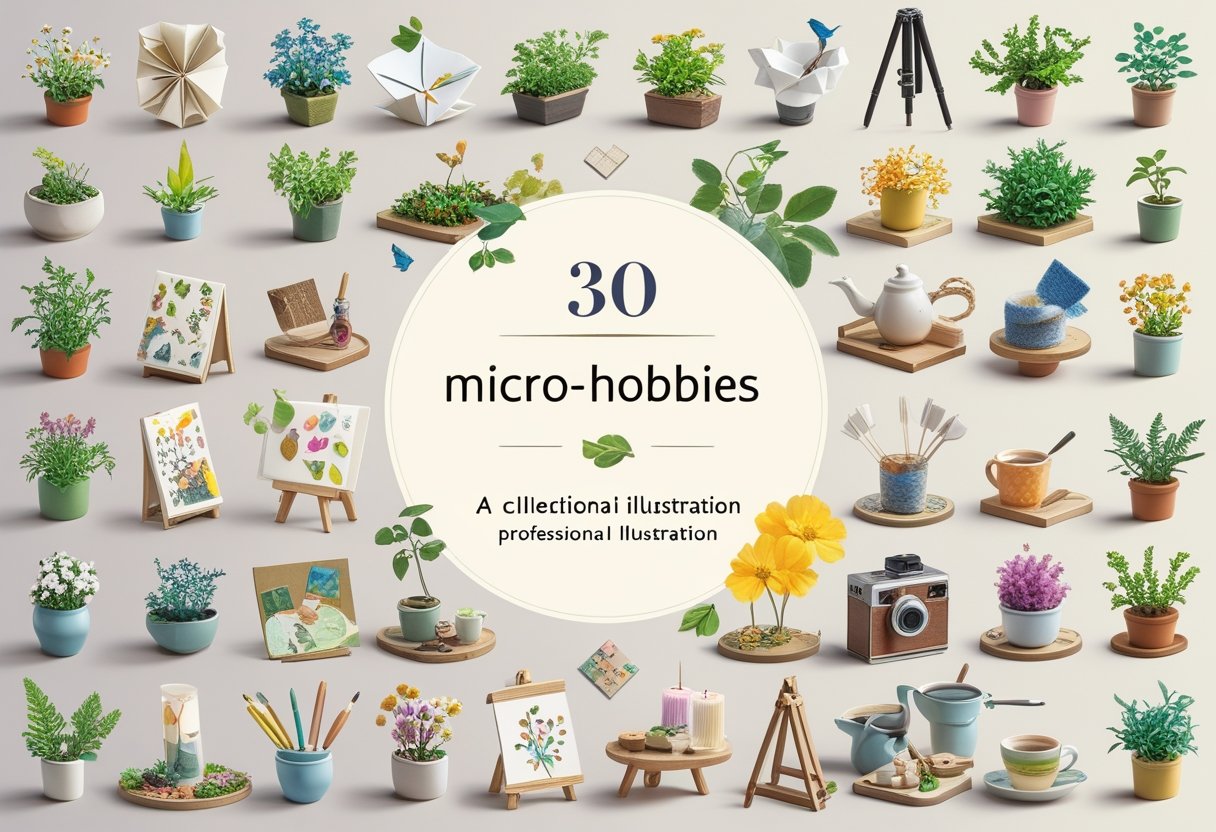
Unlike traditional hobbies that demand significant time commitments and resources, micro-hobbies let you explore new interests without overwhelming your schedule. Research shows that short bursts of creativity and learning can reduce stress, improve memory, and boost happiness. You can try digital activities, hands-on creative projects, relaxation practices, or even bizarre pursuits that make you stand out.
This guide covers 30 micro-hobbies across different categories to match your interests and lifestyle. You’ll discover options for building new skills, finding calm moments in your day, expressing creativity, and exploring unusual interests that spark your curiosity.
Understanding Micro-Hobbies

Micro-hobbies are small-scale activities that fit into brief time windows and require minimal resources, yet they deliver genuine satisfaction and creative fulfillment. These pursuits work differently than traditional hobbies because they adapt to modern schedules rather than demanding large blocks of dedicated time.
Definition and Characteristics
Micro-hobbies are small, low-pressure activities you can do in short bursts that bring joy and creativity into your day. You can complete them in 5 to 30 minutes without specialized equipment or extensive preparation.
These hobbies share several key features. They require minimal space, making them ideal for apartment living or shared spaces. They need few supplies or use items you already own. You can start and stop them quickly without setup time or cleanup hassles.
The scale matters too. Unlike traditional hobbies that grow into major commitments, micro-hobbies stay contained. You control how much time and energy you invest. Some people explore miniature crafts like dollhouse furniture or tiny tools, while others focus on brief activities like sketching or learning new words.
Benefits of Pursuing Micro-Hobbies
Short bursts of creativity and learning can reduce stress, improve memory, and boost happiness. You get these benefits without rearranging your entire schedule or making major lifestyle changes.
Micro-hobbies fit naturally into your existing routine. You can practice them during lunch breaks, while waiting for appointments, or before bed. This flexibility means you’re more likely to stick with them compared to hobbies that demand specific time slots.
They also lower the barrier to trying new things. You don’t need to invest hundreds of dollars or clear out a garage before starting. If something doesn’t interest you, you simply try a different micro-hobby without feeling like you wasted money or time. This makes experimentation easier and less stressful.
How to Select the Right Micro-Hobby
Start by looking at your actual available time. Count the gaps in your day where you have 10 to 20 minutes free. These real windows determine which activities will actually work for you.
Consider your space limitations next. People living in small spaces need hobbies that require very few supplies or equipment. Think about activities you can do at a desk, on a couch, or in a corner of your kitchen.
Match the hobby to your energy levels during available times. If you’re tired in evenings, choose calming activities like coloring or simple knitting. Save more mentally demanding hobbies like puzzle-solving for when you’re alert.
Test multiple options before committing. Try three or four different micro-hobbies over a few weeks. You’ll quickly discover which ones you actually look forward to versus which feel like obligations.
Creative Micro-Hobbies
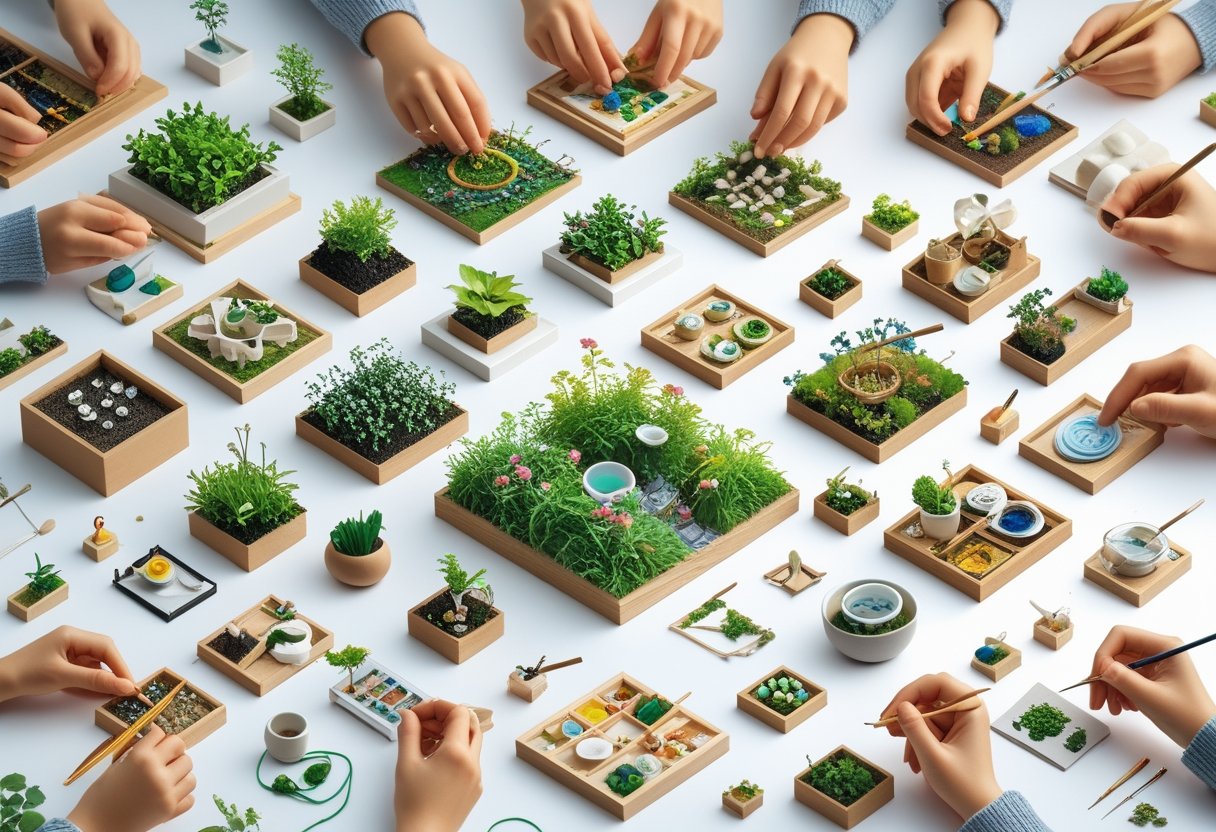
You can tap into your artistic side without clearing your schedule or buying expensive supplies. These creative pursuits take just minutes to practice and require minimal materials to get started.
Miniature Painting
Miniature painting lets you create detailed art on small surfaces like bottle caps, stones, or tiny canvases. You only need a few basic supplies to begin: small brushes, acrylic paints, and objects to paint on.
This hobby fits easily into short breaks throughout your day. You can complete a simple design in 10 to 15 minutes or work on more detailed pieces over several sessions.
The small scale means you use very little paint and storage space. A basic starter set costs less than $20 and includes everything you need. You can paint anything from landscapes to portraits to abstract patterns.
What to paint on:
- Smooth river rocks
- Wooden beads
- Miniature canvas boards
- Seashells
- Bottle caps
Origami Creations
Origami transforms a single sheet of paper into animals, flowers, and geometric shapes through folding techniques. You can learn basic folds in minutes and create simple designs with just one or two pieces of paper.
All you need is paper to start. Regular printer paper works fine for practice, though origami paper folds more easily and comes in colors and patterns.
Small activities you can do in just a few minutes like origami fit naturally into your daily routine. Simple models like paper cranes or boxes take 5 to 10 minutes once you know the steps.
You can progress from easy designs to complex sculptures as your skills grow. Each completed piece serves as decoration or a gift.
Haiku Writing
Haiku captures moments and observations in just three lines with a 5-7-5 syllable pattern. You can write a haiku anywhere using just a pen and paper or your phone’s notes app.
The brevity makes it perfect for short creative sessions. You might spend 5 minutes observing something around you and another 5 minutes crafting your poem.
This form teaches you to notice details in everyday life. You learn to express ideas clearly using few words. Traditional haiku focuses on nature and seasons, but you can write about any subject that interests you.
First line: 5 syllables
Second line: 7 syllables
Third line: 5 syllables
Writing haiku regularly improves your observation skills and helps you practice being mindful of what brings happiness in daily life.
Tech and Digital Micro-Hobbies

Digital creative pursuits let you express yourself without leaving your desk. You can create tiny pieces of art in minutes, share short audio thoughts with listeners worldwide, or craft complete stories in just a few sentences.
Pixel Art
Pixel art involves creating images using individual colored squares called pixels. You arrange these tiny blocks to form characters, landscapes, or abstract designs that look like they came from old video games.
You can start with free software like Aseprite or even use online tools in your web browser. Most pixel artists begin with small canvases like 16×16 or 32×32 pixels to keep projects manageable. A simple character or icon might take only 15-30 minutes to complete.
The limited canvas size forces you to make careful choices about each pixel you place. This constraint makes pixel art perfect as a micro-hobby since you can finish satisfying pieces during a lunch break. You’ll develop an eye for color, composition, and simplification as you work within these tight boundaries.
Micro Podcasting
Micro podcasting means recording very short audio episodes, usually between 1-5 minutes long. You pick a focused topic and share your thoughts without the commitment of producing hour-long shows.
Your episodes might cover daily observations, quick tips, mini book reviews, or brief stories. You only need your smartphone and a free recording app to get started. Popular platforms like Anchor make it easy to publish episodes without technical knowledge.
The short format helps you avoid overthinking or excessive editing. You can record an episode while making coffee or during your commute. Regular listeners appreciate these bite-sized episodes because they fit easily into busy schedules.
Digital Flash Fiction
Digital flash fiction involves writing complete stories in 300 words or fewer. You craft narratives with a beginning, middle, and end within strict word limits that might range from 50 to 300 words.
Writing platforms and online communities provide immediate access to audiences and feedback. You can write a story on your lunch break and publish it the same day. The tight word count teaches you to eliminate unnecessary words and make every sentence count.
Many writers use prompts or themes to spark ideas quickly. You might write about a specific emotion, setting, or scenario in just 100 words. This practice strengthens your regular writing skills while producing finished pieces you can share with others.
Mindful and Relaxing Micro-Hobbies
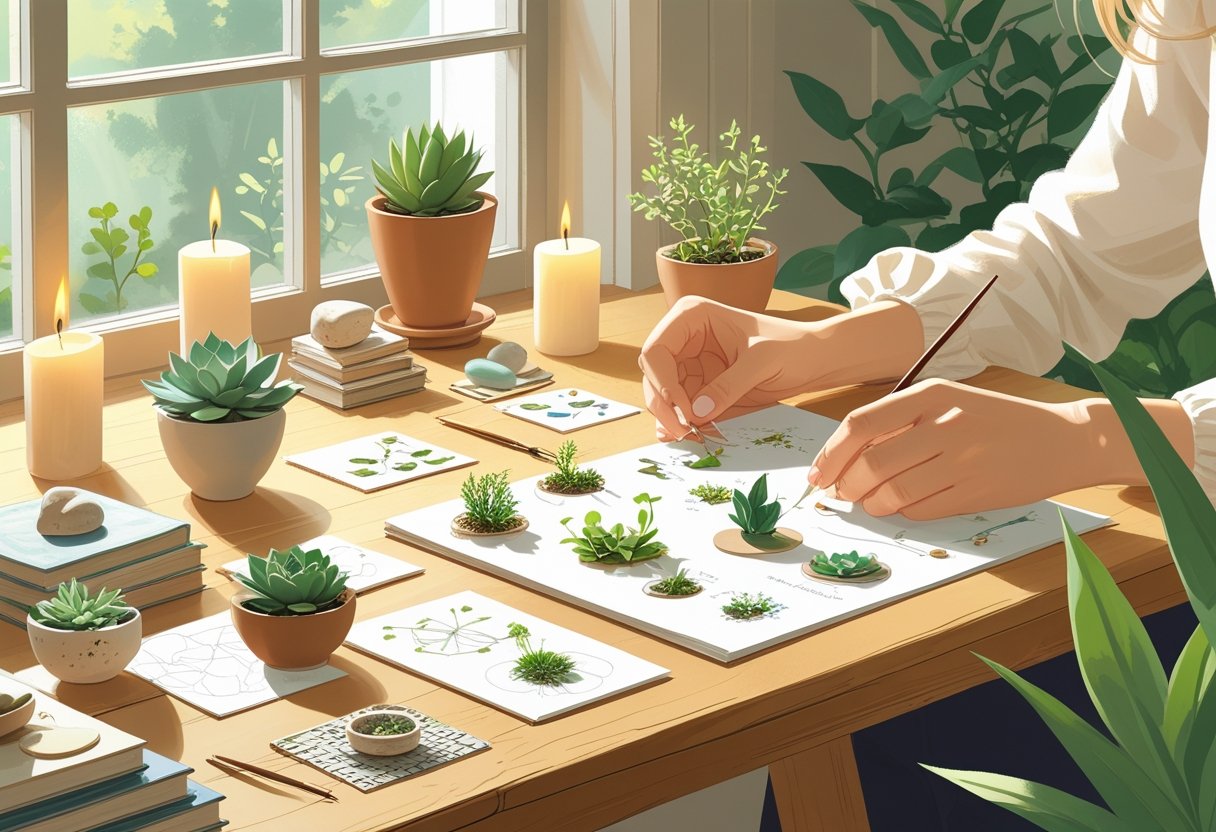
These activities take just a few minutes but help calm your mind and reduce stress. They work well during breaks at work, before bed, or anytime you need to reset.
One-Minute Meditation
You can practice meditation in 60 seconds or less. Start by closing your eyes and focusing on your breath. Count four seconds as you breathe in, hold for four seconds, then breathe out for four seconds.
This brief practice can reduce stress and improve your focus throughout the day. You don’t need special equipment or a quiet room. You can do it at your desk, in your car, or while sitting on your couch.
Try doing this three times per day. Many people find it helpful first thing in the morning, during lunch, and before bed. The key is consistency, not length of time.
Zen Doodling
Zen doodling involves drawing repetitive patterns without thinking too much about the outcome. You make simple shapes like circles, lines, dots, or waves on paper. This activity keeps your hands busy while helping your mind relax.
You only need a pen and paper to start. Creative hobbies like this help reduce anxiety and improve mindfulness. Draw for five to ten minutes whenever you feel overwhelmed or restless.
Popular patterns include spirals, geometric shapes, flowers, and abstract designs. There’s no right or wrong way to do it. The process matters more than the final product.
Gratitude Journaling
Write down three things you’re grateful for each day. This takes less than five minutes but shifts your focus toward positive aspects of your life. You can use a notebook, your phone, or even a scrap of paper.
Be specific with your entries. Instead of writing “my family,” try “my sister called to check on me today.” Journaling becomes a meditative practice that promotes mental clarity and emotional well-being.
Do this at the same time each day to build a habit. Morning journaling sets a positive tone, while evening journaling helps you end the day on a good note.
Skill-Building Micro-Hobbies

Learning new skills doesn’t require months of practice or expensive courses. You can develop impressive abilities in just a few minutes each day with focused practice.
Speed Cubing
Speed cubing teaches you to solve a Rubik’s Cube as quickly as possible. You can learn the basic solving method in about 30 minutes and practice solving attempts in 2-3 minute sessions throughout your day.
The beginner’s method uses simple algorithms that you repeat in different patterns. Most people can solve their first cube within a week of daily practice. Your solve times will drop from 5-10 minutes to under 2 minutes with consistent effort.
Speed cubing improves your spatial reasoning and pattern recognition. You’ll memorize finger movements that become automatic over time. The puzzle requires no special equipment beyond a standard Rubik’s Cube, which costs around $10-15 for a decent model.
Key benefits:
- Sharpens memory and focus
- Builds hand-eye coordination
- Provides measurable progress tracking
Language Micro-Lessons
You can learn vocabulary and basic phrases in a new language through 5-10 minute daily sessions. Apps and flashcard systems break learning into small chunks that fit into coffee breaks or commute time.
Focus on high-frequency words first. The most common 100 words in any language make up about 50% of everyday conversation. Learning 10 new words per day means you’ll know 300 words in a month.
Short practice sessions work better than long study marathons. Your brain retains information more effectively when you space out learning over time. Even 30 minutes of daily practice creates noticeable improvements in comprehension and speaking ability.
Short Memory Challenges
Memory exercises take just minutes but strengthen your cognitive abilities significantly. You can practice remembering number sequences, card arrangements, or lists of random words.
Start with simple challenges like memorizing a 10-digit phone number or a short grocery list without writing it down. The major system technique converts numbers into memorable images, making recall easier. The memory palace method links information to locations in a familiar space.
Practice sessions only need 5-10 minutes. You’ll notice improvements in your working memory within weeks. These skills transfer to everyday tasks like remembering names, appointments, and important details without relying on notes.
Collecting and Curating Micro-Hobbies
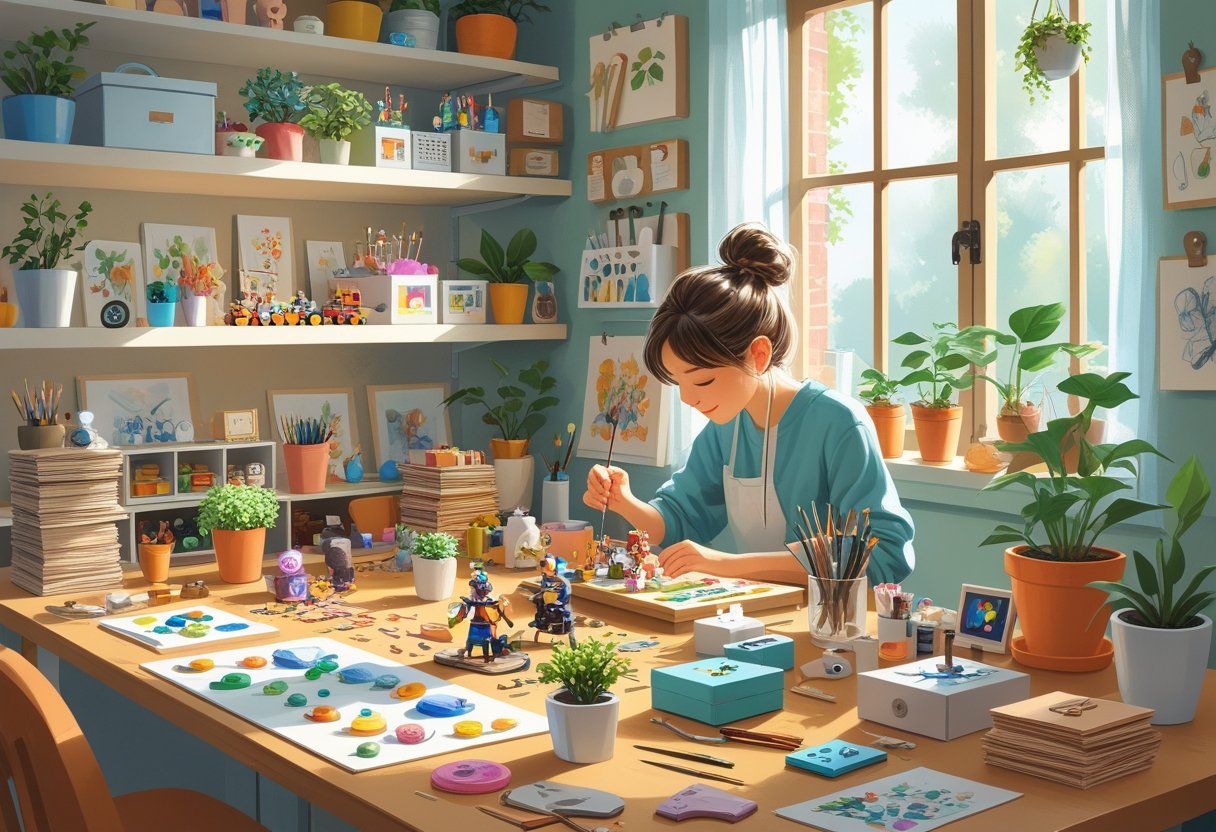
Small-scale collecting lets you build meaningful collections without taking up much space or spending lots of money. These hobbies focus on tiny items or compact records that fit easily into your daily routine.
Pressed Flower Collecting
Pressed flower collecting transforms walks and hikes into treasure hunts. You gather small blooms, petals, and leaves to preserve between the pages of heavy books or in a flower press.
Start with common flowers from your yard or local parks. Place each specimen between sheets of parchment paper inside a heavy book. Stack more books on top and wait two to three weeks for complete drying.
Basic supplies you need:
- Heavy books or a wooden flower press
- Parchment or wax paper
- Small scissors or tweezers
- A notebook to record dates and locations
Store your dried flowers in a small album with acid-free pages. Label each one with the date and place you found it. Some collectors focus on flowers from specific locations or seasons.
You can display pressed flowers in clear frames or use them for handmade cards and bookmarks.
Coin Snippet Cataloging
This hobby involves collecting coins from different years, countries, or designs without needing rare or expensive pieces. You focus on finding interesting coins from your pocket change or bank rolls.
Pick a specific theme like state quarters, pennies from birth years of family members, or foreign coins from travels. Keep your coins in small holders or albums made for coin storage.
Check dates and mint marks on each coin. Record details in a small notebook or spreadsheet. Note where you found each coin and any interesting features.
A basic starter collection needs only a few dollars and a storage system. You can find coin holders at craft stores for under ten dollars.
Mini Book Reviews
Write short reviews of books you read in 100 words or less. This practice sharpens your writing skills while creating a personal reading record you can look back on.
Keep your reviews in a small notebook, digital note app, or social media account. Focus on your honest reaction rather than a complete summary. Include the title, author, date finished, and your brief thoughts.
Key elements to mention:
- One thing you liked
- One thing that stood out
- Who might enjoy this book
- Your rating out of five stars
This micro-hobby takes just five minutes after finishing each book. You build a collection of your reading journey without the pressure of writing lengthy reviews.
Unusual and Curious Micro-Hobbies
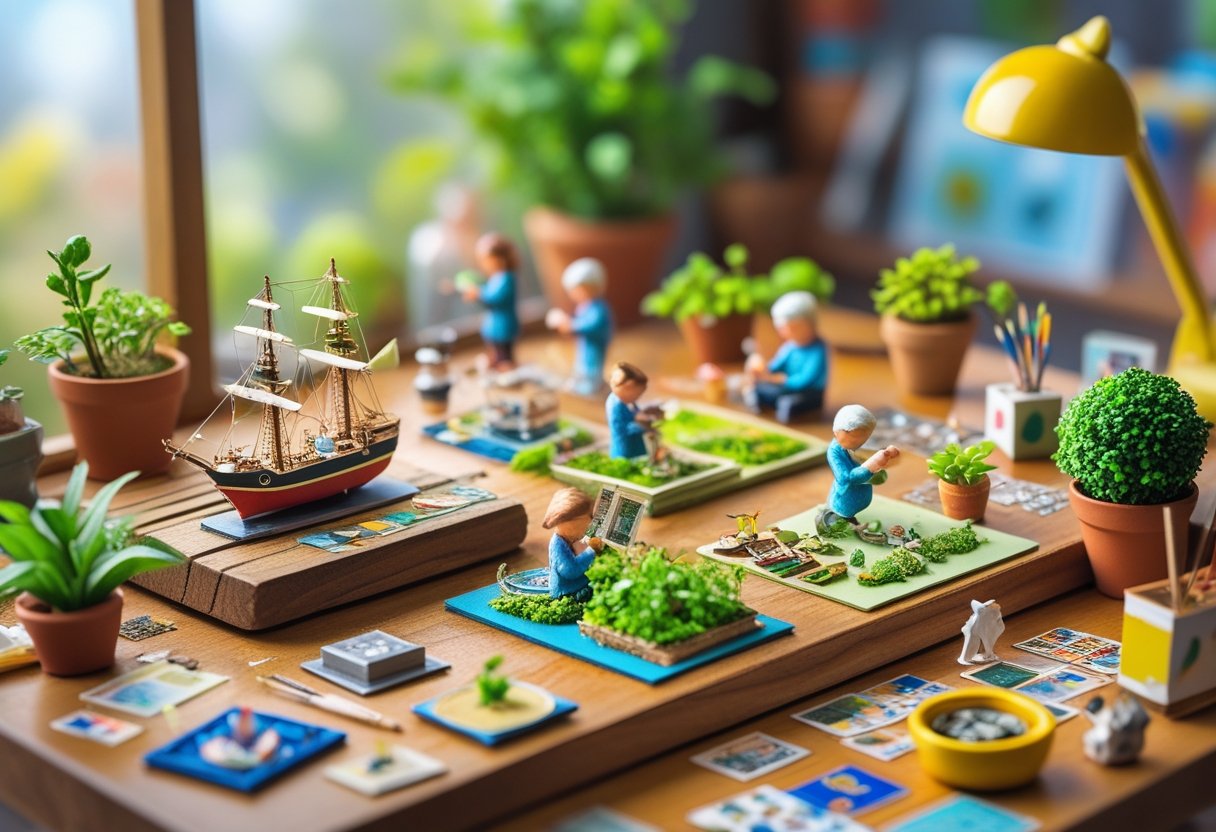
Some hobbies require only minutes of your time but offer a complete break from routine through their unusual nature. These activities turn small moments into opportunities for calm observation, creative expression, and artistic exploration.
Candle Watching
Candle watching is exactly what it sounds like: sitting quietly and observing a lit candle. You focus on the flame’s movement, the wax melting, and the soft glow it creates.
This practice takes just 5-10 minutes. You don’t need special equipment beyond a basic candle and a safe space to light it.
Benefits of candle watching:
- Reduces stress quickly
- Improves focus and attention
- Creates a natural meditation practice
- Costs almost nothing to start
The flame’s constant motion gives your mind something to focus on without demanding active thought. You watch the colors shift from blue at the base to yellow at the tip. The wax pools and drips in patterns you can’t predict.
Many people do this in the evening as part of a wind-down routine. Others use it as a midday reset between tasks.
Micro Terrarium Crafting
Building tiny plant worlds in small glass containers takes 15-30 minutes per creation. You layer soil, rocks, and small plants inside jars or clear vessels to create miniature landscapes.
Start with a small glass container, potting soil, activated charcoal, small pebbles, and tiny plants like moss or succulents. You can find these materials at craft stores or garden centers.
The layering process is simple. Put pebbles at the bottom for drainage. Add a thin layer of activated charcoal to keep things fresh. Then add soil and arrange your plants.
Popular container options:
- Mason jars
- Glass ornaments
- Small fishbowls
- Vintage glass bottles
Your micro terrarium needs minimal care after creation. Most require light watering once every few weeks. The closed environment creates its own ecosystem.
These make great desk decorations or gifts. Each one looks different based on your plant choices and arrangement style.
Quick Street Photography
Street photography captures everyday moments in public spaces during short walks. You can practice this hobby in just 10-20 minutes using your smartphone.
The goal is spotting interesting scenes, people, shadows, or details that tell a story. You don’t need expensive cameras or formal training.
Look for good light, interesting angles, and authentic moments. Early morning and late afternoon provide the best natural lighting. Shadows, reflections, and patterns create visual interest.
What to photograph:
- Building details and architecture
- People in natural moments
- Street art and signs
- Interesting shadows and light
You can do this during your lunch break, while waiting for an appointment, or on your way to other activities. The time constraint actually helps because you stay alert and observant.
Many unique hobbies help you see familiar places differently. Street photography trains your eye to notice small details you normally walk past. Each outing builds your skills at composition and timing.
Getting Started With Micro-Hobbies
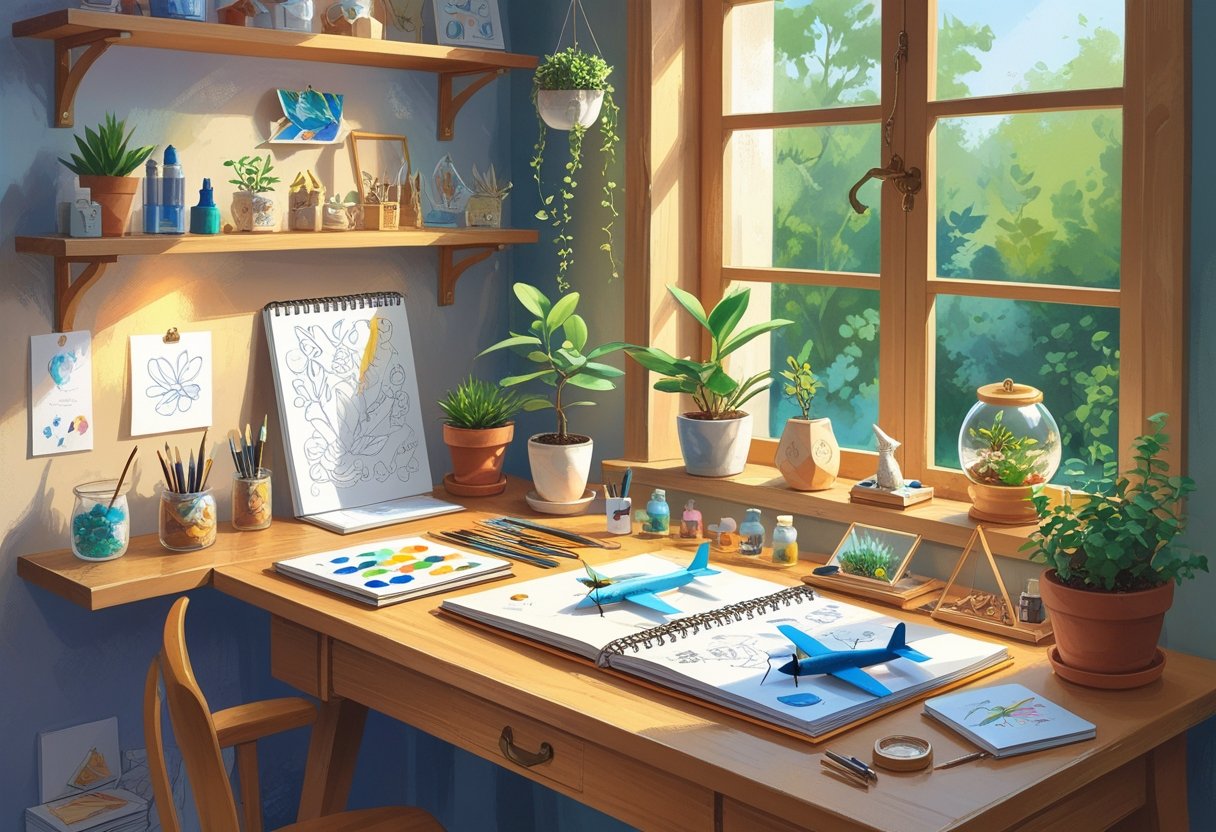
You need the right tools and a solid plan to make micro-hobbies work in your daily life. Success comes from knowing where to find activities, when to fit them in, and how to measure your growth.
Resources and Platforms
You can find micro-hobby ideas through dedicated websites like AtomicHobbies, which focuses specifically on bite-sized activities. Online platforms offer free tutorials, communities, and structured lessons for activities that take just minutes to learn.
Many hobbies can start for under $30, making them easy on your wallet. Look for activities that need minimal preparation and supplies you already own.
YouTube channels, mobile apps, and online forums provide step-by-step guidance for beginners. You can join Reddit communities, Discord servers, or Facebook groups dedicated to specific micro-hobbies. Public libraries offer free resources including books, magazines, and sometimes equipment you can borrow.
Local community centers and adult education programs often have short workshops perfect for trying new activities. Digital resources like Skillshare, Duolingo, or free podcasts let you learn at your own pace without leaving home.
Scheduling Tips
Block out specific times in your calendar for micro-hobbies, even if it’s just 10-15 minutes. Morning routines, lunch breaks, and evening wind-down periods work well for short activities.
Link your new hobby to existing habits. You might practice doodling while your coffee brews or listen to a language lesson during your commute. Brief 30-minute sessions can fit into almost any schedule.
Keep supplies easily accessible so you don’t waste time setting up. A small basket or drawer with your materials means you can start immediately when you have a free moment.
Use waiting time productively. You can work on micro-hobbies while waiting for appointments, during commercial breaks, or between other tasks. Your phone’s timer helps you stay focused without overcommitting.
Tracking Your Progress
Create a simple log to record when you practice your micro-hobby and what you accomplished. A basic notebook, spreadsheet, or phone app works perfectly for this purpose.
Take photos or videos of your work to see improvement over time. Visual records show progress that might not be obvious day-to-day.
Set small, measurable goals rather than vague intentions. Instead of “get better at drawing,” aim for “complete five sketches this week.” Track streaks to build consistency and motivation.
Use a habit tracker with checkboxes or a calendar where you mark off completed sessions. Many people find satisfaction in maintaining an unbroken chain of daily practice. Note how you feel after each session to understand which activities bring you the most joy or relaxation.