5 Best Books for People Who Love Quilting: Top Fiction and Non-Fiction Picks
Quilting is more than just a craft—it’s a way to connect with history, creativity, and community.
People have quilted for centuries, turning fabric scraps into blankets, art, and family heirlooms.
Whether you’re drawn to the practical side of patchwork or the stories behind each stitch, there’s a wealth of books out there to inspire your quilting journey.
Books about quilting come in many forms.
Some tell the stories of quilters and their communities.
Others teach techniques, patterns, and offer advice for both beginners and experienced quilters.
Fiction books can add warmth and meaning by weaving quilting into the plot.
Nonfiction guides help you grow your skills.
When you’re choosing a book about quilting, consider what you want most.
Do you want clear instructions and helpful pictures, or are you more interested in stories and history?
Look for books with good reviews, useful images, and clear writing, especially if you’re starting out.
Thinking about what matters to you will help you pick the right book.
We spent hours reading and reviewing quilting books to find five that offer the most value, guidance, and inspiration.
Best Books for People Who Love Quilting (Fiction & Non-Fiction)
If you enjoy quilting, you might also like reading books about it.
Here are some of the best quilting books, including both fiction and non-fiction, to inspire your creativity and deepen your love for quilting.
Quilting Adventures: Modern Quilt Blocks and Layouts

If you want to design your own quilts without worrying about math, this book offers clear guidance and creative options.
Pros
- Makes quilt math simple and accessible
- Encourages personal creativity and design
- Diagrams and layout ideas are easy to use
Cons
- May be challenging for total beginners
- Less focus on traditional patterns
- Some parts take time to understand
This book stands out for its step-by-step approach to modern quilt design.
You’ll enjoy the freedom to mix and match blocks and layouts, which lets you make something truly your own.
The directions take care of the numbers and measurements, so you can focus on the creative part.
Using this guide, you find plenty of block ideas and color inspiration.
The visuals and instructions are organized and clear, which makes following along simple.
If you’re seeking to break out of using only standard patterns and want more control over your quilting, this book offers helpful advice and inspiration.
It may require a little patience as you try out new designing methods, but the results give you more ownership of your finished quilts.
Sewing Suspicion: Cozy Mystery Book 1
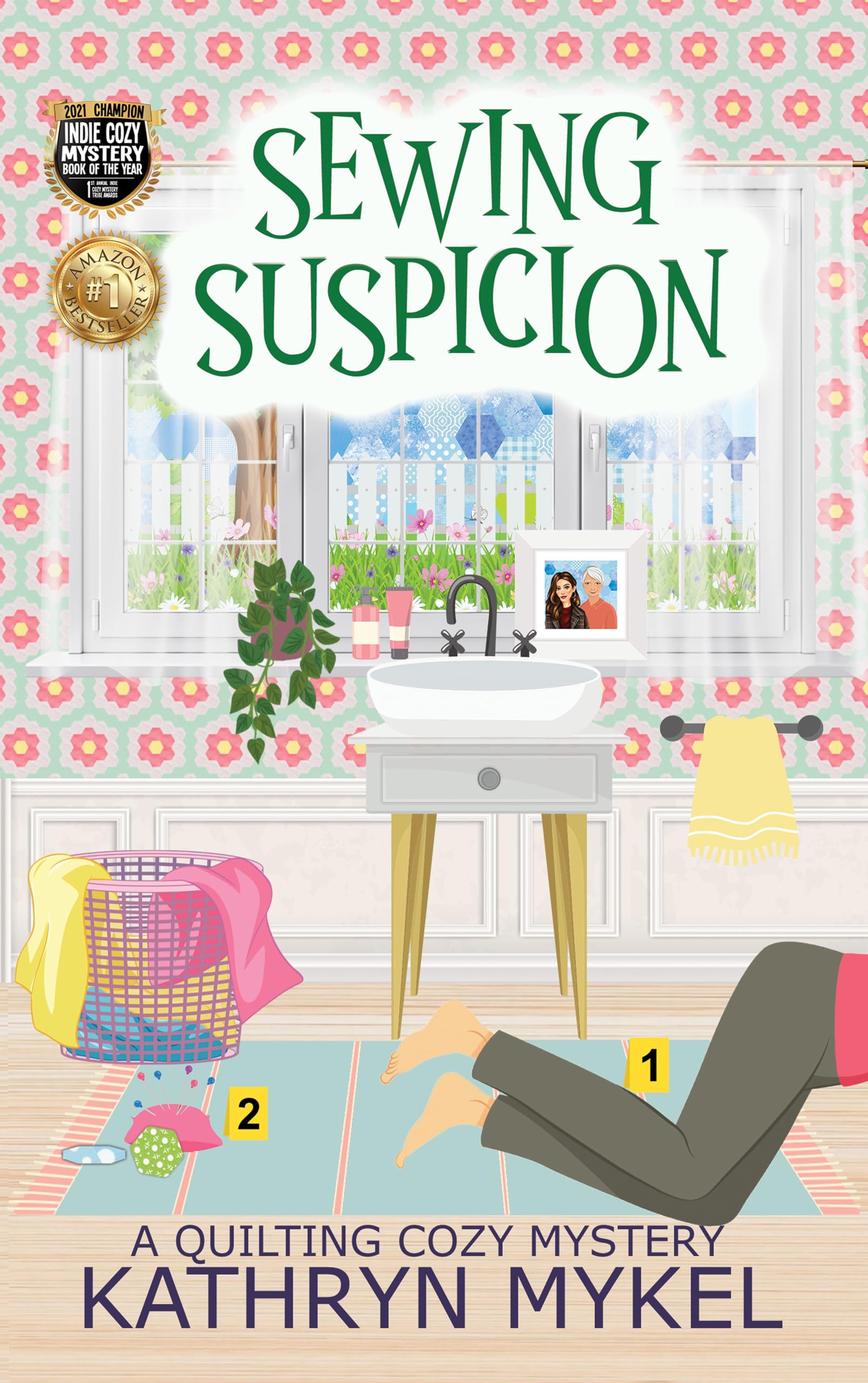
If you love a light mystery with plenty of quilting talk, this book is a great pick for your next read.
Pros
- Blends charming quilting details into a cozy, engaging story
- Includes distinct, colorful characters with believable friendships
- The mystery gives you real clues, so you can try to solve it yourself
Cons
- Some storylines are left open for the next book
- The main plot can feel predictable if you read many cozy mysteries
- Pacing may be slow for readers who prefer fast action
You’ll enjoy how this story does more than just talk about quilting; it makes the craft feel like part of the characters’ daily lives.
The main character, Alex, leaves her busy job behind and returns to her quiet hometown.
You get to see quilting groups act as a place where friendships grow and secrets are shared.
The book hits a nice balance: you spend time puzzling out the main mystery, but you also pick up fun details about patterns and the social side of quilting.
Even if you’re not a mystery expert, you’ll find enough clues along the way to stay interested until the end.
The focus on community feels very real, and the group of friends brings comfort, even with family drama in the background.
Quilting fans will be glad to see their hobby represented clearly, but you don’t need to be an expert to follow the story.
Some side plots are left open, so you might want to grab the next book if you need closure.
If you enjoy a soft, cozy read that gives you both mystery and crafting, Sewing Suspicion won’t disappoint.
Patchwork Connections

If you want a cozy mystery with quilting at its heart, Patchwork Connections is a pleasant and relaxing pick.
Pros
- Enjoyable characters you can relate to
- Light mystery with minimal violence or harsh language
- Strong sense of quilting community and friendships
Cons
- Some awkward editing and word choices can distract
- The mystery stays light and may feel superficial
- The plot develops slowly in some chapters
You’ll find that Patchwork Connections draws you in with a familiar, small-town atmosphere where quilting is as important as the characters themselves.
The relationships between the quilters feel genuine, giving you believable friendships and the warmth of a supportive group.
This book really stands out for the way it blends a mystery with slices of daily life.
The story never gets too heavy, making it just right for unwinding after a long day.
If you enjoy clean mysteries, you’ll appreciate the refreshing lack of foul language and graphic detail.
A few editing issues and slow moments in the story might make you pause, but the appealing cast and their quilt-inspired adventures keep you reading.
Patchwork Connections fits nicely into the quilting cozy genre, especially if you are looking for light, easy reading with a focus on crafting and community.
Quilting Through Life: Patterns and Stories
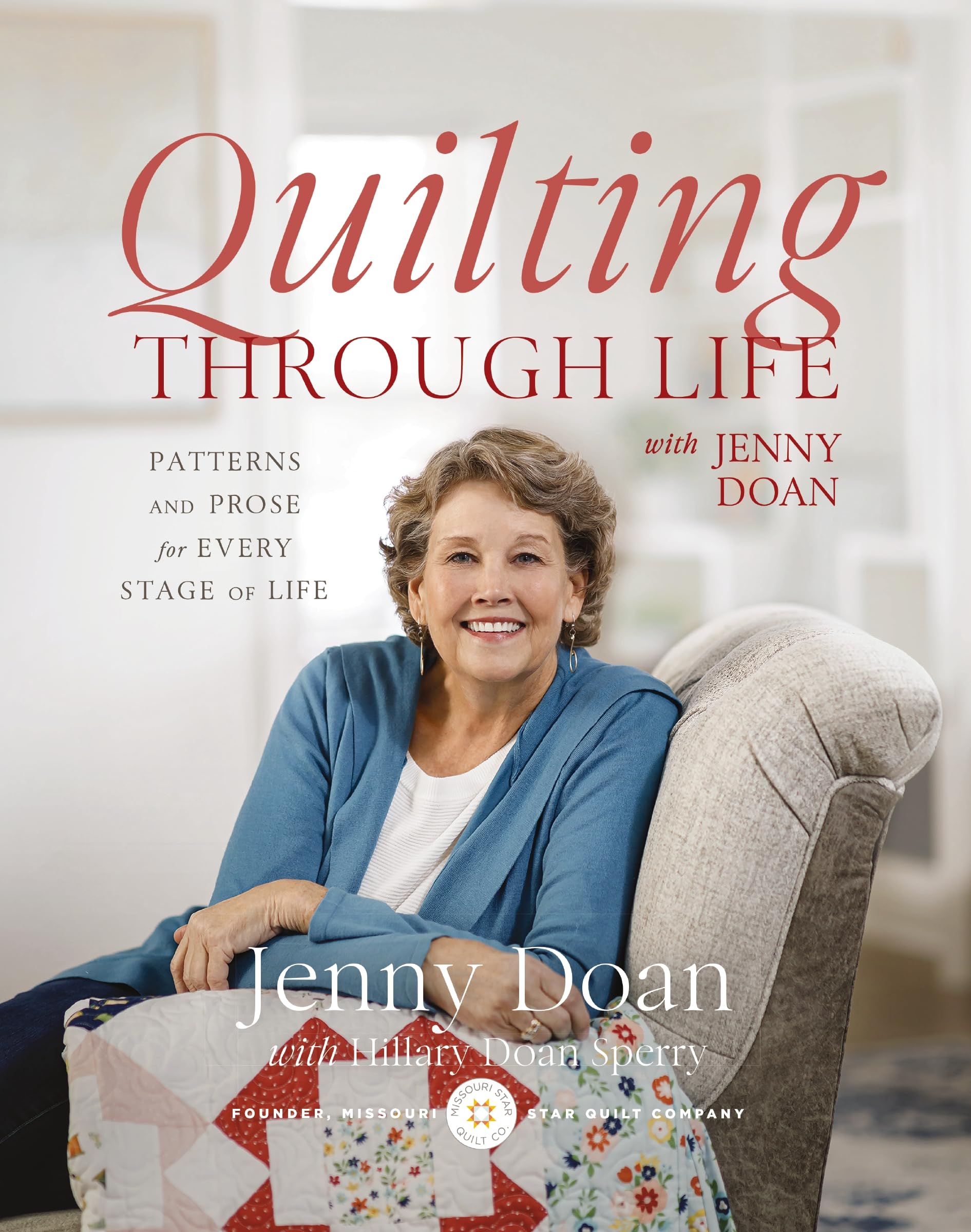
This book is a solid pick if you want a blend of heartfelt quilting stories and practical patterns, all put together in a format that’s easy to use.
Pros
- Strong mix of true stories and simple quilt patterns
- Spiral binding keeps pages open while you work
- Lots of clear, color photos for inspiration
Cons
- Focuses more on personal stories than advanced techniques
- Some patterns may be too easy for experienced quilters
- Book is a bit bulky to carry around
You get to enjoy Jenny Doan’s life stories while reading, and they dovetail nicely with the patterns she shares.
The writing feels honest, and it’s easy to connect with Jenny’s journey.
Having her advice, along with step-by-step instructions, makes it both a memoir and a guidebook.
The spiral-bound format is convenient when you’re trying to keep the book open at your sewing machine.
You also get a lot of large, full-color images, which makes it simple to see how the finished quilts will look.
The print quality stands out, and the book has a welcoming, down-to-earth style.
This book might not go deep into difficult quilting techniques, but it does deliver encouraging stories, clear patterns, and good advice.
If you’re looking for inspiration and approachable projects, you’ll find lots to like here.
Quilts from Tilda’s Studio

This book is a great pick if you want beautiful quilting projects that mix clear instructions with Tilda’s modern Scandinavian style.
Pros
- Lovely quilt and pillow patterns with easy-to-follow guidelines
- Modern designs and calm color choices give new inspiration
- High quality photos help you see every detail before you start
Cons
- Limited number of patterns compared to some bigger books
- Fabrics used in samples can be hard to find in stores
- Some projects may feel repetitive if you’ve used Tilda books before
When you open this book, the first thing you notice is how calm and inviting the patterns look.
Each project feels thoughtfully arranged, and the detailed instructions make it easy for you to get started, even if you are newer to quilting.
Illustrations are clear, so you won’t have to guess about steps or measurements.
The projects offer a mix of quilts and pillows.
The cat and bird quilt stands out and feels playful yet modern.
If you like pastel or soft color themes, these designs will fit right into your quilting style.
The book suggests certain Tilda fabrics, but you can still use your own choices if you want to personalize the results.
It might not have as many patterns as some collections, but each one feels carefully selected.
If you like trying new designs without confusion, this book belongs on your shelf.
Buying Guide
When picking a quilting book, think about your skill level.
Beginners may want clear instructions and lots of pictures.
If you’re more advanced, you might prefer books with unique designs or deeper history.
Consider the type of book you like.
Non-fiction books might teach techniques, give step-by-step guides, or tell stories about quilting traditions.
Fiction books might center around quilting groups or use quilts as a theme in the story.
Look for books with high-quality photos and diagrams.
These can make complex steps much easier to follow.
Check if the book has patterns or templates, especially if you want to make the exact quilts shown.
A table can help organize what to look for:
| Feature | Why It Matters |
|---|---|
| Clear Instructions | Easier to understand and follow |
| Full-Color Photos | Helps visualize quilts |
| Pattern Templates | Provides ready-to-use designs |
| Project Variety | Keeps things interesting |
| Historical Context | Adds depth for non-fiction fans |
Page count and book size can affect usability.
Thick books might be packed with info but harder to handle.
Smaller books are easy to bring with you, but may have limited content.
Check for reviews from other quilters.
Feedback can help you spot issues or find hidden gems.
Frequently Asked Questions
There are many quilting books that cover unique themes, techniques, and personal stories.
Some focus on fiction, while others give practical guidance or historical insights.
What fiction books beautifully incorporate quilting into their narratives?
You might enjoy The Quilter’s Apprentice by Jennifer Chiaverini. This novel weaves quilting projects and friendships together as central themes.
The Persian Pickle Club by Sandra Dallas is another strong pick. It highlights how quilting brings women together during tough times.
Can you recommend any non-fiction books that provide comprehensive guides on quilting techniques?
The Quilter’s Bible by Linda Clements is a detailed resource with step-by-step instructions and illustrations. It’s helpful for both beginners and more advanced quilters.
Quiltmaking by Hand by Jinny Beyer breaks down hand-quilting techniques and tools in a clear, organized way.
Which novels best depict the culture and community aspects of quilting?
The Friday Night Knitting Club by Kate Jacobs, while focused on knitting, has strong quilting connections. It shows how crafting forms communities.
Circle of Quilters by Jennifer Chiaverini shines a light on quilting’s role in friendship and local tradition.
Are there any autobiographies or memoirs by renowned quilters that are inspiring for quilting enthusiasts?
Why Quilts Matter: History, Art & Politics by Shelly Zegart shares stories and personal insights from her quilting journey.
Adventures in Patchwork by Lynne Edwards tells you about her quilting career, including challenges and creative moments.
What are the most educational books for mastering quilt patterns and designs?
The Quilter’s Academy series by Harriet Hargrave and Carrie Hargrave is structured like a curriculum. It covers design basics to advanced projects.
Modern Quilt Bible by Elizabeth Betts offers a wide range of patterns and step-by-step guides with clear photographs.
Could you suggest literature that explores the history and evolution of quilting?
American Quilts: The Democratic Art by Robert Shaw details the role of quilting in American history and society. It contains many photos and essays.
Uncoverings by the American Quilt Study Group features research articles about quilting’s past and evolution worldwide.