
10 Best Writing Hobbies to Boost Creativity and Skill
Writing is a skill that grows stronger when you step beyond your usual routine. By exploring different hobbies linked to writing, you can spark new ideas and sharpen your creativity.
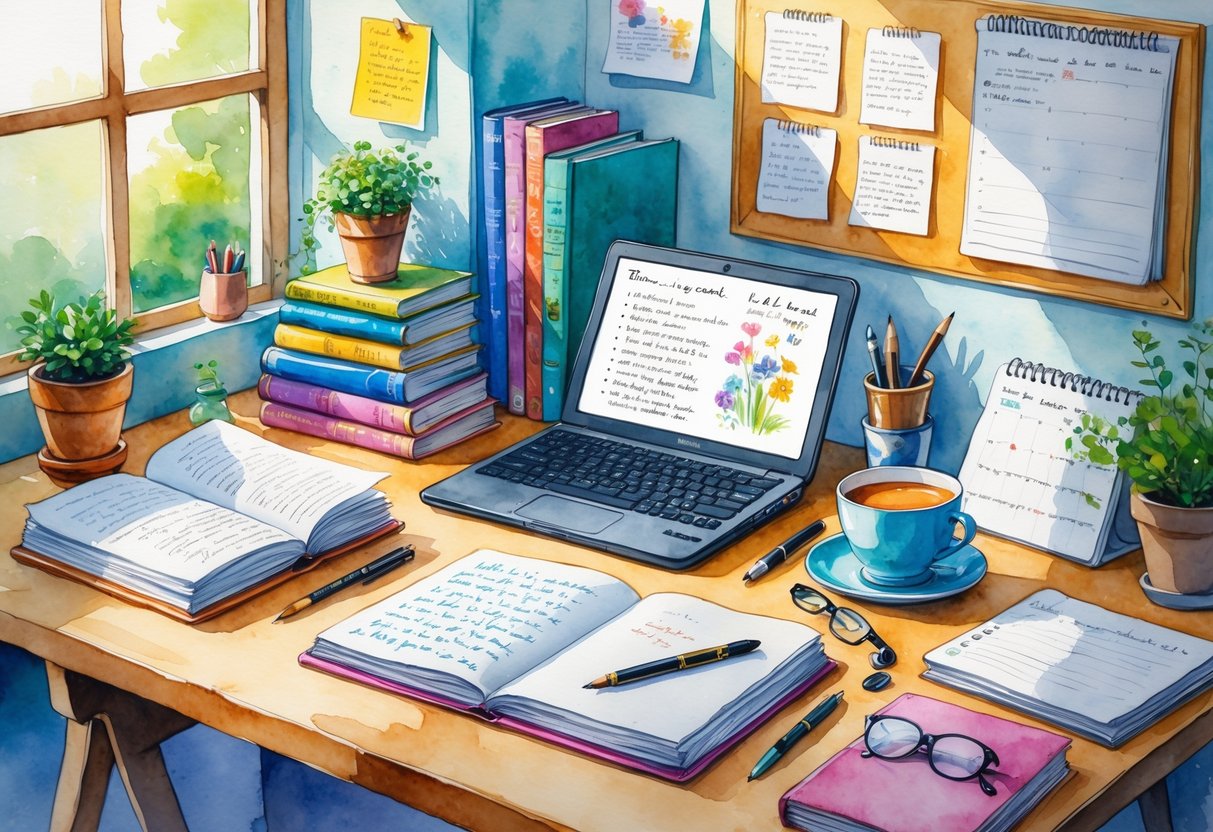
Trying out new writing activities not only improves your style but also makes the craft more enjoyable. These hobbies can help you find your unique voice and keep your work fresh.
1) Journaling daily reflections

Journaling daily reflections is a simple way to build a writing habit. It only takes a few minutes each day.
You can write about anything that happened, how you felt, or what you learned. Reflective journaling can help you organize your thoughts.
Writing things down lets you notice patterns, track progress, or even spot things you want to change. It also encourages you to pause and think about your day instead of rushing through it.
Many people use journal prompts for daily reflection to make the process easier. Prompts give you ideas on what to write about, such as what made you smile or what you are thankful for today.
Journaling can boost creativity. When you write, you have space to brainstorm, imagine, and explore new ideas.
Another benefit is that journaling is private. Only you decide what to share or keep to yourself.
There is no pressure to write perfectly or worry what others think. If you struggle with where to start, try setting a timer for five minutes and write whatever comes to mind.
Use a notebook, a phone app, or your computer—whatever is comfortable. Planning ahead in your journal can set you up for a more organized day.
Studies show that writing down your plans helps you start with clear intentions and avoid confusion in the morning. This simple habit may improve your self-awareness and personal growth.
By reflecting daily, you can see how you change over time. Even small notes will add up and become a valuable record of your experiences.
2) Creative short story writing

Creative short story writing is one of the most accessible ways to practice your storytelling skills. You can write stories that are just a few sentences or several pages long.
By shaping characters, settings, and events, you learn how to keep readers interested. Writing short stories helps you focus on structure.
You need to introduce ideas, build tension, and then wrap things up, all in a small space. This can make you better at getting your point across clearly and quickly.
You can experiment with different genres and styles when writing short stories. Try writing a mystery one day and a funny story the next.
Changing it up like this teaches you how to adapt your writing for different audiences. Short story writing lets you explore new ideas without a big time commitment.
It’s easier to see progress because you finish your work more often. This can keep you motivated and help you practice editing and rewriting.
Many writers start with short stories before moving to longer works like novels. It’s a great way to test your ideas and find out what kinds of stories you enjoy most.
Sharing your short stories with friends or online can also help you get useful feedback. You can even enter short story contests or submit your work to magazines.
These opportunities can give you deadlines and help push your creativity further. With so many resources and communities online, it’s easy to get started and improve your craft through creative short story writing.
3) Poetry composition

Writing poetry lets you express emotions, thoughts, and ideas in a creative way. You can use different forms like haikus, free verse, or rhyming couplets.
Poetry often helps you find new ways to play with language. When you try to write poems, you get to experiment with words and rhythms.
This process can help you notice sounds, patterns, and imagery in language. These skills make you more aware of how sentences flow and how words work together.
You don’t need special equipment or a large time commitment to start writing poetry. A pen and notebook—or even your phone—are enough.
You can write quick poems in a few minutes or spend more time on longer pieces. Regular poetry writing sharpens your observation skills.
It encourages you to notice feelings and details that you might usually ignore. Many writers also find that poetry helps lower stress and offers a sense of calm.
Joining a poetry group or sharing your poems with friends can build your confidence. Hearing feedback from others helps you improve your writing.
You can also connect with other poetry lovers in online forums or writing circles. Famous writers, like Sylvia Plath and Robert Frost, wrote poetry throughout their lives.
You might find that reading poems by other authors influences your style and introduces you to new techniques. If you’re interested in exploring more, you can check out a list of the best poems about hobbies and activities.
Poetry composition is a flexible writing hobby. You can fit it into any schedule and practice at your own pace.
Whether you write for yourself or share with others, poetry offers many benefits for your writing life.
4) Word-collecting and vocabulary building

Word-collecting is a simple habit that can help you improve your writing. When you notice a new or interesting word, write it down in a notebook or on your phone.
Doing this often can build your vocabulary over time. The more words you know, the easier it is to find the right word for what you want to say.
Having a strong vocabulary also lets you write with more style and detail. You won’t have to reuse the same words too often in your stories or essays.
You can collect words from books, websites, conversations, or even movies. Listen closely and look for words that stand out to you.
If you are unsure what a word means, look up the definition and write a short example sentence. Some writers keep a special notebook just for new words.
Others make digital lists or flashcards to help remember what they’ve learned. The method you choose is up to you, but the important part is to use these words in your own writing.
Building vocabulary can also include learning about roots, prefixes, and suffixes. These help you guess the meaning of words you haven’t seen before.
Over time, you’ll be able to read and write with more confidence. If you want more ideas on starting this hobby, you can check articles about word-collecting as a hobby for writers.
Even a few minutes each week spent on word lists can make you a better writer. Your goal isn’t just to know big words but to communicate more clearly.
By growing your vocabulary, you give yourself more ways to share your ideas.
5) Meditative gardening
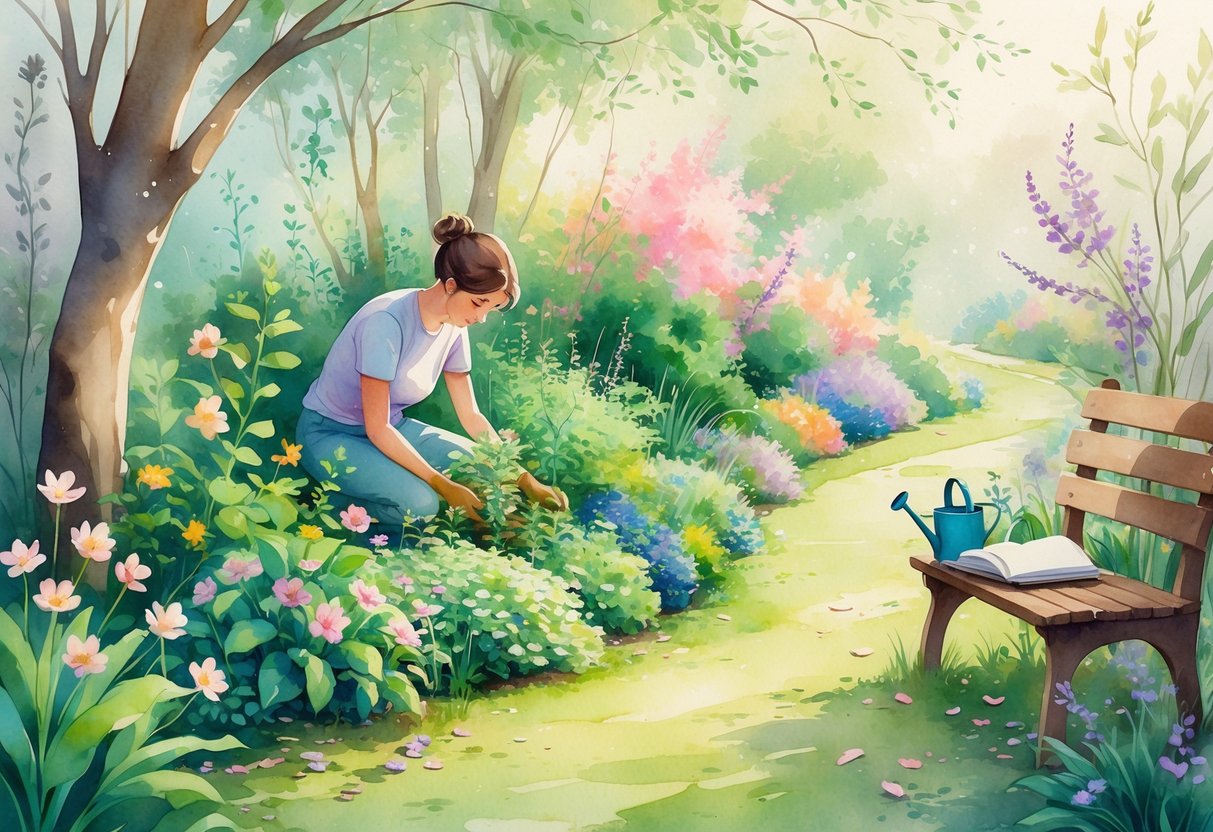
Meditative gardening is a writing hobby that helps you relax and reflect. Spending time with plants lets you slow down and focus on the present moment.
You might find that pulling weeds or planting seeds creates a quiet space for your thoughts. This calm setting can make it easier to come up with new ideas for your writing.
Gardening uses your senses—touch, smell, sight, and even hearing. These experiences can spark creative inspiration for stories, poems, or essays.
You may notice new details and feelings to include in your writing later. Taking care of a garden gives you a break from screens.
This time away can help clear your mind and renew your focus when you sit down to write again. Even a small indoor plant or windowsill garden is enough to start.
You do not need a large yard or lots of tools. You can grow herbs, flowers, or simple houseplants to get the benefits.
Studies have found that gardening can improve your mental health, reduce stress, and help you relax.
These results make it a great fit if you want to support your well-being while making time for your writing hobbies. Find more about these positive effects on mental health from this article about mindfulness hobbies.
Whether you keep a journal about your plants or write poems inspired by their growth, the time you spend gardening can turn into writing material. Your experiences in the garden can become stories, instructions, or even memoir pieces.
If you want a simple, meditative activity that helps your creativity, gardening is worth trying.
6) Scriptwriting for plays or videos

Scriptwriting lets you create stories for the stage or screen. You focus on dialogue, characters, and action.
This type of writing helps you think about how words sound and how scenes look when performed. You do not need to be a professional to get started.
Many people enjoy scriptwriting as a hobby. Scriptwriting can be as simple as writing a short play, a YouTube skit, or a scene for fun.
You can use basic tools like a notebook or a free online template. Learning the basics is not hard.
There are many resources online, such as books, courses, and even YouTube videos, to help you learn the craft of scriptwriting. Practice can strengthen your writing and creativity.
By working on scripts, you will improve your dialogue, pacing, and storytelling skills. You will also learn how to show rather than tell, which is useful for all types of writing.
Many writers join groups or workshops to share scripts and get feedback. Others write for local theaters or enter scriptwriting competitions.
Being part of a group can help you stay motivated and grow your skills. Even if you never see your work performed or produced, scriptwriting is rewarding.
It gives you a new way to explore your ideas. Writing scripts can help you see stories in a visual and active way.
If you want to try scriptwriting for fun, start small. Short scenes and simple characters are a good way to begin.
Over time, you may feel ready to take on bigger projects and longer scripts. Scriptwriting is open to anyone who enjoys telling stories.
It can make you a better, more flexible writer. If you want more advice, there are resources online that can guide you through the basics.
7) Flash fiction challenges

Flash fiction challenges are a great way to test your writing skills with stories under 1,000 words. You get to practice being creative while also learning to keep your writing short and focused.
Many flash fiction contests give you a specific word limit, topic, or prompt. These rules help you sharpen your ideas and express them clearly.
Working within these limits can actually boost your creativity. Some flash fiction challenges are friendly competitions online or in your local writing group.
Others are official contests open to writers from all over the world. Many of them even offer prizes, feedback, or opportunities to get published.
Participating in these challenges is a good way to practice writing quickly. Some contests, like the NYC Midnight Flash Fiction Challenge, give you only 24 hours to write your story from scratch.
This teaches you how to think fast and trust your ideas. If you want to find new contests to enter, you can look at lists of flash fiction competitions online.
Some sites also collect flash fiction contests worth entering, with information on deadlines, prizes, and entry fees. Whether you enjoy writing alone or sharing with others, flash fiction challenges offer a helpful way to sharpen your writing and discover new ideas.
You don’t need much time to join, so it’s easy to fit into your routine.
8) Travel writing and blogging

Travel writing and blogging lets you share your experiences from new places. You can describe what you see, taste, and feel during your trips.
Writing about your travels helps you practice storytelling. You choose what details to include and how to present events in a way that interests your readers.
When you blog about travel, you often use photos along with words. This makes your posts more engaging and helps people see the places you visit.
You do not need to go far from home to start. Writing about your own city or region can be just as meaningful.
It can help people discover local spots they might never notice. Keeping your travel writing personal is important.
You should write in your own voice and share your own thoughts, which brings out your unique perspective. This tip is often mentioned in guides like the best travel blog examples for students.
Blogging regularly builds your writing routine. The more you write, the better you get at organizing stories and editing your own work.
Travel blogging is also an opportunity to learn about other cultures and traditions. As you research destinations or people, you expand your worldview.
There are many kinds of travel writing. Some blogs focus on adventure, food, local history, or family trips.
You can choose topics that interest you most. You can find inspiration by reading successful travel blogs.
Looking at examples of strong travel blog writing will help you develop your style. As your skills grow, you may even discover new ways to earn from travel writing, like guest posting or working with travel websites.
9) Book reviewing and critique
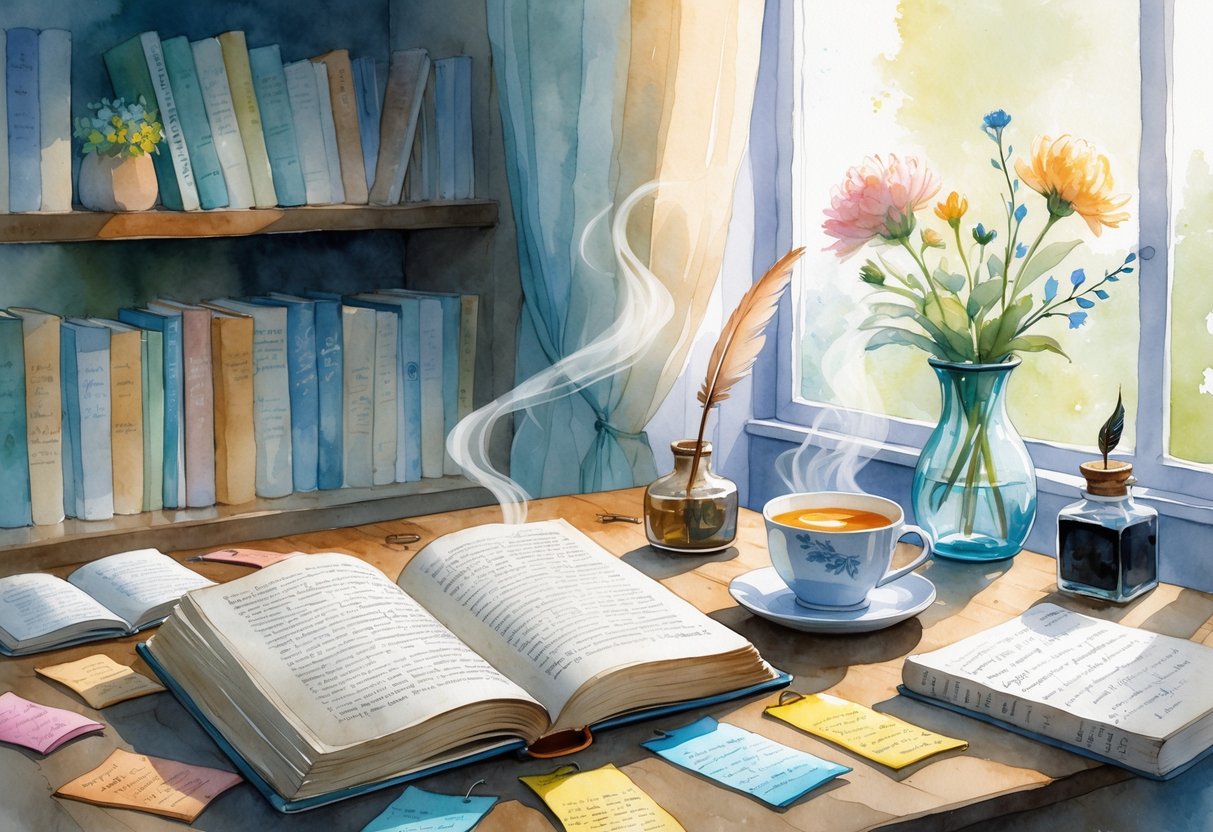
Book reviewing and critique is a hobby that helps you think deeply about what you read. When you review a book, you learn to spot what works and what does not work in a story.
This sharpens your attention to detail as a writer. Writing reviews teaches you to explain your ideas clearly.
You need to share your thoughts about the book so others can understand your view. Over time, this practice makes you better at expressing your own opinions.
Critiquing books also shows you different writing styles and techniques. By looking at the choices other writers make, you can find new ideas to try in your own work.
You may even spot common mistakes to avoid. Sharing your reviews online lets you talk to other readers and writers.
You get useful feedback and see how others reacted to the same story. Some people even join online book groups or book clubs for these discussions.
Writing book reviews builds your confidence with words. It gives you practice at writing often, which is important for anyone who wants to become a better writer.
You do not need to be an expert to start; what matters is sharing your honest thoughts. If you want to go further, you can try giving in-depth critique.
This means not just saying if you liked a book, but explaining why. Some people do this through personal blogs, while others write for websites about books or join critique circles.
If you are interested in learning more, you can explore hobbies for book lovers and writers at Literary Hobbies and 10 Best Hobbies for Writers.
10) Calligraphy and handwritten letters

If you enjoy making your writing look beautiful, calligraphy may be a rewarding hobby for you. In calligraphy, you use special pens or brushes to create letters with artistic shapes and styles.
Each script, whether Gothic, Copperplate, or modern calligraphy, has its own unique look and rules. Learning calligraphy helps you practice patience and focus.
You need to pay attention to each stroke, spacing, and angle. Over time, your handwriting can become more controlled and decorative.
Calligraphy is not just about art. You can use your skills to write handwritten letters, cards, or invitations.
A handwritten note in calligraphy feels special and adds a personal touch. Many people find writing letters by hand relaxing and enjoyable.
There are many ways to begin this hobby. You might start with simple supplies like a basic pen and paper.
If you want to try different styles, research scripts such as Gothic or modern calligraphy or try Asian calligraphy for something new. Practicing regularly is important if you want to improve.
Some people set aside time each day for short writing sessions. Taking photos of your work can also help you see your progress over time.
Calligraphy and handwritten letters allow you to share your creativity with others. You might enjoy exchanging notes with friends or making art for your home.
This hobby gives you a way to connect with others in a meaningful and creative way.
Benefits Of Writing Hobbies
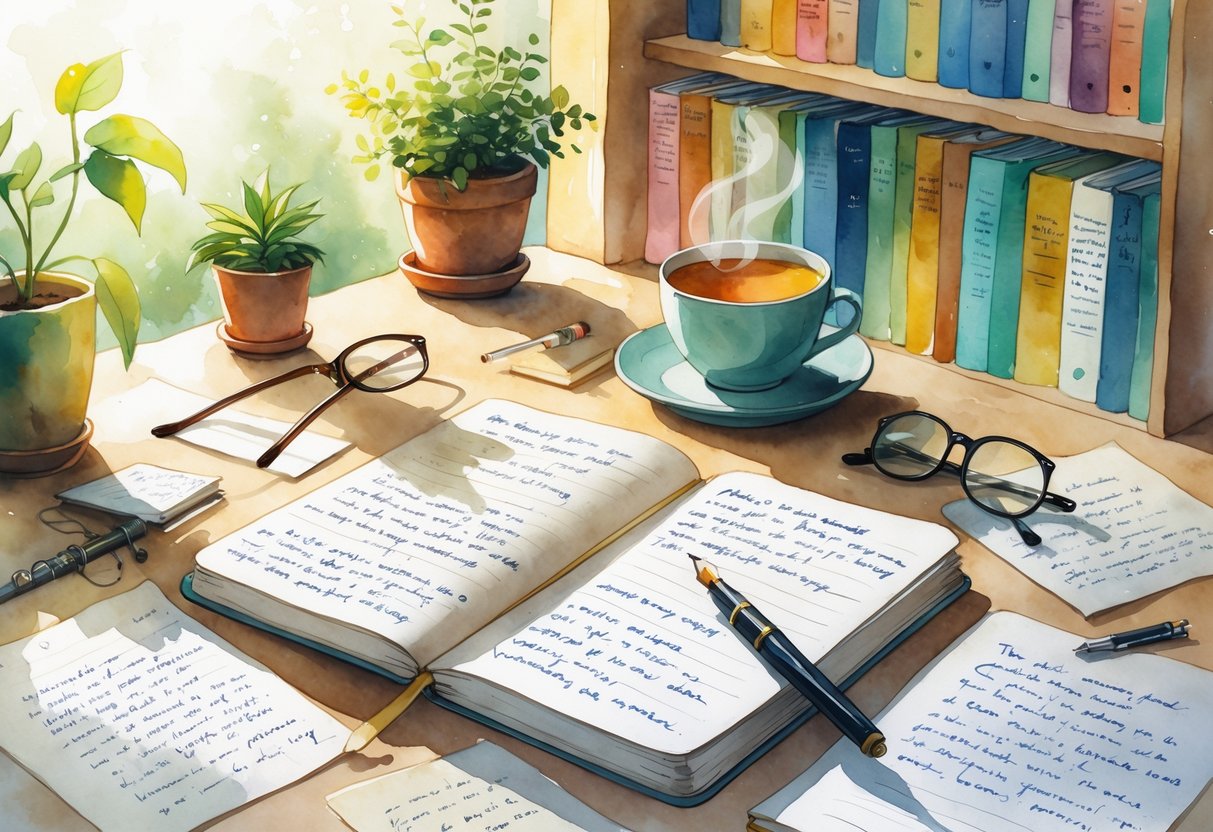
Exploring writing hobbies can help you think in new ways, deal with stress, and improve how you express your ideas. These activities often bring benefits that go beyond just writing itself.
Enhancing Creativity
Writing hobbies encourage you to create unique stories, characters, and ideas. They push you to look at situations from different points of view.
As you write poems, stories, or even journal entries, you stretch your imagination with each line. Trying various genres like fantasy, mystery, or nonfiction lets you experiment with new styles.
You can also use writing prompts to spark fresh ideas. These exercises train your brain to come up with creative solutions.
Over time, your ability to generate interesting ideas in your writing and in daily life becomes stronger. Many people find that regular writing makes it easier to brainstorm.
It’s a skill that helps you write school essays or think of solutions at work. If you want specific tips on creative writing hobbies, check this guide on creative outlets and writing hobbies.
Reducing Stress Through Writing
Writing about your thoughts and experiences helps you handle stress in a healthy way. Journaling, for example, lets you work through your feelings and make sense of what is happening in your life.
Putting your worries into words can help you gain perspective. Creative writing also provides an escape from daily challenges.
You might write short stories or poetry as a way to relax. This process gives you time alone with your thoughts and away from screens.
By focusing on writing, you can distract yourself from stress and feel more relaxed afterwards. Writing can be done anywhere and does not need special tools or huge blocks of time.
For many people, starting a simple writing hobby is enough to notice positive changes in mood. More information about how writing hobbies affect personal wellness can be found at HobbyFAQs.
Building Communication Skills
Practice is key to getting better at expressing yourself. Writing lets you choose the right words to explain your thoughts clearly.
This helps you both in school and in personal conversations. You learn how to organize your ideas so others understand you.
Sharing your writing, whether online or with friends, teaches you to accept feedback. Over time, you see which words and phrases connect best with readers.
This makes your writing stronger and your spoken communication better too. You also learn to adjust your tone and style for different audiences.
Whether you are writing an email, a story, or an argument for class, this skill is useful every day. For additional tips on how writing can support these skills, visit Hobbies Overview’s writing section.
How To Get Started With A Writing Hobby

You will need to set goals that match your schedule and stick to a routine to help you grow as a writer. Small steps can lead to big improvements when you approach writing with purpose and a plan.
Setting Realistic Writing Goals
Start by deciding what you want to achieve with your writing. You might want to finish a short story, write a daily journal, or build up a blog.
Set clear, simple goals that match your current skills and available time. For example, you could aim to write for 10 minutes each day or finish a page every weekend.
Use a checklist or a progress tracker to see how far you have come. Celebrate small wins, such as completing your first draft or reaching your word count for the week.
Remember, writing as a hobby is more enjoyable if your goals do not overwhelm you. If you find your targets too hard, adjust them so you can keep going without stress.
This way, you are more likely to stay motivated and build good writing habits.
Finding Time For Consistent Practice
Look for open spaces in your daily routine where you can fit in writing. Early morning, lunch breaks, or before bed are good options for short writing sessions.
Try blocking out a set time each day and make it a habit. You could put your writing time in your calendar or set a reminder on your phone.
Even 10 to 15 minutes at a time can add up over the week. Remove distractions during your writing sessions to help you focus.
Turn off notifications and let others know you need quiet time. Finding a regular schedule makes it easier to stick with writing as a hobby and see real progress over time.
Frequently Asked Questions
Journaling, poetry, and creative storytelling are strong ways to build writing skills and boost creativity. Hobbies such as vocabulary collecting and meditative gardening also help you grow as a writer and broaden your interests.
What hobbies are best for aspiring writers to develop their skills?
Daily journaling helps you practice writing and reflect on your life. Creative short story writing lets you explore characters and plot, which sharpens your storytelling.
Poetry challenges your word choice and rhythm. Expanding your vocabulary by collecting new words is another supportive activity.
Find more ideas at 10 Best Hobbies for Writers and 10 Hobbies That Will Make You A Better Writer.
Which beginner-friendly writing hobbies can enhance creativity?
Journaling is one of the easiest ways to get started. You only need a notebook and pen.
Writing short poems can be simple and rewarding, sparking new ways of thinking. Short story writing offers an easy entry point for trying out new ideas.
Even meditative gardening can inspire creativity by giving your mind space to wander.
Can you provide examples of hobbies that involve writing?
Popular hobbies include journaling, creative short story writing, and poetry composition. Blogging is another common writing hobby, especially for those who like sharing ideas online.
Writing flash fiction or collecting favorite words are other enjoyable options. Each of these hobbies can be practiced at your own pace.
See more on the wide range of writing hobby ideas.
What hobbies should writers list on their resumes for the best impact?
Consider listing hobbies that show skill development and commitment, like regular journaling and blogging. If you write poetry or short stories and have any publications, include that detail.
Sharing that you collect words or participate in writing groups may also reflect creativity and a willingness to learn. Employers often value hobbies that connect to communication and self-improvement.
How can writing as a hobby benefit personal growth and professional development?
Journaling boosts self-awareness and emotional intelligence. Creative writing improves focus, grammar, and the ability to express thoughts clearly.
Writing regularly can also help expand your vocabulary and strengthen problem-solving skills. These abilities are valuable in many careers and encourage lifelong learning, as seen in hobbies that build knowledge.
What are some recommended hobbies for writers seeking to expand their interests?
Writers may enjoy meditative gardening or drawing, which spark inspiration for new writing projects. Learning a new language supports better word use and wider perspectives.
Trying new writing forms, such as scripts or memoirs, keeps your routine fresh. Strategy games and puzzles are also good for building skills and stretching your mind.