
10 New Year Hobbies to Kickstart Your Resolutions: Expert-Backed Activities That Actually Stick
The start of a new year presents the perfect opportunity to explore fresh interests and develop meaningful skills that align with your personal goals. Many people struggle to maintain their New Year’s resolutions because they focus solely on eliminating bad habits rather than adding enriching activities to their lives.

Adding the right hobby to your routine can transform your resolutions from temporary changes into lasting lifestyle improvements. Whether you want to boost your creativity, improve your health, or learn valuable new skills, the right hobby provides structure and enjoyment that makes goal achievement feel natural rather than forced.
The key to success lies in selecting hobbies that complement your existing lifestyle while challenging you to grow in areas that matter most. New hobbies serve as gateways to learning new skills and discovering hidden talents while providing sustainable alternatives to typical resolution approaches that often fail within weeks.
Key Takeaways
- Select hobbies that naturally support your broader life goals rather than treating them as separate activities
- Focus on activities that offer both immediate enjoyment and long-term skill development to maintain motivation
- Build sustainable practices by choosing hobbies that fit your schedule and gradually increase in complexity over time
Choosing Hobbies That Align With Your Resolutions
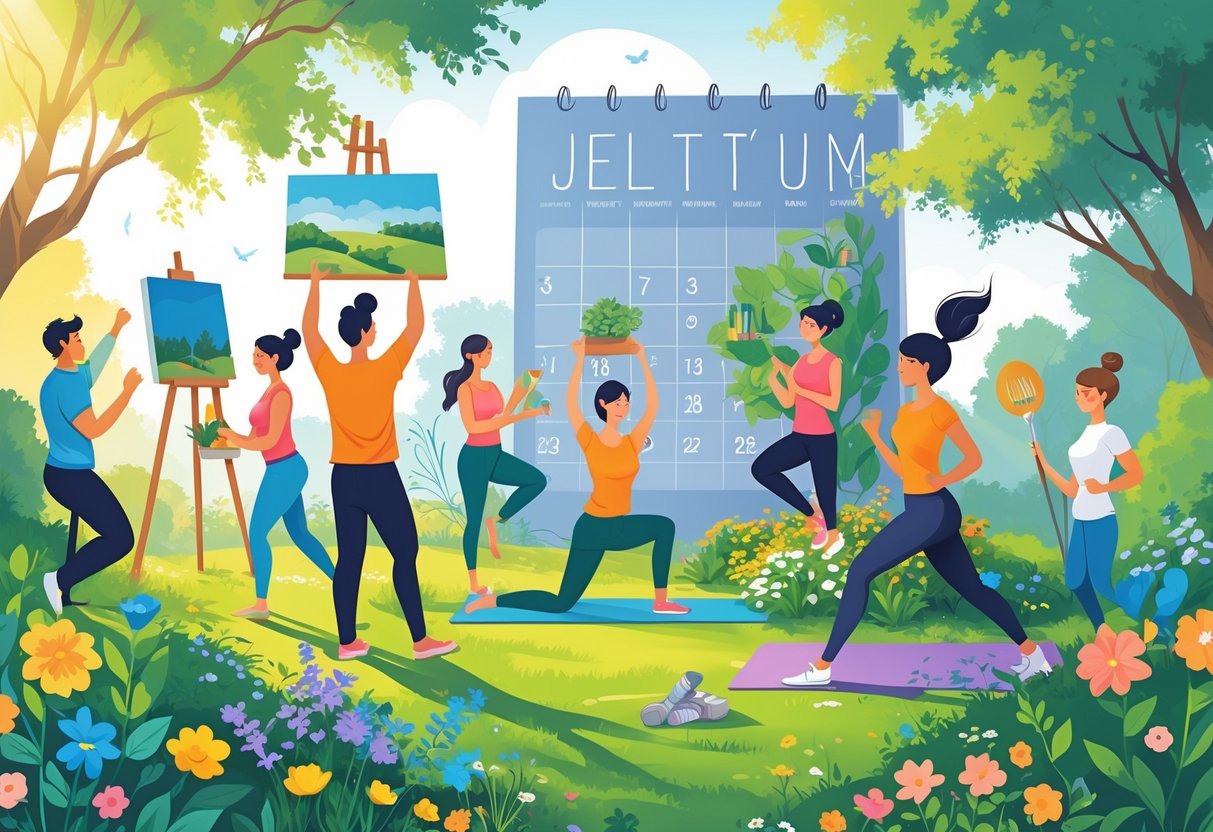
Successful hobby selection requires matching your personal objectives with activities that deliver measurable results. The key lies in identifying specific goals, selecting hobbies that produce desired outcomes, and finding the right balance between enjoyment and sustainable commitment.
Identifying Personal Goals
Start by writing down three specific areas you want to improve in the coming year. Common resolution categories include physical health, mental wellness, creativity, social connections, and skill development.
Be precise about what success looks like. Instead of “get healthier,” define goals like “lose 20 pounds” or “reduce stress levels.” Instead of “be more creative,” specify “learn a new artistic skill” or “create something tangible each month.”
Physical Goals:
- Weight loss or fitness improvement
- Better sleep patterns
- Increased energy levels
Mental Wellness Goals:
- Stress reduction
- Improved focus
- Enhanced mindfulness
Skill Development Goals:
- Learning new languages
- Technical abilities
- Creative expression
Consider your current lifestyle constraints. Factor in available time, budget limitations, and existing commitments when setting realistic expectations.
Matching Hobbies to Desired Outcomes
Different hobbies produce specific benefits that align with particular resolution types. Creative hobbies can serve as gateways to learning new skills and discovering hidden talents.
For Fitness Resolutions:
- Rock climbing builds strength and problem-solving skills
- Dance classes combine cardio with social interaction
- Hiking offers outdoor exercise plus mental health benefits
For Stress Relief:
- Gardening provides meditative focus and tangible results
- Knitting delivers repetitive, calming motion
- Pottery combines creativity with mindfulness
For Social Connection:
- Book clubs encourage regular interaction around shared interests
- Team sports create accountability and friendship
- Cooking classes combine skill-building with social engagement
For Learning Goals:
- Language apps paired with conversation groups
- Online courses with practical application projects
- Musical instruments that offer measurable progress markers
Research shows that hobbies offer freedom, excitement, and relaxation without the pressure of long-term commitments.
Balancing Enjoyment and Commitment
Choose hobbies that feel enjoyable rather than obligatory. The best resolution-supporting activities don’t feel like work or additional pressure on your schedule.
Start with low-commitment options to test your interest level. Try single classes, short-term workshops, or activities you can do with equipment you already own.
Time Investment Guidelines:
- Beginner hobbies: 2-4 hours per week
- Skill-building activities: 5-7 hours per week
- Intensive pursuits: 8+ hours per week
Build in flexibility for busy periods. Select hobbies you can pause and resume without losing significant progress or momentum.
Consider seasonal variations in your schedule and energy levels. Indoor hobbies work better during busy work periods, while outdoor activities might align with vacation time or weekends.
Track your engagement levels weekly. If a hobby feels forced or creates additional stress after a month, it’s not serving your resolution goals effectively.
Creative Pursuits for Personal Growth
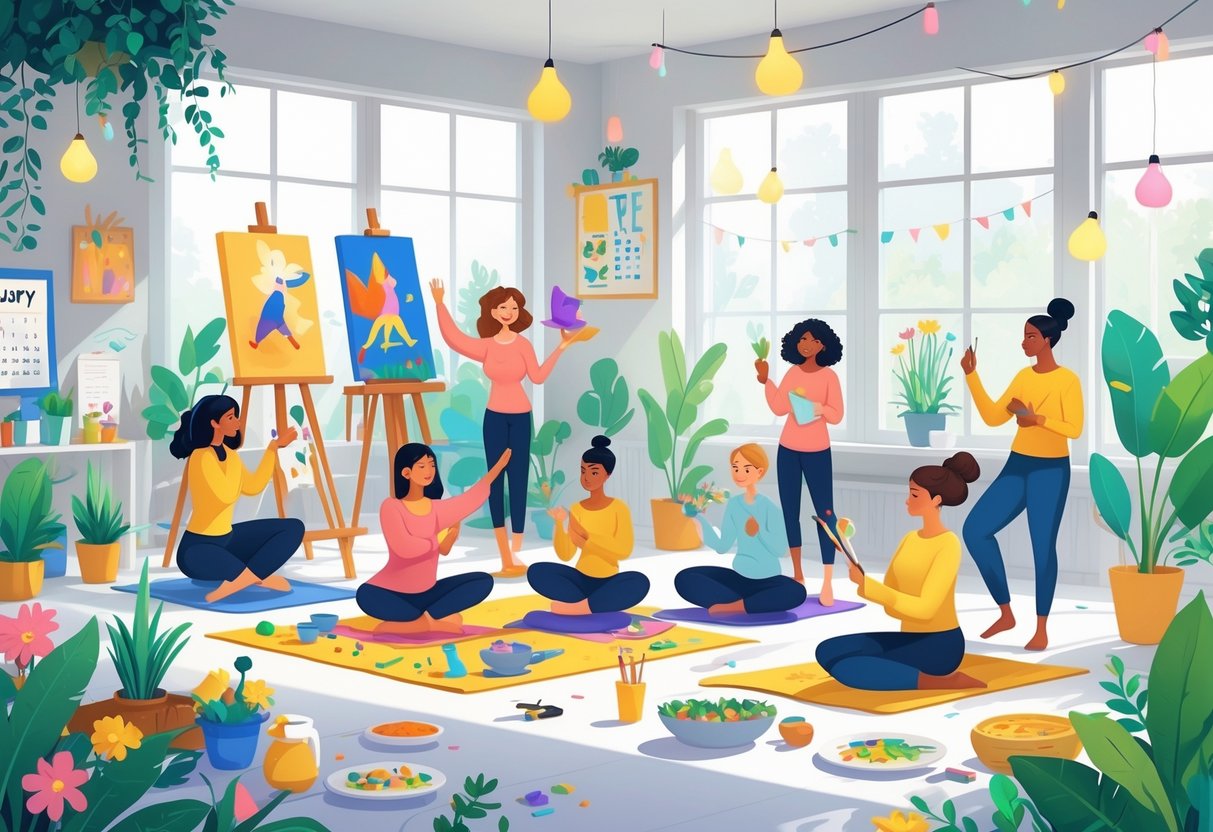
Creative activities activate different areas of your brain while building tangible skills you can develop over time. These hobbies provide opportunities for self-expression, self-discovery, and self-improvement through hands-on learning and artistic exploration.
Learning to Paint or Draw
Drawing and painting develop your observation skills and hand-eye coordination. You can start with basic supplies like pencils, paper, and watercolor sets that cost under $30.
Benefits of visual art include:
- Improved focus and concentration
- Enhanced problem-solving abilities
- Stress reduction through mindful creation
- Development of spatial awareness
Begin with simple subjects like still life objects or basic shapes. Practice for 15-20 minutes daily to build muscle memory and technique.
Online tutorials and local community classes provide structured learning paths. Apps like Procreate for digital art or traditional sketchbooks both work well for beginners.
Set realistic goals like completing one small drawing per week. Track your progress by dating your work and reviewing older pieces to see improvement over time.
Embracing Digital Photography
Photography teaches you to see the world differently while documenting meaningful moments. Modern smartphones have capable cameras that let you start immediately without additional equipment.
Learn the rule of thirds by dividing your frame into nine sections and placing subjects along these lines. This creates more balanced and visually appealing compositions.
Practice different techniques like:
- Golden hour lighting (first hour after sunrise, last hour before sunset)
- Leading lines that guide the viewer’s eye through the image
- Depth of field to blur backgrounds and highlight subjects
Take photos daily, even of ordinary objects around your home. Focus on lighting, angles, and composition rather than exotic locations.
Free editing apps like VSCO or Lightroom Mobile help you enhance your images. Learn basic adjustments like exposure, contrast, and color temperature to improve your photos.
Starting a Journal or Blog
Writing regularly improves your communication skills and helps process thoughts and experiences. You can start with just five minutes of writing each morning or evening.
Journaling formats to try:
- Gratitude journals focusing on three positive things daily
- Stream of consciousness writing without editing or stopping
- Prompt-based entries using questions or themes
- Goal tracking to monitor progress on personal objectives
For blogging, choose platforms like WordPress, Medium, or Substack based on your technical comfort level. Write about topics you genuinely care about rather than what you think others want to read.
Set a consistent schedule like writing 200 words three times per week. This builds the habit without overwhelming your schedule.
Both journaling and blogging create permanent records of your thoughts and growth over time. Review older entries to see how your perspectives and writing style have evolved.
Health-Focused Hobbies To Energize Your Year
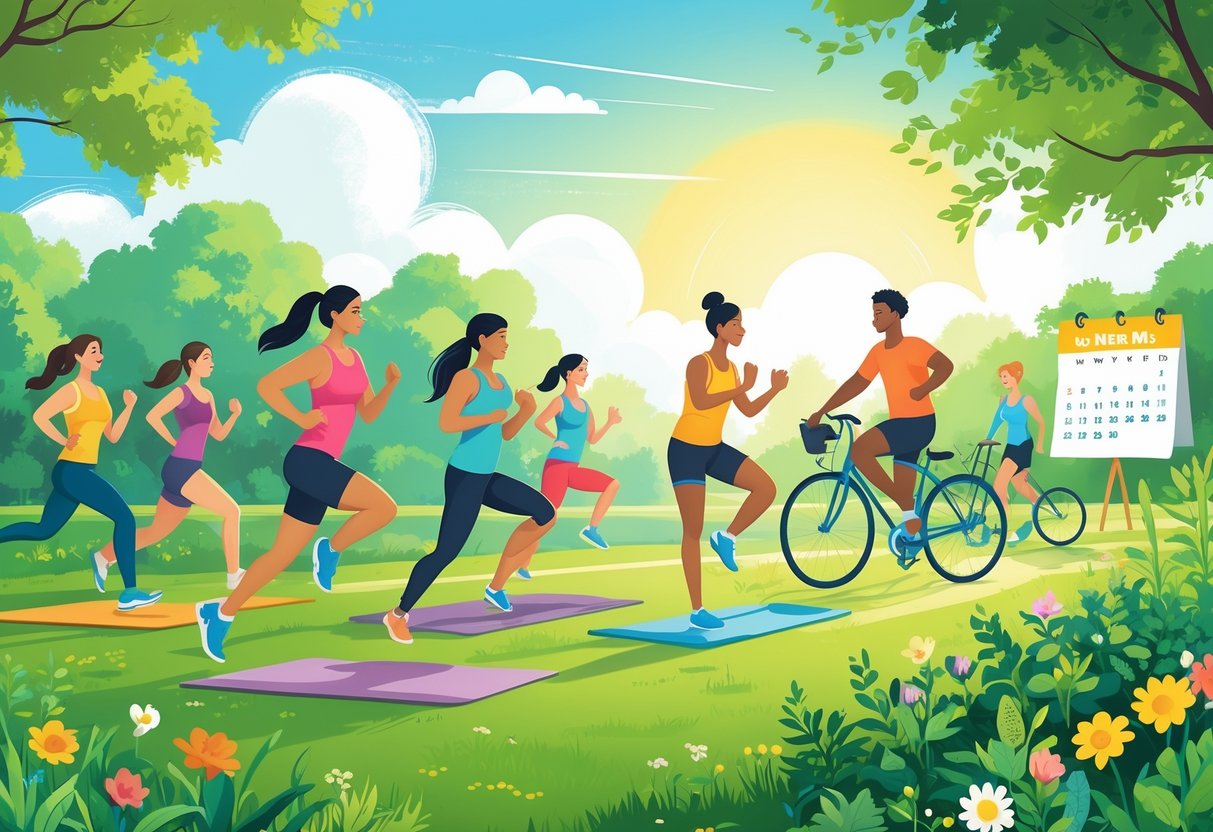
Physical wellness activities can transform your daily routine and boost your energy levels throughout the year. Research shows that hobbies can reduce stress and increase happiness while improving your physical health.
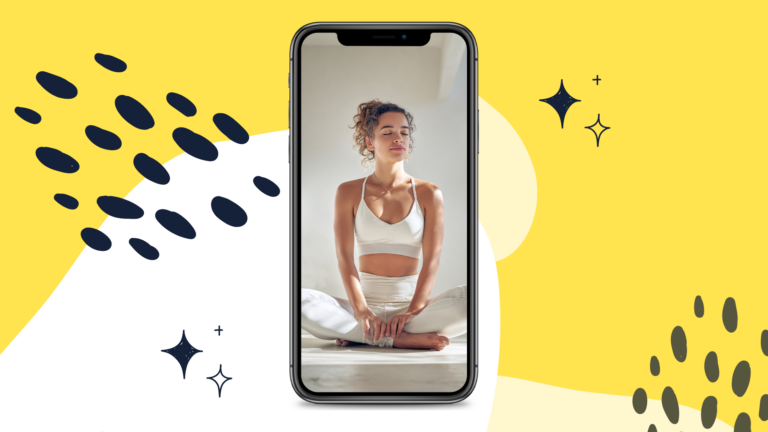
Adopting a Regular Yoga Practice
Yoga combines physical movement, breathing techniques, and mindfulness into one comprehensive practice. You can start with just 15-20 minutes daily and gradually increase your session length as you build strength and flexibility.
Benefits of Regular Yoga:
- Improved flexibility and balance
- Reduced stress and anxiety
- Better sleep quality
- Enhanced core strength
Most communities offer beginner-friendly classes at studios, community centers, or gyms. Online platforms provide guided sessions you can follow from home at your own pace.
You’ll need minimal equipment to begin – just a yoga mat and comfortable clothing. Focus on proper alignment rather than advanced poses when starting out.
Popular beginner styles include Hatha yoga for gentle movements and Vinyasa for flowing sequences. Both styles help you develop foundational skills while building physical strength.
Joining a Running Club
Running clubs provide structured training plans and social support to help you maintain consistency. Most clubs welcome beginners and offer different pace groups to match your current fitness level.
You’ll typically find clubs through local running stores, community centers, or online platforms like Meetup. Many groups meet 2-3 times per week for organized runs and training sessions.
Club Benefits:
- Motivation: Group accountability keeps you committed
- Safety: Running with others provides security, especially during early morning or evening runs
- Coaching: Experienced runners share techniques and training advice
- Social Connection: Build friendships with like-minded individuals
Start with a couch-to-5K program if you’re new to running. This gradual approach prevents injury while building your cardiovascular endurance over 8-10 weeks.
Most running clubs participate in local races and charity events. These goals give you specific targets to work toward while supporting community causes.
Skill-Building Activities for Lifelong Learning
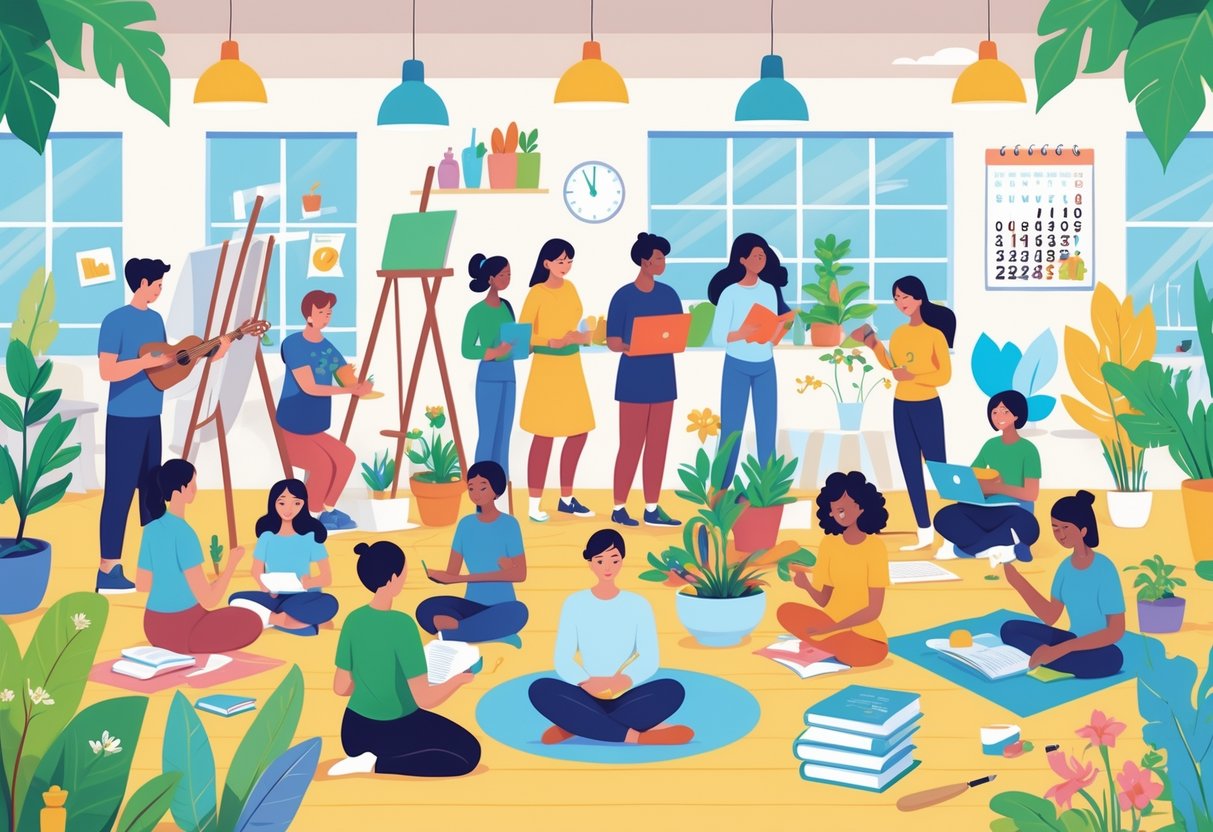
Learning new skills through hobbies transforms your brain while building practical abilities. These activities create neural pathways that enhance cognitive function and provide tangible results you can use daily.
Mastering a New Language
Language learning ranks among the most powerful cognitive exercises available. Your brain develops new neural connections while you acquire practical communication skills.
Popular Language Learning Methods:
- Mobile apps (Duolingo, Babbel, Rosetta Stone)
- Online tutoring platforms (iTalki, Preply)
- Community college courses
- Language exchange partnerships
Start with 15-20 minutes daily using spaced repetition techniques. Focus on high-frequency vocabulary first – the 1,000 most common words cover 80% of everyday conversations.
Immersion techniques accelerate progress significantly. Change your phone settings to your target language. Watch Netflix shows with subtitles in that language. Listen to podcasts during commutes.
Track progress using measurable goals. Aim to hold a 5-minute conversation within 3 months. Set vocabulary targets like 50 new words monthly.
Exploring Cooking or Baking
Cooking combines chemistry, creativity, and cultural exploration into one practical skill. You develop precision, timing, and ingredient knowledge while creating meals.
Essential cooking skills to master:
- Knife techniques and food safety
- Understanding heat levels and cooking methods
- Flavor balancing (salt, acid, fat, heat)
- Basic mother sauces
Begin with simple recipes requiring 5-7 ingredients. Master scrambled eggs, roasted vegetables, and basic pasta dishes before advancing to complex techniques.
Baking demands mathematical precision and teaches you about chemical reactions. Measuring ingredients by weight produces consistent results. Understanding gluten development, leavening agents, and temperature control creates better outcomes.
Document your experiments in a cooking journal. Note modifications, failures, and successes. This practice develops problem-solving skills and recipe adaptation abilities.
Taking Up Musical Instruments
Musical training creates lasting changes in brain structure and enhances memory, coordination, and emotional expression. Adults can successfully learn instruments at any age.
Beginner-friendly instruments include:
- Ukulele (4 strings, simple chords)
- Keyboard/piano (visual layout aids learning)
- Guitar (versatile, portable)
- Harmonica (inexpensive, compact)
Practice consistently for 20-30 minutes daily rather than long weekend sessions. Your muscle memory develops through repetition, not marathon practice periods.
Digital tools enhance learning significantly. YouTube tutorials, apps like Simply Piano, and online metronomes provide structured guidance. Many platforms offer progressive lessons tailored to your skill level.
Set specific milestones like learning one new song monthly. Focus on proper technique early to avoid developing bad habits that require correction later.
Mindfulness and Well-Being Hobbies
Mental wellness hobbies reduce stress while building emotional resilience through focused activities. These practices create daily anchors for peace and purpose in your routine.
Practicing Meditation
Daily mindfulness practice for 5-10 minutes can significantly improve mental clarity and reduce anxiety. You can start with basic breathing techniques or guided apps.
Popular meditation styles include:
- Breath awareness – Focus on inhaling and exhaling patterns
- Body scanning – Notice physical sensations from head to toe
- Walking meditation – Combine movement with mindful attention
- Loving-kindness – Send positive thoughts to yourself and others
Set up a quiet space with a cushion or chair. Choose the same time each day to build consistency.
Morning sessions prepare your mind for daily challenges. Evening practice helps process the day’s events and promotes better sleep quality.
Exploring Gardening
Gardening combines physical activity with meditative focus. You work with soil, seeds, and growing cycles that naturally slow your pace.
Indoor herb gardens require minimal space and provide fresh ingredients. Basil, mint, and rosemary grow well in kitchen windows with adequate sunlight.
Outdoor vegetable gardens offer larger projects and seasonal variety. Tomatoes, lettuce, and peppers give tangible results from your efforts.
Essential gardening supplies:
- Quality soil and compost
- Basic hand tools (trowel, pruners, watering can)
- Seeds or starter plants
- Containers or garden bed space
The repetitive actions of watering, weeding, and harvesting create natural meditation moments. Watching plants grow provides a sense of accomplishment and connection to natural cycles.
Volunteering in the Community
Community service creates purpose beyond personal goals. Hobbies that help others boost mental health through meaningful social connections.
Local food banks need regular volunteers for sorting and distribution. Animal shelters require help with feeding, cleaning, and socializing pets.
Weekly volunteer opportunities:
- Tutoring – Help students with reading or math skills
- Senior centers – Assist with activities or companionship visits
- Environmental cleanup – Join park or beach restoration projects
- Homeless shelters – Serve meals or organize donations
Choose causes that align with your values and interests. Start with 2-3 hours per week to build a sustainable routine.
The social interaction and sense of contribution provide natural mood benefits. You develop new skills while making a measurable difference in your community.
Adventure and Outdoor Recreation
Outdoor activities offer immediate physical benefits while building skills that last throughout the year. These hobbies connect you with nature and provide measurable fitness improvements that support other resolution goals.
Hiking and Nature Exploration
Hiking requires minimal initial investment and adapts to any fitness level. You can start with local trails under two miles and gradually increase distance and difficulty.
Most beginners need basic hiking boots, a daypack, and water bottles. Trail apps like AllTrails help locate nearby paths with difficulty ratings and user reviews.
Weekly hiking schedule for beginners:
- Week 1-2: 1-mile flat trails, 2 times per week
- Week 3-4: 2-mile trails with slight elevation, 2-3 times per week
- Week 5-8: 3-4 mile trails with moderate hills, 3 times per week
Nature photography enhances hiking experiences while creating lasting memories. Bird watching adds educational value and helps develop observation skills during trail time.
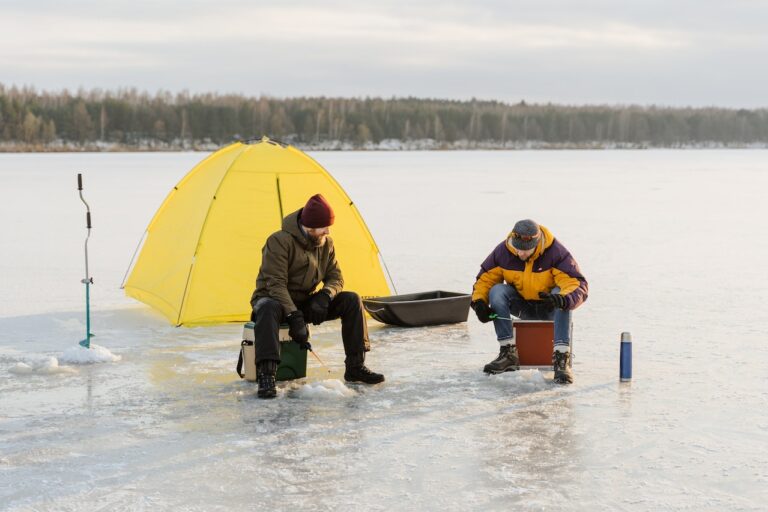
Outdoor enthusiasts often set goals to explore new landscapes and improve their wilderness skills. Winter hiking expands your season but requires additional gear like microspikes and warm layers.
Trying Water Sports
Water sports provide full-body workouts while teaching new technical skills. Swimming, kayaking, and paddleboarding work different muscle groups than land-based activities.
Kayaking offers the lowest barrier to entry among paddle sports. Many locations rent equipment and provide basic instruction for $30-60 per session.
Essential water sport safety equipment:
- Personal flotation device (required by law in most areas)
- Whistle for emergency signaling
- Waterproof phone case for navigation and emergencies
- Sun protection including hat and sunscreen
Paddleboarding builds core strength and balance while remaining accessible to most fitness levels. Calm lakes and slow-moving rivers provide ideal learning conditions.
Adventure resolutions often include trying new water-based activities alongside traditional outdoor pursuits. Indoor climbing walls help build strength during off-season months when water activities become limited.
Sustaining Your New Hobbies Throughout the Year
The key to maintaining your new hobbies lies in breaking them into manageable steps, connecting with others who share your interests, and monitoring your development consistently. These strategies help transform initial enthusiasm into lasting habits that stick beyond the first few months.
Setting Achievable Milestones
Start by dividing your hobby goals into weekly and monthly targets. If you’re learning photography, aim to take 20 photos each week rather than setting a vague goal to “get better at photography.”
Create specific benchmarks that you can measure. For pottery, this might mean completing one piece per month or mastering a particular technique every six weeks.
Monthly Milestone Examples:
- Photography: Master one new camera setting
- Cooking: Learn three new recipes from different cuisines
- Gardening: Successfully grow one new plant variety
- Drawing: Complete a 30-day sketch challenge
Write down your milestones and post them somewhere visible. This visual reminder keeps your goals at the front of your mind during busy periods.
Adjust your targets based on your actual progress rather than abandoning them entirely. If monthly goals prove too ambitious, shift to six-week cycles instead.
Building Support Networks
Join local clubs or online communities related to your hobby. Most cities have photography groups, book clubs, or gardening societies that meet regularly.
Share your progress on social media platforms dedicated to your interest. Instagram works well for visual hobbies like cooking or crafts, while Reddit communities offer detailed discussions and advice.
Find an accountability partner who shares your hobby or supports your goals. Schedule regular check-ins where you discuss challenges and celebrate wins together.
Attend workshops, classes, or meetups in your area. These events provide structured learning opportunities and help you meet others at similar skill levels.
Ways to Connect:
- Facebook hobby groups
- Meetup.com events
- Local community center classes
- YouTube creator communities
- Discord servers for specific interests
Consider teaching others once you develop basic skills. Explaining techniques to beginners reinforces your own learning and builds your confidence.
Tracking Your Progress
Keep a simple log of your hobby activities using a notebook, phone app, or spreadsheet. Record what you did, how long you spent, and what you learned each session.
Take photos or videos of your work to create a visual timeline of improvement. This documentation becomes particularly motivating when you compare early attempts to current abilities.
Set up a basic tracking system:
| Week | Hours Spent | Skills Practiced | Notes |
|---|---|---|---|
| 1 | 3 hours | Basic brush strokes | Need better lighting |
| 2 | 4 hours | Color mixing | Getting more confident |
Review your progress monthly to identify patterns and areas for improvement. Notice which practice methods work best for you and which times of day you feel most motivated.
Celebrate small wins along the way. Completing your first painting or successfully growing herbs from seeds deserves recognition, even if the results aren’t perfect.
Use habit-tracking apps like Habitica or Streaks if you prefer digital tools. These platforms gamify your progress and send helpful reminders to practice regularly.
Frequently Asked Questions

Many people have common questions about selecting effective resolutions and maintaining long-term commitment to new activities. Understanding practical strategies for goal-setting, progress tracking, and finding age-appropriate hobbies can significantly improve your success rate.
What are some popular New Year’s resolutions for personal development?
The most common personal development resolutions focus on health, learning, and financial improvement. Popular New Year’s resolutions include exercising regularly, eating healthier, saving money, and learning new skills.
Creative hobbies like photography, writing, and art consistently rank high on resolution lists. These activities help develop new talents while providing stress relief and personal satisfaction.
Mindfulness practices such as meditation, journaling, and yoga have gained popularity as resolution choices. They offer mental health benefits and can be practiced at home with minimal equipment.
How can I maintain motivation for my New Year’s hobbies throughout the year?
Start with realistic expectations and choose hobbies that genuinely interest you rather than following trends. Your initial enthusiasm will fade if the activity doesn’t align with your personal preferences and lifestyle.
Set small, achievable milestones rather than focusing only on long-term goals. Celebrating weekly or monthly progress helps maintain momentum when motivation naturally decreases.
Create a routine by scheduling specific times for your hobby activities. Consistency builds habits, making it easier to continue even when you don’t feel particularly motivated.
Find community support through local clubs, online forums, or hobby groups. Connecting with others who share your interests provides accountability and encouragement during challenging periods.
What are effective strategies for setting achievable New Year’s resolutions?
Choose specific, measurable goals instead of vague statements like “get healthier” or “be more creative.” Define exactly what success looks like, such as “practice guitar 30 minutes daily” or “complete one photography project monthly.”
Start with one or two resolutions rather than attempting multiple major changes simultaneously. Focusing your energy increases your chances of success and prevents overwhelm.
Break large goals into smaller, weekly actions that feel manageable. This approach makes progress visible and prevents the discouragement that comes from tackling overwhelming objectives.
Consider your current schedule and commitments when selecting resolutions. Choose activities that realistically fit into your available time and energy levels.
Can you suggest some New Year’s resolution ideas for students looking to improve academically?
Develop better study habits by creating a dedicated homework space and establishing consistent study times. Time management skills directly impact academic performance and reduce stress levels.
Learn active note-taking methods like the Cornell system or mind mapping. These techniques improve information retention and make reviewing for exams more efficient.
Start reading for pleasure outside of required coursework. Regular reading expands vocabulary, improves writing skills, and enhances critical thinking abilities across all subjects.
Practice a new language using apps, online resources, or conversation groups. Language skills boost cognitive function and create future academic and career opportunities.
Join academic clubs, debate teams, or study groups related to your interests. These activities provide peer support while developing leadership and communication skills.
What are some family-friendly hobbies appropriate for including in New Year’s resolutions?
Cooking and baking together teaches practical life skills while creating opportunities for quality time. Family members can take turns choosing recipes and learning about different cuisines.
Gardening works well for families with various age groups, from toddlers planting seeds to teenagers managing entire garden sections. This hobby teaches responsibility and connects families with nature.
Board game nights and puzzle solving encourage problem-solving skills and friendly competition. These activities work regardless of weather and don’t require expensive equipment or memberships.
Nature activities like hiking, bird watching, or geocaching combine physical exercise with outdoor exploration. These hobbies promote environmental awareness and provide screen-free entertainment options.
Arts and crafts projects allow individual creativity within shared family time. Each family member can work on personal projects while enjoying collaborative conversation and support.
How do I track my progress on New Year’s resolutions effectively?
Use a simple tracking method that matches your personality and lifestyle preferences. Options include smartphone apps, paper journals, wall calendars, or digital spreadsheets.
Record both quantitative data (hours practiced, money saved, books read) and qualitative observations (how you felt, what you learned, challenges faced). This combination provides a complete picture of your progress.
Schedule weekly or monthly review sessions to assess your advancement toward goals. Regular check-ins help you identify patterns, celebrate successes, and adjust strategies when needed.
Take photos or create visual documentation of your hobby progress. Before and after images, project galleries, or skill demonstration videos provide motivating evidence of improvement over time.
Share your progress with supportive friends or family members who can provide encouragement and accountability. External support systems significantly increase resolution success rates.