
10 Best Hobbies for Zookeepers and Animal Handlers to Enhance Your Career and Personal Life
Working with animals every day as a zookeeper or animal handler is rewarding, but it can also be demanding. Finding hobbies that match your passion for animals can help you relax and grow your skills outside of work.
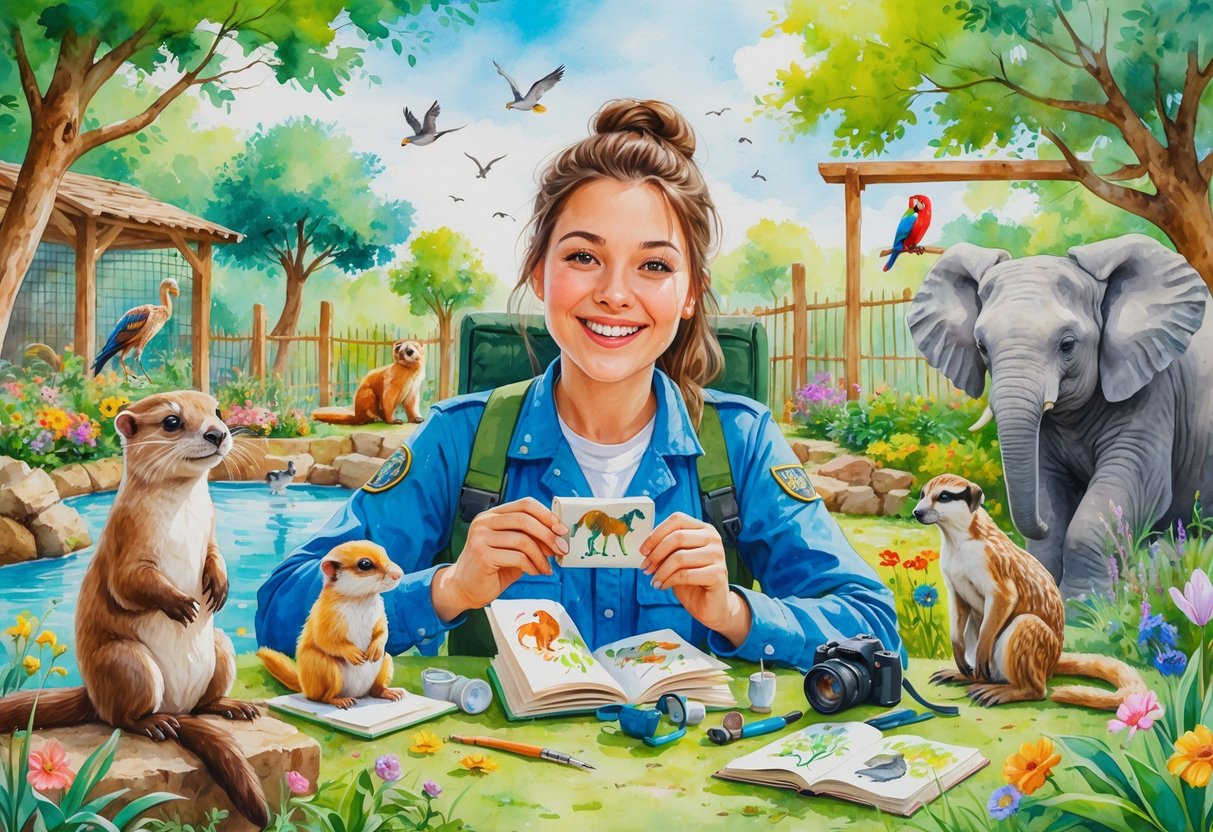
The best hobbies for zookeepers and animal handlers combine hands-on animal experiences with opportunities to learn new skills and connect with nature in fresh ways. Some activities let you work directly with different species, while others help you observe and document wildlife.
Others focus on building specific skills like training or photography that can support your career. This guide explores hobbies that fit naturally into your life as an animal professional.
You’ll discover activities that range from volunteering at rescue centers to keeping bees, each offering unique benefits for your personal and professional growth.
10) Wildlife Rehabilitation
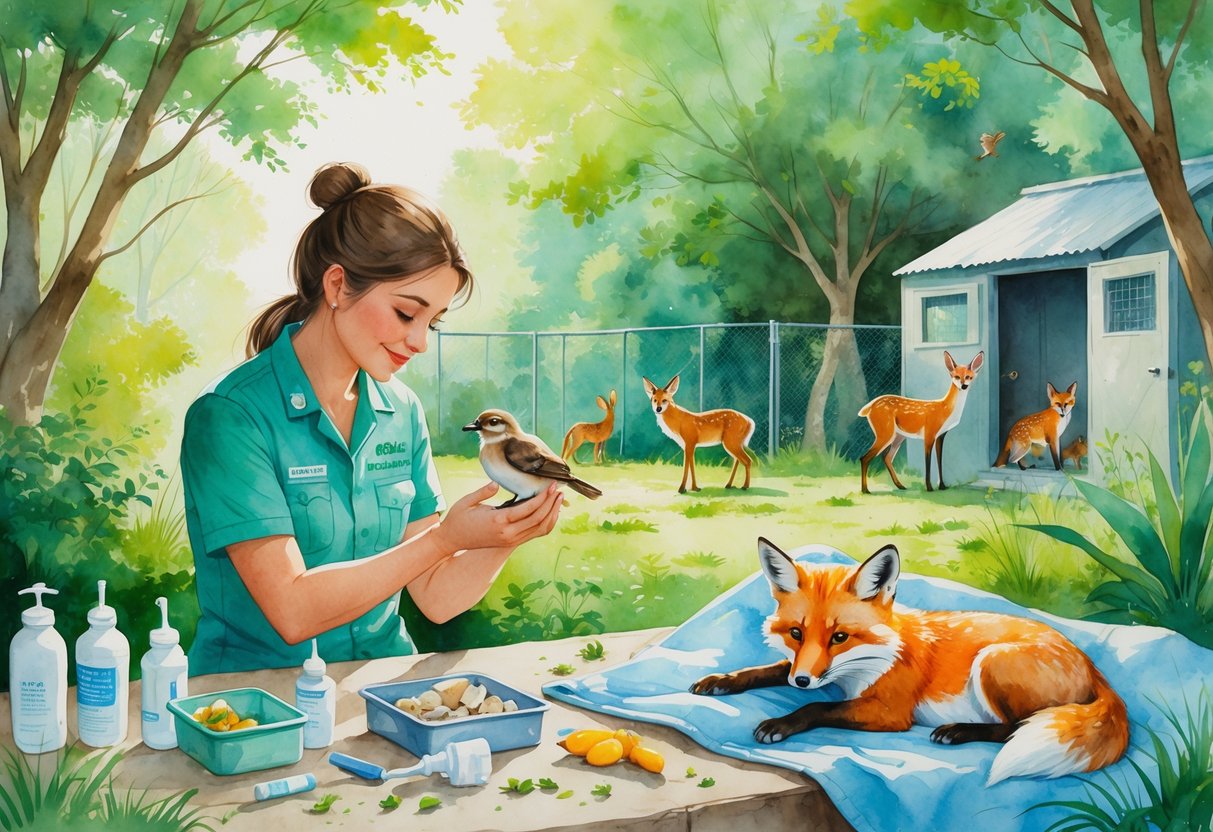
Wildlife rehabilitation lets you care for injured, sick, or orphaned wild animals with the goal of releasing them back into nature. This hobby combines veterinary care, animal behavior knowledge, and conservation work into one meaningful activity.
You will need proper training and permits to rehabilitate wildlife legally. Most states require you to complete certification programs before you can work with wild animals.
These programs teach you essential skills like feeding techniques, habitat needs, and medical care basics. Your work might include nursing baby birds back to health, treating injured raccoons, or helping orphaned deer prepare for life in the wild.
You provide temporary care until the animals can survive on their own. Each case requires patience and dedication.
Wildlife rehabilitation centers often welcome volunteers who want to learn. You can start by helping with basic tasks like cleaning enclosures, preparing food, or observing experienced rehabilitators.
This hands-on experience helps you decide if you want to pursue certification. Your experience with animal behavior and care gives you a strong foundation for rehabilitation work.
9) Animal Tracking and Monitoring
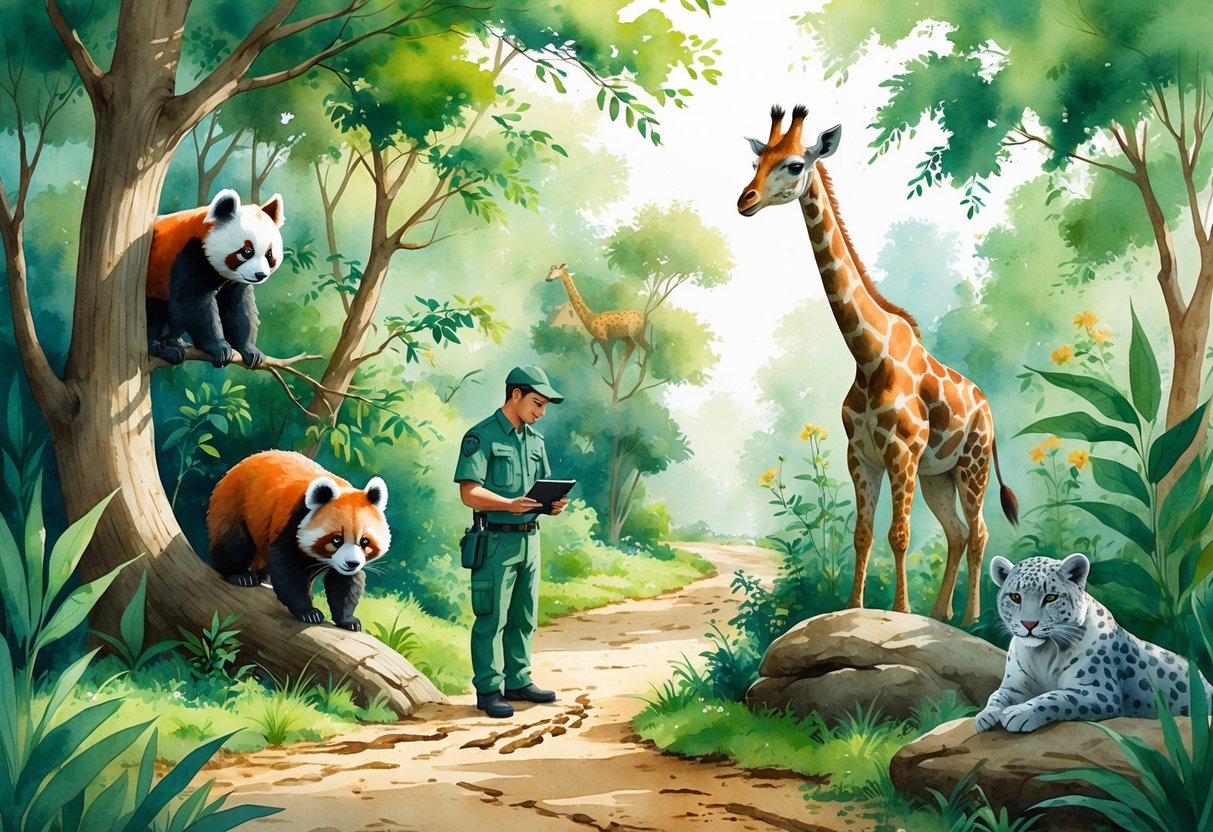
Animal tracking and monitoring builds on skills you already use in your daily work with animals. This hobby lets you observe wildlife in natural settings and interpret the signs they leave behind.
You can start by learning to identify footprints, scat, feeding marks, and trail patterns. These clues reveal information about animal behavior, movement patterns, and habitat use.
The observation skills you’ve developed as an animal handler transfer directly to tracking work. Modern tracking combines traditional fieldwork with technology.
You might use trail cameras, GPS collars, or mobile apps to record and analyze animal movements. This approach gives you data about wildlife populations and their habits over time.
Tracking works well in different environments. You can practice in local parks, nature reserves, or wilderness areas.
Each location offers unique species and tracking challenges. The activity requires minimal equipment to begin.
Basic items include a field guide, notebook, and camera. You can add more specialized tools as your skills grow.
Tracking also supports conservation efforts. Your observations can contribute to citizen science projects or wildlife surveys.
8) Zoo Volunteer Programs
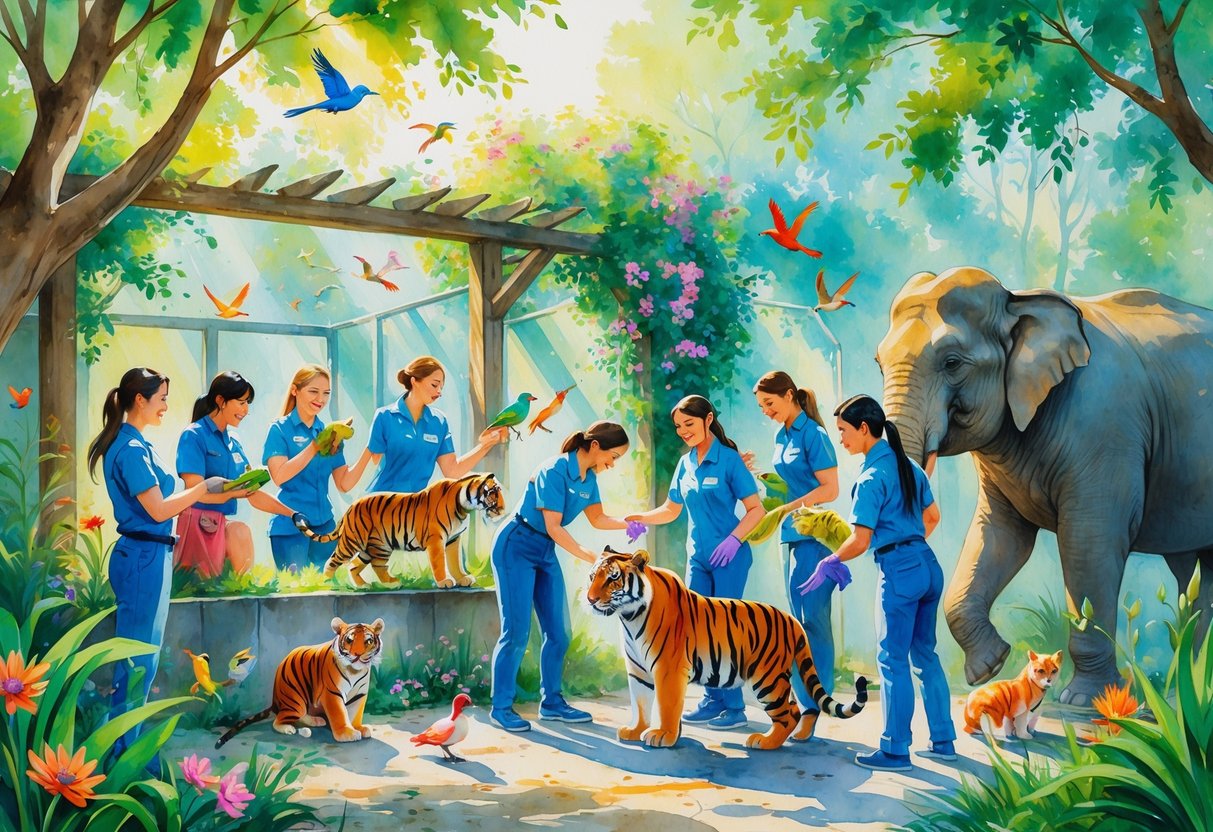
Zoo volunteer programs give you hands-on experience working alongside professional zookeepers and animal care staff. You can gain practical skills in animal care, education, and conservation while supporting daily zoo operations.
Most programs accept volunteers starting at age 14 or 18, depending on the role. You’ll typically need to commit to regular shifts, sometimes requiring several hours per week or month.
Your duties might include teaching visitors about wildlife, preparing enrichment items for animals, or assisting with educational programs. Some zoos offer specialized roles like creating animal enrichment using woodworking skills or helping with habitat maintenance.
Others focus on guest services and education stations throughout the zoo grounds. Many programs provide training sessions where you learn about animal behavior, conservation efforts, and proper zoo procedures.
You’ll often receive benefits like free zoo admission, discounts on memberships, and invitations to special volunteer events. Volunteering at a zoo helps you determine if animal care is the right career path for you.
You can observe professional zookeepers at work and ask questions about their daily responsibilities. The experience looks valuable on resumes when applying for paid positions in animal care or zoology fields.
You need to be dependable, comfortable working with the public, and genuinely interested in wildlife conservation. The time commitment varies by program, but regular participation helps you gain the most meaningful experience.
7) Horseback Riding
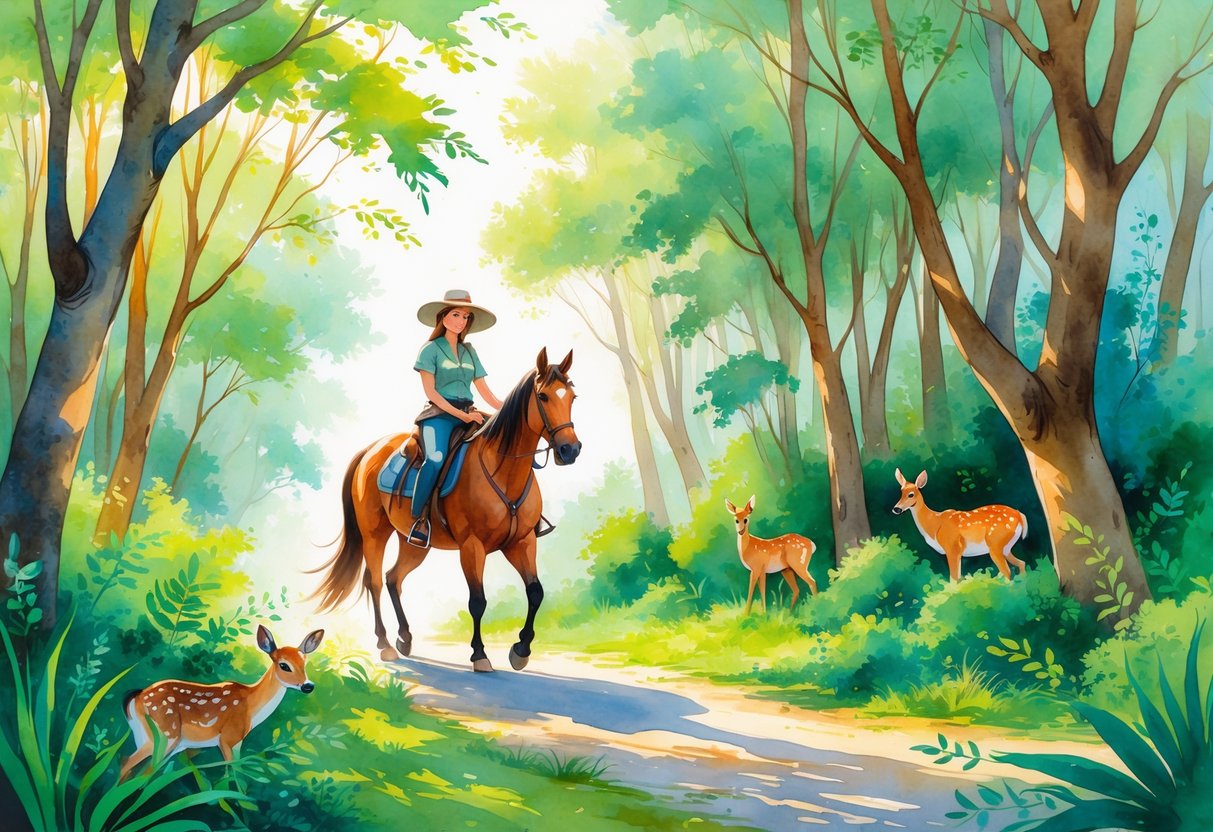
Horseback riding offers zookeepers and animal handlers a chance to build skills with large animals outside of work. You’ll develop better communication techniques and body language awareness that transfers directly to your professional duties.
This hobby teaches you patience and consistency. Horses respond to subtle cues and calm energy, much like many zoo animals.
Your ability to read animal behavior will improve as you learn to understand what a horse needs or feels. The physical demands of riding keep you fit for your day job.
You’ll strengthen your core, improve your balance, and build endurance. These physical benefits help when you’re working long shifts or handling physically demanding tasks at the zoo.
You can start riding at local stables without owning a horse. Many facilities offer lessons and trail rides at different skill levels.
If you choose to advance in this hobby, you can learn grooming, stable management, and basic veterinary care. These skills complement your existing animal care knowledge.
You’ll gain hands-on experience with feeding schedules, health checks, and equipment maintenance. Riding provides mental breaks from your regular work with exotic animals.
The time spent with horses offers relaxation while keeping you connected to animals.
6) Aquarium Keeping
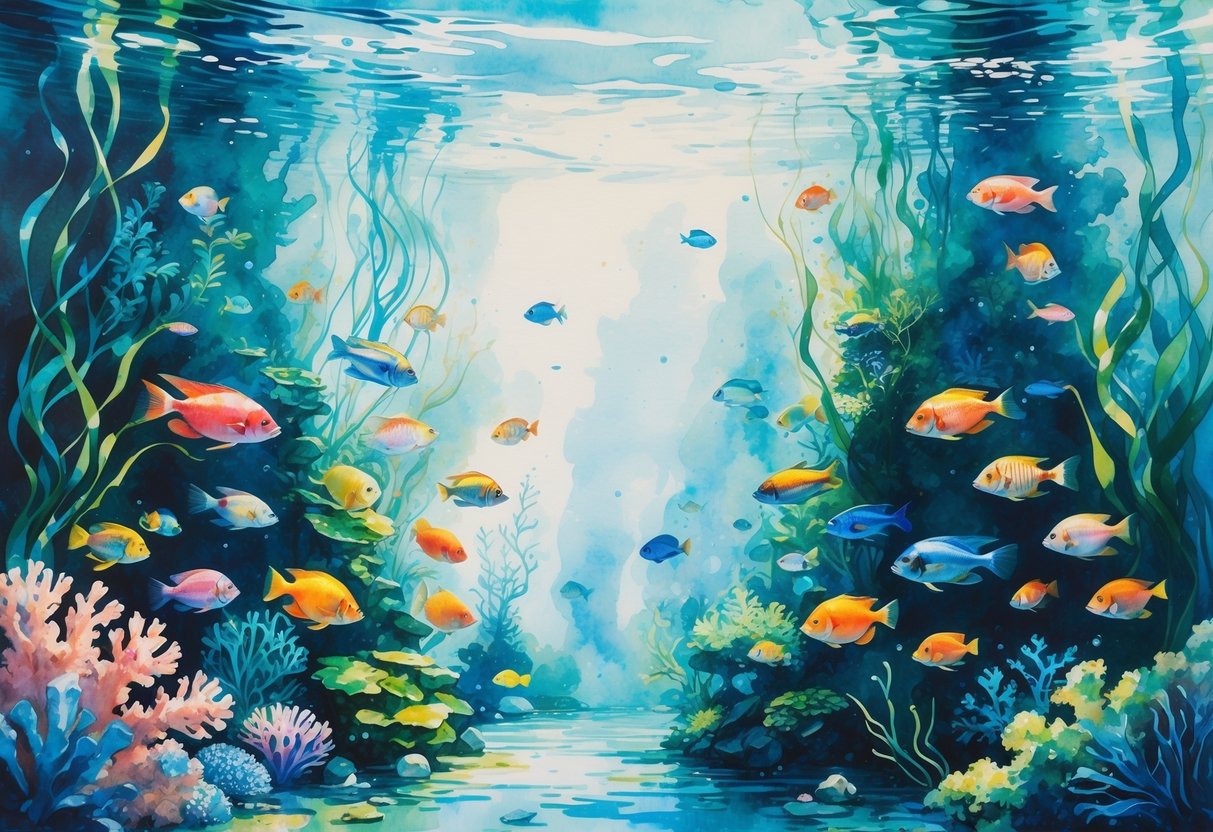
Aquarium keeping offers you hands-on experience with aquatic ecosystems that complements your work with terrestrial animals. You’ll develop skills in water chemistry, filtration systems, and habitat maintenance that directly translate to zoo aquarium exhibits.
This hobby requires consistent attention to detail. You need to monitor water parameters, perform regular maintenance, and observe fish behavior for signs of stress or illness.
Setting up and maintaining an aquarium teaches you about species compatibility and environmental requirements. You’ll learn which fish can coexist and what conditions each species needs to thrive.
This knowledge applies directly to multi-species exhibits in professional settings. The hobby also provides you with mindless maintenance tasks that can help reduce stress after demanding workdays.
Water changes, tank cleaning, and equipment checks give you a calming routine to focus on. You can start small with a basic freshwater tank and gradually expand to more complex setups.
Saltwater aquariums and reef tanks offer advanced challenges as your skills grow. Many zookeepers find that maintaining home aquariums helps them understand the technical aspects of life support systems used in larger institutional settings.
Local aquarium clubs connect you with experienced hobbyists who share knowledge and resources. These communities offer the same collaborative spirit you find in professional animal care networks.
5) Bird Watching
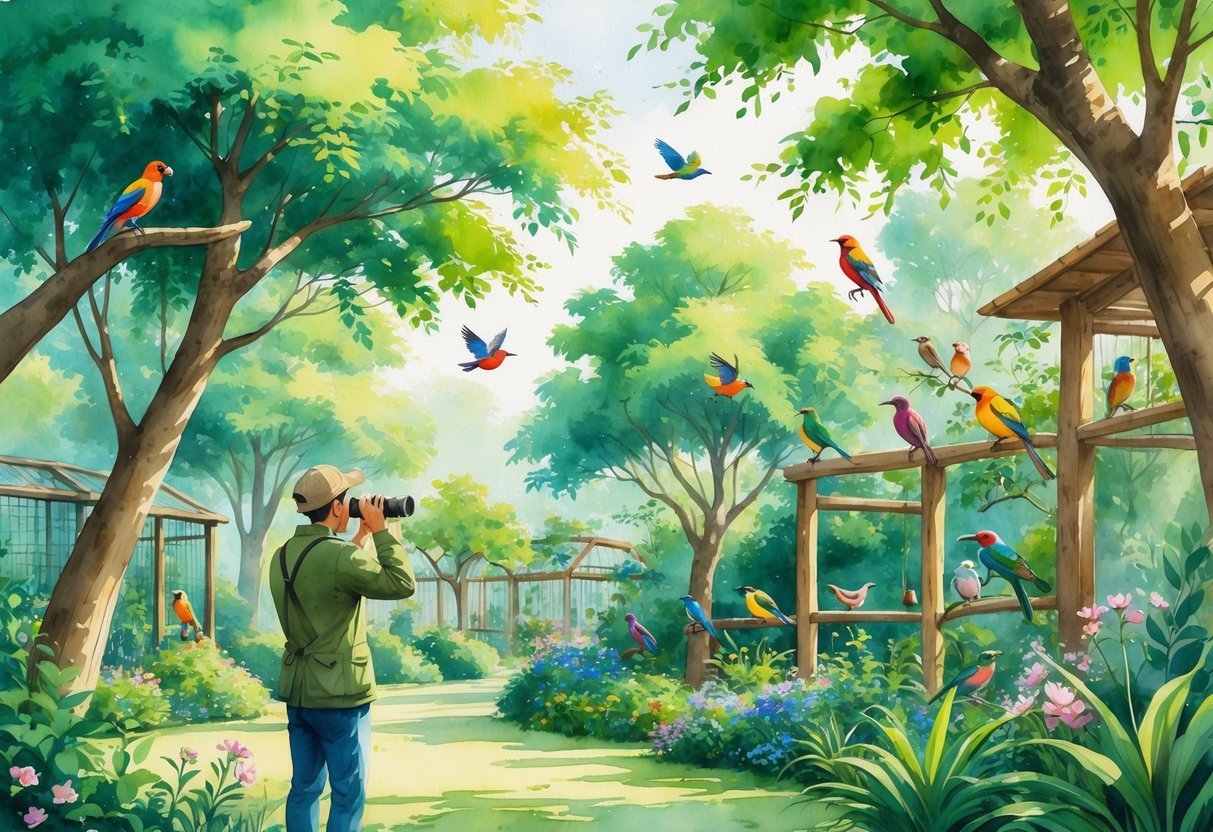
Bird watching offers zookeepers and animal handlers a natural extension of their professional skills. You already know how to observe animal behavior carefully.
This hobby lets you apply that expertise to wild species in their natural habitats. You can start bird watching right in your own backyard or local park.
All you need is a pair of binoculars and a field guide to common species in your area. Many zookeepers find this hobby relaxing after work because it requires patience and quiet observation.
When you watch birds in the wild, you learn about natural behaviors that captive birds might display. This knowledge helps you better understand the birds in your care at work.
Keeping a bird journal enhances your experience. You can record species you spot, their behaviors, and environmental conditions.
This practice mirrors the documentation work you already do professionally. Bird watching also connects you with conservation efforts outside your workplace.
You can participate in citizen science projects that track bird populations and migration patterns. These programs use data from observers like you to support wildlife research.
The hobby works for any schedule or budget. You can watch birds during your lunch break or dedicate weekend mornings to it.
Unlike some animal-related hobbies, bird watching requires minimal equipment and no ongoing costs for animal care.
4) Animal Rescue Volunteering
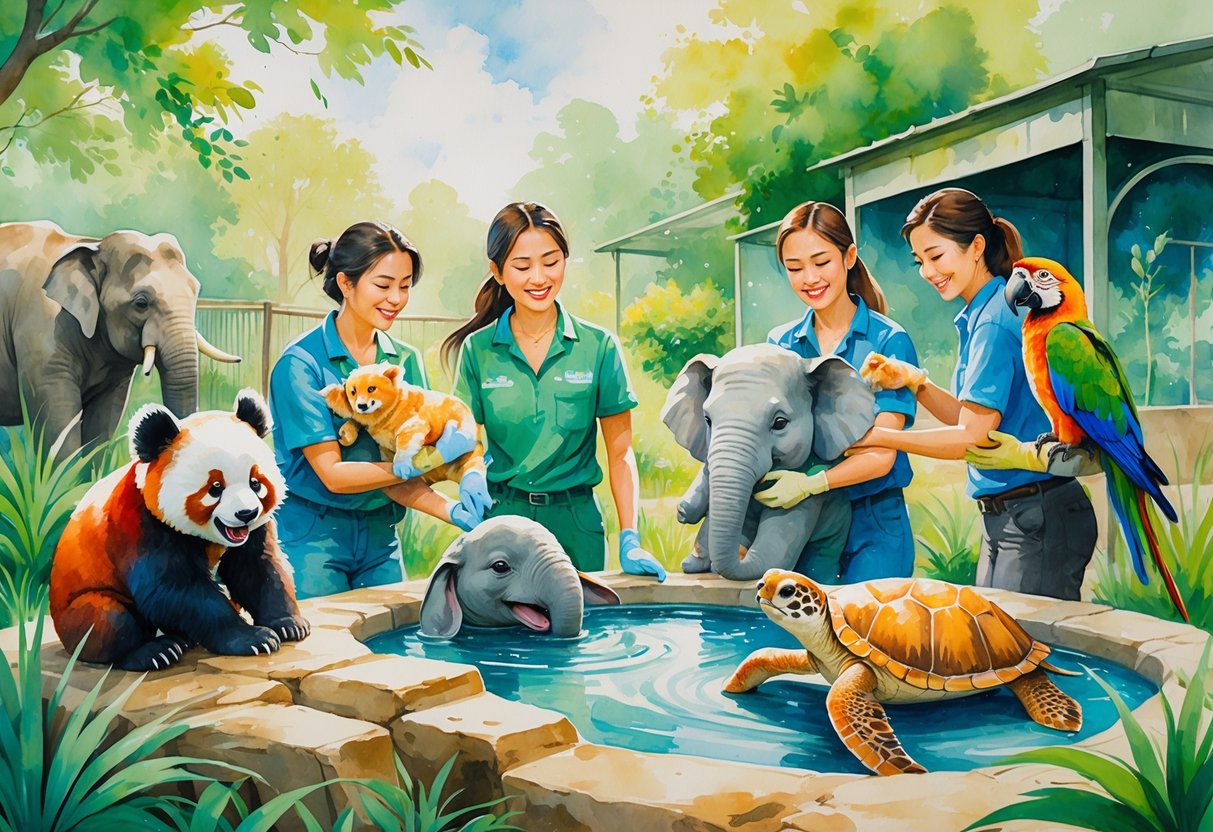
Animal rescue volunteering lets you work hands-on with animals that need help the most. You’ll support organizations that save abused, abandoned, or neglected animals and give them a second chance at life.
Your duties can vary widely depending on the rescue’s needs. You might clean facilities, feed animals, or help with daily care tasks.
Many volunteers also transport animals between locations or assist with adoption events. Fostering animals in your home is another way to get involved.
This gives animals a safe place to stay while they wait for permanent homes. You’ll learn about different animal behaviors and care requirements through this direct experience.
Some volunteer work doesn’t require being physically present at a facility. You can help with outreach programs that teach people about animal welfare.
Administrative tasks like answering phones or managing social media also support rescue operations. You’ll deal with animals from various backgrounds, some with behavioral or medical challenges.
This experience is valuable for anyone working in animal care professionally. Many rescues need volunteers for special events and fundraisers.
You might help set up adoption days or participate in community awareness programs. These activities connect you with other animal care professionals and expand your network in the field.
Starting as a volunteer requires minimal commitment in most cases. You can choose tasks that match your schedule and comfort level with different animals.
3) Dog Training
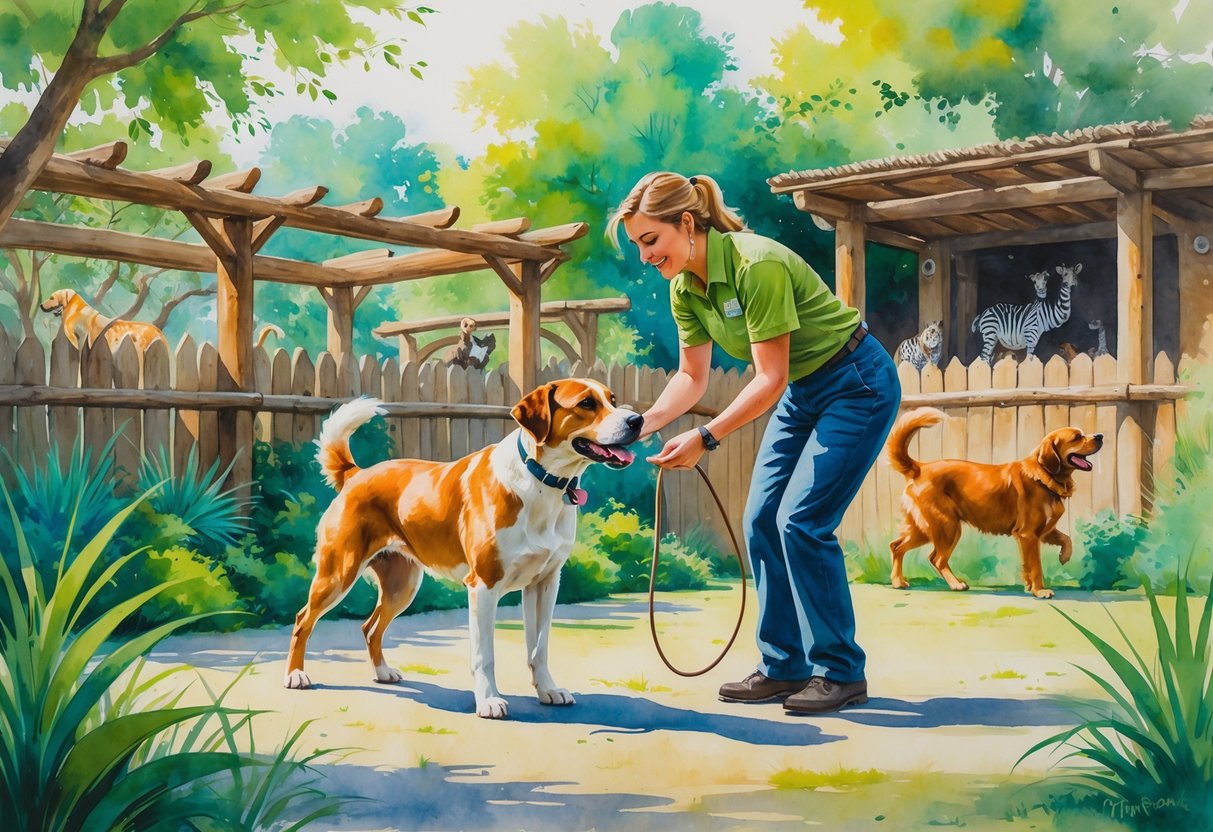
Dog training gives you hands-on experience working directly with animals while building useful skills. You learn how dogs think and communicate, which helps you understand animal behavior in general.
This knowledge transfers well to your work with other species at the zoo. Training keeps dogs mentally stimulated and physically active.
You can teach basic obedience commands or move on to more advanced tricks and tasks. Each training session strengthens the bond between you and the dog while improving their behavior.
You can practice many different training methods and activities. Agility training challenges dogs to navigate obstacle courses.
Games like flyball and frisbee combine exercise with skill building. Even simple training games at home provide mental challenges that dogs need.
The hobby works well for different schedules and energy levels. Short 10-minute sessions can be just as effective as longer ones.
You can train indoors on rainy days or take your work outside when the weather is nice. Dog training also connects to your professional life as an animal handler.
The patience and observation skills you develop apply directly to working with zoo animals. You learn to read body language and adjust your approach based on individual personalities.
Using positive reinforcement effectively is another key skill. These are the same techniques zookeepers use every day.
2) Beekeeping
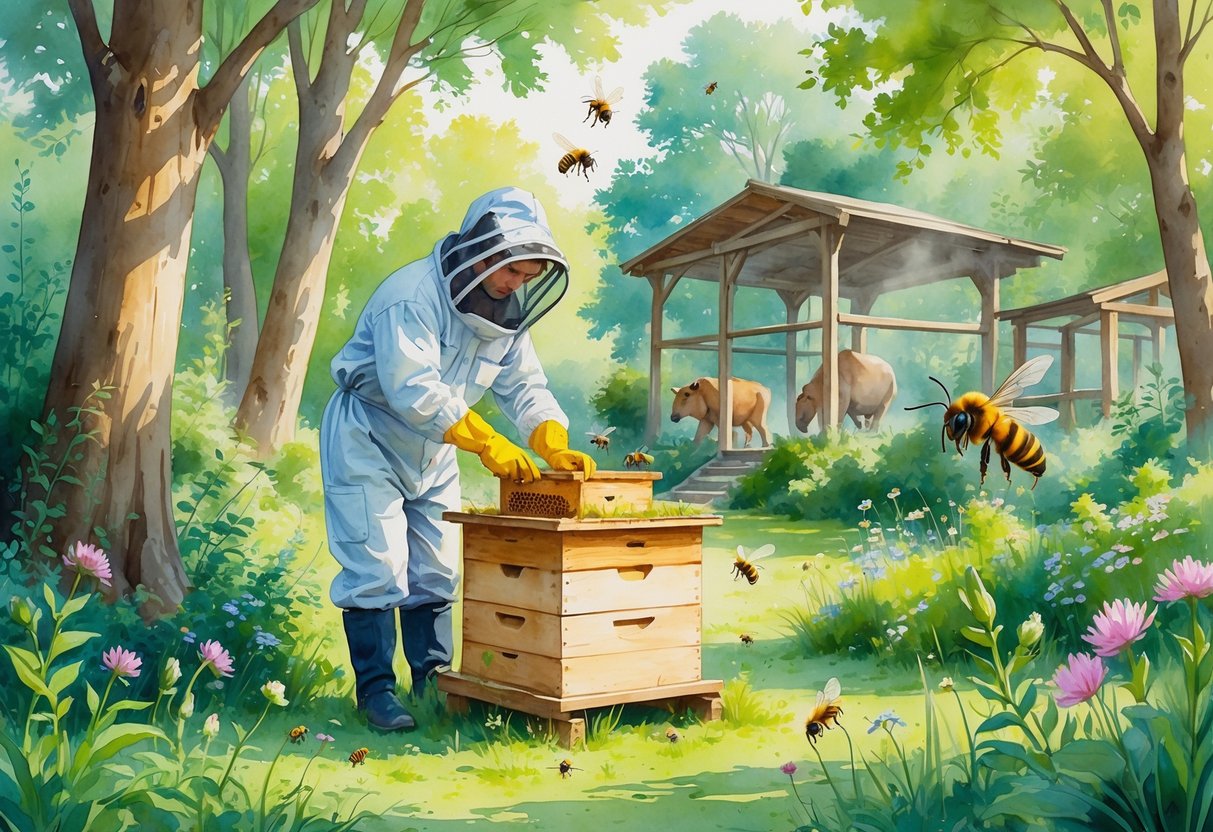
Beekeeping offers zookeepers and animal handlers a natural extension of their professional skills. You already understand animal behavior and care requirements, which translates well to managing bee colonies.
The hobby lets you work with social insects that operate in complex, organized communities similar to the animal groups you encounter at work. Starting with beekeeping requires basic equipment like hives, protective gear, and smokers.
You’ll need to learn about bee behavior and colony management, but your background in animal care gives you an advantage. Most areas require you to check local regulations before setting up hives, and you should develop a safety plan to prevent issues with stings.
The hobby provides multiple benefits for animal professionals. You’ll produce your own honey and other hive products while supporting pollinator conservation.
This matters since pollinators play a vital role in ecosystems you already care about through your work. Beekeeping connects you with nature outside your regular job duties.
The work follows seasonal patterns, giving you different tasks throughout the year. You’ll monitor hive health, manage pests, and harvest honey when the time is right.
Your professional experience with animal behavior helps you understand the social structure of bee colonies. You can observe how worker bees, drones, and the queen interact to keep the hive functioning.
This hands-on experience with insects complements your knowledge of larger animals and broadens your understanding of the animal kingdom.
1) Wildlife Photography
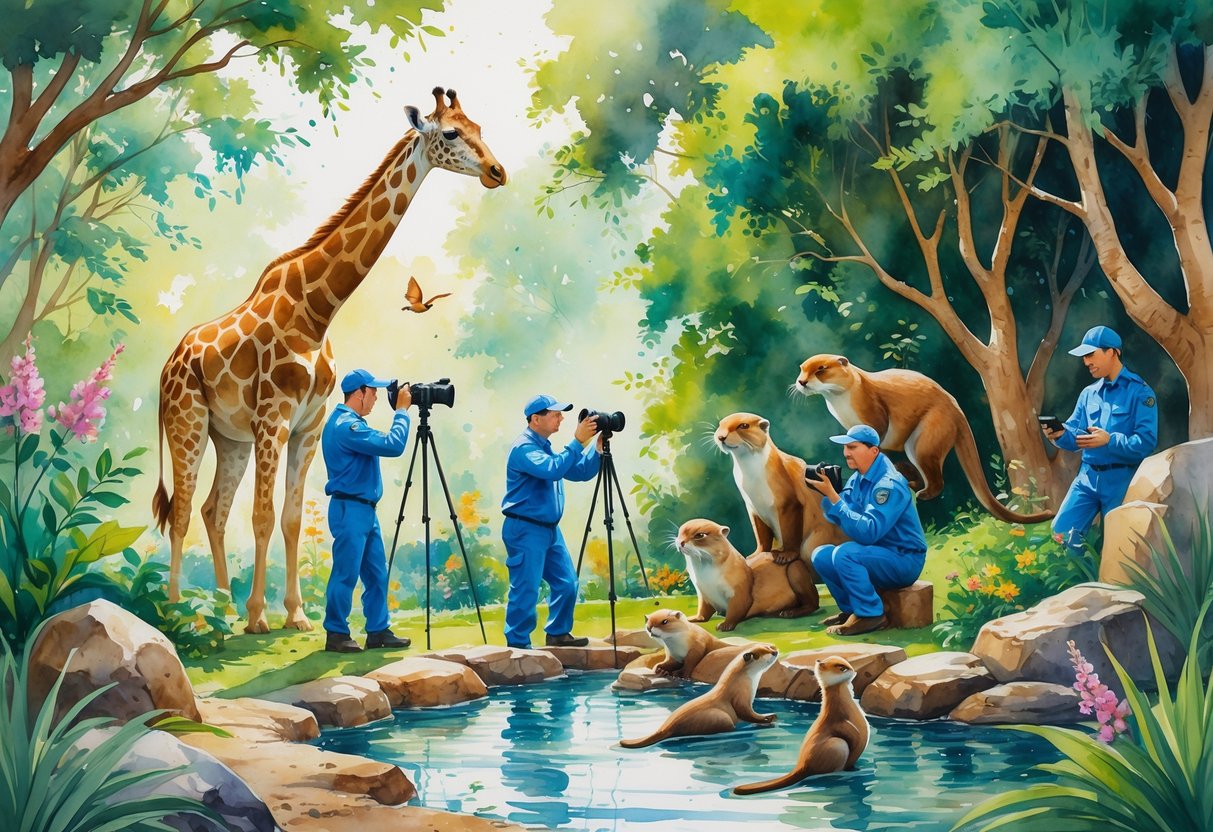
Wildlife photography lets you capture animals in their natural habitats while building on skills you already use as a zookeeper or animal handler. You know animal behavior and body language better than most people, which gives you a real advantage behind the camera.
This hobby requires patience and observation. You’ll need to wait for the right moment to photograph animals in the wild.
Your experience predicting animal movements helps you anticipate photo opportunities before they happen. Getting started means investing in camera equipment.
You’ll need a camera body and telephoto lens at minimum. The costs can add up, but you don’t need the most expensive gear right away.
Wildlife photography sharpens your technical skills. You’ll learn about lighting, composition, and camera settings.
These technical aspects complement the animal knowledge you bring from your day job. The hobby takes you outdoors to forests, wetlands, and other natural areas.
You get to see animals behaving differently than they do in captivity. This exposure deepens your understanding of natural behaviors and habitats.
Your photos can serve multiple purposes. You might share them to educate others about wildlife conservation.
Some photographers sell their work or use it to support conservation efforts. Others simply enjoy documenting the animals they encounter.
The combination of your professional expertise and photography skills creates unique opportunities. You can capture images that tell authentic stories about animal behavior and welfare.
Benefits of Pursuing Hobbies as a Zookeeper or Animal Handler
Hobbies provide essential outlets for managing the physical and emotional demands of working with animals every day. They strengthen skills that directly improve your work performance and help you form meaningful relationships with others who share your interests.
Stress Relief and Mental Health
Working as a zookeeper or animal handler involves physically demanding tasks and emotionally challenging situations. You face long hours, unpredictable animal behavior, and sometimes difficult decisions about animal welfare.
Having hobbies outside of work gives your mind a break from these daily pressures. Activities that help reduce stress include:
- Wildlife photography in natural settings
- Reading books about conservation or animal behavior
- Practicing yoga or meditation
- Gardening or outdoor hiking
- Playing with your own pets at home
These activities lower cortisol levels and help you process work-related stress. When you engage in hobbies, you create mental distance from job responsibilities.
This separation prevents burnout and keeps your passion for animal care alive. Your mental health directly affects how well you perform at work.
Taking time for personal interests helps you return to your job refreshed and more focused.
Enhancing Job Performance
The hobbies you choose can build skills that make you better at your job. Photography teaches you to observe animal behavior more carefully and notice small details.
You learn patience while waiting for the perfect shot, which translates to patience with animals. Volunteering at wildlife rehabilitation centers expands your knowledge of different species.
You gain hands-on experience with animals you might not work with daily. This broader understanding helps you solve problems and adapt techniques from one species to another.
Physical hobbies like rock climbing or swimming improve your strength and endurance. These activities prepare your body for the demanding physical work of animal care.
You can lift heavy equipment more easily and handle the long days on your feet. Learning new skills through hobbies keeps your mind sharp and open to different approaches in your work.
Building Community Connections
Hobbies connect you with people who share similar interests both inside and outside the animal care field. Joining a local bird watching group or wildlife photography club introduces you to other nature enthusiasts.
These connections provide social support and reduce feelings of isolation. You can exchange ideas and learn from others who have different perspectives on animal welfare.
Professional networks often form through shared hobbies at conferences or community events. These relationships may lead to job opportunities or collaborative projects.
Participating in volunteer activities like animal shelter work builds ties to your local community. You meet people who care about animals and may support your zoo or facility.
These connections raise awareness about conservation efforts and create advocates for your work.
Integrating Hobbies Into a Busy Animal Care Schedule
Working with animals demands long hours and constant attention to their needs. The key to maintaining personal hobbies is using small pockets of time and aligning your interests with your existing routine.
Time Management Tips
Your work schedule likely includes early mornings and late evenings, but you can still fit in hobbies with smart planning. Start by tracking how you spend your time for one week to find gaps you didn’t know existed.
Block scheduling works well for animal care professionals. Set aside 30-minute blocks during your least busy days for hobby time.
Many zookeepers use their lunch breaks or time between feeding schedules to squeeze in quick activities. Consider these practical approaches:
- Wake up 20 minutes earlier for morning hobbies like journaling or sketching
- Use commute time for audiobooks or podcasts related to your interests
- Dedicate one full day off per month to longer hobby sessions
- Combine hobbies with routine tasks when possible
Your phone calendar can send reminders to protect hobby time from work creep. Treat these blocks as seriously as you would a vet appointment or feeding time.
Some hobbies like photography or bird watching blend naturally with animal care work, giving you double benefits from the same time investment.
Setting Realistic Goals
Your energy levels vary based on the physical demands of animal care work. Choose hobby goals that match your actual capacity rather than ideal wishes.
Start with micro-goals that take 15-30 minutes to complete. If you want to learn painting, aim for three small sketches per week instead of finishing a large canvas.
Break bigger projects into smaller steps you can tackle on different days. Track your progress without judgment.
Some weeks you’ll have more time than others, especially during busy seasons or when animals need extra care. Pick hobbies with flexible stopping points so you’re not frustrated when work runs late.
Match hobby intensity to your schedule. Save physically demanding hobbies for your days off.
Choose calm activities like reading or knitting for evenings after physically taxing shifts.
Frequently Asked Questions
Zookeepers and animal handlers often seek hobbies that complement their careers while providing relaxation and personal growth. These activities can range from hands-on wildlife work to nature-based pursuits that strengthen both professional abilities and personal well-being.
What hobbies can help zookeepers enhance their professional skills?
Wildlife rehabilitation directly improves your animal care abilities through hands-on experience with injured or orphaned animals. You’ll learn medical treatment techniques and species-specific behaviors that transfer to your daily zoo work.
Animal tracking and monitoring teaches you to observe subtle behavioral patterns and environmental changes. These skills help you better understand the animals in your care and recognize early signs of health issues.
Aquarium keeping builds your knowledge of water quality management and aquatic species care. The attention to detail required for maintaining healthy aquatic environments applies to zoo exhibits with similar needs.
Are there specific leisure activities recommended for animal handlers?
Zoo volunteer programs let you work with different species and learn from experienced professionals in various departments. You gain exposure to areas outside your regular duties like education programs or conservation projects.
Horseback riding develops your understanding of large animal behavior and body language. This experience helps when working with hoofed animals in zoo settings.
Wildlife photography combines your love for animals with creative expression while teaching patience and observation skills. You learn to anticipate animal movements and behaviors through extended time in natural settings.
What are some relaxing hobbies that zookeepers can engage in after work?
Birdwatching provides a peaceful way to connect with nature without the physical demands of your job. You can enjoy wildlife observation at your own pace in local parks or nature reserves.
Aquarium keeping at home offers a calming routine of feeding and maintenance tasks. The quiet observation of fish reduces stress after busy workdays.
Nature photography lets you explore outdoor spaces while creating art. You control the intensity level and can choose between active hiking expeditions or stationary landscape work.
How can personal interests in nature contribute to a zookeeper’s career?
Your nature-based hobbies expand your knowledge of ecosystems and animal behaviors in wild settings. This understanding helps you create more natural and enriching zoo environments.
Activities like animal tracking teach you field research methods used in conservation work. These skills prepare you for potential career advancement into wildlife management or research positions.
Volunteer work with wildlife rehabilitation centers builds your professional network within the animal care community. You meet veterinarians, conservationists, and other specialists who can provide career opportunities or mentorship.
Can hobbies influence the mental and physical well-being of animal care staff?
Physical hobbies like horseback riding and wildlife tracking keep you active outside of work. Regular movement helps prevent burnout and maintains the fitness level needed for demanding animal care tasks.
Animal-related hobbies provide emotional satisfaction through meaningful connections with wildlife. These experiences remind you why you chose this career path and reduce stress from difficult workdays.
Creative pursuits like photography give your mind a break from problem-solving tasks at work. You engage different parts of your brain while still connecting with your passion for animals.
What extracurricular activities are beneficial for those seeking a career in zoology?
Zoo volunteer programs give you direct experience that strengthens job applications and college admissions.
You demonstrate commitment to animal care through regular volunteer hours.
Wildlife rehabilitation work provides hands-on skills that many entry-level positions require.
You learn animal handling, feeding protocols, and basic medical care under professional supervision.
Animal tracking and field monitoring introduce you to research methods used in zoology studies.
These activities help you decide which specialty areas interest you most for future career focus.