10 Best Hobbies for Empty Nesters Rediscovering Themselves: A Guide to Your Next Chapter
When your children move out and start their own lives, you might feel a mix of emotions. This change opens up free time that was once filled with parenting duties.
Many people in this stage wonder how to fill their days with meaning and joy.
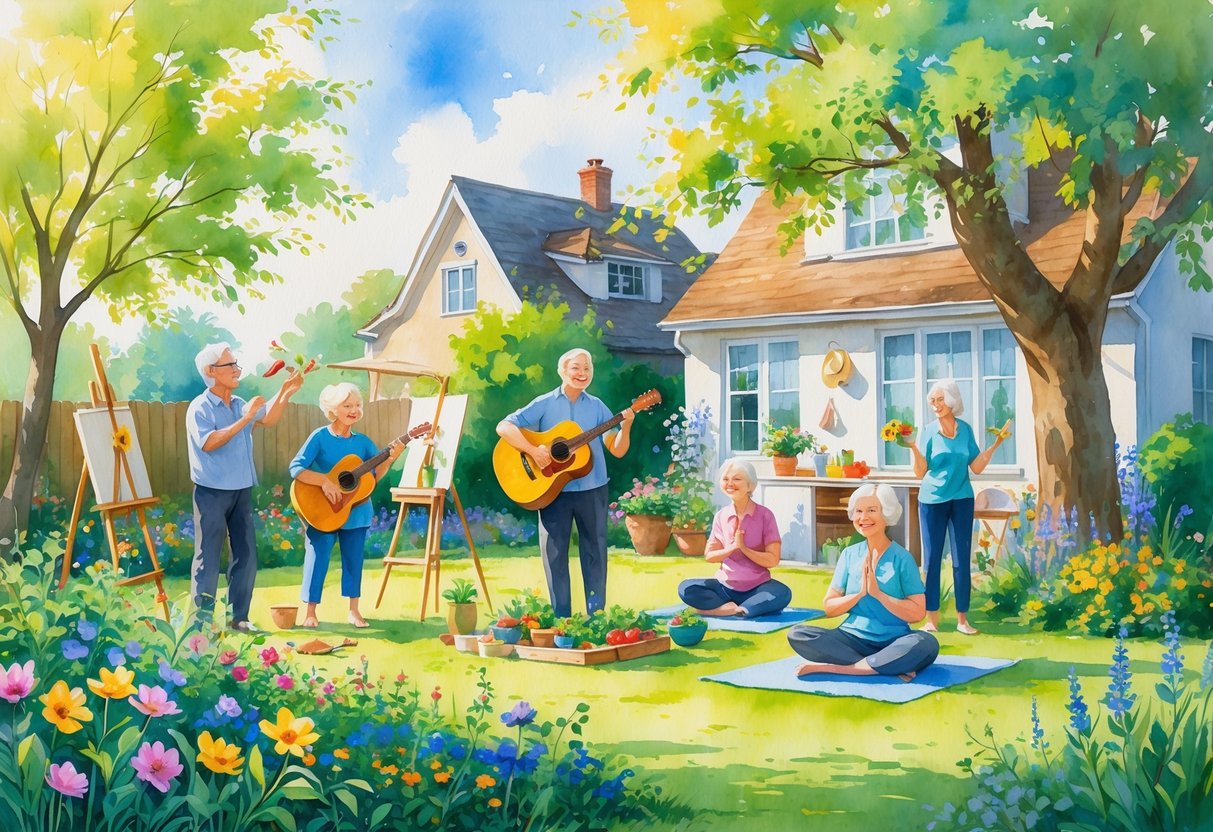
Finding new hobbies can help you rediscover who you are beyond your role as a parent. These activities give you chances to learn new skills, meet people, and explore interests you may have set aside.
The right hobby can improve your mental health and give you something to look forward to each day.
This guide covers ten hobbies that work well for people entering this new chapter. You will learn about activities that range from creative arts to outdoor adventures.
Each option offers different ways to spend your time and connect with yourself in fresh ways.
10) Traveling Solo or with Groups

When your kids move out, you finally have the freedom to explore new places on your own schedule. Travel becomes one of the most rewarding ways to rediscover yourself during this new chapter.
Solo travel lets you make every decision based on what you want. You choose the destinations, set your own pace, and spend time exactly how you please.
This independence helps you learn more about yourself and builds confidence.
Group travel offers different benefits. You can join organized tours designed for people in similar life stages.
These trips provide built-in social connections and take care of planning details for you. You meet other travelers who share your interests and might form lasting friendships.
Some people prefer mixing solo trips with group adventures throughout the year. You might take a quiet solo journey to reflect and recharge, then join a group tour when you want company and structured activities.
Start with destinations that interest you most. Consider your budget, physical abilities, and comfort level with traveling.
Short weekend trips help you build confidence before planning longer adventures. You can explore nearby cities or venture to different countries.
Travel pushes you outside your comfort zone in healthy ways. You experience new cultures, try different foods, and create memories that belong entirely to you.
9) Writing Memoirs or Personal Essays
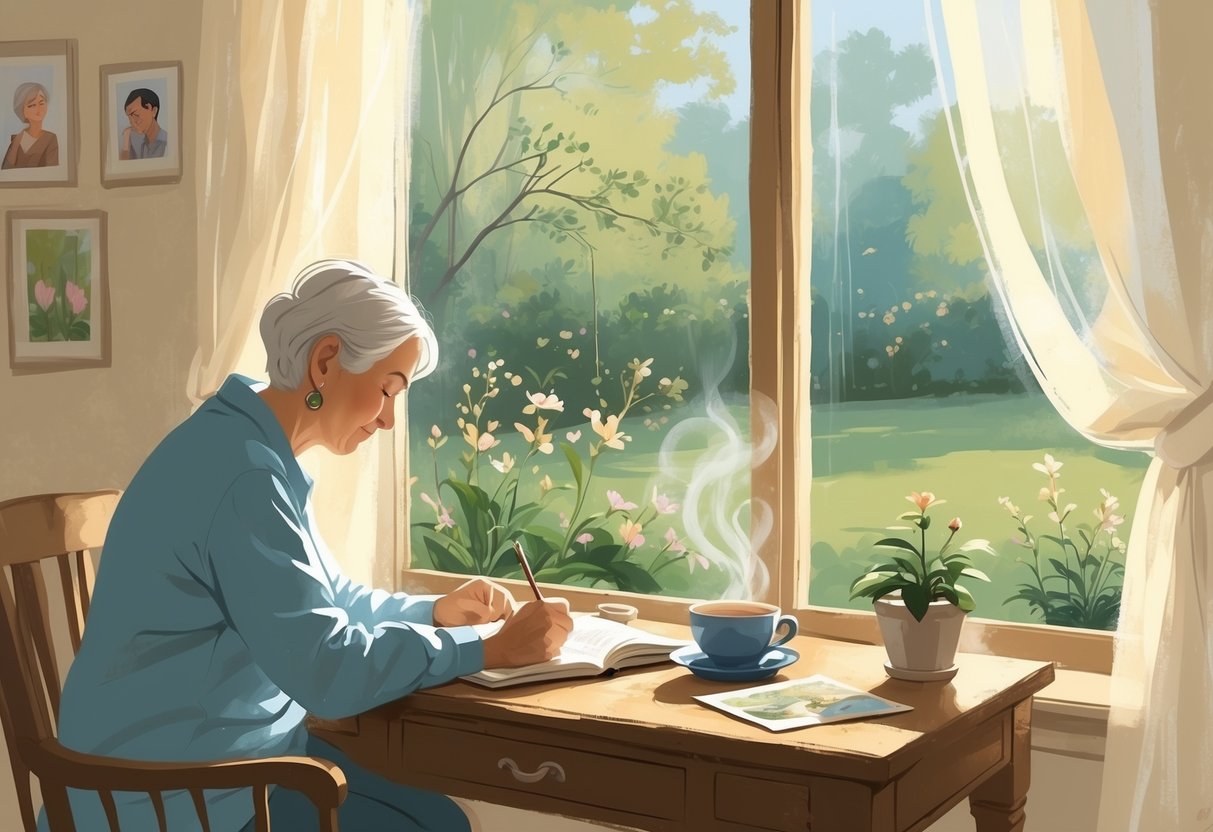
Writing about your life experiences gives you a chance to reflect on where you’ve been and what you’ve learned. As an empty nester, you have decades of stories worth sharing.
Personal essays and memoirs let you capture these moments before they fade from memory. You don’t need to be a professional writer to start.
Begin with simple stories about raising your kids, career highlights, or life lessons you’ve picked up along the way. Writing helps you process major life changes and understand your own journey better.
This hobby works well because you can do it anywhere and at your own pace. Set aside 15 minutes each day to write, or dedicate longer sessions on weekends.
You might focus on one specific period of your life or write about various topics that interest you. Personal writing sharpens your thinking and improves your communication skills.
It also creates something meaningful you can share with family members or keep private for yourself. Many empty nesters find that writing helps them work through the emotions that come with this new life stage.
Consider joining a writing group or taking an online class to develop your skills. You can also start a blog or keep a private journal.
The format doesn’t matter as much as the act of putting your thoughts and memories into words.
8) Tai Chi for Mind and Body

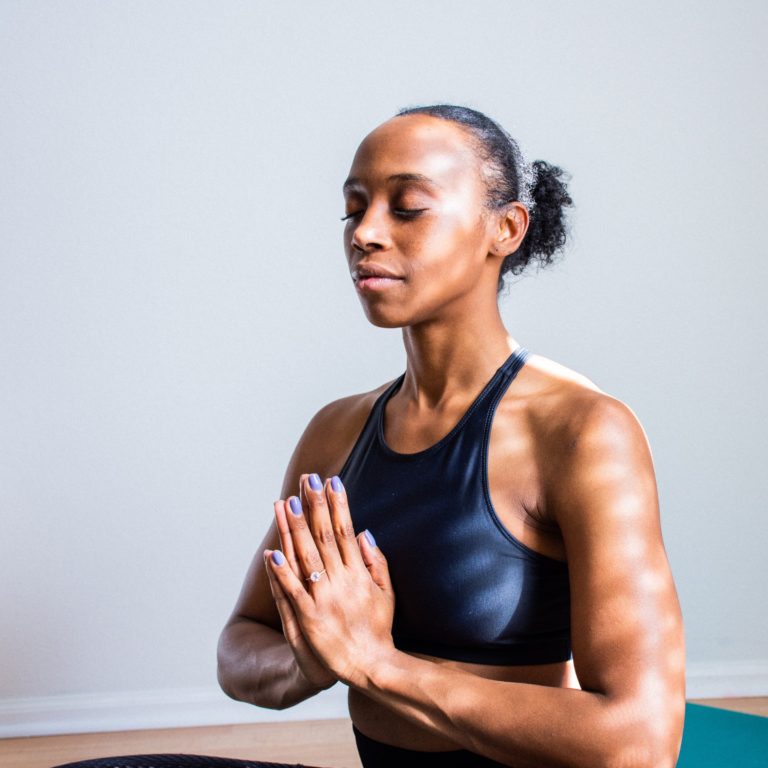
Tai chi offers a gentle way to stay active while calming your mind. This ancient practice combines slow, flowing movements with deep breathing.
You don’t need any special equipment or athletic ability to start. The movements in tai chi are easy on your joints.
Each pose flows smoothly into the next, creating a meditation in motion. You focus on your breathing and body position, which helps quiet racing thoughts.
Regular practice can improve your balance and flexibility. Many empty nesters find this especially helpful as they age.
The slow pace makes it perfect for any fitness level. Tai chi also reduces stress and anxiety.
The deep breathing exercises calm your nervous system. You’ll likely notice you feel more centered after each session.
Getting started is simple. Look for beginner classes at your local community center, gym, or senior center.
Many instructors also offer online classes you can do at home. Most classes run for 30 to 60 minutes.
You can practice tai chi outdoors in a park or in your living room. The flexible nature of this hobby makes it easy to fit into your schedule.
Start with just 10 minutes a day if a full class feels like too much. The combination of physical movement and mental focus makes tai chi unique.
7) Learning Digital Art and Illustration
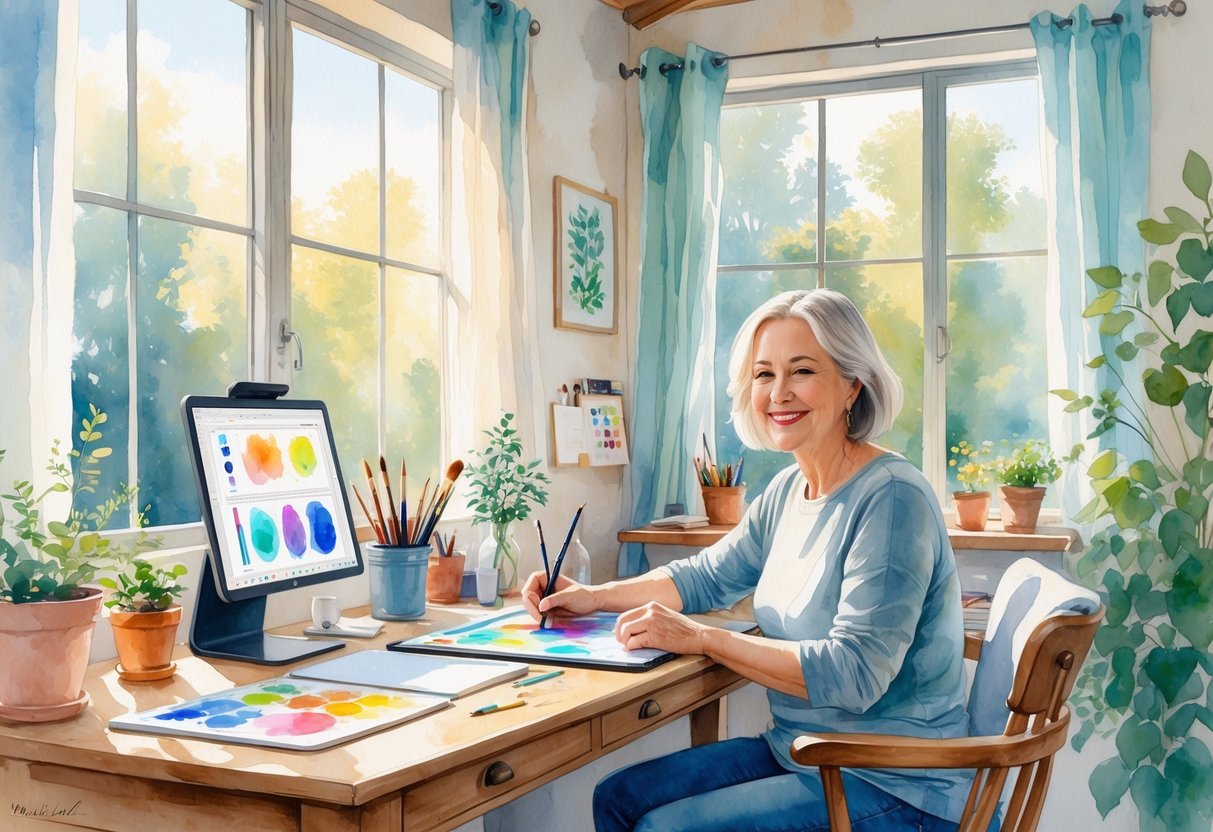
Digital art offers empty nesters a creative outlet that requires minimal space and materials. You can start creating art on a tablet, computer, or even your phone using free or affordable apps.
The learning curve is gentle for beginners. Most digital art programs include tutorials and basic tools that help you draw, paint, and design without prior experience.
You can work at your own pace and experiment with different styles until you find what you enjoy. Digital art gives you flexibility that traditional art doesn’t always provide.
You can easily undo mistakes, try different colors instantly, and save multiple versions of your work. There’s no need to worry about paint drying or running out of supplies.
Many online communities welcome digital artists of all skill levels. You can share your work, get feedback, and learn new techniques from others.
These connections often lead to friendships with people who share your interests. The hobby adapts to your schedule and budget.
You can create for five minutes or five hours. Some artists focus on simple sketches while others develop complex illustrations.
Digital art keeps your mind active and helps you develop new technical skills. You’ll learn software tools, practice hand-eye coordination, and express yourself through visual creativity.
6) Volunteering at Animal Shelters
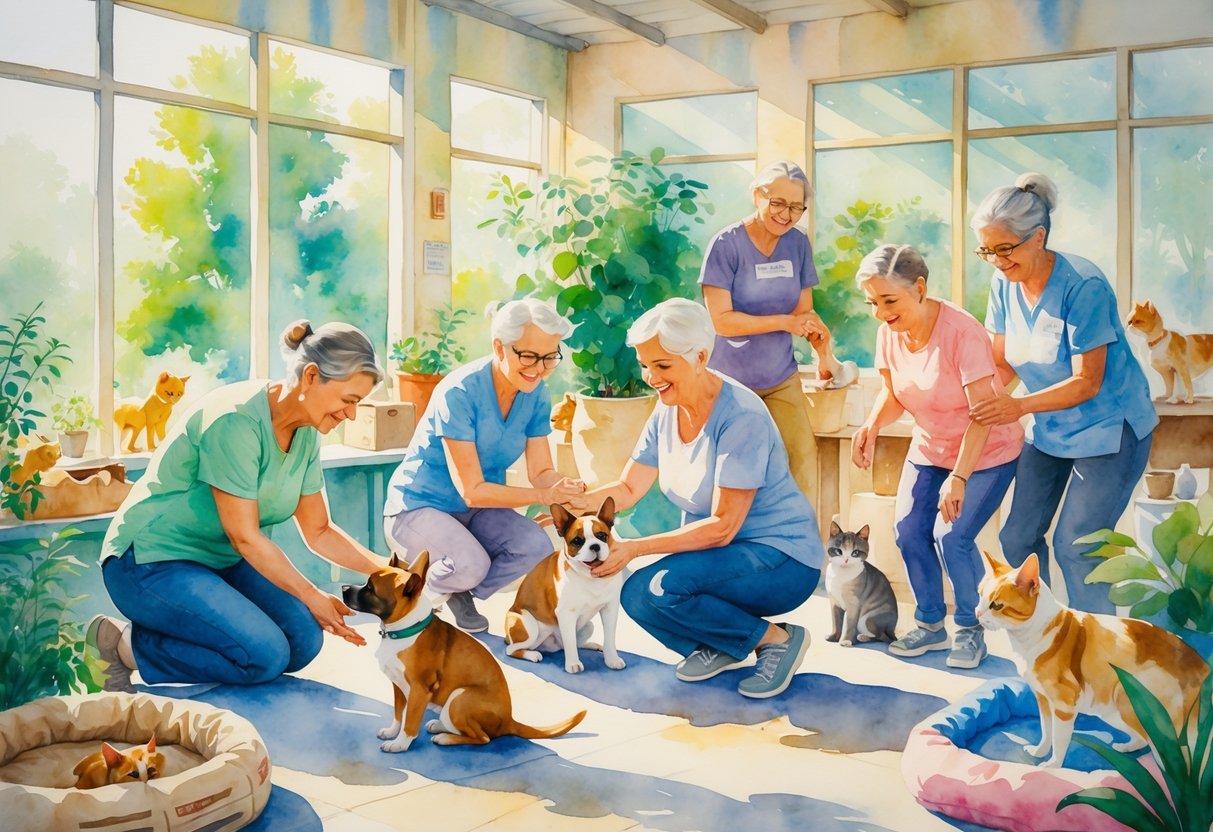
Animal shelters need help in ways you might not expect. Walking dogs and cuddling cats are great options, but you can contribute in many other meaningful ways too.
You can assist with administrative tasks like answering phones or updating adoption records. Many shelters need help with their social media accounts to showcase animals waiting for homes.
If you have photography skills, you can take pictures of the animals to help them get adopted faster. Shelters also need volunteers to help with fundraising events and donation drives.
You might organize supply collections or plan community outreach programs. Some facilities need people to transport animals to vet appointments or foster homes.
This hobby gives you a clear sense of purpose while helping animals in need. You’ll meet other volunteers who share your love of animals.
The work fits almost any schedule since most shelters need help during various shifts throughout the week. You don’t need special training to start.
Most shelters provide orientation and teach you what you need to know. The time commitment is flexible based on what works for you.
Working with animals can reduce stress and boost your mood. You’ll develop new skills and make connections in your community.
Each shift lets you see the direct impact of your efforts when animals find their forever homes.
5) Join Local Book Clubs
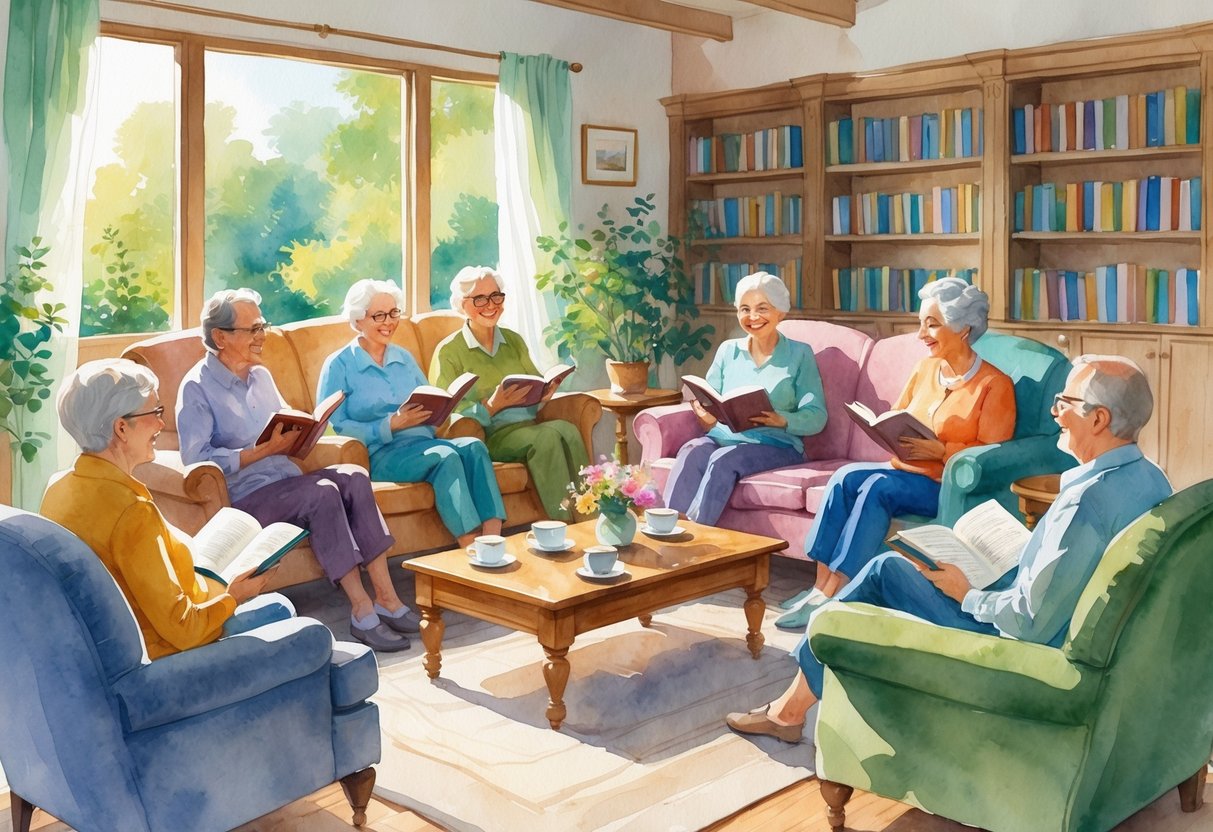
Book clubs give you a chance to read more and meet new people at the same time. You can find book clubs at your local library, bookstore, or community center.
Many towns also have book clubs that meet at coffee shops or in members’ homes. Reading becomes more interesting when you can talk about it with others.
You’ll discover books you might not have picked on your own. Book clubs usually meet once a month, which gives you plenty of time to finish each book.
The social side of book clubs matters just as much as the reading. You’ll build friendships with people who share your interest in books.
These connections can lead to other activities and friendships outside of the club. Most book clubs welcome new members and don’t require any special skills or experience.
You just need to enjoy reading and be willing to share your thoughts. Some clubs focus on specific types of books like mysteries or historical fiction, while others read a wide variety.
If you can’t find a book club that fits your schedule or interests, you can start your own. Ask a few friends or neighbors if they want to join.
You can also look online for virtual book clubs if you prefer meeting from home.
4) Cooking International Cuisines

Learning to cook dishes from around the world opens up a new way to spend your free time. You can explore flavors from Italy, Thailand, Mexico, India, and dozens of other countries right in your own kitchen.
Cooking international cuisines gives you practical skills while keeping your mind active. You’ll learn new techniques, work with unfamiliar ingredients, and follow recipes that challenge you in different ways.
Each cuisine has its own methods and flavor combinations to master. This hobby fits any budget.
You can start with simple dishes that use common ingredients from your local grocery store. As you get more comfortable, you can visit specialty markets or order authentic spices online.
Cooking also creates opportunities to connect with others. You can host dinner parties to share your new dishes with friends and family.
Many communities offer cooking classes where you can learn alongside other people who share your interest. The skills you build carry over to everyday life.
You’ll expand your regular meal rotation and gain confidence trying new recipes. Some empty nesters even turn their cooking skills into small catering businesses or food blogs.
You don’t need expensive equipment to get started. Basic pots, pans, and knives work for most international recipes.
Online videos and cookbooks provide clear instructions for beginners. Pick a cuisine that interests you and try one dish this week.
3) Gardening for Native Plants
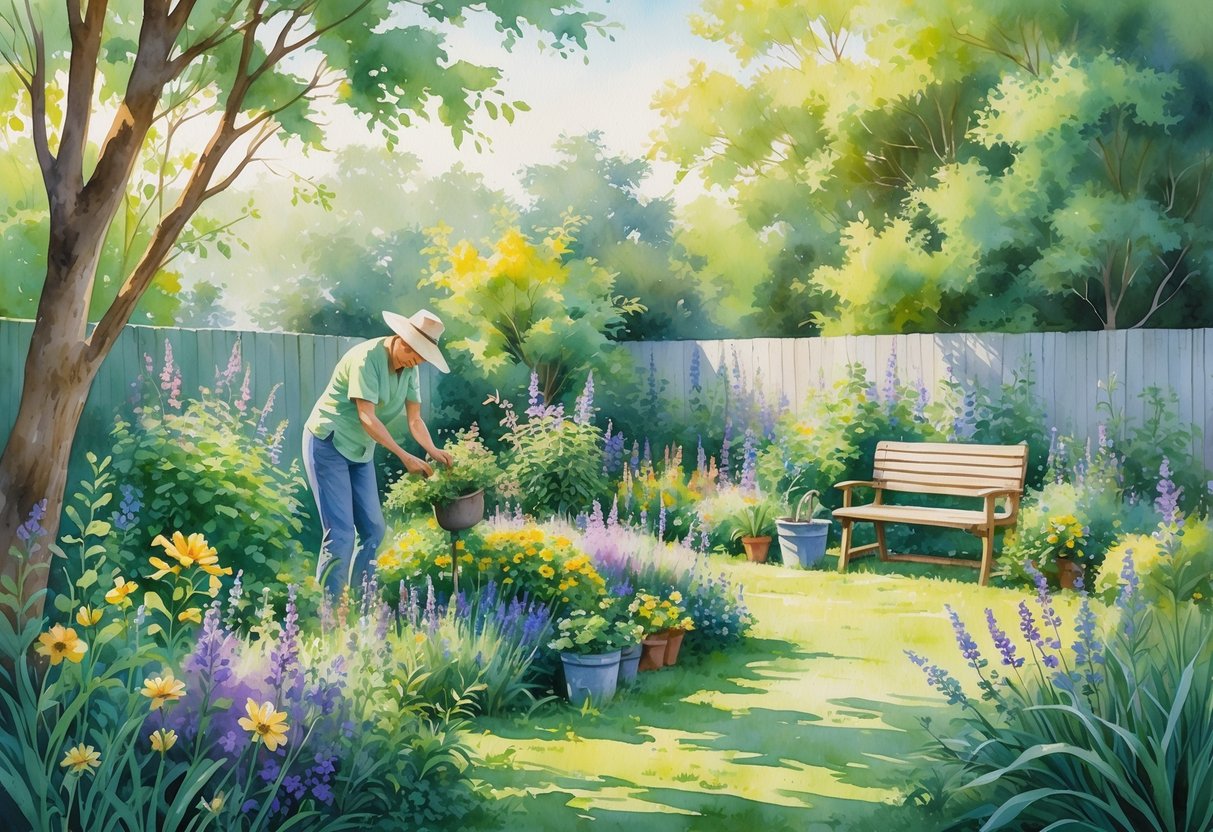
Native plant gardening offers you a rewarding way to reconnect with nature while supporting your local ecosystem. These plants naturally grow in your region and require less water, fertilizer, and maintenance than non-native species.
You’ll find that native plants attract local butterflies, birds, and beneficial insects to your yard. This creates a living habitat right outside your door.
Your garden becomes a small nature preserve that helps wildlife thrive in urban and suburban areas. Starting a native plant garden doesn’t require advanced skills or expensive equipment.
You can begin with a few plants in a small bed or containers. Local garden centers and native plant societies can help you identify which species work best for your area.
Native plants adapt to your local climate and soil conditions naturally. This means you’ll spend less time worrying about special care requirements.
They’ve evolved to handle your region’s rainfall patterns, temperature changes, and local pests. Your native garden helps the environment in practical ways.
These plants prevent soil erosion, filter rainwater, and reduce the need for chemical pesticides. You’re also preserving plant species that might be disappearing from your area.
The physical activity of gardening keeps you moving and engaged. You’ll dig, plant, weed, and water at your own pace.
Many empty nesters find the routine of garden care gives structure to their days while producing visible results they can enjoy.
2) Nature Photography Walks
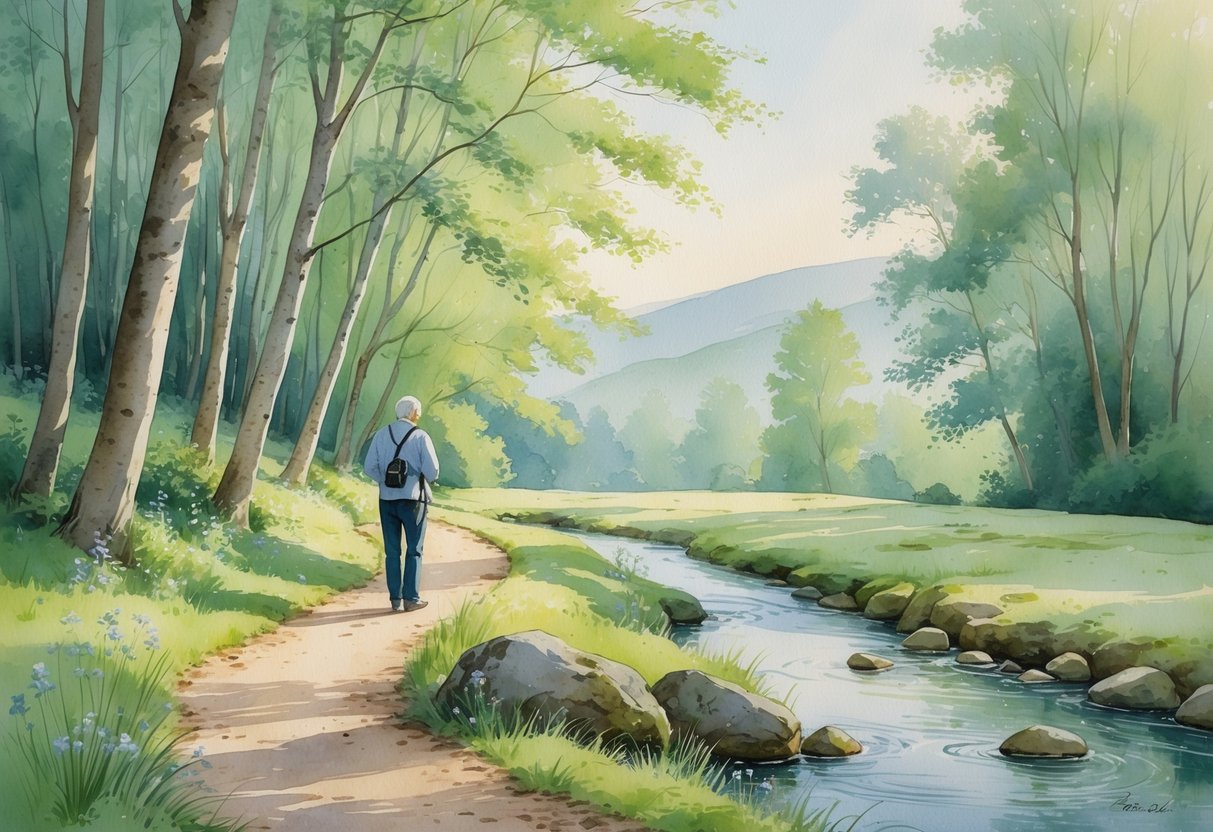
Nature photography walks combine two rewarding activities into one enriching hobby. You can explore outdoor spaces while learning to capture their beauty through your camera lens.
This hobby doesn’t require expensive equipment to start. Your smartphone camera works fine for beginners.
As you develop your skills, you can invest in a basic digital camera if you want more control over your shots. Walking in nature offers clear health benefits.
You get physical exercise while spending time outdoors. The activity keeps you moving at your own pace without pressure.
Photography gives you a creative outlet and a reason to look closely at your surroundings. You’ll notice details you might have missed before, like patterns in tree bark or morning light on leaves.
Each walk becomes a chance to see familiar places in new ways. You can join local photography groups or nature walking clubs to meet other people with similar interests.
Many parks and nature centers offer beginner photography workshops that teach basic techniques. The photos you take create lasting memories of your adventures.
You can share them with family and friends, post them online, or simply keep them for yourself. Some empty nesters even create photo books or display their favorite shots at home.
This hobby fits any schedule since you choose when and where to go. Short walks around your neighborhood work just as well as day trips to scenic locations.
1) Pottery and Ceramics Classes
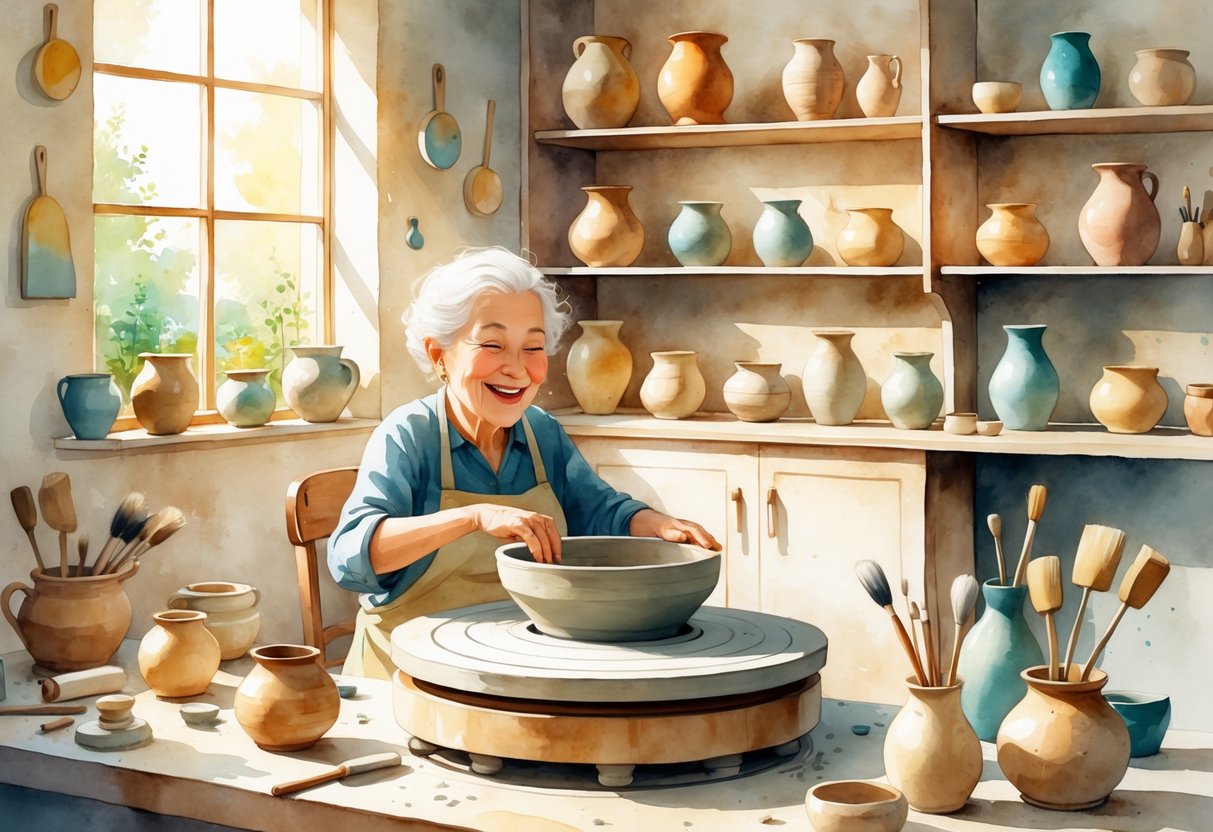
Pottery offers empty nesters a hands-on way to express creativity while learning a practical skill. You can create functional items like bowls and mugs or make decorative pieces that reflect your personal style.
Working with clay provides real benefits beyond the finished product. The physical act of shaping clay can reduce stress and improve focus.
Many people find the pottery wheel meditative as they center clay and form vessels with their hands. You don’t need prior experience to start.
Local studios and community centers offer beginner classes where instructors teach basic techniques. Group classes also provide opportunities to meet other people exploring new interests.
Pottery gives you control over the entire creative process. You choose the shape, size, and color of each piece.
As your skills grow, you can experiment with different glazing techniques and firing methods. The time commitment fits various schedules.
You can take weekly classes or attend workshops on weekends. Some studios offer open studio time where you can work at your own pace once you learn the basics.
Starting pottery requires minimal personal investment. Most studios provide clay, tools, and equipment during classes.
This lets you explore the craft before deciding whether to purchase your own supplies. Each finished piece represents your growing abilities and creative choices.
You’ll develop a collection of unique items that serve as reminders of your learning journey.
Benefits of Engaging in New Hobbies

Taking up new hobbies as an empty nester strengthens your mental health, creates chances to meet people who share your interests, and keeps your mind sharp through regular learning.
Emotional and Mental Wellbeing
New hobbies give you a healthy way to handle stress and anxiety that often comes with life changes. When you focus on activities you enjoy, your brain releases chemicals that improve your mood naturally.
Hobbies provide structure to your day and give you something to look forward to. This sense of purpose helps fight feelings of loneliness or loss that some empty nesters experience.
You gain confidence as you develop new skills and see yourself improve over time. Creative hobbies like painting, music, or gardening offer outlets for self-expression.
These activities let you process emotions in productive ways. Regular hobby time also helps you maintain a better balance between different parts of your life.
Key mental health benefits:
- Reduced stress levels
- Lower risk of depression
- Improved self-esteem
- Better emotional regulation
Building Social Connections
Hobbies naturally connect you with people who share similar interests. Joining clubs, classes, or groups related to your hobby creates regular opportunities for social interaction.
These connections often develop into meaningful friendships. You meet people in relaxed settings where conversations flow easily around shared activities.
Book clubs, hiking groups, or cooking classes put you in rooms with others who value the same things you do. Many empty nesters find their social circles expand significantly through hobby-related activities.
Group hobbies also give you built-in plans and reasons to leave the house regularly. This consistent social contact helps prevent isolation and keeps you engaged with your community.
Cognitive Stimulation and Lifelong Learning
Learning new skills keeps your brain active and healthy. When you challenge yourself with unfamiliar activities, you create new neural pathways that support memory and thinking abilities.
Hobbies that require problem-solving or strategic thinking provide excellent brain exercise. Learning a language, playing chess, or picking up a musical instrument all strengthen cognitive function.
Even physical hobbies like dancing require you to learn patterns and remember sequences. Regular mental challenges through hobbies may help protect against age-related cognitive decline.
You stay mentally flexible and adaptable when you continue learning throughout your life. Each new hobby teaches you different ways to think and approach problems.
Creating a Supportive Environment for Exploring Interests
Starting new hobbies as an empty nester works best when you set goals you can reach and bring others along for support.
Setting Realistic Expectations
You don’t need to become an expert right away. Learning a new hobby takes time, and progress happens in small steps.
Give yourself permission to be a beginner. Start with one hobby at a time instead of trying several at once.
Pick activities that match your current schedule and budget. If you want to learn painting, buy basic supplies first rather than expensive professional materials.
Set small goals you can achieve in a few weeks. For example, commit to one dance class per week or finish one small craft project per month.
These wins build confidence and keep you motivated. Be patient with yourself when skills take longer to develop than expected.
Some hobbies click right away while others need more practice. Missing a session or making mistakes is normal and part of the learning process.
Involving Family and Friends
Share your new interests with people close to you. Tell them what you’re learning and why it matters to you.
This creates natural conversations and helps them understand how you spend your time. Invite friends to join you in activities like hiking, cooking classes, or book clubs.
Having a companion makes trying new things less scary and more fun. You can also connect with your adult children by teaching them a skill or asking them to show you their hobbies.
Look for clubs and groups focused on your chosen hobby. Other members understand your experience and offer tips, encouragement, and friendship.
Many communities have classes specifically designed for adults exploring new interests.
Frequently Asked Questions
Empty nesters often have similar questions about starting new activities and rebuilding their social lives. These answers provide practical guidance for different situations you might face during this transition.
What are some engaging activities for empty nester couples to enjoy together?
Couples can take up dancing classes like ballroom or salsa to stay active and connected. Cooking classes offer a chance to learn new cuisines together while creating meals you both enjoy.
Hiking or walking groups let you explore nature while exercising side by side. You can also start a garden together, which gives you both a shared project to plan and maintain.
Travel planning becomes easier when you coordinate schedules together. Consider joining a book club as a couple or taking art workshops where you work on separate projects in the same space.
How can single parents redefine their lives after becoming empty nesters?
Single parents should start by identifying interests they put aside during the parenting years. Take time to explore what genuinely excites you now, not what you felt obligated to do before.
Join activity groups that match your interests, like hiking clubs or craft workshops. These spaces help you meet people who share similar hobbies without pressure.
Consider going back to school for a degree or certification you always wanted. Volunteering at animal shelters or community centers gives you purpose while building new connections.
What are some solo hobbies that can help an empty nester rediscover their passions?
Writing memoirs or personal essays lets you process your experiences while developing a creative skill. You can work at your own pace and share your stories when you feel ready.
Learning digital art and illustration requires only a computer or tablet and free software to start. Online tutorials guide you through techniques without needing a classroom.
Tai chi for mind and body offers gentle movement you can practice alone in your home or yard. Photography lets you explore your neighborhood or travel destinations while capturing moments that matter to you.
What social activities can empty nesters engage in when they have few or no friends?
Volunteer organizations need reliable helpers and provide built-in social interaction. Animal shelters, food banks, and community gardens put you in regular contact with like-minded people.
Take group fitness classes at local gyms or community centers where you see the same faces weekly. Join hobby clubs through libraries or recreation centers that focus on specific interests like photography or gardening.
Attend community events like farmers markets, festivals, or town meetings to become familiar with local faces. Online meetup groups organize gatherings for people with shared interests in your area.
How can empty nesters reinvent themselves and find fulfillment post-parenting?
Start by listing skills and interests you neglected while raising children. Research classes or groups that teach these skills in your community or online.
Set personal goals unrelated to your children’s achievements or needs. These might include fitness targets, learning a language, or mastering a new art form.
Traveling solo or with groups exposes you to different cultures and perspectives that reshape how you see yourself. Consider career changes or passion projects that align with who you are now, not who you were twenty years ago.
Create a routine that includes time for self-care, learning, and social connection. This structure helps you build a new identity beyond parenting.
What are some ideas for hosting a gathering as an empty nester to build a new community?
Host a casual potluck dinner and invite neighbors or coworkers you want to know better. Keep it simple with a theme like “favorite family recipes” to spark conversation.
Organize a game night with board games or cards that encourage interaction and laughter. Invite people to bring friends, which expands your social circle.
Start a monthly book club or movie night at your home where attendees take turns choosing selections. Create a hobby swap where people teach each other their skills like knitting or woodworking.
Host seasonal gatherings like summer barbecues or holiday cookie exchanges. Keep guest lists small at first so conversations feel personal.