10 Best Hobbies for Administrative Assistants to Break the Routine: Creative Ways to Recharge After Work
Administrative assistants handle many tasks each day, from managing schedules to coordinating meetings. This constant flow of work can become repetitive and draining.
Finding ways to break up the routine helps maintain energy and focus throughout the workweek.

Hobbies offer administrative assistants a practical way to reduce stress, learn new skills, and bring fresh energy to their work. The right activities can fit into busy schedules and provide real benefits.
Some hobbies help you develop professional skills while others simply give your mind a needed break from daily tasks.
This guide covers activities that range from quick stress-relief techniques to skill-building opportunities. You’ll find options that work during lunch breaks, after work hours, and even ways to connect with coworkers.
Each hobby serves a purpose, whether it’s managing stress better, improving your workspace, or adding variety to your routine.
10) Mindfulness meditation sessions

Administrative work can feel overwhelming when you’re juggling phone calls, emails, and constant requests. Mindfulness meditation gives you a way to reset your mind and reduce stress without leaving your desk.
You don’t need hours of free time to practice mindfulness. Short sessions of just five to ten minutes can make a real difference in how you feel throughout your workday.
You can practice during your lunch break or even between tasks. Basic mindfulness exercises are easy to learn.
Start with mindful breathing by focusing on each breath for 30 seconds to two minutes. This simple technique helps clear your mind and improves your focus when you return to work.
You can also try desk-based meditation during busy days. Close your eyes and pay attention to the sounds around you without judging them.
Notice how your body feels in your chair. These quick exercises help you stay present instead of worrying about your to-do list.
You’ll likely notice better concentration, improved communication with coworkers, and less anxiety about deadlines. Many people find they handle difficult situations more calmly after building a meditation routine.
Setting reminders on your phone helps you remember to practice. Start with one or two short sessions per day and build from there.
You’ll develop a valuable skill that supports both your work performance and personal well-being.
9) Participating in professional webinars
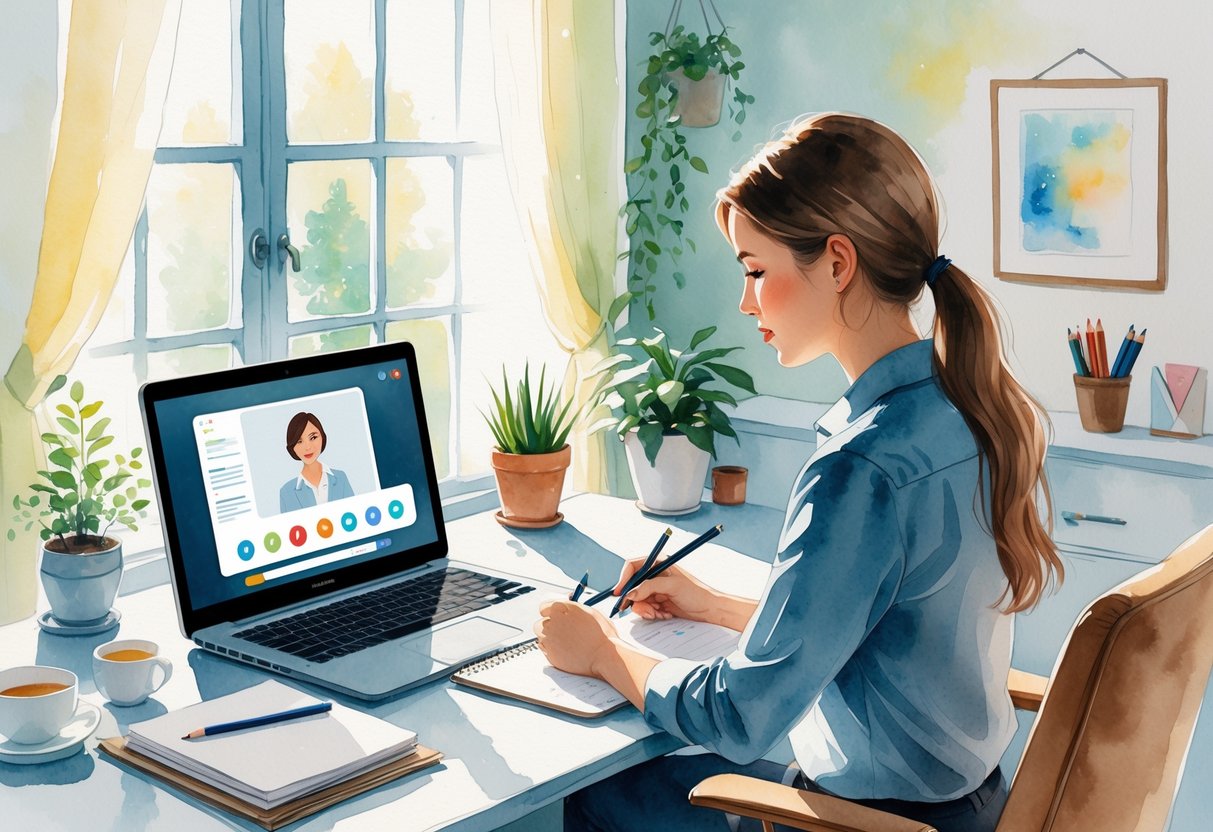
Professional webinars offer a practical way to break your daily routine while building valuable skills. These online training sessions let you learn from experts without leaving your desk or home.
Many organizations offer webinars designed specifically for administrative professionals. You can find sessions that cover everything from new software tools to leadership development.
Most webinars last about an hour, making them easy to fit into your schedule. Some professional associations provide free webinars as part of their membership benefits.
Others offer standalone sessions you can join without a membership. You’ll find both live and on-demand options, so you can watch at times that work best for you.
Webinars give you a chance to expand your knowledge in areas you’re curious about. You might learn about project management, communication strategies, or emerging workplace technologies.
The interactive nature of many webinars makes them more engaging than reading articles or watching videos alone. You can often ask questions during live sessions or connect with other participants.
This creates a sense of community with other administrative professionals facing similar challenges. Regular webinar participation shows your commitment to professional growth.
The skills and knowledge you gain can make your daily tasks easier and open doors to new opportunities in your career.
8) Digital graphic design basics

Learning digital graphic design can add valuable technical skills to your administrative toolkit. Many admin roles now require creating presentations, newsletters, and social media graphics.
Understanding design basics helps you produce professional materials without waiting for outside help. You can start with free or low-cost software to learn the fundamentals.
Programs like Canva offer simple drag-and-drop interfaces that work well for beginners. As you advance, you might explore Adobe Illustrator or other professional tools used in the design industry.
Digital design teaches you about color theory, layout, and visual communication. These skills transfer directly to your work when formatting documents, organizing information, or creating visual aids.
You’ll develop an eye for what looks polished and professional. The hobby also gives your brain a creative outlet that differs from your regular tasks.
Instead of managing schedules or filing paperwork, you’re making something visual. This shift helps break up the routine of typical administrative work.
You don’t need artistic talent to get started with graphic design. The software handles much of the technical work while you focus on arranging elements and choosing colors.
Many online tutorials and courses can guide you through the basics at your own pace. Administrative professionals with design experience often stand out to employers.
You become more versatile and can take on projects that would otherwise require hiring outside designers. This makes you a more valuable team member.
7) Creative journaling for stress relief
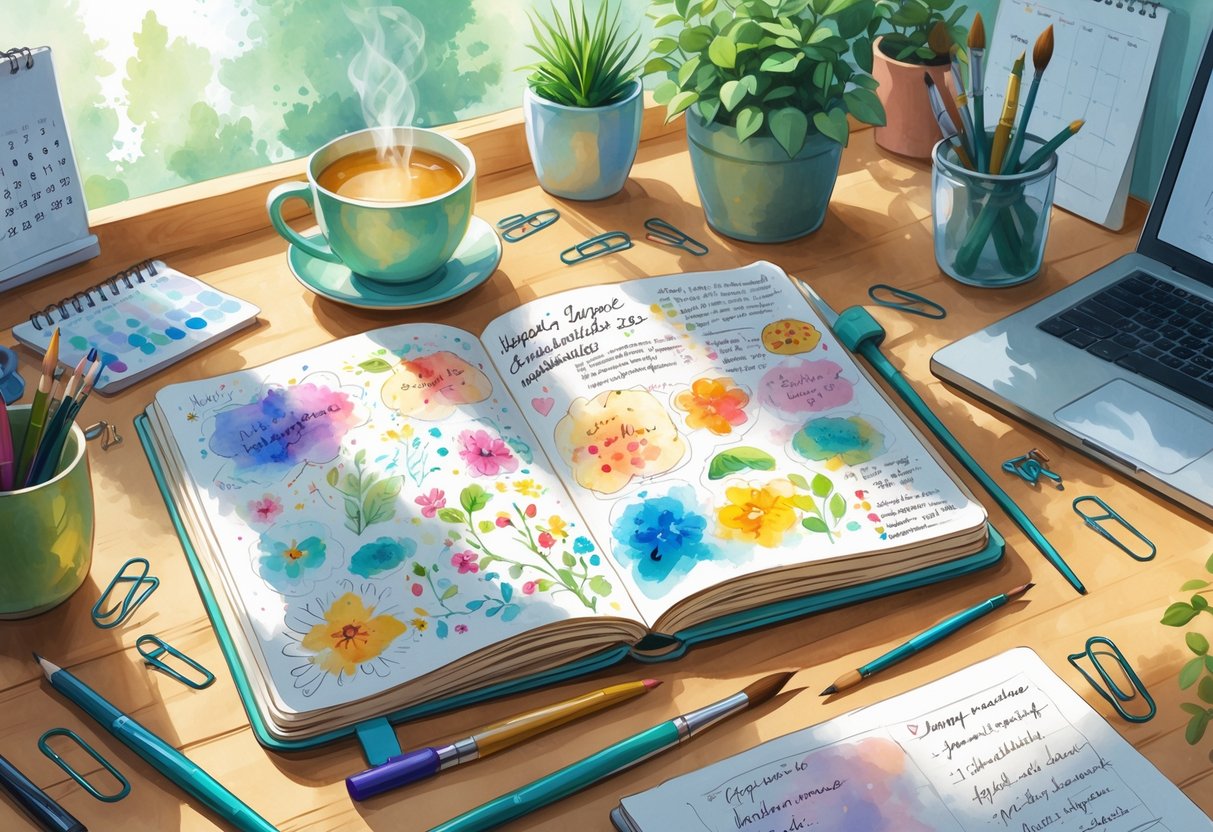
Creative journaling offers administrative assistants a simple way to process the mental load that builds up during busy workdays. You can use this practice to document your thoughts, sketch ideas, or create visual layouts that help you unwind.
This hobby works well because you can do it anywhere with just a notebook and pen. You might spend 10 minutes during lunch or 20 minutes before bed putting your thoughts on paper.
The creative aspect sets this apart from regular note-taking. You can add doodles, use colored pens, create bullet journal spreads, or paste in magazine clippings.
There are no rules about what your pages should look like. Writing down worries and frustrations helps you release tension from difficult interactions or overwhelming task lists.
You can also use prompts like “What made today worthwhile?” or “What do I need right now?” to guide your entries. Many administrative professionals find that creative journaling helps them separate work stress from personal time.
The act of writing creates a mental boundary between your office responsibilities and your evening hours. You don’t need artistic skills or expensive supplies to start.
A basic notebook costs a few dollars, and you can begin with simple written entries. As you get more comfortable, you might experiment with different formats that appeal to you.
This hobby fits easily into your existing schedule and provides a private space where you control the content and pace.
6) Time management skill workshops

Time management workshops offer a structured way to step away from your daily routine while building skills that directly benefit your work. These sessions provide hands-on learning experiences that you can apply immediately to your administrative tasks.
You can find workshops in various formats to fit your schedule. Many organizations offer in-person seminars during evenings or weekends.
Online courses give you the flexibility to learn at your own pace from home. These workshops teach practical strategies for prioritizing tasks and managing your workload.
You’ll learn techniques for organizing your schedule and handling multiple responsibilities at once. The interactive nature of these sessions helps you practice new methods in real time.
Attending workshops also connects you with other administrative professionals. You can share experiences and learn how others handle similar challenges in their roles.
This networking aspect adds value beyond the time management skills themselves. The skills you gain from workshops extend into your personal life as well.
You’ll become better at balancing work with family time and other activities. This improved organization reduces stress and helps prevent burnout.
Many workshops are available at low cost or even free through professional associations and community organizations. Some employers will pay for your attendance as part of professional development.
Look for sessions that focus specifically on administrative work to get the most relevant training for your position.
5) Volunteering for local charities

Volunteering offers administrative assistants a chance to use their skills in a completely different setting. You can apply your organizational abilities, communication talents, and attention to detail to help nonprofits and community groups that need support.
Local charities often need help with tasks you already know how to do. You might manage donor databases, coordinate events, or handle correspondence for organizations.
These activities feel familiar but serve a meaningful purpose outside of work. You can find volunteer opportunities that match your interests through websites like VolunteerMatch.
Many organizations need administrative help but can’t afford paid staff. Your skills become valuable contributions that keep these groups running smoothly.
The change of scenery benefits you as much as it helps the charity. You meet new people from different backgrounds and expand your professional network.
Working with volunteers and community members breaks up the routine of your regular workday interactions. Start small with a few hours per month to see what fits your schedule.
You might assist with office tasks at an animal shelter or help a food bank with their paperwork. Pick causes that matter to you personally so the experience stays rewarding.
Volunteering also builds your resume with diverse experience. You gain exposure to different organizational cultures and management styles.
This broadens your perspective and can make you more adaptable in your paid position.
4) Online escape room challenges

Online escape rooms offer a fresh way to step away from your administrative tasks. You can play these games from your computer during lunch breaks or after work.
They give your brain a different type of workout than your daily office duties. These virtual games put you in digital scenarios where you solve puzzles and find clues to “escape” within a time limit.
You might need to crack codes, spot hidden objects, or piece together information. The challenges use skills you already have as an administrative assistant, like attention to detail and organization.
Many free options exist if you want to try this hobby without spending money. You can play solo when you need alone time or join team-based games to connect with coworkers or friends remotely.
Team games help you practice collaboration in a low-pressure setting. Virtual escape rooms work well for your schedule because most games last 30 to 90 minutes.
You don’t need to travel anywhere or coordinate complicated meetups. Just open your browser and start playing.
This hobby builds your problem-solving abilities in entertaining ways. You’ll think creatively and work through challenges that have nothing to do with spreadsheets or calendars.
The mental shift helps you return to work feeling refreshed and ready to tackle your tasks with a clearer mind.
3) Learning advanced Excel shortcuts
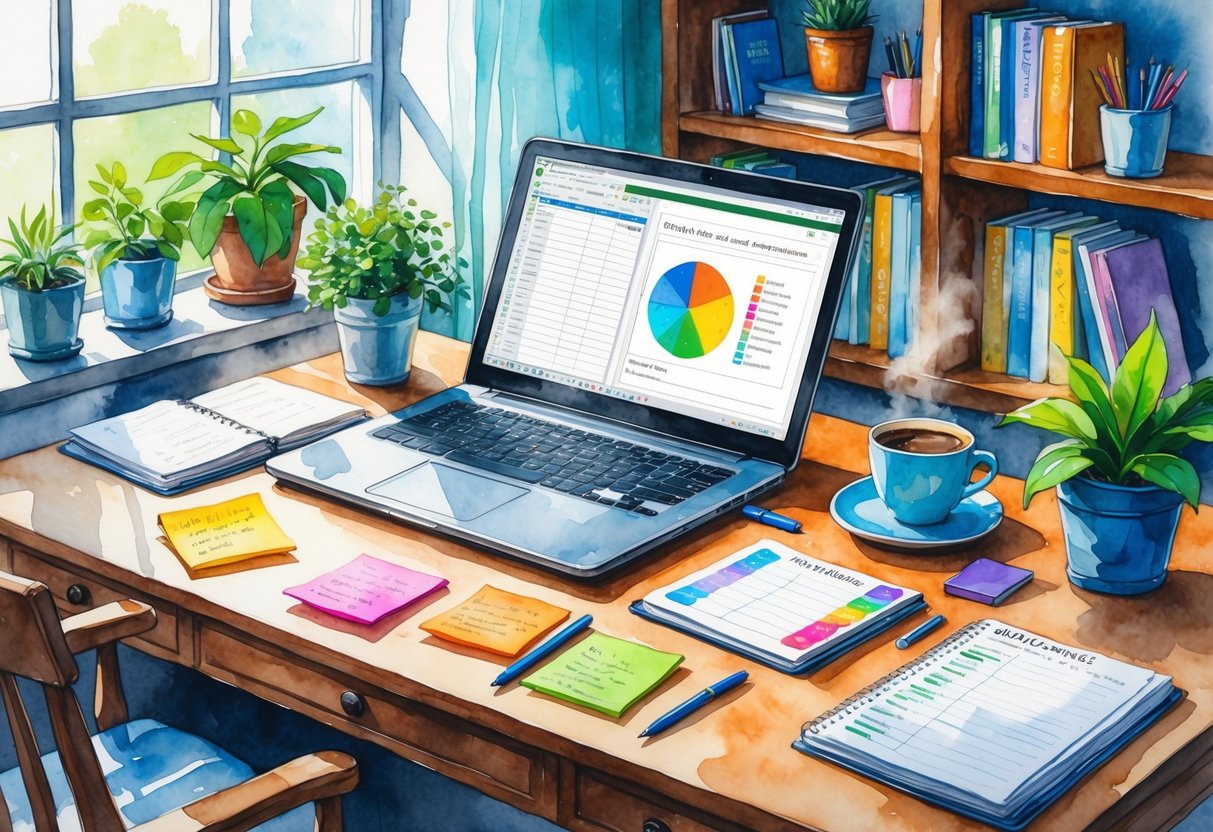
Excel skills form a core part of your daily work as an administrative assistant. Learning advanced shortcuts can transform how you handle spreadsheets and data management tasks.
Keyboard shortcuts let you complete tasks in seconds instead of minutes. You can navigate large datasets, format cells, and create pivot tables without constantly reaching for your mouse.
This saves time and reduces the repetitive strain that comes from clicking through menus all day. You don’t need to memorize hundreds of shortcuts at once.
Start with the most useful ones for your specific tasks. Common shortcuts like Ctrl+N for new workbooks or Ctrl+S to save are just the beginning.
Advanced shortcuts help you work with pivot tables, apply conditional formatting, and manage complex data analysis. These skills make you more valuable to your team and open up new ways to contribute to projects.
Learning Excel shortcuts works well as a hobby because you can practice at your own pace. Many free online tools let you test your knowledge and track your progress.
The mental challenge of mastering new shortcuts keeps your mind sharp. Each shortcut you learn builds on the last one, creating a satisfying sense of progress.
You can apply what you learn right away in your job, which makes the learning process more meaningful and rewarding.
2) Organizing workspace with vertical storage
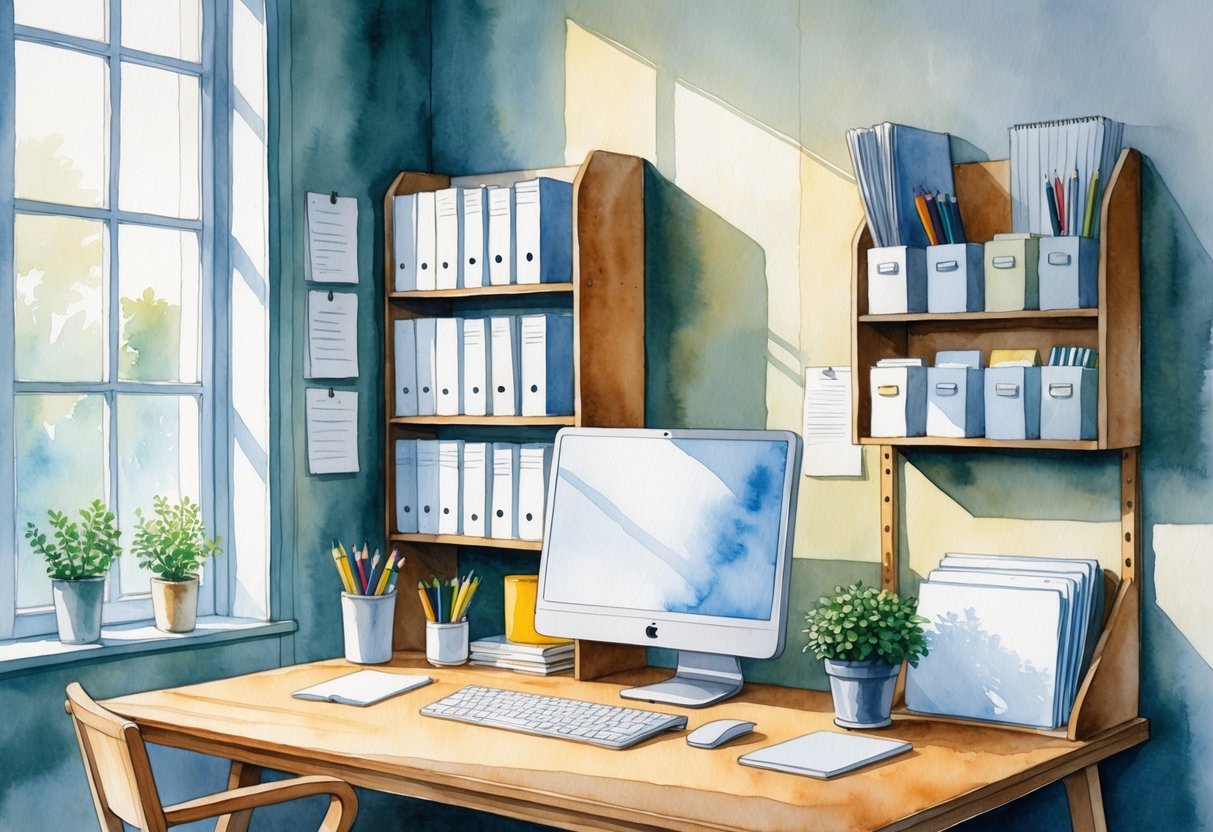
Your desk doesn’t have to be buried under papers and supplies. Vertical storage helps you reclaim your workspace while keeping everything you need within reach.
Wall-mounted shelves are a simple way to start. You can store files, books, and office supplies above your desk instead of piling them on your work surface.
This frees up space for your computer and daily tasks. Rolling carts offer another smart option.
You can stack trays or baskets vertically and move them around as needed. These work well for supplies you use often but don’t want cluttering your desk.
Pegboards give you flexible storage that adapts to your needs. You can hang organizers, shelves, and hooks to hold scissors, notepads, and other small items.
The setup changes easily when your storage needs shift. Modular shelving units let you build upward instead of outward.
Stack cubes or add floating shelves to make use of empty wall space. This approach works especially well in small offices where floor space is limited.
A well-organized workspace reduces visual clutter, which helps you focus better. Studies show that disorganized spaces can hurt productivity by up to 20%.
Start with one vertical storage solution that fits your space and budget. Add more as you figure out what works best for your daily routine.
Your workspace will feel more open and your workday will run more smoothly.
1) Virtual trivia games for team-building

Virtual trivia games offer you a fun way to break away from daily office tasks while connecting with your coworkers. These games let you test your knowledge on topics ranging from movies and music to history and pop culture.
You can join these games from your desk or home office. Most virtual trivia platforms are easy to use and don’t require special equipment beyond a computer and internet connection.
Playing trivia helps you build stronger relationships with your team members. When you work together to answer questions, you learn more about each other’s interests and strengths.
Many companies now offer free or low-cost virtual trivia options. You can play during lunch breaks or as part of scheduled team activities.
Some games let you compete individually while others put you on teams. The social aspect of trivia games gives you a mental break from administrative work.
You get to use different parts of your brain than you do during your normal duties like scheduling and organizing files. Virtual trivia works well whether your team is fully remote, hybrid, or in the office.
You can participate from anywhere, making it a flexible hobby that fits into your schedule. The competitive element adds excitement to your routine without adding stress to your workload.
How Hobbies Benefit Administrative Assistants
Administrative assistants who pursue hobbies outside work experience less stress, think more creatively, and maintain healthier boundaries between their professional and personal lives.
Reducing Stress and Preventing Burnout
Your role as an administrative assistant involves constant demands from multiple people. You handle urgent requests, manage schedules, and solve problems throughout the day.
This pressure builds up over time. Hobbies give your mind a break from work-related thoughts.
When you engage in activities you enjoy, your body releases chemicals that help you relax. Reading, gardening, or painting shifts your focus away from deadlines and emails.
Hobbies that reduce stress include:
- Physical activities like yoga or walking
- Creative pursuits such as drawing or crafting
- Social activities like book clubs or cooking classes
- Quiet hobbies such as puzzles or meditation
Regular participation in hobbies helps you recognize burnout signs early. You return to work feeling refreshed instead of drained.
This makes it easier to handle difficult situations and challenging coworkers.
Boosting Productivity and Creativity
Hobbies help you develop skills that transfer to your work. Learning a new language improves your memory and attention to detail.
Playing music enhances your ability to recognize patterns and stay organized. Your brain makes new connections when you try different activities.
These connections help you solve work problems in fresh ways. You might find a better system for filing documents or a more efficient way to schedule meetings.
Creative hobbies especially boost your problem-solving abilities. Writing, photography, or cooking requires you to think through challenges and find solutions.
You bring this same creative thinking to your administrative tasks. Taking breaks for hobbies actually increases your work output.
Your brain needs rest to function well. You make fewer mistakes and complete tasks faster when you give yourself time away from your desk.
Improving Work-Life Balance
Hobbies create clear boundaries between your job and personal time. When you commit to a pottery class or tennis league, you have a specific reason to leave work on time.
This helps you avoid staying late or thinking about work during evenings. Your identity becomes more than just your job title.
You see yourself as a runner, a baker, or a volunteer instead of only an administrative assistant. This broader view of yourself reduces work-related anxiety.
Hobbies also build your social circle outside the office. You meet people who know you for your interests rather than your professional role.
These relationships provide support and perspective that workplace friendships cannot always offer. Setting aside time for activities you enjoy teaches you to prioritize your needs.
This skill helps you manage your workload better and communicate your limits to supervisors and coworkers.
Tips for Incorporating Hobbies Into a Busy Schedule

Administrative assistants often work demanding schedules with frequent interruptions and competing priorities. Success comes from treating hobbies as necessary parts of your routine rather than optional activities you squeeze in when everything else is done.
Setting Realistic Goals
Start by choosing one hobby instead of trying to fit multiple activities into your schedule at once. Pick something that matches your actual available time, not the time you wish you had.
Break your hobby into small, manageable chunks. If you want to learn photography, commit to taking five photos during lunch three times a week instead of planning a full weekend photo shoot.
If you enjoy reading, set a goal of 10 pages per day rather than finishing a book every week. Track your time for one week to identify where you actually have free moments.
Most people discover 15-30 minutes they didn’t realize existed. Common time slots include:
- Early morning before work starts
- Lunch breaks
- Time spent waiting for meetings
- Evening hours after dinner
- Weekend mornings
Adjust your goals based on your energy levels throughout the day. Save activities requiring focus for times when you feel most alert.
Finding Workplace Support
Tell your supervisor about hobbies that improve your job skills. Learning graphic design, writing, or project management through hobbies can benefit your work performance.
Many managers support activities that build relevant skills. Connect with coworkers who share similar interests.
You might find a walking partner, book club member, or craft enthusiast in your office. Shared hobbies create accountability and make it easier to stick with activities.
Use your workplace resources when appropriate. Some companies offer fitness centers, learning stipends, or interest-based employee groups.
Check if your organization has programs that support personal development activities.
Making the Most of Breaks
Use your lunch break for hobbies at least twice per week. A 30-minute break gives you enough time to sketch, read several chapters, practice a language app, or take a short walk with your camera.
Keep hobby supplies at your desk for quick five-minute activities. Small items like puzzles, knitting projects, or adult coloring books fit in desk drawers and require no setup time.
Replace scrolling time with hobby time. Most people spend 20-40 minutes daily on social media during breaks. Redirect half that time to your chosen activity.
Set a phone timer to stay aware of how you use short breaks throughout your workday.
Frequently Asked Questions
Administrative assistants often wonder which hobbies can boost their professional skills while providing relief from daily work stress. These questions address how specific activities can improve everything from organizational abilities to physical wellness.
What hobbies help administrative assistants enhance their organizational skills?
Time management skill workshops teach you practical methods to structure your tasks and priorities. These sessions show you how to create systems that work both at home and in the office.
Digital graphic design basics require you to organize files, layers, and project timelines. You learn to manage multiple elements at once while keeping everything in order.
Gardening builds organizational skills because you need to plan planting schedules and track what needs care. You must coordinate timing, resources, and maintenance tasks to keep plants healthy.
Which creative pastimes can benefit the multitasking abilities of an office assistant?
Digital graphic design basics push you to work with multiple tools and windows at the same time. You switch between different tasks while keeping track of your overall project goals.
Creative journaling for stress relief helps you process multiple thoughts and experiences quickly. You learn to capture ideas fast while managing different topics on the same page.
Cooking complex recipes requires you to coordinate several dishes with different cooking times. You build skills in managing multiple deadlines that all need to finish at the right moment.
How can practicing certain hobbies improve an administrative assistant’s communication skills?
Participating in professional webinars exposes you to new communication styles and presentation methods. You learn how experts explain complex ideas in simple terms.
Creative journaling for stress relief helps you organize your thoughts before speaking. You practice expressing feelings and ideas clearly on paper first.
Book clubs require you to share your opinions and listen to different viewpoints. You develop skills in explaining your ideas and understanding what others mean.
What are some intellectually stimulating hobbies that administrative assistants can engage in?
Participating in professional webinars keeps your mind active with new business concepts and industry trends. You learn about topics that directly relate to your career growth.
Learning a new language challenges your brain to recognize patterns and remember rules. You build mental flexibility that helps with problem-solving at work.
Strategy board games require you to think several steps ahead and adapt to changes. You practice decision-making skills in a fun setting.
In what ways can hobbies outside of work contribute to career development for administrative professionals?
Participating in professional webinars connects you with industry leaders and new ideas. You gain knowledge that makes you more valuable to your employer.
Time management skill workshops give you techniques you can use immediately at your desk. These skills help you handle larger workloads and take on new responsibilities.
Digital graphic design basics teach you software skills that many offices need. You become the person who can create presentations, newsletters, and social media posts.
What physical activities can be adopted as hobbies to help administrative assistants manage stress?
Yoga combines movement with breathing exercises that calm your nervous system. You can practice for just 15 minutes and feel the benefits throughout your workday.
Walking outdoors gives you fresh air and a change of scenery after sitting at a desk. Regular walks reduce tension in your neck, shoulders, and back.
Dance classes let you move your body while having fun with music. You release built-up stress and improve your energy levels.