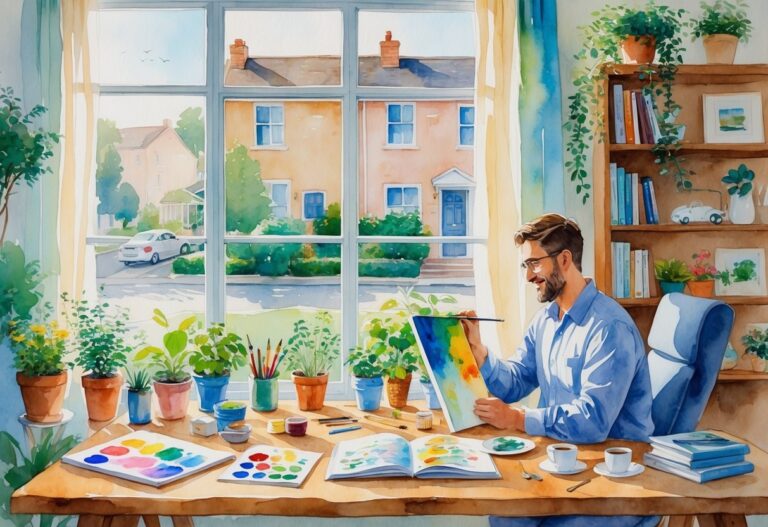
10 Best Hobbies for Bankers Wanting Creative Outlets: Break Free From Spreadsheets and Discover Your Artistic Side
Banking careers demand long hours, intense focus, and constant attention to numbers and regulations. The pressure to perform in this high-stakes environment can leave little room for personal expression or relaxation.
Finding ways to unwind and tap into different parts of your brain becomes important for maintaining balance and preventing burnout.

Creative hobbies offer bankers a practical way to reduce stress, develop new skills, and bring fresh perspectives to their professional work. Whether you enjoy working with your hands, expressing yourself through art, or exploring new tastes and experiences, the right hobby can provide the mental break you need.
The activities covered in this article range from cooking and music to visual arts and writing, giving you options that fit different interests, schedules, and budgets.
10) Cooking Gourmet Recipes

Cooking gourmet recipes offers bankers a hands-on creative outlet that produces tangible results. You can step away from spreadsheets and financial models to work with ingredients, flavors, and techniques that engage your senses in new ways.
Gourmet cooking lets you follow detailed instructions while still allowing room for creativity. You might start with classic French techniques or explore molecular gastronomy.
The structured nature of recipes appeals to your analytical mind, while plating and presentation tap into your artistic side. This hobby fits well into your schedule since you control the timing.
You can tackle complex dishes on weekends or prepare simpler gourmet meals on weeknights. Many impressive recipes take less time than you might expect.
The skills you develop transfer directly to entertaining clients or hosting dinner parties. You’ll gain confidence in the kitchen and expand your culinary knowledge.
Learning about ingredient pairings, cooking methods, and flavor profiles gives you a new area of knowledge. Gourmet cooking also provides stress relief through its focus on the present moment.
When you’re searing scallops or making a reduction sauce, your attention stays on the task at hand. This creates a natural break from work-related thinking.
You don’t need expensive equipment to start. A few quality knives, good pans, and fresh ingredients will get you going.
As you progress, you can invest in specialized tools that match your interests.
9) Playing Musical Instruments

Playing a musical instrument gives you a creative break from the analytical work you do as a banker. Learning to play piano, guitar, or another instrument uses different parts of your brain than number crunching and financial analysis.
You can start with just 15-20 minutes of practice each day. This makes it realistic to fit into your busy schedule.
Playing an instrument improves your memory and problem-solving skills. The discipline required to learn music is similar to the focus you already apply to financial work.
You don’t need to become a professional musician to enjoy the benefits. Playing for yourself or with friends provides a satisfying creative outlet.
Many bankers find that making music helps them manage stress from their high-pressure jobs. Online lessons and apps make learning more accessible than ever.
You can take lessons at home on your own schedule. This flexibility works well when you have unpredictable work hours or travel frequently.
The investment in an instrument and lessons pays off in personal satisfaction. Music lets you express emotions that you might keep bottled up during your workday.
It creates a clear boundary between your professional and personal life, giving you something entirely your own outside of banking.
8) Yoga and Mindfulness Practice

Banking careers demand long hours at a desk and constant mental focus. Yoga offers you a physical outlet that works well for people at any fitness level.
You don’t need expensive equipment or a gym membership to start. A simple yoga mat and 15-20 minutes of practice can help release tension built up from sitting in meetings or staring at spreadsheets.
The physical poses stretch your body while the breathing techniques calm your mind. Mindfulness practice pairs naturally with yoga but also stands alone as its own activity.
You can practice mindfulness through meditation, focused breathing, or simply paying attention to the present moment. This creates a mental break from analyzing numbers and managing client relationships.
These practices help you develop better focus and self-awareness. When you regularly engage in yoga or mindfulness, you may notice improved concentration during work hours.
The mental clarity gained from these activities can make you more effective at problem-solving and decision-making. You can practice at home before work, during lunch breaks, or in the evening to decompress.
Many banking professionals find that starting their day with 10 minutes of meditation or ending it with gentle yoga helps them maintain balance. These activities give you tools to manage stress without requiring creative skills you might feel you lack.
The combination of physical movement and mental focus makes yoga and mindfulness practice valuable hobbies for anyone in high-pressure finance roles.
7) Pottery and Ceramics
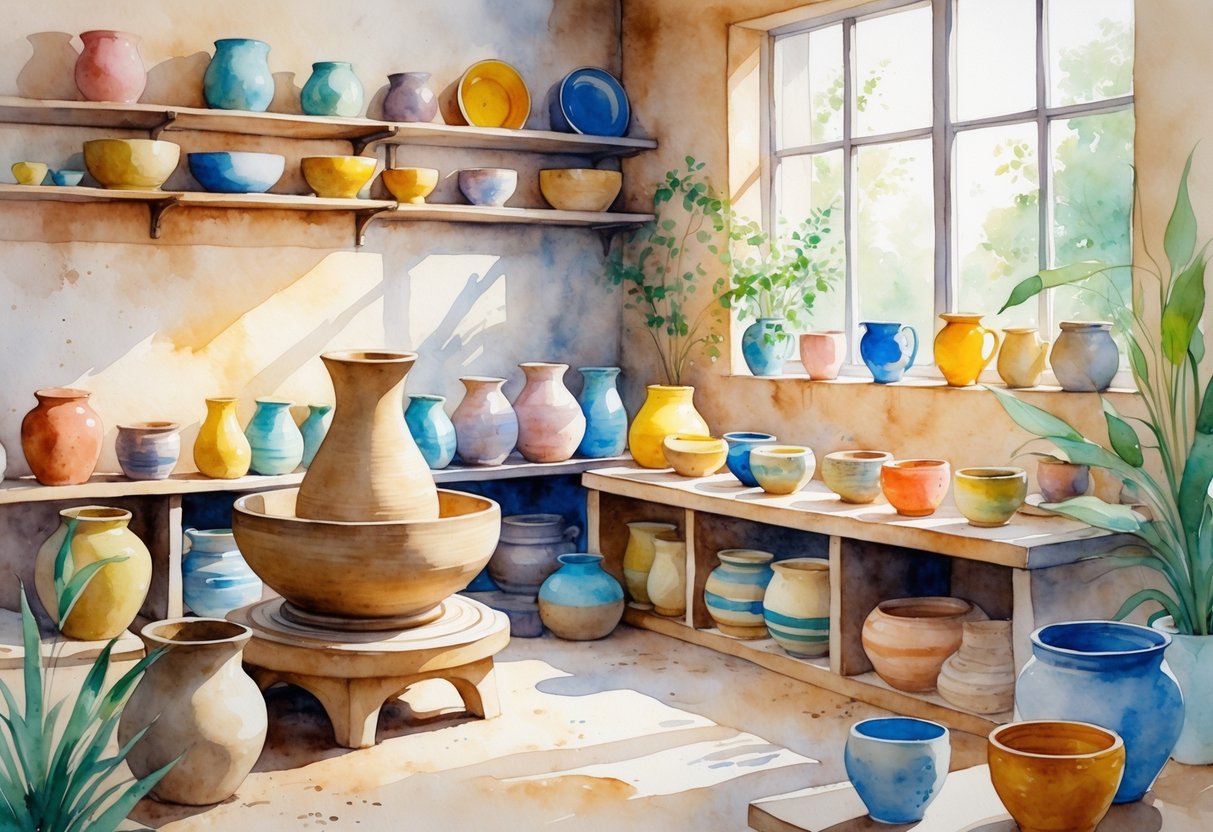
Working with clay offers bankers a hands-on escape from spreadsheets and financial analysis. You shape physical objects with your hands, which creates a satisfying contrast to the abstract nature of banking work.
Pottery lets you make functional items like mugs, bowls, and plates that you can actually use in daily life. You can also create decorative pieces if that interests you more.
The clay responds directly to your touch, giving you immediate feedback that differs from the delayed results common in banking projects. The process requires focus and attention to detail, skills you already have from your banking career.
But here, you apply them in a completely different way. You learn to center clay on a wheel, shape walls evenly, and glaze pieces for the final firing.
Many pottery studios offer classes for beginners, so you don’t need prior experience to start. You can attend weekly sessions that fit around your work schedule.
The structured class format works well for busy professionals who need predictable time commitments. The ceramics market is worth $4.6 billion worldwide, which means there’s potential to sell your work if you develop your skills.
But you don’t need to think about profit right away. Simply making something with your hands provides the creative outlet you’re looking for.
Each finished piece represents hours away from financial stress and number crunching.
6) Gardening and Urban Farming

Banking work keeps you behind screens and in meetings most of the day. Gardening offers a physical contrast that lets you work with your hands and see immediate results from your efforts.
You don’t need a large yard to start. Urban farming works well in small spaces like balconies or patios.
Vertical gardens and container plants fit into tight areas and still produce fresh herbs, vegetables, or flowers. The hobby serves multiple purposes beyond just growing plants.
You’ll improve air quality around your space while creating something useful. Many bankers donate extra produce to local food banks, which adds community value to the activity.
Starting costs stay low at around $100 or less for basic supplies. You’ll need containers, soil, seeds, and basic tools.
Herb spirals and upcycled planters keep expenses down while maximizing your growing space. The time commitment stays flexible.
You can spend 15 minutes daily checking on plants or dedicate weekend hours to larger projects. This flexibility fits well with unpredictable banking schedules and busy periods.
Gardening provides clear mental breaks from financial work. The repetitive tasks like watering and weeding give your analytical mind a rest.
Watching plants grow over weeks and months offers a different type of progress than quarterly reports. Urban farming skills build over time.
You’ll learn about soil composition, plant varieties, and seasonal cycles. These practical skills create knowledge completely separate from your banking expertise.
5) Wine Tasting and Collecting

Wine tasting offers bankers a creative escape from spreadsheets and financial models. You can explore different grape varieties and wine regions while training your palate to detect subtle flavors and aromas.
This hobby engages your senses in ways that number-crunching never will. Starting a wine tasting hobby doesn’t require a large budget.
You can begin by visiting local wineries or attending wine tasting events at wine shops. Many establishments offer affordable tasting flights that let you sample multiple wines without significant expense.
Wine collecting takes this hobby a step further. You can build a personal collection that reflects your taste preferences and knowledge of different vintages.
Tracking your wines helps you remember what you enjoyed and when each bottle should be consumed for peak flavor. The analytical skills you use in banking transfer well to wine appreciation.
You’ll learn to evaluate wine quality, understand regional differences, and recognize patterns in winemaking styles. This knowledge grows deeper as you taste more wines and compare your experiences.
Wine collecting also offers practical benefits beyond relaxation. You can share bottles with friends and colleagues at gatherings.
Some collectors view rare wines as alternative investments, though you should focus on enjoying the hobby rather than treating it purely as a financial strategy. You don’t need expensive accessories to get started.
Basic wine glasses and proper storage are enough for beginners. Your collection can grow naturally as your interest and knowledge develop over time.
4) Graphic Design

Graphic design offers bankers a perfect way to express creativity through digital tools. You can create visual content like logos, social media posts, or digital artwork using design software.
This hobby lets you work with colors, shapes, and layouts to communicate ideas visually. Getting started is straightforward.
You need basic design software and a willingness to learn fundamental principles like typography, color theory, and composition. Many free programs exist for beginners, so you don’t need to invest heavily at first.
The skills you develop translate directly to your banking career. You can create better presentations for clients and colleagues.
Your ability to visualize data and information improves, making complex financial concepts easier to understand. Graphic design works well with a banker’s schedule.
You can practice for short periods during weekdays or dive into longer projects on weekends. The digital nature means you only need a computer or tablet to work anywhere.
This hobby also builds problem-solving abilities. Design challenges you to find creative solutions within constraints, similar to banking work.
You learn to think about how people process visual information, which helps in any professional setting. The creative process provides a mental break from numbers and analysis.
Working with visual elements engages different parts of your brain than financial tasks. This balance helps prevent burnout and keeps your mind fresh for both your hobby and career.
3) Digital Photography

Digital photography offers bankers a perfect way to step away from spreadsheets and financial models. You can start with just your smartphone or invest in a basic camera when you’re ready to take things further.
Photography helps you see the world differently. Instead of analyzing numbers, you’ll focus on composition, lighting, and moments worth capturing.
This shift in perspective can be refreshing after long days of financial work. You can practice photography during your lunch breaks or weekend outings.
Try photographing architecture in your city, nature scenes at local parks, or candid street photography. Each style offers different challenges and creative rewards.
The technical aspects of photography might appeal to your analytical mind. You’ll learn about aperture, shutter speed, and ISO settings.
These concepts follow logical rules, similar to the structured thinking you use in banking. Editing photos provides another creative layer.
Software like Lightroom or free apps let you adjust colors, contrast, and mood. You can spend as little or as much time as you want perfecting each image.
Photography also creates a natural reason to explore new places. You might discover neighborhoods you’ve never visited or wake up early to catch sunrise shots.
The hobby encourages you to slow down and notice details you’d normally miss. You can share your work online through platforms like Instagram or Flickr.
Building a portfolio gives you tangible proof of your progress and connects you with other photographers.
2) Painting with Acrylics

Acrylic painting offers bankers a straightforward way to shift from numbers to colors. You don’t need prior art experience to start.
The medium is forgiving and dries quickly, which works well if you only have short windows of free time between your demanding work schedule. You can set up a painting space in any room of your home.
Basic supplies include acrylic paints, brushes, canvas or paper, and a palette. These materials are easy to find at craft stores and won’t break your budget when you’re starting out.
The fast-drying nature of acrylics lets you work in layers without waiting long periods. You can paint over mistakes or change directions mid-project.
This flexibility helps reduce the pressure to get everything perfect on the first try. Painting engages a different part of your brain than financial analysis does.
You make decisions about color, composition, and texture rather than calculations and risk assessment. This mental shift can help you decompress after intense workdays.
You can paint abstract designs, landscapes, or still life subjects based on what interests you. Many beginners start with simple projects like ombre skies or basic shapes to build confidence.
As your skills develop, you can tackle more complex scenes. The hobby fits into varied schedules since you can paint for 20 minutes or several hours.
You control when and how long you work on each piece, making it practical for busy banking professionals.
1) Creative Writing

Creative writing gives you a direct way to express your thoughts and ideas outside of banking’s rigid structure. You can write fiction, poetry, personal essays, or even short stories during your free time.
This hobby requires nothing more than a notebook or computer to get started. Writing helps your brain work differently than it does during financial analysis.
You focus on characters, emotions, and narratives instead of numbers and data. This mental shift can reduce stress and give you a break from your regular work.
Many bankers find that creative writing improves their communication skills. When you practice crafting clear sentences and organizing ideas in stories, these abilities carry over to your professional writing.
Your emails and reports may become clearer and more engaging. You can start small by writing for just 15 minutes each day.
Try keeping a journal, writing flash fiction, or working on a longer project over time. There are no rules about what you write or how you write it.
Creative writing also builds problem-solving skills in unexpected ways. You learn to think through different scenarios and perspectives when developing characters and plots.
These thinking patterns can help you approach banking challenges from new angles. You don’t need special training or talent to begin.
Writing is a skill that improves with practice. Many free resources and writing communities exist online where you can learn techniques and share your work if you choose.
How Creative Hobbies Benefit Bankers

Creative hobbies offer bankers practical advantages that extend beyond the office. They sharpen thinking skills, lower stress levels, and improve how you work with others.
Enhancing Problem-Solving Skills
Creative hobbies train your brain to think differently about challenges. When you paint, write, or play music, you practice finding new solutions to problems.
This skill transfers directly to your banking work. Your brain builds new connections when you engage in creative activities.
These connections help you spot patterns and create solutions you might not see otherwise. Creative thinking helps you look at data and situations from multiple angles.
You start to question standard approaches and develop fresh ideas. This becomes valuable when dealing with complex financial situations that need unique solutions.
Key skills developed through creative hobbies:
- Pattern recognition
- Alternative thinking approaches
- Adaptability to new situations
- Innovation in problem-solving
Reducing Workplace Stress
Banking jobs create high levels of stress through tight deadlines and financial pressure. Creative hobbies give your mind a break from work demands.
Just 45 minutes of creative activity can lower your stress and boost your confidence. Creative activities work as a release valve for built-up tension.
They let you focus on something you control completely. This control feels different from banking work where many factors stay outside your influence.
Your mental health improves when you regularly do creative hobbies. You sleep better and feel more energized at work.
The break from financial thinking helps you return to your job with a clearer mind and better focus.
Boosting Communication and Teamwork
Creative hobbies improve how you express ideas to clients and coworkers. Activities like writing or graphic design teach you to present information in clear, engaging ways.
These skills make your presentations more effective and memorable. You learn to explain complex topics simply through creative work.
This helps when you need to discuss financial products with clients who don’t understand banking terms. Better communication leads to stronger client relationships and more successful deals.
Creative activities also build empathy and understanding of different perspectives. You become better at working with diverse team members.
This improved teamwork helps when you collaborate on large projects or need to reach consensus quickly.
Tips for Incorporating Creative Outlets Into a Busy Schedule

Banking professionals need practical strategies to make creative hobbies work within demanding schedules. Start with realistic time blocks and establish a physical space that supports your creative work.
Setting Realistic Time Commitments
You don’t need hours each day to maintain a creative practice. Start with 15 to 30 minutes during your lunch break or before bed.
This approach prevents burnout and makes it easier to stay consistent. Block specific times in your calendar just like you would for client meetings.
Treat these creative sessions as non-negotiable appointments. Many bankers find success scheduling creative time on weekday mornings before work or during weekend afternoons.
Pick hobbies that match your available time blocks. Photography works well during your commute or lunch walks.
Sketching fits into 20-minute gaps between meetings. Writing can happen in short bursts on your phone during travel time.
Time blocks that work for most bankers:
- Early morning: 30 minutes before getting ready for work
- Lunch break: 20 minutes while eating at your desk
- Evening: 45 minutes after dinner
- Weekends: 1-2 hour sessions
Creating a Dedicated Creative Space
Set up a specific area in your home for your creative work. This space signals to your brain that it’s time to shift from banking mode to creative mode.
Your space can be small—a corner of your bedroom or a section of your dining table works fine. Keep your supplies organized and ready to use.
Store everything in a portable caddy or drawer so you can start immediately without setup time. This removes barriers that might stop you from beginning.
Your creative space needs good lighting and minimal distractions. Add a small lamp if natural light is limited.
Keep your phone in another room or use apps to block work notifications during creative time.
Frequently Asked Questions

Bankers looking for creative outlets often have questions about balancing artistic pursuits with their careers, turning hobbies into income streams, and finding affordable options that fit their schedules.
What are some engaging hobbies for professionals in the finance sector seeking artistic expression?
Playing musical instruments offers a structured yet creative outlet that appeals to analytical minds. You can start with piano or guitar, which provide clear progression paths similar to career advancement.
Pottery and ceramics give you hands-on creative work that contrasts with digital banking tasks. The tactile nature of clay work helps you disconnect from screens while creating functional art pieces.
Cooking gourmet recipes combines precision with creativity in ways that feel natural for finance professionals. You can experiment with flavor profiles and plating techniques while following recipe structures.
How can I turn a creative pursuit into a profitable side income?
Gardening and urban farming can generate income through selling produce at farmers markets or to local restaurants. You can start small with herbs and specialty vegetables that command higher prices.
Pottery pieces like mugs, bowls, and planters sell well through online marketplaces and local craft fairs. Building a customer base takes time, but quality handmade ceramics attract buyers willing to pay premium prices.
Teaching yoga classes or offering private instruction creates steady income once you complete certification. Many bankers successfully run weekend workshops or early morning sessions before work hours.
Which inexpensive creative hobbies can help me earn extra money?
Cooking allows you to start earning with minimal investment by selling baked goods, meal prep services, or homemade condiments. Your home kitchen provides the basic equipment needed to begin.
Gardening requires only seeds, soil, and containers to start growing profitable herbs and microgreens. These high-value crops need little space and generate returns within weeks.
You can teach beginner music lessons using instruments you already own. Online lessons eliminate commute time and expand your potential student base beyond your local area.
What are some profitable hobbies that can be pursued from a home workshop?
Pottery becomes profitable from home once you invest in a kiln and wheel. Your garage or basement can transform into a functional studio space for creating saleable ceramics.
Urban farming works perfectly in home settings with vertical gardens, hydroponic systems, or backyard plots. You can grow specialty produce year-round with proper setup.
Musical instrument practice at home prepares you for paid performances or recording session work. Many musicians earn supplemental income through virtual performances and online content creation.
What are the best hobbies for women interested in monetizing their creativity?
Cooking gourmet recipes translates into multiple income streams including catering, baking businesses, and cooking classes. Women successfully build food businesses starting from home kitchens.
Pottery appeals to women seeking tactile creative work with clear market demand. Handmade ceramics sell particularly well when marketed through social media platforms.
Yoga instruction offers flexible scheduling and strong earning potential for certified teachers. You can build a practice around your banking career while serving clients before or after traditional work hours.
Can you suggest some hobbies that permit financial growth and are suitable for stay-at-home parents?
Gardening fits perfectly into home schedules with flexible timing for planting, maintenance, and harvesting. You can tend plants during naptime or early mornings while generating steady produce income.
Cooking from home allows you to build a food business around childcare responsibilities. Baking, meal prep services, and specialty food items can be prepared during available hours.
Online music instruction lets you teach from home without commute time or childcare costs. You schedule lessons around your availability and build a student base that respects your time constraints.