10 Best Hobbies for Digital Nomads to Boost Productivity and Well-Being
Living as a digital nomad lets you work and travel at the same time, bringing new places and experiences into your daily life.
This lifestyle has a lot of freedom, but finding ways to relax and have fun can be a challenge when you are always on the move.
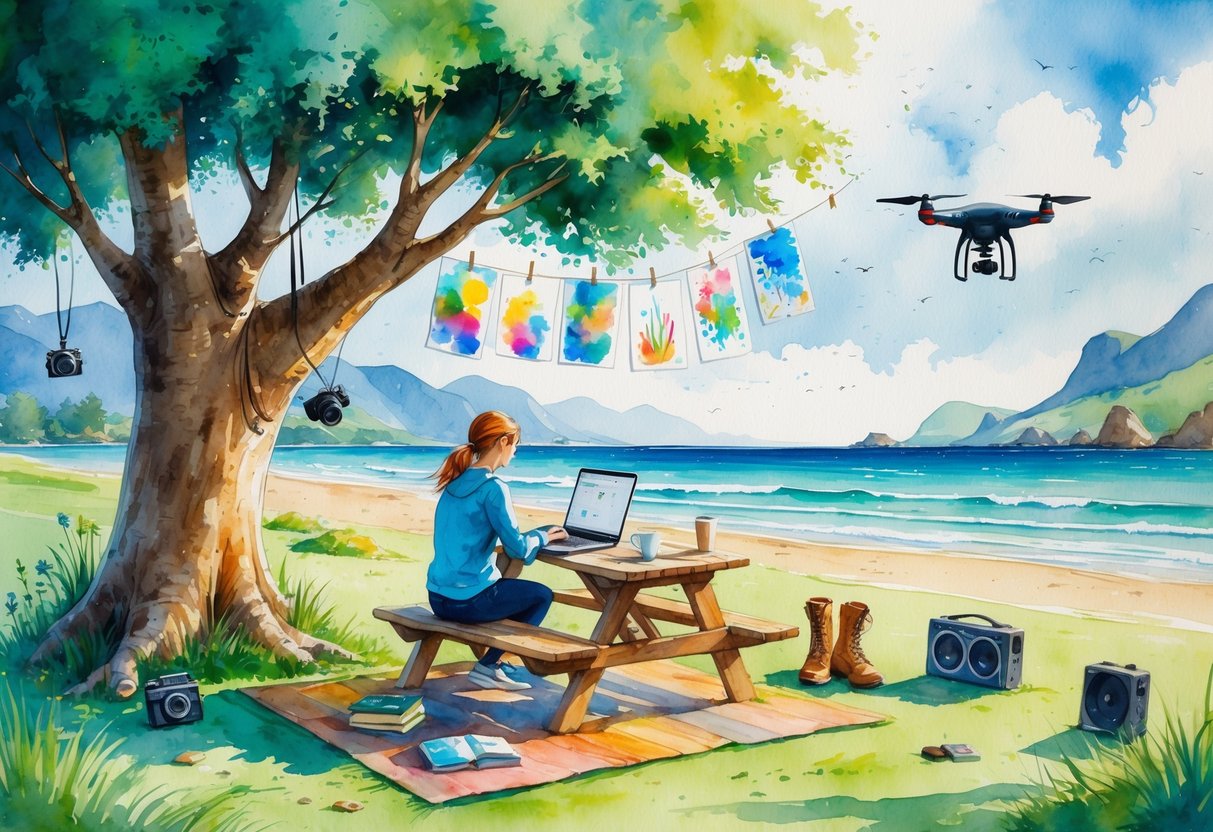
Choosing the right hobbies helps you stay inspired, balanced, and connected no matter where you are.
The activities you pick can make your journey more enjoyable and help you meet new people along the way.
1) Photography with lightweight mirrorless cameras
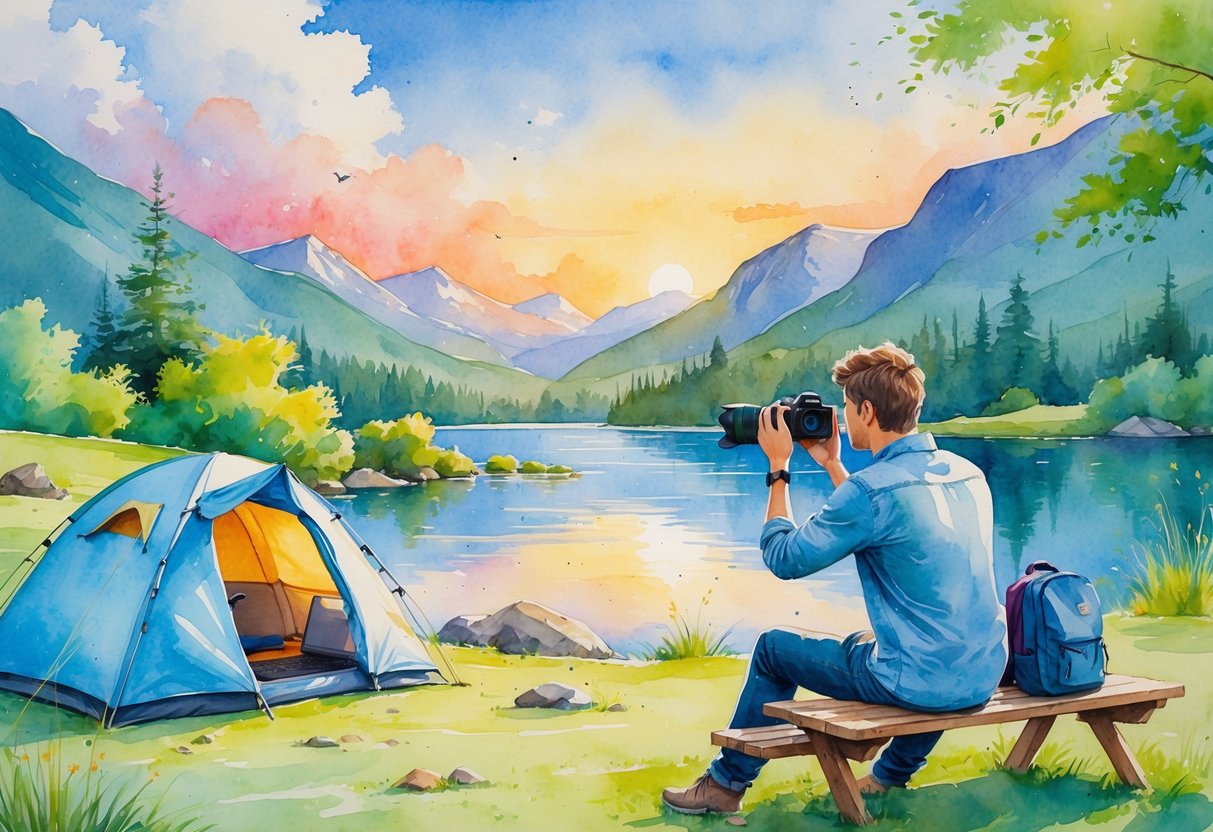
Photography is a practical hobby for digital nomads.
You get to capture your travels and share your unique view of the world with others.
Lightweight mirrorless cameras are an excellent choice for travelers.
These cameras offer high image quality without the bulk of traditional DSLRs.
You can fit them easily in your bag or carry-on.
Mirrorless cameras like the Sony A7C and the Sony Alpha a6000 have become popular due to their combination of power and portability.
The Sony A7C is a full-frame camera in a small body, making it easy to pack while traveling.
The Sony Alpha a6000 is also lightweight and suitable for both beginners and hobbyists.
Features such as fast autofocus and compact lenses make mirrorless cameras easy to use.
You can quickly capture moments whether you’re on a hike, exploring a new city, or at a local café.
If you want a more rugged option, the Olympus OM-D E-M5 Mark III is weather-sealed and compact.
This makes it a good choice for outdoor adventures, even in unpredictable weather.
With mirrorless cameras, you can experiment with both photos and videos.
Their advanced features let you shoot in different lighting conditions and settings.
If you’re just starting, you don’t need to get the most expensive gear right away.
Many affordable lightweight models deliver high-quality results and are simple to operate.
Photography helps you remember your journeys and build visual stories.
Sharing your photos online is a great way to connect with other travelers and create an audience.
2) Yoga for physical and mental well-being
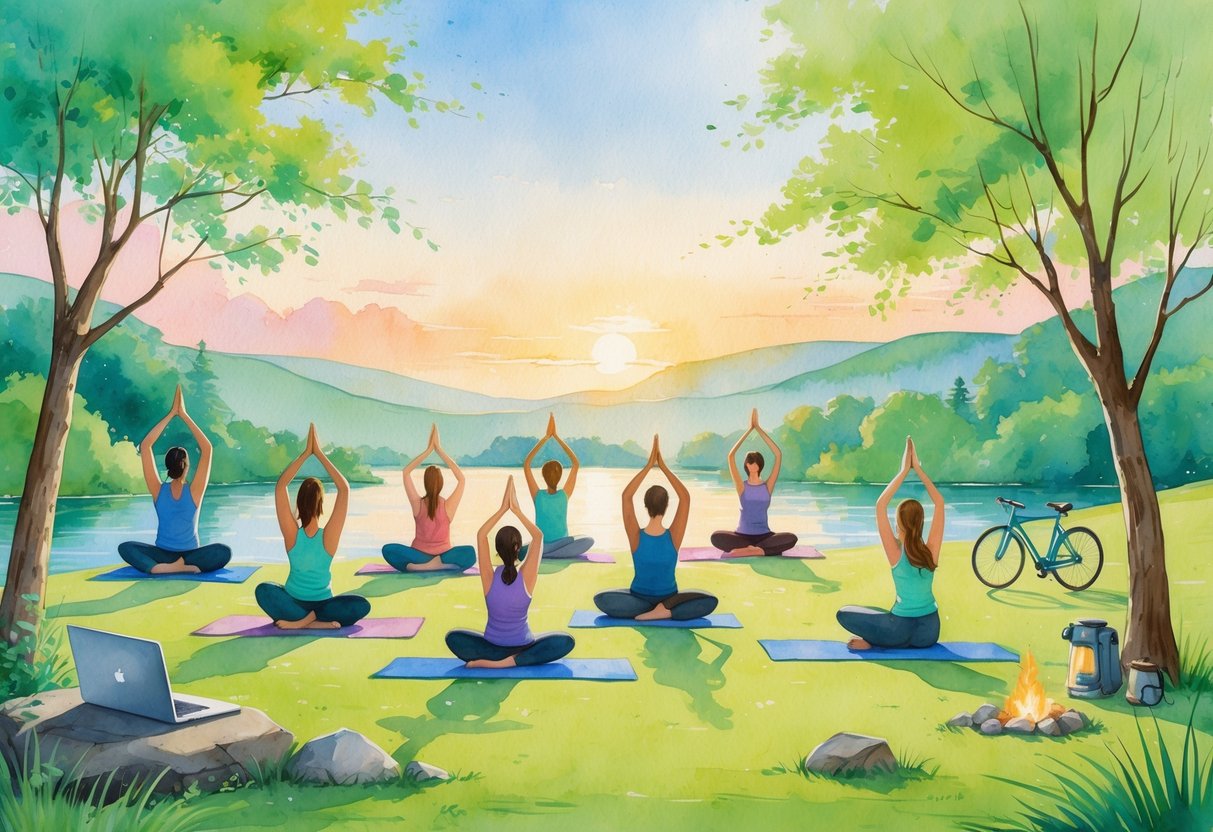
Yoga is a great choice for digital nomads because you can practice it almost anywhere.
All you need is a little space and a mat.
This flexibility makes it easy to add yoga to your routine, even with a busy or changing schedule.
Regular yoga practice helps keep your body active and flexible.
It can reduce common aches and pains that come from sitting at a desk or working on a laptop for long hours.
Simple stretches and poses make a big difference in your comfort and energy.
Yoga is also known for its mental health benefits.
Taking time for slow breaths and mindful movement can lower stress and support your emotional health.
Practicing yoga may help ease feelings of anxiety or worry, which is helpful if you deal with the uncertainties of travel.
You do not need special skills to get started with yoga.
There are many free videos online and classes in most major cities.
Whether you prefer practicing alone or with others, yoga suits both options.
Connecting with local yoga communities can help you make friends while you travel.
Joining a group class is one way to meet people who also value health and balance.
Practicing yoga can also help you feel more grounded and focused, which supports both your physical and mental well-being.
If you stick with yoga, even for just a few minutes a day, you may notice improvements in your mood and focus.
It works well as a break in your workday or as part of your morning routine.
This hobby is practical and accessible for people of all experience levels.
3) Digital drawing using an iPad and Apple Pencil
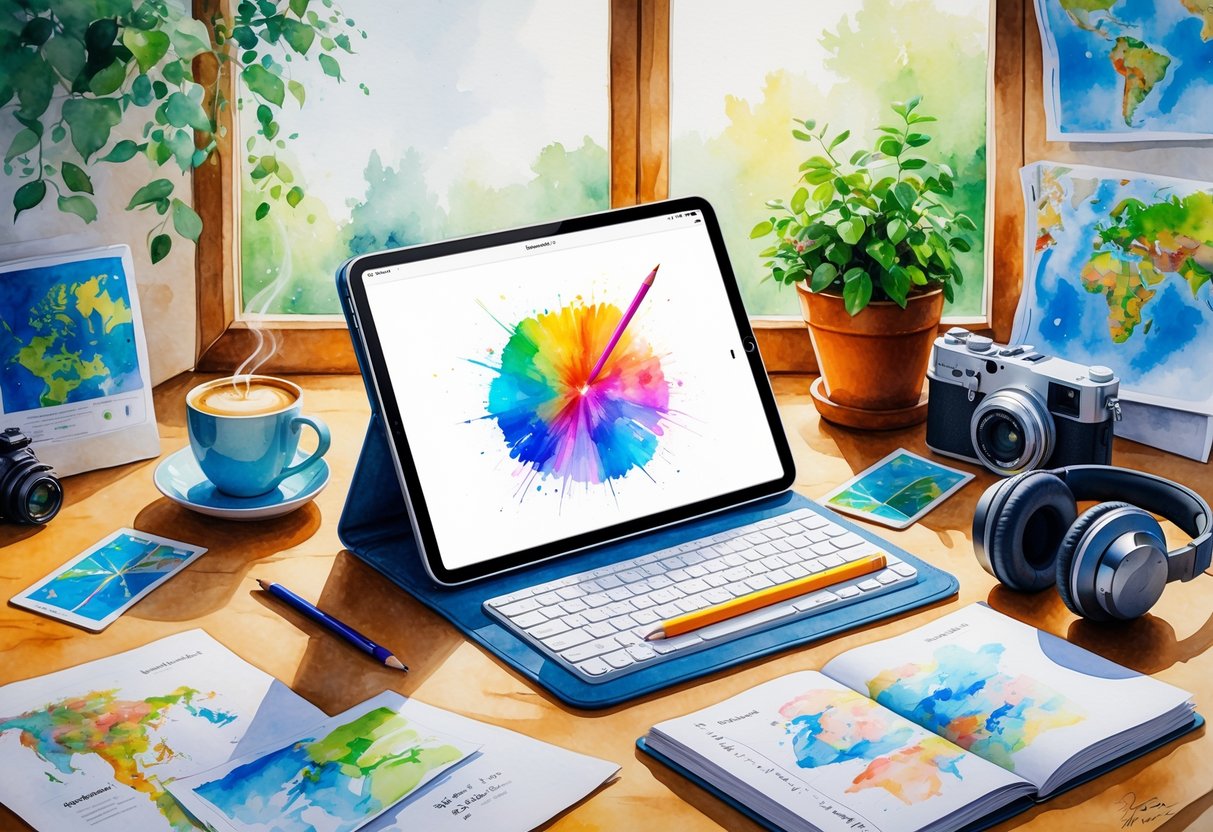
Digital drawing is a good hobby if you want to make art while on the move.
Using an iPad and Apple Pencil, you can create art almost anywhere—coffee shops, parks, or in your hotel room.
The Apple Pencil is known for its precise control and pressure sensitivity.
This tool helps you get crisp lines and smooth shading, which makes it feel close to drawing on paper.
Many artists like how there is little to no lag when using the Apple Pencil with popular drawing apps like Procreate.
Several iPad models work well for drawing, but the iPad Pro stands out because of its larger display and support for advanced features.
If you use the iPad 10 for drawing, keep in mind it doesn’t have a laminated display, so there may be a slight gap between the pencil tip and your lines.
For some, this difference is hardly noticeable, but others might prefer the more premium feeling of a laminated screen found on the iPad Pro or Air.
You can store thousands of sketches and drawings without needing extra supplies.
The digital format also makes it easy to share your art online or with friends, which fits the nomad lifestyle.
Accessories like stands or screen protectors can make your setup more comfortable over long sessions.
If you are just starting, many free tutorials and drawing communities are available online.
This support helps you learn new skills, get feedback, and stay inspired while traveling.
Digital drawing lets you create, relax, and connect with others no matter where you are.
For more about the Apple Pencil experience, see this honest artist review.
4) Reading eBooks on Kindle
Reading eBooks on a Kindle is a practical hobby for digital nomads.
You can carry thousands of books without extra weight in your bag.
This is helpful when you travel and have limited space.
A Kindle can be used almost anywhere.You can read at the airport, on the beach, or in a coffee shop.The screen is easy to see even in bright sunlight.
The battery life on most e-readers, including Kindle, can last for weeks.You do not have to worry about charging it every day.This is good when you are on the move and may not have power outlets nearby.There are a lot of eBooks available in many genres.You can read fiction, non-fiction, self-help, travel guides, or even learn new skills.
If you want ideas, check out some recommended books for digital nomads and guides to help you get started.
Many digital nomads choose a Kindle because it is lightweight and easy to pack.
According to a discussion on Reddit, users like the simple design and long battery life.
This makes it convenient for long trips.
Using a Kindle also makes it easy to buy new books from anywhere you have internet access.You do not have to find a bookstore or wait for shipping.This makes keeping up with your reading easy, no matter where you are.Reading eBooks can help you relax and pass the time on buses, trains, or flights.It can also inspire you and help you keep learning as you work remotely.
5) Learning a new language with Duolingo
Learning a new language is a useful hobby for any digital nomad.
When you know the local language, you can feel more comfortable in new places.
It is also easier to make friends and ask for help if you need it.
Duolingo is one of the most popular language learning apps.You can use Duolingo for free, and it works well on both computers and phones.Its lessons are short, which means you can learn even if you only have a few minutes a day.
The app uses simple exercises and games to help you remember new words and grammar.
Many people enjoy how the lessons feel like a game, making it easier to stick to a daily habit.
Using Duolingo, you can learn languages at your own pace.You do not need to be an expert to benefit from Duolingo.Even learning a few common phrases can help you during your travels.This small effort can make a big difference in communication.
Many digital nomads use apps like Duolingo to help them connect with people wherever they go.These tools are especially helpful when traveling to countries where you do not speak the language.Just a few minutes of practice each day can help you improve gradually and confidently.
If you want to try out language learning, you can start with Duolingo’s free platform.
The app has many language options, so you can choose what is most useful for your travels.
You can practice anytime, even when you are offline, which is very useful while traveling.
6) Podcasting with a portable microphone
Podcasting is a good hobby for digital nomads because it lets you share stories, interviews, or information from anywhere.
All you need is a portable microphone and a laptop or smart device to get started.This setup makes podcasting easy while you travel.A portable microphone helps you record clear audio without bringing heavy equipment.
Many digital nomads choose compact microphones that are easy to pack and set up.The Shure MV5 is a popular USB option that fits in your bag and works well for travel.There are also microphones with both USB and XLR connections, such as the Shure MV7+.
This model offers features like voice isolation and noise reduction, which can be helpful if you are recording in busy locations.
If you like to record interviews or audio outside, consider mics designed to reduce background noise.This can help keep your podcast clear even in cafes, coworking spaces, or parks.Look for microphones with built-in denoisers or filters to improve sound quality in these settings.
Podcasting can fit any schedule.You can record episodes during your free time and edit them while on the move.Many editing apps are available on laptops and mobile devices, giving you flexibility to work from anywhere.
All you need is a topic you care about, a portable mic, and internet access for uploading episodes.
Podcasting gives you a way to express yourself and connect with a global audience while exploring new places.
7) Travel blogging or vlogging
Travel blogging or vlogging is a popular hobby for digital nomads. It lets you document your journeys, share tips, and connect with others who love to travel.
You can write blog posts or create videos about your daily experiences, places you visit, or foods you try. You do not need expensive equipment to start.
Many people begin with their smartphone and a simple editing app. Over time, you can upgrade your gear as you learn more about the process.
Travel blogs and vlogs can also help you improve your writing, photography, or video editing skills. You might find yourself learning new programs or trying out different ways to share your stories.
You may find inspiration from other travelers who share their experiences online. For example, some digital nomads write about local cultures or the best spots to work remotely.
Others focus on the food scene, outdoor adventures, or city guides. Well-written blogs and creative vlogs can become a side income through ads, sponsored posts, or affiliate links.
Some digital nomads even turn travel blogging into a full-time job. It is common to build a community around your content.
Comment sections and social media let you talk with your audience or meet other nomads. This can make traveling feel less lonely and more social.
If you want ideas or want to start your own, you can look at some of the best digital nomad blogs for inspiration. You may also find more tips from lists of top digital nomad blogs to inspire you.
8) Playing Nintendo Switch games
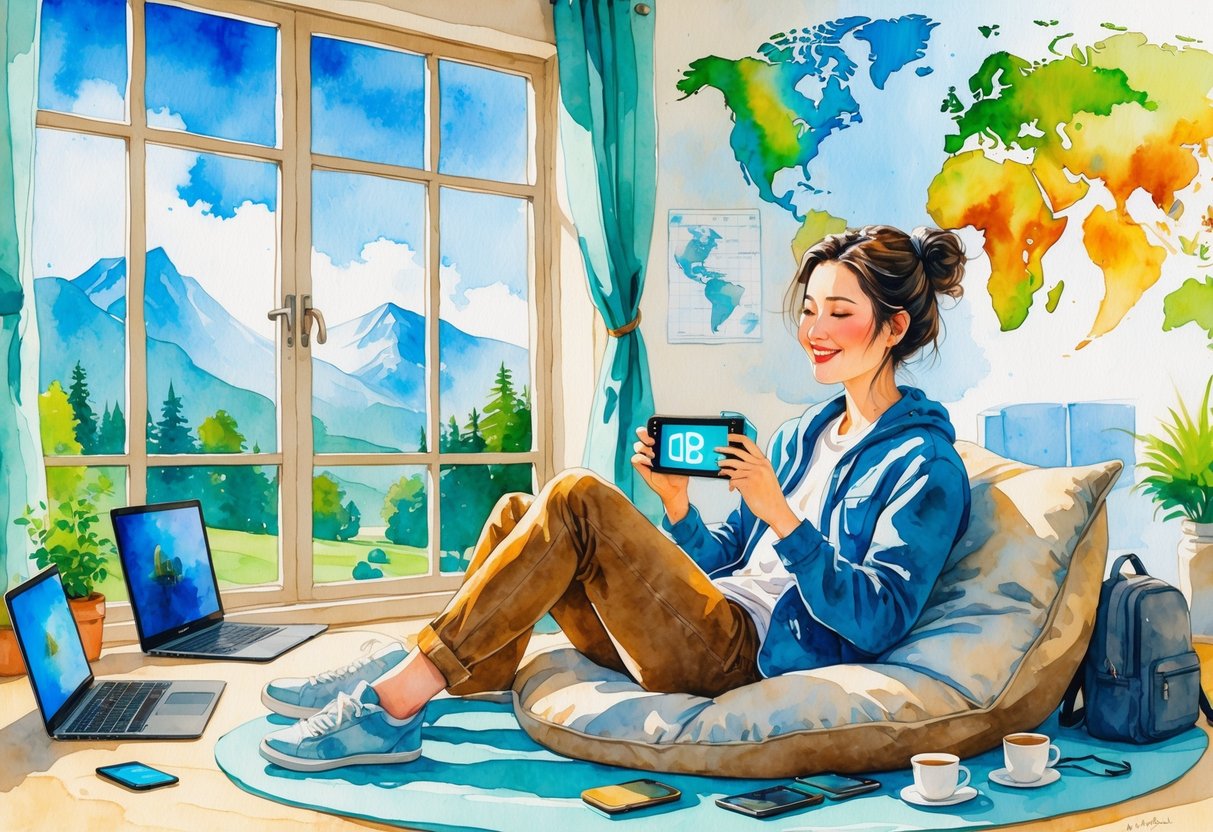
If you like gaming, the Nintendo Switch is a good choice for digital nomads. The console is small and easy to pack, which makes it travel-friendly.
You can play both at your accommodation or on the go because it works as a handheld device. You do not need a TV or extra equipment to enjoy most games.
The battery lasts several hours, so you can use the Switch on planes, trains, or buses. There are many types of games available.
You can pick relaxing puzzle games, adventure titles, or multiplayer games to connect with others online. The Nintendo eShop lets you download games directly, which is helpful if you travel in places without game stores.
Some digital nomads find playing games a great way to relax after work. The Switch helps you unwind and gives your brain a break from your daily tasks.
You may also meet other travelers who play Nintendo Switch. This can be a simple way to make friends or fill downtime on longer travel days.
Many people in the digital nomad community consider gaming a fun and easy hobby to take while traveling. If you want something social, you can join online communities or play multiplayer games.
Some travelers share tips or host game nights with friends, which adds a social element to your stay. Playing Nintendo Switch games can fit any schedule.
You can play for a few minutes or longer, depending on your time and mood.
9) Writing fiction or journaling

Writing is a flexible hobby you can do from almost anywhere, making it a popular choice for digital nomads. Bringing a small notebook or using a simple app on your device lets you capture thoughts and experiences on the move.
Both writing fiction and journaling can help you make sense of your travels. Fiction gives you the freedom to build worlds or describe characters inspired by places you visit.
You can write short stories, try poetry, or even work on a novel. Regular writing can help spark creativity and give you a deeper connection to the environment around you.
Journaling helps you record memories and reflect on your journey. This habit can also improve mindfulness and lower stress.
Some digital nomads find that journaling makes it easier to spot personal growth and stay grateful for new experiences. Over time, your notes or stories may become a valuable keepsake.
Many nomads also use their writing as content for blogs or social media. If you are unsure how to begin, try writing a short daily entry or describe something new you noticed that day.
You do not need special skills or expensive tools—just something to write with. This hobby is rewarding whether you show your writing to others or keep it private.
For more ideas, you can read how some digital nomads use writing and journaling to stay inspired while traveling.
10) Meditation using apps like Headspace
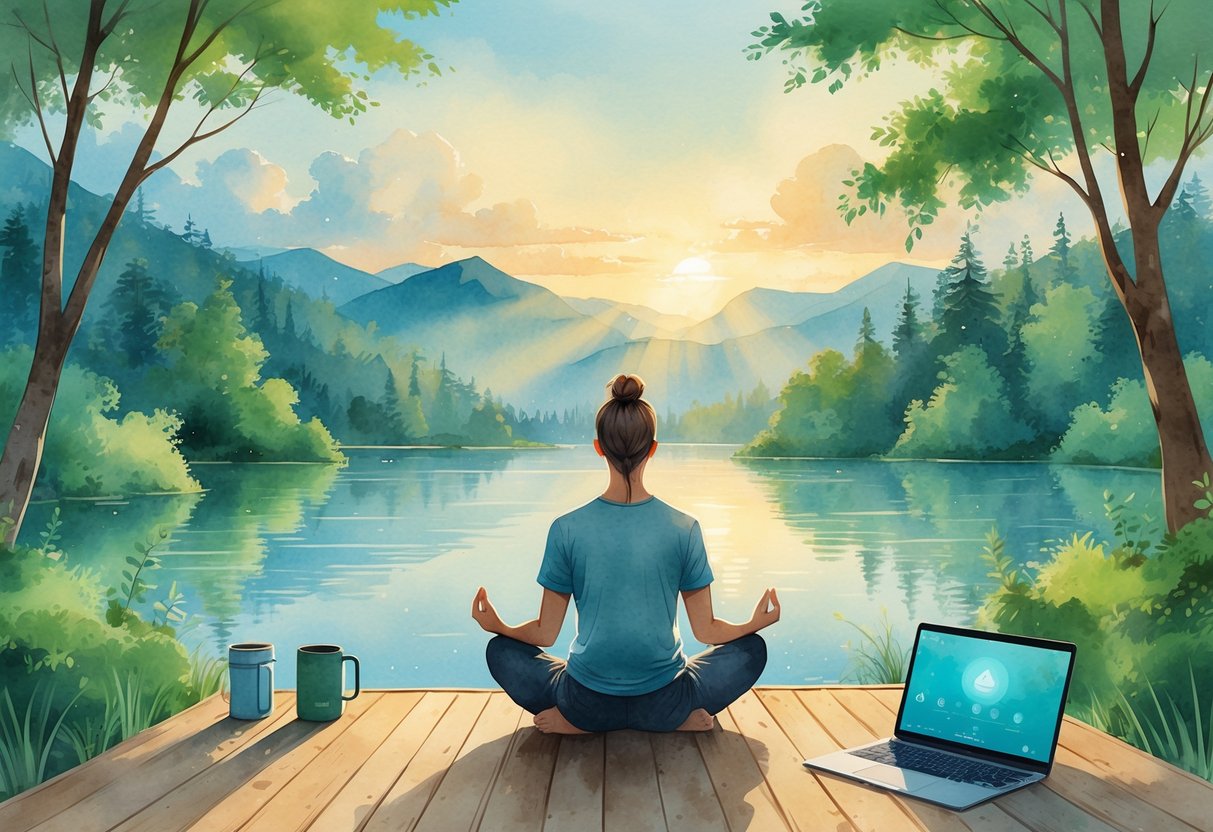
Meditation can help you handle stress, sharpen your focus, and improve your overall well-being. This is important when you live and work as a digital nomad, often moving between places and facing new challenges.
Guided meditation apps such as Headspace make it easy to create a meditation habit. These apps provide audio sessions, reminders, and simple instructions, which can be helpful if you are just starting out.
You can fit meditation sessions into even the busiest schedules. Most meditation apps offer short exercises that take only a few minutes each day.
This means you can meditate during a break, on a train, or at your hotel room. If you find Headspace too expensive or limiting, there are many free alternatives to Headspace that let you try guided meditations and mindfulness exercises.
These apps are available for both iOS and Android devices. Trying different meditation styles may help you discover what works best for you.
Some apps focus on helping you sleep or manage anxiety, while others offer more general mindfulness practices. Meditation is a hobby that doesn’t require much equipment or space.
All you need is your phone and a quiet spot to sit. This makes it one of the easiest hobbies to add to your routine, no matter where your travels take you.
With a meditation app, you can track your progress and set goals. Many digital nomads find that taking a few minutes for mindfulness each day helps them stay calm and centered on the road.
How Hobbies Improve the Digital Nomad Lifestyle
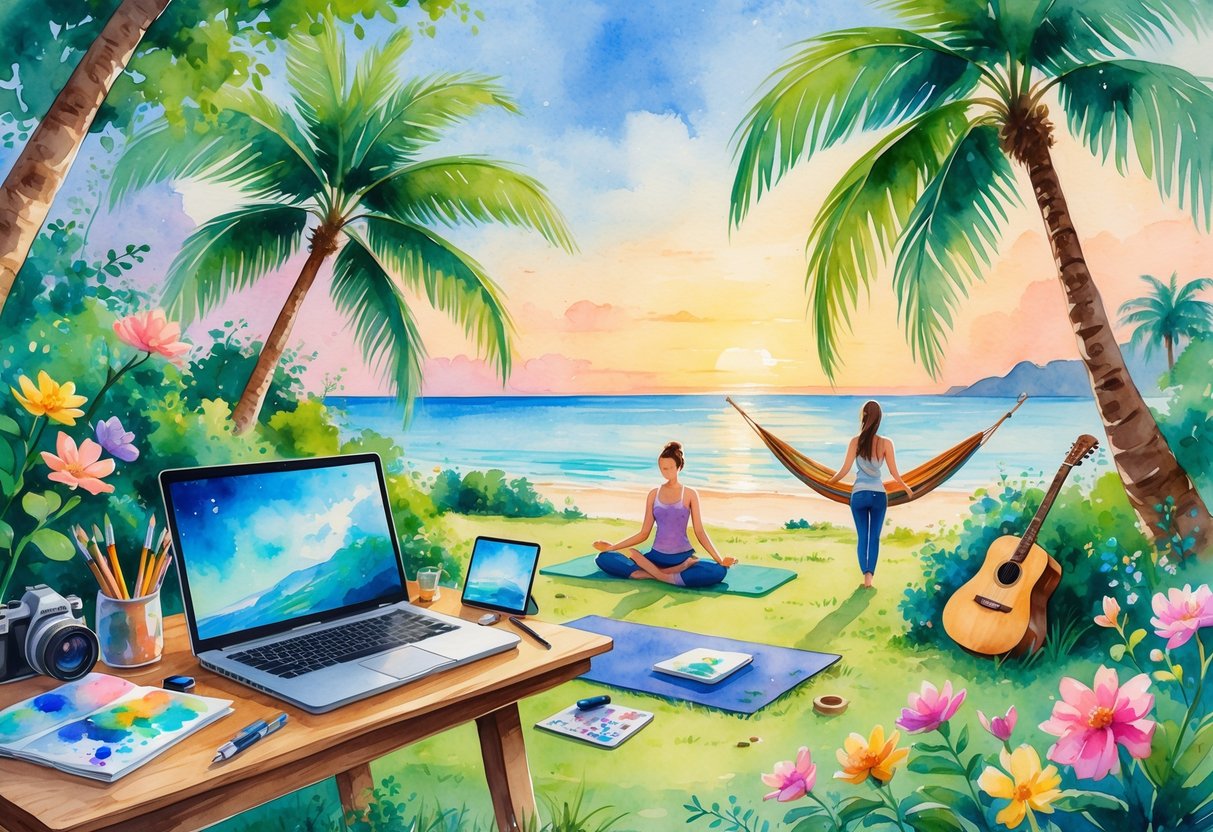
Daily hobbies can help you manage stress, stay motivated, and feel more at home wherever you go. Flexible activities make it easier to build routines and stay balanced during your travels.
Boosting Productivity and Focus
A hobby can improve how well you focus during work hours. Short breaks for activities like drawing, walking, or practicing a musical instrument let your mind reset.
This often leads to better concentration and problem-solving when you return to your tasks. Trying different hobbies, such as learning a language or playing chess, challenges your brain.
Mental stimulation from these hobbies can reduce burnout and keep you sharp. Simple creative projects like journaling or photography help you reflect on your work and travel experiences, providing a fresh perspective.
Scheduling hobbies throughout your week creates structure, especially when living in new places. This routine can support time management and increase productivity.
Many digital nomads find that these habits lead to staying inspired and socially active.
Supporting Mental Health While Traveling
Frequent travel can bring excitement but also stress, homesickness, and loneliness. Hobbies play a key role in self-care, offering comfort and stability in changing environments.
Mindful activities like meditation or yoga help recenter your thoughts. Many digital nomads find that experimenting with different meditation techniques while traveling helps reduce anxiety and improve mood.
These practices are easy to adapt to small spaces and new cultures. Social hobbies, such as joining a local sports game or cooking with new friends, connect you with people in different countries.
This builds a support network and lowers feelings of isolation. Even solo activities like reading or painting help you unwind and recharge, making it easier to bounce back from tough days.
Tips for Incorporating Hobbies on the Road
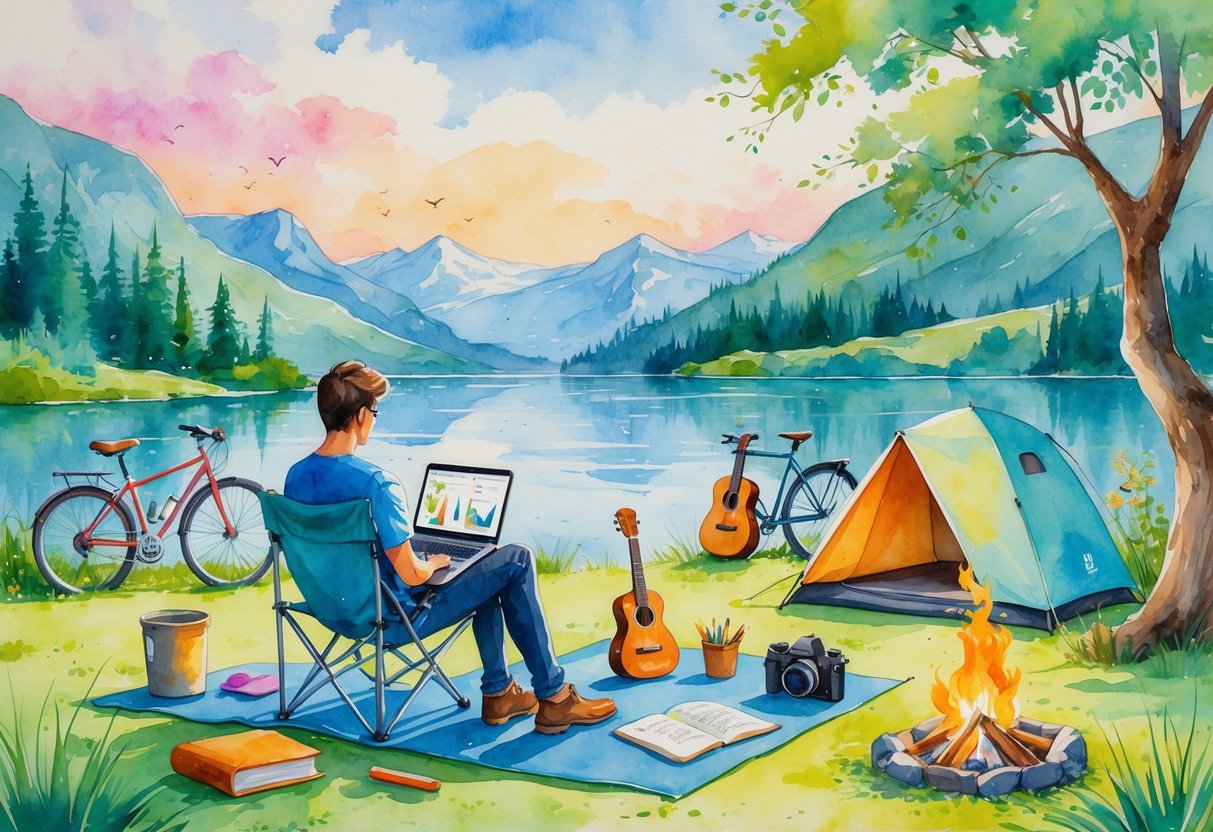
Fitting hobbies into a travel-heavy lifestyle takes some planning, but it can boost your mental health and help you make new connections. Having the right activities and support can also help you stay inspired while moving from place to place.
Selecting Hobbies That Fit a Mobile Lifestyle
When you choose hobbies as a digital nomad, look for ones that do not rely on large equipment or a fixed location. Compact or online-friendly activities—like writing, digital photography, sketching, or journaling—will not weigh down your bag and can be done anywhere.
Many digital nomads find that physical hobbies, such as hiking, running, or yoga, are easy to keep up with in new destinations. Think about hobbies that match your regular schedule.
If you have short pockets of free time, reading, language learning, or quick meditation exercises fit well. For group hobbies, try pop-in classes or workshops in your area.
It can also help to plan ahead. When you visit a new city, check for nearby parks, gyms, or classes in advance.
Get travel-friendly gear or use apps designed for mobile hobbies to make it easier to stick with your favorites. Get more ideas for travel-friendly activities at 10 travel-friendly hobbies to take on the road.
Staying Connected with Hobby Communities Abroad
Connecting with other hobbyists can make your travels feel less lonely and give you a sense of community. You can use local meetups, expat groups, or social media to find people who share your interests.
Look up co-working spaces since many organize hobby-based events and workshops. If your hobby is popular worldwide, apps and online forums are great tools.
For example, you can join global communities for writing, gaming, cooking, or art. Some hobbies, such as volunteering or joining local dance classes, can also help you meet people and learn about the culture—see more on community-building hobbies at Hobbies for Digital Nomads: Stay Inspired and Connected on the Road.
Joining organized clubs or attending local events can expose you to new skills or traditions. Sharing your progress online, even in a small group, lets you stay motivated and build lasting connections, even from far away.
Frequently Asked Questions
Finding the right hobbies can help you balance your work, improve your health, and connect with new people while living as a digital nomad. Portable hobbies and technology-based activities offer flexibility without adding a lot to your luggage.
What are the most suitable hobbies for maintaining a work-life balance as a digital nomad?
Yoga is great for both your mind and body. It helps reduce stress and keeps you active without needing much equipment.
Digital drawing and photography encourage creativity and allow you to take breaks from your screen, giving your mind a rest but keeping you engaged.
How can digital nomads integrate local cultural activities into their hobbies?
Attending local art workshops, food-tasting events, or music classes helps you learn hands-on skills while discovering a region’s culture. Picking up new languages using apps like Duolingo lets you practice with locals and enriches your understanding of their customs.
What portable hobbies are best for digital nomads with limited luggage space?
Reading eBooks on a Kindle means you can bring a huge library without the weight. Digital drawing on an iPad with a stylus fits into almost any bag.
Yoga just needs a travel mat. Photography using lightweight mirrorless cameras keeps your gear manageable and your photos high-quality when you travel.
How can hobbies improve networking opportunities for digital nomads?
Joining group classes like yoga or local tours lets you meet others with similar interests. Participating in coworking events or digital art meetups creates chances to build professional and personal connections with other remote workers.
Using your hobbies as talking points also makes it easier to start conversations.
What hobbies can help digital nomads stay physically active while traveling?
Yoga routines, morning jogs in local parks, and hiking are all simple ways to stay in shape while on the move. Lightweight equipment like yoga mats or resistance bands pack easily into your bag.
Many destinations offer outdoor sports like cycling or group fitness meetups open to travelers.
What online hobbies can digital nomads engage in that enhance their remote working experience?
Digital drawing helps you express yourself and can even lead to freelance work.
Language learning apps keep your brain sharp and assist you in daily life while abroad.
Joining online photography or art groups can help you share work and get feedback.
You can also pick up new skills from anywhere in the world.