
10 Best Hobbies for Electricians to Enjoy After Work: Relaxing Activities to Recharge and Unwind
Electricians spend their workdays solving complex problems, working with their hands, and thinking through technical challenges.
When the workday ends, finding the right hobby can help you relax while still using the skills you enjoy.
The best hobbies for electricians combine hands-on work, technical problem-solving, and creative thinking in ways that feel different from your daily job.

Many hobbies naturally appeal to electricians because they involve similar skills like building, fixing, and understanding how systems work.
You might enjoy activities that let you work with electronics in new ways, create physical projects with different materials, or explore technical hobbies that challenge your mind.
Finding a hobby that matches your interests can give you something to look forward to after work and help you develop new skills outside your professional life.
10) 3D printing for prototyping electrical enclosures
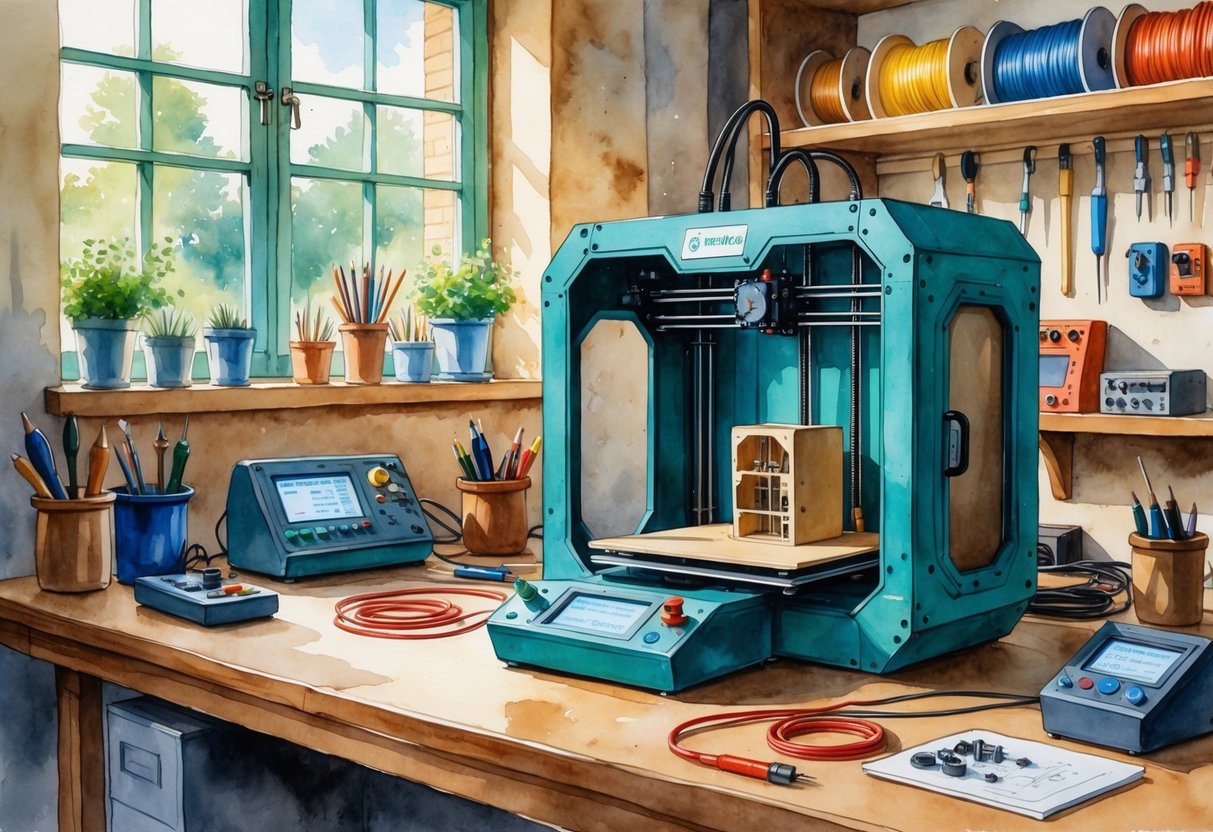
You can use 3D printing to design and build custom enclosures for your electrical projects.
This hobby lets you create protective cases that fit your specific components perfectly.
You won’t need to settle for generic boxes that don’t quite work.
With a 3D printer, you can make enclosures with exact cutouts for ports, switches, and displays.
You control where mounting points go and how ventilation holes are placed.
The design process gives you complete freedom to match your project’s needs.
The process works well for one-off projects or small batches.
You can test a design, make changes, and print a new version quickly.
This rapid prototyping saves time compared to traditional manufacturing methods.
3D printing also costs less than ordering custom enclosures from manufacturers.
You only use the material you need for each print.
The additive nature of 3D printing means less waste overall.
Learning to design enclosures builds your CAD skills.
You’ll understand how to account for tolerances and design features like snap fits.
These skills transfer to other aspects of electrical work.
You can add internal supports and standoffs directly into your designs.
This keeps components secure and organized inside the enclosure.
You can even include cable management features to keep wires tidy.
The hobby combines your electrical knowledge with hands-on making.
You get to see your designs become physical objects you can use in real projects.
9) Gardening with electrical irrigation systems
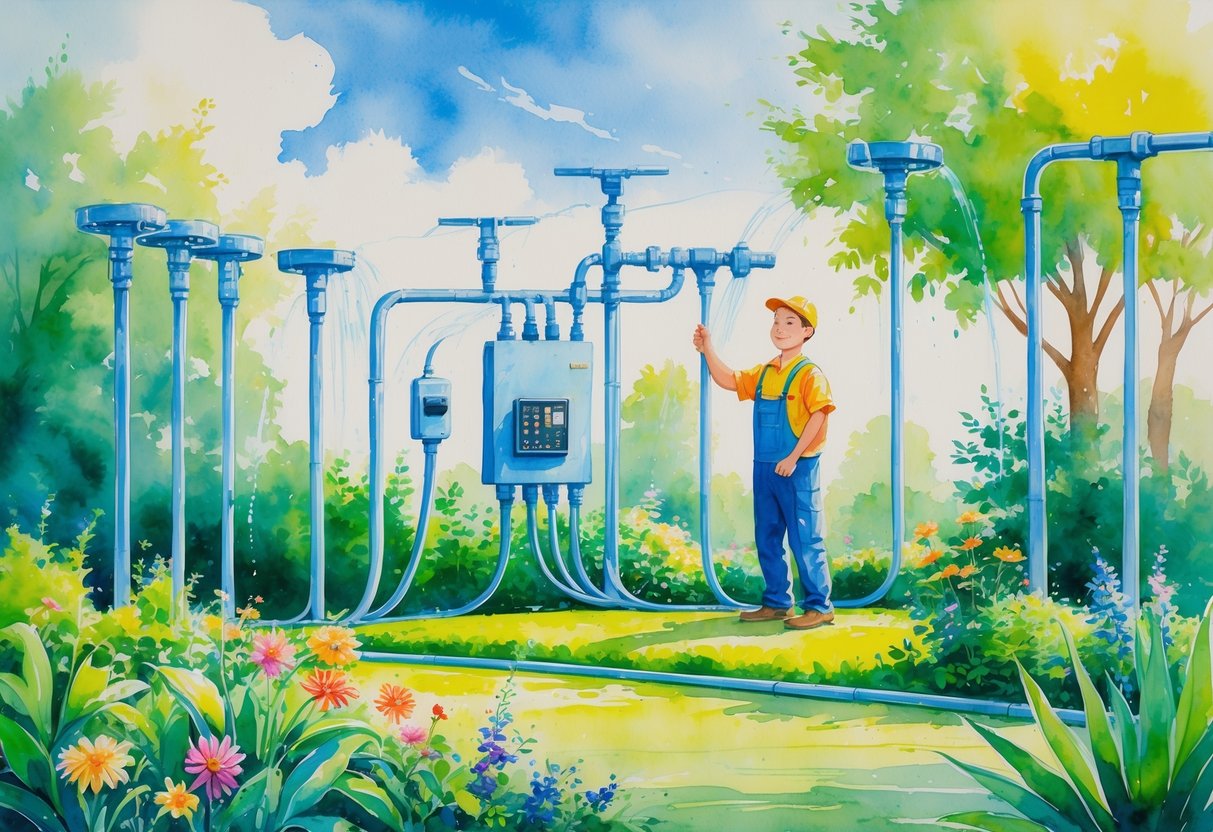
Your electrical skills translate perfectly into building and maintaining garden irrigation systems.
You can design automated watering setups that use timers, sensors, and controllers to keep plants healthy without manual effort.
Smart irrigation systems let you apply your technical knowledge in a relaxing outdoor setting.
You can wire moisture sensors that detect when soil needs water.
You can program timers to run sprinklers at optimal times.
You can even set up weather-based controllers that adjust watering schedules automatically.
Building a drip irrigation system gives you hands-on electrical work with visible results.
You’ll install low-voltage transformers, connect solenoid valves, and wire control boxes.
The system delivers water directly to plant roots, saving money on water bills while keeping your garden thriving.
This hobby combines problem-solving with physical outdoor activity.
You get to troubleshoot electrical connections, test voltage levels, and ensure proper grounding for outdoor equipment.
The work uses your professional skills but feels different from your day job.
Starting small works best for beginners.
Set up a simple timer-controlled system for one garden bed first.
As you gain confidence, you can expand to multi-zone systems with advanced features.
Your garden becomes a testing ground for electrical ideas.
You can experiment with solar-powered pumps, LED grow lights, or automated nutrient delivery systems.
Each upgrade teaches you something new while creating a productive outdoor space.
8) Photography with an emphasis on technical skills
Photography offers electricians a natural way to use their technical mindset outside of work.
The hobby combines creativity with the technical knowledge you already have from your electrical career.
Understanding camera settings like aperture, shutter speed, and ISO requires the same logical thinking you use when troubleshooting electrical systems.
You’ll need to calculate exposure values and understand how light behaves, which connects directly to your existing knowledge of lighting systems and electrical components.
Modern cameras rely heavily on electronic systems that you can understand better than most hobbyists.
You can grasp concepts like sensor technology, battery management, and electronic flash systems without much difficulty.
Photo editing software adds another technical layer to explore.
Programs like Lightroom and Photoshop let you process and enhance your images using tools that require precision and attention to detail.
You can start photography with just your smartphone camera.
As you develop your skills, you might invest in a DSLR or mirrorless camera.
Learning about different lenses, lighting equipment, and camera accessories gives you new technical challenges to solve.
The hobby also helps you document your own electrical projects and capture moments with family and friends.
It provides a relaxing activity that still engages your technical mind without the pressure of work deadlines.
7) Building and flying drones

Building and flying drones combines your electrical skills with hands-on engineering fun.
You already understand circuits, power systems, and wiring from your daily work.
These same skills transfer directly to drone construction.
DIY drone kits range from simple wooden builds for beginners to advanced GPS-enabled quadrotors.
You can start with basic assembly kits that teach you the fundamentals.
As you gain experience, you can move on to more complex builds that let you customize every component.
The building process lets you work with motors, flight controllers, and battery systems.
You’ll solder connections, program flight software, and troubleshoot electrical issues.
It’s similar to the problem-solving you do at work but without the pressure.
Flying your completed drone gives you immediate results from your effort.
You can capture aerial photos, race through obstacle courses, or simply enjoy the challenge of mastering flight controls.
Many electricians find this hobby addictive because each build teaches you something new.
After flying your first drone, you’ll spot changes you want to make.
Maybe you need better battery life or want to add FPV cameras.
Each modification sharpens your technical skills while keeping the hobby fresh and interesting.
You can join local drone clubs or online communities to share builds and tips with other enthusiasts.
The combination of building, flying, and tweaking makes this hobby both relaxing and mentally engaging.
6) Brewing beer or fermenting wine at home

Brewing beer or fermenting wine gives you a hands-on hobby that uses skills similar to electrical work.
You follow precise steps, measure ingredients carefully, and control conditions to get the results you want.
Starting with homebrewing is easier than most people think.
You can buy beginner kits that include everything you need to make your first batch.
These kits come with instructions that walk you through each step of the process.
The hobby saves you money over time once you get past the initial equipment costs.
You can make beer or wine that tastes better than many store-bought options.
Plus, you get to experiment with different flavors and styles that match your personal taste.
Temperature control matters a lot when you brew.
You can solve this problem with simple tools like a cool brewing bag or a water bath to keep temperatures steady.
The brewing community welcomes newcomers and shares tips freely.
You can find detailed guides, recipes, and advice online or at local homebrew clubs.
Some electricians even turn this hobby into a small business later on.
Each batch takes a few hours of active work, then you wait while fermentation happens.
This gives you a rewarding project that fits well around your work schedule.
5) Automotive repair and maintenance
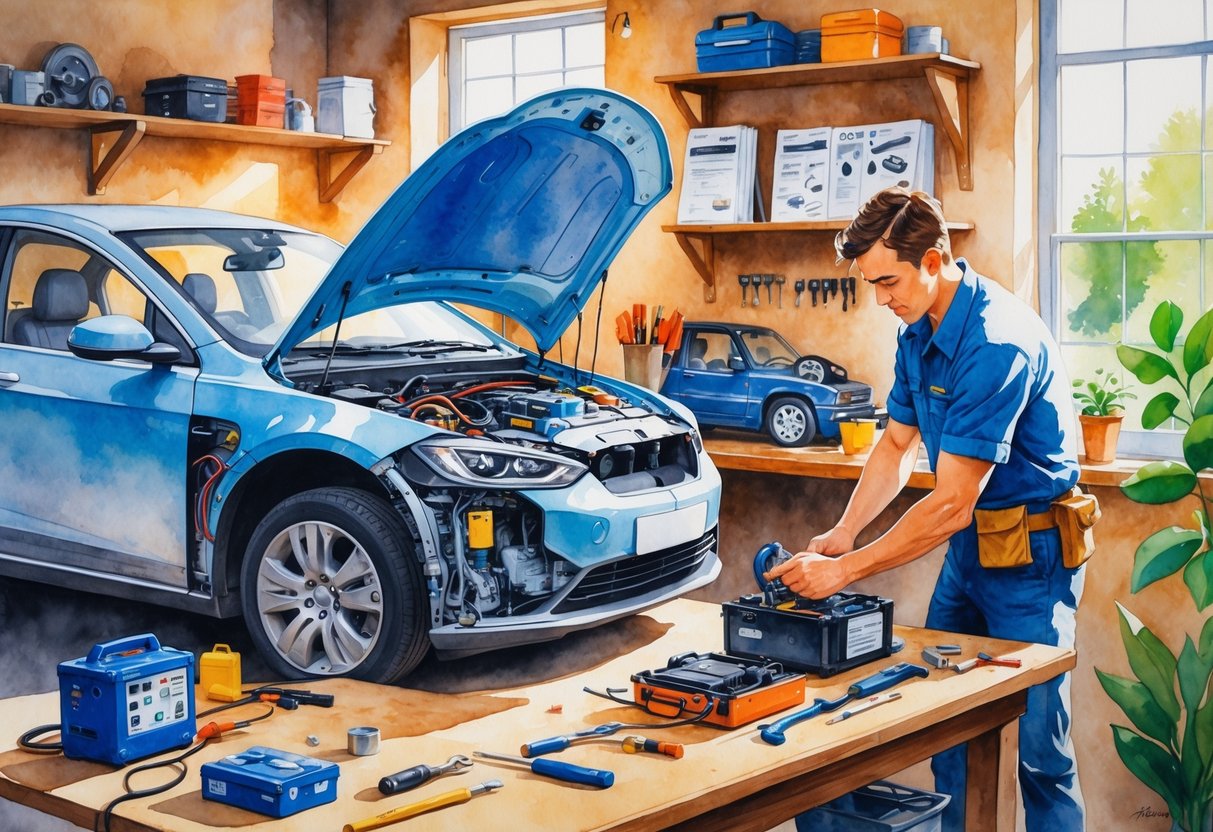
Working on cars and motorcycles gives you a chance to use your hands-on skills in a different way.
Many electricians enjoy automotive repair because it builds on what they already know about electrical systems and wiring.
Modern vehicles rely heavily on electronics.
You can troubleshoot battery issues, repair lighting systems, or fix wiring problems.
These tasks feel familiar but let you work on something different from your daily job.
You don’t need to start with major engine overhauls.
Basic maintenance like oil changes, brake pad replacements, and spark plug installations are good starting points.
As you gain confidence, you can move on to more complex repairs.
This hobby saves you money on mechanic bills.
You also gain a better understanding of how your own vehicle works.
Working on cars in your garage or driveway gives you control over your schedule and projects.
The problem-solving aspect of automotive repair keeps your mind sharp.
Each repair presents a new challenge to diagnose and fix.
You can find repair manuals, online tutorials, and forums to help you learn new techniques.
You’ll need some basic tools to get started, including wrenches, sockets, and jack stands.
Many electricians already own multimeters and other diagnostic tools that work for automotive electrical systems.
Building your tool collection happens gradually as you take on different projects.
4) Home automation system installations and upgrades
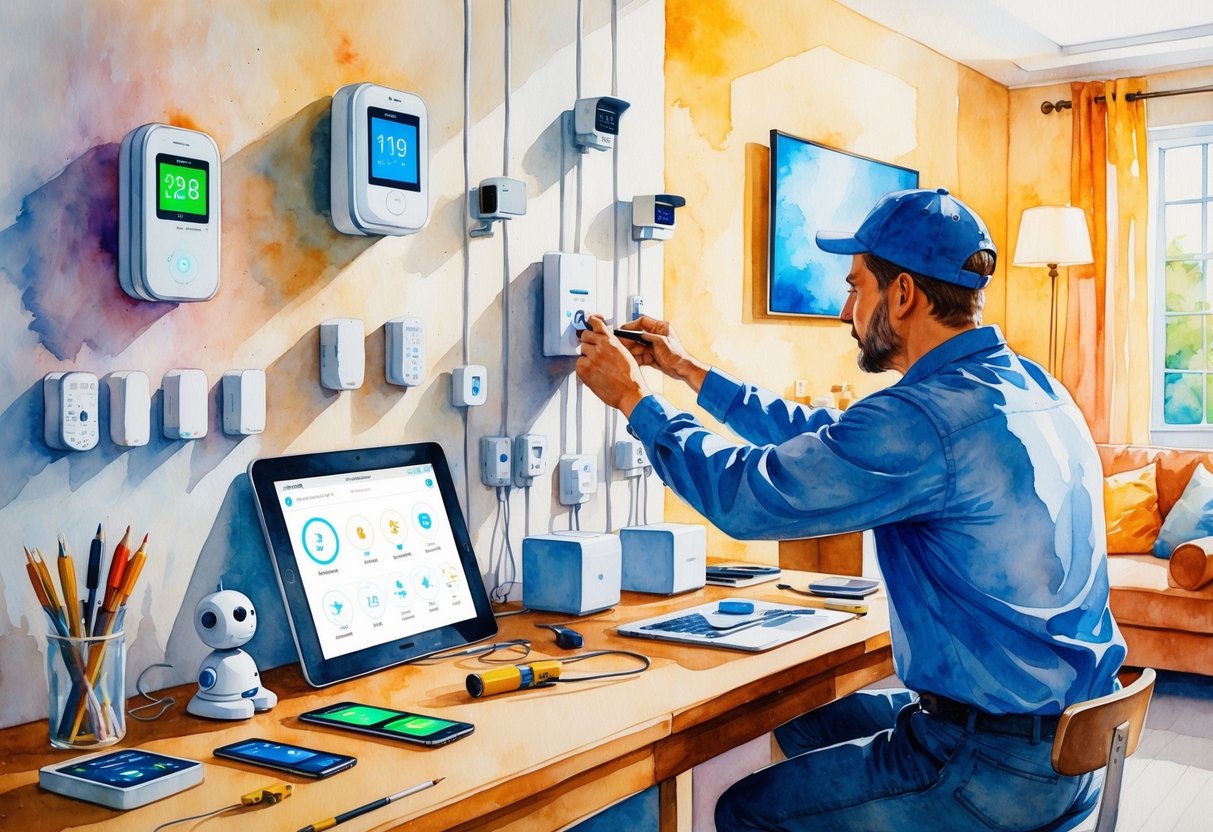
Your electrical skills give you a clear advantage in the growing field of home automation. You already understand wiring, circuits, and electrical codes.
This makes setting up smart home systems a natural fit for your after-work hours. Home automation lets you control lights, thermostats, security cameras, and appliances through apps or voice commands.
You can start with simple projects like installing smart switches or outlets. These require basic wiring knowledge you already have.
As you gain experience, you can move to more complex systems. Setting up a central hub like Home Assistant on a Raspberry Pi gives you full control over your smart home.
You can customize it to work exactly how you want. The hobby offers real cost savings compared to hiring professionals.
You can build advanced systems at a fraction of retail prices. Plus, you keep complete control over your data and privacy.
Your electrical background means you can safely run new wiring for devices that need it. You know how to work with existing circuits without overloading them.
This knowledge helps you avoid common mistakes that beginners make. The smart home community provides plenty of free resources and support.
You’ll find tutorials, forums, and project ideas for every skill level. Each project you complete teaches you new skills while making your home more convenient and efficient.
3) Metalworking for creating tools or artistic pieces
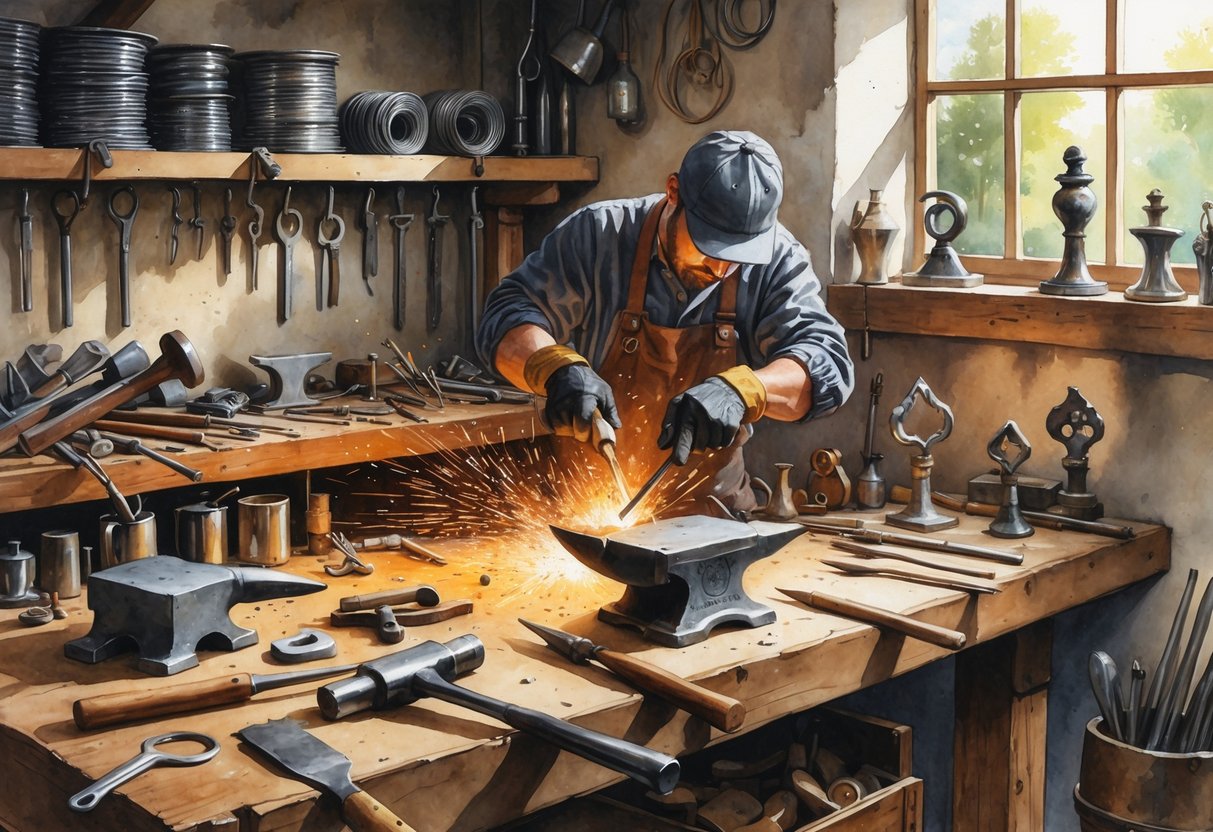
Metalworking lets you shape metal into practical tools or decorative art pieces. This hobby connects well with your electrical work since you already understand how tools function and what makes them useful.
You can start with simple projects like creating custom wire strippers or specialized pliers for your electrical work. These handmade tools fit your exact needs better than store-bought options.
As you gain experience, you can move on to more complex items like tool organizers or storage solutions for your workspace. The artistic side of metalworking offers a different kind of satisfaction.
You can make decorative pieces like sculptures, wall art, or furniture accents. This creative outlet balances the technical nature of electrical work with pure artistic expression.
Starting metalworking requires basic tools like hammers, anvils, and cutting equipment. You can add welding gear as your skills develop.
Many electricians find that their steady hands and attention to detail transfer naturally to metalwork. The hobby teaches you about different metals and their properties.
You learn how copper, steel, and aluminum respond to heat and pressure. This knowledge can even help you better understand the materials you work with as an electrician.
Each project you complete becomes a lasting physical object you can use or display. Unlike electrical work that often hides behind walls, your metalworking creations remain visible reminders of your craftsmanship.
The process of transforming raw metal into finished pieces provides a rewarding way to spend your free time.
2) DIY electronics kits focused on circuits and automation
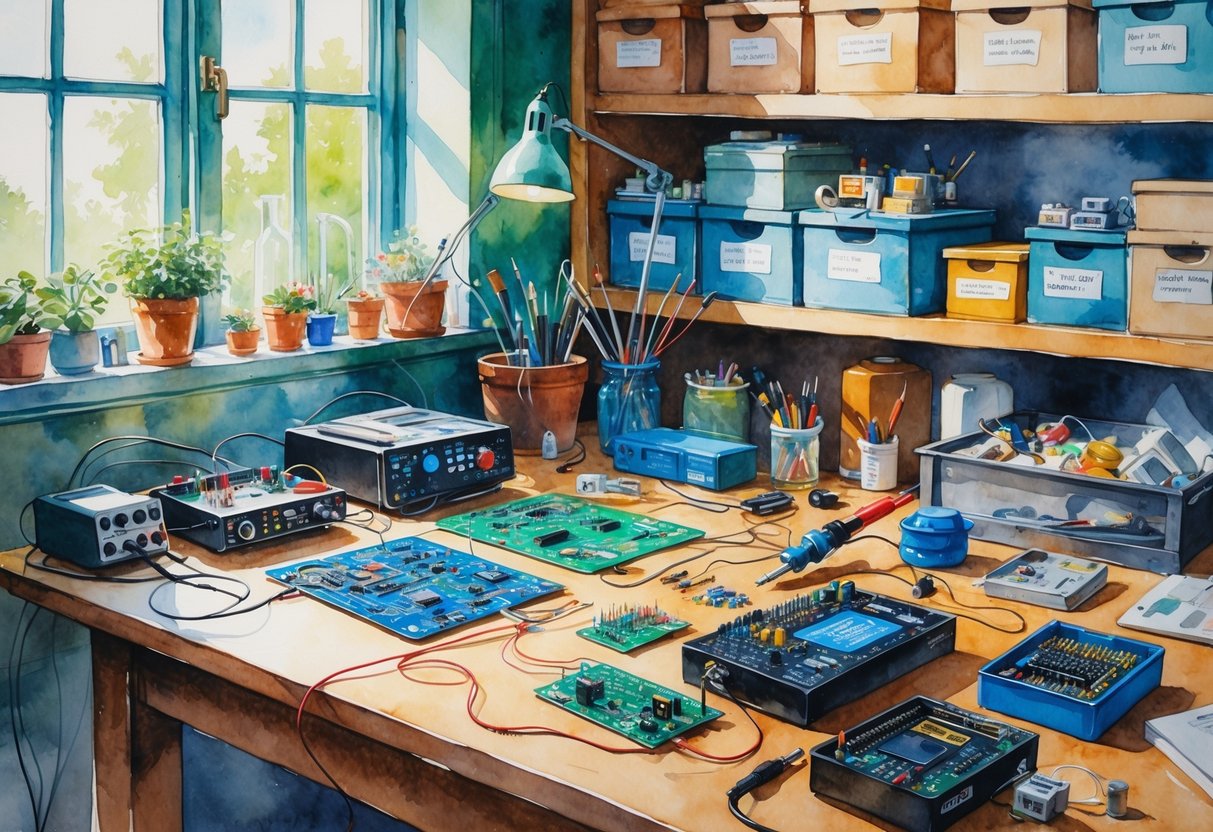
DIY electronics kits give you a chance to build on your electrical knowledge in new ways. These kits focus on circuits and automation, letting you work with components like sensors, relays, and programmable boards.
You already understand electrical systems from work, so these projects feel familiar but still offer something different. Arduino and Raspberry Pi kits are popular choices for electricians.
They teach you about automation and control systems through hands-on projects. You can build anything from simple LED circuits to automated home devices.
Many kits come with all the parts you need and step-by-step instructions. This makes it easy to start a project right away without hunting for components.
You’ll work with breadboards, resistors, capacitors, and integrated circuits. Circuit building kits help you understand how different components interact in ways you might not see in standard electrical work.
You can experiment with timing circuits, logic gates, and motor controls. These skills can actually help you at work when dealing with modern smart systems and building automation.
The projects are flexible too. Once you complete the basic builds, you can modify them or create your own designs.
This keeps the hobby interesting over time as your skills grow. Most adult electronics kits are designed for people with some technical background.
Your electrical training gives you an advantage in understanding voltage, current, and safety practices.
1) Woodworking projects for custom furniture or decor

Woodworking offers electricians a natural transition from their daily work. You already understand how to read plans, take precise measurements, and use power tools safely.
These skills transfer directly to building furniture and home decor. You can start with simple projects like cutting boards, picture frames, or wooden boxes.
These items require basic tools and teach you fundamental techniques like measuring, cutting, and sanding. As you build confidence, you can move to larger pieces.
Custom furniture projects let you create pieces that fit your exact needs. Build a coffee table that matches your living room dimensions.
Make shelves designed for your specific storage requirements. You control the wood type, finish, and style.
The work provides a satisfying contrast to electrical jobs. Instead of wiring systems inside walls, you create visible pieces that showcase your craftsmanship.
You can see immediate results from your effort. Woodworking also offers good earning potential if you want to sell your creations.
Popular items include farmhouse tables, floating shelves, and wooden signs. Local craft fairs and online marketplaces give you places to sell finished pieces.
Your electrical background gives you an advantage when building items with integrated lighting. You can design and build custom lamps, light fixtures, or illuminated display cases.
This combination of skills sets your work apart from other woodworkers. The hobby requires minimal startup costs.
Basic hand tools and a workspace are enough to begin.
Benefits of Having Hobbies for Electricians

Hobbies offer electricians vital mental health support and skill development that extends beyond the worksite. Taking time for personal interests helps you manage workplace stress, sharpen cognitive abilities, and create clear boundaries between your professional and personal life.
Reducing Stress After a Long Workday
Working as an electrician involves physical demands and mental concentration that can drain your energy. You face tight deadlines, complex problem-solving, and sometimes challenging work environments throughout your day.
Hobbies provide a necessary mental break from work-related pressures. When you engage in activities you enjoy, your mind shifts away from job concerns and focuses on something purely for pleasure.
This mental shift helps lower stress hormones in your body. Physical hobbies like hiking or cycling help release tension that builds up in your muscles during work.
Creative hobbies such as woodworking or painting give your analytical mind a different outlet. Even quiet activities like reading allow your brain to decompress from the constant alertness required on job sites.
Regular hobby time improves your sleep quality and overall mood. You return to work more refreshed and better equipped to handle challenges.
Enhancing Problem-Solving Skills
Many hobbies strengthen the same mental skills you use as an electrician. Building model kits, learning musical instruments, or tackling DIY projects all require planning and sequential thinking.
When you work on hobby projects, you approach problems from fresh angles. This different perspective often translates back to your electrical work.
Your brain builds new neural connections through varied activities, making you more adaptable when facing unexpected issues on the job. Hobbies that involve hands-on creation or repair share similarities with electrical work but without the pressure.
You can experiment, make mistakes, and learn at your own pace. This relaxed problem-solving environment actually sharpens your troubleshooting abilities for paid work.
Promoting Work-Life Balance
Setting aside dedicated hobby time creates clear separation between your work identity and personal life. You need activities that define you beyond your profession.
This separation prevents burnout and keeps your career sustainable long-term. Hobbies give you something to look forward to after work shifts.
Instead of bringing work stress home, you have scheduled activities that demand your attention. This routine helps you leave job concerns at the worksite.
Many electricians who run their own businesses struggle with constant availability. Hobbies force you to set boundaries and establish off-hours.
Your family and friends benefit when you engage fully in non-work activities. You become more present and invested in relationships outside your professional network.
Tips for Choosing the Right Hobby as an Electrician

Your daily work as an electrician requires specific skills and energy levels. Picking the right hobby means thinking about whether you want to stay active or rest your body, and making sure it fits into your actual free time.
Considering Physical vs. Mental Activities
Electricians spend most of their day on their feet, climbing ladders, and working with their hands. Your body takes on real physical stress during work hours.
Mental hobbies like reading, chess, or learning a new language give your muscles time to recover. These activities keep your mind sharp without adding more strain to your body.
You can enjoy them while sitting comfortably at home. Physical hobbies work well if you sit during your off-hours or want to use different muscle groups.
Swimming, hiking, or yoga stretch different parts of your body than daily electrical work. These activities improve your overall fitness and flexibility.
Some electricians prefer hands-on hobbies like woodworking or building DIY electronics. These blend physical and mental work in a way that feels familiar but more creative.
You get to use your problem-solving skills without the pressure of paid work. Think about your energy levels at the end of each day.
If you feel physically drained, a mental hobby makes more sense. If you feel restless and want to move, a physical activity might be better.
Finding Hobbies That Fit Your Schedule
Electricians often work irregular hours, including overtime and emergency calls. Your hobby needs to match your actual availability, not an ideal schedule.
Quick hobbies like sketching, cooking, or mobile gaming fit into short breaks between shifts. You can pick them up for 15-30 minutes without needing extensive setup time.
These work well when your schedule changes frequently. Flexible hobbies let you participate whenever you have time.
Home automation projects, gardening, or learning guitar don’t require you to be somewhere at a specific time. You control the pace and commitment level.
Weekend hobbies like joining a sports league or attending a class need consistent availability. Only choose these if you have regular days off.
Check your work calendar for the next few months before signing up for anything with fixed meeting times. Consider hobbies you can do at home versus ones requiring travel.
Brewing beer or working on automotive repair in your garage eliminates commute time. This gives you more actual hobby time during short breaks in your schedule.
Frequently Asked Questions

Electricians often look for ways to use their skills outside of work or find activities that help them relax. Many hobbies can provide mental breaks, physical benefits, or even extra income opportunities.
What hobbies can electricians pursue to unwind after their work shifts?
You can try hobbies that take your mind off technical work. Photography lets you focus on composition and lighting without the pressure of job deadlines.
Gardening offers a peaceful way to spend time outdoors while you watch plants grow. Brewing beer or fermenting wine at home gives you a hands-off hobby that only needs attention every few days.
How can electricians turn their technical skills into a leisure activity?
Your electrical knowledge makes certain hobbies easier and more enjoyable. You can set up automated irrigation systems in your garden using timers and sensors.
Building drones lets you work with circuits and motors in a recreational setting. 3D printing allows you to design and create custom electrical enclosures or project boxes.
What creative activities are recommended for electricians to engage in during their free time?
Photography combines technical camera settings with artistic vision. You can learn about exposure, aperture, and shutter speed while capturing images that interest you.
3D printing opens up creative possibilities for making custom parts and decorative items. You can design your own projects or modify existing plans to fit your needs.
What are the most popular after-work hobbies for those in the electrical field?
Building and flying drones ranks high among electricians because it combines electronics with outdoor recreation. You get to assemble circuits, program flight controllers, and then enjoy flying your creation.
Working with microcontrollers and circuit design remains popular for hands-on problem solving. Photography attracts many electricians who appreciate the technical aspects of camera equipment.
Home automation projects let you improve your living space while practicing your trade skills.
How can home-based hobbies benefit electricians mentally and physically?
Home hobbies give your mind a break from work stress. Brewing beer or fermenting wine requires patience and attention to detail without physical strain.
Gardening gets you moving and provides light exercise while you plant, water, and maintain your garden. 3D printing and photography keep you mentally engaged in different ways than your job does.
Physical hobbies help balance out the demanding nature of electrical work.
Which hobbies could potentially provide additional income for electricians?
Photography can generate income through event coverage, product photos, or selling prints. You can start small with local clients and build your portfolio over time.
3D printing lets you sell custom designs, replacement parts, or decorative items online.
Drone building and repair services are in demand as more people buy drones. Your electrical skills give you an advantage in these areas because you understand the technical requirements better than most beginners.