10 Best Hobbies for Models Who Want a Creative Outlet: Inspire Your Artistic Side Beyond the Runway
Working as a model requires long hours in front of cameras and constant travel. Keeping up with demanding schedules can be exhausting.
When you’re not on set or at castings, finding ways to express yourself beyond the runway can help you recharge. Exploring different sides of your creativity is essential.
Having hobbies outside of modeling gives you space to develop new skills and interests. These activities are entirely your own.
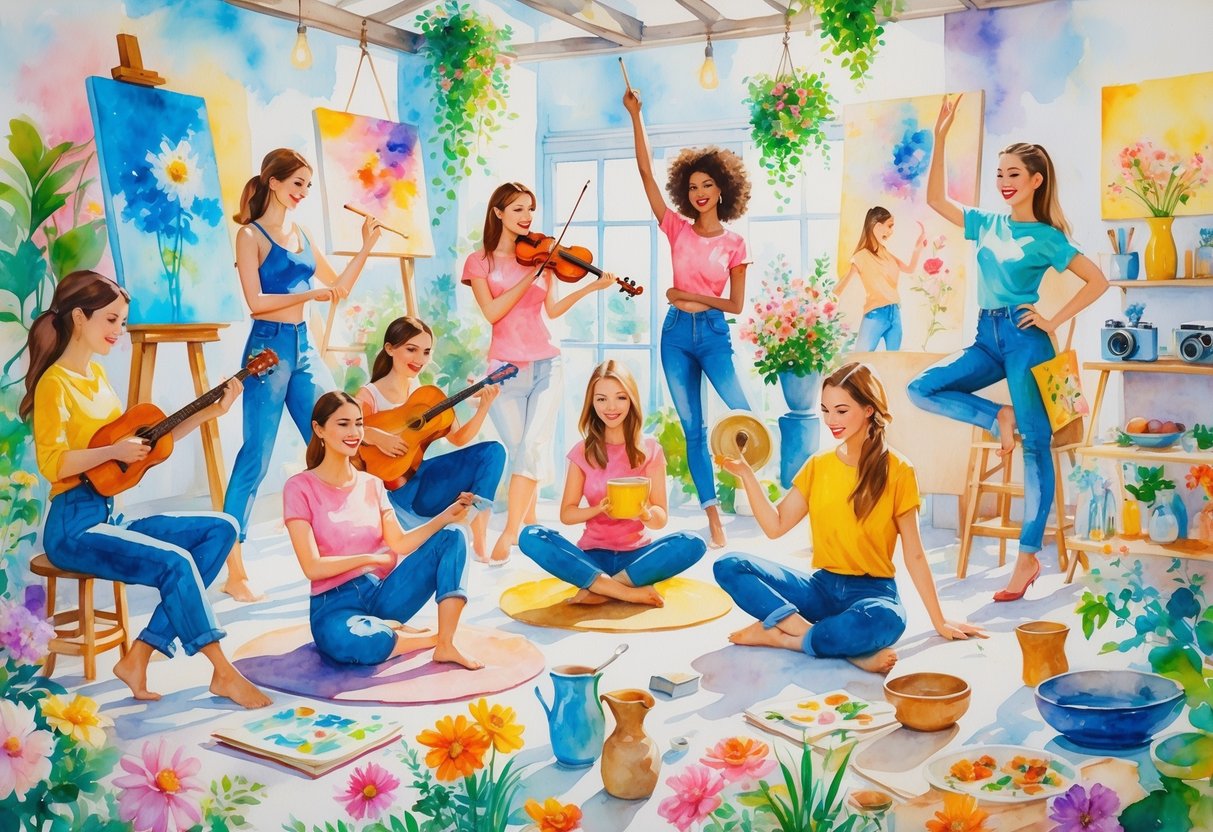
Creative hobbies can help you build skills that complement your modeling work while giving you a personal outlet that isn’t tied to your professional image. Some activities let you explore the fashion world from new angles. Others offer a complete break from the industry.
The right hobby can improve your problem-solving abilities. It can also reduce stress and add balance to your life.
This guide covers ten creative hobbies that work well for models who want to try something new. Each option offers different benefits and requires varying levels of time and commitment.
You’ll find activities that connect to your modeling background. There are also options that take you in completely different directions.
10) Scrapbooking Modeling Journey
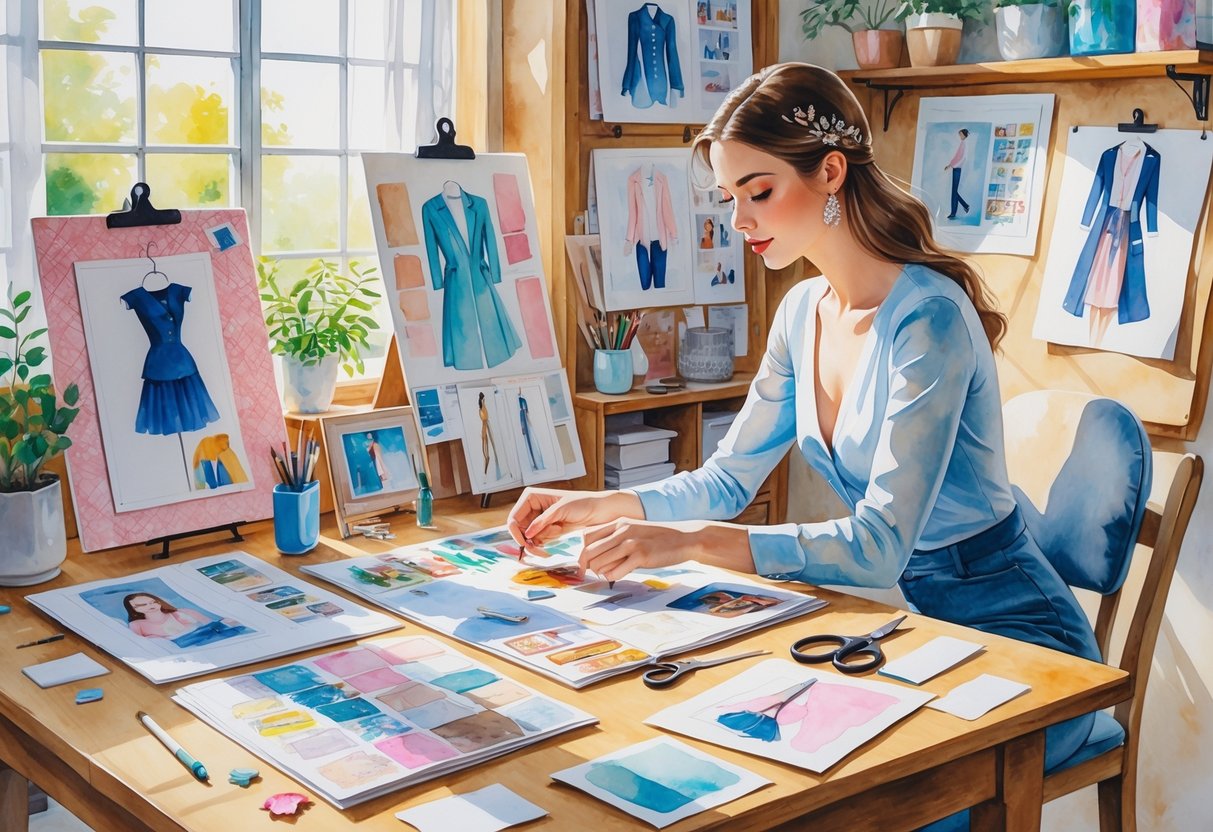
Scrapbooking offers you a hands-on way to preserve your modeling memories while exploring your creative side. You can collect photos from your shoots, magazine clippings, runway tickets, and other mementos that tell your story in the industry.
This hobby lets you step away from being in front of the camera and take control of the creative process yourself. You get to decide how to arrange photos, choose decorative elements, and design each page layout.
It gives you full artistic freedom without needing expensive equipment or technical skills. You can document everything from your first casting call to major campaign bookings.
Each page becomes a visual record of your growth and achievements as a model. The physical nature of scrapbooking provides a break from screens and social media.
You work with your hands, cutting, gluing, and arranging materials in a tactile way. Many models find this relaxing after long days of digital content creation.
Starting requires just a few basic supplies like an album, adhesive, and scissors. You can add decorative papers, stickers, and embellishments as you go.
The hobby scales to fit your budget and available time. Scrapbooking also helps you organize your portfolio materials in a personal format.
You create something meaningful that captures both professional milestones and behind-the-scenes moments. It’s a creative outlet that celebrates your unique path in modeling.
9) Upcycling Wardrobe Projects
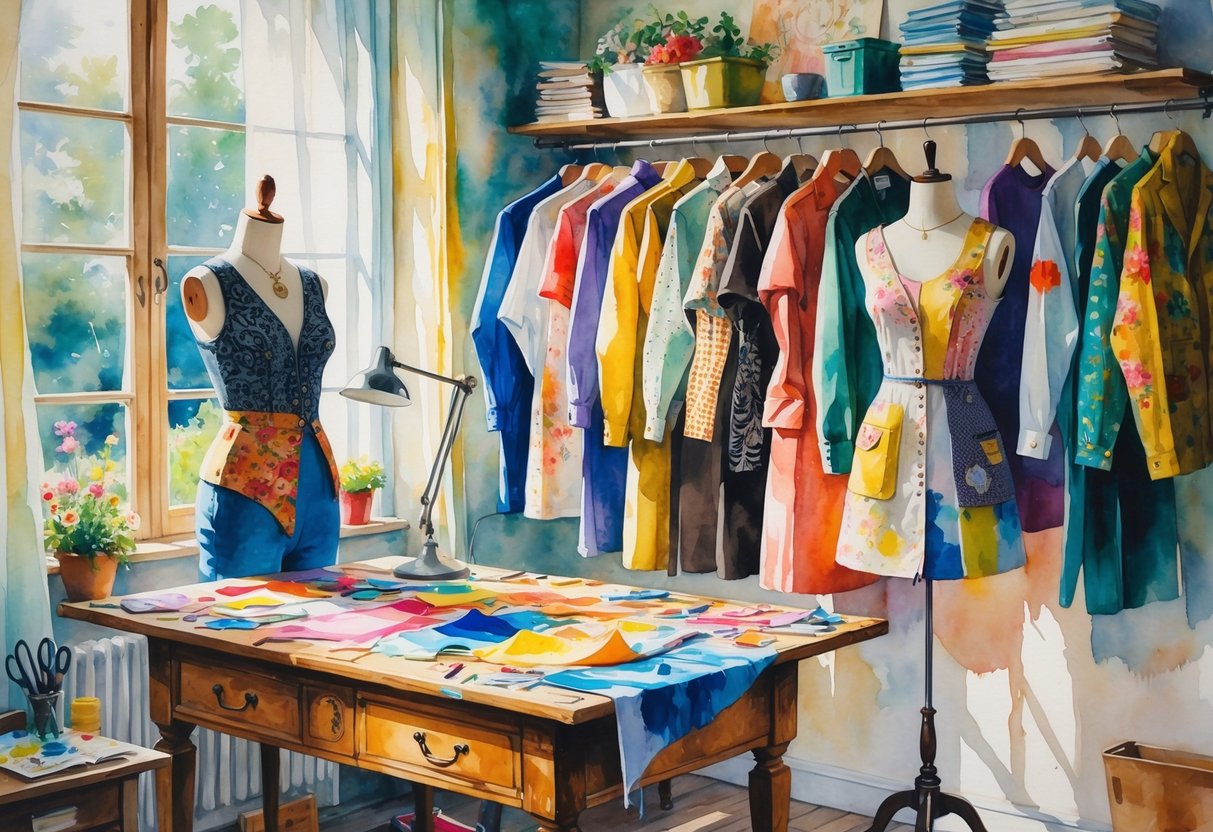
Upcycling wardrobe projects let you transform old clothes into fresh pieces that reflect your personal style. This hands-on hobby works well for models who want to customize their clothing and develop practical skills.
You can turn worn-out garments into something new without needing to buy more items. The process involves taking existing clothes and reimagining them into different styles or purposes.
You might cut an old dress into a trendy top or add embellishments to a plain jacket. Unlike recycling that breaks materials down, upcycling adds value to pieces you already own.
You don’t need advanced sewing skills to start. Simple projects like cropping t-shirts, adding patches, or dyeing fabrics require minimal experience.
As you practice, you can move on to more complex alterations like resizing garments or combining different pieces. This hobby gives you direct control over your wardrobe.
You can create one-of-a-kind items that fit your exact measurements and style preferences. Models often need specific looks for their portfolios, and upcycling lets you build unique pieces on your own terms.
The creative process also teaches you about garment construction and fabric types. You learn which materials work best for different projects and how clothes are put together.
These skills help you understand fashion from a maker’s perspective, which can inform your modeling work and styling choices.
8) Personalized Candle Crafting
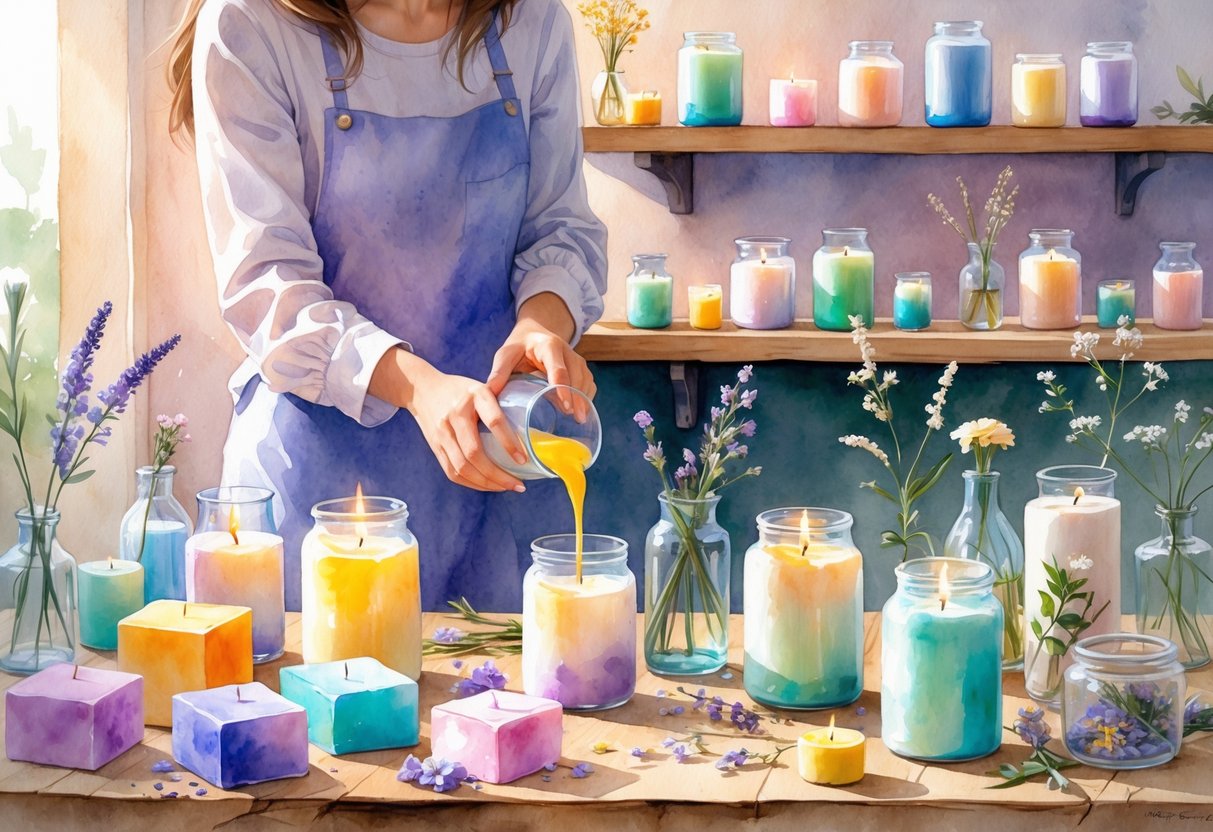
Candle crafting gives you complete control over colors, scents, and designs. You can create candles that match your personal style or mood.
This hobby works well for models because it lets you express creativity in a hands-on way. Starting requires basic supplies like wax, wicks, containers, and fragrance oils.
You can find beginner kits that include everything you need. Once you learn the basics, you can experiment with different wax types and mold shapes.
The process is straightforward and relaxing. You melt the wax, add your chosen scents and colors, then pour it into containers with wicks.
You can make simple designs or try advanced techniques like layering colors or embedding objects. This hobby offers practical benefits too.
Your finished candles work as home decor or thoughtful gifts. You can create custom scents that help you unwind after photo shoots or runway shows.
Candle making doesn’t require much space or expensive equipment. You can work in your kitchen or a small studio area.
The low startup cost makes it accessible when you’re building your modeling career. You’ll develop skills in color matching and design composition.
These skills transfer to other creative projects. The craft also provides a quiet break from the social demands of modeling work.
7) Visual Storytelling through Blogging
Blogging gives you a platform to combine your modeling experience with creative writing and photography. You can share behind-the-scenes content, style tips, and personal stories that showcase your unique perspective.
Visual storytelling works well for models because you already understand composition and aesthetics. You can curate images from your shoots alongside written narratives that give readers insight into your work.
This approach lets you control your own narrative instead of being defined solely by others. Starting a blog is straightforward and requires minimal investment.
You pick a platform, choose a theme, and begin posting content that matters to you. Your posts can mix professional photos with casual snapshots and thoughtful commentary.
The writing process helps you develop new skills beyond modeling. You learn to organize thoughts, craft compelling narratives, and engage with an audience directly.
These communication abilities prove valuable throughout your career. Blogging also builds your personal brand in ways that traditional modeling work cannot.
You establish yourself as more than just a face by sharing your interests, values, and expertise. Readers connect with your personality and perspective.
You can explore topics that interest you, from fashion and beauty to travel and wellness. The creative freedom lets you experiment with different writing styles and visual presentations.
Your blog becomes a living portfolio that grows with you over time.
6) Creative Makeup Artistry
Creative makeup artistry lets you explore a different side of your modeling career. You already know how makeup transforms your look for shoots and shows.
Now you can learn to create those looks yourself. This hobby builds on skills you already have.
You understand face shapes, lighting, and what works on camera. Learning makeup techniques gives you more control over your appearance and opens new creative doors.
You can start with basic tutorials and practice on yourself. Try recreating editorial looks you’ve worn or invent completely new styles.
Experiment with bold colors, dramatic contouring, or special effects makeup that goes beyond everyday beauty. Many models find that makeup artistry helps them understand their own features better.
You’ll learn which techniques photographers and makeup artists use during your jobs. This knowledge makes you a more valuable model because you can touch up your own makeup between shots.
The supplies are easy to get and you can practice anywhere. Start with affordable drugstore products before investing in high-end brands.
Watch video tutorials, take online classes, or practice with other creative friends. Creative makeup artistry also gives you potential side income.
You could do makeup for other models, work at events, or share tutorials on social media. Your modeling experience makes you credible in the beauty space.
This hobby keeps your hands busy and your mind focused. It’s a practical creative outlet that directly connects to your modeling work while giving you new artistic skills.
5) Portrait Photography
Portrait photography gives you a unique perspective on the art you usually participate in from the other side of the camera. You already understand lighting, angles, and poses from your modeling work.
This knowledge makes you naturally equipped to capture compelling images of others. Starting this hobby requires minimal investment.
You can begin with a smartphone camera and gradually upgrade to professional equipment as your skills develop. The technical skills you learn will also help you communicate better with photographers during your own shoots.
This creative outlet lets you experiment with different styles and techniques. You can try studio setups, natural lighting, or dramatic shadows.
You can explore close-up shots, environmental portraits, or artistic compositions. Each session teaches you something new about composition and visual storytelling.
Working behind the camera helps you see what makes a strong portrait. You’ll discover which expressions feel authentic and which poses create visual interest.
This understanding often improves your own modeling because you gain insight into what photographers look for in their subjects. Portrait photography also builds your creative network.
You can collaborate with makeup artists, stylists, and other models. These connections often lead to new opportunities in your modeling career.
Plus, you create a portfolio that showcases your artistic vision beyond your modeling work. The flexibility of this hobby fits well with a model’s schedule.
You can practice during free time and work at your own pace.
4) Mood Board Creation
Mood board creation gives you a structured way to explore your visual ideas and personal style. You gather images, colors, textures, and other materials that inspire you and arrange them on a single board.
This process helps you define your aesthetic and creative direction. You can make mood boards digitally using apps or create physical versions with magazine clippings, fabric swatches, and printed photos.
Physical boards let you touch and feel different textures, which adds another layer to your creative process. Digital boards are easier to update and share with others.
As a model, mood boards help you visualize concepts for photoshoots or personal projects. You can experiment with different color combinations and styling ideas before committing to them.
This saves time and helps you communicate your vision to photographers and stylists. The practice keeps you engaged with design trends and helps you develop your eye for composition.
You learn what works together visually and what doesn’t. This skill transfers directly to your modeling work when you need to make quick decisions about poses or styling.
Making mood boards requires no special training or expensive materials. You simply need to collect images and elements that speak to you.
The process itself is relaxing and lets you explore ideas without pressure or judgment.
3) Custom Accessory Design
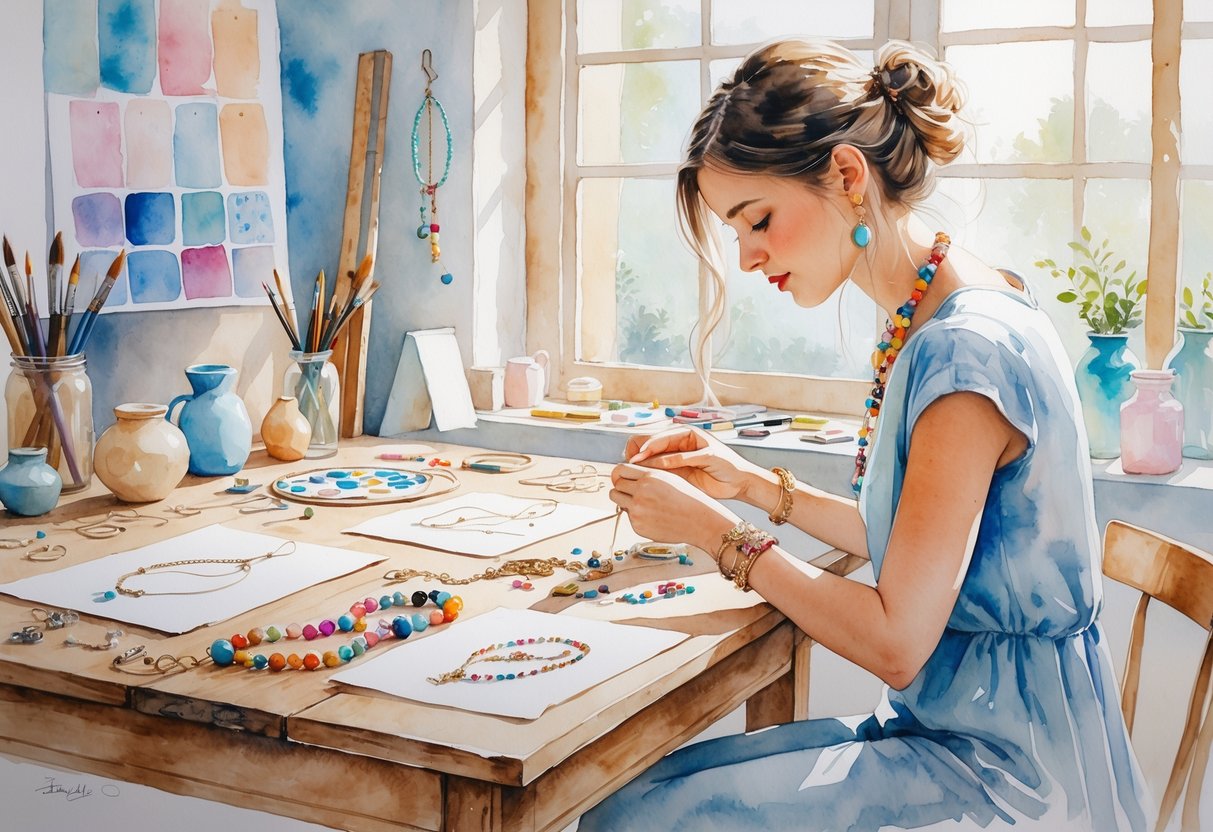
Custom accessory design lets you create unique jewelry, bags, and other fashion pieces that reflect your personal style. This hobby works well for models because you already understand fashion trends and what makes an outfit stand out.
You can start with simple projects like beaded bracelets or fabric headbands. These require basic supplies that you can find at craft stores.
As you develop your skills, you can move on to more complex pieces like leather handbags or statement necklaces. Many models use this hobby to build their own signature accessories for photoshoots.
You can design pieces that complement your look or fill gaps in your wardrobe. This saves money and gives you one-of-a-kind items that nobody else has.
The skills you learn transfer directly to your modeling work. You gain a better understanding of how accessories complete an outfit.
You also learn about materials, colors, and proportions. Custom accessory design doesn’t require expensive equipment to start.
Basic tools like pliers, needles, and glue can get you going. You can work on projects during downtime between shoots or castings.
This hobby also opens up potential income opportunities. You can sell your designs online or at local markets.
Some models have turned their accessory design skills into successful side businesses that complement their modeling careers.
2) DIY Jewelry Making
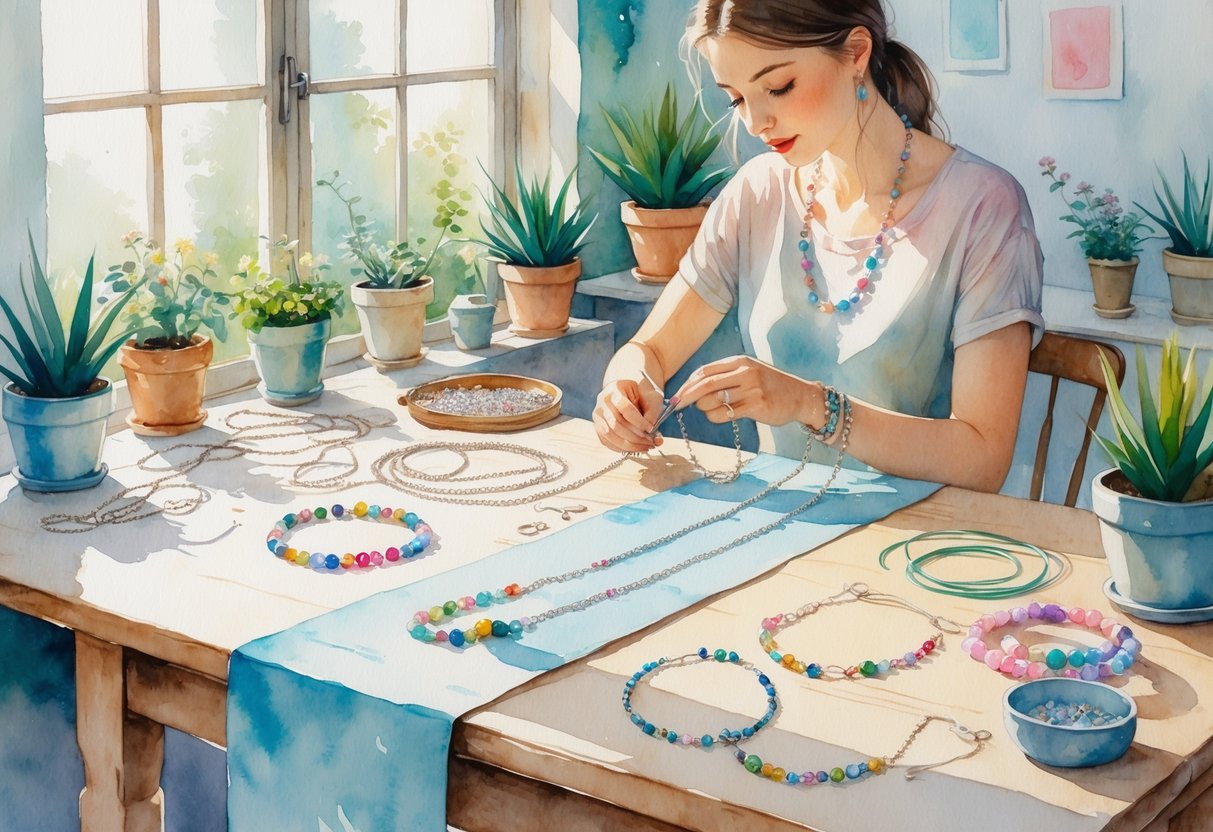
DIY jewelry making offers you a perfect blend of artistic expression and practical skill development. You can create custom pieces that match your personal style or complement specific outfits from your modeling portfolio.
This hobby requires minimal startup costs. You only need basic supplies like beads, wire, clasps, and pliers to begin.
Many craft stores sell beginner kits that include everything you need for your first projects. Making your own jewelry helps you understand accessories better.
You’ll learn how different materials work together and how weight affects how pieces sit on the body. This knowledge becomes useful during photoshoots when you need to adjust or style jewelry quickly.
The skills you develop are highly practical. You can repair broken necklaces, customize costume jewelry for shoots, or create unique statement pieces that set you apart.
Simple projects like wire-wrapped pendants or beaded bracelets take less than an hour to complete. More complex designs like multi-strand necklaces or wire-woven earrings let you challenge yourself as your skills grow.
You can work on jewelry projects between castings or while traveling. The supplies are portable and don’t require a dedicated workspace.
This flexibility makes it easy to maintain your creative practice even during busy modeling seasons. The repetitive motions of stringing beads or forming wire loops can be relaxing after long days on set.
Many people find jewelry making meditative and stress-relieving.
1) Fashion Illustration Sketching
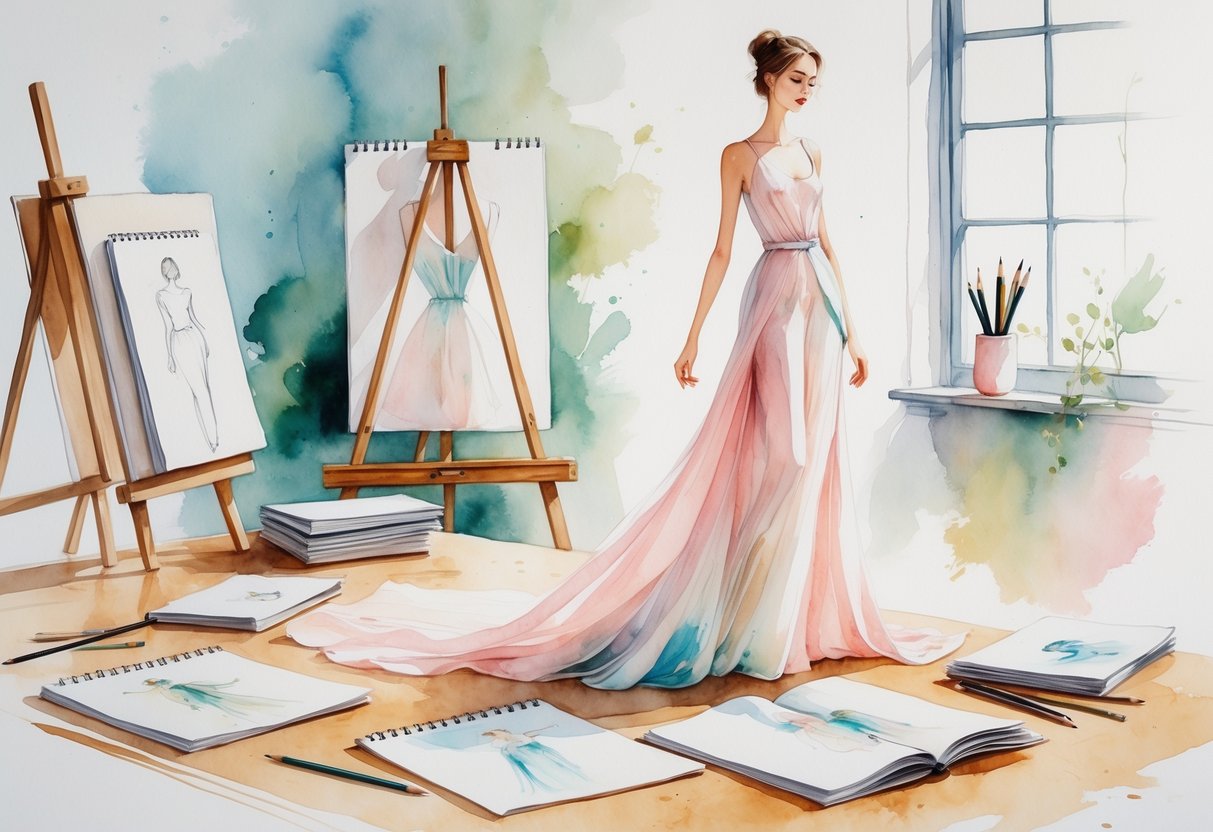
Fashion illustration sketching lets you bring your creative ideas to paper. You can draw clothing designs, runway looks, or your own unique fashion concepts.
This hobby works well for models because you already understand how garments fit and move on the body. You only need basic supplies to start.
A sketchbook, pencils, and erasers are enough for beginners. As you improve, you can add colored pencils, markers, or watercolors to your toolkit.
Fashion sketching helps you see clothing from a designer’s perspective. You learn to notice details like seams, draping, and fabric textures.
This knowledge can make you better at understanding the clothes you model. The skill takes practice to develop.
You’ll need to work on drawing proportions, capturing movement, and adding realistic details. Quick sketches help you learn to capture poses and silhouettes faster.
You can sketch anywhere during downtime between shoots or castings. Many models carry small sketchbooks to draw inspiration when they see interesting outfits.
Fashion illustration also builds a visual portfolio of your ideas. Some models use their sketches to communicate styling ideas with photographers and creative directors.
Benefits of Hobbies for Models
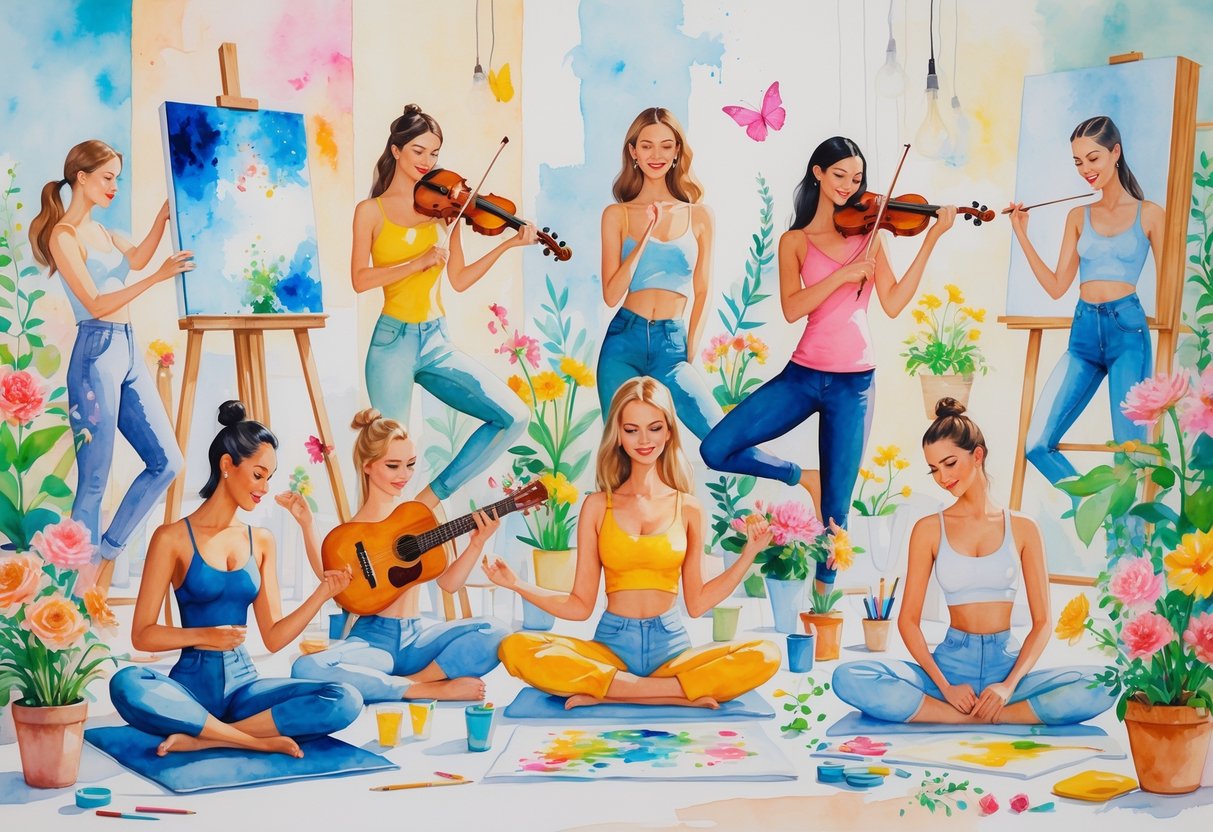
Hobbies offer models a chance to develop new abilities, maintain mental balance, and explore creative interests outside the demands of their profession. These activities provide practical advantages that directly support both personal growth and career development.
Enhancing Creativity and Self-Expression
When you work as a model, you express creativity through poses and facial expressions directed by others. Hobbies give you the freedom to make your own creative choices without external direction.
Activities like painting, photography, or music let you explore ideas that come from within. You control the process from start to finish.
This independence helps you develop a stronger sense of your personal style and artistic voice. Creative hobbies also train your brain to think in new ways.
When you learn to sketch or build models, you practice seeing details and understanding proportions. These skills transfer back to your modeling work, helping you understand angles, lighting, and composition better.
Key creative benefits:
- Freedom to make your own artistic decisions
- Development of personal style
- Better understanding of visual composition
- Enhanced ability to generate original ideas
Improving Mental Wellbeing
The modeling industry involves frequent rejection, intense competition, and pressure to maintain certain standards. Hobbies provide a mental break from these stressors.
Engaging in activities you enjoy releases dopamine in your brain, which improves your mood. When you focus on a hobby like knitting or model building, your mind enters a state similar to meditation.
This reduces anxiety and helps you feel calmer. Hobbies also give you a sense of accomplishment separate from your modeling career.
When you complete a project or improve a skill, you build confidence that does not depend on booking jobs or receiving validation from others. Regular hobby time helps prevent burnout.
You need activities that feel different from work to recharge mentally and maintain long-term career satisfaction.
Building Diverse Skills
Hobbies develop abilities that make you more versatile as a model and more prepared for future career transitions. Learning pottery improves your hand-eye coordination.
Building scale models enhances your attention to detail and patience. Many hobbies teach problem-solving skills.
When you encounter challenges in woodworking or gardening, you learn to find solutions independently. This resourcefulness helps you adapt quickly on set when unexpected situations arise.
Some hobbies build technical skills directly useful in modeling. Photography teaches you about lighting and angles.
Dance improves your body awareness and movement quality. Creative writing enhances your ability to understand characters and emotions for editorial shoots.
These varied skills make you more interesting to work with and give you options beyond modeling. You create a foundation for potential business ventures or career changes based on your interests and developed expertise.
How to Balance Hobbies With a Modeling Career
Models who pursue creative hobbies need smart scheduling methods and ways to use these activities for career advancement. Setting clear boundaries between work and personal time helps you stay energized while building skills that can enhance your professional image.
Effective Time Management Strategies
Create a weekly schedule that blocks out specific times for your hobbies. Treat these blocks as important as casting calls or photo shoots.
You can use a digital calendar or planner to map out your modeling commitments first, then fill in hobby time around them. Start with 30-minute sessions if you’re busy.
Short, regular practice sessions work better than trying to find large chunks of time that never appear. You might paint for 30 minutes after morning workouts or practice guitar for 20 minutes before bed.
Prioritize your hobbies based on which ones give you the most energy and satisfaction. Pick two or three main hobbies instead of spreading yourself too thin across many activities.
This focused approach helps you make real progress without feeling overwhelmed. Combine activities when possible.
Listen to language learning apps during commutes to castings. Sketch in waiting rooms between appointments.
These small moments add up to significant hobby time without cutting into your work schedule.
Leveraging Hobbies for Professional Growth
Your hobbies can boost your modeling career in practical ways. Photography skills help you understand angles and lighting during shoots.
Dance or yoga improves your posture and movement on the runway. Painting or drawing sharpens your eye for color and composition.
Share your hobbies on social media to build a more complete personal brand. Clients and agencies like models with interesting personalities beyond the camera.
Your creative pursuits show depth and make you more memorable to potential clients.
Skills that transfer directly to modeling:
- Playing instruments builds confidence in performing
- Writing or blogging improves communication with teams
- Cooking demonstrates discipline and attention to detail
- Crafting develops patience and focus
Use your hobbies to network in different circles. Art classes, music groups, or sports clubs connect you with people outside the fashion industry.
These connections can lead to unique modeling opportunities or collaborations you wouldn’t find otherwise.
Frequently Asked Questions
Models looking for creative outlets have many options beyond traditional art forms. These questions address practical concerns about finding hobbies that fit your lifestyle, skill level, and goals.
What are some unique hobbies that can spark creativity for people in the modeling industry?
Visual storytelling through blogging lets you document your experiences while building writing and photography skills. You can share behind-the-scenes moments and connect with your audience in new ways.
Personalized candle crafting combines sensory elements with design choices. You select scents, colors, and containers to create products that reflect your style.
Scrapbooking your modeling journey preserves memories while letting you experiment with layouts and design. This hobby helps you see your career progression in a tangible format.
Which creative hobbies also have the potential to generate income?
Creative makeup artistry skills can lead to paid opportunities for special events, photoshoots, or teaching others. You can build a client base or create online tutorials.
Upcycling wardrobe projects turns old clothing into new pieces you can sell online or at local markets. This hobby combines fashion knowledge with sustainable practices.
Personalized candle crafting has strong market demand. Many people buy handmade candles for gifts or home decor, and you can start selling with minimal investment.
Can you suggest some creative hobbies that are suitable for men specifically?
Photography offers technical and artistic challenges. You can focus on different subjects like landscapes, sports, or portraits.
Woodworking combines physical work with design skills. You can build furniture, decorative items, or practical objects for your home.
Music production lets you create original tracks or remixes using digital software. This hobby requires learning technical skills while expressing yourself through sound.
What are some engaging creative activities that can be enjoyed at home?
Creative makeup artistry requires only a mirror and products you likely already own. You can practice new techniques and watch tutorials without leaving your space.
Blogging needs just a computer and internet connection. You can write, edit photos, and publish content from anywhere in your home.
Upcycling wardrobe projects uses basic sewing supplies and clothing you want to transform. You can work at your own pace in a comfortable setting.
For those who consider themselves not inherently creative, what hobbies could help develop their creativity?
Scrapbooking provides structure through templates and layouts while letting you make personal choices. You follow basic design principles but add your own touches.
Candle crafting has clear steps to follow. You measure ingredients, follow safety guidelines, and then experiment with combinations once you understand the basics.
Photography teaches you to see things differently. You learn composition rules first, then break them as you develop your own style.
Could you recommend a list of creative hobbies that are well-suited for adults seeking new interests?
Writing in any form helps you organize thoughts and express ideas clearly. You can start with journaling before moving to blogs or short stories.
Digital art uses software like Procreate or Photoshop. You can experiment without buying physical supplies and easily undo mistakes.
Pottery and ceramics teach you to work with your hands. You create functional items like bowls and mugs or decorative pieces.
Cooking and baking let you experiment with flavors and presentation. You get immediate results and can share your creations with others.
Dance classes teach new movement patterns and help you stay active. You can choose styles from ballet to hip-hop based on your interests.