
10 Best Hobbies for People With High-Stress Jobs to Find Balance and Relaxation
High-stress jobs can take a serious toll on your mental and physical health. When work demands pile up day after day, finding ways to relax becomes more than just nice to have.
It becomes necessary for your well-being.

The right hobby can help you manage stress, clear your mind, and restore balance to your life. Some activities work better than others for people dealing with workplace pressure.
The hobbies that help the most are ones that pull your attention away from work worries and let your mind and body reset.
This guide covers activities that fit different interests and lifestyles. You’ll learn about options ranging from quiet indoor pursuits to gentle outdoor activities, along with tips for picking what works best for your schedule and needs.
10) Bird Watching

Bird watching offers a simple way to reduce stress and improve your mental health. You can practice this hobby almost anywhere, from your backyard to local parks or nature trails.
All you need to start is a pair of binoculars and a basic field guide. This activity naturally encourages you to slow down and focus on the present moment.
When you watch for birds, you concentrate on their movements and sounds instead of your work problems. This shift in attention helps lower anxiety and clears your mind.
Bird watching also gets you moving. You’ll walk through different areas to find new species, which provides gentle exercise.
The physical activity releases endorphins that boost your mood. The hobby works well for people with busy schedules.
You can spend just 15 minutes during your lunch break or dedicate whole weekends to it. There’s no pressure to achieve specific goals or compete with anyone.
Being outdoors in natural settings adds extra benefits. Fresh air and green spaces help reduce stress hormones in your body.
You’ll likely notice improved focus and energy levels after spending time in nature. Bird watching fits any budget.
You can start with minimal equipment and add specialized gear later if you want. Many communities have bird watching groups where you can learn from others and explore new locations together.
9) Walking in Nature

Walking in nature offers a simple way to lower your stress levels without special equipment or training. You just need a pair of comfortable shoes and access to a park, trail, or green space near you.
Research shows that spending time outdoors helps reduce cortisol, the hormone your body produces when you feel stressed. A 20-minute walk through a natural setting can calm your mind and improve your mood.
You don’t need to hike difficult trails or walk for hours to get benefits. Even a short stroll through your local park during lunch breaks can help clear your head.
The combination of gentle exercise and natural surroundings gives your brain a break from work demands. Nature walking works well for busy schedules because you control the pace and duration.
You can walk alone for quiet thinking time or bring a friend for social connection. Both options help you step away from job pressures.
The repetitive motion of walking has a calming effect on your nervous system. Add in the sights and sounds of nature, and you create a powerful stress-relief activity.
Trees, water, and open spaces naturally draw your attention away from work worries. You can start this hobby immediately.
Pick a nearby trail or park and commit to regular walks. Morning walks can set a calm tone for your day, while evening walks help you transition from work mode to personal time.
8) Tai Chi

Tai Chi is a gentle martial art that combines slow, flowing movements with deep breathing. You don’t need any special equipment or a gym membership to get started.
This practice helps you focus on the present moment while your body moves through controlled positions. The stress relief benefits come from how Tai Chi connects your mind and body.
When you practice these movements, you naturally slow down your breathing and clear your mind. This gives you a break from work worries and racing thoughts.
You can practice Tai Chi almost anywhere, which makes it practical for busy schedules. A typical session lasts 10 to 15 minutes, though you can practice longer if you have time.
Many people do Tai Chi in the morning before work or during lunch breaks. The movements are low-impact and easy on your joints.
You won’t get sweaty or exhausted like you might with other forms of exercise. This makes it a good option if you spend long hours at a desk or if high-intensity workouts don’t appeal to you.
You learn breathing techniques that you can use during stressful meetings or tight deadlines. The mindfulness aspect carries over into your daily life, helping you stay calmer when problems arise.
Getting started is straightforward. You can find beginner classes at community centers, watch online tutorials, or join workplace wellness programs that offer Tai Chi sessions.
7) Journaling

Journaling gives you a simple way to process the stress that builds up during your workday. You can write for just five minutes or take longer if you need it.
The flexibility makes it easy to fit into any schedule. Research shows that journaling can reduce stress levels by up to 27%.
When you write down your thoughts and feelings, you create distance between yourself and your problems. This helps you see situations more clearly.
You don’t need special skills or expensive supplies to start. A basic notebook and pen work just fine.
Some people prefer typing on their computer or phone. Writing regularly helps you identify patterns in your stress triggers.
You might notice that certain tasks or people consistently cause tension. Once you spot these patterns, you can develop better coping strategies.
Journaling also improves your problem-solving abilities. When you write about a challenge, you naturally start organizing your thoughts.
You sort through what matters most and what you can let go. Many people combine journaling with other relaxing activities like taking a walk or doing yoga.
This builds a stronger stress-relief routine. You can journal in the morning to set intentions for your day or at night to unwind.
The key is consistency rather than perfection. Your entries don’t need to be long or well-written.
Just get your thoughts on paper and let the process work for you.
6) Sudoku Puzzles
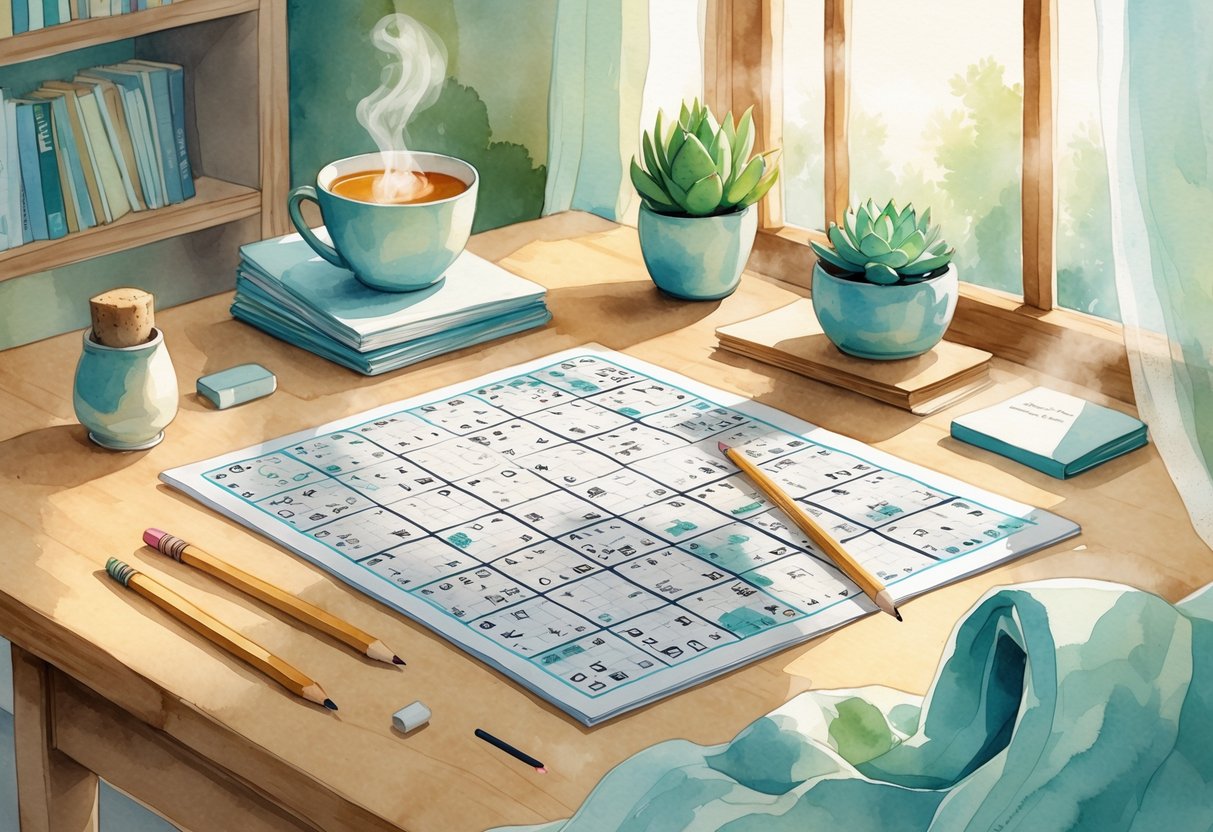
Sudoku puzzles offer a simple way to disconnect from work stress while keeping your mind active. These logic-based number puzzles require you to fill a 9×9 grid so that each row, column, and 3×3 box contains the numbers 1 through 9 without repeating.
The main benefit of Sudoku is how it redirects your focus. When you work on a puzzle, your brain concentrates on solving the immediate problem in front of you.
This shifts your attention away from work deadlines and other stressors. You don’t need special skills or expensive materials to start.
Sudoku puzzles are available in newspapers, puzzle books, and free apps on your phone. This makes them perfect for quick breaks during your workday or your commute home.
The puzzles come in different difficulty levels, from easy to expert. You can start with simpler grids and work your way up as you get better.
Each completed puzzle gives you a small sense of accomplishment, which can boost your mood after a tough day at work. Sudoku also helps improve your concentration and problem-solving abilities.
Regular practice trains your brain to think logically and spot patterns. These skills can actually help you at work, even though you’re technically taking a break from it.
You can complete most puzzles in 10 to 30 minutes, making them ideal for short breaks. This flexibility lets you fit them into your schedule whenever you need a mental reset.
5) Gardening

Gardening offers a powerful way to disconnect from work stress and reconnect with nature. When you plant seeds, water your garden, or pull weeds, you engage in simple tasks that give your mind a break from workplace pressures.
Research shows that gardening can lower stress levels and improve mood more effectively than many other leisure activities. The physical activity involved gets your body moving, while the peaceful environment calms your mind.
You don’t need a large yard to start. A small herb garden on your balcony or a few indoor plants can provide the same benefits.
The act of nurturing plants creates a sense of accomplishment that builds over time. You can watch your efforts turn into visible results as seeds sprout and plants grow.
This gives you a feeling of control that high-stress jobs often take away. Gardening also exposes you to sunlight, which boosts your vitamin D levels and supports better mental health.
The repetitive motions of planting, weeding, and watering create a meditative rhythm that helps reduce anxiety. You can start small with easy-to-grow plants like herbs or tomatoes.
Many public libraries offer free seeds through seed banks. As you gain confidence, you can expand your garden based on your available space and interest level.
4) Acrylic Painting

Acrylic painting offers a practical way to unwind after demanding workdays. You don’t need any prior art experience to start.
The medium is beginner-friendly and forgiving, which makes it ideal when you’re already mentally exhausted from work. The supplies are straightforward.
You need acrylic paints, brushes, and a canvas or paper. Acrylics dry quickly, so you can finish projects in single sessions without waiting days between layers.
Painting engages your mind differently than work tasks. You focus on colors, shapes, and brush strokes instead of deadlines and responsibilities.
This mental shift helps reduce stress and gives your brain a break from job-related thoughts. You can paint alone at home, which is convenient for busy schedules.
There’s no need to commute to classes or coordinate with others. You choose when to paint and for how long.
The creative process itself provides stress relief. Mixing colors and applying paint to canvas is a hands-on activity that keeps you in the present moment.
You’re not thinking about past problems or future concerns. Your skill will improve naturally with practice.
Each painting teaches you something new about the medium. You can experiment with different styles and techniques at your own pace.
Acrylic painting also gives you finished pieces you can keep or share. These tangible results provide a sense of accomplishment that balances out stressful work situations where progress feels less visible.
3) Soap Making

Soap making offers a hands-on way to step away from work pressures and create something useful. You mix natural ingredients like oils, lye, and fragrances to craft bars of soap from scratch.
The process requires focus and careful measurement, which helps take your mind off job stress. This hobby gives you control over a simple, straightforward project.
You follow clear steps and see results within a few hours or days. The repetitive motions of mixing, pouring, and cutting can be calming after a demanding workday.
You can start soap making with basic supplies from craft stores or online retailers. Cold process and melt-and-pour methods work well for beginners.
Each method takes different amounts of time and skill, so you can choose what fits your schedule. The creative side of soap making lets you pick colors, scents, and shapes.
You decide whether to make simple bars or try more complex designs. Making your own soap also gives you practical items for daily use or gifts.
You know exactly what goes into each bar, which appeals to people who prefer natural products. Soap making works well for people who need structured activities to unwind.
The clear steps and measurable outcomes provide satisfaction that helps counter workplace stress.
2) Yoga for Stress Relief
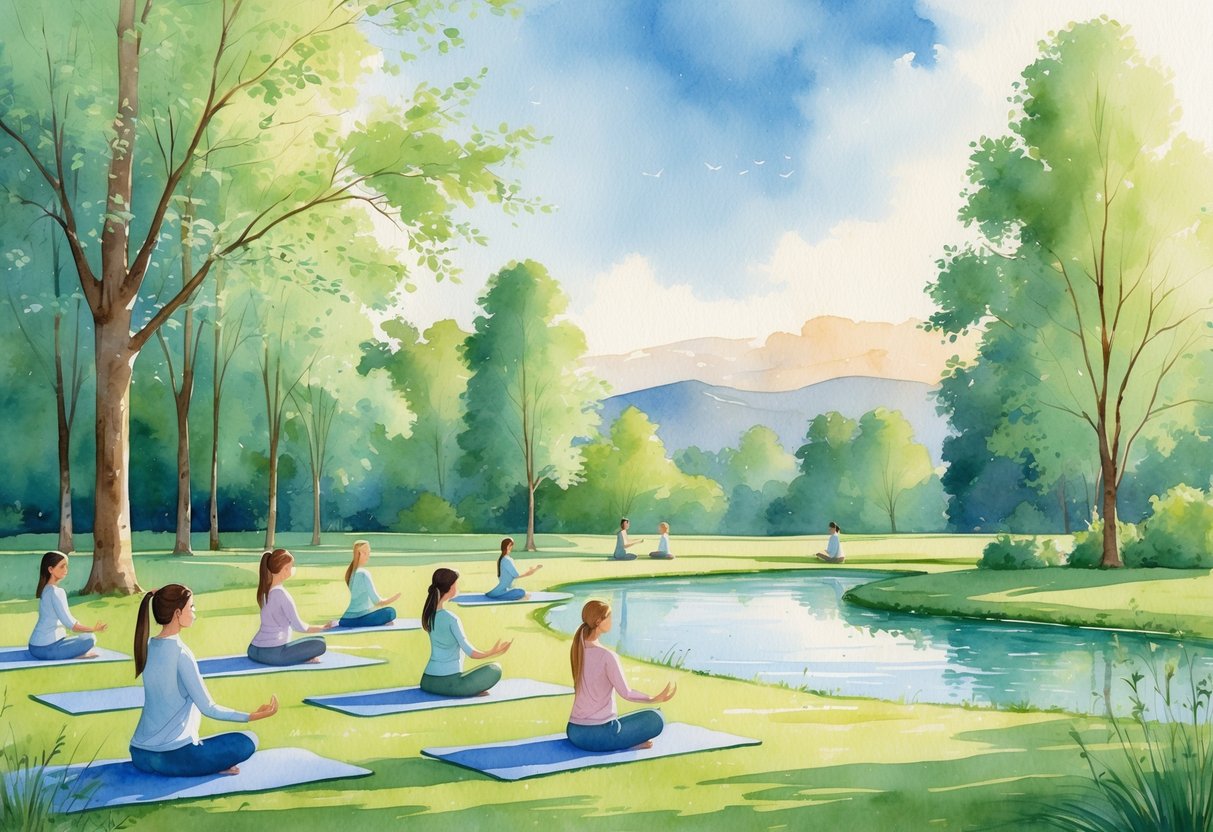
Yoga combines physical movement with controlled breathing and mental focus. This makes it one of the most effective ways to manage stress after a demanding workday.
When you practice yoga, your body releases tension that builds up during stressful situations. The stretching and poses help relax tight muscles in your neck, shoulders, and back.
These are common areas where stress shows up physically. The breathing techniques you learn in yoga directly calm your nervous system.
Deep, slow breaths signal your body to shift out of stress mode. You can use these breathing methods anywhere, even during a stressful moment at work.
You don’t need to be flexible or athletic to start yoga. Beginner classes and online videos guide you through simple poses that anyone can do.
Even 10 to 15 minutes of basic yoga can make a difference in how you feel. Regular yoga practice improves your sleep quality.
Better sleep helps you handle job stress more effectively. Many people find that yoga helps them stay present instead of worrying about work problems.
The focus required during practice gives your mind a break from racing thoughts. You can practice yoga at home, at a studio, or even in your office during breaks.
The flexibility of when and where you practice makes it easy to fit into a busy schedule.
1) Mindful Meditation
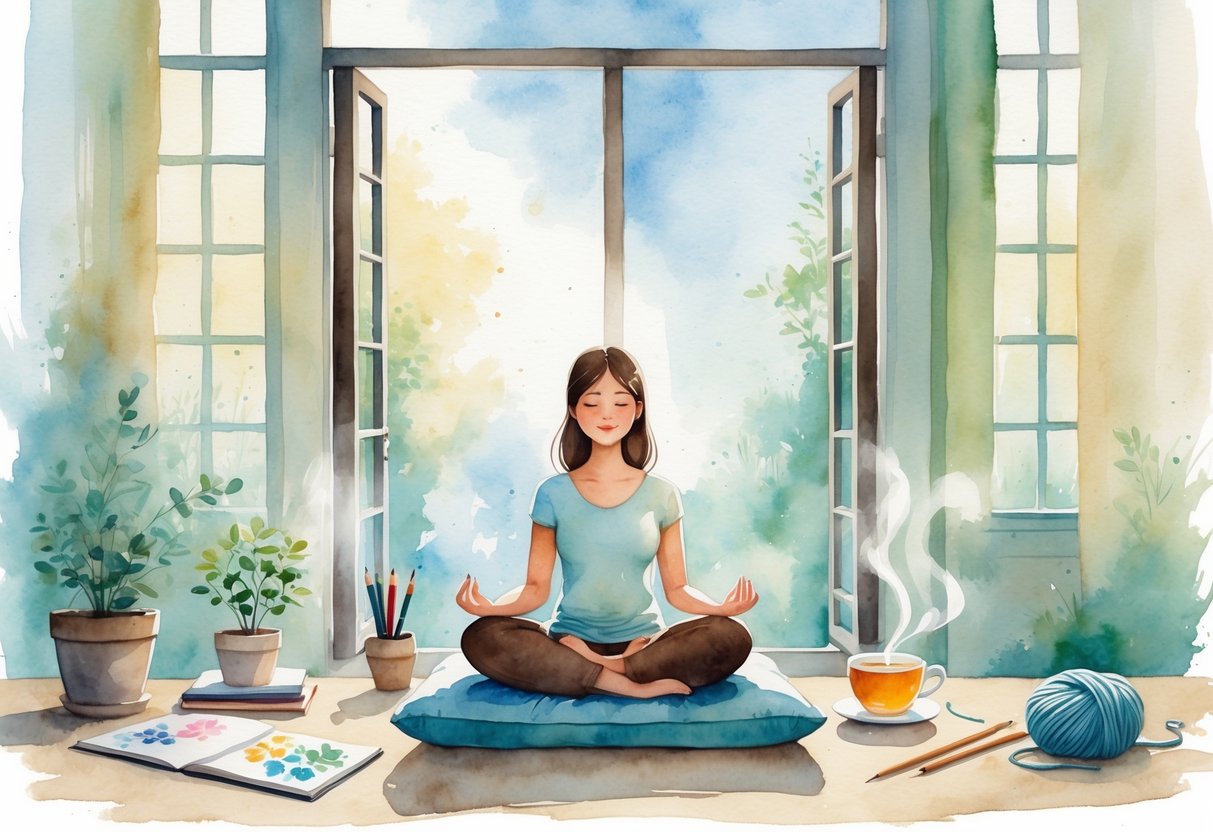
Mindful meditation offers a simple way to manage stress without needing special equipment or a large time commitment. You can practice it anywhere, whether at home, in your office, or during a lunch break.
The practice involves focusing on your breath and bringing your attention to the present moment. When you meditate regularly, you train your brain to step away from constant mental activity.
This helps create distance from work pressures and racing thoughts. Even five to ten minutes per day can make a noticeable difference in how you handle stressful situations.
The practice works by activating your body’s relaxation response. This counters the stress response that keeps you tense throughout your workday.
Your heart rate slows, your breathing deepens, and your muscles relax. You don’t need to empty your mind completely or achieve perfect silence.
The goal is simply to notice when your thoughts wander and gently bring your focus back to your breath. This gets easier with practice.
Many people find that meditation improves their ability to concentrate at work. You may notice you react less impulsively to stressful events and feel more grounded during challenging moments.
Starting with just a few minutes each morning can help set a calmer tone for your entire day. There are many free apps and online resources available if you want guidance.
However, you can also practice on your own by simply sitting quietly and paying attention to your breathing.
How Hobbies Reduce Work-Related Stress

Hobbies offer real benefits for your brain and body when work stress builds up. Research shows that people who regularly engage in activities they enjoy experience measurable improvements in stress levels, sleep quality, and overall health.
Mental Health Benefits
When you focus on a hobby, your brain gets a break from work-related worries. This mental shift helps lower anxiety and gives your mind time to recover from constant job demands.
Regular hobby participation provides these mental health improvements:
- Lower stress hormone levels in your body
- Better sleep patterns and quality
- Improved mood throughout the day
- Greater sense of control and accomplishment
Hobbies that require concentration help you practice mindfulness without formal meditation. Activities like painting, gardening, or playing an instrument force you to stay present in the moment.
This natural focus pushes out stressful thoughts about deadlines and work problems. Creative hobbies especially help you process difficult emotions.
When you write, draw, or make music, you express feelings that might be hard to talk about. This emotional release reduces the mental burden that high-stress jobs create.
Physical Health Improvements
Your body responds to chronic work stress with real physical symptoms. Hobbies help reverse these effects through relaxation and movement.
Active hobbies like hiking, dancing, or sports release endorphins that naturally combat stress. These brain chemicals improve your mood and reduce pain perception.
Even gentle activities like walking or yoga lower your heart rate and blood pressure. Physical hobbies also improve your energy levels.
While this might seem backwards, regular movement actually fights the exhaustion that comes from mental stress. You sleep better and wake up more refreshed.
Physical benefits you can expect include:
- Reduced muscle tension and headaches
- Lower blood pressure and heart rate
- Stronger immune system function
- Better physical stamina during work hours
Choosing the Right Hobby for a High-Stress Lifestyle

Finding a hobby that fits your demanding schedule requires honest assessment of your available time and energy levels. The most effective stress-relief activities align with your natural preferences and existing lifestyle constraints.
Time Management Considerations
Your hobby should reduce stress, not add to it. Look at your weekly schedule and identify realistic time blocks you can commit without feeling pressured.
Some hobbies need only 10-15 minutes per session. These include meditation, journaling, or quick stretching routines.
Other activities like hiking or team sports require longer blocks of 1-2 hours. Consider your energy patterns throughout the week.
If you work long shifts, a low-energy hobby like reading or listening to music might suit your evening hours better than high-intensity activities.
Quick reference for time commitment:
- 5-15 minutes: Deep breathing, sketching, mobile games
- 20-45 minutes: Gardening, cooking, yoga
- 1+ hours: Sports, crafting projects, outdoor activities
Choose activities you can start and stop easily. This flexibility matters when work emergencies arise or your schedule changes unexpectedly.
Matching Activities to Personality and Interests
Your personality type influences which hobbies will actually help you decompress. Extroverts often benefit from group activities like team sports or social clubs.
Introverts typically prefer solo pursuits such as painting, reading, or solo hiking. Think about what drains you at work.
If you spend all day problem-solving, avoid hobbies that require intense mental effort. If you sit at a desk for hours, physical activities provide better balance than sedentary hobbies.
Test different activities before committing significant time or money. Many gyms offer trial periods, and craft stores sell starter kits.
This approach helps you discover what genuinely interests you rather than what sounds good in theory. Your hobby should feel like a reward, not another obligation on your to-do list.
Frequently Asked Questions

Many people with demanding careers have similar questions about using hobbies to manage stress, prevent burnout, and improve mental health. Activities like walking in nature, journaling, and puzzles can address anxiety and depression, while gentle practices like tai chi help calm racing thoughts.
What hobbies can help in managing symptoms of anxiety and depression?
Walking in nature is one of the most effective hobbies for managing anxiety and depression. Studies show that spending time outdoors reduces cortisol levels and improves mood.
The combination of physical movement and natural surroundings helps calm your nervous system. Journaling gives you a safe space to process difficult emotions and negative thought patterns.
Writing down your feelings can help you identify triggers and work through anxious thoughts. Tai chi combines gentle movement with focused breathing and meditation.
This practice has been shown to reduce symptoms of both anxiety and depression. The slow, deliberate movements help you stay present instead of worrying about the future or dwelling on the past.
Which stress-relieving activities are recommended for overthinkers?
Sudoku puzzles are excellent for overthinkers because they require complete focus on the task at hand. When you concentrate on solving number patterns, your brain can’t simultaneously replay stressful work situations.
This mental break gives your overactive mind a much-needed rest. Bird watching forces you to be present in the moment.
You have to pay attention to small details like movement, colors, and sounds. This type of focused observation naturally quiets racing thoughts and worries.
Walking in nature helps overthinkers by providing a change of environment and rhythm. The repetitive motion of walking combined with natural scenery can interrupt thought loops.
You can walk without any agenda or goal, which takes pressure off your constantly planning mind.
What are effective hobbies for men to alleviate high levels of stress?
Walking in nature works well for men because it doesn’t require special skills or equipment. You can walk alone to clear your head or with others for social connection.
The physical activity releases endorphins that naturally reduce stress hormones. Bird watching appeals to many men who enjoy observation and collecting information.
You can make it as simple or technical as you want. Some people just enjoy watching birds while others track species and learn migration patterns.
Tai chi provides physical activity without the competitive pressure of sports. Many men appreciate that it builds strength and balance while also calming the mind.
The structured movements give you something concrete to practice and improve.
Can you suggest hobbies that specifically target reducing stress and anxiety?
Journaling directly targets stress by helping you externalize worries instead of keeping them bottled up. You can write about specific stressors at work or general feelings of being overwhelmed.
This practice helps you see patterns and find solutions. Tai chi combines physical movement with breath control and meditation.
The slow pace naturally lowers your heart rate and blood pressure. Regular practice trains your body to stay calm even in stressful situations.
Walking in nature reduces stress hormones within minutes of starting your walk. The combination of exercise, fresh air, and natural scenery works on multiple levels.
Even a short 15-minute walk during lunch can make a difference.
Which hobbies have been proven to alleviate symptoms of depression?
Walking in nature has strong research support for treating depression. Regular outdoor walks can be as effective as medication for mild to moderate depression.
The sunlight exposure also helps regulate sleep patterns and mood. Journaling helps you process the negative thoughts that fuel depression.
Writing can reveal thought patterns you didn’t realize you had. Some people find that putting feelings on paper makes them feel less heavy.
Tai chi has been studied specifically for depression in adults. The practice combines physical activity with mindfulness, both of which fight depressive symptoms.
Group classes also provide social connection, which is important when depression makes you want to isolate.
How can someone with a high-stress job use hobbies to prevent burnout?
You need to set clear boundaries between work time and hobby time. Schedule your hobby activities just like you would schedule meetings.
Treat bird watching walks or tai chi classes as non-negotiable appointments with yourself. Choose hobbies that are completely different from your work tasks.
If you sit at a desk all day, walking in nature provides physical movement and a change of scenery. If your job requires constant decision-making, simple activities like sudoku puzzles let your brain rest.
Start with short time commitments that feel manageable. Even 10 minutes of journaling or a quick walk can help when done consistently.
Mix solitary hobbies with ones that offer social connection. Bird watching can be done alone or with groups.
This flexibility lets you choose what you need on any given day, whether that’s quiet solitude or supportive community.