10 Best Hobbies for Welders Who Love Working with Their Hands: Creative Pursuits to Expand Your Metalworking Skills
Welders already know the satisfaction of working with metal and creating something solid with their hands. But your welding skills don’t have to stay at the job site.
You can use these same abilities to explore creative projects that bring enjoyment and purpose to your free time.
This article covers ten hobbies that let you apply your welding knowledge in new ways, from building bicycle frames to creating garden sculptures. Each hobby offers a chance to work with metal in different forms.
Some projects focus on art and decoration, while others serve practical purposes around your home or garage.
Whether you want to make functional items or explore artistic metal work, these hobbies give you ways to use your welding skills beyond your day job.
10) Ornamental Ironwork
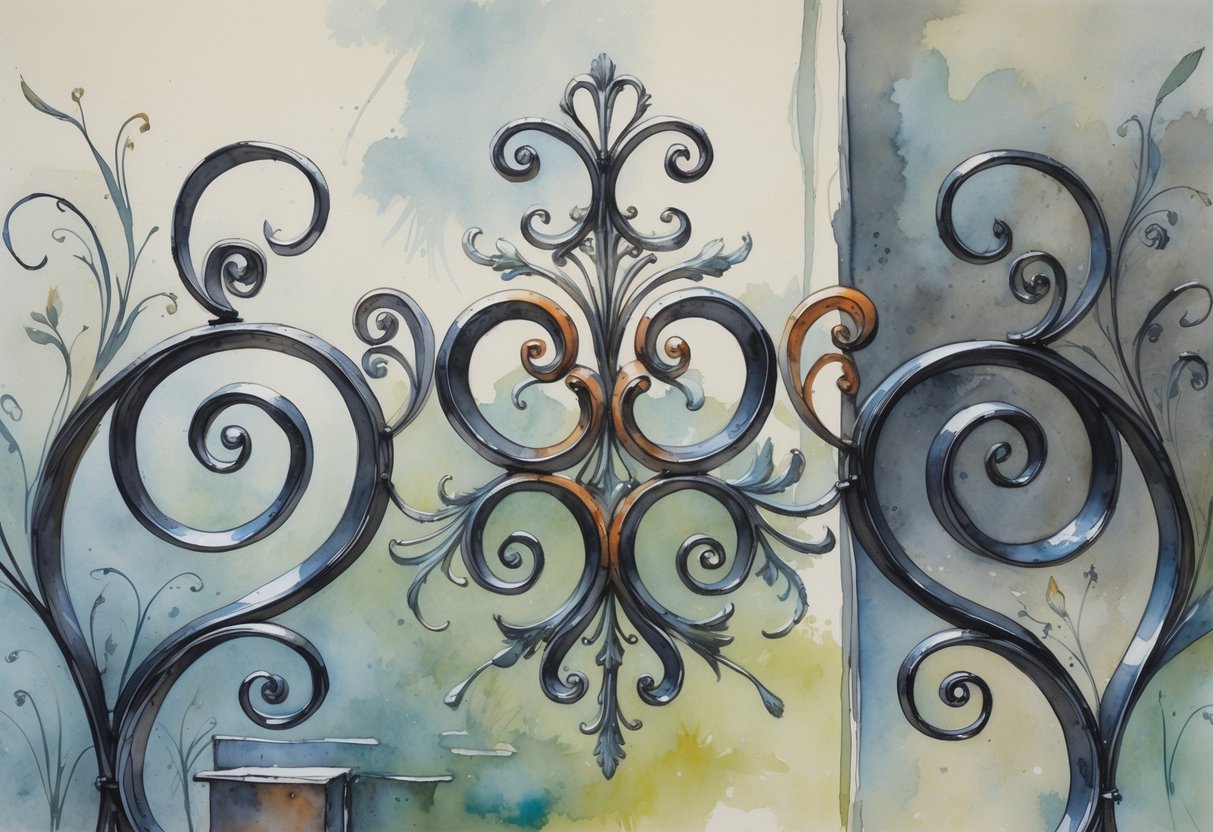
Ornamental ironwork takes your welding skills to an artistic level. You create decorative pieces like gates, railings, furniture, and garden art.
This hobby lets you combine technical welding knowledge with creative design. You can start with small projects using basic MIG welding and plasma cutting techniques.
Simple items like wall hooks, candle holders, or plant stands help you practice forming and shaping metal. These beginner projects teach you how to work with steel and recycled metals without requiring advanced skills.
As you improve, you can tackle larger decorative pieces. Custom railings, fence panels, and metal sculptures become possible projects.
You learn to bend, twist, and join metal pieces to create unique designs that serve both functional and aesthetic purposes. The equipment needed is similar to what you already use for welding.
A MIG welder, plasma cutter, and common hand tools get you started. You might add tools for bending and forming metal as your projects grow more complex.
You can make pieces for your own home or take on commission work for others. Many welders turn this hobby into a side business creating custom metalwork for clients.
Each project improves your ability to visualize designs and execute them in metal. You develop skills in measurement, proportion, and finishing techniques that make your work look professional.
9) Knife Making
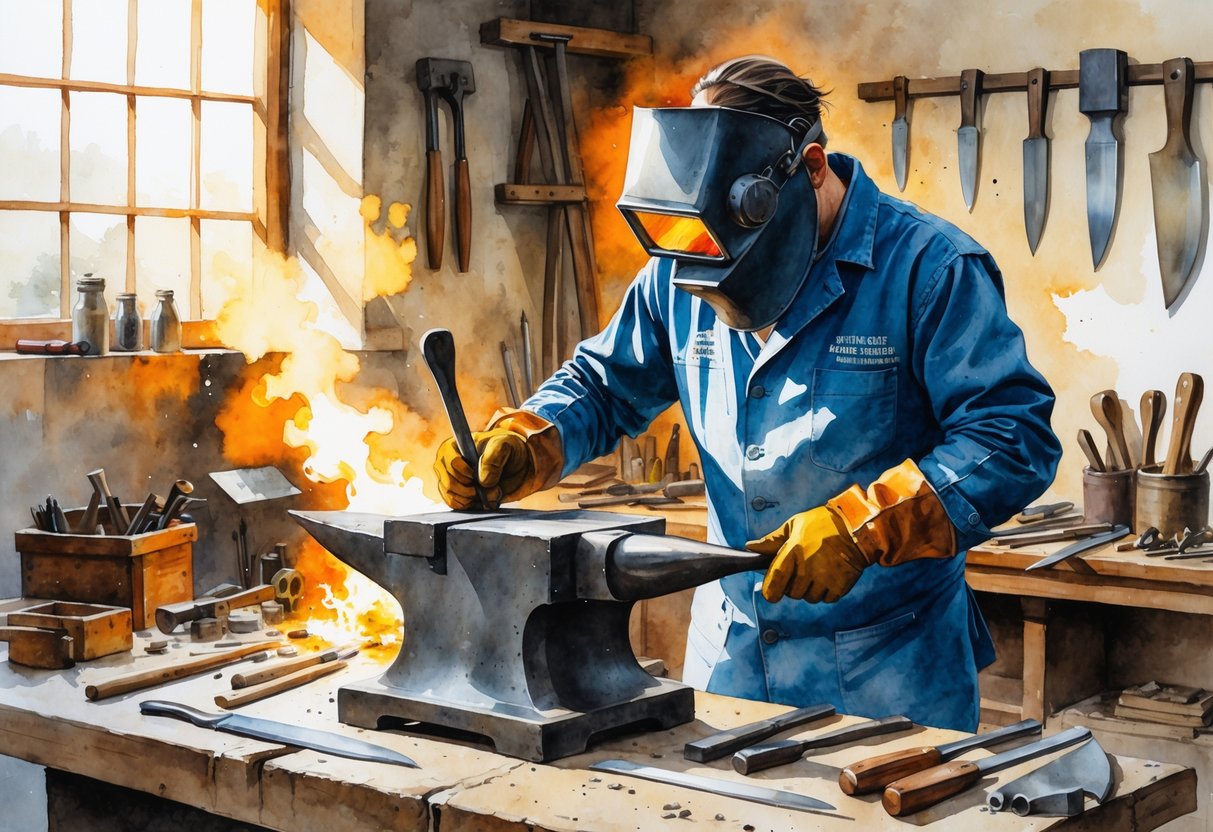
Knife making combines metalworking skills with practical craftsmanship. If you already know how to weld, you have a solid foundation for creating custom knives.
You can forge blades from raw steel or shape them through stock removal methods. The process starts with selecting the right steel for your blade.
High carbon steel works well for beginners because it holds an edge and responds predictably to heat treatment. You’ll heat the metal, shape it through hammering or grinding, and then carefully heat treat it to achieve the right hardness.
Your welding experience gives you an advantage when working with forge equipment and understanding metal properties. The skills you use to control heat and work with different metals transfer directly to knife making.
You’ll recognize how metal changes color at different temperatures and how it moves when heated. Knife making lets you create both functional tools and decorative pieces.
You can start with simple fixed-blade designs before moving to more complex projects. Each knife you make teaches you something new about blade geometry, handle materials, and finishing techniques.
The hobby requires some specialized tools like grinders and files, but you don’t need everything at once. Many knife makers start with basic equipment and add more tools as they develop their skills.
You can work in the same shop space you use for welding projects.
8) Metal Sign Fabrication
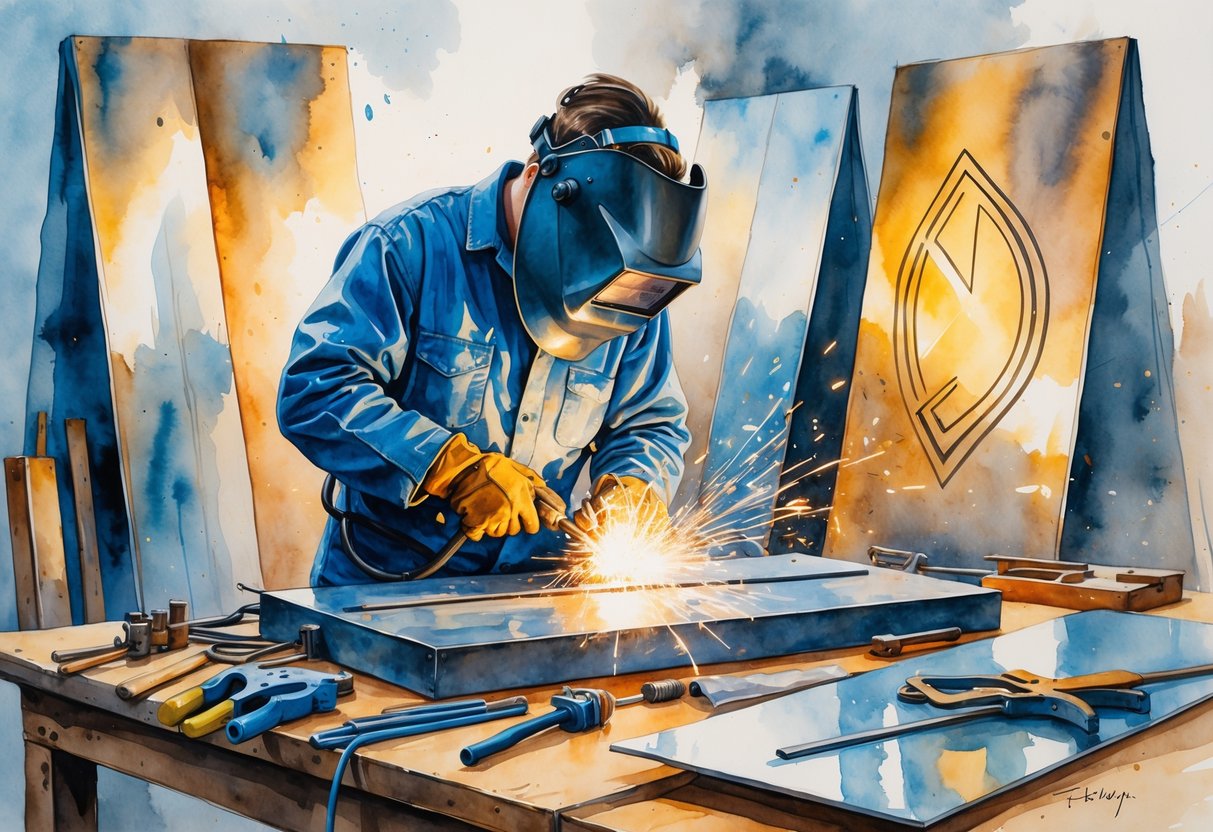
Metal sign fabrication offers welders a creative outlet that combines artistic design with practical metalworking skills. You can create custom signs for homes, businesses, or special occasions using your welding equipment and basic materials.
This hobby lets you work with different types of metal to produce personalized items that people actually want to buy. You can make address plaques, business signs, decorative name plates, or inspirational quote displays.
The designs can be simple text or include complex patterns and logos. Getting started requires your standard welding setup plus some metal cutting tools.
You’ll work with materials like steel, aluminum, or stainless steel depending on whether the signs will be displayed indoors or outdoors. The creative process involves sketching your design, cutting the metal to size, and welding pieces together when needed.
You can add finishing touches like paint, powder coating, or a natural rust patina. Many welders use stencils or plasma cutters to create clean lettering and detailed designs.
Metal sign fabrication works well as a hobby because projects don’t take too long to complete. You can finish a basic sign in a few hours once you have your process down.
You’ll find plenty of inspiration online and can customize each piece to match your style. This hobby gives you something tangible to display in your own space or share with friends and family.
7) Welding for Home Renovations
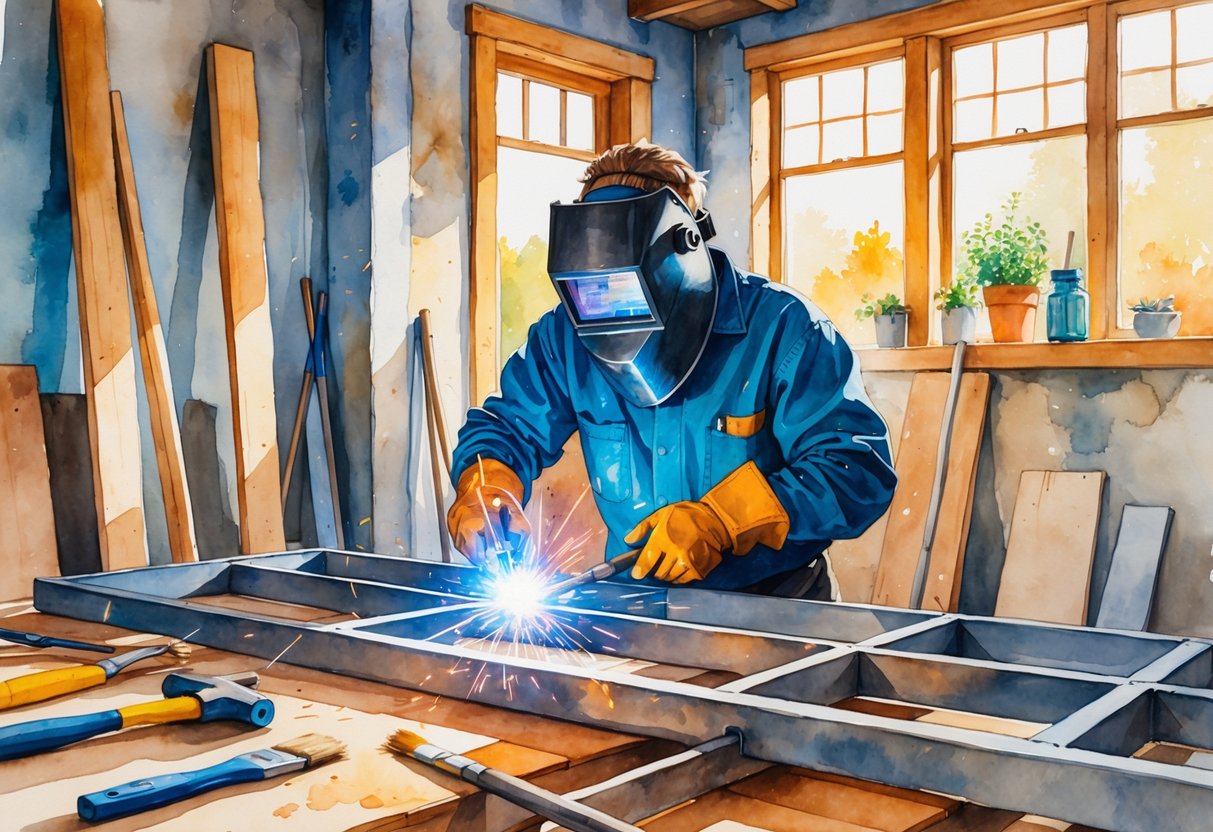
Home renovations offer practical ways to use your welding skills around the house. You can tackle metal repairs, build custom features, and upgrade spaces that need metalwork.
Start with simple projects like fixing broken gates, railings, or porch supports. These repairs save money compared to hiring professionals.
You’ll gain experience while making your home safer and more functional. Custom metal fixtures add character to your living spaces.
You can create unique curtain rods, towel racks, or door handles that match your style. Kitchen and bathroom upgrades work well too, like custom pot racks or shelving brackets.
Outdoor improvements give you room to work on bigger projects. Metal raised garden beds last longer than wood and resist weather damage.
You can build custom deck railings, fire pit rings, or decorative yard art. Garage and workshop upgrades let you design storage solutions that fit your exact needs.
Workbenches with metal frames provide stable surfaces for other projects. Tool racks and shelving systems keep your space organized.
Safety matters when welding at home. Work in well-ventilated areas and protect nearby surfaces from sparks and heat.
Check local building codes before starting structural projects. Your welding skills turn renovation ideas into finished results.
You control the design, timeline, and quality of the work.
6) Garden Sculpture Construction
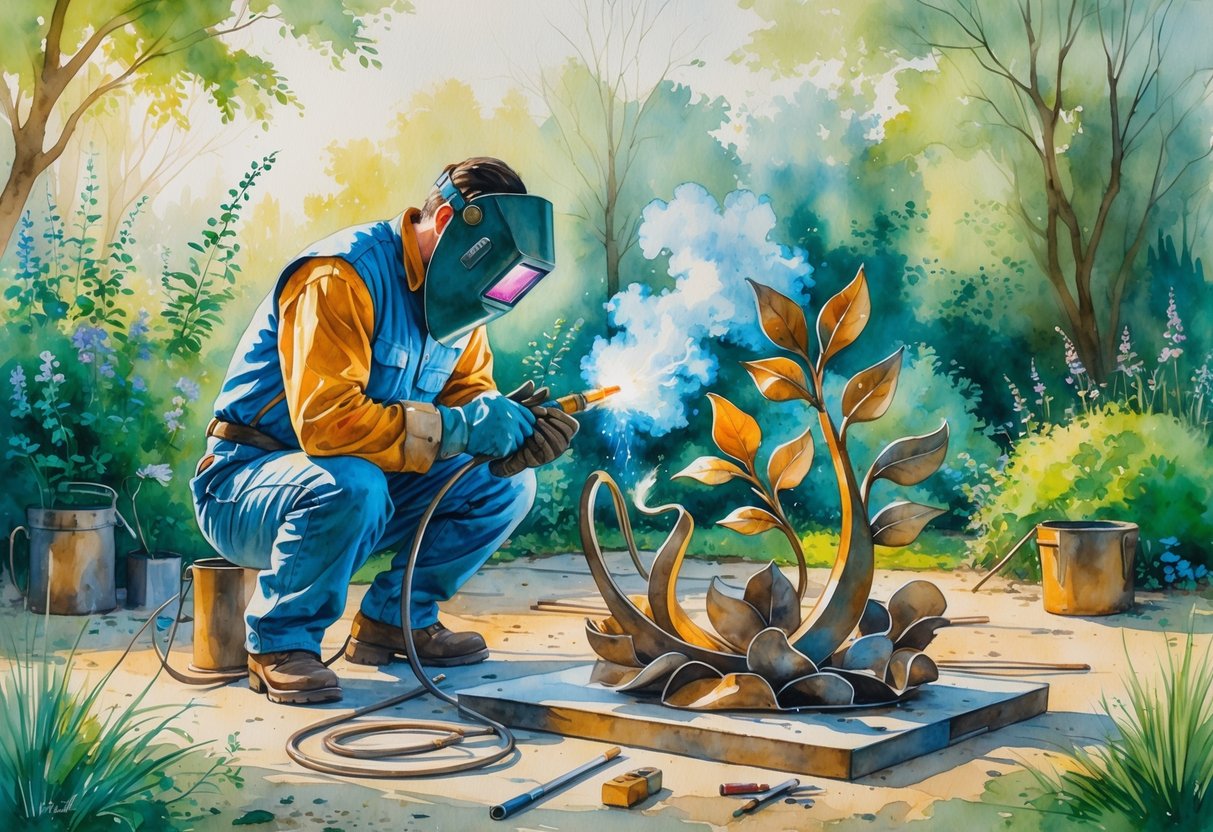
Garden sculpture construction combines welding skills with artistic vision to create unique outdoor decorations. You can transform basic metal materials into eye-catching pieces that enhance any yard or garden space.
This hobby lets you work with different metals like steel, copper, and iron to build three-dimensional art. You might create abstract ring sculptures, animal figures, or modern geometric designs.
The possibilities are limited only by your imagination and welding abilities. Starting with garden sculptures is straightforward.
You can use recycled metal materials to keep costs down while you learn. Old tools, car parts, and scrap metal make excellent building blocks for creative projects.
The welding process for garden art follows basic steps. First, you choose your metal and plan your design.
Then you cut and shape the pieces before welding them together at key connection points. Finally, you can add finishing touches like paint or rust treatments to protect your work from weather.
Garden sculpture construction gives you practical benefits beyond artistic satisfaction. You develop better control of your welding torch and learn to work with different metal thicknesses.
Each project helps you improve your technique while creating something functional for your outdoor space. Your finished sculptures can withstand outdoor conditions when properly sealed.
They add personality to gardens and yards while showcasing your metalworking skills. Many welders find this hobby rewarding because they can display their creations and share them with visitors.
5) Bicycle Frame Building
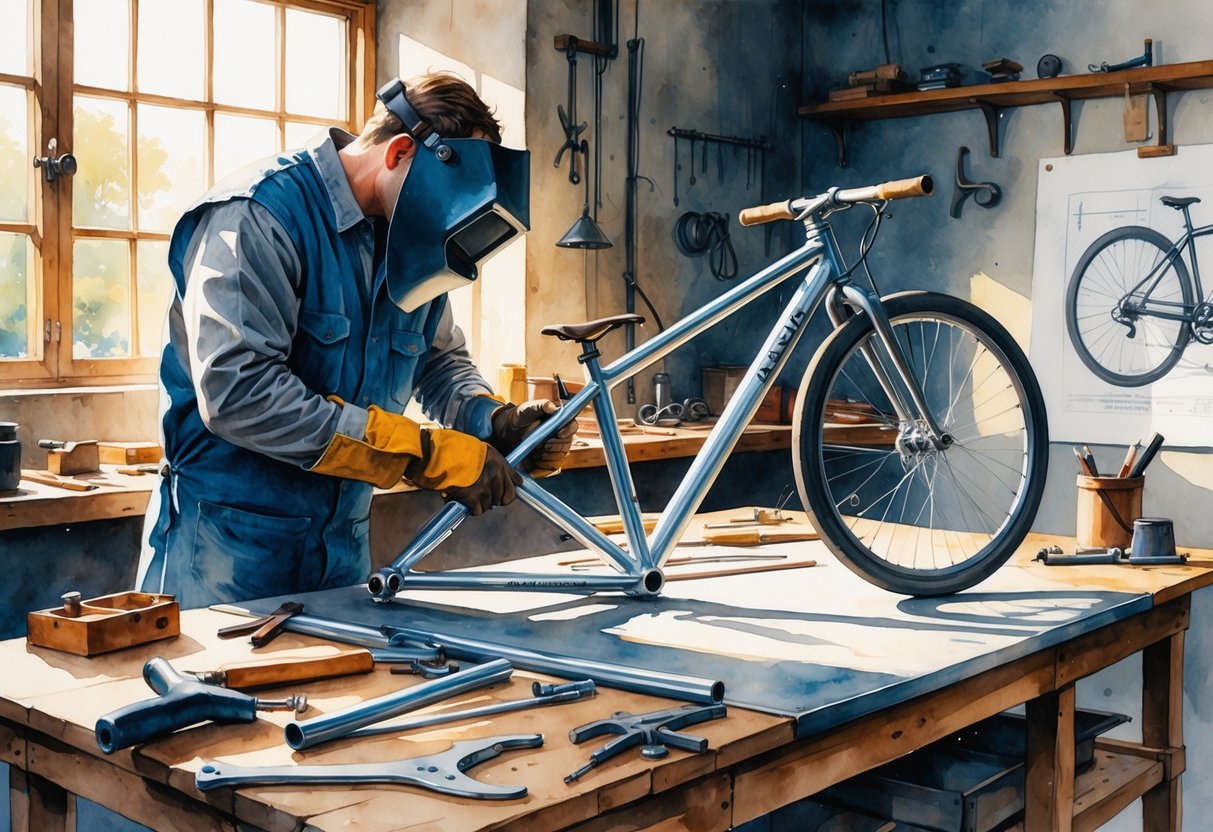
Bicycle frame building lets you combine your welding skills with mechanical design to create custom bikes from scratch. You’ll work with thin-walled tubing, typically 4130 chromoly steel, which requires precise TIG welding technique and careful heat control.
This hobby challenges your welding abilities more than basic projects. The thin tubes demand steady hands and proper amperage settings to avoid burn-through.
You’ll need to master fit-up and alignment since frame geometry directly affects how the bike handles and rides. Getting started requires some specialized equipment beyond your welder.
A frame jig helps hold tubes in the correct positions during welding. You’ll also need tube mitering tools or a mill to create clean joints where tubes meet at various angles.
The learning curve is steep but manageable with practice. Many welders start by repairing existing frames before building complete bikes.
This approach lets you develop your technique on simpler repairs first. Frame building offers practical results you can actually use.
Each completed frame becomes a rideable bicycle that reflects your craftsmanship. You can build frames for yourself, friends, or eventually take on custom orders.
The framebuilding community provides solid support for beginners. Online forums and local builders share techniques, troubleshooting advice, and design guidance.
You’ll find detailed resources covering everything from tube selection to finishing methods. This hobby scales with your interests.
You can keep it simple with basic designs or explore advanced techniques like custom geometry and specialty frame features.
4) Jewelry Making with Metal
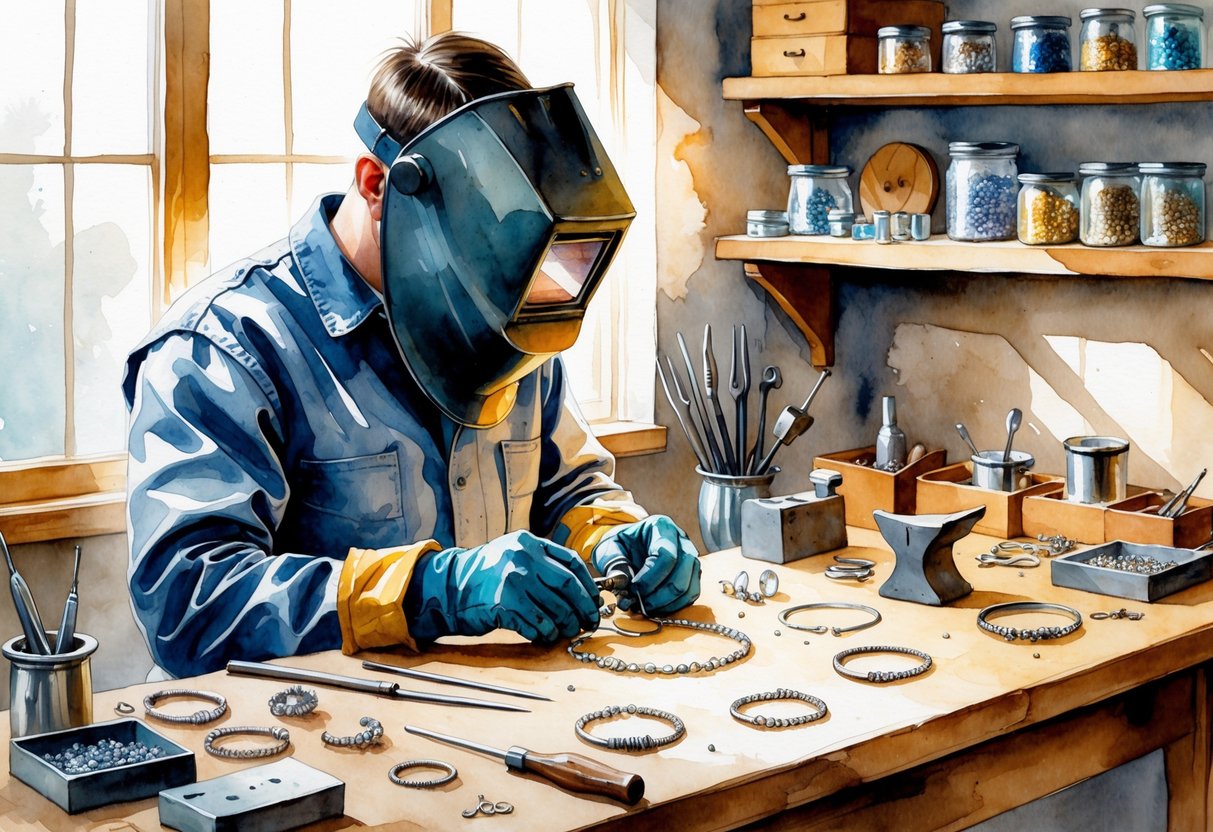
Jewelry making with metal lets you apply your welding skills to create small, detailed pieces. You can make rings, necklaces, bracelets, and earrings using various metals like copper, brass, silver, or gold.
This hobby requires precision and patience since you work with much smaller pieces than typical welding projects. A micro welder is the best tool for jewelry work.
These specialized machines let you weld at low heat settings, usually between 15-20 watts. This prevents damage to delicate metals and small components.
You can start with simpler techniques like wire wrapping and metal stamping before moving to welding. Cold connections and riveting don’t require heat but still create strong bonds between metal pieces.
As you improve, you can try more advanced methods like fold forming and heat patina to add unique finishes to your work. The skills you already have as a welder give you an advantage.
You understand how metal behaves under heat and how to create strong joints. You just need to adjust your technique for smaller scale work.
Working with jewelry metals requires short bursts of heat. Always hold pieces with proper tools or heat-resistant gloves to protect your hands.
The heat builds up quickly in small pieces even though you use lower power settings. This hobby combines technical welding skills with artistic design.
You can create functional items or purely decorative pieces depending on your interests.
3) DIY Furniture Welding
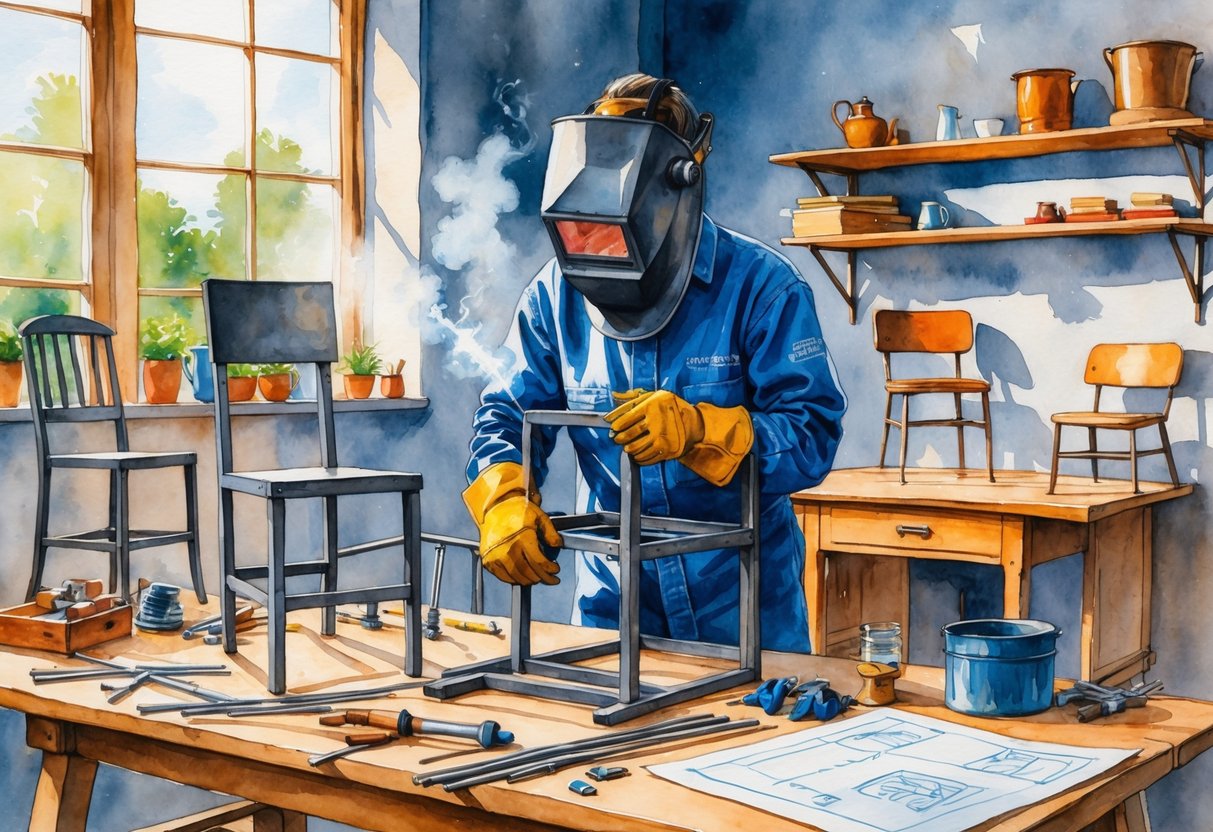
Building your own furniture through welding lets you create custom pieces that match your exact needs and style. You can make tables, chairs, shelves, and bed frames that fit perfectly in your space.
Quality furniture costs a lot to buy, but you can build it yourself for much less. Furniture welding works well for both beginners and experienced welders.
You can start with simple projects like a basic coffee table or plant stand. As your skills improve, you can move on to more complex designs like dining tables or outdoor benches.
Metal furniture lasts longer than wood in many cases. It holds up well outdoors and can support heavy weight without breaking.
You can combine metal frames with wood or glass tops to create unique looks. Each project teaches you different techniques and helps you work with various materials.
You learn to measure accurately and plan your designs before you start cutting and welding. You can also sell furniture pieces you make if you want to earn extra money.
Many people look for custom metal furniture that they can’t find in regular stores. Your handmade pieces offer something different from mass-produced options.
2) Automotive Frame Repair
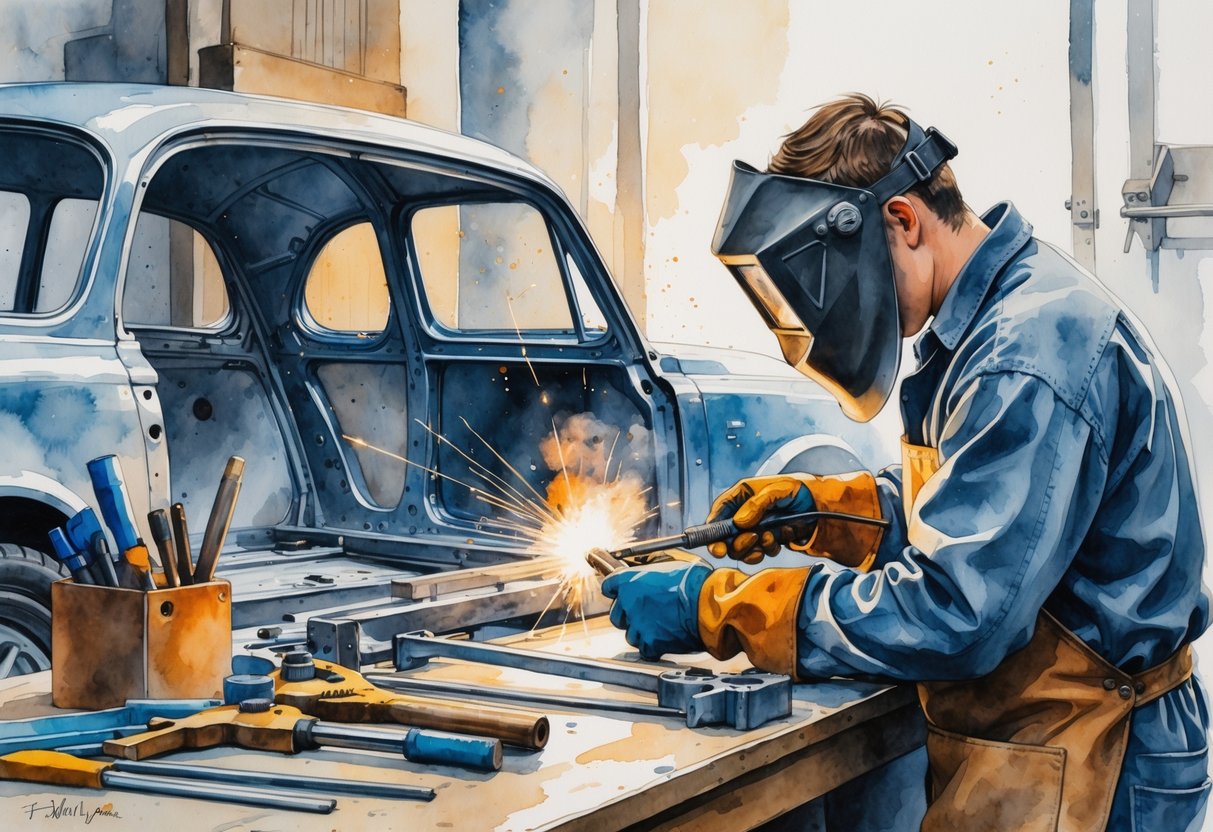
Automotive frame repair offers welders a chance to use their skills on important structural work. You can restore damaged vehicle frames and make them safe for the road again.
This hobby combines technical welding knowledge with problem-solving abilities. Frame repair requires precision and attention to detail.
You need to understand how vehicles are built and where stress points occur. MIG welding is often the preferred choice for this work because it creates clean, strong welds on the thin steel used in most car and truck frames.
You can start with small frame repairs on older vehicles or practice projects. As your skills improve, you can tackle more complex repairs.
This hobby teaches you about different welding techniques and materials. You learn how to assess frame damage and plan repairs correctly.
The work demands proper safety equipment and good ventilation since you’re working with structural components. Frame repair also helps you understand vehicle safety standards.
You need to ensure your welds meet strength requirements for the frame to perform properly. You can work on your own vehicles or help friends and family with their repair needs.
Some hobbyists even turn this skill into side income by taking on small repair projects.
1) Custom Metal Art Sculpting
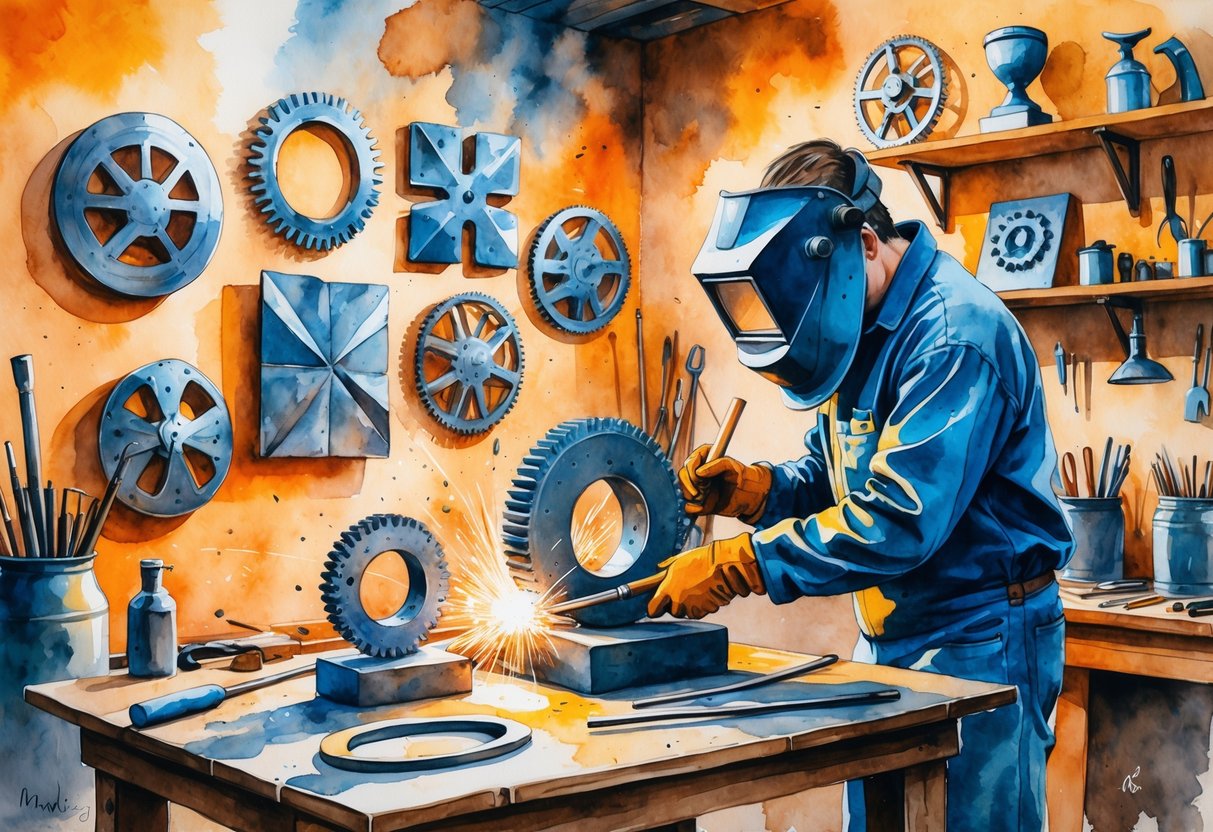
Custom metal art sculpting lets you transform raw metal into creative pieces that reflect your personal style. You can start with simple designs and work your way up to more complex sculptures as your skills improve.
This hobby works well for welders because you already know how to join metal safely. You can use scrap metal, old tools, or recycled materials to keep costs down.
Garden sculptures, wall art, and decorative figurines are popular projects that many welders enjoy making. Basic projects like metal flowers or simple animal figures help you practice different welding techniques.
You don’t need to be an artist to get started. Many welders develop their creative vision over time through practice.
You can create functional art pieces too. Items like custom fire pits, decorative bookends, and metal furniture combine artistry with practical use.
These projects give you something useful while letting you express creativity. Metal sculpting offers flexibility in what you make.
You might focus on realistic designs or abstract pieces. Some welders create small tabletop sculptures while others build large outdoor installations.
The choice depends on your space, budget, and interests. Your welding skills transfer directly to this hobby.
The torch work, cutting, and joining techniques you know apply to artistic projects. You just shift your focus from structural work to creative expression.
Benefits of Hands-On Hobbies for Welders

Hands-on hobbies strengthen your ability to think through complex challenges and improve your physical control when working with tools and materials.
Building Problem-Solving Skills
When you take on hands-on hobbies outside of welding, you train your brain to approach problems from different angles. Each hobby presents unique challenges that require you to analyze situations, plan solutions, and adapt when things don’t go as expected.
Woodworking teaches you to work with material grain patterns and joint strength. Metalworking projects force you to calculate measurements and anticipate how materials will behave under stress.
Auto repair develops your diagnostic thinking as you trace problems through connected systems. These skills transfer directly back to your welding work.
You become better at identifying why a weld failed, how to fix warping issues, or which technique works best for a specific joint. Your mind stays sharp through constant practice of analytical thinking.
Key problem-solving benefits:
- Faster troubleshooting of equipment issues
- Better project planning and material estimation
- Improved ability to work through unexpected challenges
- Stronger spatial reasoning for complex assemblies
Enhancing Dexterity and Precision
Your hands are your most valuable tools as a welder. Hobbies that require fine motor control keep your fingers nimble and your movements steady.
Activities like model building, jewelry making, or instrument repair demand precise hand movements and steady control. You learn to work with smaller components and tighter tolerances than typical welding projects require.
This extra practice with delicate work improves your overall hand coordination. The benefits show up when you return to welding.
Your torch control becomes smoother. You can hold steadier positions for longer periods.
Small adjustments feel more natural, and you waste less filler material through better bead placement. Regular practice through varied hobbies also reduces hand fatigue.
Your muscles build endurance through different movement patterns, which helps prevent repetitive strain injuries common in welding careers.
Tips for Balancing Work and Hobbies
Welding work demands physical energy and mental focus, so managing your hobby time requires clear boundaries and smart planning.
Protecting yourself from exhaustion means treating your personal interests as necessary parts of your schedule, not optional extras.
Time Management Strategies
Set specific times for your hobbies just like you would for work shifts. Block out 30 minutes to an hour several times per week on your calendar.
This makes hobby time a real commitment instead of something that only happens when you’re not tired. Wake up 30 minutes earlier or use lunch breaks for quick hobby sessions.
Small pockets of time add up over the week. If you work long shifts, dedicate one full day off to your hobbies instead of spreading thin attempts throughout busy workdays.
Create a simple weekly schedule:
- Monday/Wednesday: 45 minutes after dinner
- Saturday: 2-3 hours in the morning
- Sunday: 1 hour in the afternoon
Keep your hobby supplies organized and ready to use. When your tools or materials are scattered, you waste precious time searching instead of doing.
A dedicated workspace, even if it’s just a corner of your garage, lets you start immediately when free time arrives.
Preventing Burnout
Physical hobbies can strain the same muscles you use for welding. Mix activities that use different body parts or choose lighter work for hobby projects.
If you spend all day in uncomfortable positions, pick hobbies where you can sit comfortably or move freely. Take real breaks between work and hobby time.
Your body needs 15-20 minutes to recover and shift gears. Jumping straight from welding into metalworking hobbies without rest increases injury risk and kills enjoyment.
Watch for signs you’re overdoing it: constant fatigue, sore joints, or losing interest in activities you normally enjoy. When these appear, scale back hobby hours for a week.
Your hobbies should recharge you, not drain whatever energy work left behind.
Frequently Asked Questions

Welders often have questions about starting projects, developing skills, and turning their craft into income. These answers cover practical project ideas, creative applications, and ways to grow both your abilities and business opportunities.
What are some small-scale welding projects ideal for hobbyists?
Small-scale projects like metal bookends and wall hooks help you practice basic techniques without requiring large amounts of material. These items use simple joints and allow you to focus on creating clean welds.
Decorative plant stands and candle holders offer good practice for working with different angles and positions. You can complete these projects in a few hours while building skills that apply to larger work.
Fire pit rings and small garden stakes let you experiment with curved shapes and thicker materials. These projects teach you how to control heat and work with different metal types.
Can you suggest any creative welding projects suitable for high school students?
Metal bottle openers and keychains make excellent starter projects for students learning to weld. These small items require minimal material and can be completed in a single class period.
Simple garden art like metal flowers or yard decorations allow students to express creativity while practicing basic welding techniques. These projects combine straight cuts with curved pieces to develop fundamental skills.
Tool organizers and small shelving units teach students how to measure accurately and create functional items. Working on practical projects helps students understand how welding applies to real-world needs.
Which MIG welding project ideas are both enjoyable and skill-enhancing?
Custom furniture frames like coffee tables and chairs challenge you to create strong joints while maintaining clean aesthetics. MIG welding works well for these projects because it produces smooth beads on visible surfaces.
Trailer repairs and modifications give you experience working with thicker metals and structural components. You learn to create welds that handle stress and weight while practicing positioning skills.
Metal art sculptures let you experiment with different techniques and materials without strict functional requirements. These projects help you develop control over your welder settings and bead placement.
What useful items can be created through welding that are also viable for sale?
Fire pits and outdoor furniture consistently sell well because they combine functionality with durability. Customers pay premium prices for custom metalwork that fits their specific outdoor spaces.
Metal signs and house numbers appeal to homeowners looking for personalized decorations. You can create these items quickly once you develop templates and efficient production methods.
Tool racks and storage solutions attract customers in workshops and garages. These practical items showcase your welding skills while solving common organization problems.
What type of welding project kits are best for beginners looking to improve their skills?
Pre-cut metal kits for items like horseshoes or small boxes eliminate measuring errors and let you focus purely on welding technique. These kits include all necessary materials with clear instructions.
Beginner-level art kits that create animals or geometric shapes teach you how to join pieces at different angles. You build confidence by completing recognizable projects that look professional.
Furniture kits with partially assembled frames help you understand structural welding requirements. These projects bridge the gap between simple crafts and complex builds.
How can a passion for welding be developed into a profitable side hustle?
Start by creating a portfolio of completed projects that showcase your range and quality. Take clear photos of your best work to share with potential customers through social media and local community groups.
Focus on a specific niche like garden art or furniture rather than trying to offer everything. Specialization helps you develop efficient processes and build a reputation for expertise in your chosen area.
Price your work by calculating material costs, time invested, and overhead expenses. Research what similar items sell for in your area to ensure your prices remain competitive while covering your costs and providing profit.