
10 Best Hobbies for Busy People: Simple Activities to Relax and Recharge
Finding time for yourself can be difficult when your schedule is full. Work, family, and daily life often leave little room for leisure.

The right hobby can help you relax, boost your mood, and make your free time feel more meaningful. Even if you are busy, it is possible to enjoy rewarding activities without needing hours each day.
1) Scheduling 15-minute daily yoga sessions
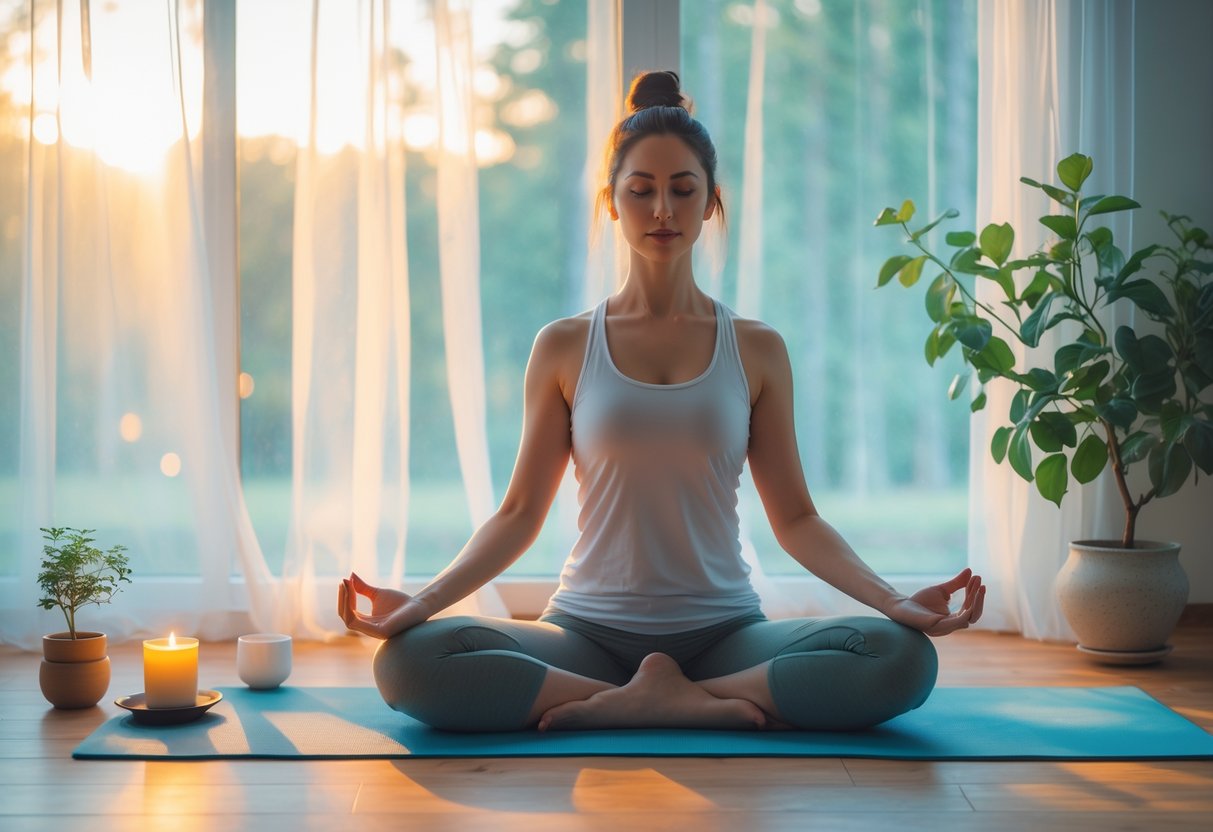
Fitting yoga into your busy day is possible if you keep sessions short and simple. A daily 15-minute routine is enough to stretch your body and clear your mind.
You do not have to spend hours at a studio to enjoy the benefits. Fifteen minutes of yoga can help you feel more relaxed and focused.
Try doing yoga early in the morning, during a lunch break, or before you go to bed. Even short sessions can make a noticeable difference in your mood and flexibility.
You might follow a simple sequence like Cat-Cow stretches, Downward Dog, and a few rounds of Sun Salutations. These moves do not require much space or equipment.
Following a short online video can also guide you through a quick session. There are many 15-minute yoga routines for busy people that you can try at home.
Keeping your session at the same time each day builds a habit. It helps you remember to fit it into your schedule.
Some people prefer yoga to start their day, while others use it at night to relax before sleeping. You do not need to find a big chunk of free time.
Many people discover that even a short daily practice gives just as many benefits as longer sessions. Consistency matters more than length.
You can always adjust your routine to fit the time you have. If you are short on time, skip a pose or two.
What matters is that you show up for yourself a little bit each day.
2) Listening to audiobooks during commutes

If you spend a lot of time traveling to work, you can make that time more enjoyable by listening to audiobooks. You do not need extra free time to add this hobby to your routine.
It fits naturally into your day, making your commute feel shorter. With audiobooks, you have thousands of choices.
You can pick up fiction, nonfiction, or learn something new every week. Many people like to use this time to relax or catch up on books they might not otherwise have time for.
Listening to audiobooks while driving, riding a bike, or taking public transit is easy. You will want to pick stories or subjects that hold your interest but do not require your full attention if you’re behind the wheel.
Avoid books that are too complicated if you need to stay focused on the road. Some find that audiobooks help lower the stress of busy traffic or crowded buses.
The right story can help shift your mood and even help you feel more refreshed when you arrive at your destination. Many people say this hobby makes their time commuting more worthwhile.
If you’re not sure where to start, look for lists of the best audiobooks for commuting. There are also suggestions for choosing shorter stories or episodic content if your drive is on the shorter side.
With so many choices, you can always find something to match your taste and schedule. Listening to audiobooks can be both fun and practical.
It can make your daily travels more enjoyable, and it is a hobby that does not interrupt your busy life.
3) Writing poetry to express creativity

Writing poetry is a simple way for you to capture your thoughts and feelings. You don’t need fancy tools or a lot of time.
Just grab a notebook or open a blank document on your phone. Poetry lets you explore ideas and emotions at your own pace.
You can jot down just a few lines during a break or while waiting for an appointment. Even short poems can help you untangle complicated feelings and spark new ideas.
If you often feel busy or overwhelmed, poetry offers a quick creative outlet. There’s no strict structure you have to follow, so you can write in any style that feels comfortable to you.
There are creative prompts available if you need inspiration. For example, you can try writing about an object you see, your memories, or even pretend to write from an animal’s point of view.
If you want more structured ideas, check out a list of poetry prompts. Poetry is easy to fit into almost any lifestyle.
You can create a poem in just a few minutes or work on it over several days. Some people even find that writing a few lines regularly helps reduce stress.
You do not have to share your poems unless you want to. Many people keep their poetry private, using it as a way to reflect on their day or process their feelings.
If you enjoy writing poetry, you might also like related hobbies such as journaling, blogging, or even painting, since they all allow you to express yourself in different ways. You can read more about creative hobbies related to poetry and explore other ideas that fit into a busy schedule.
4) Practicing figure drawing with online tutorials
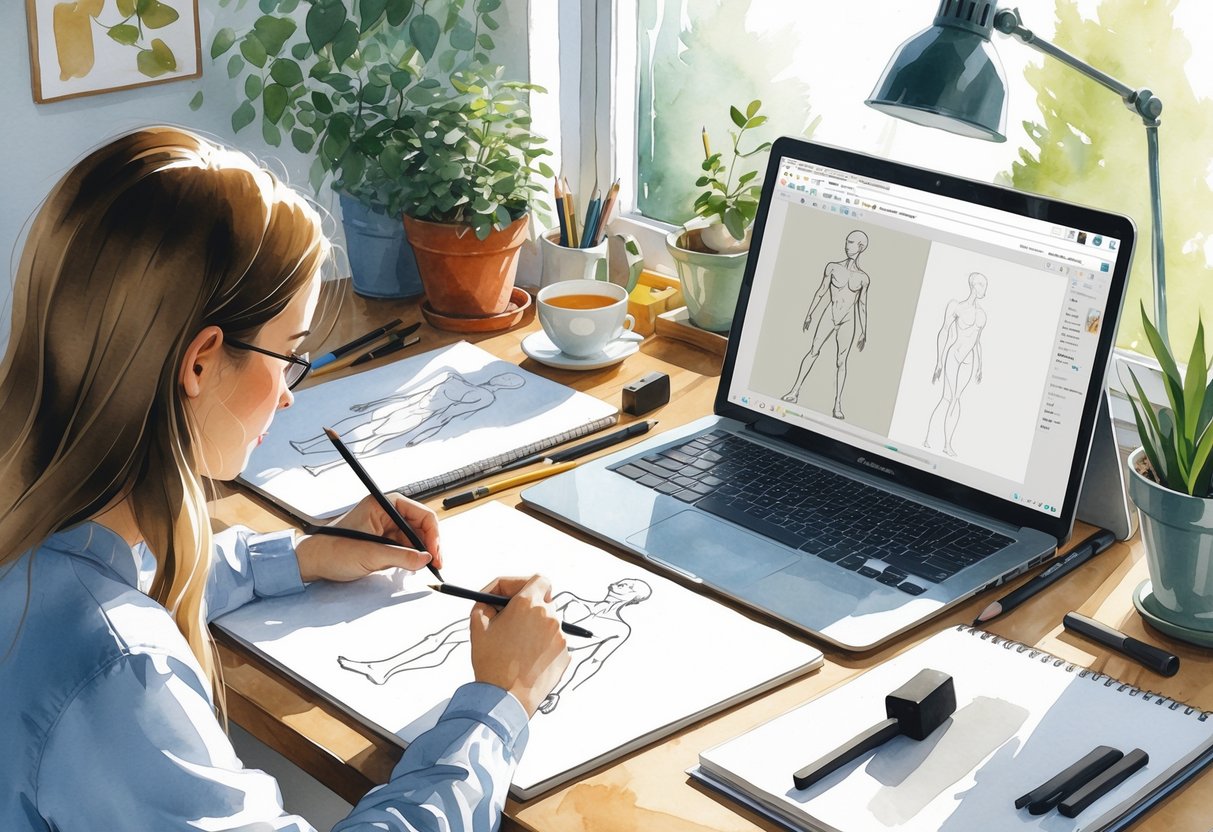
Figure drawing is a useful hobby if you want to improve your art skills. It allows you to observe the human body and practice sketching different poses.
This hobby fits well into a busy schedule because you can do it at home and choose sessions that work for you. Starting is simple.
Many websites offer free or paid lessons to help you learn and practice. Some of these resources provide step-by-step instructions, video guides, and plenty of references.
You do not need special tools—just a pencil and paper are enough in the beginning. If you want free resources, there are websites that focus on figure drawing practice.
These sites give you a variety of poses to draw, and some have timers to help you improve quickly. This makes short daily practice easy and effective.
You can also find online drawing tutorials designed for all skill levels. Some courses focus on figures, while others cover basic techniques.
Video lessons make it easy to learn at your own pace. Interactive websites such as SketchDaily let you join drawing sessions or complete courses in any order you want.
This flexible setup is a good choice for anyone with a shifting schedule. Practicing figure drawing online is a hobby that can be started anytime and anywhere.
It helps you relax and gain a new skill without needing much time or expensive supplies. For busy people, this makes it both practical and rewarding.
5) Sending handwritten postcards to friends
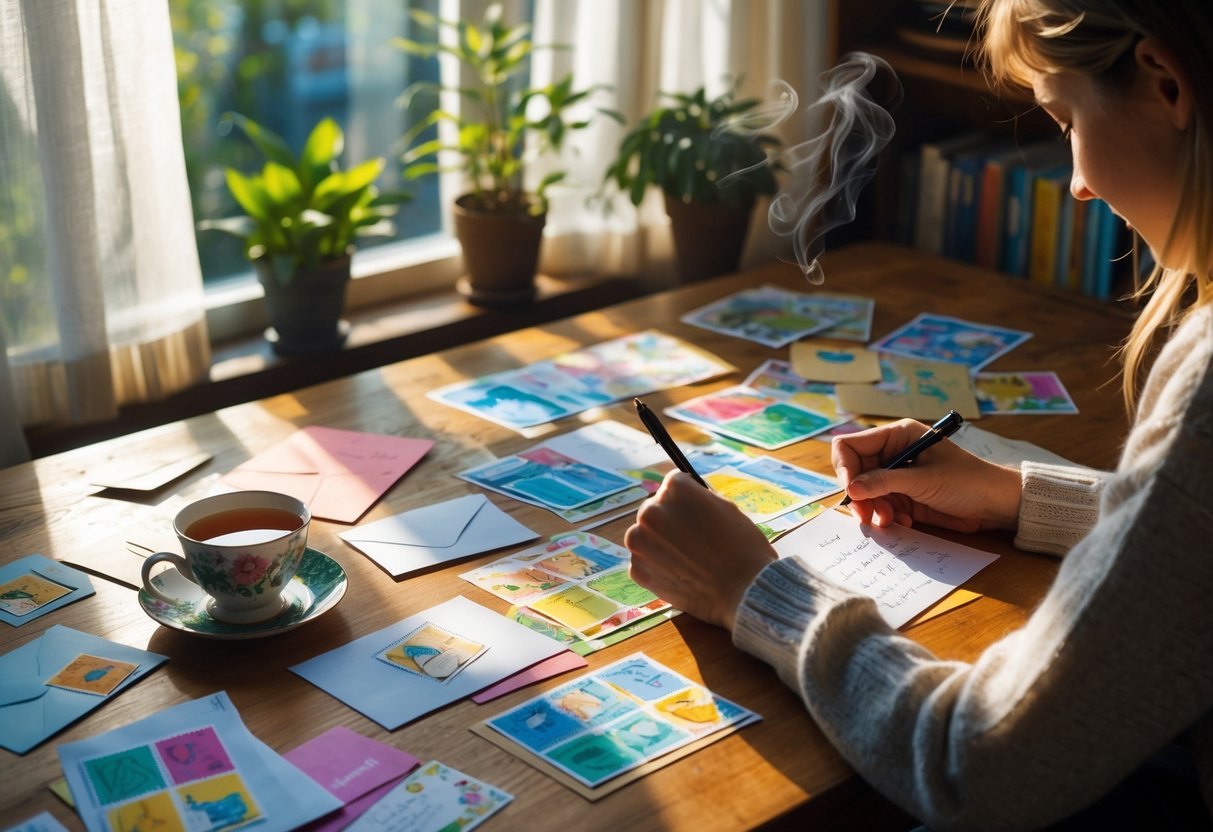
Sending handwritten postcards is a simple way to stay connected with friends, even when your schedule is full. It doesn’t require much time, but it still feels personal and thoughtful.
You only need a few minutes to write a note and address a card. Postcard stamps are also affordable, so you don’t have to spend a lot of money to brighten someone’s day.
A handwritten card stands out from emails and texts because it shows extra care and effort. This hobby gives you a chance to slow down and reflect.
Writing a postcard helps you think about the person you’re reaching out to and what you’d like to share with them. It can make both you and your friend feel more connected.
It’s easy to keep a small stack of postcards and stamps nearby. That way, whenever you have a spare moment, you can write to someone.
You don’t have to wait for a special occasion—sending a card for no reason can be even more meaningful. If you enjoy collecting, you can choose cards with interesting designs or themes.
You may also enjoy picking out unique stamps. This adds a creative part to the activity and makes sending mail even more fun.
In today’s digital world, a personal message in real ink gets noticed right away because the words are immediately visible when your friend receives the postcard. Unlike digital messages, a handwritten postcard is a physical reminder that someone is thinking about them.
Sending postcards doesn’t have to be time-consuming. With a simple note and a stamp, you can maintain your friendships even during the busiest weeks.
6) Geocaching for outdoor adventure

Geocaching is a modern treasure hunt that gets you moving outdoors. All you need is a smartphone or GPS and a little bit of time.
You can choose when and where to search, making it a very flexible hobby. You look for hidden geocaches by following GPS coordinates in your area.
Each geocache might be a small box, tube, or even something hidden in plain sight. Some geocaches simply require you to find them, while others include puzzles or challenges.
Many people pick geocaching because it is easy to start and can be done almost anywhere, from city parks to hiking trails. Beginners can find simple caches, while more experienced geocachers may want to solve clues or try creative geocaching trails with extra steps involved.
Geocaching is a good way to explore new places nearby and encourages you to be active. You can go on solo adventures or invite friends and family to join.
Some families even make it a regular weekend activity. Kids usually enjoy searching for hidden “treasures” in state parks or open spaces since many caches are in safe, easy-to-reach locations, as explained by some geocaching guides.
This activity is not about speed or competition. You can take your time, enjoy being outside, and discover new spots in your community.
If you are looking for a fun way to mix technology, nature, and a bit of adventure, geocaching might fit your busy schedule.
7) Reading bestselling novels or classics

Reading bestselling novels or classics is a rewarding hobby that fits easily into a busy schedule. You can read a few pages during your commute, while waiting in line, or before bed.
This hobby helps you enjoy stories and ideas without a huge time commitment. Bestselling novels are a great option if you want to stay current with popular culture.
Many people like discussing recent bestsellers with friends or coworkers. It can also help you join the conversation when these books get adapted into movies or shows.
Classics, on the other hand, offer a chance to explore famous stories and ideas that have shaped literature for generations. Some well-known examples include “To Kill a Mockingbird,” “1984,” or “Pride and Prejudice.”
These books are often referenced in daily life and media. You don’t need hours at a time to read.
Carry a book or use an app on your phone so you can read in small chunks. Small amounts of reading each day add up over time.
If you’re interested in more ways to make reading part of your routine, consider reading challenges or literary bucket lists to motivate yourself and add variety to your picks. These activities can make reading more engaging and help you discover new favorites, as suggested by book-related hobby guides like the ones at Book Riot.
Whether you prefer page-turning thrillers or classic literature, reading can be enjoyable, relaxing, and even social. It’s a flexible pastime that can easily fit into a busy lifestyle.
Check out Amazon’s 100 Books to Read in a Lifetime here and get started reading some of the best and most popular books on the market…
8) Engaging in Zumba dance workouts

Zumba is a dance fitness program that mixes upbeat music with simple moves. You can join a class at the gym or follow along with videos at home.
Each session blends exercise and fun, making it a great option if you want to stay active without feeling bored. This activity is helpful for busy people because you don’t need a lot of special equipment or a big time commitment.
Most classes last around an hour, but you can find shorter routines too. Even a quick session gives you a chance to move your body and clear your mind.
You don’t need to be a skilled dancer to enjoy Zumba. The steps are designed for all levels, and the focus is on movement and energy, not perfect form.
It’s a good way to relieve stress after a busy day and boost your mood. Zumba is popular among professionals because it can fit into a full schedule.
Some people choose Zumba over other workouts because it feels less like a chore and more like a break. If you want to turn fitness into something social, many Zumba classes offer a group setting where you can meet new people.
This makes it easier to stay motivated and enjoy your workout. You can treat Zumba as a hobby that supports both physical and mental health.
You can switch things up by trying different music styles or instructors. Whether you join in person or online, Zumba gives you flexibility to pick times that work for you.
Just a few sessions per week can help you stay active and refreshed.
9) Swimming at a local pool

Swimming at your local pool is a great hobby for busy people. You can go at different times of day to fit your schedule.
Most pools have open swim sessions, so you don’t have to wait long or sign up far in advance. This hobby is easy to start.
All you need is a swimsuit and maybe goggles. Many pools also have beginner classes if you want to improve your skills.
If you are new, lessons can help you feel more confident in the water. Swimming is a low-impact workout that can help with both strength and heart health.
You get a full-body exercise without putting pressure on your joints. Regular swimming can also help reduce stress and boost your mood.
You can swim alone if you like quiet time, or join group classes if you want to meet new people. Pools often have programs for all ages, so you can swim with friends or family as well.
This makes it a flexible choice for different lifestyles. Being at a pool is safe and structured, which makes it easier to stick to your routine.
You do not need special gear or advanced skills to enjoy swimming. For more advice on starting this activity, check out this guide on swimming as a hobby and tips for using your local pool.
Swimming at a pool is accessible, relaxing, and fits well into most busy schedules.
10) People watching in busy areas

People watching can be a relaxing way to take a break without needing special skills or equipment. Just find a bench or seat in a busy park, café, or public square.
Look around and notice everyday life happening all around you. You get to observe how people dress, interact, and move through their day.
Sometimes, you might see interesting styles, hear snippets of conversation, or notice small acts of kindness. Watching people go about their business can help you feel more connected to your surroundings.
You do not need to set aside much time. Even ten minutes during a lunch break or while waiting for an appointment is enough.
This activity fits easily into packed schedules and does not add extra stress. People watching also lets your mind slow down.
You can reflect on what you notice, or just enjoy the moment. Some find it helps spark creativity or provides a mental reset.
If you want to make it more rewarding, bring a notebook to jot down your observations or try to guess what people are talking about. As suggested by some hobby guides, activities like people watching offer a chance to relax and recharge in small moments during a busy day.
It is important to respect people’s privacy and keep your watching discreet. Enjoy the experience quietly without making others feel uncomfortable.
Benefits of Having a Hobby

Making time for a hobby can lower stress, help you think more clearly, and even support your personal development. Small activities have a real impact on how you feel and work each day.
Stress Relief and Mental Wellbeing
Hobbies give you a break from work or daily responsibilities. They help shift your focus from tasks that feel draining to something you truly enjoy.
This change can calm your mind and lower your stress. Doing activities like reading, drawing, or building models can help you relax and stay in the present moment.
When you lose yourself in what you are doing, your body and mind relax. Research shows people who spend time on hobbies are usually less stressed and feel happier.
For example, creative hobbies and gentle activities can lead to better mood and a more balanced mind. This is because hobbies encourage you to put worries aside and focus on something that brings you joy.
For more on this topic, read about how hobbies reduce stress and help you live in the moment.
Boosting Productivity and Focus
Taking regular breaks for hobbies can improve your ability to focus when you return to work. When your brain gets a rest, you are better able to solve problems and stay sharp.
This boost in mental energy can help you get more done in less time. A hobby can be a way to train your brain to concentrate in short bursts, building your attention span over time.
For example, reading daily or working on a puzzle requires attention to detail and problem solving. Some hobbies can even develop skills that transfer directly to your job, like creativity, organization, or critical thinking.
Several productive hobbies, such as meditation and writing, have been linked with increased efficiency and focus at work. To see a list of hobbies that can make you more focused and productive, explore productive hobby ideas.
Enhancing Personal Growth
A hobby gives you a chance to learn new things and improve your skills. Each time you try something different or push your abilities, you grow as a person.
This type of growth builds your confidence and lets you discover talents you might not have known you had. When you work on a hobby, you may also find yourself thinking in new and creative ways.
Hobbies can teach patience, problem solving, and resilience. Over time, you collect small wins that build your self-esteem.
Some activities, like trying out a new interest or joining a group, can also help you make friends and expand your social circle. Picking up a new hobby can keep your brain active and help you stay curious.
To learn more about how new hobbies can sharpen your mind and enrich your life, check out these benefits of trying new hobbies.
How to Make Time for Hobbies
Balancing work and hobbies takes planning. Making small changes to your daily schedule and setting clear limits on your time can help you fit meaningful activities into your life.
Incorporating Hobbies Into Your Routine
Start by looking for gaps in your day. Ten to twenty minutes between tasks or before dinner can be the perfect spot to do something you enjoy.
Use these blocks of time, even if they seem short, instead of waiting for a long free evening. It helps to schedule hobby time like any other appointment.
Mark it on your calendar and treat it as a real commitment. This keeps you accountable and stops you from skipping it.
Research shows that tracking your streaks can also help keep you motivated, as seeing progress makes the habit stronger and more likely to stick. For more insights, check out how marking down your hobby time on a calendar can boost consistency.
Combine hobbies with other activities to save time. For example, listen to audiobooks while cooking, knit during breaks, or sketch while waiting for appointments.
Finding simple ways to blend hobbies into daily life stops them from feeling like extra chores.
Prioritization and Setting Boundaries
If you want more time for hobbies, you must prioritize them. This means choosing which activities matter most and letting go of things that are less important.
Make a short list of hobbies you want to focus on. Then pick when and how you will do them.
Set clear boundaries on your time. That might mean saying no to last-minute work or limiting screen time at night.
Protect your hobby time by sharing your schedule with people around you. This way, they know when not to disturb you.
Cut down on tasks that take up too much of your day but do not add much value. Use simple tools like to-do lists or a weekly planner to see where your time goes.
Adjust your routine and make sure each day includes at least a few minutes set aside for yourself and your interests. For more strategies, you can learn about balancing work, life, and leisure to help you maintain this balance.
Frequently Asked Questions
It is possible to enjoy rewarding hobbies even if you don’t have much free time. Small daily habits or activities you can take anywhere help you feel creative, relaxed, and productive.
What are some quick hobbies that can fit into a busy schedule?
Many people fit hobbies into their day in short bursts. You can try scheduling 15-minute daily yoga sessions, writing short poems, or listening to audiobooks while you handle errands.
These hobbies do not require a long time to get started. They’re easy to add to any routine.
What are low-maintenance hobbies suitable for someone with limited free time?
Low-maintenance hobbies often need little setup and cleanup. Sending handwritten postcards or sketching simple drawings only need some basic supplies and a few quiet minutes.
You can also listen to podcasts or music. Both are simple to do even when you only have a few minutes to spare.
Which hobbies are both relaxing and efficient for time-constrained individuals?
Yoga and short drawing exercises let you relax and unwind without taking much time. Guided online drawing tutorials or simple breathing exercises help you recharge and do not disrupt a packed schedule.
Listening to audiobooks during daily commutes is another way to relax while staying efficient.
What are the best hobbies for improving productivity and reducing stress?
Yoga can boost your focus and reduce stress at the same time. Writing poetry can help organize your thoughts and support emotional well-being.
These hobbies do not need much equipment. You can turn to them anytime you feel overwhelmed or need a short break.
Can you suggest portable hobbies that can be easily carried while traveling or commuting?
Portable hobbies include listening to audiobooks, sketching in a small notebook, or writing postcards to friends. These hobbies can be done on a train or in an airport.
You only need your phone, some paper, or a small set of pens or pencils to get started. For more portable ideas, see this list of creative hobbies for busy people.
What hobbies can help in skill-building without requiring a significant time investment?
Practicing figure drawing with short online tutorials or writing a few lines of poetry daily helps build skills gradually.
Scheduling quick yoga sessions can improve both physical and mental health.
For more options, you can look at this guide to hobbies for busy adults.