10 Best Hobbies for Photographers to Enhance Creativity and Skills
If you love capturing moments through a camera, you might be searching for new ways to grow your passion and creativity. There are many hobbies that fit well with photography and can help you see the world with fresh eyes.
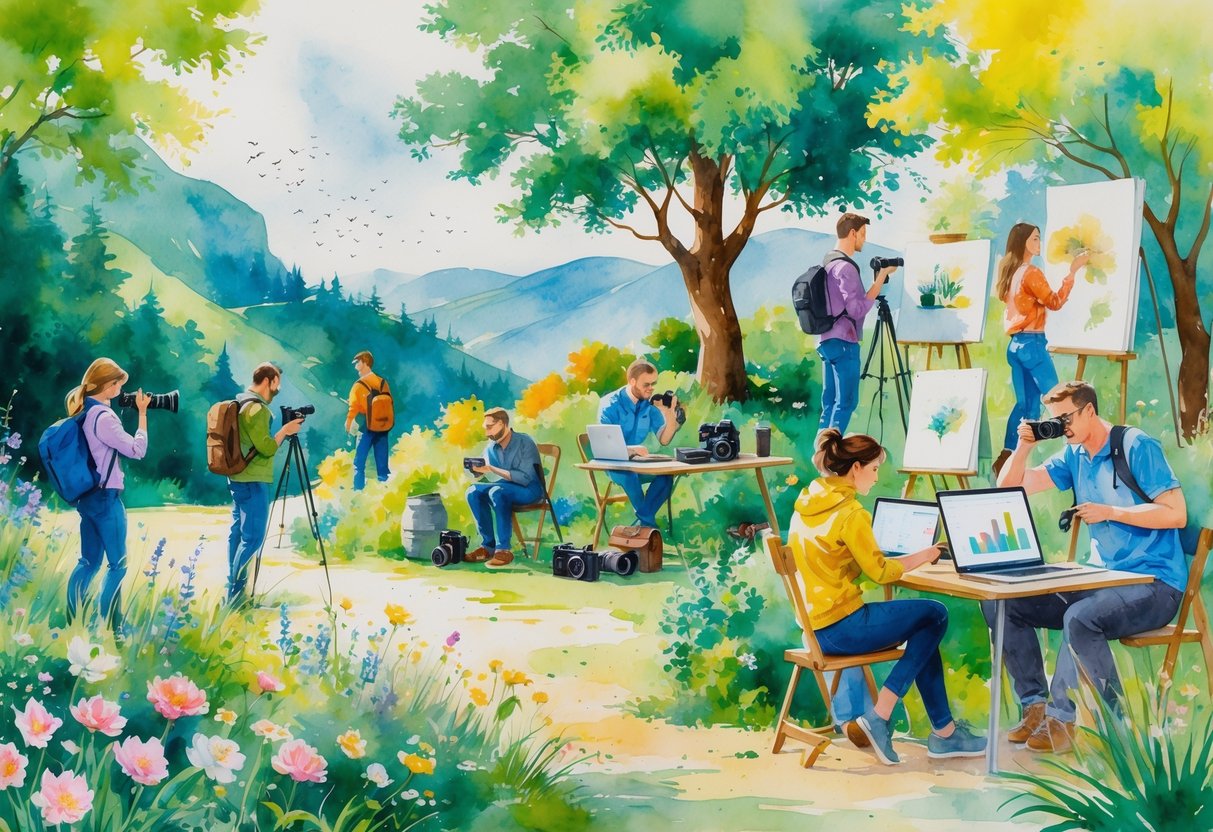
This article will introduce some of the best hobbies that pair naturally with photography, helping you enjoy your craft even more.
1) Collecting Photography Books
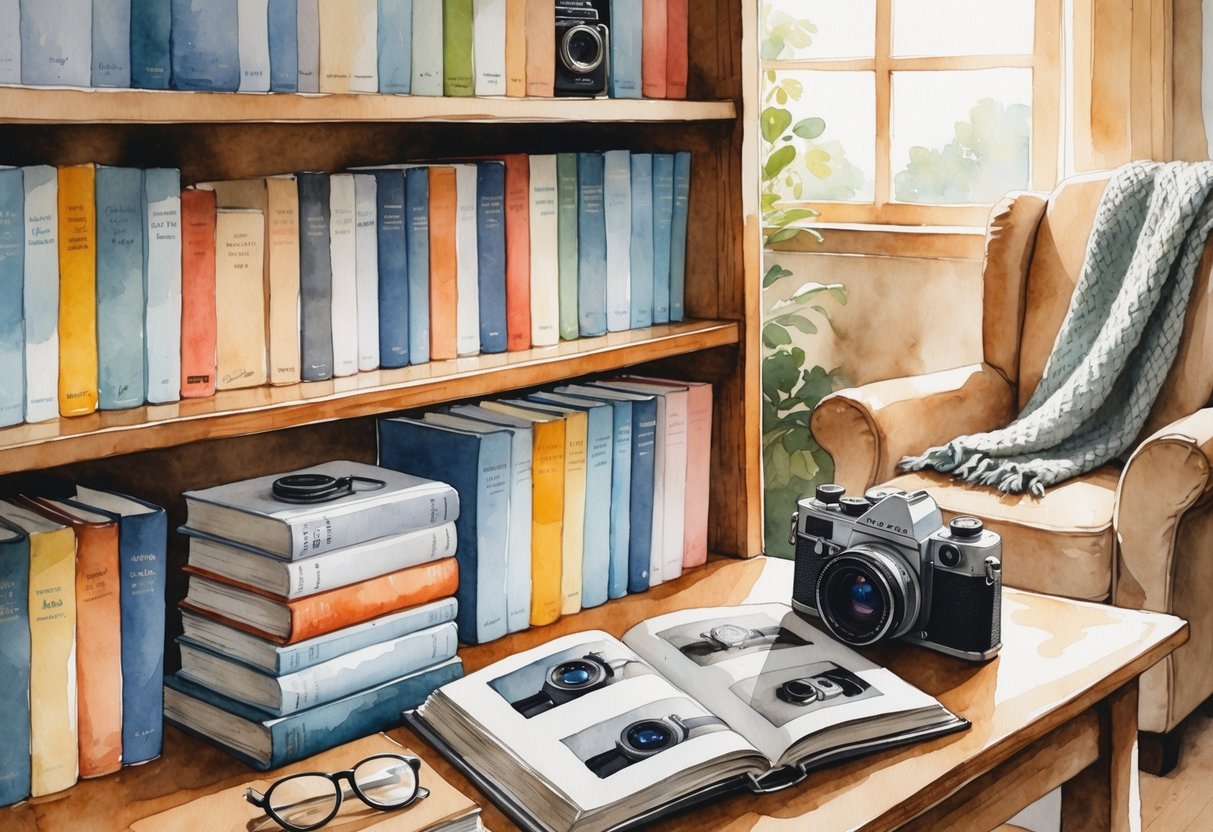
Collecting photography books is a rewarding hobby that connects you to the history and art of photography. When you build your own collection, you get to discover different styles, techniques, and voices from photographers around the world.
Photography books often showcase powerful images that might not be seen anywhere else. By looking through these books, you can learn about new ways of seeing and telling stories with photos.
Each book gives you a different perspective, which can inspire your future work. As you collect, you may want to look for classic photography books that have made a big impact on the field.
Well-known titles and photographers help you understand how photography has changed over time. You could also find rare or limited-edition books that add unique value to your collection.
Some books have become highly collectible and are featured on lists like the 10 most collectible photography books of all time. You can find photography books in bookstores, online shops, and even at flea markets or library sales.
Exploring these places could lead you to unexpected finds and hidden gems. Some photographers focus on certain themes, such as landscape, portrait, or street photography, so you can collect books based on your own interests.
Collecting doesn’t require a big budget. Many books are available at secondhand stores or can be traded with other photography lovers.
Each new addition to your shelf brings a new set of lessons and inspiration. Keeping your collection organized is important, especially as it grows.
You might arrange books by photographer, subject, or even by country. This can help you easily find what you need and use your books as references for your own projects.
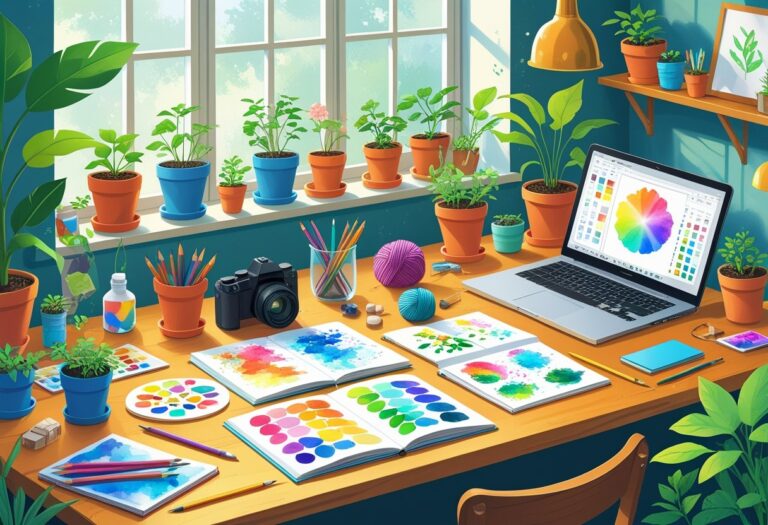
2) Drawing and Painting
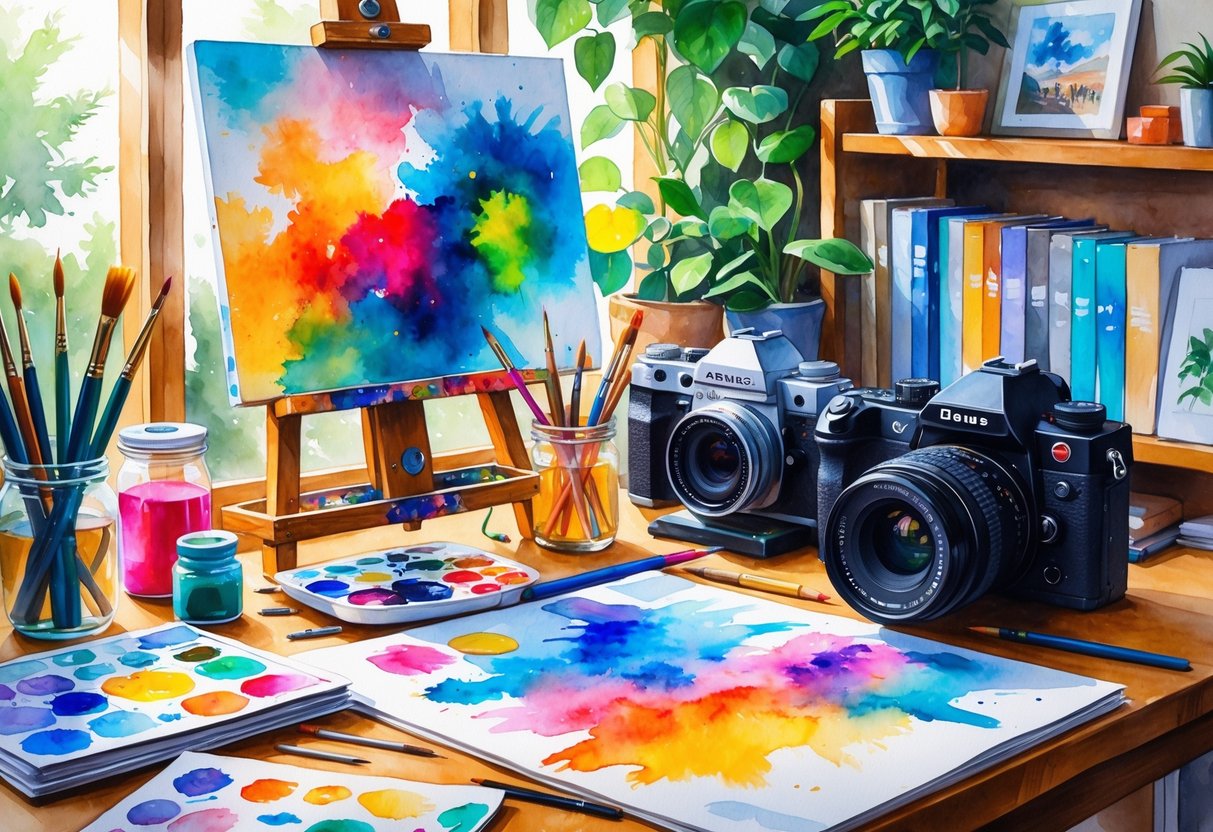
Drawing and painting go hand in hand with photography. They help you understand light, color, and composition in a way that can improve your photos.
If you practice sketching, you develop a sharper eye for details and shapes. This can help you frame better pictures and spot interesting patterns or lines in your environment.
Painting lets you explore how colors blend and interact. The skills you build in painting, such as controlling contrast and shade, can directly impact how you edit and compose your images.
Watercolor, acrylics, and digital painting are all good options. Experimenting with different mediums allows you to see the world from new perspectives.
Many photographers find that drawing gives them patience and helps them slow down. It’s a way to plan or brainstorm ideas for future photo shoots.
Some people even blend photography with painting to create mixed-media art. This approach can add texture and depth to your work and encourage creativity across different fields.
You don’t need special training to begin. Simple sketching with a pencil or painting with basic colors is enough to start building your skills.
When you learn to draw or paint, you also learn patience and focus. These traits can help you wait for the right shot or concentrate on perfecting your photography technique.
Even if you only doodle or paint casually, you might notice that your sense of creativity and attention to detail grows over time. Adding drawing and painting to your hobbies helps you see more possibilities as a photographer.
Each new technique you try could inspire your next great photograph.
3) Nature Hiking and Wildlife Spotting
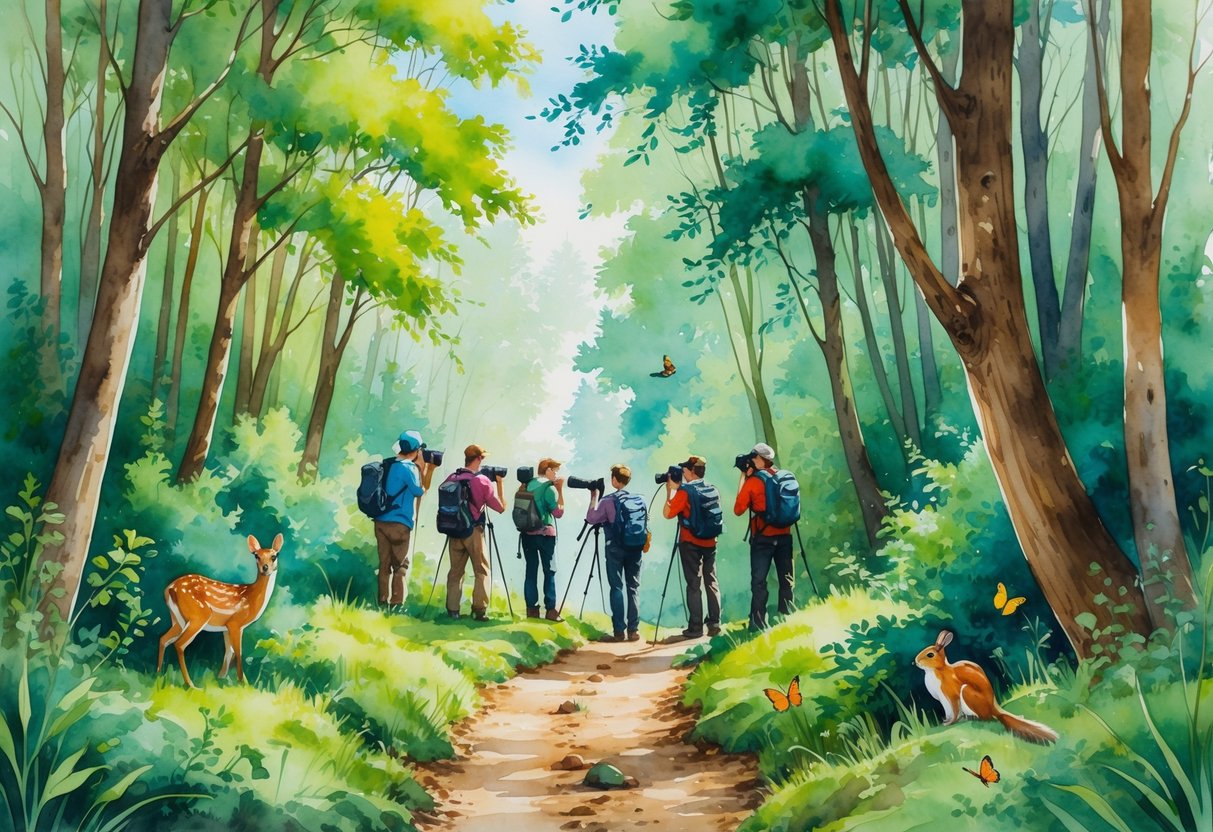
Nature hiking gives you a chance to explore outdoor trails while bringing your camera along. Many photographers enjoy hiking because it helps them discover new places and natural subjects to photograph.
You often encounter wildlife during your hikes. Animals like birds, deer, or squirrels might appear along the trail, offering unique photo opportunities.
These moments can improve your timing, patience, and observation skills. Lighting outdoors changes throughout the day.
Morning and evening offer soft, warm light, while midday gives brighter, harsher light. Watching how light interacts with the landscape or animals helps you learn about natural lighting and composition.
Nature hiking also means you’ll often find interesting details like tree bark, flowers, or water reflections. Close-up shots of plants or insects can make your photography more diverse.
You might want to try macro photography in these settings. Packing light is helpful.
Bring a comfortable backpack, water, snacks, and a small camera kit. Even a phone camera can work if you want to travel extra light.
Respect wildlife when hiking and photographing them. Never disturb animals for a photo, and always keep a safe distance.
Being quiet and patient increases your chances of seeing animals in their natural setting. Nature hiking combines exercise, fresh air, and photography all in one activity.
You can also join guided hikes or local nature groups. Group hikes make it easier to learn, stay safe, and share photography tips with others who have the same interest.
This hobby also encourages you to spend more time outside and observe the natural world closely.
4) Urban Street Photography

Urban street photography is a great way to explore your city and improve your photo skills. Walking through busy streets gives you the chance to capture interesting people, unique buildings, and real-life moments.
You do not need fancy gear to get started. A simple camera or even your phone will work.
The most important tools are your eyes and your sense of timing. Street photography teaches you to watch for good light and interesting compositions.
Cities are full of different colors, shadows, and textures you can use to make your photos stand out. If you like meeting new people, this hobby is a good fit.
Many photographers find joy in capturing street scenes that tell stories about local life. Even simple moments, like someone reading at a bus stop, can make strong images.
Do not get upset if you take a lot of photos and only a few turn out well. Experts like Alex Webb remind us that street photography is 99.9% about failure.
Each outing helps you learn and improves your patience. Joining a street photography walk can be a fun way to practice.
These walks let you meet other photographers, share tips, and see what others look for in a city scene. Many communities host regular photo walks that welcome people of all skill levels.
For more ideas, you can check out suggestions for street photography projects. Urban street photography is accessible, creative, and helps you see familiar places with new eyes.
You might be surprised by how many great moments you can find right outside your door.
5) Macro Photography
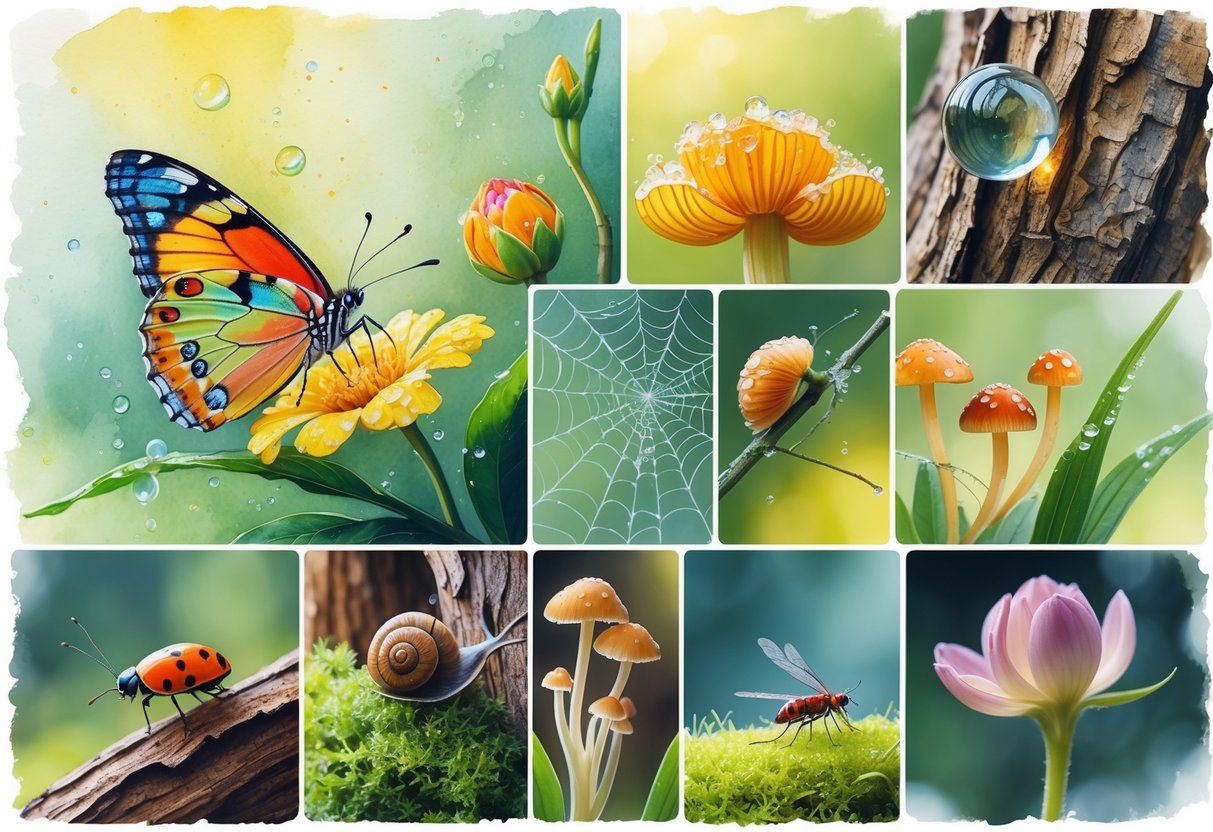
Macro photography lets you discover the tiny details in everyday objects. With this hobby, you use special lenses or settings to capture things like insects, plant textures, and water drops at a much closer range.
You do not need the most expensive equipment to get started. Many cameras come with a macro mode, and there are affordable macro lenses for both phones and cameras.
You can even use small, clip-on lenses with your smartphone to take close-up shots. Lighting is important when shooting up close.
Since you are focusing on very small subjects, even a small shadow can make a big difference. Many macro photographers use ring lights or small portable lights to help bring out the details in their shots.
Patience is one of the most useful skills for macro photography. Sometimes it takes time to get the focus just right or to wait for an insect to land in the perfect spot.
Being patient can help you notice interesting patterns or colors that you might otherwise miss. If you want inspiration, there are several famous macro photographers who share their work online.
You can see examples of creative macro shots and find tips from photographers featured on sites like Shotkit and TopTeny. Macro photography helps you see the world in a new way.
You will start to notice the tiny details in leaves, bugs, or even textures on food. This hobby can be practiced indoors or outdoors, so you can experiment whenever you have free time.
Practicing macro photography can also improve your attention to detail in other types of photography. You may find yourself getting more creative with composition and lighting as you explore this close-up perspective.
6) Astrophotography
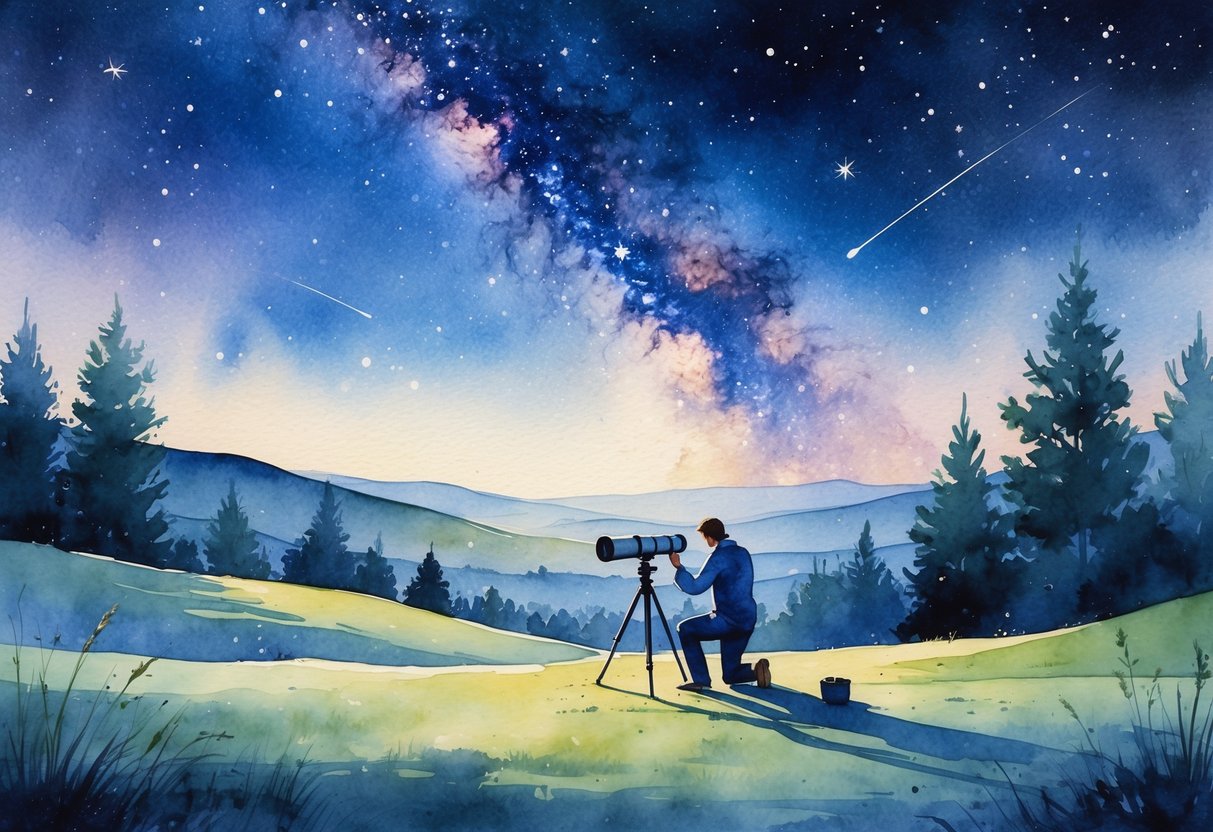
Astrophotography is the art and science of taking photos of the night sky. You will need a camera, a tripod, and patience to get started.
Many photographers begin by shooting the moon or stars from their own backyard. When you try astrophotography, you learn to use long exposures and wide-angle lenses.
Settings like a high ISO and a wide aperture are important. These help your camera collect enough light from the sky.
Astrophotography encourages you to plan your photo sessions. You check weather forecasts, moon phases, and times for the best dark skies.
Even light pollution in your area is something you will learn to work around. You might find it rewarding to capture the Milky Way, star trails, or a meteor shower.
Some also photograph deep-sky objects like galaxies and nebulae. Specialized gear, like star trackers, can help you take clearer and sharper pictures.
Astrophotography can be done almost anywhere, but some of the best images come from remote places. Dark and clear nights give you the best results.
Many experienced lens artists, such as David Malin, have developed new techniques to reveal details that are invisible to the naked eye. Editing is often a key step.
You may use photo editing apps or software to bring out colors and details in your night sky images. With practice, you can share stunning views of the universe through your photos.
7) Photojournalism
If you enjoy telling stories with your camera, photojournalism could be a great hobby for you. Photojournalists use their photos to share real events and news with the public.
Your images can capture important moments, from community events to worldwide news stories. You do not need fancy equipment to start.
Many photojournalists use entry-level cameras or even smartphones. What matters most is your ability to notice details and capture them as they happen.
Practicing photojournalism can help improve your timing, observation, and storytelling skills. You will learn how to catch the right moment, even in busy or changing situations.
Some people choose to specialize in certain topics. For example, you could focus on sports, politics, daily life, or cultural events.
Your photos can help people understand what is going on in the world, both near and far. Many photojournalists work with newspapers, magazines, and online media.
If you want to turn your hobby into a job, this field has real job potential. You can learn more about the skills and experience needed for this path from resources about photojournalism careers.
You do not need to travel far to practice photojournalism. Start by covering events in your town or even at your school.
Look for local stories that you feel are important or interesting. As a hobby, photojournalism can be very rewarding.
You get to use your camera to make a difference, document real life, and share stories that matter. This is a way to connect photography with purpose and meaning.
8) Creating a Photography Blog
Starting a photography blog can help you share your work and ideas with people around the world. It gives you a place to post your best photos, tell the stories behind them, and explain your creative choices.
With a blog, you can showcase different styles and projects. You can write about the equipment you use, new techniques you try, or your favorite locations for shoots.
This can build your reputation and show your passion for photography. Blogging is also a great way to connect with other photographers.
You can discuss trends, respond to comments, and join conversations about the art form. Sharing your experiences may encourage others and help you learn new things too.
If you are interested in growing your presence online, blogging can increase your visibility. Writing regular posts gives people a reason to keep visiting your site.
It can even attract clients if you offer services like portraits or event photography. Starting a photography blog is manageable, even if you are new to websites.
Many guides explain how to choose a blog topic, set up the site, and promote your work. For step-by-step information on getting started, you can check out this guide on how to start a photography blog.
A blog also acts as a digital journal. This allows you to track your progress and look back on how your skills change over time.
Writing about your photography journey can provide motivation and inspiration for your future shoots.
9) Participating in Photography Competitions
Joining photography competitions is a great way to challenge yourself and test your skills against others. Contests help you see your work from new perspectives, as judges and viewers offer feedback you might not get elsewhere.
You can enter contests that fit your interests, whether you like landscapes, portraits, or news photography. Many major contests, like the Sony World Photography Awards, are open to both amateurs and professionals.
Some competitions focus on certain themes, such as street or documentary photography. Others might have an age limit, like the Prix Picto de la Mode for young fashion photographers.
Entry fees and prizes often vary, so be sure to read the rules before submitting your photos; for example, fees can range from free to about $15 per photo. Participating can boost your confidence by showing your work on a wider stage.
Winning is not the only goal—many contests offer chances for your pictures to be displayed in exhibitions, published online, or even win cash prizes. Contests can also motivate you to experiment and try new techniques.
You may discover that working toward a competition deadline helps you focus and push your creativity further. If you want ideas on contests to join, you can find a list of top photography competitions and their different themes online.
Even if you don’t win, simply entering and seeing other submissions can inspire you to improve your craft. Meeting other photographers through contests is another bonus, giving you a sense of connection to a creative community.
10) Exploring Film Photography
Film photography lets you slow down and think carefully about each shot. You have to plan, focus, and frame your picture before pressing the shutter.
This process can help you learn more about light, composition, and timing. You will also develop your skills in patience.
Unlike digital cameras, film does not offer instant results. Waiting to see your developed photos teaches you to be more intentional with every picture you take.
Trying film gives you a new perspective on your craft. Many photographers appreciate film for its unique look and colors.
Each roll of film produces images that can feel different from digital pictures. You can also experiment with different film types and cameras.
Some people love using classic manual cameras. Others enjoy trying different types of film or even going into black and white photography.
Film photography also connects you with a large community of hobbyists. Many people share their experiences, tips, and advice online.
If you want to learn more or meet others with similar interests, joining forums and local groups can be helpful. There are many creative ways to use film.
You might enjoy projects focused on telling stories or exploring memories. For some ideas, check out unique film photography projects for visual storytelling.
Exploring film photography does not have to be expensive. You can start with a secondhand camera and a basic roll of film.
Even developing film at home is possible if you want to learn more technical skills. Taking the time to understand film will help deepen your appreciation for photography as a whole.
This hobby allows you to try something classic and creative at your own pace.
How Hobbies Enhance Photography Skills
Practicing certain hobbies can help you grow both your creative and technical photography abilities. Learning new skills outside of photography often leads to direct improvement with your camera work.
Building Creative Vision
Creative hobbies like drawing, painting, and even puzzle-solving can sharpen the way you see and compose photos. For example, drawing helps you understand shapes, lines, and shadows, which makes your photos stronger and more balanced.
Painting teaches you about color, contrast, and how to guide a viewer’s eye. Working on other arts helps you think about interesting angles, moods, and storytelling.
This gives your photos more meaning and emotion. You might also try writing short stories or poetry.
These activities train you to spot small details and tell stories with your camera. Trying new creative projects often gives you fresh ideas and breaks you out of a routine.
Many of these hobbies push you to experiment, so your photography can develop a unique style. If you are interested in hobbies that connect directly with photography, check out activities covered at 10 hobbies for photography lovers.
Developing Technical Proficiency
Some hobbies strengthen your technical skills and make handling a camera easier. For example, building models or working with electronics improves your attention to detail and manual dexterity.
These skills make camera adjustments feel more natural and precise. Gardening is another helpful example.
It teaches patience, timing, and how to notice changes in light and seasons. These habits transfer to photography by helping you wait for the perfect shot and work well with natural light.
Learning to use editing software, like for digital art, gives you better control when adjusting photos. You also become familiar with layers, contrast, and sharpening, which all boost your editing abilities.
Practicing technical hobbies brings confidence when using your camera’s settings and experimenting with new tools or features. More examples can be found in the article about creative hobbies that will improve your photography skills.
Incorporating New Interests Into Photographic Practice
Adding new interests to your photography can help you see the world differently and develop new skills. Exploring fresh ideas will help you grow, discover unique moments, and improve your images.
Finding Inspiration Through Exploration
Seeking new experiences is a strong way to add excitement to your photography. You can visit new places or try hobbies like hiking, painting, or gardening.
These activities show you different shapes, colors, and patterns that you can use in your photos. Trying things outside of photography often sparks creative ideas.
For example, if you start birdwatching, you’ll notice details and movements that can make your images more interesting. If you enjoy cooking, pay attention to textures and colors of the food for food photography projects.
Keep a small list of interests you want to try. Use your camera as a tool to document these adventures.
Even a walk in a new park can give you fresh subjects and light to work with. For more tips on hobbies that inspire photography lovers, see 10 captivating hobbies for photography lovers.
Joining Communities and Networking
Connecting with others who enjoy photography or your new interests can boost your skills and motivation. Local photography clubs, online forums, and social media groups are great places to meet people, share ideas, and get feedback.
Networking helps you learn from others. You might discover new shooting locations, techniques, or subjects you hadn’t thought about.
Teaming up for group photo walks or projects can also help you practice and improve. Look for groups centered on both photography and your favorite hobby.
For example, if you like cosplay, find communities that focus on cosplay photography. These spaces make it easier to learn from people who share your interests while building strong connections.
Frequently Asked Questions
Getting into photography can raise lots of questions about gear, photo techniques, and how to keep your equipment safe in different environments. Whether you want to shoot stars, take better portraits, or try underwater pictures, clear tips can help you get better results.
What equipment do I need to get started with astrophotography?
You should have a sturdy tripod, a DSLR or mirrorless camera with manual controls, and a wide-angle lens with a large aperture, often f/2.8 or wider. A remote shutter release helps reduce camera shake during long exposures.
A star tracker can help capture sharp stars if you want longer exposures. Bring extra batteries because long exposure photography uses more power.
How can I improve my photo composition in landscape photography?
Use the rule of thirds to balance your shot by placing key elements along the gridlines or intersection points. Leading lines, like rivers or paths, guide the viewer’s eye through the picture.
Try framing your scene with foreground objects to add depth. Adjust your viewpoint by kneeling or climbing higher to find a more interesting composition.
You can learn more about composition tips in this guide to photography composition.
What are some tips for effective lighting in portrait photography?
Natural window light gives soft, flattering effects. When shooting outdoors, try photographing during early morning or late afternoon—the “golden hour”—for warmer tones and softer shadows.
Use a reflector to bounce light onto your subject’s face, and avoid harsh noon sunlight. Experiment with different angles and light sources to control shadows and highlights.
How can I capture movement in sports photography without blur?
Set your camera to a high shutter speed, like 1/1000 of a second or faster, to freeze action. Burst mode allows you to take several shots quickly, helping you catch the best moment.
Track your subject and pan with the action to keep them sharp while adding motion blur to the background. Using a lens with image stabilization can help, too.
What are the fundamentals of macro photography for beginners?
A macro lens lets you focus on small subjects up close, showing fine details. Use a tripod to keep your camera steady and avoid blur.
Choose a small aperture (larger f-number) for more depth of field, but make sure you have enough light. Adjust your focus manually for better control over sharpness.
How can I protect my equipment while engaged in underwater photography?
Invest in a good quality waterproof housing made for your camera model.
Before diving, always check that all seals are tight and free of dirt or hair.
Rinse your gear with fresh water after use in saltwater to prevent corrosion.
Make sure to dry the housing thoroughly before opening it to avoid moisture getting inside.