15 Hobbies That Keep You Active Without Feeling Like Exercise: Fun Ways to Stay Fit Naturally
Traditional workouts often feel like chores that drain your energy and motivation. Many people struggle to maintain regular exercise routines because gym sessions and repetitive workouts become boring and exhausting over time.
Active hobbies naturally boost your fitness while keeping you engaged and entertained, making physical activity feel enjoyable rather than forced. These activities strengthen your body, improve cardiovascular health, and burn calories without the mental resistance that comes with traditional exercise routines.
You can stay fit without a gym membership by choosing activities that match your interests and lifestyle. From dancing and gardening to hiking and playing sports, these hobbies offer the same health benefits as conventional workouts while providing entertainment and personal fulfillment.
Key Takeaways
- Active hobbies provide all the health benefits of traditional exercise while keeping you mentally engaged and motivated
- You can burn calories and build strength through enjoyable activities like dancing, sports, and outdoor adventures
- Choosing physical activities that match your interests makes it easier to maintain a consistent fitness routine long-term
Why Choose Hobbies That Keep You Active
Active hobbies deliver measurable improvements to cardiovascular health, muscle strength, and flexibility while reducing stress hormones and boosting mood-regulating neurotransmitters. They seamlessly integrate movement into your routine without the mental barriers associated with traditional gym workouts.
Benefits for Physical Health
Active hobbies provide cardiovascular exercise that strengthens your heart and improves circulation. Dancing burns 200-400 calories per hour while building coordination and balance. Gardening works multiple muscle groups and improves flexibility through reaching, digging, and lifting motions.
Your bone density increases through weight-bearing activities like hiking or recreational sports. These activities apply gentle stress to bones, stimulating new bone formation and reducing fracture risk as you age.
Key Physical Improvements:
- Enhanced cardiovascular endurance
- Increased muscle strength and tone
- Better balance and coordination
- Improved joint mobility and flexibility
Many hobbies to improve your fitness offer these benefits without requiring expensive equipment or gym memberships. You gain functional fitness that translates to easier daily tasks like climbing stairs or carrying groceries.
Mental Wellbeing Advantages
Physical activity through hobbies triggers endorphin release, creating natural mood elevation and stress reduction. Your brain produces higher levels of serotonin and dopamine during enjoyable movement activities compared to forced exercise routines.
Active hobbies reduce cortisol levels by up to 23% according to stress research studies. This hormonal shift improves sleep quality and reduces anxiety symptoms. The focus required for activities like rock climbing or martial arts creates a meditative state that quiets mental chatter.
Social active hobbies combat isolation and build community connections. Team sports or group fitness classes provide accountability partners and friendship opportunities that boost motivation and consistency.
Mental Health Benefits:
- Reduced anxiety and depression symptoms
- Improved self-esteem and body image
- Better stress management capabilities
- Enhanced cognitive function and memory
The combination of physical movement and skill development activates multiple brain regions simultaneously, promoting neuroplasticity and mental sharpness.
Incorporating Activity Into Daily Life
Active hobbies eliminate the need for separate workout time by combining recreation with fitness. You can practice photography while walking several miles or tend a garden for 30-45 minutes of moderate physical activity.
Your schedule becomes more flexible when movement is embedded in enjoyable activities rather than scheduled as separate exercise blocks. Weekend hiking trips or evening dance classes feel like entertainment rather than obligations.
Integration Strategies:
| Hobby Type | Daily Integration | Time Commitment |
|---|---|---|
| Walking photography | Morning commute detours | 15-30 minutes |
| Container gardening | Before/after work care | 10-20 minutes |
| Dancing | Evening entertainment | 30-60 minutes |
Many frugal hobbies that keep you active require minimal financial investment while providing maximum lifestyle integration. You develop consistent movement patterns without the mental resistance that often accompanies traditional exercise routines.
The sustainability factor increases dramatically when physical activity feels like personal time rather than health maintenance. Your long-term fitness success improves when movement becomes an anticipated part of your day rather than a dreaded task.
Dancing: Move to the Rhythm
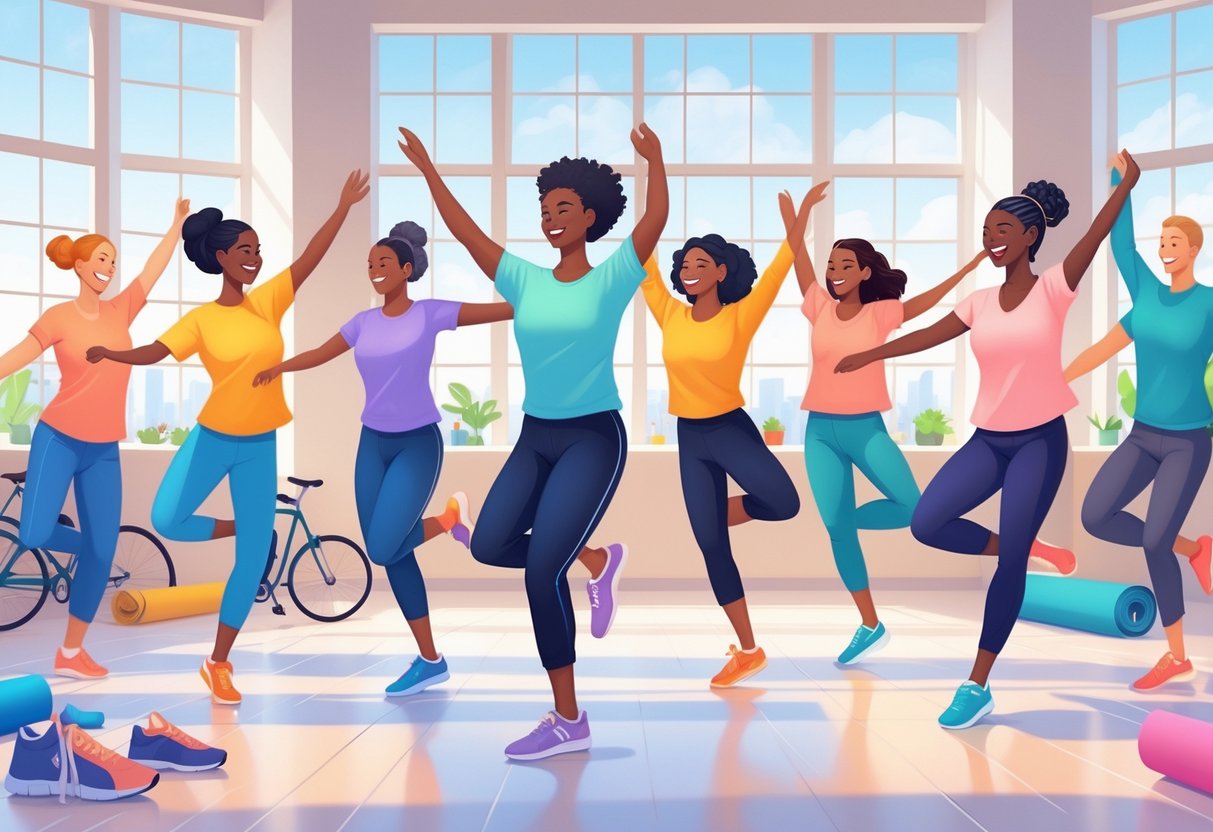
Dancing provides cardiovascular exercise while focusing your attention on music, movement patterns, and self-expression rather than traditional workout metrics. You can choose from numerous dance styles that match your preferences and access both group classes and solo practice options.
Styles of Dance for Every Taste
Zumba combines Latin music with aerobic movements, creating an energetic workout that feels like a party. The choreography alternates between fast and slow rhythms, targeting different muscle groups while maintaining your heart rate.
Hip hop dance exercise incorporates street dance movements with contemporary music. You learn isolations, sharp movements, and flowing sequences that improve coordination and core strength.
Belly dancing focuses on isolated movements of the torso, hips, and arms. This low-impact style builds core stability and flexibility while being gentle on joints.
Popular dance workout styles:
- Jazzercise: Jazz movements with fitness routines
- Barre: Ballet-inspired movements at a handrail
- Ballroom: Partner dancing with structured steps
- Contemporary: Expressive movements combining multiple techniques
Social and Solo Opportunities
Group dance classes create natural social connections through shared learning experiences. You practice with different partners in ballroom classes or follow the same choreography alongside others in fitness dance formats.
Dance classes in smaller groups provide more personalized instruction and faster skill development. Studios often offer beginner-friendly sessions where you learn basic steps without pressure.
Solo dancing gives you complete control over timing, music selection, and intensity. You can follow online video tutorials, practice in your living room, or attend open dance sessions at studios.
Social dance benefits:
- Meet people with similar interests
- Learn proper technique from partners
- Build communication skills through movement
- Access to dance events and performances
Building Confidence Through Movement
Dance develops body awareness as you learn to control different muscle groups independently. You gain confidence in your physical abilities while expressing creativity through movement combinations.
Regular practice improves posture, balance, and spatial awareness. These physical improvements translate into more confident body language in daily activities.
Dancing serves as aerobic exercise that benefits people who don’t consider themselves athletic. The focus on rhythm and expression reduces self-consciousness about fitness performance.
Learning choreography challenges your memory and cognitive processing. You develop the ability to translate visual or verbal instructions into physical movements, building mental confidence alongside physical skills.
Sports and Games for Natural Exercise
Playing sports and games transforms physical activity into entertainment rather than structured workouts. Team activities and competitive games provide cardiovascular benefits while building coordination and social connections.
Recreational Team Sports
Basketball pickup games burn 400-600 calories per hour while improving agility and hand-eye coordination. Most community centers and parks have courts available for casual play.
Soccer requires continuous movement and builds endurance through running, kicking, and quick direction changes. Fun ways to exercise include joining local recreational leagues that welcome beginners.
Volleyball works your core, arms, and legs through jumping, diving, and serving motions. Beach volleyball adds resistance training from sand movement.
Popular recreational sports:
- Flag football
- Softball
- Ultimate frisbee
- Tennis doubles
Touch football and flag football eliminate contact while maintaining the cardiovascular benefits of running plays and catching passes.
Active Board and Lawn Games
Cornhole involves repetitive throwing motions that engage your core and improve balance. Tournament-style play increases movement between boards.
Giant Jenga requires squatting, reaching, and careful movements that work stabilizing muscles. The larger blocks add resistance compared to tabletop versions.
Bocce ball combines walking with throwing precision. A full game involves multiple trips across the court to measure distances and retrieve balls.
Horseshoes develops arm strength through repetitive throwing while encouraging walking between stakes. Outdoor hobbies that burn calories include these traditional games that keep you moving naturally.
Equipment-light options:
- Frisbee throwing
- Badminton
- Croquet
- Ladder ball
Fun Competitions With Friends
Relay races create bursts of high-intensity movement through running, jumping, and carrying objects. Design courses using household items or playground equipment.
Scavenger hunts combine walking or jogging with problem-solving activities. Urban hunts can cover several miles while exploring neighborhoods.
Dance battles provide cardio exercise through freestyle movement and choreographed routines. Create playlists with different tempos to vary intensity levels.
Competition ideas:
- Obstacle course challenges
- Water balloon tosses
- Three-legged races
- Tug-of-war contests
Partner workouts disguised as games include wheelbarrow races, piggyback competitions, and synchronized movements that build strength while laughing with friends.
Outdoor Adventures and Exploration
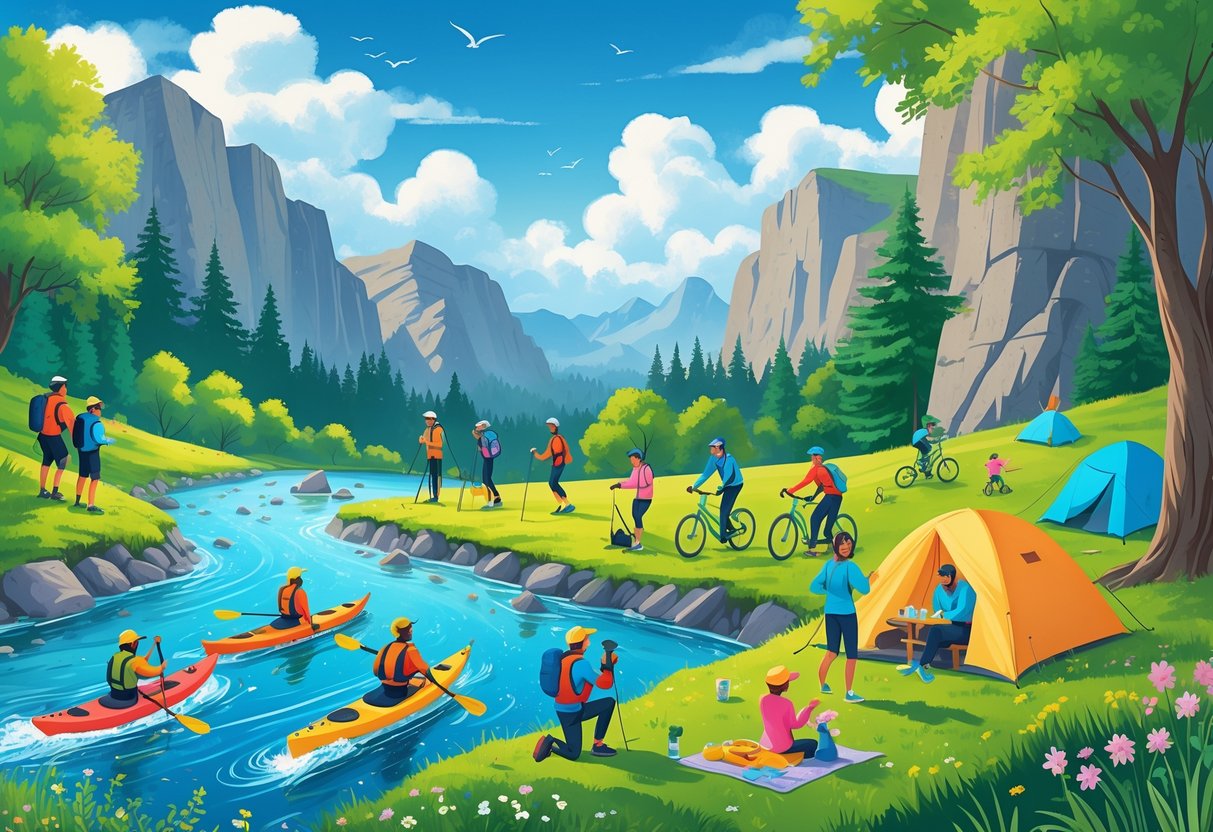
Stepping outside transforms movement into discovery, where you burn calories while exploring new places and solving puzzles. These activities combine physical activity with mental engagement, making you forget you’re exercising while building endurance and strength.
Hiking and Nature Walks
Hiking burns 400-700 calories per hour depending on terrain and your body weight. You engage multiple muscle groups while navigating trails, improving cardiovascular health and leg strength naturally.
Start with easy trails under 3 miles to build confidence. Local parks often feature marked paths with difficulty ratings. Hiking offers fresh air and physical activity that doesn’t feel like traditional gym workouts.
Essential hiking gear includes:
- Comfortable walking shoes with good grip
- Water bottle and small snacks
- Trail map or GPS app
- Weather-appropriate clothing layers
Nature walks provide gentler alternatives to steep hiking trails. You can explore botanical gardens, lakeside paths, or neighborhood greenways at your own pace. The key is consistent movement while enjoying scenery.
Geocaching and Scavenger Hunts
Geocaching combines treasure hunting with outdoor walking using GPS coordinates. You search for hidden containers called “caches” while covering several miles of varied terrain without realizing the distance.
Download apps like Geocaching or c to find nearby cache locations. Each hunt involves walking, climbing, and problem-solving as you decipher clues and navigate to specific coordinates.
Urban scavenger hunts offer similar benefits in city settings. You walk between landmarks, photograph specific items, and complete challenges that keep you moving for hours. Many cities host organized events that combine social interaction with exploration.
Benefits include:
- Mental stimulation from puzzle-solving
- Cardiovascular exercise from walking and searching
- Exploration of new neighborhoods and parks
Urban Exploration
Urban exploration involves discovering interesting architecture, street art, and hidden city spaces through walking tours. You cover 3-5 miles while photographing buildings, murals, and unique neighborhoods.
Photography walks encourage you to seek interesting subjects across different districts. You’ll walk farther than planned while hunting for the perfect shot of architectural details or street scenes.
Historical district tours combine education with physical activity. You learn about local history while walking between landmarks, churches, and heritage buildings. Self-guided tours let you move at your preferred pace.
Popular urban exploration activities:
- Abandoned building photography (where legally permitted)
- Street art documentation walks
- Historic neighborhood tours
- Market and food district exploration
These adventurous outdoor activities provide variety and excitement while keeping your body active through natural movement patterns.
Creative Pursuits That Get You Moving
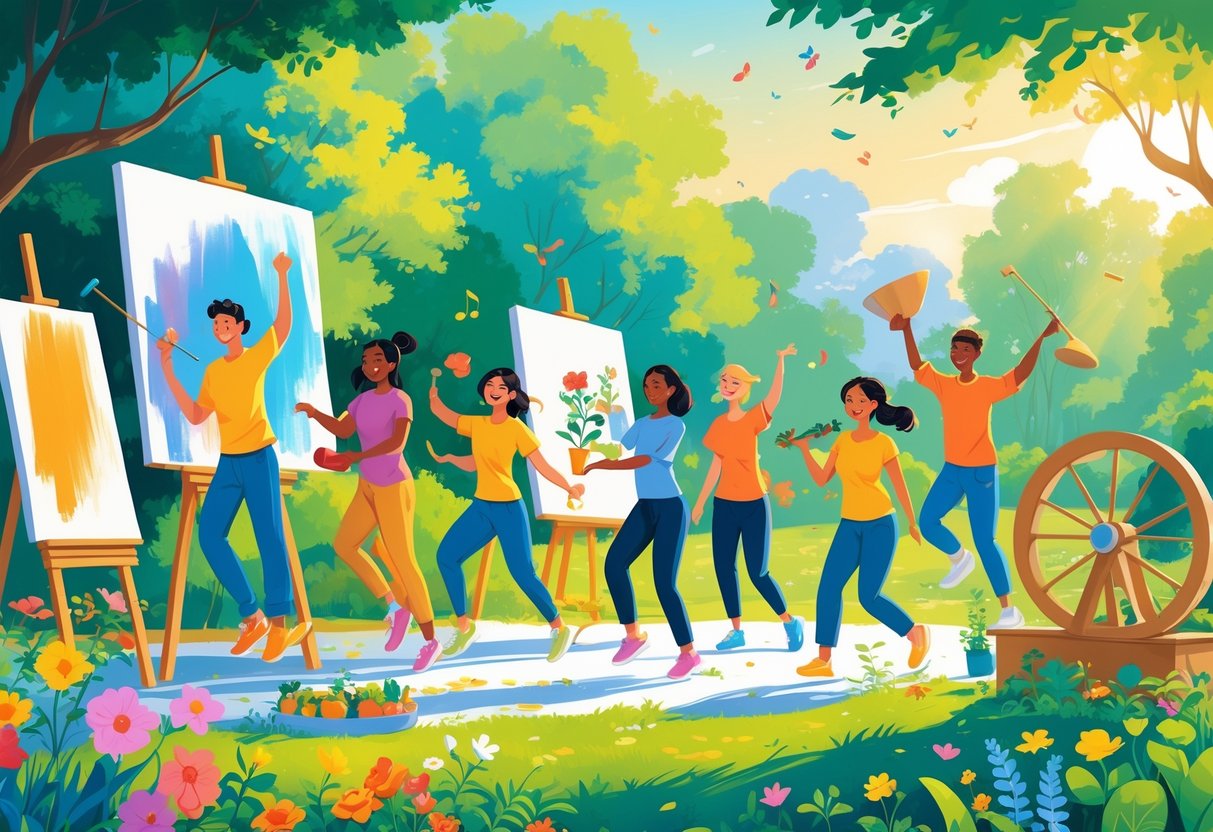
These activities combine artistic expression with physical movement, turning everyday creative tasks into opportunities for exercise. You’ll burn calories while producing tangible results, from beautiful gardens to stunning photographs.
Gardening as Physical Activity
Gardening provides a full-body workout disguised as a peaceful hobby. Digging, planting, and weeding engage your core muscles while squatting and kneeling improve flexibility.
Upper Body Benefits:
- Raking leaves burns 240-350 calories per hour
- Digging and shoveling strengthen arms and shoulders
- Carrying watering cans builds grip strength
Lower Body Engagement:
- Squatting to plant seedlings works your glutes and thighs
- Walking between garden beds adds cardiovascular activity
- Pushing wheelbarrows engages your leg muscles
You’ll spend 30-60 minutes outdoors during typical gardening sessions. This duration matches recommended daily exercise guidelines while producing fresh vegetables or beautiful flowers.
Container gardening works well for beginners or those with limited space. Even tending to houseplants involves reaching, bending, and lifting that keeps your body active throughout the day.
DIY and Home Improvement Projects
Home improvement projects transform your living space while providing intense physical activity. You’ll use muscles you rarely engage during traditional workouts.
Physical Demands by Project Type:
| Project | Calories/Hour | Primary Muscles |
|---|---|---|
| Painting walls | 280-400 | Arms, shoulders, core |
| Installing flooring | 350-500 | Legs, back, arms |
| Building furniture | 250-350 | Full body |
Painting rooms requires constant arm movement and stretching to reach high areas. Rolling paint onto walls works your shoulders and core muscles for stability.
Installing new flooring involves heavy lifting, precise positioning, and sustained kneeling. These movements strengthen your legs and improve balance while creating lasting home improvements.
Building custom shelves or furniture combines problem-solving with physical labor. You’ll lift materials, operate tools, and maintain focus for extended periods.
Photography Expeditions
Photography expeditions combine creative expression with extensive walking and hiking. Active hobbies like photography keep you moving while pursuing artistic goals.
Movement Components:
- Walking 3-8 miles during nature photography sessions
- Climbing stairs or hills for better vantage points
- Carrying camera equipment weighing 5-15 pounds
Urban photography involves constant walking between locations. You’ll explore neighborhoods on foot, discovering new areas while capturing street scenes and architecture.
Wildlife photography requires patience and stealth, often involving long hikes to remote locations. You’ll need to remain still for extended periods, then move quickly when opportunities arise.
Equipment Considerations:
- Camera bags distribute weight across your back and shoulders
- Tripods add 2-5 pounds to your load
- Multiple lenses increase carrying weight but expand creative options
Portrait sessions outdoors involve setting up equipment, directing subjects, and changing positions frequently. These activities keep you active while developing your artistic skills.
Everyday Activities That Double as Exercise
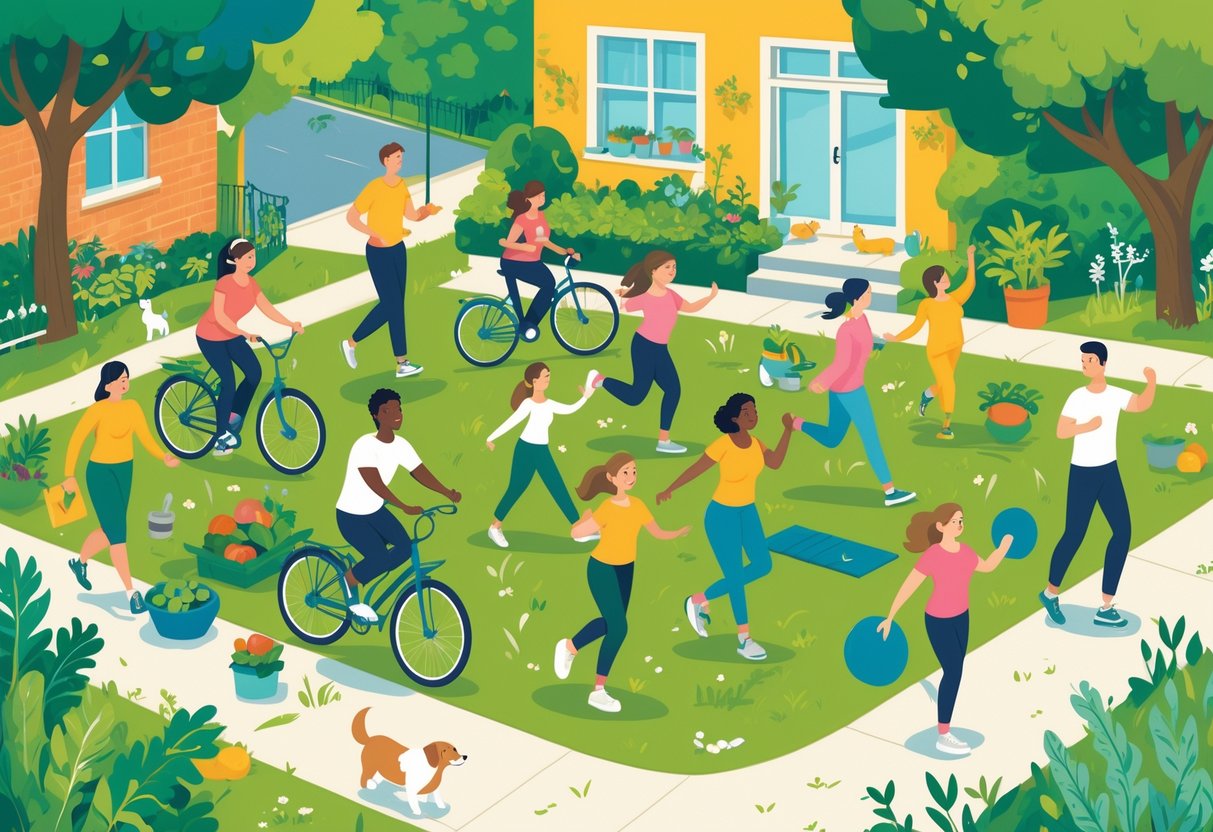
You can burn calories and stay fit through routine activities that naturally incorporate physical movement. Playing with pets, choosing active transportation methods, and engaging in family activities transform ordinary moments into fitness opportunities.
Playing With Pets
Walking your dog burns approximately 200-300 calories per hour while providing cardiovascular benefits. A 30-minute walk at a moderate pace engages your leg muscles and improves endurance.
Playing fetch in the backyard or park adds interval training to your routine. You’ll naturally sprint, jog, and change directions while your pet retrieves toys.
Indoor pet activities include:
- Playing tug-of-war (strengthens arms and core)
- Chasing cats with laser pointers (increases steps)
- Wrestling gently with larger dogs (full-body workout)
Cleaning pet areas like washing large dogs or scrubbing kennels involves bending, lifting, and scrubbing motions. These movements work your arms, shoulders, and back muscles while burning 150-200 calories per hour.
Active Commuting Options
Biking to work burns 400-600 calories per hour depending on your pace and terrain. A 20-minute bike commute each way provides 40 minutes of daily cardio exercise.
Walking part or all of your commute strengthens leg muscles and improves heart health. Getting off public transit one stop early adds 10-15 minutes of walking to your day.
Commuting calories burned per 30 minutes:
| Activity | Calories |
|---|---|
| Walking (3 mph) | 120-140 |
| Cycling (12 mph) | 240-300 |
| Climbing stairs | 180-220 |
Taking stairs instead of elevators works your glutes, quadriceps, and calves. Climbing two flights of stairs burns approximately 10 calories and increases your heart rate.
Family Playtime Ideas
Playing tag, hide-and-seek, or chase with children provides high-intensity interval training. You’ll sprint, crouch, and move quickly while burning 250-400 calories per hour.
Playground activities like pushing swings, climbing equipment, and playing catch engage multiple muscle groups. These movements improve coordination and provide strength training through bodyweight exercises.
Active family games that burn calories without feeling like exercise include:
- Trampoline jumping (200-300 calories/hour)
- Dance parties (150-250 calories/hour)
- Backyard sports (300-500 calories/hour)
Household activities like rearranging furniture, deep cleaning, or organizing involve lifting, carrying, and stretching. Vacuuming for 30 minutes burns approximately 90 calories while strengthening your arms and core.
Maintaining Motivation and Enjoyment
Success in active hobbies depends on establishing clear targets and monitoring your achievements consistently. Creating specific milestones and documenting your improvements transforms casual activities into engaging personal challenges.
Setting Personal Goals
Define specific objectives for each hobby you pursue. For dancing, aim to master three new moves per month. For hiking, target increasing your distance by one mile every two weeks.
Short-term goals keep you engaged daily. Examples include:
- Swimming 20 laps without stopping
- Completing a 30-minute yoga session
- Gardening for 45 minutes twice weekly
Long-term goals provide direction and purpose. Set targets like participating in a 5K run, joining a recreational sports league, or mastering advanced rock climbing techniques within six months.
Write down your goals and place them where you see them regularly. This visual reminder reinforces your commitment and maintains focus during challenging days.
Adjust goals based on your progress and changing interests. If martial arts becomes easier than expected, increase training frequency or explore advanced techniques.
Tracking Your Progress
Document your activities using simple methods that fit your lifestyle. A basic notebook works as effectively as sophisticated fitness apps for recording achievements.
Weekly tracking captures consistent patterns:
- Hours spent on each activity
- Skills learned or improved
- Energy levels before and after sessions
- Mood changes throughout the week
Monthly reviews reveal longer trends and highlight areas needing attention. Compare current abilities to previous months to see tangible improvements.
Use photos or videos to document progress visually. Record your dance moves, before-and-after garden photos, or hiking trail conquests to maintain motivation during difficult periods.
Engaging hobbies that promote physical activity become more sustainable when you actively monitor your development and celebrate small victories along the way.
Frequently Asked Questions
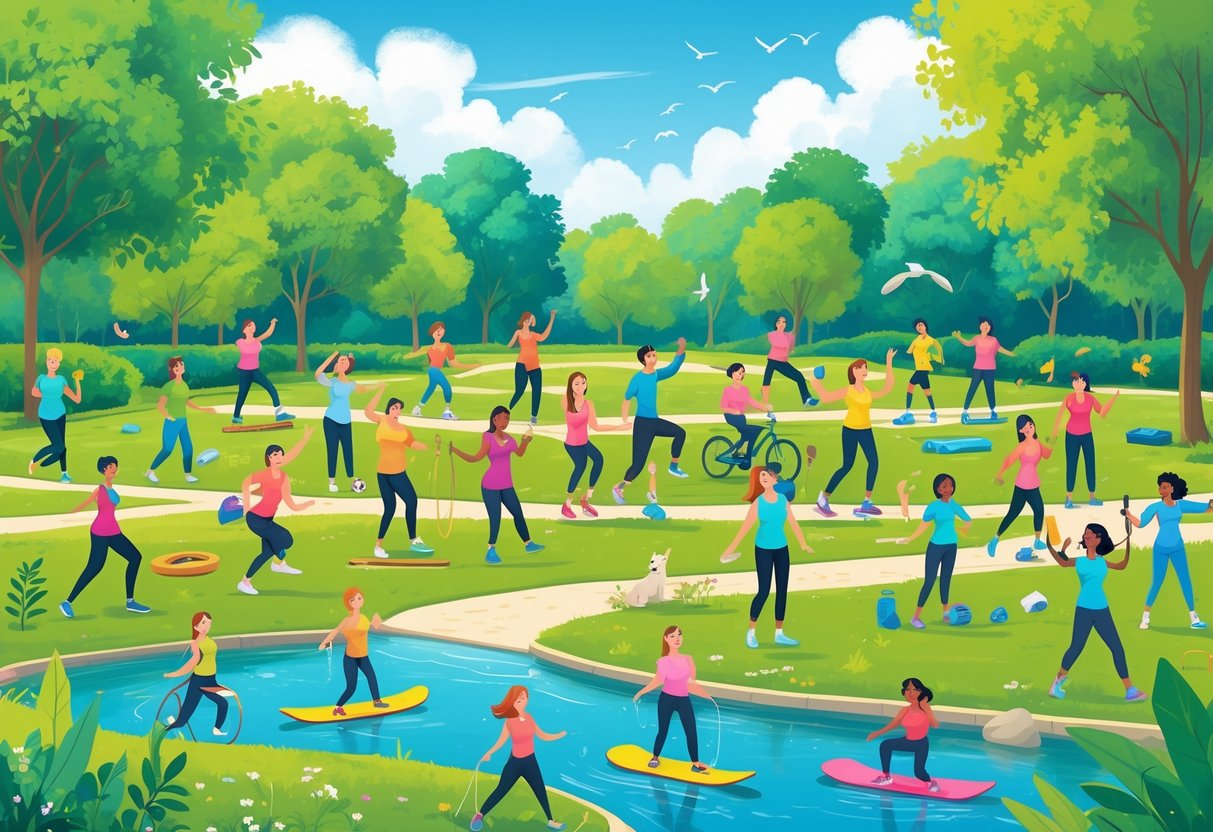
Many people wonder about specific activities that provide fitness benefits while remaining enjoyable. The key is finding movement-based hobbies that match your interests and lifestyle preferences.
What are some enjoyable activities that also serve as a good physical workout?
Dancing burns 200-400 calories per hour while improving coordination and cardiovascular health. You can join local dance classes, follow online tutorials, or simply dance to your favorite music at home.
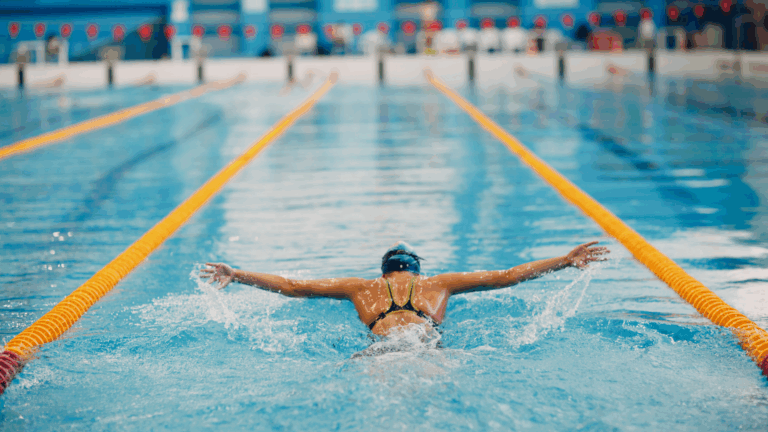
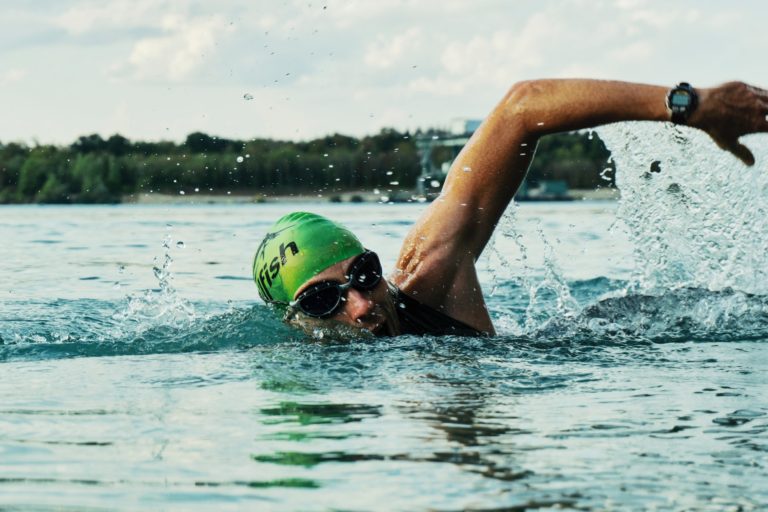
Swimming provides a full-body workout that’s gentle on joints. Most community centers offer affordable pool access, and water aerobics classes combine social interaction with effective exercise.
Gardening involves lifting, digging, and stretching movements that strengthen muscles and improve flexibility. You’ll burn approximately 150-300 calories per hour while growing your own food or flowers.
Rock climbing, whether indoor or outdoor, builds upper body strength and problem-solving skills. Indoor climbing gyms offer beginner-friendly walls and equipment rental options.
Can you suggest creative pastimes that contribute to physical fitness?
Photography walks combine creativity with cardiovascular exercise. Urban exploration or nature photography naturally increases your daily step count while pursuing artistic goals.
Geocaching turns hiking into a treasure hunt using GPS coordinates. This modern treasure hunting activity encourages exploration of new areas and trails.
Martial arts like karate, taekwondo, or aikido develop strength, flexibility, and mental discipline. Most dojos offer beginner classes that focus on proper form and safety.
Woodworking projects require lifting, carrying, and precise movements that engage your core and upper body. Building furniture or crafts provides both physical activity and practical skills.
Which hobbies are best for improving overall health without the feel of a traditional workout?
Hiking on local trails improves cardiovascular fitness while reducing stress levels. Start with shorter distances and gradually increase difficulty as your endurance builds.
Yoga combines physical movement with mental relaxation techniques. Home practice requires minimal equipment, and online classes offer guidance for all skill levels.
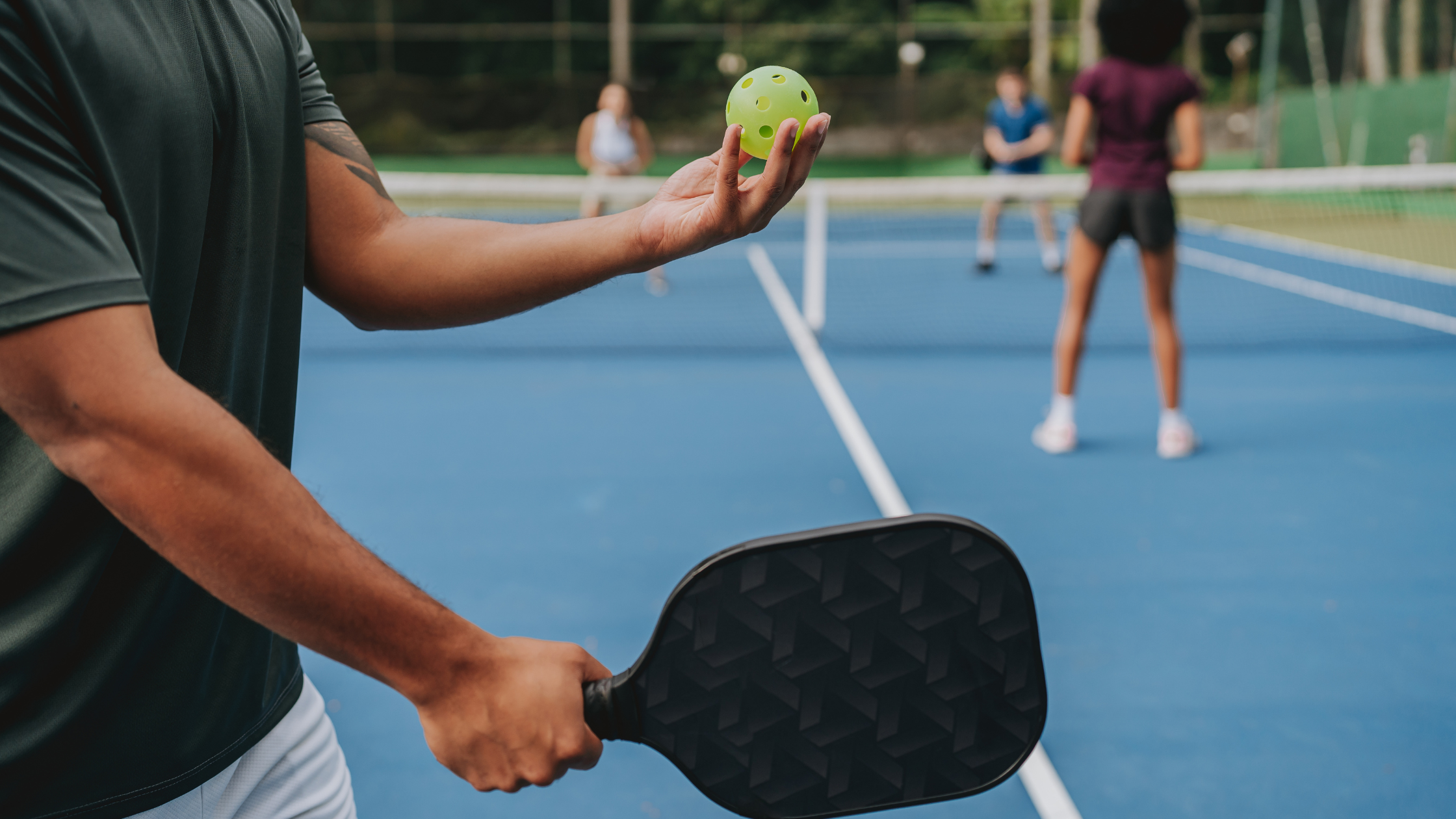
Playing recreational sports like tennis, basketball, or volleyball provides interval training benefits. Community leagues welcome players of various skill levels and ages.
Cycling for transportation or recreation strengthens leg muscles and improves heart health. You can explore neighborhoods, commute to work, or join group rides.
Are there any social hobbies that help in staying physically active?
Group fitness classes like Zumba, spin, or boot camp provide motivation through community support. Many gyms offer trial periods, and some parks host free outdoor classes.
Recreational sports leagues operate in most cities for activities like softball, soccer, or ultimate frisbee. These leagues typically focus on fun rather than intense competition.
Walking groups meet regularly in parks or neighborhoods. You can find local groups through community centers or social media platforms.
Partner dancing classes teach salsa, swing, or ballroom techniques while providing cardiovascular exercise. Many studios offer drop-in classes for beginners.
What indoor hobbies can increase physical activity for those who prefer being at home?
Home improvement projects involve lifting, painting, and renovation work that burns calories while adding value to your property. Tasks like painting walls or installing shelves provide functional fitness.
Cleaning and organizing your living space burns 150-250 calories per hour. Deep cleaning sessions work multiple muscle groups through scrubbing, lifting, and reaching movements.
Following workout videos or apps allows you to exercise in privacy. Options range from yoga and pilates to high-intensity interval training programs.
Playing active video games with motion controllers encourages movement while gaming. Dance games, sports simulations, and fitness programs make exercise entertaining.
How can I incorporate more physical movement into my daily routine through leisure activities?
Take walking meetings or phone calls instead of sitting stationary. This simple change adds steps to your day while maintaining productivity.
Choose stairs over elevators whenever possible. Stair climbing strengthens leg muscles and provides quick bursts of cardiovascular activity.
Park farther from destinations or exit public transportation one stop early. These small changes naturally increase your daily walking distance.
Set reminders to stand and stretch every hour during sedentary activities. Brief movement breaks prevent stiffness and maintain circulation throughout your day.