The Best Time of Day to Work on Your Hobby for Maximum Joy: Science-Backed Strategies for Peak Creative Fulfillment
Most people assume they don’t have enough time for hobbies, but the real challenge isn’t finding time—it’s finding the right time. Your circadian rhythm, energy levels, and daily schedule all influence how much joy and satisfaction you’ll extract from your favorite activities.

The best time to work on your hobby depends on your individual energy patterns, but research shows that aligning activities with your natural circadian rhythms maximizes both performance and enjoyment. Whether you’re a morning person who thrives on fresh energy or an evening individual who finds creativity in quiet hours, understanding your optimal timing can transform hobby time from a rushed afterthought into a source of genuine fulfillment.
The difference between forcing yourself through a hobby session and experiencing genuine flow often comes down to timing. Research indicates that more productive work happens between 9:00 and 11:00 AM, but your personal peak hours might vary significantly based on your lifestyle and natural preferences.
Key Takeaways
- Your natural circadian rhythm determines when you’ll experience the most energy and focus for hobby activities
- Morning hours often provide fresh mental clarity while evenings offer relaxation and creative flow
- Consistency matters more than duration, with even small regular time slots creating meaningful hobby engagement
Understanding the Importance of Timing for Hobbies
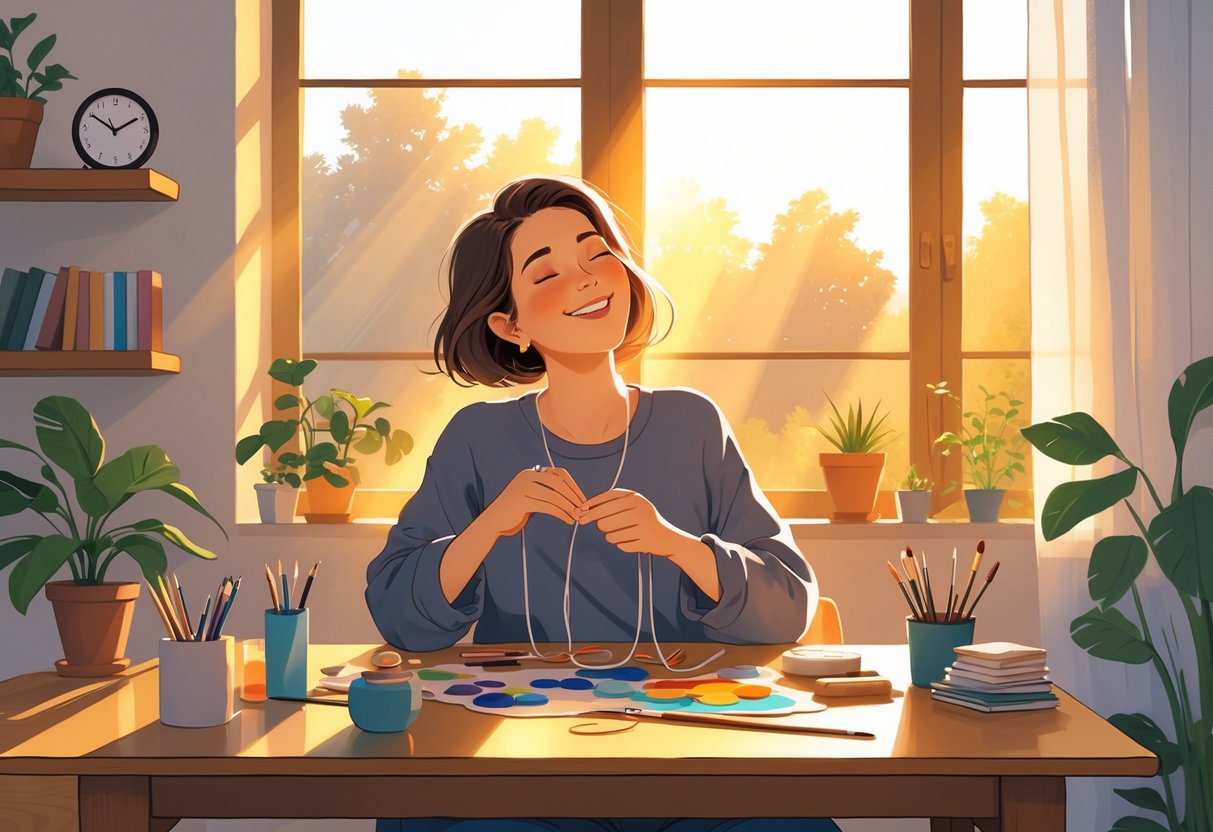
The timing of your hobby sessions directly affects your energy levels, creative output, and overall satisfaction. Your body’s natural rhythms and daily schedule create windows of opportunity when hobby engagement becomes more rewarding and productive.
How Time Influences Motivation and Creativity
Your motivation fluctuates throughout the day based on cortisol and dopamine levels. Morning hours typically bring higher cortisol, creating natural drive and focus for challenging hobbies like painting or writing.
Peak creativity windows occur during these periods:
- 6-9 AM: Highest cognitive function and problem-solving
- 2-4 PM: Secondary peak for analytical tasks
- 7-9 PM: Relaxed creativity for flow activities
Creative hobbies benefit from your brain’s default mode network being most active. This happens when you’re neither fully alert nor tired, typically mid-morning or early evening.
Research shows that hobbies improve psychological and physical well-being when timed correctly. Your prefrontal cortex operates at different efficiency levels throughout the day, affecting complex hobby skills.
Motivation peaks align with your circadian rhythm. Early risers find morning hobby time energizing, while night owls experience creative surges after 6 PM.
Effects of Routine on Enjoyment
Consistent hobby timing creates positive associations in your brain. When you practice your hobby at the same time daily, your body begins preparing mentally and physically for that activity.
Routine benefits include:
- Reduced decision fatigue about when to start
- Automatic mental preparation
- Stronger habit formation
- Increased anticipation and enjoyment
Setting a designated time for hobbies, such as thirty minutes after work, creates boundaries between responsibilities and personal time. This separation enhances your ability to fully engage.
Your brain releases anticipatory dopamine when hobby time approaches on schedule. This chemical response increases enjoyment before you even begin the activity.
Irregular hobby timing can create stress about finding time. Regular scheduling eliminates this mental burden and transforms hobby time into an expected reward rather than a luxury.
Personal Energy Patterns
Your chronotype determines when you feel most energetic and focused. Larks (morning people) experience peak energy between 6-10 AM, while owls (evening people) hit their stride after 6 PM.
Mid-chronotypes have energy peaks around 10 AM and 6 PM. Understanding your pattern helps you allocate daily time for hobbies when you’ll enjoy them most.
Energy pattern indicators:
- When you naturally wake without alarms
- Your most productive work hours
- When you feel mentally sharpest
- Times you naturally feel tired
Physical hobbies like gardening or woodworking require higher energy levels. Mental hobbies like reading or puzzles work better during moderate energy periods.
Your energy also depends on meal timing, caffeine intake, and previous activities. Track these factors for two weeks to identify your optimal hobby windows.
Post-meal energy dips around 1-3 PM make this period ideal for relaxing hobbies rather than demanding creative work.
Morning: Harnessing Fresh Energy

Morning routines for productivity leverage your peak willpower and mental clarity. Your brain operates with maximum focus during early hours, making this the ideal time to engage with hobbies that require concentration and creative problem-solving.
Benefits of a Clear Mind
Your mental faculties reach their strongest state in the morning hours. Willpower and mental clarity are strongest in the morning, giving you access to your best cognitive resources for hobby work.
This mental sharpness translates into better decision-making for creative projects. You can tackle complex hobby tasks like learning new techniques or solving challenging problems with greater ease.
Key cognitive advantages include:
- Enhanced focus and concentration
- Improved problem-solving abilities
- Better retention of new skills
- Reduced mental fatigue
Your brain has recovered from sleep and hasn’t yet been depleted by daily stressors. This creates optimal conditions for engaging deeply with activities you enjoy.
Morning mental clarity also means fewer distractions from external sources. Your mind hasn’t been scattered by emails, notifications, or daily responsibilities yet.
Establishing a Positive Tone for the Day
Starting your day with hobby activities creates immediate satisfaction and accomplishment. This positive momentum carries forward into other areas of your life throughout the day.
A well-structured morning routine can enhance productivity and improve mental clarity while boosting overall well-being. Dedicating morning time to hobbies reinforces their importance in your life.
Morning hobby benefits:
- Immediate sense of achievement
- Reduced stress before daily obligations
- Enhanced mood and energy levels
- Stronger commitment to personal interests
You build consistency by making hobbies a non-negotiable morning practice. This prevents them from being pushed aside by urgent but less important tasks later.
The satisfaction from morning hobby time provides emotional resilience. You enter meetings and work responsibilities with a sense of personal fulfillment already established.
Common Morning Challenges
Time constraints represent the biggest obstacle to morning hobby practice. Many people feel rushed to begin work or family responsibilities immediately after waking.
Solution: Start with just 15-20 minutes of hobby time. Wake up 15 minutes earlier and gradually expand your routine to build sustainable habits.
Low energy levels can make creative activities feel difficult. Your body may need time to fully wake up before engaging in focused hobby work.
Solutions for low energy:
- Drink water immediately upon waking
- Do light stretching or movement
- Expose yourself to natural light
- Keep hobby materials easily accessible
Lack of consistency often derails morning hobby routines. Weekends, travel, or schedule changes can interrupt established patterns.
Create flexible hobby options that work in different circumstances. Keep simple hobby activities available for days when time or energy is limited.
Family obligations or household responsibilities may compete for morning time. Others in your home might expect immediate attention or assistance.
Communicate your morning hobby time as important personal maintenance. Set clear boundaries about when you’re available for other requests.
Afternoon: Leveraging Peak Productivity

The afternoon hours offer a unique window for hobby engagement when your body’s natural energy patterns align with focused activity. Understanding how to work with your circadian rhythm and minimize common afternoon distractions can transform this time into your most productive hobby sessions.
Synchronizing Hobbies with Your Natural Rhythm
Your body follows predictable energy patterns throughout the day. Research shows that the most productive moment occurs at 10:26 am, but afternoon productivity depends on when you wake up.
The afternoon energy dip typically begins about 7 hours after waking. This means if you wake at 6 AM, your natural low point hits around 1 PM.
Plan demanding hobby tasks for the 2-4 PM window when energy often rebounds. This timeframe works well for:
- Detail-oriented crafts like jewelry making or model building
- Skill practice requiring sustained concentration
- Learning new techniques through tutorials or books
Save lighter hobby activities for the post-lunch dip period. Organize supplies, plan future projects, or browse inspiration during natural low-energy moments.
Managing Distractions in the Afternoon
Afternoon distractions multiply as the day progresses. Work emails, household tasks, and social obligations compete for your attention during prime hobby time.
Create a dedicated hobby space that signals focus time. Turn off phone notifications and close unnecessary browser tabs before starting your session.
Use the natural afternoon slump strategically by handling shallow tasks first. Check messages and complete quick errands before transitioning to focused hobby work.
Set specific time boundaries for your afternoon hobby sessions. A 90-minute block allows for deep engagement without overwhelming your schedule. Use a timer to maintain focus and prevent afternoon procrastination from derailing your creative momentum.
Evening: Maximizing Relaxation and Fulfillment

Evening hobby time requires intentional transitions from work mode and structured routines that combat natural energy dips. Strategic approaches to screen exposure and fatigue management can transform tired evenings into periods of genuine fulfillment.
Transitioning from Work to Leisure
Your brain needs clear signals that work has ended before you can fully engage with hobbies. Create a physical ritual like changing clothes, taking a brief walk, or doing light stretching to mark this transition.
Set a specific buffer period between work and hobby time. Even 15-20 minutes of transitioning activities help you let go of work-related stress and shift mental gears.
Physical transition techniques:
- Change into comfortable clothes
- Do 5-10 minutes of gentle movement
- Take three deep breaths while setting work items aside
- Play music that signals leisure time
Avoid checking work emails or messages during this transition period. Your hobby deserves your full attention, not the mental residue from workplace concerns.
Create a dedicated space for your evening hobby if possible. This physical boundary reinforces the mental shift from productivity mode to personal fulfillment.
Boosting Joy Through Evening Routines
Structure your evening hobby time with intentional routines that maximize enjoyment despite lower energy levels. Evening routines directly link to life quality and can enhance hobby satisfaction.
Start with easier aspects of your hobby when energy feels low. Save complex or demanding tasks for when you naturally feel more alert.
Energy-matched hobby activities:
- High energy needed: Learning new techniques, tackling challenging projects
- Medium energy: Practicing familiar skills, organizing supplies
- Low energy: Planning future projects, gentle practice, maintenance tasks
Build in small rewards throughout your hobby session. This could be your favorite tea, comfortable lighting, or background music that enhances the experience.
Time-box your hobby sessions to prevent fatigue from diminishing joy. Start with 30-45 minute focused periods rather than forcing longer sessions when tired.
Addressing Fatigue and Screen Time
Combat natural evening energy dips by choosing hobbies that work with your circadian rhythm rather than against it. Post-lunch energy dips make deep work harder, and this continues into evening hours.
Limit screen-based hobbies within two hours of bedtime to protect sleep quality. Blue light exposure can disrupt melatonin production and affect next-day energy levels.
Screen-free evening hobby alternatives:
- Reading physical books or magazines
- Sketching or painting
- Playing musical instruments
- Crafting with hands-on materials
- Journaling or creative writing by hand
If your hobby requires screens, use blue light filters and keep brightness low. Position screens at eye level to reduce neck strain during extended sessions.
Prepare healthy snacks and stay hydrated during hobby time. Low blood sugar and dehydration amplify fatigue and reduce enjoyment of activities you normally love.
Consider the timing within your evening. Some people experience a second wind around 6-8 PM, making this ideal for more engaging hobby work before winding down for sleep.
Weekends and Days Off: Creating Uninterrupted Hobby Time

Weekends offer the perfect opportunity to dive deep into your hobbies without the constraints of weekday schedules. The key lies in designing longer sessions while maintaining balance between your personal interests and necessary responsibilities.
Designing Extended Sessions
Your weekends provide the luxury of time blocks that weekdays simply cannot offer. Instead of rushing through 30-minute sessions, you can dedicate 2-4 hours to your hobby without interruption.
Morning sessions work best for most hobbies. Your energy levels peak in the first few hours after waking, making this ideal for activities requiring focus or creativity.
Start by blocking out specific time slots on your calendar. Treat these appointments with yourself as seriously as you would any other commitment.
Create a hobby sanctuary in your space. Set up your materials the night before so you can begin immediately. This eliminates the friction that often prevents people from starting their hobby sessions.
Consider the flow state principle – it takes approximately 15-20 minutes to fully engage with most activities. Extended weekend sessions allow you to reach this optimal state and maintain it for meaningful periods.
Turn off notifications on your devices during these sessions. The constant ping of messages destroys the deep engagement that makes hobby time truly satisfying.
Balancing Responsibilities with Leisure
Weekend responsibilities don’t disappear, but they shouldn’t consume your entire free time either. Effective hobby time allocation requires strategic planning around necessary tasks.
Time-block your weekend activities:
| Time Slot | Saturday | Sunday |
|---|---|---|
| 7:00-10:00 AM | Hobby time | Household tasks |
| 10:00 AM-12:00 PM | Errands | Hobby time |
| 1:00-3:00 PM | Family time | Meal prep |
Complete essential tasks first if you’re someone who struggles with guilt about leisure time. Knowing your laundry is done and groceries are purchased allows you to fully immerse in your hobby.
Communicate your hobby schedule to family members. Let them know when you’ll be unavailable and when you’ll be present for shared activities.
Making time for creative pursuits supports your mental health and makes you more present during family time. Your loved ones benefit when you return from hobby sessions refreshed and fulfilled.
Consider alternating weekends if you share household responsibilities with a partner. One person handles Saturday duties while the other enjoys extended hobby time, then switch on Sunday.
Adapting to Your Unique Circadian Rhythm
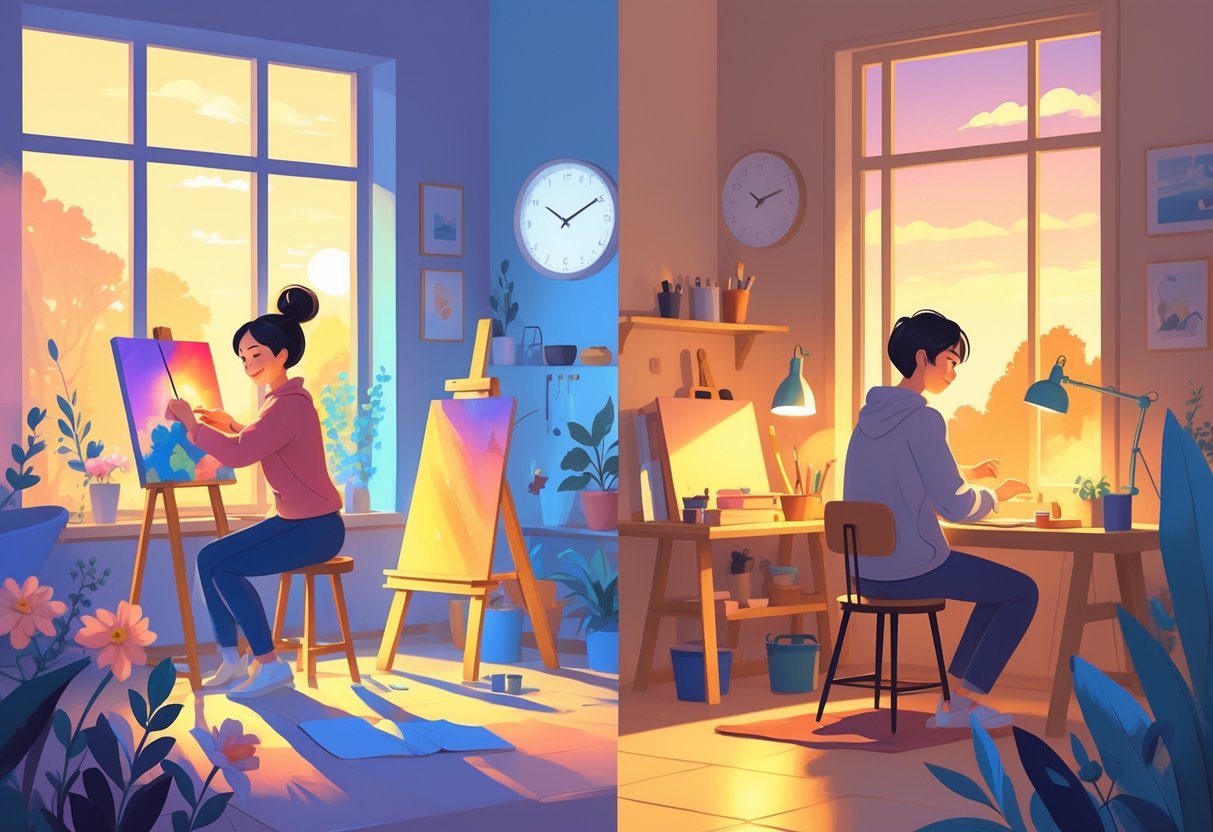
Your body operates on a natural 24-hour cycle that affects energy levels, focus, and creativity throughout the day. Understanding and working with this biological clock allows you to schedule hobby time when you’ll experience the most satisfaction and engagement.
Identifying Your Personal Peak Times
Your circadian rhythm runs on a roughly 24-hour cycle and determines when you feel most alert and energized. Most people fall into one of three chronotypes that influence their optimal performance windows.
Morning larks typically experience peak alertness between 6 AM and 10 AM. Their energy gradually declines throughout the day, with a secondary smaller peak around 6 PM.
Night owls feel most energized between 6 PM and 2 AM. They often struggle with morning activities but excel at creative and detailed work during evening hours.
Intermediate types represent about 60% of the population. They perform best between 10 AM and 2 PM, with moderate energy levels in early evening.
Track your natural energy patterns for one week without forcing a schedule. Note when you feel most creative, focused, and motivated to engage in activities you enjoy.
Customizing Your Hobby Schedule
Once you identify your peak times, align your hobby activities with your natural energy patterns for maximum enjoyment and flow states.
Schedule creative hobbies like painting, writing, or music composition during your highest energy periods. These activities require sustained attention and benefit from peak cognitive function.
Plan physically demanding hobbies such as woodworking, gardening, or sports during times when your body temperature and cardiovascular efficiency are highest. For most people, this occurs between 3 PM and 6 PM.
Reserve detail-oriented hobbies like model building, crafting, or puzzles for periods when you can maintain steady concentration without fatigue.
Relaxing hobbies such as reading, knitting, or gentle sketching work well during your natural wind-down periods. These activities can actually support your circadian rhythm by promoting relaxation before sleep.
If your peak times conflict with work or family obligations, identify your secondary energy windows. Even 30-45 minutes during a moderately good time produces better results than forcing hobby time during energy lows.
Practical Tips for Finding Your Best Time
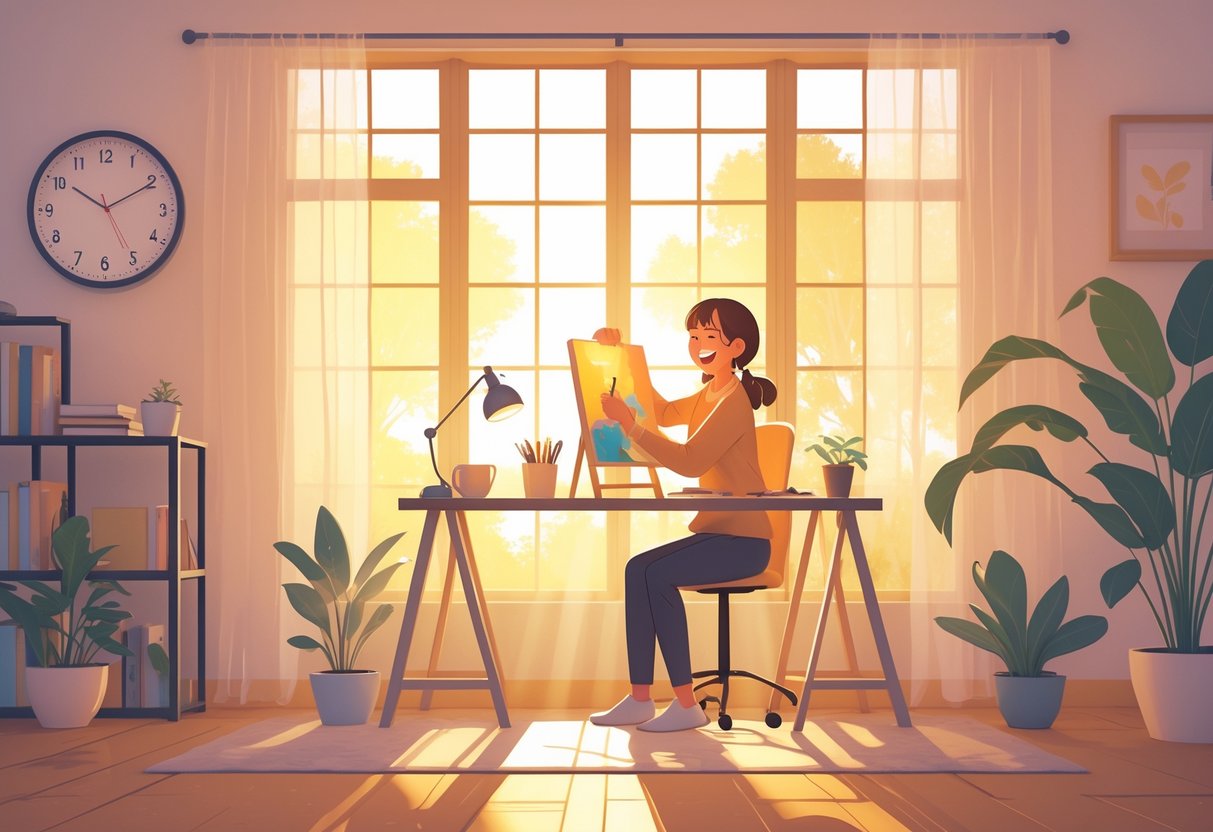
Finding your optimal hobby time requires systematic observation of your natural rhythms and deliberate experimentation with different schedules. The key lies in tracking your energy patterns, testing various time slots, and building consistent routines around your discoveries.
Tracking Mood and Energy Levels
Keep a detailed notebook of how you feel throughout the day to identify your natural energy peaks. Record your mood, focus level, and motivation every two hours for at least one week.
Rate each factor on a scale of 1-10. Note external influences like meals, caffeine, or stressful events that might affect your readings.
Key metrics to track:
- Energy level (physical alertness)
- Mental clarity and focus
- Creative motivation
- Mood and enthusiasm
Look for consistent patterns across multiple days. Many people experience energy peaks in mid-morning and early evening, but your pattern may differ significantly.
Pay attention to when you naturally feel most excited about your hobby. This emotional connection often aligns with your best creative periods.
Experimenting with Different Schedules
Test different time slots for your hobby over several weeks to find what works best. Try morning sessions for one week, afternoon sessions the next, and evening sessions afterward.
Start with 30-minute sessions at consistent times. Morning slots often work well for creative activities when your mind feels fresh and undistracted.
Schedule options to test:
- Early morning (6-8 AM)
- Late morning (9-11 AM)
- Afternoon (2-4 PM)
- Evening (6-8 PM)
- Night (9-11 PM)
Document your experience during each time slot. Rate your enjoyment, productivity, and ability to maintain focus throughout the session.
Consider your existing commitments when scheduling experiments. Choose times when you can practice consistently without rushing or feeling pressured.
Establishing Consistent Habits
Create a routine around your chosen time slot to signal your brain that hobby time has begun. Use the same preparation ritual each session, such as clearing your workspace or playing specific music.
Consistency matters more than duration when building habits. Practice for 15-20 minutes daily rather than sporadic longer sessions.
Habit-building strategies:
- Set a daily alarm for your hobby time
- Prepare materials the night before
- Create a dedicated workspace
- Turn off notifications during sessions
Protect your chosen time slot by treating it as a non-negotiable appointment with yourself. Communicate boundaries with family members or roommates to minimize interruptions.
Start with three sessions per week if daily practice feels overwhelming. Gradually increase frequency as the habit becomes automatic and enjoyable.
Frequently Asked Questions
Understanding when your mind and body are most receptive to creative activities can significantly impact your hobby satisfaction. The timing of your hobby sessions affects everything from your ability to learn new skills to your energy levels and creative output.
What are the peak hours for creativity that could enhance hobby enjoyment?
Most people experience their highest creative output between 10 AM and 2 PM when cortisol levels naturally rise and brain function peaks. Your prefrontal cortex operates most efficiently during these morning hours.
Late evening hours around 6 PM to 8 PM also show elevated creative thinking for many individuals. This second peak occurs as your analytical thinking relaxes and allows for more innovative approaches.
Creative hobbies like painting, writing, or music composition benefit most from these natural creativity windows. You’ll find solutions come easier and your artistic flow feels more natural during these periods.
How does circadian rhythm influence hobby engagement satisfaction?
Your circadian rhythm directly controls when you feel most alert and engaged throughout the day. Core body temperature rises in the morning and peaks in late afternoon, correlating with higher focus levels.
Melatonin production begins around 9 PM, making complex hobby tasks more challenging in late evening hours. Your reaction time and coordination also decrease as your body prepares for sleep.
Aligning demanding hobbies with your natural alertness cycles leads to better performance and greater satisfaction. You’ll experience less frustration and achieve better results when working with your biological clock.
Can the time of day affect the learning curve when practicing a new hobby?
Morning hours between 9 AM and 11 AM show the strongest memory consolidation for new information. Your brain processes and retains new skills most effectively during this window.
Afternoon sessions around 2 PM to 4 PM work well for practicing skills you’ve already learned. Your muscle memory and coordination remain sharp during these hours.
Learning complex hobby techniques requires sustained attention that peaks in mid-morning. You’ll make faster progress on challenging aspects of your hobby during these optimal learning periods.
What are the benefits of aligning hobby activities with natural light conditions?
Natural daylight exposure boosts serotonin production, which enhances mood and motivation for hobby activities. Bright morning light especially increases alertness and positive feelings.
Physical activities tend to make better use of daytime hours when your energy levels are higher, while indoor creative pursuits can adapt to various lighting conditions.
Outdoor hobbies like gardening or photography benefit from the golden hours just after sunrise and before sunset. These times provide optimal lighting conditions and comfortable temperatures.
Working on hobbies in natural light reduces eye strain compared to artificial lighting. Your circadian rhythm also stays better regulated when you receive adequate daylight exposure.
How can structuring your day around your hobby improve overall well-being?
Dedicating specific time blocks to your hobby creates anticipation and gives you something to look forward to each day. This structure reduces stress and provides mental breaks from work obligations.
Regular hobby time acts as a natural stress buffer and helps maintain work-life balance. You develop better time management skills when you prioritize activities that bring you joy.
Consistent hobby scheduling improves your overall mood and life satisfaction. Having protected time for personal interests prevents burnout and maintains your sense of identity beyond work responsibilities.
What strategies can help integrate hobby time into a busy schedule for maximum pleasure?
Block out non-negotiable hobby time in your calendar just like you would for important meetings. Treat this time as essential for your mental health and personal development.
Start with shorter 15-30 minute sessions during natural energy peaks rather than waiting for large blocks of free time. The amount of time you are able to spend on hobbies will depend on your individual circumstances, priorities and lifestyle.
Prepare your hobby materials in advance so you can start immediately when your scheduled time arrives. This eliminates decision fatigue and maximizes your actual engagement time.
Consider splitting longer hobbies into smaller components that fit different time slots throughout your day. Morning creativity sessions and evening practice sessions can both contribute to your hobby progress.